
Logo - Life.Understood.

Category: Civic Renewal

  • The Psychology of Enough: Why Scarcity Thinking Persists Even in Prosperity

    The Psychology of Enough: Why Scarcity Thinking Persists Even in Prosperity


    Understanding Why Human Minds Often Remain Focused on Survival Long After Basic Needs Are Met


    Meta Description

    Why do people still feel scarcity even when resources are abundant? Explore the psychology of enough, scarcity thinking, prosperity, well-being, and the hidden mental patterns that shape modern life.


    For most of human history, scarcity was not a mindset.

    It was reality.

    Food shortages, disease, environmental uncertainty, conflict, and limited resources shaped daily life for generations. Human beings evolved in environments where survival often depended upon vigilance, resource accumulation, and preparation for potential hardship.

    From an evolutionary perspective, scarcity thinking was adaptive.

    Those who anticipated shortages were often more likely to survive than those who assumed abundance would continue indefinitely (Buss, 2019).

    Yet many people today live in circumstances vastly different from those of their ancestors. While significant poverty and hardship still exist, large portions of the world’s population have access to levels of material abundance that would have been unimaginable only a few generations ago.

    Despite this, many individuals continue to experience a persistent feeling that there is never enough.

    • Not enough money.
    • Not enough time.
    • Not enough security.
    • Not enough success.
    • Not enough certainty.

    This raises an important question:

    Why does scarcity thinking persist even when objective conditions improve?

    The answer lies in the complex relationship between human psychology, evolutionary history, culture, and social systems.


    What Is Scarcity Thinking?

    Scarcity thinking is a cognitive and emotional orientation characterized by persistent attention toward perceived shortages, limitations, and threats.

    Psychologists Sendhil Mullainathan and Eldar Shafir describe scarcity as a condition that captures attention and narrows focus toward immediate deficits, often reducing cognitive bandwidth available for broader decision-making (Mullainathan & Shafir, 2013).

    Scarcity thinking is not necessarily irrational.

    In genuinely resource-constrained environments, heightened attention to shortages can improve survival.

    The challenge emerges when scarcity becomes a default lens through which individuals interpret reality regardless of actual conditions.

    When this occurs, abundance may be present, yet psychologically inaccessible.


    The Evolutionary Legacy of Survival

    Human beings did not evolve in environments characterized by continuous abundance.

    • For most of history, uncertainty was normal.
    • Food supplies fluctuated.
    • Weather patterns changed.
    • Predators posed threats.
    • Communities experienced periods of instability.

    Evolution therefore favored psychological systems capable of detecting potential dangers quickly.

    Neuroscience research suggests that negative information often receives greater attention than positive information, a tendency commonly known as negativity bias (Baumeister et al., 2001).

    From a survival perspective, overlooking a threat was often more costly than overlooking an opportunity.

    As a result, human cognition remains highly sensitive to signals of loss, risk, and scarcity.

    This bias can persist even when objective conditions improve.


    Why Prosperity Does Not Automatically Create Security

    Many people assume that greater wealth inevitably produces greater peace of mind.

    Research suggests the relationship is more complicated.

    Income can improve well-being, particularly when it helps meet basic needs and reduces chronic stress (Kahneman & Deaton, 2010).

    However, beyond certain thresholds, psychological experiences of security often depend less upon absolute resources and more upon perception, expectations, and comparison.

    A person earning substantially more than previous generations may still feel insecure if expectations continue rising simultaneously.

    The issue becomes not simply what people have.

    The issue becomes what they believe they need.


    The Hedonic Adaptation Problem

    One reason scarcity thinking persists is that human beings adapt remarkably quickly to improved conditions.

    Psychologists refer to this tendency as hedonic adaptation.

    People frequently return to baseline levels of satisfaction after positive life changes, including increases in income, status, or material comfort (Brickman & Campbell, 1971).

    • What once felt extraordinary becomes normal.
    • What once felt abundant becomes expected.

    As expectations rise, the psychological experience of “enough” often moves further away.

    The finish line keeps shifting.

    This helps explain why increases in prosperity do not always produce proportional increases in life satisfaction.


    Social Comparison and Relative Scarcity

    Human beings rarely evaluate circumstances in isolation.

    Instead, they compare themselves to others.

    Social comparison theory suggests that individuals assess their status and well-being partly through reference groups rather than objective conditions alone (Festinger, 1954).

    In highly connected societies, comparison opportunities expand dramatically.

    Social media platforms, advertising systems, and digital networks continuously expose people to curated representations of success, wealth, beauty, and achievement.

    As a result, objectively prosperous individuals may still experience feelings of inadequacy.

    Scarcity becomes relative rather than absolute.

    The question shifts from:

    “Do I have enough?”

    to:

    “Do I have as much as others?”

    This distinction has profound psychological consequences.


    Scarcity as a Cultural Narrative

    Scarcity thinking is not solely individual.

    It can become embedded within culture.

    Many societies emphasize:

    • Competition
    • Productivity
    • Achievement
    • Accumulation
    • Status acquisition

    These values often produce remarkable innovation and economic growth.

    However, they can also reinforce the perception that worth depends upon continual acquisition.

    When success is defined primarily through more—more wealth, more recognition, more influence—enough becomes difficult to define.

    A destination that constantly moves cannot be reached.

    The result is a culture of perpetual striving.


    The Economics of Perceived Insufficiency

    Modern economic systems frequently rely upon expanding consumption.

    Advertising industries, marketing systems, and competitive marketplaces often benefit from maintaining awareness of unmet desires.

    This does not imply deliberate manipulation by every participant.

    Rather, economic incentives frequently align with encouraging continued consumption.

    • Messages emphasizing deficiency can become powerful drivers of purchasing behavior.
    • If people consistently feel incomplete, they are more likely to seek solutions through acquisition.

    The challenge is that psychological needs such as belonging, meaning, purpose, and identity cannot always be satisfied through material consumption alone.


    The Scarcity of Time

    Interestingly, scarcity thinking often persists even among those with abundant material resources.

    One reason is that modern scarcity increasingly involves time rather than goods.

    Many individuals report feeling:

    • Overcommitted
    • Overstimulated
    • Overconnected
    • Chronically rushed

    Research suggests that perceived time scarcity contributes significantly to stress and reduced well-being (Whillans, 2020).

    In affluent societies, time frequently becomes the resource people value most.

    Material abundance may increase while perceived time availability declines.

    This creates a new form of scarcity psychology.


    The Psychology of Enough

    If scarcity thinking represents one end of a spectrum, the psychology of enough represents another.

    • Enough does not imply complacency.
    • Nor does it require abandoning ambition.
    • Rather, it involves developing the capacity to recognize sufficiency.

    This capacity includes:

    • Gratitude
    • Perspective
    • Self-awareness
    • Value clarity
    • Contentment
    • Deliberate choice

    Research in positive psychology consistently finds that well-being depends not only on resource acquisition but also on how individuals interpret and relate to their circumstances (Seligman, 2011).

    Enough is therefore partly psychological.

    It is a relationship to experience rather than a fixed quantity.


    From Accumulation to Stewardship

    One consequence of scarcity thinking is that it often encourages accumulation.

    • The underlying assumption is that security comes from possessing more.

    However, many traditions emphasize a different perspective.

    Security emerges not solely from ownership but from relationships, competence, trust, community, and meaning.

    This shift reflects a movement from accumulation toward stewardship.

    Stewardship asks different questions:

    • How should resources be used?
    • What is sufficient?
    • What responsibilities accompany abundance?
    • How can prosperity benefit future generations?

    The Wealth Stewardship Cycle offers a useful framework for understanding this transition.

    Rather than viewing prosperity as a process of endless accumulation, the cycle illustrates how value can move through creation, exchange, allocation, stewardship, regeneration, and legacy.

    The psychology of enough emerges when abundance is understood not as something to endlessly acquire, but as something to responsibly steward.

    Download Reference Map 009: The Wealth Stewardship Cycle

    These questions become increasingly important as societies move toward conditions where survival is no longer the primary challenge for large segments of the population.


    Why Enough Matters for the Future

    Many contemporary challenges are linked not to absolute scarcity but to the management of abundance.

    Environmental pressures, overconsumption, burnout, information overload, and social fragmentation often emerge despite unprecedented productive capacity.

    Addressing these challenges may require more than technological solutions.

    It may require psychological evolution.

    The ability to recognize enough could become as important as the ability to produce more.

    A society capable of distinguishing genuine need from perpetual dissatisfaction may be better positioned to create sustainable prosperity.


    Conclusion

    Scarcity thinking evolved for good reasons.

    For most of human history, vigilance, preparation, and resource acquisition improved survival. The challenge is that psychological adaptations developed under conditions of uncertainty can persist long after circumstances change.

    As prosperity increases, many people continue to experience insecurity not because resources are absent but because expectations, comparisons, and inherited survival patterns continue to shape perception.

    The psychology of enough offers an alternative perspective. It does not reject growth, ambition, or achievement. Rather, it asks a deeper question:

    At what point does more cease to improve well-being?

    • The answer is not purely economic.
    • It is psychological, cultural, and ultimately relational.
    • The future may depend not only upon humanity’s ability to create abundance, but also upon its ability to recognize when abundance is already present.

    Related Reading


    References

    Baumeister, R. F., Bratslavsky, E., Finkenauer, C., & Vohs, K. D. (2001). Bad is stronger than good. Review of General Psychology, 5(4), 323–370.

    Brickman, P., & Campbell, D. T. (1971). Hedonic relativism and planning the good society. In M. H. Appley (Ed.), Adaptation-level theory (pp. 287–302). Academic Press.

    Buss, D. M. (2019). Evolutionary psychology: The new science of the mind (6th ed.). Routledge.

    Festinger, L. (1954). A theory of social comparison processes. Human Relations, 7(2), 117–140.

    Kahneman, D., & Deaton, A. (2010). High income improves evaluation of life but not emotional well-being. Proceedings of the National Academy of Sciences, 107(38), 16489–16493. https://doi.org/10.1073/pnas.1011492107

    Mullainathan, S., & Shafir, E. (2013). Scarcity: Why having too little means so much. Times Books.

    Seligman, M. E. P. (2011). Flourish: A visionary new understanding of happiness and well-being. Free Press.

    Whillans, A. (2020). Time smart: How to reclaim your time and live a happier life. Harvard Business Review Press.

    The Living Archive is designed to be explored through pathways, categories, and search. If you’re looking for a specific idea, question, or theme, AI Search can help surface relevant connections across the archive.


    Attribution

    The Living Archive
    Integrative Frameworks for Regenerative Civilization

    © 2026 Gerald Daquila. All rights reserved.
    Part of the Life.Understood. knowledge ecosystem and Stewardship Institute initiative.

    This article is intended for educational, research, and civic inquiry purposes.
    Readers are encouraged to engage critically, verify sources independently, and explore related knowledge hubs for broader systems context.


  • Collapse or Transformation? How Societies Interpret Periods of Instability

    Collapse or Transformation? How Societies Interpret Periods of Instability


    Why Times of Uncertainty Often Feel Like Endings—and How History Suggests They May Also Be Beginnings


    Meta Description

    Are today’s crises signs of societal collapse or systemic transformation? Explore how societies interpret instability, why uncertainty feels overwhelming, and what history reveals about periods of major change.


    Periods of instability have a unique ability to reshape how societies understand themselves.

    Economic disruptions, political polarization, technological revolutions, institutional distrust, cultural fragmentation, and environmental challenges often generate a common question:

    Are we witnessing collapse—or transformation?

    The answer is rarely obvious in real time.

    History shows that people living through periods of major change often struggle to distinguish between systemic breakdown and systemic adaptation. Existing institutions appear less effective. Familiar assumptions lose credibility. Long-standing narratives begin to fracture.

    To those experiencing such transitions, uncertainty can feel indistinguishable from decline.

    Yet history also demonstrates that periods perceived as collapse frequently become foundations for new forms of social organization (Tainter, 1988).

    The challenge is not simply understanding what is changing.

    The challenge is understanding how human beings interpret change itself.


    Why Instability Feels Like Collapse

    Human beings are pattern-seeking creatures.

    Psychologists have long observed that people derive security from predictability, familiarity, and stable expectations (Kahneman, 2011).

    When institutions function reliably, most individuals rarely think about them.

    • Transportation systems work.
    • Supply chains operate.
    • Governments maintain order.
    • Economic systems appear relatively predictable.

    The very stability of these systems makes them largely invisible.

    However, when disruptions occur, attention shifts immediately toward uncertainty.

    Events that challenge assumptions often receive disproportionate psychological weight because human cognition is particularly sensitive to perceived threats and losses (Kahneman & Tversky, 1979).

    As a result, periods of instability frequently feel larger, more permanent, and more catastrophic than they may ultimately prove to be.

    This does not mean concerns are unfounded.

    It means that perception and reality do not always move at the same speed.


    The Historical Pattern of Transitional Eras

    Throughout history, societies have repeatedly experienced periods during which old systems weakened before new systems emerged.

    Examples include:

    • The transition from agrarian to industrial economies
    • The decline of empires and emergence of nation-states
    • The Industrial Revolution
    • The Information Age
    • Major political realignments
    • Shifts in energy systems and production methods

    Importantly, these transitions rarely felt orderly to those living through them.

    The Industrial Revolution brought unprecedented innovation, but also social dislocation, labor unrest, urban crowding, and widespread uncertainty (Polanyi, 1944).

    Similarly, the transition into the digital era has created remarkable opportunities while simultaneously disrupting industries, professions, and social norms.

    Periods of transformation often contain both progress and disruption simultaneously.

    This duality makes interpretation difficult.


    The Narrative Battle: Decline vs Renewal

    Societies rarely agree on what periods of instability mean.

    • Different groups often construct competing narratives.
    • Some view instability as evidence of decline.
    • Others view the same events as signs of necessary transformation.

    Political scientist Samuel Huntington observed that periods of rapid change frequently generate competing interpretations regarding the legitimacy and direction of social institutions (Huntington, 1968).

    These narratives influence public behavior.

    If people believe collapse is inevitable, they may prioritize protection, withdrawal, and short-term survival.

    If they believe transformation is possible, they may invest in adaptation, innovation, and institution-building.

    The stories societies tell about change can therefore influence how change unfolds.


    Why Institutions Struggle During Transitions

    Institutions are designed to solve problems that existed when they were created.

    • Over time, conditions evolve.
    • Technology changes.
    • Demographics shift.
    • Economic structures transform.
    • Cultural expectations evolve.

    Yet institutions often adapt more slowly than their environments.

    Institutional economist Douglas North argued that formal and informal institutions frequently lag behind changing realities, creating periods of friction and misalignment (North, 1990).

    This lag can produce a widespread perception that systems no longer work.

    In many cases, institutions are not necessarily failing completely.

    Rather, they are operating under assumptions that no longer match present conditions.

    The resulting tension contributes significantly to transition fatigue and declining trust.


    Complexity Makes Prediction Difficult

    • Modern societies are extraordinarily complex.
    • Economic systems interact with political systems.
    • Political systems interact with media systems.
    • Media systems interact with cultural systems.
    • Technological innovations influence all of them simultaneously.

    Systems theorist Donella Meadows emphasized that complex systems often behave in ways that are difficult to predict because outcomes emerge from numerous interconnected relationships rather than simple linear causes (Meadows, 2008).

    This complexity complicates public interpretation.

    People naturally seek clear explanations.

    Complex systems rarely provide them.

    The gap between our desire for certainty and the reality of complexity often fuels anxiety.


    The Role of Collective Trauma

    Periods of instability are not interpreted in a vacuum.

    • Historical experiences matter.
    • Societies carrying unresolved collective trauma may be particularly sensitive to signals of disruption.

    Past experiences of war, colonization, economic collapse, authoritarian rule, or social upheaval can shape how populations interpret current events (Alexander et al., 2004).

    This helps explain why similar challenges may produce very different responses across societies.

    Events are filtered through historical memory.

    The same disruption may be perceived as manageable adaptation in one context and existential threat in another.

    Collective interpretation is influenced not only by present circumstances but also by inherited narratives about survival, loss, and resilience.


    The Transformation Perspective

    While discussions of instability often focus on risk, transformation perspectives emphasize adaptation.

    Complex systems frequently reorganize when existing arrangements become insufficient.

    • Ecological systems adapt.
    • Economic systems evolve.
    • Political systems reform.
    • Organizations restructure.
    • Communities develop new practices.

    Transformation does not imply that disruption is painless.

    Nor does it guarantee positive outcomes.

    Rather, it recognizes that instability can create opportunities for innovation that stable periods may suppress.

    Historian Arnold Toynbee argued that civilizations often develop new capacities when confronted by significant challenges (Toynbee, 1946).

    The key variable is not the existence of challenges but how societies respond to them.


    Signals of Transformation Already Underway

    Many developments frequently interpreted as signs of breakdown may also represent adaptive responses.

    Examples include:

    • New forms of digital collaboration
    • Alternative governance experiments
    • Community resilience initiatives
    • Regenerative economic models
    • Cooperative ownership structures
    • Emerging well-being metrics
    • Network-based forms of organization

    These developments remain incomplete and uneven.

    However, they illustrate an important principle.

    New systems rarely appear fully formed.

    They emerge gradually alongside older systems.

    Consequently, transitional periods often contain both decay and innovation simultaneously.


    Avoiding False Certainty

    One of the greatest dangers during periods of instability is excessive certainty.

    • Predictions of inevitable collapse often underestimate human adaptability.

    Predictions of inevitable progress often underestimate systemic risks.

    • History provides examples of both outcomes.
    • Some societies successfully adapt.
    • Others experience prolonged decline.
    • Most experience mixtures of both.

    A more useful perspective may involve maintaining humility regarding forecasts while strengthening capacities that support resilience.

    These capacities include:

    • Social trust
    • Institutional adaptability
    • Civic participation
    • Community cohesion
    • Critical thinking
    • Long-term stewardship

    Regardless of future outcomes, these qualities improve collective response capacity.


    The Importance of Meaning

    How people interpret instability depends heavily upon meaning.

    • Events themselves do not carry fixed significance.
    • Human beings assign significance through stories, values, and collective narratives.

    Research in psychology suggests that meaning-making plays a central role in resilience and adaptation (Seligman, 2011).

    Communities capable of constructing coherent narratives around challenge often respond more effectively than those overwhelmed by confusion and fragmentation.

    Meaning does not eliminate uncertainty.

    It helps people navigate it.


    Collapse and Transformation Can Occur Together

    Perhaps the most important insight is that collapse and transformation are not always opposites.

    Often, they occur simultaneously.

    • Some institutions decline while others emerge.
    • Some industries contract while others expand.
    • Certain social norms weaken while new ones develop.
    • Transformation frequently involves partial collapse.

    Collapse frequently creates conditions for transformation.

    • The future is rarely a simple continuation of the past.
    • Nor is it a complete rupture.

    It is usually a complex reorganization of existing structures into new configurations.


    Conclusion

    Periods of instability challenge more than institutions.

    They challenge interpretation itself.

    The question of whether a society is collapsing or transforming is often difficult to answer while events are still unfolding. Human beings naturally seek certainty during uncertain times, yet history suggests that major transitions are rarely linear.

    Some systems fail.

    Others adapt.

    Many evolve.

    The most resilient societies may be those capable of acknowledging risks without becoming paralyzed by them and recognizing opportunities without ignoring genuine challenges.

    The future is not predetermined.

    What matters most may be less whether instability represents collapse or transformation and more how individuals, communities, and institutions choose to respond.

    History suggests that the answer often becomes visible only in retrospect.

    The responsibility of the present is to build the capacities that make constructive transformation possible.


    Related Reading


    References

    Alexander, J. C., Eyerman, R., Giesen, B., Smelser, N. J., & Sztompka, P. (2004). Cultural trauma and collective identity. University of California Press.

    Huntington, S. P. (1968). Political order in changing societies. Yale University Press.

    Kahneman, D. (2011). Thinking, fast and slow. Farrar, Straus and Giroux.

    Kahneman, D., & Tversky, A. (1979). Prospect theory: An analysis of decision under risk. Econometrica, 47(2), 263–291.

    Meadows, D. H. (2008). Thinking in systems: A primer. Chelsea Green Publishing.

    North, D. C. (1990). Institutions, institutional change and economic performance. Cambridge University Press.

    Polanyi, K. (1944). The great transformation: The political and economic origins of our time. Farrar & Rinehart.

    Seligman, M. E. P. (2011). Flourish: A visionary new understanding of happiness and well-being. Free Press.

    Tainter, J. A. (1988). The collapse of complex societies. Cambridge University Press.

    Toynbee, A. J. (1946). A study of history (Abridged ed.). Oxford University Press.

    The Living Archive is designed to be explored through pathways, categories, and search. If you’re looking for a specific idea, question, or theme, AI Search can help surface relevant connections across the archive.


    Attribution

    The Living Archive
    Integrative Frameworks for Regenerative Civilization

    © 2026 Gerald Daquila. All rights reserved.
    Part of the Life.Understood. knowledge ecosystem and Stewardship Institute initiative.

    This article is intended for educational, research, and civic inquiry purposes.
    Readers are encouraged to engage critically, verify sources independently, and explore related knowledge hubs for broader systems context.

  • From Nation-State to Meaning-State: The Future of Collective Identity

    From Nation-State to Meaning-State: The Future of Collective Identity


    Examining How Shared Meaning May Become the Foundation of Future Governance and Social Organization


    Meta Description

    Explore how collective identity is evolving beyond geography and nationalism toward purpose, values, and shared meaning. Learn how emerging communities may reshape governance, belonging, and social organization.


    For centuries, the nation-state has been the dominant framework through which human societies organize political power, collective identity, and social belonging.

    Most people today inherit a national identity before they consciously choose any other form of affiliation. Citizenship determines legal rights, political participation, and often a significant portion of personal identity.

    Yet profound technological, cultural, and economic changes are beginning to challenge assumptions that have shaped governance since the modern nation-state emerged several centuries ago.

    Increasingly, people find meaning, belonging, and purpose through networks that transcend geographic boundaries.

    Digital communities, professional ecosystems, shared missions, cultural movements, and values-based organizations are becoming significant sources of identity alongside—or sometimes even beyond—national affiliation.

    This does not necessarily mean that nation-states will disappear. Rather, it suggests that humanity may be entering a period where shared meaning becomes an increasingly important organizing principle for collective life.

    The question is no longer whether geography matters.

    The question is whether geography alone remains sufficient.


    The Historical Rise of the Nation-State

    The nation-state is often treated as a permanent feature of human civilization.

    Historically, however, it is relatively recent.

    Before the rise of modern states, human beings organized themselves through tribes, city-states, kingdoms, empires, religious communities, and various forms of localized governance (Harari, 2015).

    The modern nation-state emerged gradually following political transformations in Europe, particularly after the seventeenth century.

    The concept linked political sovereignty with a shared national identity, creating a framework in which citizens viewed themselves as members of a larger collective bound by territory, language, culture, and institutions (Anderson, 2006).

    This model proved remarkably successful.

    Nation-states facilitated:

    • Large-scale coordination
    • Infrastructure development
    • Public services
    • National defense
    • Economic integration
    • Democratic participation

    For several centuries, national identity became one of humanity’s most powerful organizing forces.

    Yet every organizational model carries limitations.

    The same systems that generate cohesion can also generate fragmentation when social conditions change.


    Why Collective Identity Is Changing

    Several trends are reshaping how people experience belonging.

    Digital Connectivity

    For most of history, communities were largely geographic.

    Today, meaningful relationships increasingly occur across distance.

    • A software developer in Calgary may collaborate daily with colleagues in Manila, Nairobi, Berlin, and São Paulo while sharing more common experiences with them than with many local neighbors.
    • Digital technology has expanded the scale at which people can organize around shared interests, missions, and values.

    Global Challenges

    Many contemporary challenges transcend national borders.

    • Climate change, pandemics, financial instability, cybersecurity threats, migration pressures, and technological disruption operate at scales larger than individual states.
    • These realities encourage forms of cooperation that depend upon shared purpose rather than geography alone.

    Cultural Pluralism

    Modern societies contain increasingly diverse populations.

    • As cultural diversity grows, national identity alone may not provide sufficient cohesion.
    • Shared values, civic principles, and collective purpose often become more important mechanisms for maintaining social unity.

    The Search for Meaning

    Research consistently suggests that human beings require belonging, purpose, and identity to thrive (Seligman, 2011).

    • In an era of rapid change, many individuals seek communities that align with deeply held values rather than inherited affiliations.
    • This shift does not eliminate national identity.
    • Instead, it creates additional layers of identity operating alongside it.

    What Is a Meaning-State?

    The term “Meaning-State” does not refer to a formal political institution.

    Rather, it describes a possible evolution in how collective identity is organized.

    In a Meaning-State, belonging is rooted primarily in:

    • Shared purpose
    • Shared values
    • Shared narratives
    • Shared responsibilities
    • Shared vision

    Membership becomes increasingly voluntary rather than purely geographic.

    People participate because they identify with a mission rather than merely residing within a boundary.

    Examples already exist in early forms.

    • Mission-driven organizations, intentional communities, professional networks, open-source ecosystems, social movements, and global advocacy communities all demonstrate aspects of meaning-based organization.
    • These groups often inspire extraordinary commitment despite lacking traditional territorial structures.
    • The source of cohesion is not geography.
    • It is shared meaning.

    One way to understand this shift is to view collective identity as an increasingly networked phenomenon rather than a strictly territorial one.

    Meaning-based communities often organize through relationships, shared responsibilities, distributed leadership, and collaborative participation rather than geographic boundaries alone.

    The framework below illustrates how purpose-centered communities can coordinate across multiple layers of engagement while maintaining coherence, trust, and collective direction.

    Download Reference Map 003: Council Ring Architecture

    Figure 1. From Territorial Identity to Purpose-Centered Coordination. Traditional nation-states organize belonging primarily through geography and citizenship.

    Emerging meaning-based communities increasingly organize around shared purpose, values, participation, and stewardship.

    The Council Ring Architecture illustrates how distributed networks can maintain cohesion through relationships, responsibility, and shared mission rather than territorial boundaries alone.


    The Limits of Geography Alone

    • The nation-state remains highly effective for many functions.
    • Infrastructure still requires physical coordination.
    • Public services still depend on geographic administration.
    • Legal systems remain territorial.

    However, identity is becoming increasingly multidimensional.

    A person may simultaneously identify as:

    • A citizen of a country
    • A member of a profession
    • A participant in a digital community
    • A supporter of a social cause
    • A member of a faith tradition
    • A contributor to a global network

    These overlapping identities create new forms of social organization.

    The challenge for governance is learning how to navigate this complexity.

    Institutions built for singular identities may struggle in a world of layered identities.


    Meaning, Trust, and Social Cohesion

    One reason collective meaning matters is that trust depends heavily upon shared narratives.

    Political scientist Francis Fukuyama (1995) argued that social trust functions as a foundational component of societal prosperity.

    People cooperate more effectively when they perceive themselves as participants in a shared story.

    Historically, national narratives often fulfilled this role.

    • Today, however, many societies experience fragmentation of common narratives.
    • Media ecosystems have become decentralized.
    • Information environments have become polarized.

    Traditional institutions often command less trust than previous generations.

    As a result, societies increasingly face a cohesion challenge.

    • What story unites diverse populations?
    • What creates belonging?
    • What inspires stewardship?

    Meaning-based communities may provide part of the answer.


    The Opportunity and the Risk

    Meaning-centered identity offers significant opportunities.

    Opportunities

    Shared-purpose communities can:

    • Increase civic engagement
    • Strengthen social trust
    • Encourage collaboration
    • Support innovation
    • Foster stewardship
    • Create resilience

    When people feel connected to a meaningful mission, participation often increases.

    Purpose becomes a source of social energy.

    Risks

    However, meaning-based systems also carry dangers.

    History demonstrates that powerful narratives can unite people for constructive or destructive purposes.

    • Shared meaning without critical thinking can become ideology.
    • Strong identity can become exclusion.
    • Purpose can become fanaticism.

    Therefore, the future is not simply about creating stronger collective narratives.

    It is about creating healthier ones.

    Healthy meaning systems balance:

    • Purpose and pluralism
    • Identity and openness
    • Belonging and freedom
    • Unity and diversity

    Governance in an Age of Meaning

    Future governance may increasingly involve managing relationships among multiple layers of identity.

    National governments will likely remain important.

    Yet governance may become more networked, collaborative, and purpose-driven.

    Some emerging trends already point in this direction:

    • Participatory governance models
    • Global knowledge networks
    • Mission-driven institutions
    • Digital citizenship experiments
    • Cross-border communities of practice
    • Regenerative governance initiatives

    Rather than replacing nation-states, these developments may complement them.

    The result could be a more distributed form of social organization where geographic and meaning-based affiliations coexist.


    The Rise of Stewardship Cultures

    One of the most promising aspects of meaning-centered identity is its potential to encourage stewardship.

    Stewardship emerges when individuals perceive themselves as participants in something larger than personal gain.

    This perspective encourages:

    • Long-term thinking
    • Responsibility
    • Cooperation
    • Institutional care
    • Future-oriented decision making

    Many contemporary governance challenges stem from short-term incentives.

    Meaning-based systems may help counterbalance this tendency by strengthening commitment to shared futures.

    The strongest societies may eventually be those capable of combining effective institutions with compelling collective purpose.


    Beyond Nationalism and Globalism

    Public discourse often frames identity as a choice between nationalism and globalism.

    This may be a false dichotomy.

    Human beings are capable of maintaining multiple identities simultaneously.

    • A person can love their local community, value their national heritage, and participate in global networks without contradiction.
    • The future may depend less on replacing old identities than on integrating them.

    Rather than asking people to abandon existing loyalties, emerging governance models may seek to connect them through larger frameworks of meaning and shared responsibility.

    The challenge is not eliminating identity.

    The challenge is expanding it.

    Conclusion

    The nation-state remains one of humanity’s most successful organizational innovations. Yet the forces shaping modern life are transforming how people experience belonging, cooperation, and purpose.

    As digital networks, global challenges, and cultural complexity continue to grow, collective identity may increasingly form around shared meaning in addition to shared geography.

    The future is unlikely to belong exclusively to either traditional nation-states or entirely borderless systems. More likely, it will involve hybrid forms that combine territorial governance with purpose-driven communities and networks.

    In this emerging landscape, the societies that thrive may be those that cultivate not only effective institutions but also compelling narratives, shared values, and meaningful participation.

    The next evolution of governance may therefore depend as much upon purpose as power.

    The future of collective identity may be less about where we live and more about what we choose to build together.


    Related Reading


    References

    Anderson, B. (2006). Imagined communities: Reflections on the origin and spread of nationalism (Rev. ed.). Verso.

    Fukuyama, F. (1995). Trust: The social virtues and the creation of prosperity. Free Press.

    Harari, Y. N. (2015). Sapiens: A brief history of humankind. Harper.

    Seligman, M. E. P. (2011). Flourish: A visionary new understanding of happiness and well-being. Free Press.

    West, G. (2017). Scale: The universal laws of life, growth, and death in organisms, cities, and companies. Penguin Books.

    The Living Archive is designed to be explored through pathways, categories, and search. If you’re looking for a specific idea, question, or theme, AI Search can help surface relevant connections across the archive.


    Attribution

    The Living Archive
    Integrative Frameworks for Regenerative Civilization

    © 2026 Gerald Daquila. All rights reserved.
    Part of the Life.Understood. knowledge ecosystem and Stewardship Institute initiative.

    This article is intended for educational, research, and civic inquiry purposes.
    Readers are encouraged to engage critically, verify sources independently, and explore related knowledge hubs for broader systems context.

  • Trauma and Governance: How Unhealed Societies Create Dysfunctional Institutions

    Trauma and Governance: How Unhealed Societies Create Dysfunctional Institutions


    Exploring the Hidden Links Between Collective Trauma, Trust, Leadership, and Institutional Performance


    Meta Description

    How collective trauma shapes governance, trust, leadership, and institutions. Explore why unhealed societies often create dysfunctional systems—and what genuine healing requires.


    Why do some societies struggle with corruption, distrust, political instability, weak institutions, or cycles of dysfunctional leadership despite repeated reforms?

    Conventional explanations often focus on economics, laws, incentives, or political structures. These factors matter. Yet beneath many institutional failures lies a deeper and often overlooked reality: collective trauma.

    Trauma is not merely an individual psychological experience. When traumatic experiences affect entire populations—through colonization, war, oppression, poverty, displacement, political violence, or systemic neglect—the effects can become embedded within culture, social norms, leadership patterns, and institutional behavior (Alexander et al., 2004).

    In this sense, governance is not simply a legal or administrative process. Governance becomes a reflection of collective consciousness, historical memory, and unresolved social wounds.

    Understanding this connection helps explain why dysfunctional systems often persist even when people genuinely desire change.


    Trauma Beyond the Individual

    Psychologists typically define trauma as an overwhelming experience that exceeds a person’s ability to cope and integrate the event (van der Kolk, 2014).

    However, trauma can also exist at larger scales:

    • Family trauma
    • Community trauma
    • Historical trauma
    • Cultural trauma
    • Intergenerational trauma

    Research demonstrates that traumatic experiences can influence future generations through social learning, family dynamics, cultural narratives, and even biological mechanisms associated with stress regulation (Yehuda & Lehrner, 2018).

    When enough people share similar unresolved wounds, these patterns can begin shaping entire social systems.

    A traumatized individual may struggle with trust, emotional regulation, or healthy boundaries.

    A traumatized society often struggles with:

    • Institutional trust
    • Cooperative behavior
    • Long-term planning
    • Accountability
    • Civic participation
    • Leadership selection

    The result is not merely personal suffering but systemic dysfunction.


    How Trauma Shapes Institutions

    Institutions do not emerge independently from society. Governments, corporations, schools, religious organizations, and community structures are all created and maintained by human beings.

    Consequently, institutions often inherit the unresolved psychological patterns of the populations that build them.

    Sociologists describe institutions as expressions of collective beliefs and social norms (Berger & Luckmann, 1966).

    If collective beliefs are shaped by fear, scarcity, distrust, or unresolved historical wounds, those dynamics frequently become embedded in institutional design.

    This can manifest in several ways.

    Hyper-Control and Centralization

    Trauma frequently creates a desire for safety through control.

    Individuals who have experienced instability often seek predictability and certainty. Societies may do the same.

    As a result, institutions can become excessively centralized, bureaucratic, and rigid.

    • Rules multiply.
    • Decision-making becomes concentrated.
    • Authority becomes protected rather than accountable.

    While these structures may initially appear stabilizing, excessive centralization often reduces adaptability and responsiveness.

    The system begins protecting itself rather than serving its intended purpose.

    Distrust as a Default Setting

    One of trauma’s most common consequences is the erosion of trust.

    People who have repeatedly experienced betrayal learn to anticipate future betrayal.

    At the societal level, this may create:

    • Suspicion of government
    • Distrust of media
    • Distrust of experts
    • Distrust of neighbors
    • Distrust of institutions

    Low-trust societies typically experience higher transaction costs, weaker cooperation, and slower collective problem-solving (Fukuyama, 1995).

    Without trust, governance becomes increasingly difficult because every interaction requires defensive mechanisms.

    Short-Term Thinking

    Trauma often forces attention toward immediate survival.

    When individuals or communities remain trapped in survival-oriented thinking, long-term planning becomes difficult.

    This can produce:

    • Reactive policymaking
    • Electoral short-termism
    • Resource depletion
    • Debt accumulation
    • Underinvestment in future generations

    The system becomes optimized for managing crises rather than preventing them.


    The Leadership Problem

    Many governance failures are ultimately leadership failures.

    However, trauma affects leadership selection as much as leadership performance.

    In healthy systems, leadership tends to be associated with competence, integrity, and stewardship.

    In traumatized systems, leadership may become associated with:

    • Dominance
    • Charisma
    • Patronage
    • Control
    • Status
    • Emotional reassurance

    Citizens experiencing uncertainty often seek figures who project strength, certainty, and protection.

    Unfortunately, these traits are not necessarily indicators of wisdom or competence.

    Research in political psychology suggests that fear and perceived threat can significantly influence voter preferences and leadership selection (Marcus et al., 2000).

    This dynamic helps explain why societies sometimes repeatedly choose leaders who reinforce existing dysfunctions rather than transform them.

    The issue is not simply individual leaders.

    The deeper issue is the collective psychological environment that determines which leaders rise to power.


    Trauma and Corruption

    Corruption is often discussed primarily as a legal or ethical problem.

    Yet corruption can also emerge as an adaptive response to unstable environments.

    In low-trust systems, people may conclude that formal institutions cannot reliably meet their needs.

    • As a result, informal networks become more important.
    • Relationships replace rules.
    • Connections replace procedures.
    • Loyalty replaces merit.

    Over time, these adaptive survival strategies can evolve into entrenched patronage systems.

    What begins as a coping mechanism eventually becomes institutionalized.

    This perspective does not excuse corruption.

    Rather, it helps explain why anti-corruption campaigns frequently fail when underlying social conditions remain unchanged.

    Without addressing the roots of distrust and insecurity, dysfunctional behaviors often reappear in new forms.


    Historical Trauma and National Identity

    Many societies carry unresolved historical wounds.

    Examples include:

    • Colonial domination
    • Slavery
    • Genocide
    • Civil war
    • Authoritarian rule
    • Forced displacement

    These experiences shape collective narratives about power, identity, and belonging.

    Historical trauma often influences how citizens relate to authority.

    • Some populations become highly deferential.
    • Others become deeply skeptical.
    • Many oscillate between dependence and rebellion.

    These patterns can persist for generations after the original events have ended (Alexander et al., 2004).

    Consequently, governance challenges frequently reflect unresolved historical experiences rather than merely contemporary political disagreements.


    Why Structural Reform Alone Often Fails

    One of the most important lessons from systems thinking is that outcomes emerge from underlying structures.

    • However, structures themselves emerge from culture.
    • And culture is shaped by shared experiences, beliefs, and memories.
    • This means governance reform cannot rely exclusively on new laws, constitutions, policies, or organizational charts.
    • Structural changes matter.

    But if collective behavior remains unchanged, old dynamics often reappear inside new institutions.

    A society may replace leaders while preserving the same power dynamics.

    • It may redesign agencies while maintaining the same distrust.
    • It may introduce accountability mechanisms while retaining the same culture of avoidance.

    The visible structure changes.

    The invisible operating system remains the same.


    Healing as Governance Infrastructure

    If trauma contributes to institutional dysfunction, then healing becomes more than a personal concern.

    It becomes a governance concern.

    Healthy governance requires citizens capable of:

    • Trusting appropriately
    • Managing conflict constructively
    • Cooperating across differences
    • Thinking beyond immediate survival
    • Participating in civic life

    These capacities depend partly upon psychological and cultural health.

    Societies that invest in healing often strengthen governance indirectly through:

    • Education
    • Community building
    • Truth and reconciliation processes
    • Trauma-informed institutions
    • Restorative justice practices
    • Mental health support systems

    Healing does not eliminate political disagreements.

    Nor does it guarantee good governance.

    However, it improves the collective capacity required to sustain healthy institutions.


    From Trauma Loops to Stewardship Cultures

    The deepest challenge is not merely fixing broken systems.

    It is transforming the conditions that continually recreate them.

    Trauma tends to generate cycles of fear, distrust, fragmentation, and reactive leadership.

    Healing creates the possibility of different cycles:

    • Trust instead of suspicion
    • Cooperation instead of fragmentation
    • Stewardship instead of domination
    • Responsibility instead of blame
    • Long-term thinking instead of survival thinking

    In this sense, governance is not only about constitutions, elections, regulations, or bureaucracies.

    It is also about the quality of relationships within a society.

    Institutions ultimately reflect the people who create them.

    When societies heal, institutions gain the possibility of healing as well.

    The future of governance may therefore depend not only on better policies, but on our collective willingness to confront historical wounds, integrate difficult truths, and build cultures capable of sustaining trust across generations.

    True institutional renewal begins where social healing and structural design meet.


    Conclusion

    Dysfunctional institutions rarely emerge from nowhere.

    They are often the visible expression of invisible social wounds accumulated across generations. Collective trauma shapes trust, leadership, power, cooperation, and institutional behavior in ways that conventional political analysis sometimes overlooks.

    Understanding governance through the lens of trauma does not reduce every problem to psychology. Rather, it expands our understanding of how culture, history, and human behavior influence systems. Lasting reform requires both structural change and collective healing.

    The healthiest societies are not those without trauma.

    They are those that develop the capacity to acknowledge it, learn from it, and prevent it from unconsciously shaping the future.

    Governance, at its best, becomes not merely the administration of power, but the stewardship of collective well-being.


    Related Reading


    References

    Alexander, J. C., Eyerman, R., Giesen, B., Smelser, N. J., & Sztompka, P. (2004). Cultural trauma and collective identity. University of California Press.

    Berger, P. L., & Luckmann, T. (1966). The social construction of reality. Anchor Books.

    Fukuyama, F. (1995). Trust: The social virtues and the creation of prosperity. Free Press.

    Marcus, G. E., Neuman, W. R., & MacKuen, M. (2000). Affective intelligence and political judgment. University of Chicago Press.

    van der Kolk, B. A. (2014). The body keeps the score: Brain, mind, and body in the healing of trauma. Viking.

    Yehuda, R., & Lehrner, A. (2018). Intergenerational transmission of trauma effects: Putative role of epigenetic mechanisms. World Psychiatry, 17(3), 243–257. https://doi.org/10.1002/wps.20568

    The Living Archive is designed to be explored through pathways, categories, and search. If you’re looking for a specific idea, question, or theme, AI Search can help surface relevant connections across the archive.


    Attribution

    The Living Archive
    Integrative Frameworks for Regenerative Civilization

    © 2026 Gerald Daquila. All rights reserved.
    Part of the Life.Understood. knowledge ecosystem and Stewardship Institute initiative.

    This article is intended for educational, research, and civic inquiry purposes.
    Readers are encouraged to engage critically, verify sources independently, and explore related knowledge hubs for broader systems context.

  • The Social Architecture of Thriving: Conditions That Allow Human Potential to Expand

    The Social Architecture of Thriving: Conditions That Allow Human Potential to Expand


    Why Human Flourishing Depends on More Than Individual Effort


    Meta Description

    Explore the social architecture of thriving and the conditions that allow human potential to expand. Learn how trust, belonging, institutions, education, and opportunity shape individual and collective flourishing.


    Many modern societies celebrate individual achievement.

    Success is often portrayed as the result of personal discipline, talent, intelligence, perseverance, or ambition. While these qualities undoubtedly matter, they represent only part of the story.

    Human beings do not develop in isolation.

    Every individual emerges within a larger social environment composed of families, communities, institutions, cultures, economies, and information systems. These environments influence not only what people achieve, but what they believe is possible in the first place.

    As a result, thriving is rarely an individual accomplishment alone.

    It is also a systemic outcome.

    The question is not merely whether people possess potential.

    The question is whether the surrounding conditions allow that potential to develop.

    Understanding these conditions reveals an important insight:

    Human flourishing is not simply a personal project. It is also a design challenge.

    The societies that create environments conducive to learning, trust, participation, meaning, and opportunity are often the societies that unlock the greatest reserves of human potential.


    Beyond Survival

    Human development begins with survival.

    People require food, shelter, safety, and basic stability before higher-order capacities can fully emerge (Maslow, 1943).

    Psychologist Abraham Maslow’s framework of human needs remains influential because it highlights the relationship between security and growth (Maslow, 1943).

    Individuals experiencing chronic insecurity often direct substantial energy toward immediate concerns.

    When safety improves, attention can gradually expand toward learning, creativity, relationships, contribution, and self-development.

    This principle applies not only to individuals but to societies.

    Fear-based environments frequently consume cognitive and emotional resources that might otherwise be directed toward growth.

    As explored in The Psychology of Scarcity: Why Fear-Based Systems Reproduce Instability, chronic uncertainty often narrows attention and reinforces short-term thinking.

    Thriving requires more than survival.

    It requires conditions that allow human capacities to unfold.


    Trust as Developmental Infrastructure

    Trust is often discussed as a moral virtue.

    • From a systems perspective, trust functions as infrastructure.
    • When trust exists, cooperation becomes easier.
    • Information flows more freely.
    • Transaction costs decline.
    • Communities become more capable of collective problem-solving.

    Social capital researcher Robert Putnam (2000) argues that trust and civic engagement contribute significantly to the health and effectiveness of societies.

    Trust creates conditions in which people feel safer taking constructive risks.

    • Learning becomes easier.
    • Innovation becomes more likely.
    • Relationships become more resilient.

    As explored in Trust Architecture: The Missing Infrastructure Behind Functional Societies, trust supports many of the invisible processes that enable societies to function effectively.

    Without trust, individuals often redirect energy toward protection rather than contribution.

    The result is frequently a reduction in collective capacity.


    Belonging and Human Development

    Human beings are inherently social.

    The need for belonging appears consistently across cultures and historical periods.

    People seek connection, recognition, participation, and shared meaning.

    Research in developmental psychology suggests that supportive relationships play a critical role in cognitive, emotional, and social development (Kegan, 1994).

    Belonging provides more than comfort.

    It provides context.

    People often discover their strengths through interaction with others.

    Communities create opportunities for feedback, mentorship, collaboration, and mutual support.

    • When belonging weakens, isolation can increase.
    • When isolation increases, trust often declines.
    • The resulting fragmentation affects not only individual wellbeing but also societal resilience.

    Thriving societies therefore cultivate environments where people can participate meaningfully in collective life.


    Education as Capacity Building

    Education is frequently viewed as a mechanism for transmitting knowledge.

    Its deeper function is capacity building.

    Healthy educational systems help individuals learn how to think, not merely what to think.

    They develop:

    • Critical thinking.
    • Communication skills.
    • Emotional intelligence.
    • Problem-solving abilities.
    • Civic understanding.
    • Adaptability.

    In a rapidly changing world, these capacities may be more important than specific technical knowledge.

    As explored in The Future of Knowing: From Search Engines to Semantic Mediation, information is increasingly abundant.

    The challenge is not access alone.

    • It is interpretation.
    • Understanding.
    • Integration.
    • Discernment.

    Educational systems that cultivate these abilities contribute directly to societal resilience and human flourishing.


    Opportunity and Human Potential

    Talent is widely distributed.

    Opportunity is not.

    Many individuals possess abilities that remain unrealized because they lack access to supportive conditions.

    • Economic barriers.
    • Educational limitations.
    • Institutional dysfunction.
    • Social exclusion.
    • Geographic constraints.

    These factors influence developmental outcomes regardless of individual capability.

    This reality does not negate personal responsibility.

    It simply acknowledges that potential requires pathways through which it can emerge.

    A society that consistently expands access to opportunity increases the likelihood that hidden talents will become visible.

    • The resulting benefits extend beyond individual success.
    • They strengthen the entire system.
    • Human potential represents one of the most valuable resources any society possesses.
    • The challenge is creating conditions that allow it to flourish.

    Information Environments and Human Development

    Modern societies increasingly depend upon informational systems.

    These systems influence perception, attention, learning, and decision-making.

    As discussed in Informational Sovereignty: Staying Psychologically Grounded in Machine Environments, individuals now operate within environments shaped by algorithms, recommendation systems, and artificial intelligence.

    The quality of these informational environments matters.

    Information systems can support learning and understanding.

    They can also amplify confusion, distraction, and polarization.

    As explored in Attention as Ecology: Why Human Focus Is Becoming a Civilizational Resource, attention functions as a foundational resource for human development.

    People cannot learn deeply if they cannot sustain attention.

    They cannot solve complex problems if every interaction is optimized for distraction.

    Thriving increasingly requires informational environments that support reflection rather than constant fragmentation.


    Institutions and Human Flourishing

    Institutions play a critical role in shaping societal outcomes.

    • Schools.
    • Governments.
    • Businesses.
    • Media organizations.
    • Healthcare systems.
    • Community organizations.

    Each influences how opportunities, resources, responsibilities, and information are distributed.

    • Healthy institutions create predictability without rigidity.
    • They balance stability with adaptation.
    • They cultivate trust while maintaining accountability.

    As explored in Every Governance System Encodes a Model of Human Consciousness, institutions inevitably reflect assumptions about human nature and social organization.

    • Institutions designed primarily around fear often prioritize control.
    • Institutions designed around trust tend to prioritize participation, learning, and development.

    The distinction has profound implications for human flourishing.


    The Relationship Between Freedom and Responsibility

    Thriving requires freedom.

    • Yet freedom alone is insufficient.
    • Human flourishing also depends upon responsibility.
    • Freedom without responsibility can produce fragmentation.

    Responsibility without freedom can produce stagnation.

    • Healthy societies seek a balance between the two.
    • Individuals require enough freedom to explore, create, and contribute.

    They also require opportunities to develop the capacities necessary for responsible participation.

    This relationship mirrors broader developmental processes.

    Growth occurs when people are supported while simultaneously challenged.

    • Protected while encouraged to expand.
    • Given autonomy while remaining connected to larger communities.
    • Thriving emerges from this balance.

    From Extraction to Participation

    Many systems treat people primarily as resources.

    • Workers.
    • Consumers.
    • Users.
    • Voters.
    • Data points.

    Such approaches often reduce human beings to functional roles.

    The result can be a form of social extraction in which individuals contribute energy without experiencing meaningful participation.

    As explored in From Extraction to Circulation: The Systems Logic of Ethical Abundance, healthy systems depend upon circulation rather than extraction.

    The same principle applies to human potential.

    People flourish when they are invited to participate in shaping the systems that affect their lives.

    • Participation increases agency.
    • Agency strengthens engagement.
    • Engagement supports development.
    • Development contributes to thriving.
    • The cycle becomes self-reinforcing.

    Thriving as a Systems Outcome

    A common misconception is that flourishing emerges solely from personal effort.

    • The reality is more complex.
    • Individual choices matter.
    • Personal responsibility matters.
    • Discipline matters.

    Yet these factors operate within broader environments that either support or constrain development.

    Systems do not determine outcomes completely.

    • They influence probabilities.
    • They shape incentives.
    • They create opportunities.
    • They establish barriers.

    As systems thinker Donella Meadows (2008) observed, system structures often produce recurring patterns of behavior and outcomes.

    If societies wish to increase human flourishing, they must pay attention not only to individual behavior but also to the conditions that shape it.


    Conclusion

    Human potential is one of the most remarkable resources any society possesses.

    Yet potential alone guarantees nothing.

    Potential requires conditions.

    • Trust.
    • Belonging.
    • Education.
    • Opportunity.
    • Healthy institutions.
    • Meaningful participation.
    • Informational environments that support understanding.

    These elements form part of the social architecture of thriving.

    They create the conditions under which individuals can move beyond survival and contribute more fully to their communities, institutions, and societies.

    The future may depend less on discovering extraordinary individuals and more on creating environments that allow ordinary people to develop extraordinary capacities.

    In this sense, thriving is neither purely personal nor purely systemic.

    It emerges from the relationship between the two.

    The challenge facing modern societies is not merely how to solve problems.

    It is how to create conditions in which human potential can continually expand.


    Crosslinks


    References

    Kegan, R. (1994). In over our heads: The mental demands of modern life. Harvard University Press.

    Maslow, A. H. (1943). A theory of human motivation. Psychological Review, 50(4), 370–396.

    Meadows, D. H. (2008). Thinking in systems: A primer. Chelsea Green Publishing.

    Putnam, R. D. (2000). Bowling alone: The collapse and revival of American community. Simon & Schuster.

    The Living Archive is designed to be explored through pathways, categories, and search. If you’re looking for a specific idea, question, or theme, AI Search can help surface relevant connections across the archive.


    Attribution

    The Living Archive
    Integrative Frameworks for Regenerative Civilization

    © 2026 Gerald Daquila. All rights reserved.
    Part of the Life.Understood. knowledge ecosystem and Stewardship Institute initiative.

    This article is intended for educational, research, and civic inquiry purposes.
    Readers are encouraged to engage critically, verify sources independently, and explore related knowledge hubs for broader systems context.
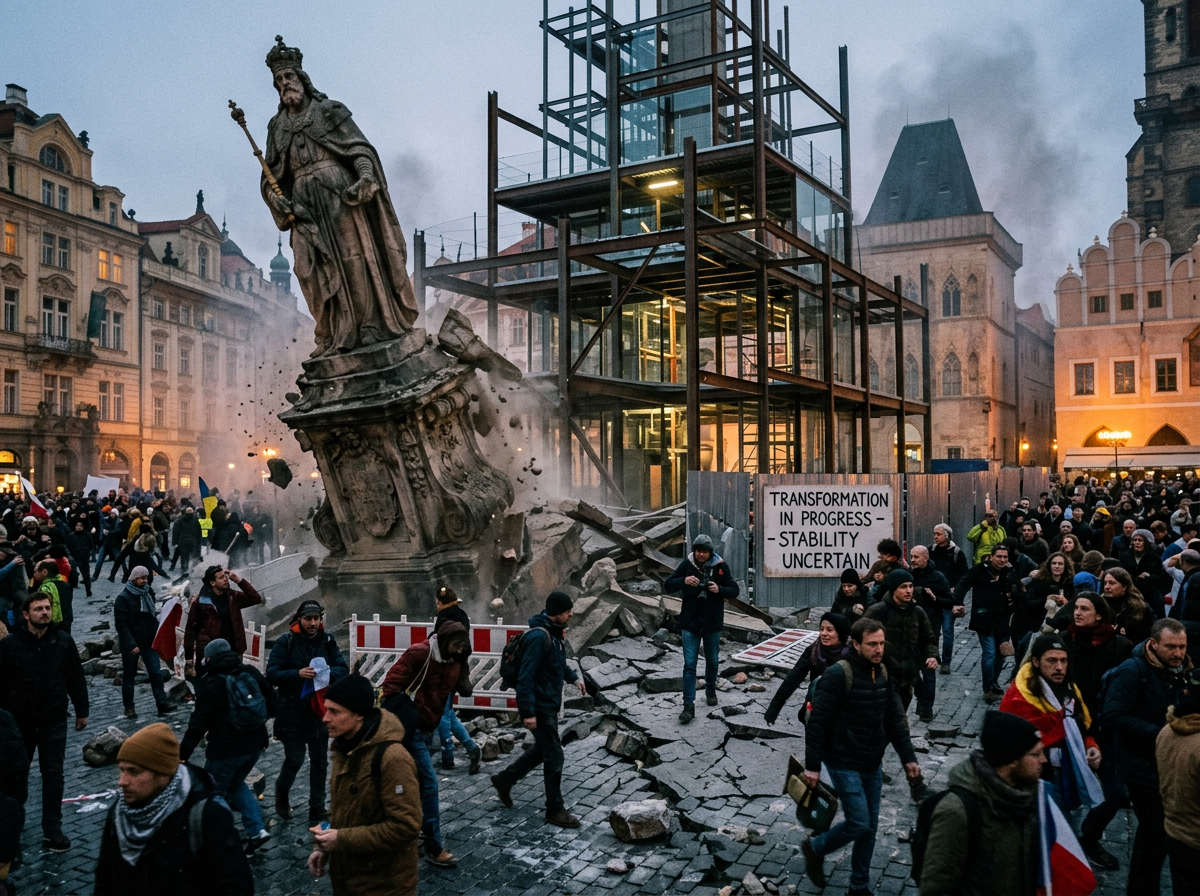
  • Resilience Beyond Survival: Psychological Models for Transitional Eras

    Resilience Beyond Survival: Psychological Models for Transitional Eras


    Why Thriving in Times of Change Requires More Than Simply Getting Through Them


    Meta Description

    Periods of rapid change demand more than endurance. Explore psychological resilience, adaptive development, meaning-making, and human flourishing during times of uncertainty, disruption, and societal transition.


    Human history is marked by periods of relative stability punctuated by periods of profound transformation.

    • The agricultural revolution reshaped civilization.
    • Industrialization transformed economies and social structures.
    • Globalization altered patterns of trade, culture, and communication.
    • The digital revolution changed how people learn, work, and relate to one another.

    Today, many observers argue that humanity is once again entering a transitional era.

    • Artificial intelligence is reshaping knowledge work.
    • Institutions are experiencing declining trust. Information environments are becoming increasingly complex.
    • Cultural narratives are fragmenting.
    • Economic and technological systems continue evolving at unprecedented speed.

    During such periods, one question becomes increasingly important:

    How do human beings remain psychologically resilient amid sustained uncertainty and change?

    Traditional discussions of resilience often focus on survival.

    • Can individuals withstand adversity?
    • Can they recover from setbacks?
    • Can they endure hardship?

    These questions matter.

    Yet transitional eras demand something more.

    The challenge is not merely surviving change.

    It is learning how to adapt, grow, and maintain coherence while the conditions of life are being transformed.

    • In this sense, resilience becomes more than resistance.
    • It becomes a developmental capacity.

    The most resilient individuals and societies may not be those that preserve old patterns indefinitely, but those capable of integrating change without losing their fundamental sense of identity, meaning, and purpose.


    Transitional Eras Create Unique Psychological Demands

    Periods of stability allow people to rely on familiar assumptions.

    • Institutions function predictably.
    • Cultural norms remain relatively consistent.
    • Career paths are understandable.
    • Social expectations are clear.

    Transitional eras disrupt these assumptions.

    • What once seemed reliable may become uncertain.
    • Skills that once provided security may lose relevance.
    • Long-standing institutions may face legitimacy challenges.
    • Cultural narratives may no longer provide the same orientation they once did.

    This creates a psychological burden that extends beyond ordinary stress.

    People are not merely adapting to isolated events.

    They are adapting to changing realities.

    Developmental psychologist Robert Kegan (1994) argued that modern life increasingly requires individuals to revise the very frameworks through which they understand themselves and the world.

    Transitional eras intensify this demand.

    The challenge is not simply solving problems.

    It is updating one’s understanding of reality itself.


    Survival Is Not the Same as Resilience

    The terms survival and resilience are often used interchangeably.

    However, they describe different phenomena.

    Survival focuses on persistence.

    • The goal is to endure.

    Resilience involves recovery, adaptation, and continued functioning despite adversity.

    Yet even resilience may not fully capture what transitional periods require.

    A person can survive disruption while remaining psychologically trapped by it.

    They may become defensive, rigid, cynical, or fearful.

    Their life continues, but their capacity for growth becomes constrained.

    True resilience involves more than recovery.

    It involves transformation.

    Psychologists increasingly recognize that some individuals emerge from adversity with greater psychological complexity, self-awareness, and meaning than they possessed beforehand (Tedeschi & Calhoun, 2004).

    The goal is not suffering itself.

    The goal is the capacity to integrate experience constructively.


    Meaning Functions as a Psychological Stabilizer

    One of the most important predictors of resilience is meaning.

    Human beings can tolerate extraordinary uncertainty when they possess a framework that helps them understand why challenges matter.

    Viktor Frankl’s observations during some of the most extreme conditions imaginable led him to conclude that meaning plays a central role in human endurance (Frankl, 1946/2006).

    Meaning does not eliminate hardship.

    It changes one’s relationship to hardship.

    • Individuals who understand their struggles within a broader context often demonstrate greater persistence, adaptability, and psychological health.

    This insight becomes particularly important during transitional eras.

    • Periods of disruption often involve the breakdown of familiar narratives.
    • People lose certainty about where society is headed, what values matter, or what future they should be preparing for.

    This challenge connects directly with The Crisis of Meaning and Adaptive Meaning Systems: How Humans Navigate Rapid Cultural Change.”

    Resilience depends not only on external stability but also on the capacity to generate meaningful interpretations of changing circumstances.


    Identity Must Become Adaptive

    Many psychological difficulties during periods of transition stem from rigid identity structures.

    People often define themselves through roles, institutions, careers, communities, or belief systems.

    These identities provide stability.

    However, they can become fragile when circumstances change.

    • A professional identity tied entirely to a particular industry may become vulnerable during technological disruption.
    • A worldview built around outdated assumptions may struggle to accommodate new realities.
    • An individual who defines success narrowly may experience crisis when those measures become unattainable.

    Adaptive resilience requires flexible identity.

    • This does not mean abandoning core values.
    • Rather, it means maintaining continuity while remaining capable of growth.

    As explored in Memory, Identity, and Civilizational Amnesia,” healthy identity depends on continuity across time.

    The challenge is preserving continuity without becoming trapped by the past.


    Psychological Flexibility Predicts Adaptation

    Research within psychology increasingly highlights the importance of psychological flexibility.

    Psychological flexibility refers to the ability to remain open to experience, revise assumptions when necessary, and respond effectively to changing circumstances (Hayes et al., 2006).

    Individuals high in psychological flexibility tend to:

    • Adapt more effectively to uncertainty.
    • Recover more quickly from setbacks.
    • Maintain greater emotional regulation.
    • Engage more constructively with change.

    Importantly, flexibility is not the same as passivity.

    Flexible individuals still possess values and goals.

    The difference is that they can pursue those values through multiple pathways rather than becoming attached to a single strategy.

    • In transitional eras, this capacity becomes invaluable.
    • Rigid systems often break under pressure.
    • Adaptive systems evolve.

    Transitional Eras Produce Meaning Gaps

    Periods of rapid change frequently create what might be called meaning gaps.

    • Old narratives lose explanatory power before new narratives emerge.
    • People find themselves between stories.
    • Traditional assumptions no longer feel convincing.
    • Emerging alternatives remain uncertain.
    • This experience can generate confusion, anxiety, and polarization.

    Many contemporary social conflicts reflect competing attempts to make sense of changing realities.

    • The disagreements are often not merely political or economic.
    • They are existential.
    • People are searching for frameworks that help them understand where they fit within an evolving world.

    This phenomenon is explored in Civilizations Run on Stories: The Hidden Power of Symbolic Infrastructure.”

    Societies require shared narratives to coordinate effectively.

    Individuals require coherent narratives to maintain psychological stability.


    Resilience Requires Community

    Modern culture often portrays resilience as an individual achievement.

    Yet human beings are profoundly social.

    Relationships play a central role in adaptation.

    Research consistently demonstrates that social connection is among the strongest predictors of resilience across diverse populations (Southwick & Charney, 2018).

    Communities provide:

    • Emotional support
    • Shared meaning
    • Practical assistance
    • Collective learning
    • Social belonging

    During transitional periods, these functions become even more important.

    • People rarely navigate uncertainty effectively in isolation.
    • Resilience emerges not only from individual capacities but also from participation in healthy social systems.

    This insight aligns with themes explored in Trust Architecture: The Missing Infrastructure Behind Functional Societies and Why Cooperation Breaks Down: Trust, Competition, and Survival.”

    Trust and connection function as resilience resources.


    Growth Requires Discernment

    Periods of disruption often produce an explosion of information, advice, predictions, and competing narratives.

    • People encounter countless explanations for what is happening and what should be done.
    • Not all of them are helpful.
    • Resilience therefore depends partly upon discernment.

    Discernment involves:

    • Evaluating evidence
    • Recognizing uncertainty
    • Distinguishing signal from noise
    • Avoiding simplistic explanations
    • Remaining intellectually humble

    This challenge is increasingly relevant in AI-mediated information environments.

    As explored in “Truth in the Age of AI: Why Discernment Is Becoming a Survival Skill and The Future of Knowing: From Search Engines to Semantic Mediation,” understanding now depends less on information access and more on interpretation.

    Resilience requires cognitive as well as emotional capacities.


    Post-Traumatic Growth and Developmental Opportunity

    Psychologists Richard Tedeschi and Lawrence Calhoun (2004) introduced the concept of post-traumatic growth to describe positive psychological changes that sometimes emerge following significant adversity.

    Such growth may include:

    • Greater appreciation of life
    • Stronger relationships
    • Increased personal strength
    • Expanded perspectives
    • Deeper meaning

    Not everyone experiences growth after hardship.

    • Nor should adversity be romanticized.
    • Yet the concept highlights an important possibility.
    • Disruption does not automatically produce decline.
    • Under certain conditions, it can support development.

    Transitional eras create similar opportunities.

    Periods of societal change can stimulate new forms of learning, adaptation, and innovation.

    The challenge is creating conditions that support constructive transformation rather than fragmentation.


    Resilience Is a Systems Property

    Resilience is often discussed as an individual trait.

    However, resilience also exists at larger scales.

    • Organizations can be resilient.
    • Communities can be resilient.
    • Institutions can be resilient.
    • Civilizations can be resilient.

    In systems thinking, resilience refers to the capacity of a system to absorb disruption while maintaining essential functions (Meadows, 2008).

    This perspective broadens the conversation.

    Individual well-being remains important.

    Yet resilience also depends upon:

    • Trustworthy institutions
    • Healthy information ecosystems
    • Strong communities
    • Adaptive governance
    • Meaningful participation

    As explored in Regenerative Governance: What Comes After Extraction-Based Systems?, societal resilience depends partly upon the health of the systems within which individuals operate.

    Psychological resilience and institutional resilience are deeply interconnected.


    From Endurance to Flourishing

    The language of resilience sometimes implies merely getting through difficult periods.

    Yet transitional eras invite a more ambitious question:

    What would it mean to flourish amid uncertainty?

    Flourishing does not require perfect conditions.

    It involves developing the capacities necessary to engage reality effectively despite imperfection.

    These capacities include:

    • Meaning-making
    • Psychological flexibility
    • Discernment
    • Social connection
    • Adaptive identity
    • Long-term perspective

    Individuals who cultivate these capacities become better equipped not only to survive change but also to contribute constructively within it.


    The Future Belongs to Adaptive Minds

    Every era presents unique challenges.

    • Transitional eras challenge assumptions more than most.
    • They force individuals and societies to reconsider how they understand themselves, one another, and the world.
    • The question is not whether change will occur.

    Change is inevitable.

    • The question is how people respond.
    • Some cling rigidly to disappearing realities.
    • Others become overwhelmed by uncertainty.
    • Still others develop the capacity to adapt without losing themselves.
    • Those individuals possess something more than resilience in its conventional sense.

    They possess adaptive resilience.

    The ability to remain grounded while evolving.

    The ability to preserve meaning while revising assumptions.

    The ability to maintain coherence amid complexity.

    As societies enter an increasingly uncertain future, these capacities may become among the most important psychological resources available.

    Because the challenge of transitional eras is not merely surviving them.

    It is learning how to grow through them.


    Related Reading


    References

    Frankl, V. E. (2006). Man’s search for meaning. Beacon Press. (Original work published 1946)

    Hayes, S. C., Luoma, J. B., Bond, F. W., Masuda, A., & Lillis, J. (2006). Acceptance and commitment therapy: Model, processes and outcomes. Behaviour Research and Therapy, 44(1), 1–25.

    Kegan, R. (1994). In over our heads: The mental demands of modern life. Harvard University Press.

    Meadows, D. H. (2008). Thinking in systems: A primer. Chelsea Green Publishing.

    Southwick, S. M., & Charney, D. S. (2018). Resilience: The science of mastering life’s greatest challenges (2nd ed.). Cambridge University Press.

    Tedeschi, R. G., & Calhoun, L. G. (2004). Posttraumatic growth: Conceptual foundations and empirical evidence. Psychological Inquiry, 15(1), 1–18.

    The Living Archive is designed to be explored through pathways, categories, and search. If you’re looking for a specific idea, question, or theme, AI Search can help surface relevant connections across the archive.


    Attribution

    The Living Archive
    Integrative Frameworks for Regenerative Civilization

    © 2026 Gerald Daquila. All rights reserved.
    Part of the Life.Understood. knowledge ecosystem and Stewardship Institute initiative.

    This article is intended for educational, research, and civic inquiry purposes.
    Readers are encouraged to engage critically, verify sources independently, and explore related knowledge hubs for broader systems context.