
From Scarcity to Generativity
Meta Description
Most human systems are organized around scarcity, competition, and survival. Yet individuals, communities, organizations, and civilizations occasionally reach a different condition—one in which value consistently exceeds immediate consumption. This cornerstone explores overflow as a developmental threshold where capacity, trust, knowledge, and resources become available for contribution, stewardship, and renewal.
Invocation
“The meaning of life is to find your gift. The purpose of life is to give it away.”
— Often attributed to Pablo Picasso
Human history has largely been shaped by scarcity.
- Food was scarce.
- Safety was scarce.
- Knowledge was scarce.
- Resources were scarce.
For most of our existence, survival demanded careful attention to limits. The ability to recognize danger, secure resources, and protect what had been gained often determined whether individuals, families, and communities endured.
These conditions left deep marks on human behavior.
- They shaped institutions.
- Economic systems.
- Political systems.
- Cultural narratives.
Even today, many of the structures surrounding us remain organized around assumptions formed during conditions of constraint.
- Competition often receives more attention than cooperation.
- Accumulation often receives more attention than contribution.
- Protection often receives more attention than renewal.
These responses are understandable.
- Scarcity is real.
- Limits exist.
- Every living system encounters constraints.
Yet scarcity alone cannot explain the full range of human possibility.
History also contains another story.
Communities that become capable of supporting one another.
- Institutions that generate more value than they consume.
- Individuals who move beyond survival and dedicate themselves to service, creativity, mentorship, and stewardship.
- Civilizations that create reservoirs of knowledge, trust, and capability extending far beyond immediate necessity.
Something changes when a system consistently produces more value than it requires for survival.
- Attention changes.
- Relationships change.
- Choices change.
- The horizon expands.
The central question is no longer merely how to endure.
It becomes how to contribute.
This transition is the subject of this cornerstone.
Overflow is not abundance in the popular sense.
- It is not luxury.
- It is not excess.
- It is not endless accumulation.
- Overflow is a developmental condition.
A threshold reached when a system generates sufficient capacity to become a source of renewal for others.
- Understanding this threshold may become increasingly important in the century ahead.
- Many of humanity’s greatest challenges no longer arise from absolute scarcity alone.
They arise from how surplus capacity is used, distributed, stewarded, and renewed.
The future may depend not only on humanity’s ability to create value.
It may depend on humanity’s ability to understand what becomes possible after enough.
The Central Question
What becomes possible when human beings move beyond scarcity?
This question appears deceptively simple.
Yet it sits beneath many of the most important developmental transitions in human life.
- A person struggling to survive experiences the world differently than a person who possesses stability.
- A community facing constant crisis behaves differently than one operating from resilience.
- An institution fighting for existence makes different decisions than one capable of long-term thinking.
The same pattern appears across scales.
As systems gain capacity, new possibilities emerge.
- Not automatically.
- Not inevitably.
- But potentially.
The significance of overflow lies within that possibility.
Human beings often assume that greater capacity simply means greater comfort.
Sometimes it does.
Yet history suggests that the most profound consequence of surplus capacity is not consumption.
It is contribution.
- The emergence of art.
- Science.
- Education.
- Stewardship.
- Innovation.
- Mentorship.
- Cultural development.
Much of what humanity values most became possible because individuals and communities possessed enough stability to direct energy beyond immediate survival.
- Overflow therefore represents more than prosperity.
- It represents the expansion of possibility.
The question is not whether scarcity disappears.
It does not.
The question is what becomes available when survival ceases to consume all available attention.
The Core Thesis
Overflow emerges when a system consistently generates more value than it consumes.
This surplus need not be financial.
- A trusted community may possess social overflow.
- A learning organization may possess knowledge overflow.
- A healthy ecosystem may possess regenerative overflow.
- An individual may possess emotional, creative, or relational overflow.
The form matters less than the pattern.
Capacity exceeds immediate demand.
- When this occurs, new developmental possibilities emerge.
- Contribution becomes possible.
- Stewardship becomes possible.
- Long-term thinking becomes possible.
- Generativity becomes possible.
The deepest significance of overflow is therefore not accumulation.
It is the transformation of orientation.
Attention gradually shifts from acquisition toward contribution.
- From protection toward cultivation.
- From consumption toward renewal.
Healthy systems naturally move in this direction.
- Not because they reject self-interest.
- But because survival no longer requires exclusive attention.
- Resources become available for larger purposes.
The question becomes not merely what can be gained.
But what can be given.
Why This Cornerstone Exists
Many of the archive’s recurring themes converge around a common transition.
The movement from extraction to stewardship.
- Trust Architecture explores the relational conditions that make cooperation possible.
- Collective Nervous Systems explores how awareness moves through societies.
- Living Archives explores how memory survives across generations.
- Regenerative Economics explores how value is renewed.
- Overflow emerges where these streams meet.
A society capable of renewal eventually generates surplus capacity.
A trusted community eventually develops reserves of resilience.
A healthy institution eventually develops capability beyond immediate necessity.
The question then changes.
- What should be done with that surplus?
- Modern culture often answers through consumption.
- The archive approaches the question differently.
The most important function of overflow may not be possession.
It may be contribution.
This cornerstone exists to explore that possibility.
- Not as an economic theory.
- Not as a moral command.
- But as a developmental pattern visible across living systems.
Scarcity
Why Survival Shapes Perception
Scarcity is one of the most powerful forces shaping human behavior.
When resources become limited, attention narrows.
- Immediate needs move to the foreground.
- Long-term possibilities recede.
- This response is not irrational.
- It is adaptive.
A community facing famine cannot prioritize the same concerns as a community experiencing stability.
A family confronting crisis cannot focus on the same opportunities available during security.
Survival changes perception.
The challenge arises when scarcity becomes more than a condition.
It becomes an identity.
Many individuals continue operating from scarcity long after immediate threats have passed.
- The same occurs within institutions.
- Organizations accumulate resources while maintaining crisis mentalities.
- Communities achieve stability while remaining governed by fear.
- Nations develop extraordinary capabilities while continuing to act as though every interaction is a zero-sum struggle.
This persistence of scarcity thinking often creates invisible constraints.
- Opportunities remain unseen.
- Trust remains difficult.
- Cooperation appears risky.
- The future becomes increasingly difficult to imagine.
- The result is a paradox.
Systems may possess sufficient resources while continuing to behave as though they do not.
- Material scarcity has diminished.
- Psychological scarcity remains.
This distinction matters because overflow cannot emerge solely through the accumulation of resources.
It requires a corresponding shift in perception.
The ability to recognize that survival is no longer the only possibility.
The Shadow of Scarcity
Scarcity itself is not the problem.
Many forms of scarcity are real.
The challenge emerges when scarcity becomes the only lens through which reality is interpreted.
A system unable to perceive possibility eventually becomes trapped within defensive cycles.
- Protection replaces creativity.
- Competition replaces contribution.
- Control replaces trust.
- The result is often self-reinforcing.
The very behaviors intended to create security begin limiting the conditions that support flourishing.
Related Essays
- The Psychology of Scarcity: Why Fear-Based Systems Reproduce Instability
- The Psychology of Enough: Why Scarcity Thinking Persists Even in Prosperity
- Fear-Based Systems vs Trust-Based Systems: Two Civilizational Architectures
- Informational Sovereignty: Staying Psychologically Grounded in Machine Environments
- Transition Fatigue: Why So Many People Feel the Old Systems No Longer Work
Reference Maps

→ Human Needs and Flourishing Map 026

→ Sovereignty Ladder Map 002
Enough
The Forgotten Threshold
One of the most important questions in human development receives surprisingly little attention.
How much is enough?
Modern systems often encourage continual expansion.
- More growth.
- More productivity.
- More consumption.
- More accumulation.
Yet living systems reveal a different pattern.
Every organism seeks sufficient resources to sustain life.
Beyond that threshold, additional growth serves different functions.
The challenge is recognizing where survival ends and stewardship begins.
This threshold is often difficult to identify because it is not merely material.
- It includes time.
- Attention.
- Energy.
- Capability.
- Security.
- Belonging.
- Meaning.
A person may possess financial abundance while remaining trapped in scarcity.
Another may possess modest resources while experiencing a deep sense of sufficiency.
The difference frequently lies in perception rather than quantity alone.
Enough is not stagnation.
It is orientation.
The recognition that additional accumulation no longer provides proportional increases in flourishing.
At this point, a developmental opportunity emerges.
Attention becomes available for different questions.
- How can capability be shared?
- How can resources be stewarded?
- How can value be circulated?
- How can future possibility be expanded?
These questions mark the beginning of overflow.
They signal the transition from acquisition toward contribution.
- They reveal why enough is not an ending.
- It is a threshold.
The Shadow of Enough
Enough can also be misunderstood.
Some confuse it with complacency.
Others treat it as withdrawal from ambition.
Neither interpretation captures its deeper significance.
Enough does not eliminate growth.
It changes the purpose of growth.
The question shifts from getting more to becoming more capable of contributing.
That distinction changes everything that follows.
Related Essays
- The Psychology of Enough: Why Scarcity Thinking Persists Even in Prosperity
- Conscious Capital: Redefining Wealth and Impact
- Economic Sovereignty for Communities
- The Social Architecture of Thriving: Conditions That Allow Human Potential to Expand
- The Post-Scarcity City: Designing Communities Around Human Flourishing
Reference Maps

→ Wealth Stewardship Cycle Map 009

→ Human Needs and Flourishing Map 026
Overflow
When Capacity Exceeds Consumption
Every living system depends upon reserves.
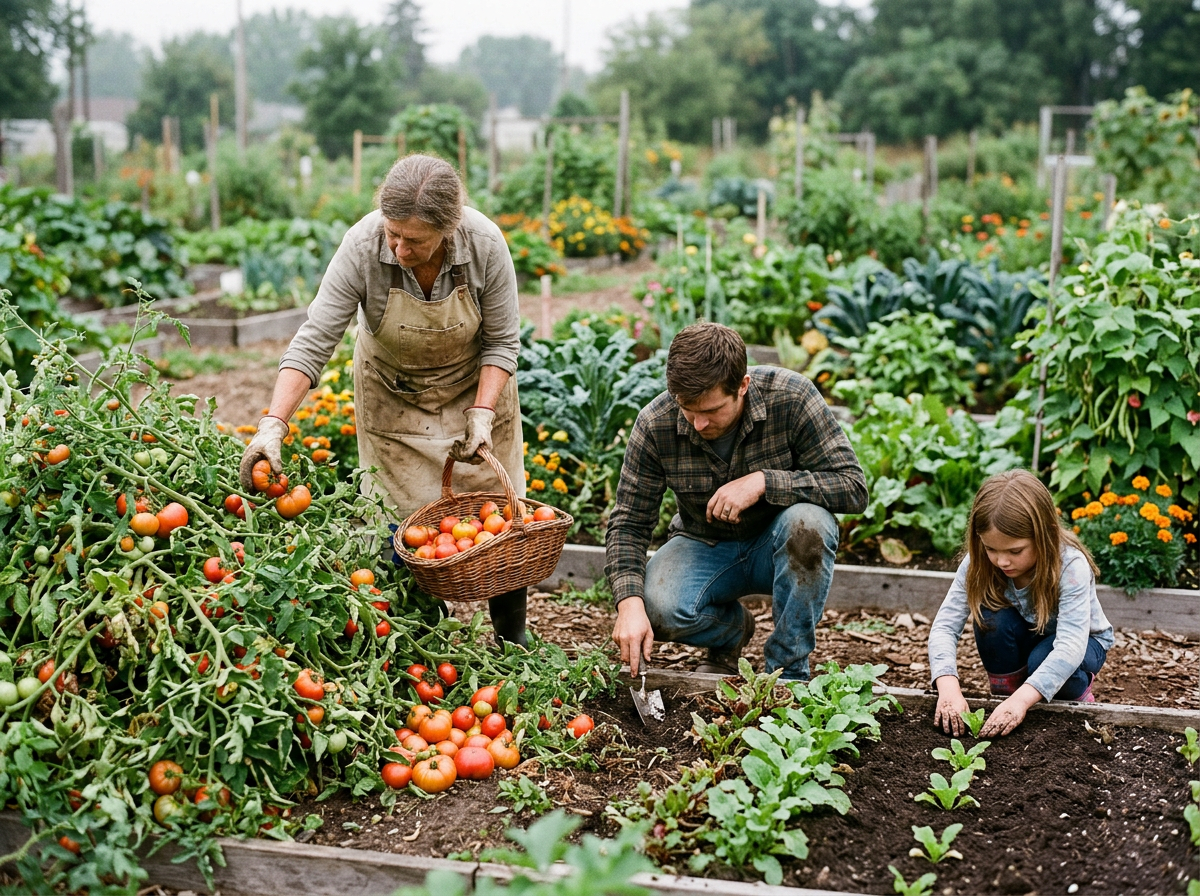
- A tree produces more seeds than it immediately requires.
- A healthy ecosystem generates more life than any single organism can consume.
- Communities build stores of knowledge extending beyond the needs of a single generation.
- Civilizations accumulate cultural memory, infrastructure, and capability that outlive individual lives.
These reserves create possibility.
- Without them, adaptation becomes difficult.
- Every challenge becomes existential.
- Every disruption threatens collapse.
- Overflow emerges when a system develops sufficient reserves to move beyond this condition.
The concept is often misunderstood because modern culture tends to associate surplus with wealth alone.
Yet overflow appears in many forms.
- A mentor possesses overflow when experience becomes available to guide others.
- A community possesses overflow when trust remains strong enough to support newcomers.
- An institution possesses overflow when capability exceeds immediate operational demands.
- A society possesses overflow when it can invest in future generations rather than merely sustaining itself in the present.
The common pattern is not excess.
It is available capacity.
The presence of resources that can be directed toward purposes beyond immediate survival.
This distinction matters because excess and overflow are not the same thing.
Excess often accumulates without direction.
Overflow naturally seeks expression.
- Water overflows.
- Creativity overflows.
- Knowledge overflows.
- Care overflows.
Healthy systems generate value that wants to move.
The movement itself becomes part of the system’s vitality.
This is one reason truly healthy communities often appear generous.
Not because generosity is imposed.
But because contribution becomes possible.
The system has developed sufficient capacity to support more than itself.
Beyond Material Wealth
Many of humanity’s most important forms of overflow cannot be measured financially.
- Knowledge expands when shared.
- Trust often deepens through use.
- Wisdom becomes more valuable through transmission.
- Relationships strengthen through participation.
- Meaning grows through contribution.
These forms of wealth behave differently from material resources.
- They frequently increase through circulation rather than depletion.
- A teacher does not lose knowledge by teaching.
- A mentor does not lose experience by sharing it.
- A community often strengthens belonging by extending it.
This observation reveals something important.
The highest forms of overflow may be regenerative rather than consumptive.
Their value expands through participation.
The more they circulate, the more capacity they create.
This principle helps explain why flourishing communities often appear rich in ways conventional accounting struggles to recognize.
- Their wealth exists within relationships.
- Shared memory.
- Mutual support.
- Collective capability.
- Trust.
The forms of capital that make adaptation possible.
Overflow as System Health
One way to understand overflow is as a symptom of health.
- Healthy systems tend to generate surplus capacity.
- Healthy soils generate fertility.
- Healthy organizations generate learning.
- Healthy communities generate belonging.
- Healthy civilizations generate opportunity.
The reverse is also true.
Systems operating at the edge of collapse rarely produce overflow.
- Every available resource becomes consumed by immediate survival.
- Creativity declines.
- Long-term thinking narrows.
- Contribution becomes difficult.
This is why overflow should not be viewed as a luxury.
It is a developmental indicator.
A sign that a system possesses enough resilience to invest beyond the present moment.
The future becomes possible because the present no longer consumes everything available.
The Shadow of Overflow
Overflow can also be misunderstood.
Some assume it means endless expansion.
Others interpret it as abundance without limits.
Neither captures the reality of living systems.
Healthy overflow remains connected to stewardship.
- It recognizes constraints.
- It respects renewal.
- It understands that capacity must be maintained if it is to continue generating value.
When overflow becomes disconnected from stewardship, it often degenerates into excess.
- Consumption replaces contribution.
- Accumulation replaces circulation.
- The result is not flourishing.
- It is eventual depletion.
Healthy overflow remains generative because it remains connected to the sources from which value arises.
Related Essays
- What Is Overflow? Reframing Abundance Beyond Wealth Accumulation
- Overflow States: How Individuals and Communities Sustain Coherence
- From Extraction to Circulation: The Systems Logic of Ethical Abundance
- Sacred Exchange in Times of Crisis
- Regenerative Economics: Building Systems That Produce Human Flourishing
Reference Maps

→ Stewardship Field Map 007

→ Value Creation and Exchange Ecosystem Map 021
Generativity
Becoming a Source
There is a profound difference between possessing capacity and becoming a source of capacity.
Overflow creates the possibility of this transition.
Generativity begins when value is no longer directed exclusively toward oneself.
- The focus gradually expands.
- Attention shifts toward contribution.
- Toward cultivation.
- Toward enabling the flourishing of others.
This pattern appears repeatedly throughout human development.
- A parent invests in children.
- A teacher invests in students.
- An elder invests in future generations.
- A community invests in the conditions that allow others to thrive.
Each represents a movement beyond self-maintenance.
- Value begins creating additional value.
- Capability begins producing capability.
- The result is a multiplying effect.
Generative systems strengthen the environments in which they operate.
They leave people, institutions, and communities more capable than before.
This is why generativity occupies such an important place within the archive.
- It represents one of the highest expressions of stewardship.
- Not simply preserving value.
- Creating the conditions for additional value to emerge.
Generative Individuals
Many people spend significant portions of life acquiring skills, knowledge, resources, and experience.
Generativity begins when these assets become available to others.
The individual ceases to function solely as a consumer of social value.
- They become a producer.
- A contributor.
- A mentor.
- A creator.
This transition often marks a significant developmental shift.
- Meaning increasingly emerges through participation rather than acquisition.
- Impact increasingly matters more than accumulation.
- Legacy begins to replace achievement as a primary concern.
The question becomes:
What remains because I was here?
Generative Institutions
The same pattern applies to organizations.
Some institutions primarily consume resources.
Others create conditions in which additional capability emerges.
- Schools generate learning.
- Research institutions generate knowledge.
- Healthy communities generate trust.
- Strong governance systems generate coordination.
The most effective institutions do more than accomplish objectives.
- They increase the capacity of those who interact with them.
- Their influence extends beyond immediate outputs.
- They leave the system stronger than they found it.
Generative Civilizations
At the civilizational scale, generativity becomes a question of inheritance.
- What capacities are passed forward?
- What possibilities become available to future generations?
A civilization’s greatest achievements often consist not in what it consumes but in what it leaves behind.
- Knowledge.
- Institutions.
- Infrastructure.
- Culture.
- Meaning.
- Stewardship traditions.
These inheritances expand the range of futures available to those who follow.
- This is generativity at scale.
- The creation of enduring possibility.
The Shadow of Generativity
Generativity carries its own risks.
- Some individuals become trapped in perpetual giving without renewal.
- Organizations sometimes overextend themselves in service of worthy goals.
- Communities occasionally confuse sacrifice with stewardship.
Healthy generativity requires reciprocity.
- Contribution must remain connected to renewal.
- Otherwise the source itself becomes depleted.
- The goal is not self-erasure.
- It is sustainable contribution.
The ability to remain a source across time.
Related Essays
- From Hierarchies to Stewardship: The Rise of Distributed Human Systems
- Stewardship Decision-Making Framework
- Leadership Beyond Control: The Rise of Coherence-Based Governance
- The Social Architecture of Thriving: Conditions That Allow Human Potential to Expand
- AI vs. Human Stewardship: Why Conscious Guidance Matters More Than Ever
Reference Maps

→ Stewardship Maturity Ladder Map 022

→ Collective Intelligence and Distributed Stewardship Map 030
Stewardship
The Responsibility of Having Enough
Every form of overflow eventually creates a stewardship question.
- What should be done with surplus capacity?
- How should accumulated resources be used?
- What responsibilities emerge when a person, institution, or civilization possesses more than is immediately required for survival?
These questions have accompanied human societies for centuries.
The answers have varied.
- Some traditions emphasized ownership.
- Others emphasized obligation.
- Some viewed surplus as private achievement.
- Others viewed it as a resource held in trust.
Regenerative systems consistently lean toward the latter understanding.
They recognize that overflow is not merely a possession.
It is a responsibility.
This perspective emerges naturally from the logic of living systems.
- A mature tree does not consume all of its own fruit.
- A healthy watershed supports countless forms of life beyond itself.
- A thriving ecosystem continuously redistributes value throughout the larger system.
- Its vitality becomes a source of vitality for others.
Human systems face a similar challenge.
- Knowledge creates responsibility.
- Influence creates responsibility.
- Wealth creates responsibility.
- Capability creates responsibility.
- Not because contribution is morally required in every circumstance.
- But because healthy systems remain interconnected.
The conditions that enabled one person’s flourishing were often created by many others.
- Families.
- Communities.
- Teachers.
- Institutions.
- Cultures.
- Infrastructure.
- Knowledge accumulated across generations.
The recognition of this interdependence often marks the beginning of stewardship.
Success is no longer viewed solely as individual accomplishment.
It becomes part of a larger network of relationships extending through time.
The question shifts.
Not:
“What belongs to me?”
But:
“What has been entrusted to me?”
This distinction changes how value is understood.
Resources become tools.
- Knowledge becomes a gift to be shared.
- Influence becomes an opportunity to strengthen the larger system.
- Leadership becomes a responsibility rather than a privilege.
Stewardship does not reject prosperity.
- It gives prosperity direction.
- Without stewardship, overflow frequently collapses into accumulation.
- With stewardship, overflow becomes generative.
The surplus created by one generation expands possibility for the next.
Stewardship Across Time
Perhaps the most important dimension of stewardship concerns future generations.
Most economic systems excel at allocating resources across space.
Far fewer excel at allocating responsibility across time.
Yet every civilization inherits conditions it did not create.
- Knowledge.
- Infrastructure.
- Culture.
- Ecological systems.
- Institutional arrangements.
Future generations will inherit the consequences of present decisions in much the same way.
This creates a profound stewardship challenge.
- Can surplus capacity be used in ways that expand future possibility?
- Can prosperity strengthen the foundations of tomorrow rather than consume them?
- Can institutions leave behind greater resilience rather than greater dependency?
These questions move stewardship beyond individual ethics.
- They become civilizational questions.
- A society capable of answering them well may possess one of the most important forms of overflow.
- The capacity to think beyond itself.
The Shadow of Stewardship
Stewardship can also become distorted.
- Care can become control.
- Responsibility can become paternalism.
- Protection can become domination.
History contains many examples of individuals and institutions claiming stewardship while consolidating power.
- Healthy stewardship remains accountable.
- It strengthens agency rather than reducing it.
- It creates capacity rather than dependency.
- Its purpose is not control.
- Its purpose is renewal.
The steward does not seek to own the future.
The steward seeks to leave the future more capable than it would otherwise have been.
Related Essays
- Codex of Overflow Stewardship
- Stewardship Decision-Making Framework
- Regenerative Governance: What Comes After Extraction-Based Systems?
- Economic Sovereignty for Communities
- Leadership Beyond Control: The Rise of Coherence-Based Governance
Reference Maps

→ Stewardship Field Map 007

→ Stewardship Maturity Ladder Map 022
Civilizations of Overflow
Beyond Extraction
Much of human history can be interpreted through the lens of scarcity.
- Resources were limited.
- Threats were common.
- Survival required vigilance.
Under such conditions, extraction often became the dominant strategy.
- Acquire resources.
- Protect them.
- Expand access.
- Reduce vulnerability.
These behaviors helped civilizations endure.
Yet they also created recurring patterns.
- Competition intensified.
- Resources concentrated.
- Power accumulated.
Systems became organized around acquisition.
The challenge is that extraction eventually encounters limits.
- Natural systems become depleted.
- Trust erodes.
- Institutions lose legitimacy.
- Communities weaken.
The foundations supporting prosperity begin to deteriorate.
At this point, a different logic becomes necessary.
The logic of renewal.
Civilizations of overflow emerge when societies become capable of generating more value than they consume and directing that surplus toward regeneration.
- This does not mean conflict disappears.
- It does not mean scarcity vanishes.
- It means the organizing principle changes.
The central question is no longer:
“How do we secure more?”
It becomes:
“How do we sustain and expand the conditions that allow flourishing?”
This shift affects every domain.
- Education becomes less concerned with producing workers and more concerned with developing human potential.
- Governance becomes less concerned with control and more concerned with capability.
- Economics becomes less concerned with extraction and more concerned with regeneration.
- Knowledge becomes less concerned with possession and more concerned with stewardship.
The result is not utopia.
The result is a civilization increasingly capable of investing in the future.
The Role of Trust
Trust becomes essential within this transition.
- Overflow cannot circulate where trust is absent.
- Communities hoard resources when they fear exploitation.
- Institutions become defensive when legitimacy weakens.
- Individuals withdraw when cooperation appears unsafe.
Trust allows surplus capacity to move.
- It enables collaboration.
- Exchange.
- Shared investment.
- Long-term planning.
Without trust, overflow remains trapped.
With trust, it becomes generative.
The Role of Memory
Civilizations of overflow also depend upon memory.
Knowledge accumulated across generations represents one of humanity’s greatest forms of surplus capacity.
- Every scientific breakthrough.
- Every governance innovation.
- Every cultural achievement.
- Every hard-earned lesson.
- Each expands the range of possibilities available to those who follow.
Living archives, educational systems, and cultural traditions help preserve this inheritance.
- They ensure that overflow survives beyond the generation that created it.
- Without memory, every generation begins again.
- With memory, possibility compounds.
The Role of Regeneration
Ultimately, overflow and regeneration remain inseparable.
- A civilization cannot give indefinitely if it cannot renew.
- A community cannot contribute indefinitely if it cannot restore trust.
- An institution cannot create indefinitely if it cannot replenish capability.
The health of a system depends not simply upon its reserves.
It depends upon its ability to regenerate those reserves continuously.
This is why regenerative economics naturally leads to overflow.
- And why overflow naturally leads back to stewardship.
- Each reinforces the other.
- Together they form the basis of long-term flourishing.
The Shadow of Civilizational Overflow
Overflow itself is not a guarantee of wisdom.
Societies with extraordinary resources have often become complacent.
- Success can weaken vigilance.
- Comfort can reduce adaptability.
- Prosperity can create the illusion that renewal is unnecessary.
History repeatedly demonstrates otherwise.
The healthiest civilizations remain learners.
- They continue investing in trust.
- Knowledge.
- Adaptation.
- Stewardship.
They understand that overflow is not a permanent state.
It is a relationship requiring continual renewal.
Related Essays
- Regenerative Economics: Building Systems That Produce Human Flourishing
- Trust Architecture: The Missing Infrastructure Behind Functional Societies
- Collective Nervous Systems: How Cultures Regulate Human Coherence
- Living Archives: The Future of Knowledge May Be Relational, Not Linear
- Civilizations Run on Stories: The Hidden Power of Symbolic Infrastructure
- From Nation-State to Meaning-State: The Future of Collective Identity
Reference Maps

→ Resilience and Regeneration Cycle Map 017

→ Living Archive Atlas Map 031
How This Hub Connects to the Archive
What Is Overflow occupies a unique position within the Living Archive.
It serves as a bridge between stewardship and transformation.
- If Regenerative Economics explores how value is renewed, this hub explores what becomes possible when renewal consistently exceeds consumption.
- If Trust Architecture examines the relational foundations that make cooperation possible, this hub explores the opportunities that emerge when those foundations become strong.
- If Living Archives explores the preservation of accumulated knowledge, this hub explores what societies can do with that inheritance.
- If Collective Nervous Systems explores how awareness moves, this hub explores how capacity moves.
Together these cornerstones point toward a larger pattern.
Healthy systems generate surplus capacity.
- That capacity creates opportunity.
- Opportunity creates responsibility.
- Responsibility creates stewardship.
- And stewardship creates the conditions for future flourishing.
Overflow therefore represents neither a destination nor an achievement.
- It represents a threshold.
- A developmental transition in which the primary challenge shifts from survival to contribution.
The question becomes not how to acquire more.
But how to become a source.
Beyond Enough
Human beings have spent much of history learning how to survive.
- The future may increasingly require learning how to steward.
- This shift begins with a simple realization.
- Enough changes the question.
- As long as survival consumes all available attention, acquisition remains necessary.
When sufficient capacity emerges, new possibilities appear.
- Contribution becomes possible.
- Generativity becomes possible.
- Stewardship becomes possible.
The challenge is that many systems continue behaving as though scarcity remains their defining condition even when substantial reserves exist.
- Individuals accumulate without purpose.
- Institutions pursue growth without direction.
- Societies consume capacity faster than they renew it.
- The result is a paradox.
- Abundance expands.
- Flourishing does not necessarily follow.
Overflow offers a different path.
- It asks what becomes possible when surplus capacity is directed toward renewal rather than accumulation.
- When knowledge becomes mentorship.
- When wealth becomes stewardship.
- When trust becomes cooperation.
- When capability becomes contribution.
At its deepest level, overflow is not about having more.
It is about becoming more capable of giving.
- Not through sacrifice alone.
- Not through obligation alone.
But because healthy systems naturally generate value beyond themselves.
- A flourishing tree produces fruit.
- A flourishing community produces belonging.
- A flourishing civilization produces possibility.
The future may depend less on humanity’s ability to create wealth and more on its ability to understand what wealth is for.
- This is why overflow matters.
- Not because it promises abundance.
- But because it reveals what becomes possible after enough.
And what becomes possible after enough may shape everything that follows.
The Twelve Cornerstones
Explore the interconnected hubs that form the interpretive framework of the Living Archive.
- Trust Architecture
- Collective Nervous Systems
- Living Between Worlds
- What is Overflow?
- Institutional Consciousness
- Regenerative Economics
- Living Archives
- Knowledge Stewardship in the AI Era
- Beyond Bureaucracy
- AI as Mirror
- Coherence vs Truth
- Civilizations Run on Stories
Continue Exploring
- Foundation Map
- The Architecture of the Living Archive
- Living Archive Atlas
- Degree Pathways
- Subject Index
- Core Frameworks
- Canon Collections
The Living Archive
What is Overflow? s is part of the Twelve Cornerstone Hubs of the Living Archive.
Curated and developed by Gerald Daquila as part of the ongoing Life.Understood. and Living Archive initiatives exploring governance, stewardship, intelligence, meaning, and human flourishing.
© 2026 Gerald Daquila. All rights reserved.