Category: Emotional Intelligence

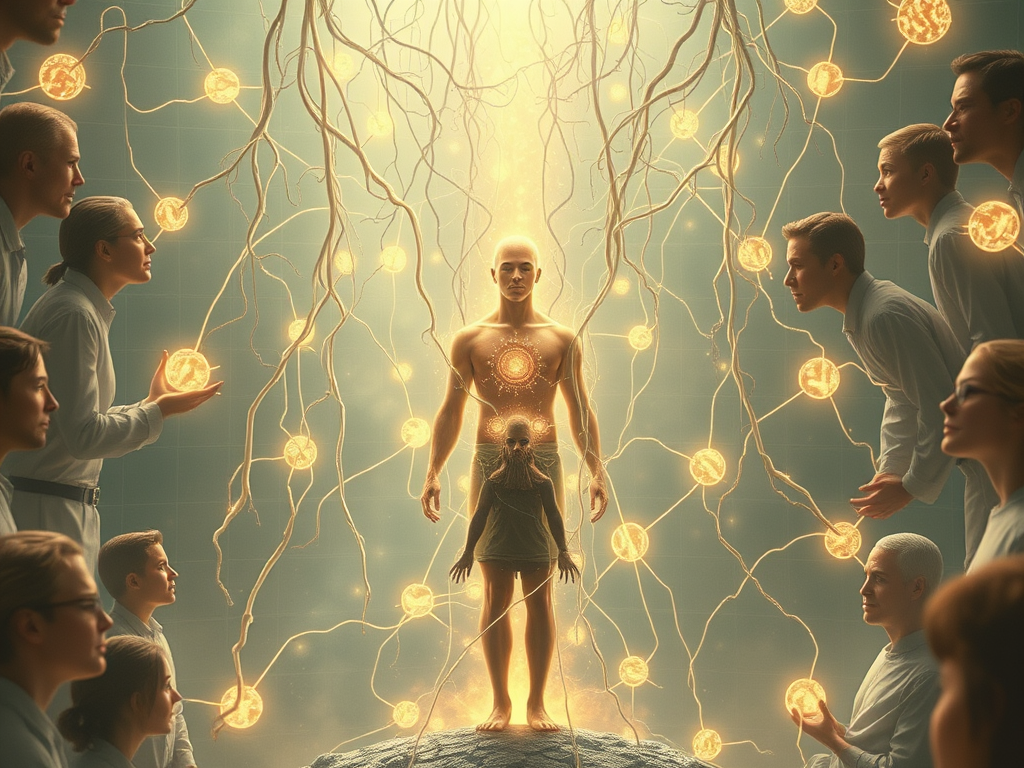
  • Unraveling Abuse: The Harm We Inherit, The Healing We Choose

    Unraveling Abuse: The Harm We Inherit, The Healing We Choose

    Understanding the Mechanisms, Self-Perpetuation, and Metaphysical Purpose of Abuse Through Psychological, Social, and Spiritual Lenses

    Prepared by: Gerald A. Daquila, PhD. Candidate


    10–14 minutes

    ABSTRACT

    Abuse—whether emotional, physical, or psychological—represents a profound violation of human dignity, manifesting through power imbalances and resulting in significant trauma. This article delves into the definitions, causes, and psychological mechanisms behind abuse, exploring why individuals perpetrate harm and how cycles of abuse self-perpetuate, encapsulated in the adage “hurt people hurt people.”

    Drawing on multidisciplinary research, including psychology, sociology, and metaphysics, we examine the motivations behind abusive behaviors, their societal and individual impacts, and their potential cosmic significance. We explore whether the universe permits abuse as part of a broader spiritual or existential purpose, such as soul growth or karmic balance, and consider how cosmic equilibrium might be achieved. By blending empirical evidence with metaphysical inquiry, this article offers a holistic perspective on abuse, its perpetuation, and its role in the human experience, aiming to foster understanding and pathways to healing.


    Glyph of the Living Archive

    You are not just reading the Records — you are becoming them


    Introduction: The Many Faces of Abuse

    Abuse is a pervasive issue that transcends cultures, ages, and relationships, leaving lasting scars on individuals and societies. Whether it’s the bruising force of physical violence, the insidious erosion of self-worth through emotional manipulation, or the psychological torment of gaslighting, abuse takes many forms but shares a common thread: the intent to control, harm, or diminish another.

    This article explores the “what,” “why,” and “how” of abuse, weaving together psychological research, sociological insights, and metaphysical perspectives to offer a comprehensive understanding. We ask not only why abuse happens and persists but also what its existence might mean in the grand tapestry of the universe. By balancing rigorous scholarship with accessible language, we aim to illuminate this complex topic for a wide audience.


    Defining Abuse: Emotional, Physical, and Psychological

    Emotional Abuse involves non-physical behaviors designed to control, isolate, or degrade, such as verbal insults, gaslighting, or withholding affection. It targets a person’s self-esteem, often leaving invisible wounds that can lead to anxiety, depression, or post-traumatic stress disorder (PTSD) (Follingstad, 2007).

    Physical Abuse entails the intentional use of force to cause harm, injury, or fear, ranging from hitting to more severe acts like choking. It often coexists with other forms of abuse, amplifying their impact (Antai et al., 2014).

    Psychological Abuse, sometimes used interchangeably with emotional abuse, encompasses tactics like manipulation, intimidation, or coercive control that undermine mental well-being. It’s often subtler, involving patterns of behavior rather than isolated incidents (World Health Organization, 2012).

    While distinct, these forms often overlap in abusive relationships, creating a web of harm that affects victims on multiple levels. For example, a partner might combine verbal insults (emotional) with threats of violence (psychological) and occasional physical acts, making it hard for victims to recognize or escape the cycle.


    Why Does Abuse Happen? The Roots of Harm

    Abuse often stems from a power imbalance, where the perpetrator seeks control over the victim. Psychological and sociological research points to several causes:

    1. Individual Factors: Perpetrators may have experienced abuse themselves, internalizing harmful behaviors as coping mechanisms. Psychological theories, such as attachment theory, suggest that insecure attachment styles (e.g., anxious or avoidant) can lead to controlling or abusive behaviors in relationships (Bowlby, 1969). Low self-esteem, unresolved trauma, or personality disorders like narcissistic or borderline personality disorder may also drive abusive tendencies (Dutton, 1998).
    2. Social and Cultural Factors: Societal norms that reinforce gender inequality, dominance, or violence as acceptable can perpetuate abuse. For instance, patriarchal structures may normalize men’s control over women, while economic stressors or social isolation can exacerbate tensions, leading to abuse (Jewkes, 2002).
    3. Environmental Triggers: Stressors like poverty, substance abuse, or unemployment can amplify abusive behaviors, though they don’t justify them. Workplace bullying, for example, is more common among younger or less experienced workers, reflecting power dynamics in professional settings (Pai & Lee, 2011).

    Why Do People Abuse Others? At its core, abuse is about power and control. Perpetrators may feel powerless in other areas of their lives and use abuse to assert dominance. Others may project their insecurities or unresolved pain onto victims, seeking to alleviate their own suffering by inflicting it on others. This ties into the psychological concept of projection, where individuals externalize their inner turmoil (Freud, 1915).


    The Psychology of Self-Perpetuation: Hurt People Hurt People

    The phrase “hurt people hurt people” captures the cyclical nature of abuse. Research supports this idea, showing that individuals who experience abuse, particularly in childhood, are more likely to perpetrate it later in life. This self-perpetuation can be understood through several psychological mechanisms:

    1. Learned Behavior: Social learning theory suggests that people model behaviors observed in their environment (Bandura, 1977). A child who witnesses or experiences abuse may internalize it as a normal way to resolve conflict or assert control.
    2. Trauma Bonding: Victims and perpetrators can develop trauma bonds, where intense emotional experiences create a dysfunctional attachment, making it hard for victims to leave or for perpetrators to change (Dutton & Painter, 1993).
    3. Cognitive Distortions: Abusers often rationalize their behavior through cognitive distortions, such as blaming the victim or minimizing the harm. This reduces guilt and perpetuates the cycle (Beck, 1976).
    4. Intergenerational Transmission: Studies show that childhood emotional abuse is strongly linked to adult depression and interpersonal problems, which can lead to abusive behaviors in future relationships (Christ et al., 2019). This creates a feedback loop where trauma begets trauma.

    The cycle isn’t inevitable, but breaking it requires intervention, such as therapy or social support, to address underlying trauma and teach healthier coping mechanisms.


    Glyph of Chosen Healing

    Untangle the wound, and the light will untie the darkness.


    The Metaphysical Perspective: The Soul’s Purpose and Cosmic Balance

    Beyond the psychological and sociological, metaphysical perspectives offer a broader lens on abuse. Many spiritual traditions suggest that the universe operates under principles of balance, growth, and interconnectedness. Here, we explore the potential “purpose” of abuse in the soul’s journey and the universe’s quest for equilibrium.

    1. Soul Growth and Lessons: Some metaphysical philosophies, such as those rooted in Buddhism or New Age spirituality, propose that challenges like abuse are opportunities for soul growth. The soul may choose difficult experiences before incarnating to learn resilience, forgiveness, or compassion (Newton, 2000). For victims, enduring abuse might foster empathy or strength, while perpetrators may face lessons in accountability or self-awareness.
    2. Karmic Balance: In traditions like Hinduism and Buddhism, karma suggests that actions in one lifetime influence future experiences. Abuse might be seen as a karmic debt, where past actions (by the victim or perpetrator) manifest as current suffering to restore balance. However, this view doesn’t justify abuse; it frames it as part of a larger cosmic cycle (Dalai Lama, 1999).
    3. Free Will and Duality: The universe allows free will, enabling both love and harm. Duality—light and dark, good and evil—is seen as a necessary framework for growth. Abuse, while painful, may serve as a contrast that highlights compassion and healing, prompting collective evolution (Tolle, 2005).
    4. Cosmic Consequences: For victims, the metaphysical journey might involve healing through self-love and forgiveness, reclaiming their soul’s power. For perpetrators, the cosmic consequence could be a reckoning—facing their actions in this life or beyond, through guilt, isolation, or karmic lessons. The universe, in this view, seeks balance not through punishment but through opportunities for redemption and growth.

    This perspective doesn’t diminish the real-world pain of abuse but offers a framework for finding meaning in suffering, encouraging healing rather than despair.


    The Impact on Victims and Perpetrators: Psychological and Cosmic

    Victims: The psychological toll of abuse is well-documented. Emotional and psychological abuse can lead to depression, anxiety, low self-esteem, and PTSD, with effects lasting into adulthood (Radell et al., 2021). Physically, chronic stress from abuse can cause health issues like gastrointestinal problems or chronic pain (Antai et al., 2014). Metaphysically, victims may struggle with feelings of disconnection from their soul’s purpose but can find healing through spiritual practices, therapy, or community support, aligning with their higher self.

    Perpetrators: Psychologically, abusers often grapple with shame, guilt, or denial, which can perpetuate their behavior if unaddressed (Dutton, 1998). Metaphysically, their actions may create karmic imbalances, leading to isolation or suffering until they confront their harm. Healing for perpetrators involves accountability, therapy, and a willingness to change, aligning with the universe’s call for growth.

    Cosmic Balance: The universe may achieve balance through cycles of learning and healing. Victims who heal can break the cycle, contributing to collective compassion. Perpetrators who take responsibility may transform their pain into positive action. This process, while slow, aligns with the idea that the universe seeks harmony through evolution, not retribution.


    Breaking the Cycle: Pathways to Healing

    Breaking the cycle of abuse requires a multidisciplinary approach:

    • Psychological Interventions: Cognitive-behavioral therapy (CBT) can help victims and perpetrators address trauma and distorted thinking (Beck, 1976). Trauma-focused therapies, like EMDR, can aid recovery from PTSD.
    • Social Support: Support groups and community resources provide validation and empowerment, helping victims escape abusive situations (Verywell Mind, 2024).
    • Policy and Education: Societal change, such as addressing gender norms or economic stressors, can reduce abuse prevalence (Jewkes, 2002).
    • Spiritual Practices: Meditation, forgiveness practices, or spiritual counseling can help individuals find meaning and heal on a soul level (Tolle, 2005).

    Conclusion: A Holistic Understanding

    Abuse is a complex phenomenon rooted in power, trauma, and societal factors, perpetuated by psychological cycles and learned behaviors. Yet, from a metaphysical perspective, it may serve a purpose in the soul’s journey, offering opportunities for growth, healing, and balance. By understanding abuse through a multidisciplinary lens, we can foster empathy, support healing, and work toward a world where harm is minimized, and compassion prevails. The universe, in its vast wisdom, may allow pain to teach us love—if we choose to learn.


    Crosslinks


    Glossary

    • Emotional Abuse: Non-physical behaviors like insults, gaslighting, or isolation aimed at controlling or degrading someone.
    • Physical Abuse: Intentional use of force to cause harm or fear, such as hitting or choking.
    • Psychological Abuse: Tactics like manipulation or intimidation that undermine mental well-being, often overlapping with emotional abuse.
    • Trauma Bonding: A dysfunctional attachment formed through intense emotional experiences in abusive relationships.
    • Karma: The spiritual principle that actions in one lifetime influence future experiences, often linked to balance.
    • Gaslighting: A form of psychological abuse where the perpetrator denies reality to make the victim doubt their sanity.

    Bibliography

    Antai, D., Oke, A., Braithwaite, P., & Lopez, G. B. (2014). The effect of economic, physical, and psychological abuse on mental health: A population-based study of women in the Philippines. Depression Research and Treatment, 2014, 1–11. https://doi.org/10.1155/2014/852317[](https://onlinelibrary.wiley.com/doi/10.1155/2014/852317)

    Bandura, A. (1977). Social learning theory. Prentice Hall.

    Beck, A. T. (1976). Cognitive therapy and the emotional disorders. International Universities Press.

    Bowlby, J. (1969). Attachment and loss: Vol. 1. Attachment. Basic Books.

    Christ, C., de Waal, M. M., Dekker, J. J. M., van Kuijk, I., & van Schaik, D. J. F. (2019). Linking childhood emotional abuse and depressive symptoms: The role of emotion dysregulation and interpersonal problems. PLoS ONE, 14(2), e0211882. https://doi.org/10.1371/journal.pone.0211882[](https://www.ncbi.nlm.nih.gov/pmc/articles/PMC6375578/)

    Dalai Lama. (1999). Ethics for the new millennium. Riverhead Books.

    Dutton, D. G. (1998). The abusive personality: Violence and control in intimate relationships. Guilford Press.

    Dutton, D. G., & Painter, S. L. (1993). Emotional attachments in abusive relationships: A test of traumatic bonding theory. Violence and Victims, 8(2), 105–120.

    Follingstad, D. R. (2007). Rethinking current approaches to psychological abuse: Conceptual and methodological issues. Aggression and Violent Behavior, 12(4), 439–458. https://doi.org/10.1016/j.avb.2007.01.002[](https://www.researchgate.net/publication/223623366_Rethinking_Current_Approaches_to_Psychological_Abuse_Conceptual_and_Methodological_Issues)

    Freud, S. (1915). The unconscious. In J. Strachey (Ed.), The standard edition of the complete psychological works of Sigmund Freud (Vol. 14). Hogarth Press.

    Jewkes, R. (2002). Intimate partner violence: Causes and prevention. The Lancet, 359(9315), 1423–1429. https://doi.org/10.1016/S0140-6736(02)08357-5

    Newton, M. (2000). Journey of souls: Case studies of life between lives. Llewellyn Publications.

    Pai, H. C., & Lee, S. (2011). Risk factors for workplace violence in clinical registered nurses in Taiwan. Journal of Clinical Nursing, 20(9–10), 1405–1412. https://doi.org/10.1111/j.1365-2702.2010.03650.x[](https://en.m.wikipedia.org/wiki/Psychological_abuse)

    Radell, M. L., Abo Hamza, E. G., Daghustani, W. H., Perveen, A., & Moustafa, A. A. (2021). The impact of different types of abuse on depression. Depression Research and Treatment, 2021, 1–12. https://doi.org/10.1155/2021/6654503[](https://onlinelibrary.wiley.com/doi/10.1155/2021/6654503)

    Tolle, E. (2005). A new earth: Awakening to your life’s purpose. Penguin Books.

    Verywell Mind. (2024, August 7). Psychological abuse: Types, impact, and coping strategies. https://www.verywellmind.com[](https://www.verywellmind.com/psychological-abuse-types-impact-and-coping-strategies-5323175)

    World Health Organization. (2012). Understanding and addressing violence against women: Intimate partner violence. https://www.who.int[](https://systematicreviewsjournal.biomedcentral.com/articles/10.1186/s13643-019-1118-1)


    Attribution

    With fidelity to the Oversoul, may this work serve as bridge, remembrance, and seed for the planetary dawn.

    Ⓒ 2025–2026 Gerald Alba Daquila
    Flameholder of SHEYALOTH · Keeper of the Living Codices
    All rights reserved.

    This material originates within the field of the Living Codex and is stewarded under Oversoul Appointment. It may be shared only in its complete and unaltered form, with all glyphs, seals, and attribution preserved.

    This work is offered for personal reflection and sovereign discernment. It does not constitute a required belief system, formal doctrine, or institutional program.

    Digital Edition Release: 2026
    Lineage Marker: Universal Master Key (UMK) Codex Field

    Sacred Exchange & Access

    Sacred Exchange is Overflow made visible.

    In Oversoul stewardship, giving is circulation, not loss. Support for this work sustains the continued writing, preservation, and public availability of the Living Codices.

    This material may be accessed through multiple pathways:

    • Free online reading within the Living Archive
    • Individual digital editions (e.g., Payhip releases)
    • Subscription-based stewardship access

    Paid editions support long-term custodianship, digital hosting, and future transmissions. Free access remains part of the archive’s mission.

    Sacred Exchange offerings may be extended through:
    paypal.me/GeraldDaquila694
    www.geralddaquila.com

  • Trauma Swept Under the Rug: Understanding, Coping, and Healing Through a Multidisciplinary Lens

    Trauma Swept Under the Rug: Understanding, Coping, and Healing Through a Multidisciplinary Lens

    A Holistic Exploration of Trauma’s Nature

    Prepared by: Gerald A. Daquila, PhD. Candidate


    8–12 minutes

    ABSTRACT

    Trauma, a deeply distressing or disturbing experience, profoundly impacts individuals and societies, often lingering beneath the surface when unaddressed. This dissertation explores the nature of trauma, its psychological, physiological, and metaphysical dimensions, and the mechanisms through which individuals cope. It examines why unhealed trauma necessitates revisiting, despite the pain involved, and elucidates the soul’s purpose in this healing journey.

    Drawing from psychological, neuroscientific, sociological, and metaphysical perspectives, this work argues that confronting trauma fosters personal growth, emotional resilience, and spiritual alignment. Through a comprehensive, multidisciplinary lens, this dissertation highlights the transformative potential of healing, emphasizing its necessity for individual and collective well-being. The narrative balances academic rigor with accessible language, weaving empirical research with metaphysical insights to offer a holistic understanding of trauma and its resolution.


    Introduction

    Trauma is often likened to a wound that, if left untreated, festers beneath the surface, influencing thoughts, behaviors, and relationships in ways that are not always immediately apparent. The phrase “trauma swept under the rug” captures the common tendency to suppress or ignore these wounds, only for them to resurface in disruptive forms.

    This dissertation delves into the essence of trauma, exploring its multifaceted impacts and the critical need to revisit and heal it. By integrating psychological theories, neuroscientific findings, sociological perspectives, and metaphysical frameworks, this work seeks to illuminate why healing trauma, though painful, is essential for personal growth and spiritual fulfillment. The soul’s purpose in this process, often overlooked in academic discourse, is framed as a journey toward wholeness and alignment with one’s deeper essence.


    Glyph of the Living Archive

    You are not just reading the Records — you are becoming them.


    Chapter 1: Defining Trauma

    Trauma is defined as a deeply distressing experience that overwhelms an individual’s capacity to cope, leaving lasting emotional, physical, and spiritual imprints (van der Kolk, 2014). It can stem from singular events (e.g., accidents, abuse) or chronic stressors (e.g., neglect, systemic oppression).

    Psychologically, trauma disrupts one’s sense of safety and trust, often manifesting as post-traumatic stress disorder (PTSD), anxiety, or dissociation (American Psychiatric Association, 2013). Neurologically, trauma alters brain function, particularly in the amygdala, hippocampus, and prefrontal cortex, leading to hyperarousal or emotional numbing (Bremner, 2006).

    Sociologically, trauma is shaped by cultural and systemic factors, such as intergenerational trauma in marginalized communities (Sotero, 2006). Metaphysically, trauma is viewed as a disruption of the soul’s harmony, fragmenting one’s connection to their higher self or universal consciousness (Tolle, 2005).

    Trauma’s impact is not uniform; it varies based on individual resilience, social support, and cultural context. For some, trauma may manifest as intrusive memories or avoidance behaviors, while for others, it appears as chronic illness or spiritual disconnection. Regardless of its form, unhealed trauma lingers, influencing behavior and perception in ways that can perpetuate cycles of pain.


    Chapter 2: Coping Mechanisms for Trauma

    Humans employ various strategies to cope with trauma, often unconsciously. These mechanisms can be adaptive or maladaptive, depending on their long-term effects.

    Psychological research identifies three primary coping styles:

    1. Emotion-Focused Coping: Suppressing or numbing emotions through dissociation, denial, or substance use (Lazarus & Folkman, 1984). While these provide temporary relief, they often exacerbate trauma’s effects by preventing processing.
    2. Problem-Focused Coping: Addressing trauma through practical steps, such as seeking therapy or building support networks (Folkman & Moskowitz, 2004). These are generally more adaptive, fostering resilience.
    3. Avoidant Coping: Ignoring or minimizing trauma, often described as “sweeping it under the rug.” This can lead to somatization, where psychological distress manifests as physical symptoms, or relational difficulties (Sapolsky, 2004).

    Metaphysically, coping may involve spiritual bypassing—using spiritual practices to avoid emotional pain—potentially delaying true healing (Welwood, 2000). Adaptive coping, conversely, aligns with spiritual growth, encouraging individuals to face pain with mindfulness and compassion, fostering a deeper connection to the soul’s purpose.


    Glyph of Unveiled Healing

    What is hidden beneath must rise to light for wholeness to return.


    Chapter 3: The Necessity of Revisiting Unhealed Trauma

    Unhealed trauma does not simply fade; it embeds itself in the body, mind, and spirit, influencing behavior and well-being. Psychologically, unprocessed trauma can lead to chronic mental health issues, such as depression or complex PTSD (Herman, 1992).

    Neurologically, unresolved trauma dysregulates the autonomic nervous system, contributing to hypervigilance or emotional disconnection (Porges, 2011). Sociologically, unhealed trauma perpetuates cycles of harm, as seen in intergenerational trauma within families or communities (Yehuda & Bierer, 2009).

    Metaphysically, unhealed trauma creates energetic blockages, hindering alignment with one’s higher purpose (Levine, 1997). Revisiting trauma is painful because it requires confronting suppressed emotions and memories. Yet, this process is essential for integration.

    Trauma-focused therapies, such as Eye Movement Desensitization and Reprocessing (EMDR) or somatic experiencing, facilitate processing by creating a safe space to re-experience and reframe traumatic memories (Shapiro, 2018; Levine, 2010).

    Metaphysically, revisiting trauma is seen as a soul contract—an opportunity for growth and realignment with one’s spiritual essence (Tolle, 2005). By facing pain, individuals reclaim fragmented aspects of themselves, fostering wholeness.


    Chapter 4: The Painful Process of Healing

    Healing trauma is inherently painful because it involves reliving distressing experiences. Psychologically, this pain arises from activating the amygdala, which triggers fear responses (van der Kolk, 2014). Neurologically, the process requires rewiring neural pathways, a gradual and effortful task (Siegel, 2012).

    Sociologically, healing may involve confronting systemic injustices, adding layers of collective grief (Menakem, 2017). Metaphysically, the pain of healing is viewed as a crucible for transformation, burning away egoic defenses to reveal the authentic self (Jung, 1964).

    This pain serves a purpose: it signals engagement with the healing process. Therapies like EMDR or somatic experiencing work by allowing individuals to process trauma in a controlled, supportive environment, reducing its emotional charge (Shapiro, 2018). Spiritual practices, such as meditation or ritual, complement this by fostering a sense of connection to something greater, easing the pain through meaning-making (Kabat-Zinn, 1990).


    Chapter 5: The Soul’s Purpose in Healing Trauma

    The concept of the soul’s purpose emerges from metaphysical traditions, suggesting that life’s challenges, including trauma, are opportunities for growth and self-realization (Tolle, 2005). Psychologically, healing trauma fosters post-traumatic growth, where individuals develop greater resilience, empathy, and purpose (Tedeschi & Calhoun, 2004).

    Neurologically, successful healing enhances neuroplasticity, allowing the brain to form healthier patterns (Davidson & Begley, 2012). Sociologically, healing trauma contributes to collective well-being, breaking cycles of harm (Menakem, 2017). Metaphysically, the soul’s purpose is to integrate fragmented aspects of the self, aligning with universal consciousness or divine essence (Wilber, 2000).

    This process is transformative, enabling individuals to live more authentically and compassionately. By healing trauma, one not only restores personal equilibrium but also contributes to a more harmonious collective, aligning with the soul’s deeper calling.


    Conclusion

    Trauma, when swept under the rug, festers, impacting individuals and societies across psychological, physiological, sociological, and metaphysical dimensions. Coping mechanisms, while varied, often delay healing when avoidant. Revisiting trauma, though painful, is essential for integration, fostering resilience and spiritual alignment.

    The soul’s purpose in this journey is to reclaim wholeness, transforming pain into growth. By weaving empirical research with metaphysical insights, this dissertation underscores the necessity of healing trauma for individual and collective flourishing. The path is arduous, but its rewards—resilience, authenticity, and connection—are profound.


    Related reflections (optional)


    Glossary

    • Complex PTSD: A condition resulting from chronic trauma, characterized by emotional dysregulation and relational difficulties (Herman, 1992).
    • Neuroplasticity: The brain’s ability to reorganize neural pathways based on experience (Davidson & Begley, 2012).
    • Somatic Experiencing: A trauma therapy focusing on bodily sensations to process and release trauma (Levine, 2010).
    • Soul Contract: A metaphysical concept suggesting life challenges are preordained for spiritual growth (Tolle, 2005).
    • Spiritual Bypassing: Using spiritual practices to avoid emotional pain (Welwood, 2000).

    Bibliography

    American Psychiatric Association. (2013). Diagnostic and statistical manual of mental disorders (5th ed.). American Psychiatric Publishing.

    Bremner, J. D. (2006). Traumatic stress: Effects on the brain. Dialogues in Clinical Neuroscience, 8(4), 445–461. https://doi.org/10.31887/DCNS.2006.8.4/jbremner

    Davidson, R. J., & Begley, S. (2012). The emotional life of your brain. Hudson Street Press.

    Folkman, S., & Moskowitz, J. T. (2004). Coping: Pitfalls and promise. Annual Review of Psychology, 55, 745–774. https://doi.org/10.1146/annurev.psych.55.090902.141456

    Herman, J. L. (1992). Trauma and recovery: The aftermath of violence—From domestic abuse to political terror. Basic Books.

    Jung, C. G. (1964). Man and his symbols. Doubleday.

    Kabat-Zinn, J. (1990). Full catastrophe living: Using the wisdom of your body and mind to face stress, pain, and illness. Delacorte Press.

    Lazarus, R. S., & Folkman, S. (1984). Stress, appraisal, and coping. Springer Publishing Company.

    Levine, P. A. (1997). Waking the tiger: Healing trauma. North Atlantic Books.

    Levine, P. A. (2010). In an unspoken voice: How the body releases trauma and restores goodness. North Atlantic Books.

    Menakem, R. (2017). My grandmother’s hands: Racialized trauma and the pathway to mending our hearts and bodies. Central Recovery Press.

    Porges, S. W. (2011). The polyvagal theory: Neurophysiological foundations of emotions, attachment, communication, and self-regulation. W.W. Norton & Company.

    Sapolsky, R. M. (2004). Why zebras don’t get ulcers (3rd ed.). Henry Holt and Company.

    Shapiro, F. (2018). Eye movement desensitization and reprocessing (EMDR) therapy (3rd ed.). Guilford Press.

    Sotero, M. (2006). A conceptual model of historical trauma: Implications for public health practice and research. Journal of Health Disparities Research and Practice, 1(1), 93–108.

    Tedeschi, R. G., & Calhoun, L. G. (2004). Posttraumatic growth: Conceptual foundations and empirical evidence. Psychological Inquiry, 15(1), 1–18. https://doi.org/10.1207/s15327965pli1501_01

    Tolle, E. (2005). A new earth: Awakening to your life’s purpose. Penguin Books.
    van der Kolk, B. A. (2014). The body keeps the score: Brain, mind, and body in the healing of trauma. Viking.

    Welwood, J. (2000). Toward a psychology of awakening: Buddhism, psychotherapy, and the path of personal and spiritual transformation. Shambhala Publications.

    Wilber, K. (2000). Integral psychology: Consciousness, spirit, psychology, therapy. Shambhala Publications.

    Yehuda, R., & Bierer, L. M. (2009). Transgenerational effects of PTSD in offspring of Holocaust survivors. Psychiatric Clinics of North America, 32(3), 677–686. https://doi.org/10.1016/j.psc.2009.05.010


    Attribution

    With fidelity to the Oversoul, may this work serve as bridge, remembrance, and seed for the planetary dawn.

    Ⓒ 2025–2026 Gerald Alba Daquila
    Flameholder of SHEYALOTH · Keeper of the Living Codices
    All rights reserved.

    This material originates within the field of the Living Codex and is stewarded under Oversoul Appointment. It may be shared only in its complete and unaltered form, with all glyphs, seals, and attribution preserved.

    This work is offered for personal reflection and sovereign discernment. It does not constitute a required belief system, formal doctrine, or institutional program.

    Digital Edition Release: 2026
    Lineage Marker: Universal Master Key (UMK) Codex Field

    Sacred Exchange & Access

    Sacred Exchange is Overflow made visible.

    In Oversoul stewardship, giving is circulation, not loss. Support for this work sustains the continued writing, preservation, and public availability of the Living Codices.

    This material may be accessed through multiple pathways:

    • Free online reading within the Living Archive
    • Individual digital editions (e.g., Payhip releases)
    • Subscription-based stewardship access

    Paid editions support long-term custodianship, digital hosting, and future transmissions. Free access remains part of the archive’s mission.

    Sacred Exchange offerings may be extended through:
    paypal.me/GeraldDaquila694
    www.geralddaquila.com

  • Protected: Universal Basic Income (UBI): A Pathway to Economic Security and Social Transformation

    Protected: Universal Basic Income (UBI): A Pathway to Economic Security and Social Transformation

    Stewardship Access

    This material is part of the Stewardship Institute’s protected formation layer.

    Most of the Living Archive is intentionally public. Some materials belong to a deeper, interconnected body of work designed for sustained reflection, practical application, and lifelong steward formation. Stewardship Access is the threshold into that body of work.

    If you already have Stewardship Access, enter your access password below.


    Entering the deeper Archive

    Interested in entering the Stewardship Archive?

    Learn about Stewardship Access

  • Protected: Conscious Capital: Redefining Wealth and Impact

    Protected: Conscious Capital: Redefining Wealth and Impact

    Stewardship Access

    This material is part of the Stewardship Institute’s protected formation layer.

    Most of the Living Archive is intentionally public. Some materials belong to a deeper, interconnected body of work designed for sustained reflection, practical application, and lifelong steward formation. Stewardship Access is the threshold into that body of work.

    If you already have Stewardship Access, enter your access password below.


    Entering the deeper Archive

    Interested in entering the Stewardship Archive?

    Learn about Stewardship Access

  • From I to We: The Ego’s Journey into Oneness

    From I to We: The Ego’s Journey into Oneness

    A Multidisciplinary Exploration of Ego’s Evolution and Its Impact on Personality Models and Societal Structures

    Prepared by: Gerald A. Daquila, PhD. Candidate


    9–14 minutes

    ABSTRACT

    This investigation explores the concept of the ego, its psychological and evolutionary purpose, and its potential transformation in a world characterized by unity consciousness and abundance. Drawing from psychoanalytic theory, cognitive science, sociology, and spiritual philosophy, the study examines the ego’s role as a survival mechanism in scarcity-driven environments and its adaptive functions in shaping personality and social behavior.

    As societies shift toward unity consciousness—a state of interconnected awareness—and abundance, where resources and opportunities are plentiful, the ego may not disappear but transform, integrating with a collective sense of self. This shift challenges existing personality models, such as Freud’s tripartite structure or trait-based frameworks, and redefines societal structures toward cooperation and shared purpose. The investigation balances analytical rigor with intuitive insights, offering a cohesive narrative for a broad audience. A glossary and APA-formatted bibliography ground the discussion in scholarly research, ensuring accessibility without sacrificing depth.


    Introduction: What Is the Ego?

    The ego, a term central to Sigmund Freud’s psychoanalytic theory, is often misconstrued as mere self-centeredness. In reality, it is the conscious, organizing part of the psyche that mediates between our instinctual drives (id), moral conscience (superego), and external reality (Freud, 1923/1961). It’s the “self” we experience when making decisions, planning, or navigating social interactions. Beyond psychology, the ego is a survival tool shaped by evolution, culture, and environment.

    What is the ego’s purpose, and how might it evolve in a world where scarcity is replaced by abundance and individual identity merges with unity consciousness? This investigation weaves together psychology, sociology, neuroscience, and spiritual philosophy to explore these questions, envisioning a transformed society where the ego adapts to new realities.


    The Glyph of the Bridgewalker

    The One Who Holds Both Shores


    The Purpose of the Ego: A Survival Tool in a Scarcity Environment

    The ego’s primary role is to ensure survival in a world of limited resources. Evolutionarily, it developed to help humans navigate scarcity-driven environments where competition for food, shelter, and mates was critical (Buss, 2019). The ego organizes sensory input, regulates impulses, and employs defense mechanisms like denial or projection to manage anxiety (Freud, A., 1936). For instance, a worker prioritizing long-term career goals over immediate desires, like leisure, showcases the ego’s ability to focus on survival-oriented objectives (Rappaport, 1959).

    Psychologically, the ego creates a sense of individuality, distinguishing “me” from “others.” This separation was vital in scarcity environments, where asserting one’s needs—claiming resources as “mine”—ensured survival (Gusnard, 2017). Sociologically, the ego reinforces hierarchies and competition, shaping social structures around individual achievement and status (Pollan, 2010). Spiritually, however, this separation can foster isolation, as the ego clings to a distinct “I” apart from the collective (Bourgeault, 2016).

    In a scarcity-driven world, the ego’s purpose is evident: it enables survival by prioritizing personal needs, defending against threats, and navigating social dynamics. But what happens when scarcity gives way to abundance and separation dissolves into unity consciousness?


    Glyph of From I to We

    The Ego’s Journey into Oneness — dissolving separation into unity, weaving the self into the greater whole


    Unity Consciousness and Abundance: A New Context for the Ego

    Unity Consciousness Defined: Unity consciousness is a state of awareness where individuals perceive themselves as interconnected with all beings, transcending the ego’s sense of separateness (Bourgeault, 2016). It emphasizes harmony, empathy, and collective well-being over individual gain.

    Abundance Mindset: An abundance mindset assumes resources, opportunities, and possibilities are limitless, contrasting with the scarcity mindset’s fear of loss, which drives competition and hoarding (Castrillon, 2020).

    In a world of unity consciousness and abundance, the ego’s traditional role is disrupted. Without scarcity, the need to compete or defend resources diminishes. Without separation, the ego’s focus on “I” versus “others” becomes less relevant. Does the ego vanish in this context, or does it transform?

    Transformation, Not Disappearance

    Research and philosophical perspectives suggest the ego evolves rather than disappears. Psychoanalytic ego psychology posits that the ego is a dynamic system capable of adapting to new contexts (Hartmann, 1958). In an abundant, interconnected world, the ego could shift from a defensive, self-preserving entity to a facilitative one, integrating individual identity with collective purpose. Anna Freud (1936) emphasized the ego’s synthetic function—its ability to coordinate and integrate information—which could adapt to prioritize collective goals.

    Spiritual traditions, such as those articulated by Cynthia Bourgeault, suggest that unity consciousness fosters “nondual awareness,” where the ego integrates with a broader sense of self, perceiving no separation between self and others (Bourgeault, 2016). Neuroscience supports this, showing that mindfulness practices, which cultivate interconnectedness, reduce activity in the default mode network (DMN), the brain region tied to self-referential thinking (Brewer et al., 2011).

    In an abundance mindset, the ego’s scarcity-driven behaviors, such as greed or entitlement, may dissolve. However, the “abundance paradox” suggests that extreme abundance can still fuel ego-driven behaviors if not balanced with self-awareness (Ser, 2023). Conscious cultivation of gratitude and collaboration can reorient the ego toward cooperative, creative expression.


    Implications for Personality Models

    Current personality models, such as Freud’s tripartite structure (id, ego, superego) or trait-based frameworks like the Big Five, assume a stable, individualistic ego operating in a competitive environment (McCrae & Costa, 2008). A shift to unity consciousness and abundance challenges these models in several ways:

    1. Redefining the Ego’s Role: In Freud’s model, the ego balances instinctual drives and societal norms. In a unity-conscious society, the ego may prioritize collective harmony, necessitating new models that account for interconnectedness. Cattell’s multivariate approach, which integrates physiological and social data, could evolve to include metrics for collective empathy or nondual awareness (Cattell, 1979).
    2. Shifting Trait Emphasis: Traits like conscientiousness or neuroticism, rooted in individual survival, may give way to traits like compassion or adaptability to collective goals. Research on interpersonal intelligence highlights the importance of understanding others’ emotions in cooperative societies (Gardner, 1983).
    3. Developmental Ego Psychology: Anna Freud’s work suggests the ego can adapt to new developmental stages (Mitchell & Black, 1995). A unity-conscious personality model might focus on ego-soul integration, balancing individual identity with collective purpose.

    These shifts suggest personality models will need dynamic, multidimensional frameworks that account for both individual and collective dimensions of identity.


    Societal Implications: A Vision of Unity and Abundance

    A society rooted in unity consciousness and abundance would differ profoundly from our current scarcity-driven, hierarchical structures. Drawing from sociological and organizational theories, we can envision the following transformations:

    1. Cooperative Social Structures: Current societies often reward ego-driven competition, leading to inequality and conflict (Pollan, 2010). In an abundant society, cooperation becomes the norm, with shared resources and collective decision-making. Organizational theories of sustainability vision emphasize clarity, future orientation, and stakeholder satisfaction, guiding societal structures toward harmony (Kantabutra, 2020).
    2. Economic Redistribution: Abundance eliminates the need for hoarding or exploitation. Economic systems could shift toward universal basic income or resource-sharing models, reducing ego-driven status-seeking. Research on the abundance paradox suggests equitable distribution requires conscious self-awareness to avoid egoic entitlement (Ser, 2023).
    3. Cultural Shifts: Cultural narratives would emphasize interconnectedness over individualism. Storytelling, art, and education would foster empathy and creativity, with autoethnographic narratives replacing competitive success stories to encourage communal identity (Saskoer, 2019).
    4. Leadership and Governance: Leaders would embody “heart-awareness,” prioritizing compassion and nondual consciousness over egoic ambition (Bourgeault, 2016). Governance would involve participatory models, reflecting collective wisdom rather than top-down control.

    These changes align with findings that gratitude and win-win thinking enhance well-being and cooperation (Castrillon, 2020). However, transitioning from scarcity to abundance requires dismantling entrenched power structures, which the ego often defends.


    Envisioning a Flourishing Society: A Summation

    The ego, once a guardian of survival in a world of scarcity, is poised for transformation in a society defined by unity consciousness and abundance. Rather than disappearing, it evolves into a bridge between individual and collective identity, fostering creativity, empathy, and shared purpose. This shift redefines personality models, moving from competition-driven traits to those that nurture interconnectedness, and reshapes societal structures toward cooperation and equity.

    Imagine a world where communities thrive on shared resources, where education cultivates empathy as much as intellect, and where leadership inspires through compassion rather than control. In this society, art and storytelling celebrate our interconnectedness, weaving narratives that honor both the individual and the collective. Economic systems ensure no one is left behind, and governance reflects the wisdom of all voices. This is a world of human flourishing, where the ego’s role is not to separate but to connect, creating a harmonious balance that uplifts every individual and the whole.

    This vision, grounded in psychological, sociological, and spiritual insights, offers hope for a future where the ego’s transformation unlocks humanity’s potential to live in harmony with one another and the planet. It invites us to reflect on our own ego-driven patterns and embrace the possibility of a more connected, abundant world.


    Conclusion: The Ego’s Journey Forward

    The ego, forged in scarcity, has been essential for survival, shaping our sense of self and social structures. In a world of unity consciousness and abundance, it transforms, integrating individual identity with collective purpose. This evolution challenges traditional personality models and redefines society toward cooperation, equity, and shared well-being.

    This investigation, blending scholarly rigor with hopeful vision, invites us to imagine a world where the ego serves not as a barrier but as a bridge to human flourishing. By embracing this transformation, we can create a society that honors both the individual and the interconnected whole.


    Crosslinks


    Glossary

    • Abundance Mindset: A belief that resources, opportunities, and possibilities are plentiful, reducing the need for competition.
    • Ego: The conscious, organizing part of the psyche that mediates between instincts, morality, and reality, often associated with self-identity.
    • Scarcity Mindset: A belief that resources are limited, driving competition and self-preservation.
    • Unity Consciousness: A state of awareness where individuals perceive themselves as interconnected with all beings, transcending egoic separation.
    • Nondual Awareness: A state of consciousness where distinctions between self and others dissolve, fostering harmony and empathy.
    • Default Mode Network (DMN): A brain network associated with self-referential thinking, often less active in states of interconnected awareness.

    Bibliography

    Bourgeault, C. (2016). The heart of centering prayer: Nondual Christianity in theory and practice. Shambhala Publications.

    Brewer, J. A., Worhunsky, P. D., Gray, J. R., Tang, Y. Y., Weber, J., & Kober, H. (2011). Meditation experience is associated with differences in default mode network activity and connectivity. Proceedings of the National Academy of Sciences, 108(50), 20254-20259. https://doi.org/10.1073/pnas.1112029108

    Buss, D. M. (2019). Evolutionary psychology: The new science of the mind (6th ed.). Routledge.

    Castrillon, C. (2020, July 13). 5 ways to go from a scarcity to abundance mindset. Forbes. https://www.forbes.com/sites/carolinecastrillon/2020/07/13/5-ways-to-go-from-a-scarcity-to-abundance-mindset/

    Cattell, R. B. (1979). Personality and learning theory: The structure of personality in its environment. Springer.

    Freud, A. (1936). The ego and the mechanisms of defense. International Universities Press.

    Freud, S. (1961). The ego and the id (J. Strachey, Trans.). W. W. Norton & Company. (Original work published 1923)

    Gardner, H. (1983). Frames of mind: The theory of multiple intelligences. Basic Books.

    Gusnard, D. A. (2017). Self-awareness and the brain. In Neuroscience of consciousness (pp. 123-145). Oxford University Press.

    Hartmann, H. (1958). Ego psychology and the problem of adaptation. International Universities Press.

    Kantabutra, S. (2020). Toward an organizational theory of sustainability vision. Sustainability, 12(3), 1125. https://doi.org/10.3390/su12031125

    McCrae, R. R., & Costa, P. T. (2008). The five-factor model of personality: Theoretical perspectives. In O. P. John, R. W. Robins, & L. A. Pervin (Eds.), Handbook of personality: Theory and research (3rd ed., pp. 159-181). Guilford Press.

    Mitchell, S. A., & Black, M. J. (1995). Freud and beyond: A history of modern psychoanalytic thought. Basic Books.

    Pollan, M. (2010). The omnivore’s dilemma: A natural history of four meals. Penguin.

    Rappaport, D. (1959). The structure of psychoanalytic theory. Psychological Issues, 2(2), 1-158.

    Ser, S. (2023, July 10). The dark side of the ‘abundance mindset’. Seek With Ser. https://www.seekwithser.com/the-dark-side-of-the-abundance-mindset


    Attribution

    With fidelity to the Oversoul, may this work serve as bridge, remembrance, and seed for the planetary dawn.

    Ⓒ 2025–2026 Gerald Alba Daquila
    Flameholder of SHEYALOTH · Keeper of the Living Codices
    All rights reserved.

    This material originates within the field of the Living Codex and is stewarded under Oversoul Appointment. It may be shared only in its complete and unaltered form, with all glyphs, seals, and attribution preserved.

    This work is offered for personal reflection and sovereign discernment. It does not constitute a required belief system, formal doctrine, or institutional program.

    Digital Edition Release: 2026
    Lineage Marker: Universal Master Key (UMK) Codex Field

    Sacred Exchange & Access

    Sacred Exchange is Overflow made visible.

    In Oversoul stewardship, giving is circulation, not loss. Support for this work sustains the continued writing, preservation, and public availability of the Living Codices.

    This material may be accessed through multiple pathways:

    • Free online reading within the Living Archive
    • Individual digital editions (e.g., Payhip releases)
    • Subscription-based stewardship access

    Paid editions support long-term custodianship, digital hosting, and future transmissions. Free access remains part of the archive’s mission.

    Sacred Exchange offerings may be extended through:
    paypal.me/GeraldDaquila694
    www.geralddaquila.com

  • The Future of Power: From Domination to Stewardship

    The Future of Power: From Domination to Stewardship


    Exploring the Dynamics of Power, Inequality, and Transformation Through a Multi-Disciplinary Lens

    Prepared by: Gerald A. Daquila, PhD. Candidate

    8–13 minutes

    ABSTRACT

    Power is a fundamental force shaping human societies, driving actions, and perpetuating inequalities. This paper explores the multifaceted nature of power, its role in creating and sustaining social disparities, and its potential evolution in a post-scarcity world where resource abundance may eliminate traditional inequalities.

    Drawing on sociology, political science, philosophy, economics, and speculative futurism, we examine power’s definitions, forms, and societal impacts. We analyze how power manifests as coercive, economic, cultural, and epistemic forces, and how it entrenches inequalities in wealth, gender, race, and knowledge.

    In a post-scarcity future, we propose that power may shift from control over scarce resources to influence over meaning, creativity, and social cohesion. Through a balanced narrative blending analytical rigor and imaginative foresight, this work envisions a repurposed power dynamic fostering collaboration and equity, with implications for a more just world.


    Table of Contents

    1. Introduction: The Enigma of Power
    2. Defining Power: A Multi-Disciplinary Perspective
    3. Why Power Matters: Enabling and Constraining Action
    4. Forms of Power: From Coercion to Culture
    5. Power and Inequality: A Historical and Contemporary Analysis
    6. Power in a Post-Scarcity World: A Paradigm Shift
    7. Repurposing Power: Toward Collaboration and Meaning
    8. Conclusion: Power’s Enduring Legacy and Future Potential
    9. Crosslinks
    10. Glossary
    11. Bibliography

    1. Introduction: The Enigma of Power

    Power is the invisible thread weaving through every human interaction, from the mundane to the monumental. It shapes who gets heard, who prospers, and who is marginalized. Yet, power is elusive—both a tool for progress and a weapon of oppression.

    Why do we need power to act, to influence, or to be influenced? How has it fueled inequality across history and today? And what happens to power when scarcity, the root of many inequalities, disappears?

    This study tackles these questions, blending rigorous analysis with imaginative exploration to uncover power’s essence, its forms, and its future. Using insights from sociology, philosophy, economics, and futurism, we aim to craft a cohesive narrative that resonates logically and emotionally, inviting readers to rethink power’s role in our world.


    Glyph of Stewardship

    Stewardship is the covenant of trust that multiplies abundance for All.


    2. Defining Power: A Multi-Disciplinary Perspective

    Power is notoriously difficult to pin down. Sociologist Max Weber defined it as “the ability of an individual or group to achieve their own goals or aims when others are trying to prevent them from realizing them” (Weber, 1978, p. 53). This definition emphasizes control and resistance, framing power as a relational dynamic.

    Philosopher Michel Foucault expanded this, arguing that power is not just held but exercised through networks of relationships, shaping knowledge, behavior, and truth itself (Foucault, 1980). In political science, power is often tied to authority and governance, while economics views it as control over resources like wealth or labor.

    From a multi-disciplinary lens, power is both a capacity and a process. It is the ability to act, influence, or resist, but also the invisible structures—laws, norms, institutions—that shape what actions are possible. Power is not inherently good or evil; its morality depends on its use. For example, a teacher’s power to educate can empower, while a dictator’s power to oppress destroys. This duality makes power a paradox: essential for progress, yet complicit in inequality.


    3. Why Power Matters: Enabling and Constraining Action

    Power is the engine of human agency. Without it, we cannot act, innovate, or collaborate effectively. Power enables us to build bridges, pass laws, or inspire change. It is the force behind “getting things done”—whether launching a business, advocating for rights, or enforcing rules. Yet, power also constrains.

    Those without it face barriers to action, from economic exclusion to social silencing. As philosopher Hannah Arendt noted, power emerges from collective action, but it can also be wielded to dominate others (Arendt, 1958).

    Power’s necessity stems from human interdependence. No one acts in isolation; we rely on systems—governments, economies, communities—that distribute power unevenly. This unevenness drives outcomes: a CEO’s decision shapes markets, while a worker’s voice may go unheard. Power, then, is both a tool for agency and a gatekeeper of opportunity, making its study critical to understanding inequality.


    4. Forms of Power: From Coercion to Culture

    Power manifests in diverse forms, each with distinct mechanisms and impacts. Below, we outline four key types, drawing on multi-disciplinary insights:

    • Coercive Power: Rooted in force or threat, this is the power of armies, police, or authoritarian regimes. Political scientist Robert Dahl described it as “A’s ability to get B to do something B would not otherwise do” (Dahl, 1957, p. 202). Coercion ensures compliance but often breeds resentment.
    • Economic Power: Control over resources like money, land, or labor. Economist Thomas Piketty argues that wealth concentration amplifies economic power, enabling elites to influence policy and markets (Piketty, 2014). This form underpins class-based inequalities.
    • Cultural Power: The ability to shape norms, values, and identities. Sociologist Pierre Bourdieu’s concept of “cultural capital” highlights how education, taste, or social status confer power (Bourdieu, 1986). Media, religion, and education systems wield this power to define “normal.”
    • Epistemic Power: Control over knowledge and truth. Foucault’s work on “power-knowledge” shows how institutions like science or media shape what is accepted as true, marginalizing alternative voices (Foucault, 1980). This form is subtle but pervasive.

    Each form interacts, amplifying or mitigating the others. For instance, economic power can fund coercive systems, while cultural power legitimizes them. Understanding these forms reveals how power operates across contexts.


    5. Power and Inequality: A Historical and Contemporary Analysis

    Power has long perpetuated inequality by concentrating resources, influence, and opportunities. Historically, feudal lords wielded coercive and economic power over serfs, while colonial empires used military and epistemic power to justify exploitation (Fanon, 1963).

    Today, these dynamics persist in subtler forms. Economic power fuels wealth gaps, with the top 1% owning over half of global wealth (Oxfam, 2023). Cultural power reinforces gender and racial hierarchies—media often portrays women and minorities stereotypically, limiting their social capital (hooks, 1992). Epistemic power marginalizes indigenous or non-Western knowledge, privileging dominant narratives (Spivak, 1988).

    Globalization and technology have intensified these inequalities. Corporate giants like Amazon or Meta wield economic and epistemic power, shaping markets and public discourse. Algorithms, for instance, can amplify biases, reinforcing racial or gender disparities (Noble, 2018).

    Yet, power also enables resistance: social movements like #MeToo or Black Lives Matter use cultural and epistemic power to challenge systemic inequities, showing power’s dual role as oppressor and liberator.


    Glyph of the Future of Power

    From Domination to Stewardship — transforming authority into service, guardianship, and co-creation with the whole


    6. Power in a Post-Scarcity World: A Paradigm Shift

    A post-scarcity world—where technology like AI, renewable energy, or automation ensures abundant resources—challenges traditional power dynamics. Scarcity drives competition for wealth, land, or status, fueling inequality (Harari, 2017).

    In a post-scarcity future, where basic needs are met, economic power may lose its grip. But will power disappear? Unlikely. As philosopher Nick Bostrom suggests, even in abundance, humans seek status, meaning, and influence, creating new forms of power (Bostrom, 2014).

    In this world, coercive power may wane, as resource conflicts diminish. Economic power could shift from wealth to control over technology or data. Cultural and epistemic power, however, may grow. Those who shape narratives, values, or knowledge—through media, AI, or education—will hold sway.

    For example, AI developers could wield epistemic power by designing systems that prioritize certain values or truths. Inequality may not vanish but transform, tied to access to creativity, influence, or purpose rather than material wealth.


    7. Repurposing Power: Toward Collaboration and Meaning

    In a post-scarcity world, power could be repurposed from domination to collaboration. Instead of controlling resources, power might focus on fostering shared goals—solving climate change, exploring space, or advancing human flourishing.

    Futurist Kevin Kelly envisions a “protopian” future where power drives collective creativity, not competition (Kelly, 2016). For instance, decentralized technologies like blockchain could distribute power, enabling communities to co-create solutions.

    Power could also center on meaning-making. In a world of abundance, humans may seek purpose through art, exploration, or relationships. Those who inspire or connect—artists, educators, storytellers—could wield a new “inspirational power.”

    This repurposed power would prioritize equity, amplifying marginalized voices and fostering inclusivity. Its purpose? To nurture a world where everyone can thrive, not just survive.


    8. Conclusion: Power’s Enduring Legacy and Future Potential

    Power is both a catalyst for human achievement and a driver of inequality. Its forms—coercive, economic, cultural, and epistemic—shape who wins and who loses in society. While power has historically entrenched disparities, it also fuels resistance and change.


    In a post-scarcity world, power may shift from control to collaboration, from scarcity to meaning. By repurposing power to foster creativity and equity, we can envision a future where it serves not to divide but to unite.

    This paper invites us to rethink power—not as a zero-sum game, but as a shared force for a better world.


    The Bridge Between Systems

    Understanding the collapse of global systems, including the redefinition of power, is only half the battle; the other half is ensuring you don’t collapse along with them.

    We cannot build coherent external worlds with incoherent internal ones. If you are ready to move from observing the “External Reset” to mastering your own Internal Reset, we’ve mapped out a pathway for you.

    [Explore the Internal Reset: Your Guide to Sovereignty, Healing, and Awakening]


    9. Crosslinks


    10. Glossary

    • Coercive Power: The use of force or threats to compel action.
    • Cultural Capital: Non-material assets like education or social status that confer power (Bourdieu, 1986).
    • Economic Power: Control over material resources like wealth or labor.
    • Epistemic Power: The ability to shape knowledge and truth (Foucault, 1980).
    • Post-Scarcity: A hypothetical future where technology ensures abundant resources, reducing competition.
    • Power-Knowledge: Foucault’s concept that power and knowledge are intertwined, shaping what is accepted as true.

    11. Bibliography

    Arendt, H. (1958). The human condition. University of Chicago Press.

    Bostrom, N. (2014). Superintelligence: Paths, dangers, strategies. Oxford University Press.

    Bourdieu, P. (1986). The forms of capital. In J. G. Richardson (Ed.), Handbook of theory and research for the sociology of education (pp. 241–258). Greenwood.

    Dahl, R. A. (1957). The concept of power. Behavioral Science, 2(3), 201–215. https://doi.org/10.1002/bs.3830020303

    Fanon, F. (1963). The wretched of the earth. Grove Press.

    Foucault, M. (1980). Power/knowledge: Selected interviews and other writings, 1972–1977. Pantheon Books.

    Harari, Y. N. (2017). Homo Deus: A brief history of tomorrow. Harper.

    hooks, b. (1992). Black looks: Race and representation. South End Press.

    Kelly, K. (2016). The inevitable: Understanding the 12 technological forces that will shape our future. Viking.

    Noble, S. U. (2018). Algorithms of oppression: How search engines reinforce racism. NYU Press.

    Oxfam. (2023). Survival of the richest: How we must tax the super-rich now to fight inequality. Oxfam International. https://www.oxfam.org/en/research/survival-richest

    Piketty, T. (2014). Capital in the twenty-first century. Harvard University Press.

    Spivak, G. C. (1988). Can the subaltern speak? In C. Nelson & L. Grossberg (Eds.), Marxism and the interpretation of culture (pp. 271–313). University of Illinois Press.

    Weber, M. (1978). Economy and society: An outline of interpretive sociology. University of California Press.


    Attribution

    ©2025-2026 Gerald Daquila
    Steward of applied thinking at the intersection of systems, identity, and real-world constraint.

    This work draws from lived experience across cultures and environments, translated into practical frameworks for clearer thinking and more coherent contribution.

    This piece is part of an ongoing exploration of applied thinking in real-world systems.. Part of the ongoing Codex on leadership, awakening, and applied intelligence.