
Author: Gerald A. Daquila

  • The Social Physics of Human Tribes

    The Social Physics of Human Tribes


    How Identity, Belonging, Status, and Collective Behavior Shape Human Civilization


    Meta Description

    Explore the social physics of human tribes through psychology, systems thinking, identity formation, collective behavior, and civilizational dynamics. Learn how tribes shape cooperation, conflict, belonging, culture, and institutional stability.


    Introduction

    Human beings are profoundly social creatures.

    Across history, humans have organized themselves into:

    • tribes,
    • families,
    • nations,
    • religions,
    • communities,
    • institutions,
    • movements,
    • and identity groups.

    Modern civilization may appear technologically advanced, but many human behaviors are still deeply shaped by ancient tribal dynamics.

    These dynamics influence:

    • politics,
    • culture,
    • governance,
    • religion,
    • online behavior,
    • organizations,
    • and social conflict.

    Humans seek:

    • belonging,
    • identity,
    • status,
    • recognition,
    • cooperation,
    • and shared meaning.

    Tribal systems evolved because they helped humans survive.

    However, the same mechanisms that create:

    • cohesion,
    • loyalty,
    • and cooperation
      can also generate:
    • polarization,
    • scapegoating,
    • ideological rigidity,
    • and intergroup conflict.

    Understanding the “social physics” of tribes means understanding the invisible forces that shape collective human behavior.

    These forces are not random.

    They emerge from recurring patterns in:

    • psychology,
    • incentives,
    • social signaling,
    • status dynamics,
    • and systems architecture.

    What Is a Human Tribe?

    A tribe is a social identity system organized around:

    • belonging,
    • shared values,
    • collective narratives,
    • and mutual recognition.

    Tribes may form around:

    • ethnicity,
    • nationality,
    • religion,
    • ideology,
    • profession,
    • lifestyle,
    • fandom,
    • political identity,
    • or cultural affiliation.

    Even modern digital communities often function tribally.

    Humans naturally form tribes because tribal belonging historically improved:

    • survival,
    • protection,
    • resource sharing,
    • and social coordination.

    Evolutionary psychology suggests that humans evolved within highly social environments where group membership strongly influenced survival outcomes (Haidt, 2012).

    This means tribal behavior is not merely cultural.
    It is deeply rooted within human social psychology.


    Belonging Is a Powerful Human Need

    One of the strongest human motivations is the desire to belong.

    People often seek:

    • recognition,
    • identity,
    • shared meaning,
    • emotional safety,
    • and social inclusion.

    Belonging provides:

    • psychological stability,
    • emotional reinforcement,
    • social orientation,
    • and identity coherence.

    This is why tribal systems can become emotionally powerful.

    When tribes provide:

    • certainty,
    • identity,
    • community,
    • and shared narratives,
      people may become highly attached to them.

    This attachment can strengthen cooperation within groups,
    but also intensify defensiveness toward outsiders.


    Tribes Create Shared Reality Systems

    Human tribes do not merely share membership.

    They often share:

    • narratives,
    • symbols,
    • language,
    • values,
    • assumptions,
    • and interpretations of reality.

    These shared frameworks help groups coordinate behavior.

    However, they also shape perception itself.

    Social psychology research demonstrates that humans frequently interpret information through:

    • identity filters,
    • group loyalty,
    • confirmation bias,
    • and social reinforcement (Tajfel & Turner, 1979).

    This means tribes can become self-reinforcing reality systems.

    Over time:

    • internal beliefs strengthen,
    • opposing perspectives become caricatured,
    • and social identity becomes increasingly rigid.

    In-Group and Out-Group Dynamics

    One of the core patterns in tribal behavior is the distinction between:

    • “us”
      and:
    • “them.”

    Humans naturally form:

    • in-groups,
    • out-groups,
    • and identity boundaries.

    These distinctions can strengthen:

    • trust,
    • cooperation,
    • loyalty,
    • and collective coordination within groups.

    However, they can also increase:

    • polarization,
    • dehumanization,
    • tribal hostility,
    • and ideological conflict.

    Research in social identity theory demonstrates that even arbitrary group distinctions can generate strong in-group preference and out-group bias (Tajfel & Turner, 1979).

    This reveals how deeply tribal cognition operates within human psychology.


    Status Hierarchies Exist in Nearly Every Tribe

    Human tribes naturally generate status structures.

    These hierarchies may emerge through:

    • competence,
    • charisma,
    • knowledge,
    • influence,
    • wealth,
    • physical ability,
    • or social signaling.

    Even communities that attempt to eliminate hierarchy often develop informal status systems.

    Status matters because it influences:

    • attention,
    • influence,
    • access,
    • and social positioning within groups.

    This is not inherently negative.

    Healthy status systems may reward:

    • wisdom,
    • contribution,
    • stewardship,
    • and competence.

    However, unhealthy systems may reward:

    • dominance,
    • manipulation,
    • performative behavior,
    • or ideological conformity.

    Understanding status dynamics is therefore essential for understanding group behavior.


    Tribal Identity Can Override Individual Reasoning

    Humans often prioritize group belonging over objective analysis.

    This occurs because:

    • social exclusion historically carried survival risks,
    • identity attachment shapes emotional security,
    • and group conformity reinforces social cohesion.

    As a result, people may:

    • defend flawed group narratives,
    • reject contradictory evidence,
    • conform publicly despite private disagreement,
    • or attack perceived threats to tribal identity.

    This does not mean humans are irrational.
    It means human reasoning is strongly shaped by social context.

    Jonathan Haidt (2012) argues that human reasoning frequently functions more like:

    a lawyer defending identity

    than:

    a scientist neutrally evaluating evidence.


    Modern Technology Intensifies Tribal Dynamics

    Digital systems amplify tribal behavior dramatically.

    Algorithms often reward:

    • emotional engagement,
    • outrage,
    • identity signaling,
    • conflict,
    • and tribal reinforcement.

    This creates feedback loops where:

    • emotionally charged content spreads faster,
    • identity polarization intensifies,
    • and nuanced dialogue weakens.

    Online systems may therefore increase:

    • tribal fragmentation,
    • social hostility,
    • and information silos.

    Marshall McLuhan (1964) argued that media environments reshape human social organization itself.

    Modern digital ecosystems increasingly shape:

    • tribal identity formation,
    • social cohesion,
    • and collective perception at civilizational scale.

    Tribalism Is Not Always Negative

    Tribal behavior is not inherently destructive.

    Healthy tribes can provide:

    • belonging,
    • cooperation,
    • mutual aid,
    • cultural continuity,
    • emotional support,
    • and collective resilience.

    Communities often thrive when:

    • trust exists,
    • contribution is valued,
    • accountability is maintained,
    • and shared meaning strengthens cohesion.

    Problems emerge when tribal systems become:

    • rigid,
    • exclusionary,
    • hostile,
    • authoritarian,
    • or disconnected from broader human cooperation.

    The challenge is not eliminating tribes entirely.

    It is designing social systems capable of balancing:

    • identity,
    • belonging,
    • individuality,
    • and broader cooperation.

    Civilization Depends on Expanding Cooperation

    One of civilization’s greatest challenges is scaling cooperation beyond small tribal groups.

    Large societies require humans to cooperate across:

    • ethnic,
    • religious,
    • ideological,
    • geographic,
    • and cultural differences.

    This requires:

    • institutions,
    • shared norms,
    • governance systems,
    • trust infrastructures,
    • and collective coordination mechanisms.

    Civilizations weaken when tribal fragmentation overwhelms:

    • institutional legitimacy,
    • social trust,
    • and cooperative capacity.

    Healthy societies therefore require systems capable of:

    • reducing destructive polarization,
    • preserving social cohesion,
    • and enabling pluralistic coexistence.

    Incentives Shape Tribal Behavior

    Tribal dynamics are heavily shaped by incentives.

    Systems that reward:

    • outrage,
    • fear,
    • conflict,
    • and tribal loyalty
      often intensify polarization.

    Systems that reward:

    • dialogue,
    • cooperation,
    • accountability,
    • and shared stewardship
      can strengthen collective resilience.

    This reveals an important systems principle:

    tribes behave differently under different structural conditions.

    Social outcomes are not determined by human nature alone.
    They are shaped by:

    • institutions,
    • incentives,
    • media environments,
    • governance systems,
    • and cultural norms.

    The Need for Meta-Awareness

    One of the most important capacities in modern civilization is meta-awareness:
    the ability to observe tribal dynamics without becoming completely consumed by them.

    Meta-awareness involves recognizing:

    • identity attachment,
    • emotional reactivity,
    • group conditioning,
    • and social reinforcement patterns.

    This does not require abandoning belonging.

    Humans need community.

    But healthier systems emerge when individuals can maintain:

    • self-awareness,
    • intellectual humility,
    • emotional regulation,
    • and openness beyond rigid tribal identity.

    Tribes as Living Systems

    From a systems-thinking perspective, tribes are adaptive social organisms.

    They evolve through:

    • feedback loops,
    • narratives,
    • incentives,
    • status structures,
    • and environmental pressures.

    Healthy tribes:

    • adapt,
    • cooperate,
    • self-correct,
    • and contribute constructively to broader civilization.

    Unhealthy tribes:

    • radicalize,
    • isolate,
    • fragment,
    • and intensify systemic instability.

    The long-term challenge for civilization is not eliminating tribes,
    but creating systems where:

    • belonging does not require dehumanization,
    • identity does not require hostility,
    • and cooperation can scale beyond narrow group boundaries.

    Conclusion

    Human tribes are among the oldest and most powerful organizing forces in civilization.

    They shape:

    • identity,
    • perception,
    • cooperation,
    • conflict,
    • governance,
    • and collective behavior.

    Understanding tribal dynamics is essential for understanding:

    • modern polarization,
    • institutional trust,
    • cultural fragmentation,
    • and social coordination itself.

    Tribalism becomes dangerous when:

    • identity overrides reality,
    • status outranks truth,
    • and belonging depends upon hostility toward outsiders.

    However, healthy tribes can also strengthen:

    • resilience,
    • meaning,
    • mutual support,
    • and human flourishing.

    The deeper challenge is not whether tribes will exist.

    It is whether civilizations can cultivate systems where tribes remain connected to:

    • accountability,
    • shared humanity,
    • and long-term collective stewardship.

    Suggested Crosslinks


    References

    Haidt, J. (2012). The righteous mind: Why good people are divided by politics and religion. Pantheon Books.

    McLuhan, M. (1964). Understanding media: The extensions of man. McGraw-Hill.

    Tajfel, H., & Turner, J. C. (1979). An integrative theory of intergroup conflict. In W. G. Austin & S. Worchel (Eds.), The social psychology of intergroup relations (pp. 33–47). Brooks/Cole.

    The Living Archive is designed to be explored through pathways, categories, and search. If you’re looking for a specific idea, question, or theme, AI Search can help surface relevant connections across the archive.


    Attribution

    The Living Archive
    Integrative Frameworks for Regenerative Civilization

    © 2026 Gerald Daquila. All rights reserved.
    Part of the Life.Understood. knowledge ecosystem and Stewardship Institute initiative.

    This article is intended for educational, research, and civic inquiry purposes.
    Readers are encouraged to engage critically, verify sources independently, and explore related knowledge hubs for broader systems context.

  • Incentives Shape Civilization

    Incentives Shape Civilization


    How Human Systems Emerge from Rewards, Pressures, and Behavioral Architecture


    Meta Description

    Explore how incentives shape civilization through economics, governance, psychology, and systems thinking. Learn how institutions, cultures, and societies emerge from the behaviors systems reward, reinforce, and normalize over time.


    Introduction

    Civilizations are shaped not only by ideas, values, or intentions.

    They are shaped by incentives.

    Human systems consistently evolve toward the behaviors they reward, reinforce, and normalize.

    This principle influences:

    • governments,
    • economies,
    • corporations,
    • educational systems,
    • media ecosystems,
    • technological platforms,
    • communities,
    • and cultures themselves.

    Incentives influence:

    • what people prioritize,
    • how institutions behave,
    • what systems optimize for,
    • and ultimately what kinds of civilizations emerge over time.

    Even highly intelligent or ethical individuals often behave differently under different incentive structures.

    This is because human behavior is deeply shaped by:

    • rewards,
    • pressures,
    • constraints,
    • feedback loops,
    • and environmental architecture.

    Understanding incentives is therefore essential to understanding:

    • governance,
    • institutional health,
    • economic systems,
    • social trust,
    • and civilizational resilience.

    Systems thinking reveals a powerful reality:

    civilizations become reflections of the incentives embedded within their systems.


    What Is an Incentive?

    An incentive is anything that encourages, discourages, or shapes behavior.

    Incentives may be:

    • financial,
    • social,
    • political,
    • psychological,
    • technological,
    • cultural,
    • or institutional.

    Examples include:

    • salaries,
    • status rewards,
    • algorithmic visibility,
    • social approval,
    • legal consequences,
    • career advancement,
    • reputation systems,
    • and access to resources.

    Incentives do not guarantee behavior.
    But they strongly influence probabilities of behavior across populations and systems.

    Economist Thomas Sowell (2011) argued that one of the most important realities in social systems is:

    people respond to incentives, including perverse incentives.

    This principle applies across nearly every human system.


    Systems Produce the Behaviors They Reward

    One of the most important insights in systems thinking is:

    systems tend to generate the behaviors they incentivize.

    For example:

    • attention-driven media systems incentivize outrage,
    • short election cycles incentivize short-term policymaking,
    • extractive financial systems incentivize rapid profit maximization,
    • social media algorithms incentivize emotional engagement,
    • and academic systems may incentivize credential accumulation over wisdom.

    Individuals within these systems may still possess good intentions.

    However, systemic incentives often shape collective behavior more powerfully than isolated intentions alone.

    This is why structural analysis matters.

    Many societal problems persist not because nobody recognizes them,
    but because systems continue rewarding the behaviors producing them.


    Incentives and Human Psychology

    Human beings naturally adapt to environmental conditions.

    Behavioral psychology demonstrates that:

    • reinforcement,
    • reward pathways,
    • social signaling,
    • and repeated conditioning
      strongly influence human action (Skinner, 1953).

    People often unconsciously orient toward:

    • status,
    • security,
    • belonging,
    • reward,
    • and social approval.

    When systems consistently reward certain behaviors, those behaviors become culturally normalized over time.

    For example:

    • competitive environments may amplify individualism,
    • hyper-consumer systems may intensify material identity,
    • and surveillance-based systems may alter social behavior through constant visibility.

    Civilizations therefore evolve partly through psychological adaptation to prevailing incentives.


    Financial Incentives Are Powerful but Incomplete

    Economic incentives strongly influence human systems because resources affect:

    • survival,
    • opportunity,
    • mobility,
    • and institutional power.

    However, humans are not motivated solely by money.

    People also respond to:

    • meaning,
    • identity,
    • recognition,
    • morality,
    • belonging,
    • and purpose.

    This is why some systems persist even when economically inefficient:

    • tribal loyalty,
    • ideological identity,
    • social status,
    • and cultural narratives
      often shape behavior alongside financial incentives.

    Healthy systems recognize the multidimensional nature of human motivation.

    Reducing human behavior purely to economics often produces incomplete institutional design.


    Perverse Incentives Create Systemic Dysfunction

    A perverse incentive occurs when systems unintentionally reward harmful behavior.

    Examples include:

    • healthcare systems financially benefiting from chronic illness treatment rather than prevention,
    • social media systems rewarding outrage and polarization,
    • corporate structures rewarding short-term extraction over long-term resilience,
    • and political systems rewarding performative conflict over thoughtful governance.

    Perverse incentives often emerge gradually.

    Over time, systems may begin optimizing for:

    • metrics rather than meaning,
    • visibility rather than competence,
    • growth rather than sustainability,
    • and extraction rather than stewardship.

    This creates structural drift away from long-term flourishing.


    Incentives Shape Institutions

    Institutions do not operate independently of incentives.

    Governments, corporations, universities, and media organizations all adapt to:

    • reward structures,
    • funding systems,
    • political pressures,
    • performance metrics,
    • and survival incentives.

    For example:

    • universities may optimize for publication volume,
    • corporations may optimize for shareholder returns,
    • media systems may optimize for engagement,
    • and political systems may optimize for electoral cycles.

    The challenge is that systems optimized for narrow metrics often neglect broader systemic health.

    This is why institutions sometimes become highly efficient while simultaneously becoming less trustworthy or resilient.


    Short-Term Incentives vs Long-Term Stewardship

    One of the central tensions within civilization is the conflict between:

    • short-term incentives,
      and:
    • long-term stewardship.

    Short-term incentives often reward:

    • immediate gain,
    • rapid extraction,
    • visible growth,
    • emotional reactivity,
    • and quarterly performance.

    Stewardship-oriented systems prioritize:

    • resilience,
    • sustainability,
    • trust,
    • regeneration,
    • and long-horizon stability.

    Many civilizational crises emerge when systems repeatedly prioritize:

    • immediate optimization
      over:
    • long-term viability.

    This pattern appears in:

    • ecological degradation,
    • institutional distrust,
    • burnout economies,
    • political instability,
    • and infrastructure decline.

    Media Incentives and Attention Economies

    Modern information systems operate heavily through attention incentives.

    Digital platforms often optimize for:

    • engagement,
    • retention,
    • emotional activation,
    • and algorithmic amplification.

    As a result, systems may increasingly reward:

    • outrage,
    • sensationalism,
    • tribal conflict,
    • emotional intensity,
    • and performative identity signaling.

    This does not necessarily occur because individuals are malicious.

    It occurs because the underlying systems reward these dynamics economically and algorithmically.

    Marshall McLuhan (1964) argued that media environments fundamentally reshape perception and social organization.

    Modern digital incentives increasingly shape:

    • attention patterns,
    • emotional states,
    • political behavior,
    • and collective psychology.

    Incentives and Cultural Drift

    Cultures gradually drift toward the values reinforced by their systems.

    For example:

    • consumer systems may normalize endless acquisition,
    • hyper-competitive systems may normalize burnout,
    • status-driven systems may amplify performative behavior,
    • and fragmented media systems may weaken social cohesion.

    Over time, incentives shape not only behavior,
    but identity itself.

    This is why civilizations must examine not only:

    • what they claim to value,
      but:
    • what their systems actually reward.

    There is often a major difference between stated values and operational incentives.


    Healthy Systems Align Incentives with Flourishing

    Healthy systems attempt to align incentives with:

    • long-term resilience,
    • ethical behavior,
    • cooperation,
    • regeneration,
    • and human flourishing.

    For example:

    • regenerative economic systems reward sustainability,
    • healthy governance systems reward accountability,
    • resilient institutions reward competence and trustworthiness,
    • and healthy communities reward contribution and reciprocity.

    Systems become healthier when:

    • incentives reinforce stewardship,
    • short-term extraction is constrained,
    • and long-term consequences are considered structurally.

    This alignment is difficult but essential.


    Civilization as an Incentive Architecture

    From a systems perspective, civilizations themselves can be understood as incentive architectures.

    Laws,
    markets,
    institutions,
    technologies,
    media systems,
    and cultural norms all interact to shape behavior across populations.

    This means that societal outcomes are rarely random.

    They emerge from:

    • feedback loops,
    • structural incentives,
    • cultural reinforcement,
    • and institutional design.

    If systems reward:

    • extraction,
    • deception,
    • polarization,
    • and short-termism,
      those behaviors tend to proliferate.

    If systems reward:

    • trust,
    • stewardship,
    • competence,
    • and regeneration,
      different civilizational outcomes emerge.

    Why Incentive Awareness Matters

    Without understanding incentives, societies often misdiagnose problems.

    People may blame:

    • individuals,
    • generations,
    • political tribes,
    • or isolated moral failures
      while ignoring the systems shaping behavior structurally.

    Systems thinking encourages deeper questions:

    • What behaviors are being rewarded?
    • What pressures shape institutional behavior?
    • What metrics dominate decision-making?
    • What unintended consequences are emerging?
    • What kinds of people are systems selecting for over time?

    These questions are essential for:

    • governance,
    • economics,
    • education,
    • institutional reform,
    • and long-term civilization design.

    Conclusion

    Incentives shape civilization because systems shape behavior.

    Human societies gradually become reflections of:

    • what they reward,
    • what they normalize,
    • and what they structurally reinforce over time.

    Healthy civilizations therefore require more than good intentions.

    They require:

    • wise institutional design,
    • aligned incentives,
    • long-term stewardship,
    • resilient governance,
    • and systems capable of supporting human flourishing rather than extraction alone.

    If incentives reward fragmentation, civilizations drift toward fragmentation.

    If incentives reward stewardship, trust, resilience, and regeneration,
    different futures become possible.

    The question is not merely:

    “What do societies believe?”

    but:

    “What do their systems consistently reward?”


    Suggested Crosslinks


    References

    McLuhan, M. (1964). Understanding media: The extensions of man. McGraw-Hill.

    Skinner, B. F. (1953). Science and human behavior. Macmillan.

    Sowell, T. (2011). Basic economics: A common sense guide to the economy (4th ed.). Basic Books.

    The Living Archive is designed to be explored through pathways, categories, and search. If you’re looking for a specific idea, question, or theme, AI Search can help surface relevant connections across the archive.


    Attribution

    The Living Archive
    Integrative Frameworks for Regenerative Civilization

    © 2026 Gerald Daquila. All rights reserved.
    Part of the Life.Understood. knowledge ecosystem and Stewardship Institute initiative.

    This article is intended for educational, research, and civic inquiry purposes.
    Readers are encouraged to engage critically, verify sources independently, and explore related knowledge hubs for broader systems context.

  • Why Systems Collapse

    Why Systems Collapse


    Understanding the Structural Patterns Behind Institutional Fragility, Civilizational Decline, and Systemic Breakdown


    Meta Description

    Why do systems collapse? Explore the structural causes of institutional fragility, civilizational decline, governance failure, complexity overload, and systemic instability through systems thinking, history, and long-term resilience analysis.


    Introduction

    Human systems rarely collapse overnight.

    Civilizations, institutions, economies, organizations, and communities typically deteriorate gradually through accumulating structural weaknesses long before visible breakdown occurs.

    Collapse is often misunderstood as a sudden event.

    In reality, collapse is usually a process.

    Systems weaken through:

    • fragility accumulation,
    • governance failures,
    • resource mismanagement,
    • declining adaptability,
    • incentive distortion,
    • trust erosion,
    • and increasing complexity that outpaces coordination capacity.

    History repeatedly demonstrates that even highly advanced systems can become unstable when underlying structures lose resilience.

    This pattern appears across:

    • empires,
    • governments,
    • corporations,
    • ecosystems,
    • financial systems,
    • communities,
    • and civilizations themselves.

    Systems thinking helps reveal that collapse is rarely caused by a single factor alone.

    Most collapses emerge from interacting feedback loops operating across long periods of time.


    What Is a System Collapse?

    A system collapses when it loses the ability to:

    • maintain stability,
    • coordinate effectively,
    • adapt to changing conditions,
    • and preserve essential functions over time.

    Collapse does not always mean total disappearance.

    Sometimes systems collapse into:

    • fragmentation,
    • dysfunction,
    • chronic instability,
    • institutional paralysis,
    • or loss of legitimacy.

    Examples include:

    • ecological collapse,
    • economic collapse,
    • organizational breakdown,
    • governance failure,
    • social fragmentation,
    • and civilizational decline.

    Collapse occurs when the internal stresses within a system exceed its adaptive capacity.


    Complexity and Fragility

    One of the most important drivers of collapse is unmanaged complexity.

    As civilizations develop, systems often become increasingly:

    • interconnected,
    • specialized,
    • centralized,
    • bureaucratic,
    • and technologically dependent.

    Complexity can generate extraordinary capabilities:

    • innovation,
    • productivity,
    • infrastructure,
    • information exchange,
    • and coordination capacity.

    However, increasing complexity also creates fragility.

    Highly interconnected systems become vulnerable to:

    • cascading failures,
    • coordination breakdown,
    • supply chain disruption,
    • institutional rigidity,
    • information overload,
    • and systemic shocks.

    Anthropologist Joseph Tainter (1988) argued that civilizations often collapse because increasing complexity eventually produces diminishing returns.

    Systems become more expensive and difficult to sustain while generating decreasing adaptive benefit.


    Systems Drift Toward Short-Term Optimization

    Many systems collapse because they become optimized for short-term success rather than long-term resilience.

    Examples include:

    • economies optimized for quarterly growth,
    • political systems optimized for election cycles,
    • corporations optimized for shareholder extraction,
    • media systems optimized for attention capture,
    • and agricultural systems optimized for immediate yield over ecological sustainability.

    Short-term optimization often weakens:

    • adaptability,
    • resilience,
    • trust,
    • regeneration,
    • and systemic health.

    Systems thinking reveals an important principle:

    what is optimized in the short term may become destructive in the long term.

    Collapse frequently emerges when systems consume the very foundations that sustain them.


    Incentives Shape System Behavior

    Systems tend to produce the behaviors they incentivize.

    When incentives become misaligned with long-term health, systems gradually destabilize.

    For example:

    • corruption may become structurally rewarded,
    • extractive behavior may outperform stewardship,
    • visibility may outrank competence,
    • and short-term gain may overpower long-term responsibility.

    This creates feedback loops that reinforce instability.

    As incentives drift further away from systemic health:

    • trust declines,
    • institutional legitimacy weakens,
    • coordination deteriorates,
    • and fragility accumulates.

    Collapse is often not the result of malicious intent alone.
    It is frequently the result of systems rewarding destructive behavior over time.


    Trust Erosion and Institutional Breakdown

    Trust is one of the most important invisible infrastructures within any civilization.

    Healthy systems depend upon:

    • social trust,
    • institutional legitimacy,
    • predictability,
    • cooperation,
    • and shared norms.

    When trust deteriorates:

    • coordination becomes harder,
    • polarization intensifies,
    • institutional compliance weakens,
    • and fragmentation accelerates.

    Trust erosion may emerge from:

    • corruption,
    • inequality,
    • inconsistent governance,
    • manipulation,
    • opacity,
    • or repeated institutional failure.

    Once trust falls below certain thresholds, systems often become increasingly difficult to stabilize.

    This is because institutions rely not only on force or procedure,
    but on collective belief in legitimacy.


    Overcentralization Reduces Adaptability

    Centralization can improve coordination during periods of stability.

    However, excessive centralization often reduces:

    • local adaptability,
    • distributed resilience,
    • and system responsiveness.

    Highly centralized systems may become:

    • bureaucratically rigid,
    • slow to adapt,
    • vulnerable to single points of failure,
    • and increasingly disconnected from local realities.

    Distributed systems often survive shocks more effectively because:

    • failures remain localized,
    • adaptation occurs more rapidly,
    • and coordination becomes more flexible.

    This principle appears throughout:

    • ecology,
    • economics,
    • governance,
    • technological networks,
    • and organizational design.

    Systems that eliminate redundancy in pursuit of efficiency often become more fragile over time.


    Ecological Overshoot and Resource Depletion

    Many collapses emerge when systems exceed ecological carrying capacity.

    This may involve:

    • soil depletion,
    • deforestation,
    • biodiversity collapse,
    • water scarcity,
    • overfishing,
    • pollution,
    • or resource exhaustion.

    Historian Jared Diamond (2005) documented how multiple civilizations destabilized after undermining the ecological systems supporting their survival.

    Short-term extraction may generate temporary prosperity while weakening long-term viability.

    Systems that fail to regenerate their foundational resources eventually encounter increasing instability.


    Information Distortion and Systems Blindness

    Systems also collapse when they lose the ability to perceive reality accurately.

    This may occur through:

    • propaganda,
    • bureaucratic filtering,
    • ideological rigidity,
    • corrupted incentives,
    • censorship,
    • or information overload.

    Healthy systems require feedback.

    Without accurate feedback:

    • errors compound,
    • adaptation weakens,
    • and decision-making deteriorates.

    Systems blindness occurs when institutions become unable or unwilling to recognize:

    • emerging risks,
    • structural weaknesses,
    • unintended consequences,
    • or changing environmental conditions.

    Many collapsing systems continue projecting stability long after fragility has become severe internally.


    Psychological Factors in Collapse

    Human psychology also contributes to systemic instability.

    People often resist recognizing collapse dynamics because:

    • familiarity feels safe,
    • institutions appear permanent,
    • and gradual deterioration is difficult to perceive in real time.

    Psychological tendencies such as:

    • normalcy bias,
    • denial,
    • tribal identity,
    • and short-term thinking
      can delay adaptation even when warning signs become visible.

    This creates situations where systems continue operating unsustainably despite mounting evidence of fragility.


    Collapse Is Usually Multi-Causal

    Most collapses do not emerge from a single cause.

    Instead, multiple stressors interact simultaneously:

    • economic fragility,
    • ecological strain,
    • governance failure,
    • declining trust,
    • information distortion,
    • and social fragmentation.

    Systems thinking emphasizes that collapse often emerges through:

    • interacting feedback loops,
    • compounding vulnerabilities,
    • and diminishing adaptive capacity.

    The interaction between weaknesses matters more than any isolated variable alone.


    Resilient Systems Behave Differently

    Healthy systems are not systems that avoid all stress.

    Resilient systems:

    • adapt,
    • regenerate,
    • distribute risk,
    • preserve redundancy,
    • and maintain feedback capacity.

    Resilient systems typically emphasize:

    • long-term stewardship,
    • decentralized adaptability,
    • transparency,
    • institutional trust,
    • regenerative resource management,
    • and distributed competence.

    They recognize that:

    • change is inevitable,
    • shocks will occur,
    • and stability requires continuous adaptation.

    Resilience is therefore not rigidity.
    It is adaptive capacity.


    Why Systems Thinking Matters

    Without systems thinking, societies often respond to collapse symptoms while ignoring root causes.

    For example:

    • trust crises may be treated as communication problems rather than governance problems,
    • ecological collapse may be treated as isolated environmental incidents,
    • and institutional instability may be blamed solely on individuals rather than structural incentives.

    Systems thinking helps reveal:

    • hidden feedback loops,
    • delayed consequences,
    • interconnected fragilities,
    • and long-term systemic dynamics.

    It improves the ability to:

    • recognize instability early,
    • design resilient institutions,
    • and strengthen regenerative capacity before collapse accelerates.

    Conclusion

    Systems collapse when fragility accumulates faster than adaptive capacity.

    This fragility may emerge through:

    • unmanaged complexity,
    • incentive distortion,
    • trust erosion,
    • ecological overshoot,
    • overcentralization,
    • information failure,
    • and short-term optimization.

    Collapse is rarely sudden.
    It is usually the visible result of long-term structural deterioration.

    Understanding collapse dynamics is not about fatalism.

    It is about developing the capacity to build:

    • resilient institutions,
    • regenerative economies,
    • adaptive governance systems,
    • and healthier forms of civilization.

    Healthy systems survive not because they eliminate stress,
    but because they remain capable of adaptation, regeneration, and coordinated response across time.


    Suggested Crosslinks


    References

    Diamond, J. (2005). Collapse: How societies choose to fail or succeed. Viking.

    Meadows, D. H. (2008). Thinking in systems: A primer. Chelsea Green Publishing.

    Tainter, J. A. (1988). The collapse of complex societies. Cambridge University Press.

    The Living Archive is designed to be explored through pathways, categories, and search. If you’re looking for a specific idea, question, or theme, AI Search can help surface relevant connections across the archive.


    Attribution

    The Living Archive
    Integrative Frameworks for Regenerative Civilization

    © 2026 Gerald Daquila. All rights reserved.
    Part of the Life.Understood. knowledge ecosystem and Stewardship Institute initiative.

    This article is intended for educational, research, and civic inquiry purposes.
    Readers are encouraged to engage critically, verify sources independently, and explore related knowledge hubs for broader systems context.

  • Building Trust-Centered Organizations

    Building Trust-Centered Organizations


    Why Trust Is the Invisible Infrastructure Behind Healthy Institutions, Teams, and Human Systems


    Meta Description

    Explore how trust-centered organizations create resilience, cooperation, psychological safety, and long-term institutional health. Learn how leadership, incentives, communication, accountability, and systems design shape trust within modern organizations.


    Introduction

    Trust is one of the most important yet least visible foundations of healthy organizations.

    It shapes:

    • cooperation,
    • communication,
    • morale,
    • adaptability,
    • resilience,
    • and long-term institutional stability.

    Organizations with high trust often experience:

    • stronger collaboration,
    • healthier cultures,
    • greater innovation,
    • lower friction,
    • and more effective coordination.

    Organizations with low trust frequently suffer from:

    • internal fragmentation,
    • fear-based behavior,
    • bureaucracy,
    • disengagement,
    • political maneuvering,
    • burnout,
    • and declining morale.

    Trust is not merely a moral ideal.
    It is operational infrastructure.

    Without trust, systems become increasingly expensive to maintain because coordination requires:

    • more surveillance,
    • more control,
    • more bureaucracy,
    • more defensive communication,
    • and more institutional friction.

    Healthy organizations therefore require more than efficiency alone.

    They require trust-centered design.


    What Is Organizational Trust?

    Organizational trust is the belief that individuals, teams, and institutions will behave:

    • reliably,
    • competently,
    • ethically,
    • and predictably over time.

    Trust influences whether people feel safe to:

    • communicate honestly,
    • collaborate openly,
    • admit mistakes,
    • share ideas,
    • and engage constructively with others.

    Trust emerges through repeated experiences of:

    • integrity,
    • consistency,
    • accountability,
    • transparency,
    • and fairness.

    It is built gradually but can deteriorate rapidly when systems repeatedly violate expectations.

    Trust therefore functions as a form of social capital within organizations.


    Why Trust Matters

    Trust dramatically affects organizational performance.

    Research consistently demonstrates that high-trust environments improve:

    • collaboration,
    • innovation,
    • employee engagement,
    • adaptability,
    • and psychological well-being (Covey, 2006).

    Trust reduces friction because people spend less energy on:

    • self-protection,
    • political maneuvering,
    • defensive communication,
    • and fear-based behavior.

    When trust is absent, organizations often experience:

    • excessive bureaucracy,
    • micromanagement,
    • information hoarding,
    • low morale,
    • and institutional stagnation.

    Trust therefore influences not only culture,
    but operational effectiveness itself.


    Trust Reduces Coordination Costs

    Economist Francis Fukuyama (1995) argued that trust lowers the social and economic costs of coordination.

    When trust exists:

    • communication becomes faster,
    • collaboration becomes easier,
    • agreements require less enforcement,
    • and systems become more adaptive.

    Low-trust systems compensate through:

    • surveillance,
    • rigid procedures,
    • excessive hierarchy,
    • legal complexity,
    • and bureaucratic control.

    This creates institutional inefficiency.

    Healthy organizations understand that:

    trust is not the opposite of structure.

    Rather:

    trust and healthy structure reinforce one another.


    Psychological Safety and Human Performance

    One of the most important dimensions of organizational trust is psychological safety.

    Psychological safety refers to environments where people feel safe to:

    • ask questions,
    • admit uncertainty,
    • challenge ideas respectfully,
    • acknowledge mistakes,
    • and contribute honestly without fear of humiliation.

    Research by Amy Edmondson (2018) demonstrates that psychologically safe environments improve:

    • learning,
    • innovation,
    • adaptability,
    • and team effectiveness.

    Fear-based cultures may temporarily increase compliance,
    but they often suppress:

    • creativity,
    • accountability,
    • honest communication,
    • and long-term resilience.

    Trust-centered organizations recognize that:

    • fear reduces intelligence,
    • and safety improves adaptive capacity.

    Trust Is Built Through Consistency

    Trust does not emerge from slogans alone.

    It emerges through repeated alignment between:

    • words,
    • actions,
    • incentives,
    • and behavior.

    Organizations lose trust when:

    • leadership messaging contradicts operational reality,
    • accountability becomes inconsistent,
    • values exist only symbolically,
    • or incentives reward contradictory behavior.

    For example:

    • organizations that publicly promote well-being while structurally rewarding burnout weaken trust,
    • institutions that claim transparency while withholding information weaken trust,
    • and leadership cultures that encourage openness while punishing dissent weaken trust.

    Trust requires coherence between stated principles and lived experience.


    Incentives Shape Trust Culture

    Systems thinking reveals that trust is heavily influenced by incentive structures.

    Organizations often unintentionally undermine trust when incentives reward:

    • internal competition,
    • political positioning,
    • short-term metrics,
    • performative loyalty,
    • or information control.

    Healthy trust-centered systems align incentives with:

    • cooperation,
    • competence,
    • accountability,
    • stewardship,
    • and long-term organizational health.

    This is essential because:

    organizational culture ultimately reflects what systems consistently reward.

    If systems reward fear, fear spreads.
    If systems reward trustworthiness, trust strengthens.


    Transparency Strengthens Institutional Trust

    Trust increases when systems become more transparent.

    Transparency includes:

    • clear communication,
    • understandable decision-making,
    • visible accountability,
    • and honest acknowledgment of uncertainty or mistakes.

    Opacity often generates:

    • suspicion,
    • rumor formation,
    • defensive behavior,
    • and institutional distrust.

    However, transparency does not mean:

    • endless disclosure,
    • chaos,
    • or absence of boundaries.

    Healthy transparency balances:

    • clarity,
    • confidentiality,
    • operational integrity,
    • and contextual judgment.

    The key principle is that people trust systems more when they understand:

    • how decisions are made,
    • why actions occur,
    • and whether accountability exists fairly.

    Leadership Shapes Trust Climate

    Leadership strongly influences organizational trust because leaders model:

    • behavioral norms,
    • communication patterns,
    • accountability standards,
    • and emotional tone.

    Trust-centered leadership typically demonstrates:

    • consistency,
    • humility,
    • competence,
    • emotional regulation,
    • listening capacity,
    • and ethical responsibility.

    Leaders weaken trust when they:

    • operate unpredictably,
    • weaponize fear,
    • avoid accountability,
    • manipulate information,
    • or prioritize ego over stewardship.

    Trust-centered leadership recognizes that:

    authority without trust eventually weakens institutional legitimacy.


    Trust Requires Accountability

    Healthy trust is not blind trust.

    Trust-centered organizations still require:

    • standards,
    • accountability,
    • performance expectations,
    • and consequences for harmful behavior.

    Without accountability:

    • trust deteriorates,
    • resentment accumulates,
    • and organizational coherence weakens.

    Healthy systems balance:

    • compassion,
    • fairness,
    • responsibility,
    • and operational integrity.

    This balance is essential because:

    • permissiveness without accountability weakens trust,
    • while punishment without fairness generates fear.

    Burnout Cultures Erode Trust

    Organizations optimized solely for extraction often weaken trust over time.

    Burnout cultures may normalize:

    • chronic stress,
    • overwork,
    • emotional exhaustion,
    • and constant urgency.

    Even high-performing organizations become unstable when human systems are treated as endlessly expendable.

    People trust institutions more when they believe:

    • their well-being matters,
    • leadership acts responsibly,
    • and systems support long-term sustainability rather than pure extraction.

    Trust therefore connects directly to:

    • organizational health,
    • retention,
    • morale,
    • and resilience.

    Trust and Institutional Memory

    Organizations that repeatedly violate trust often accumulate hidden institutional damage.

    This may include:

    • cynicism,
    • disengagement,
    • fear-based communication,
    • learned helplessness,
    • and passive resistance.

    These patterns can persist long after leadership changes.

    Trust-centered organizations therefore require:

    • long-term consistency,
    • repair mechanisms,
    • honest communication,
    • and cultural stewardship over time.

    Institutional memory matters.

    People remember how systems made them feel.


    Distributed Trust Creates Resilience

    Healthy organizations do not centralize trust entirely around charismatic individuals.

    Instead, trust becomes distributed across:

    • systems,
    • teams,
    • governance structures,
    • accountability mechanisms,
    • and shared cultural norms.

    Distributed trust creates resilience because:

    • organizations remain stable beyond individual personalities,
    • leadership transitions become less destabilizing,
    • and institutional coherence becomes more sustainable.

    This is one reason healthy systems prioritize:

    • strong processes,
    • transparent governance,
    • role clarity,
    • and shared stewardship.

    Trust-Centered Organizations and Human Flourishing

    Trust-centered organizations contribute not only to productivity,
    but also to:

    • psychological well-being,
    • human dignity,
    • creativity,
    • belonging,
    • and long-term flourishing.

    Humans function better in environments where:

    • communication feels safe,
    • fairness exists,
    • accountability is consistent,
    • and cooperation is genuinely supported.

    Trust therefore becomes foundational not merely for organizational efficiency,
    but for healthy civilization itself.


    Conclusion

    Trust is one of the most important forms of invisible infrastructure within human systems.

    Healthy organizations depend upon:

    • transparency,
    • accountability,
    • psychological safety,
    • aligned incentives,
    • consistent leadership,
    • and long-term stewardship.

    Without trust:

    • coordination becomes expensive,
    • morale deteriorates,
    • bureaucracy expands,
    • and institutional fragility increases.

    Trust-centered organizations recognize that sustainable success requires more than optimization alone.

    It requires building systems where:

    • people can cooperate safely,
    • institutions behave coherently,
    • and long-term resilience becomes structurally possible.

    In increasingly complex societies, trust may be one of the most valuable resources any institution can cultivate.


    Suggested Crosslinks


    References

    Covey, S. M. R. (2006). The speed of trust: The one thing that changes everything. Free Press.

    Edmondson, A. C. (2018). The fearless organization: Creating psychological safety in the workplace for learning, innovation, and growth. Wiley.

    Fukuyama, F. (1995). Trust: The social virtues and the creation of prosperity. Free Press.

    The Living Archive is designed to be explored through pathways, categories, and search. If you’re looking for a specific idea, question, or theme, AI Search can help surface relevant connections across the archive.


    Attribution

    The Living Archive
    Integrative Frameworks for Regenerative Civilization

    © 2026 Gerald Daquila. All rights reserved.
    Part of the Life.Understood. knowledge ecosystem and Stewardship Institute initiative.

    This article is intended for educational, research, and civic inquiry purposes.
    Readers are encouraged to engage critically, verify sources independently, and explore related knowledge hubs for broader systems context.

  • Stewardship vs Management vs Leadership

    Stewardship vs Management vs Leadership


    Understanding the Differences Between Guidance, Coordination, and Long-Term Responsibility


    Meta Description

    Explore the differences between stewardship, management, and leadership through systems thinking, organizational psychology, and long-term governance. Learn why healthy institutions require all three — and why stewardship is essential for sustainable human flourishing.


    Introduction

    The terms leadership, management, and stewardship are often used interchangeably.

    However, they represent fundamentally different orientations toward:

    • responsibility,
    • power,
    • coordination,
    • decision-making,
    • and long-term human systems.

    Confusing these roles can create major institutional problems.

    Organizations may:

    • prioritize charisma over competence,
    • optimize short-term efficiency while weakening resilience,
    • or pursue growth without long-term responsibility.

    Healthy systems require all three capacities:

    • leadership,
    • management,
    • and stewardship.

    But they serve different functions.

    Understanding the distinction is increasingly important in an era shaped by:

    • institutional distrust,
    • organizational fragility,
    • governance failures,
    • burnout,
    • ecological strain,
    • and short-term incentive structures.

    At its core, the distinction concerns one essential question:

    What is the purpose of power within a human system?


    What Is Leadership?

    Leadership primarily concerns:

    • direction,
    • influence,
    • vision,
    • and mobilization.

    Leaders help groups:

    • orient toward goals,
    • navigate uncertainty,
    • coordinate action,
    • and sustain momentum during change.

    Leadership often emerges during:

    • crisis,
    • transformation,
    • innovation,
    • or periods of instability.

    Effective leadership may involve:

    • communication,
    • strategic vision,
    • inspiration,
    • courage,
    • emotional intelligence,
    • and decision-making under uncertainty.

    Leadership is fundamentally relational.

    It shapes:

    • morale,
    • alignment,
    • trust,
    • and collective movement.

    However, leadership alone is insufficient for sustaining healthy systems over long periods of time.

    Charismatic leadership without structural wisdom can become unstable, centralized, or extractive.

    As organizational theorist Ronald Heifetz (1994) notes, leadership is not merely authority — it is the adaptive capacity to help groups navigate complex realities.


    What Is Management?

    Management primarily concerns:

    • coordination,
    • execution,
    • organization,
    • and operational stability.

    Managers focus on:

    • processes,
    • logistics,
    • resource allocation,
    • accountability,
    • timelines,
    • and system functionality.

    While leadership often emphasizes direction, management emphasizes implementation.

    Management helps transform:

    • goals into procedures,
    • plans into operations,
    • and vision into repeatable systems.

    Healthy management creates:

    • consistency,
    • reliability,
    • operational clarity,
    • and organizational continuity.

    Without management:

    • systems become chaotic,
    • responsibilities become unclear,
    • and institutional effectiveness declines.

    However, management can also become excessively rigid when systems prioritize:

    • bureaucracy,
    • metrics,
    • efficiency,
    • and procedural control
      over human well-being and long-term adaptability.

    Management optimizes systems.
    But optimization alone does not guarantee wisdom.


    What Is Stewardship?

    Stewardship concerns long-term responsibility for the health, continuity, and integrity of a system.

    While leadership focuses on direction and management focuses on execution, stewardship focuses on maintaining the conditions that allow systems to remain healthy across time.

    The framework below illustrates stewardship as a field of interconnected responsibilities, showing how trust, resilience, regeneration, accountability, and long-term flourishing reinforce one another within healthy human systems.

    Download Reference Map 007: The Stewardship Field Map

    A systems framework illustrating how stewardship operates across trust, resilience, regeneration, responsibility, and long-term flourishing.

    Unlike leadership or management alone, stewardship asks:

    What must be protected, sustained, cultivated, and responsibly transmitted across time?

    Stewardship emphasizes:

    • care,
    • accountability,
    • resilience,
    • continuity,
    • ethical responsibility,
    • and long-horizon thinking.

    A steward recognizes that:

    • institutions outlive individuals,
    • ecosystems require regeneration,
    • trust must be preserved,
    • and power carries obligations beyond personal gain.

    Stewardship is therefore fundamentally custodial rather than extractive.

    It evaluates decisions not only through:

    • efficiency,
    • popularity,
    • or short-term success,
      but through:
    • sustainability,
    • resilience,
    • ethical consequences,
    • and future impact.

    Stewardship asks:

    • Will this strengthen or weaken the system over time?
    • Are we preserving the conditions necessary for future flourishing?
    • Are incentives aligned with long-term health?
    • Does this decision increase fragility or resilience?

    This orientation becomes especially important in:

    • governance,
    • education,
    • ecology,
    • institutional design,
    • community systems,
    • and civilization-scale decision-making.

    Leadership Without Stewardship Becomes Dangerous

    Leadership without stewardship can become:

    • ego-driven,
    • performative,
    • centralized,
    • or short-sighted.

    History repeatedly demonstrates that charismatic leadership alone does not guarantee healthy outcomes.

    Leaders may successfully:

    • mobilize attention,
    • inspire followers,
    • and accelerate growth,
      while simultaneously:
    • weakening institutions,
    • concentrating power,
    • exhausting communities,
    • or destabilizing long-term resilience.

    This occurs because leadership often prioritizes movement,
    while stewardship prioritizes continuity.

    Healthy systems require both:

    • adaptive movement,
    • and structural preservation.

    Without stewardship, institutions may become optimized for:

    • visibility,
    • expansion,
    • or short-term success,
      while quietly undermining their long-term viability.

    Management Without Stewardship Becomes Extraction

    Management systems focused solely on efficiency often drift toward extraction.

    This can manifest as:

    • burnout culture,
    • hyper-optimization,
    • rigid bureaucracy,
    • excessive surveillance,
    • or purely metric-driven decision-making.

    When institutions prioritize measurable output above all else, human systems may gradually weaken despite apparent productivity.

    This is one reason modern organizations sometimes experience:

    • declining morale,
    • institutional distrust,
    • disengagement,
    • and psychological exhaustion despite operational growth.

    Systems thinking demonstrates that:

    optimization without regeneration eventually creates fragility.

    Stewardship introduces balancing principles:

    • sustainability,
    • human well-being,
    • resilience,
    • adaptability,
    • and ethical responsibility.

    Stewardship Operates Across Time Horizons

    Leadership often focuses on:

    • immediate direction.

    Management often focuses on:

    • operational cycles.

    Stewardship focuses on:

    • intergenerational continuity.

    A steward asks:

    • What are the second-order effects of this decision?
    • What hidden costs are accumulating?
    • What kind of culture are we reinforcing?
    • What vulnerabilities are emerging beneath short-term success?

    This long-horizon orientation is essential for:

    • healthy governance,
    • resilient institutions,
    • regenerative economics,
    • ecological sustainability,
    • and civilization-scale coordination.

    Without stewardship, systems frequently drift toward:

    • short-termism,
    • extraction,
    • and eventual instability.

    Stewardship and Systems Thinking

    Stewardship naturally aligns with systems thinking because both emphasize:

    • interdependence,
    • feedback loops,
    • long-term consequences,
    • and structural health.

    Stewards recognize that:

    • incentives shape behavior,
    • systems produce emergent outcomes,
    • and unmanaged fragility accumulates over time.

    For example:

    • short-term profit extraction may weaken long-term institutional trust,
    • ecological depletion may generate delayed civilizational instability,
    • unchecked centralization may reduce adaptive resilience,
    • and poorly designed incentives may unintentionally undermine cooperation.

    Stewardship therefore requires the ability to perceive systems beyond immediate appearances.


    The Difference Between Ownership and Stewardship

    Modern cultures often frame power primarily through ownership and control.

    Stewardship reframes power as responsibility.

    A steward understands:

    • possession is temporary,
    • influence carries ethical obligations,
    • and systems must remain viable beyond individual lifespans.

    This principle appears throughout:

    • indigenous traditions,
    • ecological philosophy,
    • regenerative economics,
    • and long-term governance models.

    The steward mindset shifts the question from:

    “What can I extract?”

    to:

    “What must I preserve and responsibly cultivate?”


    Why Modern Institutions Often Lack Stewardship

    Many contemporary systems are structurally optimized for:

    • short-term metrics,
    • quarterly growth,
    • political cycles,
    • algorithmic attention,
    • and rapid extraction.

    These incentive systems often weaken stewardship because:

    • long-term consequences remain delayed,
    • regenerative behavior may appear less immediately profitable,
    • and institutional continuity becomes secondary to immediate performance.

    As a result, societies may experience:

    • ecological depletion,
    • institutional distrust,
    • social fragmentation,
    • and declining resilience despite technological advancement.

    The absence of stewardship is therefore not merely an individual moral failure.
    It is often a systemic design problem.


    Healthy Systems Require All Three

    Healthy organizations and civilizations require:

    • leadership,
    • management,
    • and stewardship working together.

    Leadership provides:

    • direction,
    • vision,
    • adaptation,
    • and movement.

    Management provides:

    • coordination,
    • execution,
    • organization,
    • and operational continuity.

    Stewardship provides:

    • long-term responsibility,
    • ethical orientation,
    • resilience,
    • and regenerative continuity.

    When balanced properly, these functions strengthen one another.

    When separated:

    • leadership may become reckless,
    • management may become mechanical,
    • and stewardship without adaptability may become stagnant.

    The challenge is integration.


    Conclusion

    Leadership, management, and stewardship are not interchangeable.

    They represent different relationships to:

    • power,
    • responsibility,
    • coordination,
    • and time.

    Leadership mobilizes.
    Management organizes.
    Stewardship preserves and regenerates.

    Modern societies often overvalue:

    • visibility,
    • speed,
    • optimization,
    • and short-term growth,
      while undervaluing:
    • resilience,
    • continuity,
    • trust,
    • and long-term systemic health.

    Yet civilizations ultimately survive not through charisma or efficiency alone,
    but through their capacity for responsible stewardship across generations.

    In increasingly complex systems, stewardship may become one of the most essential forms of intelligence humanity can cultivate.


    Suggested Crosslinks


    References

    Heifetz, R. A. (1994). Leadership without easy answers. Harvard University Press.

    Meadows, D. H. (2008). Thinking in systems: A primer. Chelsea Green Publishing.

    Senge, P. M. (2006). The fifth discipline: The art and practice of the learning organization (Rev. ed.). Doubleday.

    The Living Archive is designed to be explored through pathways, categories, and search. If you’re looking for a specific idea, question, or theme, AI Search can help surface relevant connections across the archive.


    Attribution

    The Living Archive
    Integrative Frameworks for Regenerative Civilization

    © 2026 Gerald Daquila. All rights reserved.
    Part of the Life.Understood. knowledge ecosystem and Stewardship Institute initiative.

    This article is intended for educational, research, and civic inquiry purposes.
    Readers are encouraged to engage critically, verify sources independently, and explore related knowledge hubs for broader systems context.
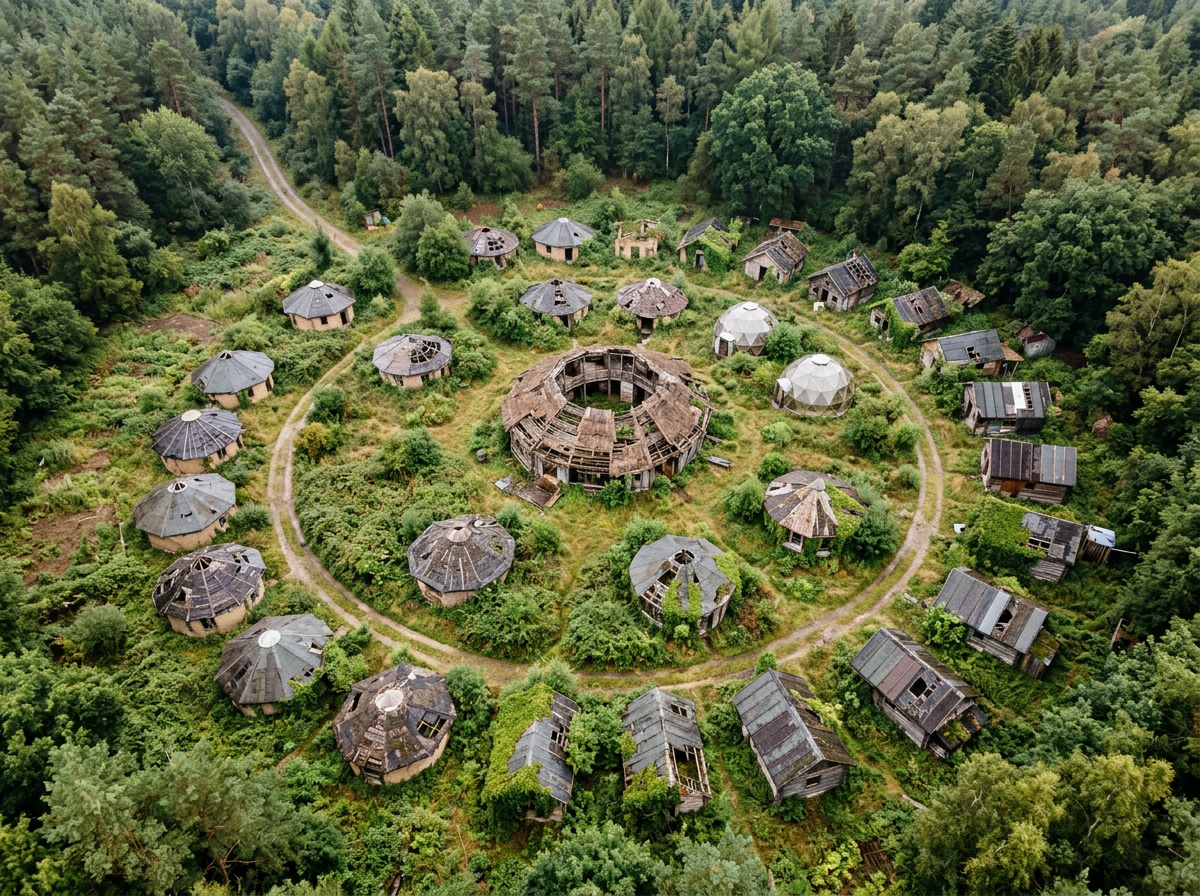
  • Why Most Intentional Communities Fail

    Why Most Intentional Communities Fail


    The Hidden Social, Psychological, and Governance Dynamics That Undermine Collective Living


    Meta Description

    Why most intentional communities fail despite idealistic visions and shared values. Explore the psychological, governance, social, and systems-thinking dynamics that determine whether communities become resilient, fragmented, or unsustainable.


    Introduction

    For generations, people have attempted to build intentional communities centered around:

    • cooperation,
    • shared values,
    • spiritual alignment,
    • ecological sustainability,
    • collective stewardship,
    • and alternative ways of living.

    Some emerge from spiritual ideals.
    Others from political philosophies, ecological concerns, economic experimentation, or cultural renewal.

    Yet despite noble intentions, most intentional communities eventually fragment, stagnate, or collapse.

    This pattern appears repeatedly across:

    • communes,
    • ecovillages,
    • cooperative housing projects,
    • spiritual communities,
    • activist collectives,
    • monasteries,
    • decentralized organizations,
    • and utopian social experiments throughout history.

    The failure is rarely caused by idealism alone.

    More often, intentional communities fail because they underestimate the complexity of human systems.

    Shared values are important.

    But values alone cannot sustain long-term collective living without:

    • governance,
    • boundaries,
    • conflict systems,
    • incentive alignment,
    • psychological maturity,
    • operational stewardship,
    • and institutional resilience.

    Intentional communities are not merely social gatherings.
    They are living systems.

    And living systems require structure.


    The Romanticization Problem

    One of the most common failure patterns is excessive idealism combined with insufficient systems design.

    Many communities begin with:

    • inspiration,
    • emotional resonance,
    • shared philosophy,
    • and a desire to escape perceived dysfunction in mainstream society.

    However, inspiration alone does not solve:

    • resource allocation,
    • interpersonal conflict,
    • labor distribution,
    • governance disputes,
    • leadership accountability,
    • psychological projection,
    • or long-term operational sustainability.

    Communities often romanticize:

    • harmony,
    • unity,
    • and collective belonging,
      while underestimating:
    • complexity,
    • human variability,
    • emotional load,
    • and governance requirements.

    This creates a dangerous imbalance:

    high emotional idealism with low structural resilience.

    Without operational foundations, idealism eventually collides with reality.


    Human Psychology Does Not Disappear Inside Communities

    A common misconception is that alternative communities somehow transcend ordinary human behavior.

    In reality, intentional communities often intensify human dynamics because:

    • proximity increases emotional exposure,
    • collective living amplifies interpersonal friction,
    • unresolved psychological patterns become highly visible,
    • and social boundaries become more porous.

    Communities therefore become environments where:

    • shadow dynamics,
    • power struggles,
    • dependency patterns,
    • attachment wounds,
    • projection,
    • and status hierarchies
      can rapidly emerge.

    Research on group psychology consistently demonstrates that humans naturally form:

    • in-groups,
    • hierarchies,
    • identity structures,
    • and social coalitions (Haidt, 2012).

    No amount of idealistic language fully removes these tendencies.

    Healthy communities do not deny human complexity.
    They design systems capable of managing it constructively.


    Governance Failure Is One of the Largest Causes of Collapse

    Many intentional communities resist governance structures because governance is associated with:

    • hierarchy,
    • bureaucracy,
    • control,
    • or institutional rigidity.

    However, the absence of governance rarely eliminates power.
    It often merely obscures it.

    In poorly structured communities:

    • informal power networks emerge,
    • charismatic personalities dominate,
    • decision-making becomes inconsistent,
    • accountability weakens,
    • and conflict resolution becomes unstable.

    This creates what sociologist Jo Freeman (1972) famously described as:

    “the tyranny of structurelessness.”

    Without transparent governance systems:

    • hidden hierarchies often replace explicit structures,
    • emotional influence may override competence,
    • and unclear authority creates chronic instability.

    Healthy communities require governance not because humans are failures,
    but because coordination itself requires structure.


    Conflict Avoidance Destroys Communities

    Conflict itself is not the problem.

    Poor conflict systems are.

    Many intentional communities prioritize:

    • harmony,
    • emotional unity,
    • and social cohesion,
      while avoiding direct confrontation of tension.

    This often creates:

    • passive aggression,
    • resentment accumulation,
    • social fragmentation,
    • scapegoating,
    • and eventual implosion.

    Communities that suppress disagreement frequently become psychologically fragile.

    Healthy systems require:

    • constructive disagreement,
    • transparent communication,
    • accountability,
    • and repair mechanisms.

    Research on resilient organizations consistently shows that adaptive systems depend upon the ability to process tension without collapse (Meadows, 2008).

    Communities unable to metabolize conflict eventually accumulate systemic instability.


    Infrastructure Matters More Than Ideology

    One of the most overlooked realities is that communities often fail from operational weakness rather than philosophical weakness.

    Shared beliefs cannot compensate for:

    • poor financial planning,
    • inadequate food systems,
    • unsustainable labor expectations,
    • weak governance,
    • unclear responsibilities,
    • or infrastructure failure.

    Many communities devote enormous energy toward:

    • philosophy,
    • spirituality,
    • identity,
    • or ideological alignment,
      while underinvesting in:
    • logistics,
    • maintenance,
    • economic resilience,
    • operational stewardship,
    • and institutional continuity.

    However, civilizations survive through infrastructure, not idealism alone.

    Sociologist and systems theorist Jared Diamond (2005) observed that societies frequently collapse not only from external pressure, but from failures in long-term resource management and adaptive coordination.

    Communities are no different.


    Shared Vision Is Not Enough

    A shared vision may initiate a community.


    But sustaining a community requires:

    • competence,
    • stewardship,
    • systems thinking,
    • adaptability,
    • and long-term coordination.

    Over time, communities encounter:

    • leadership transitions,
    • interpersonal fatigue,
    • financial stress,
    • ideological divergence,
    • changing life stages,
    • and resource constraints.

    Without systems capable of adapting to these pressures, communities become increasingly unstable.

    Healthy communities require both:

    • philosophical coherence,
    • and operational maturity.

    This distinction is critical.


    The Problem of Undefined Roles

    Many intentional communities attempt to eliminate hierarchy entirely.

    However, removing formal roles often creates:

    • ambiguity,
    • duplicated labor,
    • unbalanced workloads,
    • and invisible authority structures.

    Healthy systems require:

    • role clarity,
    • stewardship accountability,
    • skill differentiation,
    • and decision-making pathways.

    This does not necessarily require authoritarian control.

    It requires organizational coherence.

    Complex systems function more effectively when:

    • responsibilities are visible,
    • expectations are clear,
    • and stewardship roles are understood.

    Without role clarity, communities often drift into exhaustion and confusion.


    Economic Fragility Undermines Stability

    Many intentional communities underestimate the importance of economic resilience.

    Communities require:

    • food systems,
    • maintenance systems,
    • healthcare access,
    • infrastructure upkeep,
    • financial sustainability,
    • and resource coordination.

    Without stable economic foundations:

    • burnout increases,
    • internal tension escalates,
    • and long-term continuity becomes difficult.

    Economic fragility amplifies every other weakness within a community system.

    Regenerative communities therefore require:

    • resilient economic design,
    • distributed stewardship,
    • practical resource systems,
    • and long-term sustainability planning.

    Healthy Communities Require Boundaries

    Communities often confuse openness with health.

    However, systems without boundaries frequently become unstable.

    Healthy communities require:

    • onboarding standards,
    • shared expectations,
    • behavioral accountability,
    • conflict protocols,
    • exit pathways,
    • and stewardship norms.

    Without boundaries:

    • dysfunction spreads more easily,
    • responsibility becomes diffuse,
    • and social coherence weakens.

    In systems theory, boundaries are not merely restrictive.
    They are part of what allows systems to maintain integrity.


    The Difference Between Fragile and Anti-Fragile Communities

    Fragile communities depend heavily on:

    • emotional momentum,
    • charismatic leadership,
    • ideological purity,
    • or temporary enthusiasm.

    Anti-fragile communities develop:

    • adaptive governance,
    • distributed competence,
    • resilience under stress,
    • operational redundancy,
    • and learning systems.

    They recognize that:

    • conflict will occur,
    • mistakes will happen,
    • leadership will evolve,
    • and conditions will change.

    Rather than attempting to eliminate complexity, resilient communities learn how to adapt to it.


    Intentional Communities as Living Systems

    Systems thinking reveals that intentional communities are not static ideals.

    They are evolving ecosystems of:

    • psychology,
    • governance,
    • economics,
    • infrastructure,
    • relationships,
    • and culture.

    Communities fail when they attempt to operate purely through:

    • idealism,
    • emotional resonance,
    • or philosophical alignment,
      without sufficient structural intelligence.

    Healthy communities integrate:

    • human psychology,
    • governance design,
    • operational stewardship,
    • resilience planning,
    • and adaptive feedback systems.

    This is not a rejection of intentional communities.
    It is an argument for maturity in how they are designed.


    Conclusion

    Most intentional communities do not fail because people lack good intentions.

    They fail because:

    • governance is underdeveloped,
    • conflict systems are weak,
    • infrastructure is neglected,
    • psychological complexity is underestimated,
    • and operational stewardship is insufficient.

    Sustainable communities require more than shared ideals.

    They require:

    • systems literacy,
    • accountability,
    • resilience design,
    • adaptive governance,
    • and long-term stewardship.

    Communities are living systems.

    And like all living systems, they survive not through idealism alone,
    but through their capacity to adapt, coordinate, regenerate, and remain coherent across time.


    Suggested Crosslinks


    References

    Diamond, J. (2005). Collapse: How societies choose to fail or succeed. Viking.

    Freeman, J. (1972). The tyranny of structurelessness. Berkeley Journal of Sociology, 17, 151–164.

    Haidt, J. (2012). The righteous mind: Why good people are divided by politics and religion. Pantheon Books.

    Meadows, D. H. (2008). Thinking in systems: A primer. Chelsea Green Publishing.

    The Living Archive is designed to be explored through pathways, categories, and search. If you’re looking for a specific idea, question, or theme, AI Search can help surface relevant connections across the archive.


    Attribution

    The Living Archive
    Integrative Frameworks for Regenerative Civilization

    © 2026 Gerald Daquila. All rights reserved.
    Part of the Life.Understood. knowledge ecosystem and Stewardship Institute initiative.

    This article is intended for educational, research, and civic inquiry purposes.
    Readers are encouraged to engage critically, verify sources independently, and explore related knowledge hubs for broader systems context.