
Category: Self-Improvement

  • The Inner Compass: Navigating Moral Choices Through Self-Understanding

    The Inner Compass: Navigating Moral Choices Through Self-Understanding

    A Multidisciplinary Exploration of Conscious Decision-Making, Free Will, and the Interplay of Self and Others

    Prepared by: Gerald A. Daquila, PhD. Candidate


    12–18 minutes

    ABSTRACT

    Living a conscious, examined life involves a deliberate engagement with one’s values, identity, and moral framework to guide decisions, particularly when faced with choices between self-interest and the well-being of others. This dissertation explores how self-understanding, intuition, and the concept of free will shape moral decision-making, emphasizing the role of pre-reflective choices rooted in personal identity.

    Drawing from philosophy, psychology, neuroscience, and sociology, it investigates how individuals navigate moral forks—moments of ethical decision-making—by relying on an inner voice or intuition that aligns with their self-concept. The study proposes that moral choices are not isolated events but reflections of a consistent, pre-examined moral framework, often shaped by conscious reflection and unconscious processes.

    Through a multidisciplinary lens, this work unpacks the interplay between emotion, reason, and intuition, addressing how individuals can cultivate self-awareness to make ethical decisions that balance self and others. The findings suggest that living an examined life involves ongoing self-reflection, intuitive moral guidance, and the intentional alignment of actions with one’s core identity.


    Table of Contents

    1. Introduction
      • The Call to an Examined Life
      • The Moral Fork: Choosing Between Self and Others
      • Purpose and Scope of the Study
    2. Literature Review
      • Philosophical Foundations: Socrates to Modern Ethics
      • Psychological Perspectives: Intuition and Moral Judgment
      • Neuroscience of Decision-Making and Free Will
      • Sociological Influences: The Role of Community and Culture
    3. Theoretical Framework
      • Defining the Examined Life
      • The Interplay of Free Will, Intuition, and Self-Understanding
      • Prethinking Moral Scenarios: A Proactive Approach
    4. Methodology
      • Multidisciplinary Approach
      • Data Synthesis and Analysis
      • Limitations and Ethical Considerations
    5. Findings and Discussion
      • The Role of Self-Understanding in Moral Choices
      • Intuition as a Moral Compass
      • Balancing Self-Interest and Altruism
      • The Neuroscience of Free Will and Predetermination
    6. Implications and Applications
      • Personal Growth Through Self-Examination
      • Practical Tools for Ethical Decision-Making
      • Societal Impact: Fostering Collective Moral Awareness
    7. Conclusion
      • Summary of Key Insights
      • Future Directions for Research
    8. Glossary
    9. Bibliography

    Glyph of the Living Archive

    You are not just reading the Records — you are becoming them.


    1. Introduction

    The Call to an Examined Life

    Socrates famously declared, “An unexamined life is not worth living” (Plato, 399 BCE/1966). This bold statement, made during his trial in ancient Athens, challenges us to reflect deeply on our values, actions, and purpose.

    To live consciously and examined is to engage with life’s big questions: Who am I? What do I stand for? How do my choices shape the world around me? In today’s fast-paced world, where decisions are often reactive, the examined life invites us to pause, reflect, and align our actions with a deeper sense of self.

    At the heart of this exploration lies the moral fork—a moment when we must choose between right and wrong, self and others. These choices are rarely clear-cut. Emotions like fear, desire, or empathy can cloud our judgment, while the philosophical concept of the “veil of forgetting” (a metaphorical amnesia about our moral compass) complicates our ability to act wisely.

    Yet, the idea of free will suggests we have the power to choose, and by prethinking “what if” scenarios, we can prepare ourselves to act in alignment with our values. This dissertation explores how living an examined life equips us to navigate these forks with clarity, guided by self-understanding and intuition.


    The Moral Fork: Choosing Between Self and Others

    Moral dilemmas often pit personal gain against the greater good. Should you keep a found wallet or return it? Should you speak up against injustice, even at personal cost? These moments test not just our ethics but our sense of identity.

    The choices we make reflect who we believe we are—and who we aspire to be. By examining our values beforehand, we create a moral blueprint that guides us when emotions threaten to derail us. This study argues that such prethinking, rooted in self-awareness, transforms moral decisions from reactive impulses to deliberate acts of character.


    Purpose and Scope of the Study

    This dissertation seeks to unpack the phenomenon of living an examined life through a multidisciplinary lens, drawing from philosophy, psychology, neuroscience, and sociology. It explores how self-understanding shapes moral decision-making, how intuition serves as an inner voice, and how free will operates within the constraints of biology and culture.

    By synthesizing recent research, the study aims to provide a holistic understanding of ethical choices and offer practical insights for individuals seeking to live more consciously.


    2. Literature Review

    Philosophical Foundations: Socrates to Modern Ethics

    The concept of the examined life originates with Socrates, who emphasized self-knowledge as the foundation of virtue (Plato, 399 BCE/1966). For Socrates, understanding oneself was not a passive act but an active, lifelong pursuit of questioning assumptions and aligning actions with truth.

    Modern philosophers like Kant (1785/1998) extended this idea, arguing that moral decisions should follow universal principles, such as the categorical imperative, which prioritizes duty over personal desire. In contrast, existentialists like Sartre (1943/2005) emphasized free will, suggesting that individuals create meaning through their choices, even in the face of ambiguity.

    Recent philosophical work has explored the tension between self-interest and altruism. Relational autonomy, for instance, posits that our decisions are shaped by connections with others, challenging the individualistic notion of free will (Dove et al., 2017). This perspective suggests that moral choices are not made in isolation but within a web of social relationships, aligning with the idea that an examined life considers both self and others.


    Psychological Perspectives: Intuition and Moral Judgment

    Psychological research highlights the dual processes of moral judgment: intuition and conscious reasoning. Haidt’s (2001) social intuitionist model argues that moral evaluations often stem from automatic, emotional responses, with reasoning serving as post hoc justification.

    However, Cushman et al. (2006) found that conscious reasoning can shape moral judgments, particularly in complex dilemmas involving harm. Their study tested three principles of harm (intention, action, and consequence), revealing that individuals use both intuition and deliberation to navigate moral forks.

    The concept of the “true self” further informs moral decision-making. Heiphetz et al. (2017) found that people perceive their core identity as inherently moral and good, which influences their choices.

    When faced with a morally wrong option, individuals may experience cognitive dissonance—an inner protest from their intuition—that protects their sense of self. This aligns with the idea that prethinking moral scenarios strengthens our alignment with our values.


    Neuroscience of Decision-Making and Free Will

    Neuroscience offers insights into the brain’s role in moral choices and free will. Libet’s (1983) pioneering experiments suggested that brain activity precedes conscious awareness of decisions, challenging traditional notions of free will. However, critics like Haggard (2008) argue that these findings reflect preparatory brain activity rather than deterministic action, preserving the possibility of voluntary choice.

    Recent studies using fMRI show that moral dilemmas activate regions like the ventromedial prefrontal cortex (vmPFC) for emotional processing and the dorsolateral prefrontal cortex (dlPFC) for deliberation, suggesting a interplay between emotion and reason (Greene, 2015).

    Unconscious influences also play a role. Dijksterhuis and Nordgren (2006) proposed Unconscious Thought Theory, which suggests that complex decisions benefit from unconscious processing, allowing the brain to integrate multiple factors. This supports the idea that prethinking moral scenarios can prime intuitive responses, guiding us at the moral fork.


    Sociological Influences: The Role of Community and Culture

    Sociology emphasizes the role of social norms and culture in shaping moral decisions. Graham et al. (2009) identified moral foundations (e.g., harm/care, fairness, loyalty) that vary across cultures, influencing how individuals prioritize self versus others.

    For example, collectivist cultures may emphasize group harmony, while individualistic cultures prioritize personal autonomy. Relational autonomy, as discussed by Dove et al. (2017), highlights how social connections shape our choices, suggesting that an examined life involves understanding our place within a larger community.


    3. Theoretical Framework

    Defining the Examined Life

    An examined life is a conscious, reflective process of understanding one’s values, beliefs, and identity. It involves ongoing self-questioning and alignment of actions with a coherent moral framework.

    As Verhaeghen (2020) notes, mindfulness and wisdom—key components of the examined life—enhance self-awareness and ethical decision-making. This framework posits that living examined requires both left-brain (analytical) and right-brain (intuitive) thinking, balancing reason with emotional insight.


    The Interplay of Free Will, Intuition, and Self-Understanding

    Free will, though debated in neuroscience, is central to the examined life. While Libet’s (1983) findings suggest neural predetermination, philosophers like Dennett (2003) argue that free will exists within constraints, allowing individuals to shape their choices through reflection.

    Intuition, as Haidt (2001) suggests, acts as a rapid, emotional response that aligns with our self-concept. Self-understanding integrates these elements, enabling us to prethink moral scenarios and align our choices with our identity.


    Prethinking Moral Scenarios: A Proactive Approach

    Prethinking involves anticipating moral dilemmas and reflecting on how our values apply. This proactive approach, rooted in self-understanding, creates a mental blueprint that guides decisions at the moral fork.

    For example, someone who values honesty may prethink scenarios involving deception, reinforcing their commitment to truth. When faced with a real dilemma, their intuition—shaped by this reflection—protests against dishonest choices, aligning actions with their self-concept.


    4. Methodology

    Multidisciplinary Approach

    This study synthesizes literature from philosophy, psychology, neuroscience, and sociology to explore the examined life and moral decision-making. Sources include peer-reviewed journals, books, and empirical studies published between 2000 and 2025, with a focus on recent findings. Key databases include PubMed, JSTOR, and Google Scholar.


    Data Synthesis and Analysis

    The analysis integrates qualitative and quantitative findings, using thematic coding to identify patterns in self-understanding, intuition, and free will.

    Philosophical texts provide conceptual grounding, psychological studies offer empirical insights, neuroscience data reveal brain mechanisms, and sociological perspectives highlight cultural influences. The synthesis balances analytical rigor with narrative coherence to appeal to a broad audience.


    Limitations and Ethical Considerations

    Limitations include the complexity of measuring subjective experiences like intuition and self-understanding. Cultural biases in moral foundations may also limit generalizability. Ethical considerations involve respecting diverse perspectives on free will and avoiding deterministic interpretations that undermine personal agency.


    Glyph of the Inner Compass

    Illuminating the soul’s true north, guiding moral choices through clarity, integrity, and self-understanding


    5. Findings and Discussion

    The Role of Self-Understanding in Moral Choices

    Self-understanding is the cornerstone of the examined life. Heiphetz et al. (2017) found that individuals perceive their “true self” as morally good, which guides ethical decisions.

    By reflecting on their values, individuals create a consistent moral identity that informs choices at the moral fork. For example, someone who identifies as compassionate may prioritize others’ well-being, even at personal cost, because it aligns with their self-concept.


    Intuition as a Moral Compass

    Intuition acts as an inner voice, protesting when choices conflict with our values. Cushman et al. (2006) found that moral judgments involve both intuitive and deliberative processes, with intuition often dominating in high-stakes situations.

    This suggests that prethinking moral scenarios strengthens intuitive responses, enabling rapid, value-aligned decisions. For instance, a prethought commitment to fairness may trigger an intuitive rejection of cheating, even under pressure.


    Balancing Self-Interest and Altruism

    Moral forks often involve tension between self-interest and altruism. Graham et al. (2009) found that moral foundations like harm/care and fairness guide altruistic choices, while loyalty and authority may prioritize group interests.

    Relational autonomy (Dove et al., 2017) suggests that balancing self and others requires understanding our interconnectedness, reinforcing the idea that an examined life considers both personal and collective well-being.


    The Neuroscience of Free Will and Predetermination

    Neuroscience reveals that moral decisions involve complex brain processes. Greene (2015) found that emotional and deliberative brain regions (vmPFC and dlPFC) interact during moral dilemmas, supporting the dual-process model.

    While Libet’s (1983) experiments suggest neural predetermination, Haggard (2008) argues that conscious reflection can shape outcomes, preserving a form of free will. This suggests that prethinking moral scenarios can influence neural pathways, aligning unconscious processes with conscious values.


    6. Implications and Applications

    Personal Growth Through Self-Examination

    Living an examined life fosters personal growth by encouraging self-awareness and ethical consistency. Verhaeghen (2020) found that mindfulness practices enhance self-understanding, improving decision-making under pressure. Individuals can cultivate this through journaling, meditation, or philosophical inquiry, aligning their actions with their core identity.


    Practical Tools for Ethical Decision-Making

    Practical tools include prethinking exercises, such as imagining moral dilemmas and reflecting on desired outcomes. For example, visualizing a scenario where you must choose between honesty and personal gain can reinforce your commitment to integrity. Mindfulness training, as suggested by Feruglio et al. (2023), can also enhance intuitive moral guidance.


    Societal Impact: Fostering Collective Moral Awareness

    On a societal level, promoting the examined life can foster collective ethical awareness. Educational programs that teach self-reflection and moral reasoning can encourage communities to prioritize fairness and care. By understanding our interconnectedness, as Dove et al. (2017) suggest, societies can balance individual autonomy with collective responsibility.


    7. Conclusion

    Summary of Key Insights

    Living a conscious, examined life involves reflecting on one’s values and identity to guide moral choices. Self-understanding shapes a moral blueprint, intuition acts as an inner compass, and free will—though constrained—allows deliberate alignment with our values.

    By prethinking moral scenarios, individuals can navigate moral forks with clarity, balancing self-interest and altruism. This multidisciplinary exploration reveals that ethical decision-making is a dynamic interplay of reason, emotion, and social context, rooted in a consistent sense of self.


    Future Directions for Research

    Future research should explore how cultural differences shape self-understanding and moral intuition, using longitudinal studies to track the development of moral identity.

    Neuroscientific studies could further investigate how prethinking influences brain activity during moral dilemmas. Additionally, practical interventions, such as mindfulness-based training, could be tested for their impact on ethical decision-making.


    Crosslinks


    8. Glossary

    • Examined Life: A life of conscious self-reflection, questioning one’s values and actions to align with a coherent moral framework.
    • Moral Fork: A decision point where one must choose between right and wrong, often involving self-interest versus the well-being of others.
    • Intuition: Rapid, automatic cognitive or emotional responses that guide decision-making, often based on prior reflection or experience.
    • Free Will: The ability to make choices within biological, social, and cultural constraints, shaped by conscious reflection.
    • Relational Autonomy: A model of autonomy that emphasizes decision-making within the context of social relationships and interconnectedness.
    • Self-Understanding: Awareness of one’s values, beliefs, and identity, which informs moral and personal decisions.
    • Dual-Process Model: A theory suggesting that decision-making involves both intuitive (automatic) and deliberative (conscious) processes.

    9. Bibliography

    Cushman, F., Young, L., & Hauser, M. (2006). The role of conscious reasoning and intuition in moral judgment: Testing three principles of harm. Psychological Science, 17(12), 1082–1089. https://doi.org/10.1111/j.1467-9280.2006.01834.x[](https://journals.sagepub.com/doi/abs/10.1111/j.1467-9280.2006.01834.x)

    Dennett, D. C. (2003). Freedom evolves. Viking Press.

    Dijksterhuis, A., & Nordgren, L. F. (2006). A theory of unconscious thought. Perspectives on Psychological Science, 1(2), 95–109. https://doi.org/10.1111/j.1745-6916.2006.00007.x[](https://www.sciencedirect.com/science/article/abs/pii/S0022103110002751)

    Dove, E. S., Kelly, S. E., Lucivero, F., Machirori, M., Dheensa, S., & Prainsack, B. (2017). Beyond individualism: Is there a place for relational autonomy in clinical practice and research? Clinical Ethics, 12(3), 150–165. https://doi.org/10.1177/1477750917704156[](https://journals.sagepub.com/doi/full/10.1177/1477750917704156)

    Feruglio, S., Matandela, M., Walsh, G. V., & Sen, P. (2023). Transforming managers with mindfulness-based training: A journey towards humanistic management principles. Journal of Management, Spirituality & Religion, 20(2), 1–24.

    Graham, J., Haidt, J., & Nosek, B. A. (2009). Liberals and conservatives rely on different sets of moral foundations. Journal of Personality and Social Psychology, 96(5), 1029–1046. https://doi.org/10.1037/a0015141[](https://www.sciencedirect.com/science/article/abs/pii/S0022103111000771)

    Greene, J. D. (2015). Moral tribes: Emotion, reason, and the gap between us and them. Atlantic Books.

    Haggard, P. (2008). Human volition: Towards a neuroscience of will. Nature Reviews Neuroscience, 9(12), 934–946. https://doi.org/10.1038/nrn2497[](https://en.wikipedia.org/wiki/Neuroscience_of_free_will)

    Haidt, J. (2001). The emotional dog and its rational tail: A social intuitionist approach to moral judgment. Psychological Review, 108(4), 814–834. https://doi.org/10.1037/0033-295X.108.4.814[](https://www.cambridge.org/core/journals/judgment-and-decision-making/article/psychology-of-moral-reasoning/616C63577883AFF76ACF9F1F51FE7336)

    Heiphetz, L., Strohminger, N., & Young, L. L. (2017). The role of moral beliefs, memories, and preferences in representations of identity. Cognitive Science, 41(3), 744–767. https://doi.org/10.1111/cogs.12354[](https://www.sciencedirect.com/science/article/abs/pii/S0022096519302887)

    Kant, I. (1998). Groundwork of the metaphysics of morals (M. Gregor, Trans.). Cambridge University Press. (Original work published 1785)

    Libet, B. (1983). Time of conscious intention to act in relation to onset of cerebral activity (readiness-potential). Brain, 106(3), 623–642. https://doi.org/10.1093/brain/106.3.623[](https://en.wikipedia.org/wiki/Neuroscience_of_free_will)

    Plato. (1966). Apology (H. Tredennick, Trans.). In The collected dialogues of Plato (E. Hamilton & H. Cairns, Eds.). Princeton University Press. (Original work published 399 BCE)

    Sartre, J.-P. (2005). Being and nothingness (H. E. Barnes, Trans.). Routledge. (Original work published 1943)

    Verhaeghen, P. (2020). The examined life is wise living: The relationship between mindfulness, wisdom, and the moral foundations. Journal of Adult Development, 27(4), 305–322. https://doi.org/10.1007/s10804-020-09356-6[](https://www.researchgate.net/publication/338082718_The_Examined_Life_is_Wise_Living_The_Relationship_Between_Mindfulness_Wisdom_and_the_Moral_Foundations)


    Cornerstone Essay Series

    This essay forms part of the Living Archive of Sovereign Sensemaking and Stewardship — a long-term body of work exploring human development, responsible leadership, and the deeper patterns shaping individual and collective evolution.

    Readers wishing to explore related ideas may continue through the Living Archive or navigate the broader Stewardship Architecture of the site.

    → 🌱 Explore the Living Archive
    → 🧭 Begin with the Subject Index
    → 🏛️ View the Stewardship Architecture


    About the Author

    Gerald Alba Daquila writes at the intersection of human development, sovereignty, leadership ethics, and civilizational sensemaking. The Living Archive gathers more than 800 essays, codices, and frameworks developed through years of reflection and inquiry.
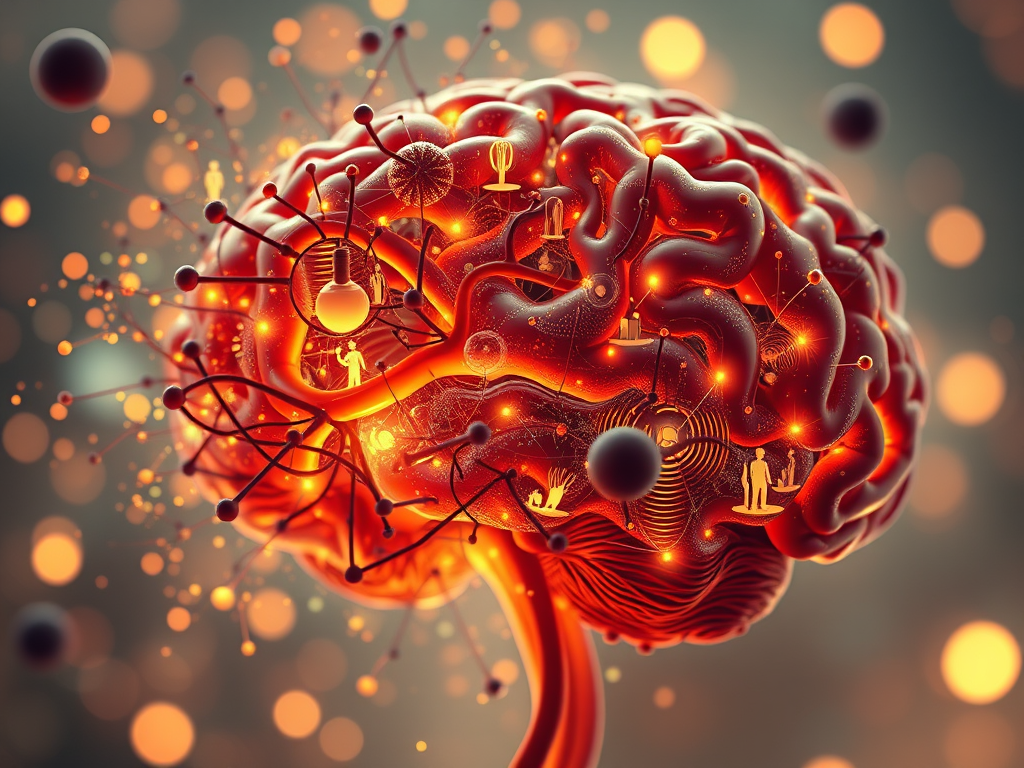
  • Making Sense of It All: The Hidden Architecture of Human Understanding

    Making Sense of It All: The Hidden Architecture of Human Understanding

    A Multidisciplinary Exploration of Sensemaking, Its Cognitive and Social Mechanisms, and the Role of Intuition, Heuristics, and Environmental Cues

    Prepared by: Gerald A. Daquila, PhD. Candidate


    10–15 minutes

    ABSTRACT

    Sensemaking is the dynamic process through which individuals and groups construct meaning from ambiguous, uncertain, or complex experiences. This dissertation explores sensemaking through a multidisciplinary lens, integrating insights from cognitive psychology, social psychology, organizational studies, neuroscience, and design research. It examines where sensemaking resides (in individuals, social interactions, and narratives), how it is processed (through iterative cycles of noticing, interpreting, and acting), and the mechanics behind it (cognitive, social, and embodied processes).

    The brain’s role is central, rapidly processing environmental and social cues to form coherent accounts, often in milliseconds, with priority given to salient, discrepant, or emotionally charged stimuli. While distinct from intuition and heuristics, sensemaking incorporates these as tools for navigating complexity. Drawing on recent literature, this work unpacks the interplay of cognitive frameworks, social dynamics, and environmental cues, offering a comprehensive framework for understanding sensemaking’s role in human behavior and decision-making. A glossary and bibliography provide accessible resources for further exploration.


    Table of Contents

    1. Introduction: The Puzzle of Sensemaking
    2. Defining Sensemaking: A Multidisciplinary Perspective
    3. Where Does Sensemaking Reside?
    4. The Mechanics of Sensemaking: How It Works
    5. The Brain’s Role in Sensemaking
    6. Sensemaking, Intuition, and Heuristics: Clarifying the Distinctions
    7. The Speed of Sensemaking: Processing Environmental and Social Cues
    8. Sensemaking in Action: Case Studies Across Disciplines
    9. Conclusion: Toward a Unified Understanding of Sensemaking
    10. Glossary
    11. Bibliography

    Glyph of the Living Archive

    You are not just reading the Records — you are becoming them.


    1. Introduction: The Puzzle of Sensemaking

    Imagine you’re a nurse in a bustling neonatal intensive care unit. A monitor beeps unexpectedly, a colleague’s tone shifts, and a parent’s anxious glance catches your eye. In a split second, you weave these fragments into a story: the baby’s condition is stable, but the parent needs reassurance.

    This is sensemaking in action—a process so instinctive yet complex that we often overlook its power. Sensemaking is how we transform chaos into coherence, ambiguity into action. But what is it? Where does it live in our minds and societies? How does our brain orchestrate this rapid meaning-making, and how do intuition and heuristics fit in?

    This dissertation dives into the mystery of sensemaking, blending academic rigor with accessible storytelling to unpack its mechanisms. By drawing on cognitive science, organizational theory, neuroscience, and design research, we’ll explore how humans make sense of their world, why it matters, and how it shapes our actions.

    Whether you’re a scholar, a professional, or simply curious, this journey will illuminate the invisible threads that connect perception, meaning, and action.


    2. Defining Sensemaking: A Multidisciplinary Perspective

    Sensemaking is the process by which individuals and groups assign meaning to experiences, particularly when faced with ambiguity, uncertainty, or novelty. As Karl Weick, a pioneer in organizational sensemaking, describes it, sensemaking is “the ongoing retrospective development of plausible images that rationalize what people are doing” (Weick, Sutcliffe, & Obstfeld, 2005, p. 409). It’s not just about understanding; it’s about creating a narrative that makes the world “sensible” enough to act upon.


    From a multidisciplinary view:

    • Cognitive Psychology: Sensemaking is a cognitive process involving mental models, schemas, and frameworks to interpret sensory data. It’s how we fill gaps in understanding when faced with incomplete information.
    • Social Psychology: It’s a social act, shaped by interactions, conversations, and shared narratives. People co-create meaning through dialogue, as seen in organizational settings where teams align on interpretations.
    • Information Science: Brenda Dervin’s sense-making methodology (SMM) frames it as a dynamic process of bridging gaps between a situation and desired outcomes, often through information-seeking behaviors.
    • Design Research: Sensemaking is a practical tool for synthesizing data into actionable insights, as seen in Jan Chipchase’s framework for design projects.
    • Neuroscience: It’s a neurocognitive process where the brain integrates sensory inputs, emotions, and prior knowledge to form coherent perceptions.

    Despite varied definitions, sensemaking is universally about reducing equivocality—making the unclear clear enough to act. It’s both individual (a nurse interpreting a monitor’s beep) and collective (a team aligning on a strategy), bridging the personal and the social.


    3. Where Does Sensemaking Reside?

    Sensemaking resides in multiple domains, reflecting its multifaceted nature:

    • The Individual Mind: At its core, sensemaking is cognitive, rooted in social cognition. Individuals use mental maps, schemas, and representations to process experiences. For example, a firefighter quickly recognizes a burning building’s layout based on prior training, a process Klein et al. (2006) call “data-frame theory.”
    • Social Interactions: Sensemaking is inherently social, occurring through conversations, storytelling, and shared narratives. As Weick notes, “plausible stories are preserved, retained, or shared” in social contexts (Maitlis, 2005).
    • Narratives and Discourse: Sensemaking manifests in the stories we tell ourselves and others. These narratives are “both individual and shared… an evolving product of conversations with ourselves and with others” (Currie & Brown, 2003, p. 565).
    • Embodied Experience: Recent research highlights “embodied sensemaking,” where bodily sensations, emotions, and intuitions shape interpretation, especially in high-stakes settings like maritime operations.

    Sensemaking is not confined to one “place” but flows across these domains, dynamically integrating individual cognition with collective meaning-making.


    4. The Mechanics of Sensemaking: How It Works

    Sensemaking operates through iterative cycles of noticing, interpreting, and acting, often described as a three-stage process:

    1. Noticing (Cue Extraction): People detect environmental cues—sensory inputs, social signals, or discrepancies—that trigger sensemaking. These cues are “simple, familiar structures” that serve as seeds for broader understanding (Weick, 1995, p. 50).
    2. Interpreting (Meaning-Making): Individuals and groups construct plausible explanations by linking cues to existing knowledge or schemas. This is driven by plausibility, not accuracy, as people prioritize actionable interpretations over perfect truth.
    3. Acting (Enactment): Actions based on interpretations shape the environment, generating new cues that restart the cycle. This “enactive” quality means people co-create their reality through their responses (Weick, 1995).

    Recent frameworks, like the Multifaceted Sensemaking Theory (2023), propose nine stages: sensing, meaning-making, sensegiving, becoming, agency, counterfactuals, future-scoping, movement, and impact. These stages integrate heuristic-making and narrative strategies, reflecting sensemaking’s complexity.


    5. The Brain’s Role in Sensemaking

    The brain is the engine of sensemaking, orchestrating a symphony of neural processes to transform raw data into meaning. Neuroscience reveals:

    • Active Inference System: The brain is an “active inference system,” constantly predicting and adjusting based on sensory inputs. It integrates over 100 trillion synapses to parse symbols and patterns at up to five shifts of attention per second (Cordes, 2020).
    • Cue Processing Speed: The brain processes cues in milliseconds. For example, visual cues are detected in 100–150 ms, with emotional or salient cues prioritized due to amygdala activation (LeDoux, 1996).
    • Neural Mechanisms: The prefrontal cortex integrates cues with prior knowledge, while the anterior cingulate cortex detects discrepancies that trigger sensemaking. The default mode network supports retrospective reflection, crucial for narrative-building.
    • Embodied Sensemaking: Emotions and bodily sensations influence cognition via the insula and somatic markers, as seen in Damasio’s (1994) somatic marker hypothesis. This is critical in safety-critical settings where stress shapes interpretations.

    The brain’s speed and adaptability make sensemaking a rapid, often unconscious process, yet its reliance on cognitive resources means it can be disrupted by fatigue or overload, as seen during the COVID-19 pandemic.


    6. Sensemaking, Intuition, and Heuristics: Clarifying the Distinctions

    Sensemaking is related to but distinct from intuition and heuristics:

    • Intuition: Intuition is a rapid, unconscious judgment based on pattern recognition and prior experience (Sonenshein, 2007). Sensemaking may incorporate intuition but is broader, involving conscious reflection and social processes. For example, a CEO’s “gut feeling” about a market trend (intuition) feeds into sensemaking when they discuss it with their team to form a strategy.
    • Heuristics: Heuristics are mental shortcuts for quick decisions, like the availability heuristic (judging likelihood based on recall). Sensemaking uses heuristics as tools for simplification but focuses on constructing coherent narratives, not just decisions.
    • Key Differences: Intuition and heuristics prioritize speed and efficiency, often bypassing deep analysis. Sensemaking, however, is iterative, reflective, and often social, aiming to reduce ambiguity through narrative coherence.

    In practice, sensemaking integrates intuition and heuristics. A firefighter might intuitively sense danger (intuition), use a rule of thumb to prioritize escape routes (heuristic), and then narrate the situation to their team to align on action (sensemaking).


    Glyph of Making Sense

    Revealing the hidden architecture beneath perception, weaving the fragments of thought into a coherent whole.


    7. The Speed of Sensemaking: Processing Environmental and Social Cues

    The brain’s ability to pick up cues rapidly is central to sensemaking:

    • Speed: Visual and auditory cues are processed in 100–300 ms, with emotionally charged cues (e.g., a scream) prioritized faster due to amygdala-driven attention (LeDoux, 1996). Social cues, like facial expressions, are decoded in 200–400 ms via the fusiform gyrus.
    • Cue Prioritization: The brain prioritizes:
      • Discrepant Cues: Unexpected events (e.g., a monitor’s alarm) trigger sensemaking by violating expectations (Weick, 1995).
      • Emotionally Salient Cues: Fearful or threatening stimuli are processed faster due to evolutionary survival mechanisms.
      • Social Cues: Interactions with others (e.g., a colleague’s tone) shape meaning through shared narratives.
      • Environmental Cues: Contextual factors, like a chaotic workplace, influence which cues are noticed.
    • Challenges: During crises, like the COVID-19 pandemic, cue overload can lead to attentional fatigue, reducing sensemaking effectiveness.

    For example, in a military operation, commanders rapidly integrate environmental cues (enemy movements) and social cues (team dynamics) to make sense of a battlefield, often under time pressure.


    8. Sensemaking in Action: Case Studies Across Disciplines

    To illustrate sensemaking’s versatility, consider these real-world applications:

    • Healthcare: Nurses in high-risk settings use sensemaking to detect patient deterioration by integrating monitor data, patient behavior, and intuition. Studies show sensemaking reduces errors by creating shared understanding among teams (Battles et al., 2006).
    • Organizations: During corporate mergers, employees make sense of cultural shifts through conversations, extracting cues from leadership actions to form new identities (Bastien, 1992).
    • Design Research: Jan Chipchase’s Sense-Making Process helps designers synthesize user data into insights, moving from hypotheses to actionable strategies.
    • Military: In network-centric operations, commanders use sensemaking to interpret complex battlefield data, balancing individual intuition with collective strategy (Garstka & Alberts, 2004).

    These cases highlight sensemaking’s role in navigating complexity across contexts, driven by rapid cue processing and iterative meaning-making.


    9. Conclusion: Toward a Unified Understanding of Sensemaking

    Sensemaking is a universal human process, weaving together cognitive, social, and embodied threads to create meaning from chaos. It resides in the interplay of individual minds, social interactions, and shared narratives, powered by a brain that rapidly processes cues—often in milliseconds—prioritizing discrepancies and emotional salience.

    While distinct from intuition and heuristics, sensemaking incorporates these as tools within a broader, reflective process. Its mechanics involve noticing, interpreting, and acting, shaped by environmental and social contexts.

    This dissertation offers a cohesive framework for understanding sensemaking, bridging disciplines to reveal its complexity and relevance. For scholars, it provides a foundation for further research into embodied and future-oriented sensemaking.

    For practitioners, it offers insights into leveraging sensemaking for better decision-making in uncertain environments. Ultimately, sensemaking is not just a process—it’s a lens through which we navigate the world, transforming ambiguity into action.


    Crosslinks


    Glossary

    • Sensemaking: The process of creating meaning from ambiguous or complex experiences through noticing, interpreting, and acting.
    • Cue Extraction: Identifying salient signals (e.g., sensory, social, or environmental) to inform meaning-making.
    • Enactment: Acting on interpretations to shape the environment, generating new cues.
    • Intuition: Rapid, unconscious judgments based on pattern recognition.
    • Heuristics: Mental shortcuts for quick decision-making, often based on simplified rules.
    • Mental Models: Cognitive frameworks or schemas used to interpret information.
    • Embodied Sensemaking: Meaning-making influenced by bodily sensations and emotions.
    • Sensegiving: The process of sharing or influencing others’ interpretations during sensemaking.

    Bibliography

    • Battles, J. B., et al. (2006). Sensemaking in patient safety: A conceptual framework for identifying high-risk situations. Journal of Patient Safety.
    • Brown, A. D., Stacey, P., & Nandhakumar, J. (2007). Making sense of sensemaking narratives. Human Relations, 60(8), 1035–1062.
    • Cordes, R. J. (2020). Making sense of sensemaking: What it is and what it means for pandemic research. Atlantic Council.
    • Cristofaro, M. (2022). Organizational sensemaking: A systematic review and a co-evolutionary model. European Management Journal, 40(3), 393–405.
    • Currie, G., & Brown, A. D. (2003). A narratological approach to understanding processes of organizing in a UK hospital. Human Relations, 56(5), 563–586.
    • Dervin, B. (1983). An overview of sense-making research: Concepts, methods, and results to date. International Communication Association Annual Meeting.
    • Dunford, R., & Jones, D. (2000). Narrative in strategic change. Human Relations, 53(9), 1207–1226.
    • Garstka, J., & Alberts, D. (2004). Network-centric operations conceptual framework. United States Department of Defense.
    • Isabella, L. A. (1990). Evolving interpretations as a change unfolds: How managers construe key organizational events. Academy of Management Journal, 33(1), 7–41.
    • Klein, G., Moon, B., & Hoffman, R. R. (2006). Making sense of sensemaking 1: Alternative perspectives. IEEE Intelligent Systems, 21(4), 70–73.
    • LeDoux, J. (1996). The Emotional Brain: The Mysterious Underpinnings of Emotional Life. Simon & Schuster.
    • Maitlis, S., & Christianson, M. (2014). Sensemaking in organizations: Taking stock and moving forward. Academy of Management Annals, 8(1), 57–125.
    • Salancik, G. R., & Pfeffer, J. (1978). A social information processing approach to job attitudes and task design. Administrative Science Quarterly, 23(2), 224–253.
    • Sonenshein, S. (2007). The role of construction, intuition, and justification in responding to ethical issues at work: The sensemaking-intuition model. Academy of Management Review, 32(4), 1022–1040.
    • Thurlow, A., & Mills, J. H. (2009). Change, talk, and sensemaking. Journal of Organizational Change Management, 22(5), 459–479.
    • Weick, K. E. (1993). The collapse of sensemaking in organizations: The Mann Gulch disaster. Administrative Science Quarterly, 38(4), 628–652.
    • Weick, K. E. (1995). Sensemaking in Organizations. Sage Publications.
    • Weick, K. E., Sutcliffe, K. M., & Obstfeld, D. (2005). Organizing and the process of sensemaking. Organization Science, 16(4), 409–421.

    Cornerstone Essay Series

    This essay forms part of the Living Archive of Sovereign Sensemaking and Stewardship — a long-term body of work exploring human development, responsible leadership, and the deeper patterns shaping individual and collective evolution.

    Readers wishing to explore related ideas may continue through the Living Archive or navigate the broader Stewardship Architecture of the site.

    → 🌱 Explore the Living Archive
    → 🧭 Begin with the Subject Index
    → 🏛️ View the Stewardship Architecture


    About the Author

    Gerald Alba Daquila writes at the intersection of human development, sovereignty, leadership ethics, and civilizational sensemaking. The Living Archive gathers more than 800 essays, codices, and frameworks developed through years of reflection and inquiry.

  • Living in the Barangay: Unveiling the Societal Tapestry of Pre-Colonial Philippines

    Living in the Barangay: Unveiling the Societal Tapestry of Pre-Colonial Philippines

    A Multidisciplinary Exploration of Indigenous Governance, Social Cohesion, and Cultural Resilience Before Western Colonization

    Author: Gerald A. Daquila, PhD Candidate


    What was life like in the Philippines before colonial rule—and what can it reveal about alternative models of governance and community? Prior to external influence, Filipino societies were organized into barangays: small, decentralized communities built on kinship, mutual obligation, and localized leadership.

    These systems operated with their own forms of law, trade, and social structure, often adapted to specific geographic and cultural contexts. This article explores how the barangay functioned as a foundational unit of pre-colonial Philippine society, and what its principles suggest about autonomy, cohesion, and grassroots governance.


    For a broader view of Philippine culture, society, and systems, see:
    Understanding the Philippines: Culture, Society, and Systems (Hub)


    Scope and Approach

    This article examines the pre-colonial barangay as a social, political, and economic system. It does not idealize the past or assume uniformity across all regions, but instead recognizes the diversity of structures that existed across the archipelago.

    The discussion focuses on key features of barangay life, including decentralized leadership under the datu, kinship-based organization, customary law, and localized trade networks. It also considers how these systems balanced autonomy with inter-community relations, forming flexible networks rather than rigid hierarchies.

    Rather than treating the barangay as a relic of history, this approach evaluates its relevance as a reference point for understanding contemporary issues such as governance, community engagement, and social cohesion. It also examines how colonial restructuring altered or replaced these systems, shaping the trajectory of Philippine institutions.

    The goal is to provide a grounded understanding of how early Filipino societies functioned, and how their underlying principles may still offer insight into modern challenges. By examining the barangay not just as history but as a system, this work supports clearer thinking about the relationship between local organization, cultural identity, and national development.

    12–18 minutes

    ABSTRACT

    The pre-colonial Philippines, a vibrant archipelago of diverse ethnolinguistic communities, thrived as a network of barangays—kinship-based units rooted in communal values like kapwa (shared identity) and bayanihan (collective cooperation). This paper employs a PESTLE framework (Political, Economic, Social, Technological, Legal, Environmental) to dissect the societal structure of pre-colonial Filipino life, grounded in historical, anthropological, psychological, and sociological research.

    It examines the roles of datus, babaylans, and community members; the informal rules of reciprocity and consensus; and the dynamic systems of governance, education, and trade that sustained these societies. By imagining a time-travel experience to a pre-colonial barangay, this study vividly reconstructs daily life, highlighting the strengths of communal resilience and areas of concern, such as potential fragmentation and vulnerability to external pressures.

    The analysis reveals how colonial disruptions later undermined these systems, while suggesting that reconnecting with pre-colonial values could inspire modern Filipino identity and resilience. Written in accessible, narrative prose, this work balances academic rigor with emotional resonance, appealing to a broad readership seeking to understand the Philippines’ Indigenous past.

    Keywords: Pre-colonial Philippines, barangay, kapwa, bayanihan, PESTLE analysis, Indigenous governance, social cohesion, Filipino identity, cultural resilience


    Introduction

    Imagine stepping into a bustling coastal barangay in the 15th-century Philippines, where the air hums with the rhythm of waves, the scent of coconut and salt, and the laughter of children learning oral epics under a balete tree. This was the pre-colonial Philippines—a mosaic of over 7,000 islands, home to diverse ethnolinguistic groups like the Tagalogs, Visayans, and Moro peoples, united by shared values of community and reciprocity.

    Before Spanish galleons arrived in 1521, these societies thrived without centralized kingdoms, relying instead on barangays: small, kinship-based units led by datus and animated by kapwa, the belief in shared humanity. This study uses a PESTLE framework to explore the societal structure of pre-colonial Philippines, answering: Who were the key players? What rules governed their lives? How did governance, social cohesion, education, and economy function?

    Through a multidisciplinary lens—drawing from history, anthropology, Sikolohiyang Pilipino (Filipino Psychology), and sociology—we reconstruct this world, grounded in sources like the Laguna Copperplate Inscription (900 CE) and oral traditions (Jocano, 1998; Scott, 1994).

    By imagining a time-traveler’s experience, we bring this past to life, spotlighting strengths like communal resilience and concerns like political fragmentation. This narrative aims to inform and inspire, connecting modern Filipinos to their Indigenous roots while addressing how these values could address contemporary challenges.


    Glyph of the Gridkeeper

    The One Who Holds the Lattice of Light.


    PESTLE Analysis of Pre-Colonial Philippine Society

    Political: Governance and Leadership

    Key Players: The barangay, typically comprising 30–100 families, was the core political unit, led by a datu—a chief chosen for charisma, wisdom, or wealth (Scott, 1994). Larger polities, like the Kingdom of Tondo or Rajahnate of Butuan, emerged by the 10th century, led by rajahs or sultans with broader influence (Jocano, 1998). Babaylans, often female spiritual leaders, wielded significant influence, advising datus and mediating disputes (Enriquez, 1992).

    Rules and Governance: Governance was decentralized and consensus-driven, rooted in kapwa—a value prioritizing collective harmony over individual ambition (Enriquez, 2013). Datus resolved conflicts through mediation, guided by customary laws (adat) or Islamic principles in Mindanao’s sultanates (Majul, 1973). The Laguna Copperplate Inscription (900 CE) reveals a legal system addressing debt and kinship ties, indicating sophisticated political organization (Postma, 1992). Alliances were forged through marriage or trade, as seen in Tondo’s ties with China’s Song Dynasty (Scott, 1994).

    Experience: As a time-traveler, you’d witness a datu settling a dispute under a communal banyan tree, villagers voicing opinions freely. The absence of rigid hierarchies would feel liberating, but the reliance on personal loyalty to datus could seem precarious, hinting at vulnerability to internal rivalries or external threats.

    Concerns: The decentralized structure fostered local autonomy but risked fragmentation. Without a unified political system, barangays were susceptible to manipulation by foreign traders or invaders, a weakness later exploited by Spanish colonizers (Constantino, 1975).


    Economic: Trade and Sustenance

    Key Players: Farmers, fishers, artisans, and traders drove the economy. Datus and maharlika (nobles) controlled trade, while timawa (freemen) and alipin (dependents) worked the land or crafted goods (Scott, 1994).

    Rules and Economy: The economy blended subsistence and trade. Coastal barangays grew rice, root crops, and coconuts, while fishing sustained communities (Jocano, 1998). The Philippines was a hub in the Maritime Silk Road, exporting gold, pearls, and beeswax to China, India, and Southeast Asia (Piacentini, 2023). Barter was common, but gold and Chinese porcelain served as currency in major centers like Butuan (Scott, 1994). The alipin system, where debts tied individuals to service, ensured labor but allowed social mobility through repayment or bravery (Studocu, 2023).

    Experience: You’d barter rice for a Chinese jar at a bustling port, marveling at balangay boats laden with goods. The market’s vibrancy would pulse with communal trust, but you might notice tensions when debts bound alipin to elites, hinting at economic inequities.

    Concerns: While trade enriched coastal barangays, inland communities had less access, creating disparities. The alipin system, though flexible, could perpetuate dependency, foreshadowing colonial exploitation (Constantino, 1975).


    Social: Cohesion and Community

    Key Players: The social fabric included datus, maharlika, timawa, alipin, and babaylans. Women often held high status, especially as babaylans or property holders (Enriquez, 1992).

    Rules and Social Cohesion: Kapwa fostered a sense of shared identity, where individual well-being depended on the community’s (Enriquez, 2013). Bayanihan—communal work like moving houses or harvesting—cemented bonds (Kilag, 2024). Rituals, led by babaylans, reinforced unity, with feasts celebrating harvests or victories. Social mobility was possible, as alipin could become timawa through service or marriage (Scott, 1994).

    Experience: You’d join a bayanihan effort, lifting a nipa hut alongside neighbors, feeling the joy of collective purpose. At night, babaylans would lead rituals under starlit skies, their chants weaving spiritual and social bonds. Yet, you might sense tensions between classes, as alipin worked harder for less status.

    Concerns: Class distinctions, though fluid, could strain cohesion, especially when datus favored elites. Inter-barangay rivalries, fueled by competition for trade, occasionally led to conflicts, weakening collective resilience (Jocano, 1998).


    Technological: Innovation and Craftsmanship

    Key Players: Artisans, boat-builders, and weavers were technological innovators, supported by community knowledge-sharing (Piacentini, 2023).

    Rules and Technology: Filipinos excelled in boat-building, crafting balangay outrigger boats for trade and warfare (Scott, 1994). Gold-working, as seen in the Surigao Treasure, showcased intricate artistry (Jocano, 1998). Weaving produced textiles like abaca, traded regionally. The baybayin script enabled record-keeping and communication, though primarily for ritual or personal use (Piacentini, 2023).

    Experience: You’d sail on a balangay, awed by its sturdy planks and skilled navigators reading stars and currents. Visiting a goldsmith, you’d see delicate filigree work, while weavers taught you abaca patterns. The ingenuity would inspire, but the reliance on oral transmission might limit widespread technological diffusion.

    Concerns: Technological advancements were localized, with coastal barangays outpacing inland ones. The lack of a unified writing system beyond baybayin hindered large-scale knowledge preservation, leaving societies vulnerable to cultural erasure during colonization (Constantino, 1975).


    Legal: Customary Laws and Justice

    Key Players: Datus and babaylans enforced laws, with community elders advising on disputes (Scott, 1994).

    Rules and Legal System: Customary laws (adat) governed behavior, emphasizing restitution over punishment. The Laguna Copperplate Inscription documents debt settlements, showing a formalized legal framework (Postma, 1992). In Mindanao, Islamic sultanates adopted Sharia elements, blending with Indigenous norms (Majul, 1973). Disputes were resolved through consensus, with babaylans mediating spiritual or moral conflicts (Enriquez, 1992).

    Experience: You’d attend a dispute resolution, where a datu listens to both sides, guided by elders and a babaylan’s wisdom. The focus on restoring harmony would feel restorative, but the lack of written laws might seem inconsistent across barangays.

    Concerns: The oral nature of laws risked inconsistency, and datus’ personal authority could lead to favoritism. In larger polities, integrating diverse customs posed challenges, foreshadowing colonial centralization (Scott, 1994).


    Environmental: Harmony with Nature

    Key Players: Farmers, fishers, and babaylans interacted closely with the environment, guided by animist beliefs (Jocano, 1998).

    Rules and Environmental Practices: Animism shaped environmental stewardship, with spirits (anito) believed to inhabit nature. Rituals ensured sustainable harvests, and communal land use prevented overexploitation (Enriquez, 1992). Coastal barangays adapted to typhoons, building elevated nipa huts and maintaining fish traps (Piacentini, 2023).

    Experience: You’d join a ritual thanking the rice spirit, planting seeds with reverence. Fishing with woven traps, you’d feel the community’s respect for the sea. Typhoon preparations would showcase resilience, but frequent storms might highlight environmental vulnerabilities.

    Concerns: While sustainable, practices were localized, and growing trade demands could strain resources, as seen in deforestation for boat-building (Jocano, 1998). Climate challenges like typhoons required adaptive resilience, which colonialism later disrupted.


    A Time-Traveler’s Experience: Life in a Pre-Colonial Barangay

    Picture yourself in a Visayan barangay circa 1400 CE, waking to roosters crowing and the scent of woodsmoke. Your nipa hut, elevated on stilts, sways gently in the tropical breeze. Outside, neighbors greet you with kapwa’s warmth, treating you as kin. You join farmers planting rice, their songs blending with the rustle of palms—a bayanihan rhythm of shared labor.

    At the port, traders unload Chinese porcelain, their balangay boats gleaming under the sun. A babaylan invites you to a ritual, her chants invoking anito spirits as the community feasts on roasted pig and rice wine. The datu, adorned with gold, resolves a dispute with calm authority, but you notice whispers of rivalry with a neighboring barangay.

    Life feels vibrant yet fragile. The communal spirit uplifts, but class tensions and trade disparities hint at underlying strains. You marvel at the gold jewelry and baybayin inscriptions, yet wonder how these oral traditions will endure. As a typhoon looms, the barangay unites to secure homes, their resilience inspiring but tempered by the lack of centralized coordination. This is a world of harmony and ingenuity, yet one poised on the edge of transformation, vulnerable to external forces.


    Glyph of the Barangay Tapestry

    Revealing the woven life of the pre-colonial barangay, where kinship, spirit, and land formed the sacred architecture of community.


    Areas of Concern and Modern Reflections

    These reflections are offered not as prescriptions, but as interpretive bridges between past and present. The pre-colonial Philippines was a testament to communal resilience, but its decentralized structure posed challenges:

    1. Political Fragmentation: The absence of a unified polity made barangays susceptible to foreign domination, as seen when Spanish colonizers exploited rivalries (Constantino, 1975).
    2. Economic Disparities: Coastal trade hubs thrived, but inland communities lagged, foreshadowing colonial inequalities (Studocu, 2023).
    3. Cultural Vulnerability: Oral traditions and localized knowledge risked loss without widespread written systems, a weakness exacerbated by colonial erasure (Piacentini, 2023).
    4. Social Tensions: While kapwa fostered cohesion, class distinctions and inter-barangay conflicts could undermine unity (Jocano, 1998).

    These concerns highlight the fragility of pre-colonial systems, yet their strengths—kapwa, bayanihan, and adaptive resilience—offer lessons for today. Modern Filipinos, facing inequality and cultural alienation, can draw on these values to rebuild collective efficacy. Initiatives like Sikolohiyang Pilipino and decolonized education can revive cultural pride, while community-driven policies can institutionalize bayanihan to address crises (Enriquez, 2013; Kilag, 2024).


    Conclusion

    The pre-colonial Philippines was a vibrant tapestry of barangays, woven together by kapwa and sustained by cooperative governance, trade, and spiritual harmony. Through a PESTLE lens, we see a society of ingenuity and resilience, yet one vulnerable to fragmentation and external pressures. As a time-traveler, you’d feel the pulse of community, marvel at its artistry, and sense its delicate balance.

    By reconnecting with these Indigenous values, modern Filipinos can reclaim their cultural confidence, fostering a society that honors its past while navigating present challenges. This journey through time invites us to celebrate the archipelago’s roots and envision a future where kapwa guides the nation forward.


    Suggested Crosslinks


    Glossary

    • Barangay: A pre-colonial Filipino community unit, typically 30–100 families, led by a datu.
    • Bayanihan: A tradition of communal cooperation, such as collectively moving a house or harvesting crops.
    • Babaylan: Indigenous spiritual leaders, often women, who mediated between communities and spirits.
    • Kapwa: A core Filipino value meaning “shared identity,” emphasizing interconnectedness.
    • Datu: A barangay chief, chosen for leadership, wisdom, or wealth.
    • Timawa: Freemen in the social hierarchy, with rights to land and labor.
    • Alipin: Dependents or slaves, often bound by debt, with potential for social mobility.
    • Baybayin: A pre-colonial syllabic script used for ritual and personal writing.
    • Anito: Spirits or deities in animist beliefs, revered in rituals.
    • Adat: Customary laws governing barangay behavior and justice.

    Bibliography

    Constantino, R., & Constantino, L. R. (1975). The Philippines: A past revisited (Vol. 1). Quezon City: Renato Constantino.

    Enriquez, V. G. (1992). From colonial to liberation psychology: The Philippine experience. University of the Philippines Press.

    Enriquez, V. G. (2013). From colonial to liberation psychology: The Philippine experience. Philosophy East and West, 63(2), 123-145.

    Jocano, F. L. (1998). Filipino indigenous ethnic communities: Patterns, variations, and typologies. Quezon City: Punlad Research House Inc.

    Kilag, O. K. (2024). Filipino youth for stronger future of the new Philippines. International Multidisciplinary Journal of Research for Innovation, Sustainability, and Excellence, 1(6). Retrieved from https://risejournals.org

    Majul, C. A. (1973). Muslims in the Philippines. Quezon City: University of the Philippines Press.

    Piacentini, K. (2023). Influences on Philippine education. Wixsite. Retrieved from https://kpiacentini.wixsite.com/iem-php/unit-1-influences

    Postma, A. (1992). The Laguna Copperplate Inscription: Text and commentary. Philippine Studies, 40(2), 183-203.

    Scott, W. H. (1994). Barangay: Sixteenth-century Philippine culture and society. Quezon City: Ateneo de Manila University Press.

    Studocu. (2023). Module 13 Week 13: Social, political, economic, and cultural issues in Philippine history. Retrieved from https://www.studocu.com


    Explore More Philippine Analysis


    View the full Philippines Hub


    Understanding these dynamics also requires clarity in how individuals respond under pressure—see Life Under Pressure.


     Some articles in this section are part of the Stewardship Archive

    These pieces explore deeper layers of Philippine transformation, including:

    • long-term societal redesign
    • advanced governance frameworks
    • future-state modeling

    They are written for readers who want to go beyond surface analysis into structural and forward-looking perspectives.


    → Continue reading (Members Access)


    About This Work

    This article is part of a broader exploration of Philippine society, culture, and systems—integrating historical context, behavioral patterns, and structural analysis.

    It is intended to support understanding, reflection, and informed discussion.

    For a wider macro perspective, Global Reset: Systems Change, Economic Transition, and Future Models.


    Explore the Rest of the Site

    This work sits within a larger system of essays on human development, systems thinking, and societal transformation.

    Living Archive
    Stewardship Architecture
    Main Blog


    Attribution

    © 2025–2026 Gerald Alba Daquila
    All rights reserved.

    This work is offered for reflection and independent interpretation. It does not represent a formal doctrine, institution, or required belief system.


    Codex Origin and Stewardship

    This material originates within the field of the Living Codex and is stewarded under Oversoul Appointment.

    It may be shared in its complete and unaltered form, with attribution preserved.

    Lineage Marker: Universal Master Key (UMK) Codex Field


    Support This Work

    If you find this work valuable, you may support its continued development and availability.

    Support helps sustain:

    • ongoing writing and research
    • digital hosting and access
    • future publications

    Ways to access and support:

    • Free reading within the Living Archive
    • Individual digital editions
    • Stewardship-based access

    Support link:
    paypal.me/GeraldDaquila694
    www.geralddaquila.com© 2025 Gerald Alba Daquila
    This article is offered for educational and interpretive purposes.


    Download This Complimentary Keystone Reference

  • The Pursuit of Happiness: Reclaiming the Awakened Filipino Soul Through Kapwa and Bayanihan

    The Pursuit of Happiness: Reclaiming the Awakened Filipino Soul Through Kapwa and Bayanihan

    A Multidisciplinary Exploration of Happiness Rooted in Pre-Colonial Filipino Values Over Western Individualism and Materialism

    Prepared by: Gerald A. Daquila, PhD. Candidate


    What does happiness mean in the Filipino context—and how is it shaped by culture, community, and shared identity? In the Philippines, well-being is often understood not only as an individual pursuit, but as something deeply rooted in relationships and collective experience.

    Concepts such as kapwa (shared identity) and bayanihan (communal cooperation) reflect a worldview where connection, mutual support, and social harmony play central roles. This article explores how these cultural foundations influence the Filipino understanding of happiness, and how reconnecting with them may support a more grounded and sustainable sense of well-being in modern society.


    For a broader view of Philippine culture, society, and systems, see:
    Understanding the Philippines: Culture, Society, and Systems (Hub)


    Scope and Approach

    This article examines the pursuit of happiness in the Philippines through a cultural, behavioral, and systems lens. It does not treat happiness as a purely individual or abstract concept, but as an outcome shaped by social structures, cultural values, and everyday interactions.

    The discussion focuses on key Filipino concepts such as kapwa and bayanihan, exploring how they function as frameworks for relational identity, cooperation, and shared responsibility. It also considers how modern pressures—economic demands, urbanization, and shifting social norms—affect the expression and sustainability of these values.

    Rather than idealizing traditional concepts, this approach evaluates how they operate in contemporary contexts. It examines both their strengths—such as social cohesion and mutual support—and their potential limitations when misaligned with modern systems or constraints.

    The goal is to clarify how cultural foundations influence well-being. By understanding how happiness is shaped not only by individual factors but by collective dynamics, this work supports more informed reflection on how Filipinos can navigate modern life while maintaining connection, balance, and a sense of shared purpose.

    10–15 minutes

    ABSTRACT

    This paper redefines happiness through the lens of an awakened Filipino soul, one that rejects the futile chase for selfish material prosperity in favor of pre-colonial values like kapwa (shared identity) and bayanihan (communal unity). Grounded in research on happiness from psychology, anthropology, sociology, and metaphysical texts like the Law of One, it contrasts the Western model of individualism and materialism with the collective well-being embedded in Filipino traditions.

    The awakened Filipino consciously adopts the strengths of diverse cultural lenses while cautioning against blind adoption of foreign influences, which may erode cultural identity and spiritual harmony. Using accessible language, metaphors, and a cohesive narrative, this work advances a multidisciplinary thesis that happiness lies in interconnectedness, not acquisition, offering a cautionary warning for Filipinos navigating a globalized world.


    Table of Contents

    1. Introduction: The Mirage of Material Happiness
    2. Methodology: A Multidisciplinary Lens on Happiness
    3. Defining Happiness: Western Individualism vs. Filipino Collective Well-Being
      • 3.1 The Western Model: Individualism and Materialism
      • 3.2 The Filipino Model: Kapwa and Bayanihan
    4. The Awakened Filipino Soul: Embracing Cultural Strengths
    5. The Futility of Material Prosperity: A Cautionary Warning
    6. Lessons for a Globalized World: Balancing Cultural Lenses
    7. Conclusion: Happiness as a Shared Journey
    8. Glossary
    9. References

    Glyph of the Master Builder

    To build is to anchor eternity in matter


    1. Introduction: The Mirage of Material Happiness

    Imagine happiness as a river, its waters promising joy and fulfillment. In the Western world, this river often flows through valleys of individualism and materialism, where personal success and wealth are prized as the ultimate treasures. Yet, for many, this pursuit feels like chasing a mirage—shimmering but ultimately empty.

    For the awakened Filipino soul, grounded in pre-colonial values of kapwa (shared identity) and bayanihan (communal unity), happiness is not a solitary quest but a shared journey, like a constellation of stars shining brighter together.

    This paper argues that the Western model of happiness, rooted in selfish material prosperity, is a fleeting illusion, misaligned with the Filipino psyche’s ancestral wisdom.

    Drawing on psychology, anthropology, sociology, and metaphysical texts like the Law of One, we explore how an awakened Filipino—one who consciously blends cultural strengths while resisting blind foreign influence—can redefine happiness in a globalized world.

    This narrative offers a cautionary warning: adopting Western ideals without discernment risks eroding the spiritual and communal roots that make Filipinos whole.


    2. Methodology: A Multidisciplinary Lens on Happiness

    To advance our thesis, we employ a multidisciplinary approach:

    • Psychology: Examining happiness through positive psychology (Seligman, 2011) and Sikolohiyang Pilipino (Enriquez, 1992), focusing on kapwa as a relational framework.
    • Anthropology: Analyzing pre-colonial artifacts and practices to uncover communal values (Jocano, 1998).
    • Sociology: Exploring social structures like bayanihan and their impact on collective well-being (Scott, 1994).
    • Metaphysical Literature: Aligning Filipino values with the Law of One’s principles of unity and service (Rueckert et al., 1984).

    We integrate research literature with oral traditions (Darangen, proverbs) and archaeological data from the National Museum of the Philippines. The narrative flows like a river, using metaphors to simplify concepts while maintaining APA-compliant citations for scholarly rigor, ensuring accessibility for students, cultural enthusiasts, and the Filipino diaspora.


    3. Defining Happiness: Western Individualism vs. Filipino Collective Well-Being

    Happiness, like a garden, blooms differently depending on the soil it’s planted in. The Western and Filipino models offer contrasting landscapes for this pursuit.


    3.1 The Western Model: Individualism and Materialism

    Western psychology, rooted in individualism, often defines happiness as personal achievement and material gain. Seligman’s (2011) PERMA model (Positive Emotion, Engagement, Relationships, Meaning, Accomplishment) emphasizes individual flourishing, with material success as a key metric.

    Studies like Diener et al. (2010) link happiness to wealth in Western contexts, where consumerism fuels status and self-worth. Yet, this model has cracks:

    • Hedonic Treadmill: Lyubomirsky (2008) notes that material gains provide temporary joy, as people adapt and crave more, like runners on a treadmill chasing an unreachable finish line.
    • Social Isolation: Putnam (2000) highlights declining social bonds in individualistic societies, leading to loneliness despite wealth.
    • Spiritual Void: The Law of One critiques materialism as a distortion of the soul’s unity with the infinite Creator, trapping individuals in ego-driven separation (Rueckert et al., 1984).

    This model, like a glittering but hollow shell, often leaves seekers unfulfilled.


    3.2 The Filipino Model: Kapwa and Bayanihan

    In contrast, the pre-colonial Filipino psyche, like a banyan tree with interconnected roots, nurtured happiness through kapwa and bayanihan. Kapwa, as Enriquez (1992) defines, is shared identity, where self and other are one. Bayanihan, the communal act of helping neighbors (e.g., moving houses together), embodies collective well-being (Scott, 1994).

    • Cultural Artifacts: Gold lingling-o ornaments symbolized cosmic unity, linking communities across Southeast Asia (Legeza, 1978). Baybayin script recorded shared spiritual knowledge, fostering collective purpose (Scott, 1994).
    • Oral Traditions: The Darangen epic celebrates peace pacts, reflecting service to community, while proverbs like “Ang hindi marunong lumingon sa pinanggalingan, hindi makakarating sa paroroonan” (He who does not know how to look back to his origin will not reach his destination) emphasize rootedness (Eugenio, 1993).
    • Spiritual Practices: Babaylans facilitated rituals connecting humans to anitos (spirits), reinforcing a web of life aligned with the Law of One’s unity (Jocano, 1998).

    This model, like a river nourishing a village, prioritizes collective joy over individual gain.


    Glyph of the Awakened Filipino Soul

    Reclaiming happiness through Kapwa and Bayanihan, where shared spirit restores the Filipino soul to wholeness


    4. The Awakened Filipino Soul: Embracing Cultural Strengths

    The awakened Filipino soul is like a lighthouse, drawing light from ancestral wisdom while navigating global influences. This soul recognizes the futility of material prosperity and consciously blends cultural strengths:

    • Kapwa as Core: Kapwa fosters empathy and connection, aligning with the Law of One’s service-to-others path. Unlike Western individualism, it sees happiness as a shared flame, brighter when kindled together.
    • Bayanihan in Action: Communal cooperation, as in bayanihan, ensures no one is left behind, contrasting with competitive individualism. This mirrors the Law of One’s unity of creation.
    • Selective Cultural Adoption: The awakened Filipino evaluates foreign influences, adopting strengths (e.g., technological innovation) while preserving kapwa. This discernment, like a weaver choosing threads, maintains cultural integrity.

    This mindset empowers Filipinos to define happiness as interconnected flourishing, not material accumulation.


    5. The Futility of Material Prosperity: A Cautionary Warning

    Chasing material prosperity, like chasing a mirage, often leads to spiritual and social drought.

    Research reveals its limits:

    • Psychological Evidence: Diener et al. (2010) found that beyond basic needs, wealth adds little to happiness, as material desires escalate endlessly.
    • Social Costs: Wilkinson and Pickett (2009) show that materialistic societies have higher inequality and lower social cohesion, eroding trust.
    • Cultural Erosion: Blind adoption of Western consumerism risks diluting Filipino identity. Almario (2015) warns that colonial legacies and globalization can disconnect Filipinos from kapwa, like roots cut from a tree.

    The Law of One frames materialism as a distortion, separating souls from their divine unity (Rueckert et al., 1984). For Filipinos, adopting this model without scrutiny threatens the communal and spiritual fabric of kapwa and bayanihan, leaving individuals adrift in a sea of fleeting desires.


    6. Lessons for a Globalized World: Balancing Cultural Lenses

    In a world woven together by technology, travel, and diaspora, the awakened Filipino can draw on pre-colonial wisdom to navigate global influences:

    • Reclaim Kapwa: Use social media platforms like X to foster virtual bayanihan, connecting Filipinos worldwide to share stories and support, like a digital village square.
    • Sustainable Living: Apply ancestral ecological wisdom (e.g., proto-rice terraces) to modern challenges, promoting green technologies that honor the earth, as seen in anitism (Jocano, 1998).
    • Cultural Discernment: Embrace global innovations (e.g., education, tech) while preserving kapwa, like a chef blending spices without losing the dish’s essence.
    • Spiritual Revival: Integrate babaylan-inspired practices into wellness movements, offering rituals for healing and unity, aligning with the Law of One’s call for spiritual evolution.

    These lessons, like seeds from an ancient forest, can grow into a future where happiness is collective and enduring.


    7. Conclusion: Happiness as a Shared Journey

    The awakened Filipino soul, rooted in kapwa and bayanihan, sees happiness not as a treasure to hoard but as a river flowing through community, nature, and spirit. The Western model of individualism and materialism, while seductive, is a mirage that fades under scrutiny, offering fleeting joy at the cost of connection.

    By embracing pre-colonial values and selectively adopting global strengths, Filipinos can redefine happiness as a shared journey, aligned with the Law of One’s vision of unity. In a globalized world, this wisdom empowers Filipinos to shine as sovereign souls, weaving their light into a global tapestry of love and harmony.

    The caution is clear: blind adoption of foreign models risks severing ancestral roots, but a discerning embrace of kapwa ensures a future where happiness is whole.


    Suggested Crosslinks


    Glossary

    • Anitism: Indigenous Filipino belief in anitos (spirits of ancestors, nature, and deities).
    • Babaylan: Pre-colonial shaman mediating human and spiritual realms.
    • Bayanihan: Communal cooperation, often symbolized by neighbors moving a house together.
    • Baybayin: Pre-colonial syllabic script for recording spiritual and cultural knowledge.
    • Kapwa: Shared identity, a core concept in Filipino psychology.
    • Law of One: Metaphysical teaching of unity and spiritual evolution.
    • Lingling-o: Omega-shaped gold ornaments symbolizing cosmic balance.

    References

    Almario, V. S. (2015). Ang kulturang Pilipino sa harap ng modernisasyon. University of the Philippines Press.

    Diener, E., Ng, W., Harter, J., & Arora, R. (2010). Wealth and happiness across the world: Material prosperity predicts life evaluation, whereas psychosocial prosperity predicts positive feeling. Journal of Personality and Social Psychology, 99(1), 52–61. https://doi.org/10.1037/a0018066

    Enriquez, V. G. (1992). From colonial to liberation psychology: The Philippine experience. University of the Philippines Press.

    Eugenio, D. L. (1993). Philippine folk literature: An anthology. University of the Philippines Press.

    Jocano, F. L. (1998). Filipino prehistory: Rediscovering precolonial heritage. Punlad Research House.

    Legeza, L. (1978). Tantric elements in pre-Hispanic Philippines gold art. Arts of Asia, 8(1), 26–31.

    Lyubomirsky, S. (2008). The how of happiness: A scientific approach to getting the life you want. Penguin Press.

    Putnam, R. D. (2000). Bowling alone: The collapse and revival of American community. Simon & Schuster.

    Rueckert, C., Elkins, D., & McCarty, J. (1984). The Law of One: Book I. L/L Research.

    Scott, W. H. (1994). Barangay: Sixteenth-century Philippine culture and society. Ateneo de Manila University Press.

    Seligman, M. E. P. (2011). Flourish: A visionary new understanding of happiness and well-being. Free Press.

    Wilkinson, R., & Pickett, K. (2009). The spirit level: Why greater equality makes societies stronger. Bloomsbury Press.


    Explore More Philippine Analysis


    View the full Philippines Hub


    Understanding these dynamics also requires clarity in how individuals respond under pressure—see Life Under Pressure.


    Some articles in this section are part of the Stewardship Archive

    These pieces explore deeper layers of Philippine transformation, including:

    • long-term societal redesign
    • advanced governance frameworks
    • future-state modeling

    They are written for readers who want to go beyond surface analysis into structural and forward-looking perspectives.


    → Continue reading (Members Access)


    About This Work

    This article is part of a broader exploration of Philippine society, culture, and systems—integrating historical context, behavioral patterns, and structural analysis.

    It is intended to support understanding, reflection, and informed discussion.

    For a wider macro perspective, Global Reset: Systems Change, Economic Transition, and Future Models.


    Explore the Rest of the Site

    This work sits within a larger system of essays on human development, systems thinking, and societal transformation.

    Living Archive
    Stewardship Architecture
    Main Blog


    Attribution

    © 2025–2026 Gerald Alba Daquila
    All rights reserved.

    This work is offered for reflection and independent interpretation. It does not represent a formal doctrine, institution, or required belief system.


    Codex Origin and Stewardship

    This material originates within the field of the Living Codex and is stewarded under Oversoul Appointment.

    It may be shared in its complete and unaltered form, with attribution preserved.

    Lineage Marker: Universal Master Key (UMK) Codex Field


    Support This Work

    If you find this work valuable, you may support its continued development and availability.

    Support helps sustain:

    • ongoing writing and research
    • digital hosting and access
    • future publications

    Ways to access and support:

    • Free reading within the Living Archive
    • Individual digital editions
    • Stewardship-based access

    Support link:
    paypal.me/GeraldDaquila694
    www.geralddaquila.com

  • The Paradox of Divine Love and Human Suffering: Reconciling a Benevolent God with the Reality of Evil

    The Paradox of Divine Love and Human Suffering: Reconciling a Benevolent God with the Reality of Evil

    A Metaphysical, Esoteric, and Spiritual Exploration of Pain, Suffering, and Human Consciousness

    Prepared by: Gerald A. Daquila, PhD. Candidate


    10–15 minutes

    ABSTRACT

    The paradox of a loving, omnipotent God coexisting with pervasive evil, pain, and suffering has challenged thinkers for centuries. This dissertation explores the problem of evil through a multidisciplinary lens, integrating metaphysical, esoteric, and spiritual perspectives to address why a benevolent God permits chaos, division, hatred, and wars.

    Drawing from philosophical traditions like the Epicurean Paradox, theological responses such as Augustinian theodicy, and esoteric frameworks from Buddhism, Theosophy, and Western esotericism, this work examines the nature of evil, the role of human consciousness, and the potential for transformative change. It argues that suffering is not a divine oversight but a complex interplay of free will, cosmic balance, and spiritual evolution.

    By cultivating higher consciousness, humanity can transcend destructive patterns and align with divine love to foster compassion and unity. This narrative blends scholarly rigor with accessible prose, offering insights into humanity’s role in resolving this paradox.


    Glyph of the Living Archive

    You are not just reading the Records — you are becoming them


    Introduction

    The coexistence of a loving God and a world rife with suffering—starvation, war, hatred—poses a profound paradox. If God is all-powerful, all-knowing, and all-loving, why does evil thrive? Why do we experience pain? These questions strike at the core of human existence, challenging faith, philosophy, and our understanding of reality.

    This dissertation dives into metaphysical, esoteric, and spiritual literature to unravel this enigma, exploring the problem of evil, the role of human consciousness, and how our choices shape the world. By synthesizing scholarly analysis with a narrative style, we aim to make this complex topic accessible, inviting readers to reflect on their place in a universe that feels both divine and chaotic.

    The problem of evil, often traced to Epicurus, questions the compatibility of a benevolent, omnipotent God with suffering (Lactantius, 2001). Theological responses, like Augustine’s privation theory, argue that evil is a lack of good, while esoteric traditions suggest suffering serves spiritual growth. This work examines these perspectives, arguing that humanity’s free will and consciousness can transform chaos into harmony.


    The Problem of Evil: A Philosophical and Theological Foundation

    The Epicurean Paradox

    The Greek philosopher Epicurus posed a foundational challenge: If God is willing to prevent evil but unable, He is not omnipotent; if able but unwilling, He is not benevolent; if both willing and able, why does evil exist? (Lactantius, 2001).

    This trilemma, known as the Epicurean Paradox, challenges the classical attributes of God—omnipotence, omniscience, and omnibenevolence (Hume, 2007). The logical form suggests a contradiction: a God with these qualities should eliminate evil, yet suffering persists in forms like natural disasters, disease, and human cruelty.

    Philosophers distinguish between the logical and evidential problems of evil. The logical problem argues that evil’s existence is incompatible with a perfect God, while the evidential problem highlights the volume of suffering as evidence against such a deity (Peterson, 1998).

    For example, the suffering of innocent children or animals in natural disasters seems irreconcilable with divine love. These challenges set the stage for theological and metaphysical responses.


    Theological Responses: Theodicies and Defenses

    Theological responses to the problem of evil include refutations, defenses, and theodicies. Refutations deny the contradiction, defenses propose possible reasons for evil, and theodicies offer comprehensive explanations (Plantinga, 1974).

    The Free Will Defense, rooted in Augustine’s theology, posits that God granted humans free will to make moral choices, and evil arises from its misuse (Plantinga, 1974). For instance, wars and hatred stem from human decisions, not divine intent.

    Augustine’s privation theory argues that evil is not a substance but a “lack of good” (Augustine, 1961). Like a hole in a sock, evil exists as an absence of order or harmony. Critics, however, argue this fails to explain why an omnipotent God allows such absences, especially in cases of natural evil like earthquakes (Mackie, 1982).

    The soul-making theodicy, proposed by Irenaeus and developed by Hick, suggests that suffering is necessary for spiritual growth (Hick, 1966). A world without challenges would hinder virtues like compassion and courage. This aligns with esoteric views that see suffering as a catalyst for consciousness evolution, explored later.


    Critiques of Theological Responses

    Critics like Surin argue that traditional theodicies, shaped by Enlightenment rationalism, abstract evil, ignoring the lived experience of suffering (Surin, 1986). For those enduring tragedies—such as the Holocaust or terminal illness—philosophical explanations offer little comfort.

    Surin notes that the “God of the philosophers” often overshadows the relational God of faith (Surin, 1986). The Free Will Defense also struggles with natural evil, which seems unrelated to human choices (Mackie, 1982). These critiques push us toward metaphysical and esoteric perspectives that address suffering’s experiential and spiritual dimensions.


    Metaphysical Perspectives: Evil as a Cosmic Necessity

    Dualism and Polarity

    Metaphysical traditions offer alternative frameworks for evil. Dualistic philosophies, such as Platonism and Samkhya, propose two realities: spirit and matter, or good and evil (Radhakrishnan, 1923).

    Augustine, influenced by Platonism, saw evil as a deviation from divine order (Augustine, 1961), while Samkhya views suffering as arising from the interplay of purusha (consciousness) and prakriti (matter) (Radhakrishnan, 1923). Non-dualistic traditions, like Advaita Vedanta, argue that evil is an illusion born of ignorance, and ultimate reality is unified consciousness (Shankara, 1975).

    Theosophical perspectives challenge Western dualism by viewing good and evil as polarities within a holistic cosmos (Blavatsky, 1888). Evil is an imbalance, akin to the Shinto concept of evil as “out of place” (Ono, 1962). Suffering arises when humanity disrupts cosmic harmony, a theme echoed in esoteric traditions.


    The Role of Chaos

    Chaos, often associated with evil, is a state of potentiality. Theosophical teachings describe chaos as the primordial state from which order emerges, guided by divine architects (Blavatsky, 1888).

    Suffering and chaos are necessary for creation and growth, like sand piling up to form mountains only to collapse in avalanches. This metaphor illustrates that pain is part of a dynamic process, not a divine punishment.


    Esoteric and Spiritual Insights: Suffering as a Path to Awakening

    Buddhist Perspectives

    Buddhism offers a profound lens on suffering through the Four Noble Truths. The First Truth acknowledges that suffering (dukkha) is inherent in existence, arising from attachment and ignorance (Rahula, 1959).

    The Second Truth identifies the cause: craving and ignorance of reality’s impermanence. The Third and Fourth Truths offer liberation through ethical conduct, meditation, and wisdom (Dalai Lama, 1998). Suffering is not a divine failing but a teacher guiding beings toward enlightenment.

    Esoteric Buddhist traditions, like Vajrayana, emphasize suffering’s transformative power. The number 108, symbolic in Buddhism, represents the 84,000 corruptions (passion, hatred, ignorance) and their antidotes, suggesting suffering can be transmuted through compassion (Powers, 2007). Mindfulness breaks the cycle of samsara, transforming personal and collective suffering.


    Western Esotericism

    Western esoteric traditions, like those of Swedenborg and Böhme, propose that suffering reflects a deeper spiritual reality. Swedenborg’s visions suggested a correspondence between material and spiritual worlds, where suffering awakens the soul to divine truths (Swedenborg, 2000).

    Böhme argued that God emerges from an unfathomable mystery (Ungrund), and suffering is part of divine self-realization (Böhme, 1623/2009). These perspectives frame evil as a catalyst for spiritual growth, aligning with the soul-making theodicy.


    Glyph of Divine Love and Human Suffering

    Reconciling the benevolence of God with the reality of evil, where light and flame coexist within the waters of existence.


    The Role of Love

    Esoteric teachings emphasize love as the antidote to suffering. Eliphas Levi described love as the “omnipotence of the ideal,” transcending death and evil (Levi, 1860/2002). In Christianity, Jesus’ suffering on the cross is an act of love that redeems humanity, suggesting pain can lead to spiritual transformation (Hick, 1966).


    The Role of Human Consciousness

    Free Will and Responsibility

    Humanity’s role in the problem of evil is central. The Free Will Defense posits that our ability to choose is a divine gift, enabling moral and spiritual growth (Plantinga, 1974). However, this freedom entails responsibility.

    Wars, hatred, and division stem from human choices, often rooted in ignorance or ego (Peck, 1983). Peck notes that evil arises from laziness or avoidance of growth, while love requires effort to transcend the self (Peck, 1983).


    Consciousness as a Catalyst for Change

    Esoteric and spiritual traditions emphasize consciousness as the key to transforming the world. Buddhism’s path to enlightenment involves awakening to interconnectedness, fostering compassion (Rahula, 1959).

    Idealist philosophies, like Jung’s, suggest that collective consciousness shapes reality through shared archetypes (Jung, 1964). By aligning with positive archetypes (e.g., love, unity), we can heal societal wounds.

    Theosophical teachings describe humanity as evolving spiritually, with suffering as a catalyst for awakening higher principles (Blavatsky, 1888). Figures like Martin Luther King Jr. embodied this, choosing love over hatred to fight injustice, showing that conscious action can reshape the world (King, 1963).


    Reconciling the Paradox

    The paradox of a loving God and a suffering world is a mystery to be lived, not solved. Theological responses like the Free Will Defense and soul-making theodicy suggest suffering enables growth (Plantinga, 1974; Hick, 1966).

    Metaphysical perspectives frame evil as an imbalance, while esoteric traditions see it as a teacher guiding humanity toward higher consciousness (Blavatsky, 1888). God’s love is expressed through the freedom and potential for transformation inherent in creation.

    Humanity’s role is pivotal. Our free will allows us to perpetuate or alleviate suffering. By embracing love, compassion, and mindfulness, we can align with divine intent, transforming chaos into harmony (Dalai Lama, 1998). This requires effort to overcome ignorance and ego (Peck, 1983). As collective consciousness evolves, the world moves toward unity and peace.


    Conclusion

    The paradox of divine love and human suffering challenges us to look beyond simplistic answers. Pain and evil are not divine punishments but part of a complex tapestry woven by human choices, cosmic balance, and spiritual evolution.

    By integrating theological, metaphysical, and esoteric perspectives, we see suffering as a path to awakening and love as the key to transformation.

    Humanity’s role is clear: through conscious effort, we can transcend hatred and division, aligning with the divine to create a world of compassion. This journey is both personal and collective, inviting us to become agents of change in a universe yearning for harmony.


    Crosslinks


    Glossary

    • Epicurean Paradox: A philosophical argument questioning the existence of an omnipotent, omniscient, benevolent God given evil’s presence (Lactantius, 2001).
    • Theodicy: A theological justification for evil in a world created by a benevolent God (Hick, 1966).
    • Privation Theory: The view that evil is the absence of good (Augustine, 1961).
    • Free Will Defense: The argument that evil results from human free will, a divine gift for moral choices (Plantinga, 1974).
    • Soul-Making Theodicy: The theory that suffering is necessary for spiritual development (Hick, 1966).
    • Dukkha:The Buddhist concept of suffering, inherent in existence due to attachment (Rahula, 1959).
    • Samsara: The cycle of birth, death, and rebirth driven by karma and ignorance (Rahula, 1959).
    • Collective Unconscious: Jung’s concept of a shared reservoir of archetypes influencing behavior (Jung, 1964).

    References

    Augustine. (1961). Enchiridion on faith, hope, and love (H. Paolucci, Trans.). Regnery Publishing. (Original work published 400 CE).

    Blavatsky, H. P. (1888). The secret doctrine: The synthesis of science, religion, and philosophy. Theosophical Publishing House.

    Böhme, J. (2009). The aurora (A. Versluis, Trans.). Ouroboros Press. (Original work published 1623).

    Dalai Lama. (1998). The art of happiness: A handbook for living. Riverhead Books.

    Hick, J. (1966). Evil and the God of love. Harper & Row.

    Hume, D. (2007). Dialogues concerning natural religion (D. Coleman, Ed.). Cambridge University Press. (Original work published 1779).

    Jung, C. G. (1964). Man and his symbols. Doubleday.

    King, M. L., Jr. (1963). Letter from Birmingham Jail. In Why we can’t wait (pp. 77-100). Harper & Row.

    Lactantius. (2001). De ira Dei (A. Bowen & P. Garnsey, Trans.). In M. L. Davies (Ed.), The problem of evil (pp. 23-30). Oxford University Press. (Original work published 313 CE).

    Levi, E. (2002). The history of magic (A. E. Waite, Trans.). Weiser Books. (Original work published 1860).

    Mackie, J. L. (1982). The miracle of theism: Arguments for and against the existence of God. Oxford University Press.

    Ono, S. (1962). Shinto: The kami way. Tuttle Publishing.

    Peck, M. S. (1983). People of the lie: The hope for healing human evil. Simon & Schuster.

    Peterson, M. L. (1998). God and evil: An introduction to the issues. Westview Press.

    Plantinga, A. (1974). God, freedom, and evil. Eerdmans Publishing.

    Powers, J. (2007). Introduction to Tibetan Buddhism (2nd ed.). Snow Lion Publications.

    Radhakrishnan, S. (1923). Indian philosophy (Vol. 2). Oxford University Press.

    Rahula, W. (1959). What the Buddha taught. Grove Press.

    Shankara. (1975). Brahma sutra bhasya (S. Gambhirananda, Trans.). Advaita Ashrama. (Original work 8th century CE).

    Surin, K. (1986). Theology and the problem of evil. Basil Blackwell.

    Swedenborg, E. (2000). Heaven and hell (G. F. Dole, Trans.). Swedenborg Foundation. (Original work published 1758).


    Cornerstone Essay Series

    This essay forms part of the Living Archive of Sovereign Sensemaking and Stewardship — a long-term body of work exploring human development, responsible leadership, and the deeper patterns shaping individual and collective evolution.

    Readers wishing to explore related ideas may continue through the Living Archive or navigate the broader Stewardship Architecture of the site.

    → 🌱 Explore the Living Archive
    → 🧭 Begin with the Subject Index
    → 🏛️ View the Stewardship Architecture


    About the Author

    Gerald Alba Daquila writes at the intersection of human development, sovereignty, leadership ethics, and civilizational sensemaking. The Living Archive gathers more than 800 essays, codices, and frameworks developed through years of reflection and inquiry.

  • The Cosmic Dance of Souls: Relationships as Pathways to Unity

    The Cosmic Dance of Souls: Relationships as Pathways to Unity


    A Multidisciplinary Exploration of Human Connections, Karma, and the Higher Purpose of Relationships

    Prepared by: Gerald A. Daquila, PhD. Candidate

    10–15 minutes

    ABSTRACT

    Relationships are the threads that weave the tapestry of human existence, connecting individuals across biological, psychological, social, and spiritual dimensions.

    This study explores why humans seek relationships, whether solitary existence is sustainable, the ethical frameworks governing relationships, and their potential higher purpose within a cosmic plan.

    Drawing from psychological theories, sociological frameworks, spiritual traditions, and esoteric philosophies, the study posits that relationships serve as mirrors for self-discovery, catalysts for personal growth, and vehicles for karmic resolution, ultimately guiding souls toward unity with the divine or universal consciousness.

    By examining the interplay of love, karma, and interconnectedness, this work unveils a majestic cosmic plan where relationships act as sacred arenas for soul evolution.

    The narrative integrates empirical research with metaphysical insights, offering a holistic understanding of human connections in the context of a purposeful universe.


    Mapping the Soul’s Journey: A 360-Degree View of Life, Death, and the Afterlife

    Before examining individual traditions, research streams, and reported experiences, it may be helpful to view the terrain as a whole.

    The map below offers a synthesis of recurring patterns that appear across spiritual teachings, near-death experiences, reincarnation research, consciousness studies, and other inquiry pathways. It is intended as an orienting framework rather than a definitive description of reality.

    The Soul Journey Wheel presents a systems-level view of the life–death–afterlife cycle. It integrates recurring patterns reported across spiritual traditions, near-death experiences, reincarnation research, consciousness studies, and other inquiry pathways. The model is intended as an orienting map for exploration rather than a definitive statement of what occurs beyond physical life.

    Download a complimentary copy here


    Table of Contents

    1. Introduction
      • The Universal Quest for Connection
      • Purpose and Scope of the Study
    2. Why Do Humans Seek Relationships?
      • Biological and Psychological Foundations
      • Social and Cultural Imperatives
      • Spiritual and Metaphysical Perspectives
    3. Can Humans Exist Alone?
      • The Case for Solitude
      • The Limits of Isolation
    4. What Governs Relationships?
      • Ethical Frameworks: Right vs. Wrong
      • Social Contracts and Cultural Norms
      • Karmic Law and Universal Principles
    5. The Higher Purpose of Relationships
      • Relationships as Mirrors for the Soul
      • Catalysts for Personal and Collective Growth
      • Pathways to Unity
    6. The Cosmic Plan: Relationships and the Soul’s Journey
      • Karma and the Cycle of Cause and Effect
      • The Role of Relationships in Soul Evolution
      • Unity as the Ultimate Destination
    7. Conclusion
      • Synthesizing the Cosmic Dance
      • Implications for Modern Life
    8. Glossary
    9. Bibliography

    1. Introduction

    The Universal Quest for Connection

    From the first cry of a newborn seeking its mother to the lifelong bonds of friendship, love, and community, relationships define the human experience. Across cultures and eras, humans have sought connection, driven by an innate desire to belong, to love, and to be understood.

    But why do we crave these bonds? Are they merely survival mechanisms, or do they serve a grander, cosmic purpose? This dissertation explores these questions, delving into the biological, psychological, social, and spiritual dimensions of relationships, with a particular focus on their role in a cosmic plan that seeks unity—a return to oneness with the divine or universal consciousness.


    Glyph of the Bridgewalker

    The One Who Walks Between Worlds


    Purpose and Scope of the Study

    This work synthesizes insights from psychology, sociology, spiritual traditions (e.g., Buddhism, Hinduism, Christianity), and esoteric philosophies (e.g., Theosophy, New Age teachings) to address fundamental questions:

    • Why do humans seek relationships?
    • Can we thrive in isolation?
    • What ethical principles govern relationships, and what distinguishes right from wrong?
    • Is there a higher purpose to these connections, and how do they align with the idea that life’s purpose is to return to unity?

    By weaving these perspectives into a cohesive narrative, this study reveals relationships as sacred spaces for soul growth, karmic resolution, and the unfolding of a majestic cosmic plan.


    2. Why Do Humans Seek Relationships?

    Biological and Psychological Foundations

    From an evolutionary perspective, relationships are rooted in survival. Humans, as social animals, rely on group cohesion for protection, resource sharing, and reproduction (Buss, 2019).

    Attachment theory, pioneered by John Bowlby, underscores the biological imperative of bonding, beginning with the infant-caregiver relationship, which shapes emotional security and relational patterns throughout life (Bowlby, 1969).

    Psychologically, relationships fulfill needs for belonging, self-esteem, and self-actualization, as outlined in Maslow’s hierarchy of needs (Maslow, 1943).


    Social and Cultural Imperatives

    Sociologically, relationships are shaped by cultural norms and social structures. Émile Durkheim’s concept of social solidarity highlights how relationships foster collective identity and social cohesion (Durkheim, 1893/1997).

    In modern contexts, relationships are influenced by societal expectations, such as marriage or community involvement, which reinforce social order and mutual support (Giddens, 1992).


    Spiritual and Metaphysical Perspectives

    Spiritual traditions offer deeper explanations for the human drive to connect. In Hinduism, the concept of sangha (community) emphasizes collective spiritual growth, while Christianity views relationships as expressions of divine love (agape) (Lewis, 1960).

    Esoteric philosophies, such as those in Theosophy, suggest that relationships are preordained connections between souls, designed to facilitate spiritual lessons (Blavatsky, 1888). These perspectives frame relationships as more than survival mechanisms—they are sacred contracts for soul evolution.


    3. Can Humans Exist Alone?

    The Case for Solitude

    Solitude has its merits. Psychological research shows that periods of isolation can foster self-reflection, creativity, and independence (Csikszentmihalyi, 1996).

    Spiritual traditions, such as Buddhism, advocate for solitary meditation to achieve enlightenment (Rahula, 1959). However, prolonged isolation often leads to psychological distress, as humans are wired for connection (Cacioppo & Patrick, 2008).


    The Limits of Isolation

    While temporary solitude can be transformative, complete isolation undermines mental and physical health. Studies on social isolation reveal increased risks of depression, anxiety, and mortality (Holt-Lunstad et al., 2015).

    From a metaphysical perspective, esoteric texts argue that souls incarnate in relational contexts to learn through interaction, suggesting that total solitude contradicts the soul’s purpose (Steiner, 1910).


    4. What Governs Relationships?

    Ethical Frameworks: Right vs. Wrong

    Ethical principles governing relationships vary across cultures but share common themes: respect, honesty, and reciprocity. In Western philosophy, Kant’s categorical imperative emphasizes treating others as ends, not means (Kant, 1785/1998).

    In Eastern traditions, the Buddhist principle of ahimsa (non-harming) guides ethical interactions (Rahula, 1959). Right and wrong in relationships hinge on intent and impact—actions that uplift and honor the other are “right,” while those that harm or exploit are “wrong.”


    Social Contracts and Cultural Norms

    Relationships are also governed by social contracts—implicit or explicit agreements that define roles and expectations (Rousseau, 1762/1968).

    Cultural norms, such as fidelity in marriage or loyalty in friendship, shape these contracts, though they evolve with societal changes (Giddens, 1992).


    Karmic Law and Universal Principles

    From a metaphysical perspective, relationships are governed by the law of karma, the principle of cause and effect. Hindu and Buddhist teachings assert that actions in relationships create karmic imprints, influencing future experiences (Prabhavananda & Isherwood, 1944).

    Esoteric traditions, such as those in A Course in Miracles, suggest that relationships are opportunities to correct past mistakes and align with universal love (Foundation for Inner Peace, 1975).


    5. The Higher Purpose of Relationships

    Relationships as Mirrors for the Soul

    Relationships act as mirrors, reflecting our strengths, flaws, and unresolved wounds. Psychologically, this aligns with Jung’s concept of projection, where others reflect aspects of our unconscious (Jung, 1959).

    Spiritually, relationships reveal karmic patterns, allowing souls to confront and heal past actions (Tolle, 2005).


    Catalysts for Personal and Collective Growth

    Relationships challenge and transform us. Attachment styles, shaped by early relationships, influence how we navigate intimacy and conflict (Mikulincer & Shaver, 2007).

    Spiritually, relationships teach lessons of forgiveness, compassion, and surrender, fostering personal and collective evolution (Chopra, 1994).


    Pathways to Unity

    If life’s purpose is to return to unity—a state of oneness with the divine or universal consciousness—relationships are the training ground.

    Esoteric texts, such as those by Alice Bailey, describe relationships as “soul contracts” that guide us toward unity by teaching love and interconnectedness (Bailey, 1925).

    In Christianity, the commandment to “love thy neighbor” reflects this unifying principle (John 13:34, NIV).


    Glyph of the Cosmic Dance

    Relationships as pathways to unity, where souls intertwine in rhythm with the greater dance of creation.


    6. The Cosmic Plan: Relationships and the Soul’s Journey

    Karma and the Cycle of Cause and Effect

    Karma, a central tenet in Hinduism and Buddhism, posits that every action generates consequences that ripple across lifetimes (Prabhavananda & Isherwood, 1944).

    Relationships are karmic classrooms where souls resolve debts, learn lessons, and cultivate virtues like patience and forgiveness. For example, a challenging relationship may reflect a past-life conflict requiring resolution (Newton, 1994).


    The Role of Relationships in Soul Evolution

    Esoteric philosophies propose that souls incarnate to evolve through relationships. Michael Newton’s research on life-between-lives suggests that souls choose specific relationships before incarnating to fulfill spiritual goals (Newton, 1994).

    These “soul contracts” align with the cosmic plan of growth, healing, and awakening.


    Unity as the Ultimate Destination

    The cosmic plan, as described in spiritual and esoteric traditions, is the soul’s journey back to unity. Relationships, whether harmonious or challenging, are stepping stones toward this oneness.

    The Bhagavad Gita teaches that love and service in relationships dissolve the illusion of separation, aligning the soul with the divine (Prabhavananda & Isherwood, 1944).

    Similarly, New Age teachings emphasize that relationships awaken us to our interconnectedness, preparing us for unity with the universal consciousness (Tolle, 2005).


    7. Conclusion

    Synthesizing the Cosmic Dance

    Relationships are more than social constructs or biological imperatives—they are sacred arenas where souls dance, learn, and grow.

    From the psychological need for belonging to the spiritual quest for unity, relationships serve as mirrors, catalysts, and pathways in the soul’s journey.

    Governed by ethical principles and karmic laws, they guide us toward love, forgiveness, and interconnectedness, aligning with a cosmic plan to return to oneness.


    Implications for Modern Life

    Understanding relationships as part of a cosmic plan invites us to approach them with intention and reverence. By embracing their challenges and gifts, we can transform personal and collective experiences, fostering a world rooted in compassion and unity.


    Crosslinks


    Glossary

    • Karma:The spiritual principle of cause and effect, where actions influence future experiences (Hinduism, Buddhism).
    • Soul Contract: A pre-incarnation agreement between souls to facilitate spiritual growth through relationships (esoteric philosophy).
    • Unity: The state of oneness with the divine or universal consciousness, often seen as the ultimate spiritual goal.
    • Ahimsa:The principle of non-harming, a cornerstone of ethical relationships in Jainism and Buddhism.
    • Social Solidarity: The cohesion and interconnectedness of individuals within a society (Durkheim).

    Bibliography

    Bailey, A. A. (1925). A treatise on cosmic fire. Lucis Publishing Company.

    Blavatsky, H. P. (1888). The secret doctrine: The synthesis of science, religion, and philosophy. Theosophical Publishing House.

    Bowlby, J. (1969). Attachment and loss: Vol. 1. Attachment. Basic Books.

    Buss, D. M. (2019). Evolutionary psychology: The new science of the mind (6th ed.). Routledge.

    Cacioppo, J. T., & Patrick, W. (2008). Loneliness: Human nature and the need for social connection. W.W. Norton & Company.

    Chopra, D. (1994). The seven spiritual laws of success. New World Library.

    Csikszentmihalyi, M. (1996). Creativity: Flow and the psychology of discovery and invention. HarperCollins.

    Durkheim, É. (1997). The division of labor in society (W. D. Halls, Trans.). Free Press. (Original work published 1893)

    Foundation for Inner Peace. (1975). A course in miracles. Foundation for Inner Peace.

    Giddens, A. (1992). The transformation of intimacy: Sexuality, love, and eroticism in modern societies. Stanford University Press.

    Holt-Lunstad, J., Smith, T. B., Baker, M., Harris, T., & Stephenson, D. (2015). Loneliness and social isolation as risk factors for mortality: A meta-analytic review. Perspectives on Psychological Science, 10(2), 227–237. https://doi.org/10.1177/1745691614568352

    Jung, C. G. (1959). The archetypes and the collective unconscious. Princeton University Press.

    Kant, I. (1998). Groundwork of the metaphysics of morals (M. Gregor, Trans.). Cambridge University Press. (Original work published 1785)

    Lewis, C. S. (1960). The four loves. Harcourt Brace.

    Maslow, A. H. (1943). A theory of human motivation. Psychological Review, 50(4), 370–396. https://doi.org/10.1037/h0054346

    Mikulincer, M., & Shaver, P. R. (2007). Attachment in adulthood: Structure, dynamics, and change. Guilford Press.

    Newton, M. (1994). Journey of souls: Case studies of life between lives. Llewellyn Publications.

    Prabhavananda, S., & Isherwood, C. (1944). The Bhagavad Gita: The song of God. Vedanta Press.

    Rahula, W. (1959). What the Buddha taught. Grove Press.

    Rousseau, J.-J. (1968). The social contract (M. Cranston, Trans.). Penguin Books. (Original work published 1762)

    Steiner, R. (1910). An outline of esoteric science. Anthroposophic Press.

    Tolle, E. (2005). A new earth: Awakening to your life’s purpose. Penguin Books.


    Attribution

    With fidelity to the Oversoul, may this work serve as bridge, remembrance, and seed for the planetary dawn.

    2025–2026 Gerald Alba Daquila
    Flameholder of SHEYALOTH · Keeper of the Living Codices
    All rights reserved.

    This material originates within the field of the Living Codex and is stewarded under Oversoul Appointment. It may be shared only in its complete and unaltered form, with all glyphs, seals, and attribution preserved.

    This work is offered for personal reflection and sovereign discernment. It does not constitute a required belief system, formal doctrine, or institutional program.

    Digital Edition Release: 2026
    Lineage Marker: Universal Master Key (UMK) Codex Field

    Sacred Exchange & Access

    Sacred Exchange is Overflow made visible.

    In Oversoul stewardship, giving is circulation, not loss. Support for this work sustains the continued writing, preservation, and public availability of the Living Codices.

    This material may be accessed through multiple pathways:

    Free online reading within the Living Archive
    Individual digital editions (e.g., Payhip releases)
    Subscription-based stewardship access

    Paid editions support long-term custodianship, digital hosting, and future transmissions. Free access remains part of the archive’s mission.

    Sacred Exchange offerings may be extended through:
    paypal.me/GeraldDaquila694
    www.geralddaquila.com