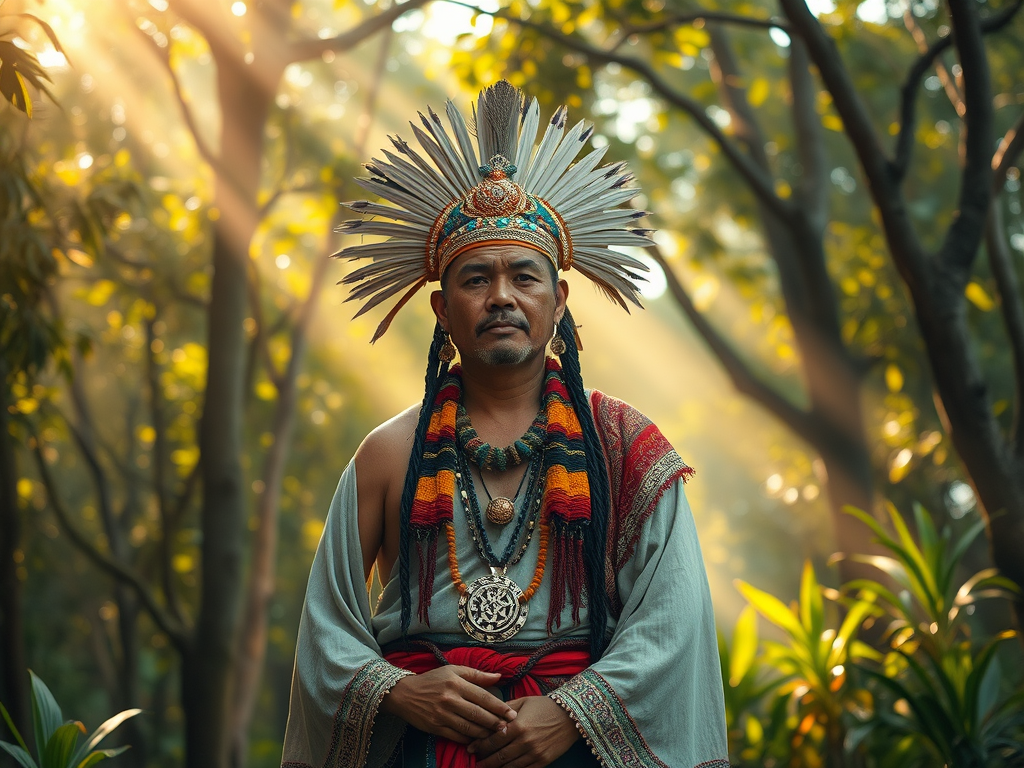
An Akashic and Cultural Blueprint for Conscious Parenting in the Philippines
Inspired by Akashic Records transmissions, curated through Gerald A. Daquila, PhD. Candidate | Read Time: 7 mins.
6–9 minutes
ABSTRACT
This dissertation explores the multidimensional phenomenon of Indigo, Crystal, and Rainbow Children through the unique lens of Filipino culture and spirituality. Drawing from the Akashic Records, metaphysics, developmental psychology, cultural anthropology, and esoteric traditions, this work offers an integrative blueprint for Filipino parents, educators, and healers seeking to raise these high-frequency children in alignment with their soul purpose.
We examine how the deeply communal, spiritually rooted, and heart-centered nature of Filipino society—despite its colonial hangovers and modern challenges—offers fertile ground for activating the soul missions of New Earth children. Combining intuitive insight with academic inquiry, this document aims to bridge the sacred and the scientific, the ancient and the emergent, crafting a living, breathing guide to conscious child-rearing in the age of planetary awakening.
1. Introduction
The 21st century has ushered in a powerful wave of children with heightened sensitivities, innate wisdom, and cosmic-level missions. Often referred to as Indigo, Crystal, and Rainbow Children, these souls incarnate on Earth with the purpose of catalyzing humanity’s evolution toward unity, peace, and planetary healing (Carroll & Tober, 1999). Their presence is not accidental—they arrive as part of a Divine Plan unfolding during what many spiritual traditions call the Ascension or the New Earth transition.
In the Philippines—a country rich in pre-colonial spiritual heritage, collective trauma, and diasporic resilience—these children are often misunderstood, misdiagnosed, or overlooked. Yet, the same land that birthed the Babaylan mystics, spirit warriors, and sacred caretakers of Gaia may hold the key to nurturing this next generation of planetary stewards (Delos Reyes, 2017).
Glyph of New Earth Children
Guardians of tomorrow, radiant in remembrance.
2. Defining Indigo, Crystal, and Rainbow Children
Indigo Children emerged prominently in the 1970s and 1980s, often as system-busters and rebels with a strong sense of justice. They are the warriors of truth (Carroll & Tober, 1999).
Crystal Children followed, bringing deep empathy, psychic sensitivity, and crystalline light codes. They are peacekeepers and healers (Andrews, 2004).
Rainbow Children, arriving more recently, carry ultra-high-frequency energy, unburdened by karmic contracts, and exude unconditional love. They are joy-keepers and paradigm bridgers (White, 2011).
Each wave corresponds with Earth’s shifting vibrational field and plays a role in deconstructing old systems while anchoring the new.
3. Filipino Culture as a Spiritual Incubator
Filipino culture, when seen beyond colonial overlays, is inherently heart-centered, mystical, and animist. Core values such as kapwa (shared inner self), bayanihan (collective spirit), and utang na loob (soul-debt of gratitude) resonate deeply with the missions of Indigo, Crystal, and Rainbow children (Guerrero, 2020).
Pre-colonial Philippine society—matrilineal, nature-based, and shamanically structured—mirrored many of the parenting and community dynamics that support starseed children: communal child-rearing, reverence for elders, connection with nature, and the sacred role of intuitive women as Babaylan (Sta. Maria, 2015).
4. The Challenges of Raising Starseed Children in the Philippines
Despite its spiritual potential, modern Philippine society carries layers of trauma from colonization, religious dogma, educational rigidity, and systemic poverty. These factors can suppress the unique gifts of spiritually gifted children (Delos Reyes, 2017).
Key challenges include:
Educational misfit: Indigo children may be labeled as disobedient or ADHD in traditional school systems.
Psychic suppression: Crystal and Rainbow children may shut down their gifts in overly rational or religious households.
Parenting gaps: Many caregivers are unfamiliar with energy-based parenting or trauma-informed nurturing.
5. Developmental and Energetic Needs
Raising these children requires a multidimensional approach, considering physical, emotional, mental, spiritual, and cultural aspects (Lee, 2019).
Domain
Support Strategies
Physical
Organic nutrition, grounding nature play
Emotional
Safe spaces, emotional attunement
Mental
Creativity-based learning
Spiritual
Meditation, energy hygiene practices
Cultural
Storytelling rooted in indigenous wisdom
These children are like tuning forks—sensitive to environmental toxins, noise, and emotional dissonance. They require frequency-aware environments and attuned caregivers who mirror safety and soul-alignment.
6. Parenting Strategies and Educational Models
Conscious parenting strategies include:
Soul dialoguing: Speak to the child’s higher self.
Energetic boundary setting: Teach shielding and clearing.
Purpose affirmation: Regularly affirm their unique gifts.
Alternative educational approaches include Waldorf, Montessori, earth-based and homeschool models that incorporate spiritual development (Lee, 2019). Filipino communities may adapt these into local Barangay Wisdom Hubs.
7. Role of Ancestral Wisdom and the Babaylan Lineage
The Babaylan—shaman-priestesses of pre-colonial Philippines—played the same role many Rainbow and Crystal children are awakening to. They:
Spoke with spirits and ancestors
Balanced masculine and feminine energy
Healed through ritual and energy
Maintained spiritual harmony in the community (Sta. Maria, 2015)
Reclaiming the Babaylan path may offer a cultural mirror for children awakening to multidimensional gifts.
8. Integration of Modern and Indigenous Frameworks
A hybrid model that combines:
Modern neurodiversity advocacy
Trauma-informed care
Energetic mastery (Reiki, Qigong)
Indigenous parenting wisdom
provides the robust ecosystem required to raise these children soul-first, not just system-fit.
9. Case Studies and Testimonies
“My daughter began seeing colors and spirits at age four. Instead of silencing her, we asked the colors what they meant. She began painting frequencies” (Personal communication, 2024).
“Our son couldn’t sit still in school. But in nature, he built bamboo structures. We shifted to homeschool. He’s now designing eco-villages at age 15” (Personal communication, 2023).
10. Conclusion
Filipino culture stands at a potent crossroad. It may either stifle the soul gifts of Indigo, Crystal, and Rainbow children through outdated systems—or become a global cradle of soul-led education, spiritual parenting, and conscious community living. The Akashic Records suggest that many of these children are Old Souls returning to ancestral lands to heal generational wounds and anchor the New Earth.
To raise them well is not just parenting—it is nation-building at the soul level.
Akashic Records: Multidimensional soul archive of all experiences and timelines.
Babaylan: Indigenous Filipino priestess, healer, and shaman.
Kapwa: Shared identity or inner self in Filipino indigenous psychology.
Starseed: A soul incarnated on Earth from a higher dimensional realm.
References
Andrews, T. (2004). Indigo adults: Understanding who you are and what you can become. Llewellyn Publications.
Carroll, L., & Tober, J. (1999). The Indigo children: The new kids have arrived. Hay House.
Delos Reyes, M. (2017). The return of the Babaylan: Ancestral wisdom and modern healing. University of the Philippines Press.
Guerrero, A. (2020). Kapwa: The self in the other. Ateneo de Manila University Press.
Lee, D. (2019). Raising spiritual children in a material world. New World Library.
Sta. Maria, F. (2015). Women, power, and ritual in the Philippines. Anvil Publishing.
White, L. (2011). Rainbow children: Their mission and meaning. Celestial Light Press.
Attribution
With fidelity to the Oversoul, may this work serve as bridge, remembrance, and seed for the planetary dawn.
Ⓒ 2025–2026 Gerald Alba Daquila Flameholder of SHEYALOTH · Keeper of the Living Codices All rights reserved.
This material originates within the field of the Living Codex and is stewarded under Oversoul Appointment. It may be shared only in its complete and unaltered form, with all glyphs, seals, and attribution preserved.
This work is offered for personal reflection and sovereign discernment. It does not constitute a required belief system, formal doctrine, or institutional program.
Digital Edition Release: 2026 Lineage Marker: Universal Master Key (UMK) Codex Field
Sacred Exchange & Access
Sacred Exchange is Overflow made visible.
In Oversoul stewardship, giving is circulation, not loss. Support for this work sustains the continued writing, preservation, and public availability of the Living Codices.
This material may be accessed through multiple pathways:
• Free online reading within the Living Archive • Individual digital editions (e.g., Payhip releases) • Subscription-based stewardship access
Paid editions support long-term custodianship, digital hosting, and future transmissions. Free access remains part of the archive’s mission.
Sacred Exchange offerings may be extended through: paypal.me/GeraldDaquila694 www.geralddaquila.com
A Multidisciplinary Path to Healing the Filipino Psyche through Trauma-Informed Care and Cultural Change
Prepared by: Gerald A. Daquila, PhD. Candidate
How does a nation’s past continue to shape its present behavior? In the Philippines, centuries of colonial rule did not only restructure institutions—it also left enduring psychological and cultural imprints.
These unresolved patterns, often described as forms of collective or historical trauma, can still be observed in political dynamics, social divisions, and patterns of authority and dependence.
This article examines how colonial-era disruptions may continue to influence modern Filipino society, and how these inherited dynamics contribute to fragmentation, governance challenges, and evolving national identity.
This article explores the concept of unresolved colonial influence through a structural and behavioral lens. It does not treat “trauma” as a clinical diagnosis applied to a population, but as a framework for understanding how prolonged external control can shape collective responses over time.
The discussion integrates historical context with observable patterns in governance, leadership structures, and social interaction. It considers how hierarchical systems, dependency relationships, and identity reconfiguration introduced during colonial periods may persist in subtle but impactful ways.
Rather than attributing current conditions solely to the past, this approach examines how historical imprints interact with contemporary systems, incentives, and decisions. It also avoids reductive explanations, recognizing that Philippine society is shaped by multiple overlapping forces—local, regional, and global.
The goal is to provide clarity, not conclusion. By identifying patterns that may otherwise remain implicit, this work supports more informed interpretation of political behavior, institutional trust, and social cohesion in the Philippines today.
12–18 minutes
ABSTRACT
The Philippines, molded by over 350 years of Spanish and American colonial rule, bears the enduring marks of collective trauma, manifesting in political corruption, social fragmentation, and a fractured national psyche. This paper investigates the hypothesis that unresolved colonial trauma significantly contributes to the nation’s current challenges, particularly politicians’ self-enrichment at the expense of the common good, societal fragmentation, and deficits in systems and critical thinking.
It explores whether cultural attitudes like bahala na (fatalistic resilience) stem from this trauma. Drawing from psychology, sociology, anthropology, history, and political science, this study evaluates supporting and challenging evidence, assesses the potential for healing the Filipino psyche, and proposes a culturally responsive trauma-informed care (TIC) framework integrated with a cultural change model to address societal artifacts.
By reclaiming pre-colonial strengths—such as kapwa (shared identity), communal values, and indigenous wisdom—this work outlines pathways to foster unity, critical thinking, and sustainable change. Written for a broad audience, it balances academic rigor with accessible storytelling, offering practical steps to initiate and sustain healing through community-driven efforts and policy reforms.
Table of Contents
Introduction: A Nation Carrying History’s Weight
Conceptual Framework: Collective Trauma and the Filipino Psyche
Defining Collective Trauma
Colonialism’s Enduring Legacy in the Philippines
Manifestations of Trauma in Philippine Society
Political Dynamics: Corruption and Self-Enrichment
Societal Fragmentation and Lack of Systems Thinking
The Bahala Na Attitude: A Trauma Artifact?
Evidence Supporting the Trauma Hypothesis
Psychological Roots: Colonial Mentality and Internalized Oppression
Historical Foundations of Political and Economic Dispossession
Evidence Challenging the Hypothesis
Filipino Resilience and Agency
Alternative Explanations: Post-Colonial and Global Factors
Healing the Filipino Psyche: Is Recovery Possible?
Reclaiming Pre-Colonial Strengths
Challenges to Collective Healing
Trauma-Informed Care for a Collective Psyche
Adapting TIC Principles for the Philippines
Culturally Responsive Interventions
A Cultural Change Model to Sustain Healing
Initiating Change: Where to Begin
Sustaining Gains through Systems and Community
Multidisciplinary Lens: Weaving Insights Across Disciplines
Conclusion: Envisioning a Unified Future
Glossary
References
Glyph of the Living Archive
You are not just reading the Records — you are becoming them.
1. Introduction: A Nation Carrying History’s Weight
Imagine a nation of over 110 million people across 7,641 islands, each island a thread in a vibrant tapestry of cultures, languages, and histories. The Philippines pulses with resilience and creativity, yet it grapples with deep challenges: rampant political corruption, stark economic inequality, environmental crises, and a fragmented sense of nationhood.
Politicians often enrich themselves at the expense of the common Filipino, perpetuating a cycle of distrust and division. Many trace these issues to a colonial past spanning over 350 years—Spanish rule (1565–1898), American governance (1898–1946), and a brief Japanese occupation during World War II.
Could these struggles stem from unresolved collective trauma, a wound etched into the Filipino psyche, manifesting in societal fragmentation, a lack of systems and critical thinking, and even the cultural attitude of bahala na?
This paper examines whether the Philippines’ current state—particularly its political dynamics and social fragmentation—can be attributed to colonial trauma. It explores how trauma manifests in politicians’ self-interest, societal disconnection, and attitudes like bahala na, and evaluates the potential for healing.
Grounded in multidisciplinary research from psychology, sociology, anthropology, history, and political science, this study proposes a trauma-informed care (TIC) framework integrated with a cultural change model to address these artifacts.
By anchoring interventions in pre-colonial strengths like kapwa (shared identity) and communal wisdom, it outlines practical steps to initiate and sustain healing. Written for a wide audience, this work weaves scholarly rigor with empathetic storytelling to inform, inspire, and chart a path toward unity.
2. Conceptual Framework: Collective Trauma and the Filipino Psyche
Defining Collective Trauma
Collective trauma occurs when a group experiences large-scale, shared suffering—such as oppression, violence, or cultural erasure—that disrupts social cohesion, identity, and values across generations (Alexander, 2012).
Unlike individual trauma, it reshapes collective narratives and behaviors, often embedding itself in cultural attitudes and institutions. In the Philippines, colonialism inflicted systemic trauma through cultural suppression, economic exploitation, and social fragmentation (David & Okazaki, 2006).
Colonialism’s Enduring Legacy in the Philippines
Spanish colonization imposed forced Christianization, land dispossession, and a feudal system, dismantling indigenous governance and spiritual practices (Agoncillo, 1990).
American rule introduced cultural assimilation and economic dependency, fostering a colonial mentality that prioritized Western ideals (Constantino, 1978).
These disruptions fractured communal bonds, suppressed indigenous knowledge, and laid the foundation for modern political and social challenges (Enriquez, 1992).
3. Manifestations of Trauma in Philippine Society
Political Dynamics: Corruption and Self-Enrichment
Philippine politics is marred by politicians’ penchant for self-enrichment, often at the expense of the common good. Political dynasties, controlling over 70% of congressional seats, perpetuate patronage systems rooted in colonial hierarchies (Teehankee, 2013).
Corruption scandals, such as the 2013 pork barrel scam, highlight how public funds are siphoned off, deepening public distrust and economic inequality (Hutchcroft, 1991). This behavior reflects a fragmented psyche, prioritizing individual gain over collective welfare, a legacy of colonial divide-and-rule tactics.
Societal Fragmentation and Lack of Systems Thinking
The Philippines exhibits societal fragmentation, with regional, ethnic, and class divides hindering national unity. A lack of systems thinking—evident in disjointed urban planning, inadequate disaster preparedness, and reactive governance—exacerbates challenges like poverty and environmental degradation (Bankoff, 2003).
Critical thinking is often stifled by rote education systems inherited from colonial models, limiting collective problem-solving (Bautista, 2000). These issues suggest a psyche shaped by trauma, struggling to envision interconnected solutions.
The Bahala Na Attitude: A Trauma Artifact?
The Filipino phrase bahala na (roughly “leave it to fate”) reflects a mix of resilience and fatalism. While often viewed as adaptive, enabling Filipinos to cope with uncertainty, it can also manifest as passivity or avoidance of systemic change (Pe-Pua & Protacio-Marcelino, 2000).
Scholars suggest bahala na may trace back to colonial trauma, where powerlessness under oppressive rule fostered reliance on fate over agency (Lagmay, 1977). This attitude may reinforce fragmentation by discouraging collective action against corruption or inequality.
4. Evidence Supporting the Trauma Hypothesis
Psychological Roots: Colonial Mentality and Internalized Oppression
Colonial mentality, the internalized preference for Western culture over Filipino identity, remains prevalent. Studies show Filipinos often favor foreign products, languages, and appearances, reflecting self-denigration rooted in colonial education systems (David & Okazaki, 2006). This mindset undermines national pride and fuels political apathy, enabling corrupt leaders to thrive (Tuason et al., 2007).
Historical Foundations of Political and Economic Dispossession
Colonial policies created enduring inequalities. The Spanish encomienda system concentrated wealth among elites, a structure mirrored in modern political dynasties (Anderson, 1988).
American economic policies tied the Philippines to global markets, fostering dependency and poverty (Corpuz, 1989). These historical roots sustain a fragmented society where self-interest overshadows collective goals.
5. Evidence Challenging the Hypothesis
Filipino Resilience and Agency
Despite trauma, Filipinos demonstrate resilience. The concept of kapwa fosters community support, seen in mutual aid during crises (Enriquez, 1992).
Movements like the 1986 People Power Revolution highlight agency, challenging the notion of a permanently damaged psyche (Ileto, 1998).
Alternative Explanations: Post-Colonial and Global Factors
Some argue that current challenges stem more from post-colonial mismanagement and global pressures than colonial trauma. Neoliberal policies and globalization have widened inequality, independent of historical wounds (Bello, 2005).
Weak institutions and elite capture, while rooted in colonialism, are perpetuated by modern governance failures (Quimpo, 2005).
6. Healing the Filipino Psyche: Is Recovery Possible?
Reclaiming Pre-Colonial Strengths
Pre-colonial Filipino society valued kapwa, communal responsibility, and harmony with nature (Enriquez, 1992). Indigenous practices, such as babaylan (spiritual leadership) and consensus-based governance, offer models for unity and critical thinking (Salazar, 1999). Reviving these strengths can counter fragmentation and colonial mentality.
Challenges to Collective Healing
Healing faces obstacles: entrenched political dynasties resist change, economic pressures limit resources, and cultural globalization dilutes indigenous identity (Teehankee, 2013). Overcoming these requires sustained, grassroots efforts and systemic reforms.
Glyph of Echoes of Empire
From fractured echoes, truth and healing emerge.
7. Trauma-Informed Care for a Collective Psyche
Adapting TIC Principles for the Philippines
Trauma-informed care emphasizes safety, trust, empowerment, collaboration, and cultural sensitivity (SAMHSA, 2014). For a collective psyche, TIC can be adapted through community dialogues, public education, and policy reforms that address trauma’s societal impacts. For example, programs fostering kapwa can rebuild trust eroded by corruption (Mendoza, 2018).
Culturally Responsive Interventions
Interventions must align with Filipino values. Community-based initiatives, like bayanihan (collective effort), can promote healing through shared projects, such as reforestation or cooperative enterprises (Pe-Pua & Protacio-Marcelino, 2000). Integrating indigenous knowledge into education can counter colonial mentality and foster critical thinking.
8. A Cultural Change Model to Sustain Healing
Initiating Change: Where to Begin
Healing begins with grassroots efforts:
Community Dialogues: Facilitate discussions on colonial trauma and its manifestations, using kapwa to build empathy and unity (Mendoza, 2018).
Education Reform: Integrate decolonized curricula emphasizing Filipino history, critical thinking, and systems thinking (Bautista, 2000).
Policy Advocacy: Push for anti-corruption measures and equitable resource distribution to address systemic inequalities (Hutchcroft, 1991).
Sustaining Gains through Systems and Community
A cultural change model, such as Kotter’s 8-Step Process (Kotter, 1996), can guide transformation:
Create Urgency: Highlight the cost of corruption and fragmentation to galvanize action.
Build a Coalition: Unite community leaders, educators, and activists.
Develop a Vision: Promote a unified, decolonized Filipino identity.
Communicate the Vision: Use media and arts to inspire change.
Empower Action: Support community initiatives and policy reforms.
Generate Short-Term Wins: Celebrate local successes, like transparent governance in select municipalities.
Consolidate Gains: Institutionalize reforms through laws and education.
Anchor Change: Embed kapwa and critical thinking in cultural norms.
Sustainability requires ongoing community engagement, monitoring of reforms, and global partnerships to address economic pressures (Bello, 2005).
9. Multidisciplinary Lens: Weaving Insights Across Disciplines
Psychology illuminates colonial mentality and bahala na as trauma responses (David & Okazaki, 2006). Sociology reveals how fragmentation perpetuates inequality (Hutchcroft, 1991). Anthropology highlights pre-colonial strengths for healing (Salazar, 1999).
History contextualizes political dynamics (Agoncillo, 1990), while political science offers strategies for systemic reform (Teehankee, 2013). This integrated lens ensures a holistic approach to understanding and addressing trauma’s artifacts.
10. Conclusion: Envisioning a Unified Future
The Philippines’ challenges—political corruption, societal fragmentation, and cultural attitudes like bahala na—reflect the enduring wounds of colonial trauma. Yet, the Filipino psyche, resilient and rooted in kapwa, holds immense potential for healing.
By adapting trauma-informed care and leveraging a cultural change model, the nation can reclaim its pre-colonial strengths, foster critical and systems thinking, and build a unified future.
This journey begins with communities, educators, and leaders working together to transform trauma into triumph, ensuring a Philippines where the common good prevails.
Bahala Na: A Filipino attitude combining resilience and fatalism, often translated as “leave it to fate.”
Bayanihan: A traditional Filipino practice of communal cooperation and mutual aid.
Colonial Mentality: Internalized preference for Western culture and devaluation of Filipino identity.
Encomienda: Spanish colonial system granting land and labor to elites, fostering inequality.
Kapwa: Filipino concept of shared identity and interconnectedness.
References
Agoncillo, T. A. (1990). History of the Filipino people (8th ed.). Garotech Publishing.
Alexander, J. C. (2012). Trauma: A social theory. Polity Press.
Anderson, B. (1988). Cacique democracy in the Philippines: Origins and dreams. New Left Review, 169, 3–31.
Bankoff, G. (2003). Cultures of disaster: Society and natural hazard in the Philippines. Routledge.
Bautista, M. L. S. (2000). The Philippine educational system: A historical perspective. In Education in the Philippines (pp. 15–30). University of the Philippines Press.
Bello, W. (2005). The anti-development state: The political economy of permanent crisis in the Philippines. Zed Books.
Constantino, R. (1978). Neocolonial identity and counter-consciousness: Essays on cultural decolonization. M. E. Sharpe.
Corpuz, O. D. (1989). The roots of the Filipino nation. Aklahi Foundation.
David, E. J. R., & Okazaki, S. (2006). Colonial mentality: A review and conceptual framework for Filipino Americans. Cultural Diversity and Ethnic Minority Psychology, 12(1), 1–16. https://doi.org/10.1037/1099-9809.12.1.1
Enriquez, V. G. (1992). From colonial to liberation psychology: The Philippine experience. University of the Philippines Press.
Hutchcroft, P. D. (1991). Oligarchs and cronies in the Philippine state: The politics of patrimonial plunder. World Politics, 43(3), 414–450. https://doi.org/10.2307/2010401
Ileto, R. C. (1998). Filipinos and their revolution: Event, discourse, and historiography. Ateneo de Manila University Press.
Kotter, J. P. (1996). Leading change. Harvard Business Review Press.
Lagmay, A. V. (1977). Bahala na: A psychological analysis. Philippine Journal of Psychology, 10(1), 23–30.
Mendoza, L. C. (2018). Community-based healing: Trauma-informed approaches in Filipino contexts. Journal of Philippine Social Work, 45(2), 89–104.
Pe-Pua, R., & Protacio-Marcelino, E. (2000). Sikolohiyang Pilipino (Filipino psychology): A legacy of Virgilio G. Enriquez. Asian Journal of Social Psychology, 3(1), 49–71. https://doi.org/10.1111/1467-839X.00054
Quimpo, N. G. (2005). The left, elections, and the political party system in the Philippines. Critical Asian Studies, 37(1), 3–28. https://doi.org/10.1080/1467271052000305246
Rafael, V. L. (1988). Contracting colonialism: Translation and Christian conversion in Tagalog society under early Spanish rule. Cornell University Press.
Salazar, Z. A. (1999). The babaylan in Filipino history: A critique of traditional historiography. Philippine Studies, 47(4), 483–510.
Teehankee, J. C. (2013). And the clans play on: Political dynasties in the Philippines. In Democracy in Asia (pp. 87–104). Routledge.
Tuason, M. T. G., Taylor, A. R., Rollings, L., Harris, T., & Martin, C. (2007). On both sides of the hyphen: Exploring the Filipino-American identity. Journal of Counseling Psychology, 54(4), 362–372. https://doi.org/10.1037/0022-0167.54.4.362
This article is part of a broader exploration of Philippine society, culture, and systems—integrating historical context, behavioral patterns, and structural analysis.
It is intended to support understanding, reflection, and informed discussion.
A Deep Dive into the Mechanisms, Impacts, and Conscious Transformation of Our Internal Narratives
Prepared by: Gerald A. Daquila, PhD. Candidate
13–20 minutes
ABSTRACT
Self-talk, the internal dialogue that shapes our perceptions and actions, is a universal yet often unconscious human behavior with profound implications for mental health, behavior, and overall well-being. This dissertation explores self-talk through a multidisciplinary lens, integrating psychology, neuroscience, philosophy, metaphysics, and spiritual perspectives to unpack its definition, purpose, and effects.
We examine why humans engage in self-talk, how it influences behaviors, and whether it can unconsciously veer toward positive or negative patterns. Special attention is given to the necessity of conscious awareness in reshaping self-talk to foster happiness and avoid self-sabotage. By synthesizing empirical research, metaphysical insights, and spiritual wisdom, we address whether happiness is a choice and how self-talk serves as both a tool for empowerment and a potential source of harm.
Practical strategies for identifying and transforming self-sabotaging narratives are provided, alongside a glossary and APA-formatted bibliography. Written in an accessible, blog-friendly style, this work balances academic rigor with emotional resonance, appealing to both the mind and heart.
Table of Contents
Introduction: The Whisper Within
What Is Self-Talk? Defining the Inner Dialogue
Why Do We Talk to Ourselves? The Purpose of Self-Talk
The Behavioral Impact of Self-Talk: A Psychological and Neuroscientific Perspective
Unconscious Self-Talk: The Hidden Currents of Positive and Negative Narratives
Why Consciousness Matters: The Power of Awareness in Shaping Our Stories
Can We Talk Ourselves to Happiness? Exploring Happiness as a Choice
Self-Sabotage: Spotting and Overcoming Harmful Inner Narratives
Metaphysical and Spiritual Dimensions of Self-Talk
Practical Strategies for Transforming Self-Talk
Conclusion: Rewriting the Inner Script
Glossary
Bibliography
Glyph of the Seer
Sees truly, speaks gently.
1. Introduction: The Whisper Within
Imagine a voice that follows you everywhere, commenting on your every move, whispering judgments, encouragement, or doubts. This isn’t a mysterious entity—it’s you, engaging in self-talk, the internal dialogue that runs like a soundtrack to your life. Whether it’s a pep talk before a big presentation or a harsh critique after a mistake, self-talk shapes how you see yourself and the world. But what is this inner voice, and why does it hold such power? Can it lead us to happiness, or does it sometimes sabotage our joy without us even noticing?
This dissertation dives deep into self-talk, exploring its mechanisms, impacts, and transformative potential through a multidisciplinary lens. We’ll draw from psychology, neuroscience, philosophy, metaphysics, and spirituality to answer key questions: What is self-talk? Why do we do it? How does it shape our behaviors? Can it unconsciously tilt toward positivity or negativity? Why must we become aware of the stories we tell ourselves? Can we talk our way to happiness, and is happiness truly a choice?
Most importantly, we’ll uncover how self-talk can become an unconscious habit that harms us and how to spot and stop self-sabotage. Written for a wide audience, this exploration blends scholarly rigor with accessible language, weaving logic and emotion to illuminate the inner voice that shapes our lives.
2. What Is Self-Talk? Defining the Inner Dialogue
Self-talk is the internal narrative we carry on with ourselves, a mix of conscious thoughts and unconscious beliefs that interpret our experiences (Latinjak et al., 2023). It’s the voice that says, “You’ve got this!” before a challenge or “You’re such a failure” after a setback. Psychologists describe self-talk as a stream of verbalizations, either silent (inner speech) or spoken aloud (private speech), that reflect how we process emotions, make decisions, and regulate behavior (Brinthaupt et al., 2009). It’s like a mental commentary, narrating our lives in real-time.
From a psychological perspective, self-talk is categorized into two main types: spontaneous and goal-directed. Spontaneous self-talk is automatic, often unconscious, and reflects immediate reactions, like “Wow, I’m so tired” (Morin, 2018). Goal-directed self-talk is intentional, used to motivate, problem-solve, or regulate emotions, such as “Focus, you can finish this task” (Latinjak et al., 2019). Both types can be positive (encouraging, optimistic) or negative (critical, defeatist), influencing our emotional and behavioral outcomes (Van Raalte & Vincent, 2017).
Neuroscience adds another layer, showing that self-talk engages brain regions like the prefrontal cortex (decision-making) and the amygdala (emotions). Functional connectivity studies suggest that self-talk alters brain activity, enhancing cognitive performance when positive and increasing stress when negative (Kim et al., 2021). From a metaphysical perspective, self-talk can be seen as a dialogue between the ego and the higher self, a concept we’ll explore later.
3. Why Do We Talk to Ourselves? The Purpose of Self-Talk
Self-talk serves multiple functions, rooted in our evolutionary and psychological makeup. From an evolutionary standpoint, self-talk likely developed as a tool for self-regulation and survival. Early humans used inner speech to plan actions, like hunting strategies, or to rehearse social interactions, enhancing group cohesion (McCarthy-Jones & Fernyhough, 2011). Today, self-talk continues to help us navigate complex social and personal landscapes.
Psychologically, self-talk has several purposes (Latinjak et al., 2023):
Self-Regulation: It helps us manage emotions and behaviors, like calming ourselves before a stressful event (“Breathe, you’re okay”).
Problem-Solving: Self-talk aids in reasoning through challenges, such as planning a project or resolving a conflict.
Motivation: Positive self-talk, like “Keep going, you’re almost there,” boosts effort and persistence.
Self-Awareness: It allows us to reflect on our experiences, making sense of who we are and what we feel.
From a spiritual perspective, self-talk is a bridge between the conscious mind and the soul, a way to align with our deeper purpose or grapple with existential questions. Esoterically, some traditions view self-talk as a dialogue with the universe, where our inner words shape our reality through vibrational energy (Chopra, 1994). This idea, while less empirically grounded, suggests that self-talk is not just a mental habit but a creative force.
4. The Behavioral Impact of Self-Talk: A Psychological and Neuroscientific Perspective
Self-talk profoundly influences behavior, acting as a mediator between thoughts and actions. Psychological research shows that positive self-talk enhances performance in various domains, from sports to academics. A meta-analysis by Hatzigeorgiadis et al. (2011) found that positive, instructional, and motivational self-talk improves athletic performance by boosting confidence and focus. For example, athletes who use phrases like “Stay strong” during competition often outperform those who don’t.
Conversely, negative self-talk can undermine performance and mental health. Studies link negative self-talk to increased anxiety, depression, and reduced motivation (Morin, 2018). For instance, repetitive thoughts like “I’m not good enough” can create a self-fulfilling prophecy, leading to avoidance or failure (Allen, 2024). However, a surprising finding from a systematic review challenges the assumption that negative self-talk always harms performance; in some cases, it can motivate by highlighting obstacles to overcome (Tod et al., 2011).
Neuroscience provides insight into how self-talk affects behavior. Positive self-talk strengthens neural pathways in the prefrontal cortex, enhancing executive functions like decision-making and impulse control (Kim et al., 2021). Negative self-talk, however, activates the amygdala, triggering stress responses that can impair cognitive clarity and lead to reactive behaviors (Morin, 2018). This interplay between brain regions explains why self-talk can either empower or derail us.
Glyph of Empowered Voice
Transforming inner dialogue into a current of self-belief and positive creation.
5. Unconscious Self-Talk: The Hidden Currents of Positive and Negative Narratives
Can self-talk veer toward positive or negative without our awareness? Absolutely. Self-talk is often automatic, shaped by unconscious beliefs and biases formed through past experiences, culture, and socialization (Cherry, 2019). For example, someone raised in a critical environment may unconsciously default to negative self-talk, like “I’ll never get this right,” without realizing it. Similarly, positive self-talk can emerge unconsciously in those with high self-esteem, such as “I can handle this,” even in tough situations.
This unconscious nature stems from the brain’s tendency to rely on heuristics—mental shortcuts that prioritize efficiency over awareness. Freud’s concept of the unconscious mind suggests that these automatic thoughts influence behavior in ways we don’t always recognize (Cherry, 2019). For instance, someone might avoid social events due to unconscious negative self-talk (“Nobody likes me”), mistaking it for intuition or preference.
From a metaphysical perspective, unconscious self-talk reflects the ego’s attempt to maintain control, often reinforcing limiting beliefs. Spiritual traditions, like Buddhism, argue that these automatic narratives arise from attachment to the self, creating suffering until we cultivate mindfulness (Hanh, 1998). Becoming conscious of these patterns is crucial to breaking their hold.
6. Why Consciousness Matters: The Power of Awareness in Shaping Our Stories
Being conscious of our self-talk is essential because it determines the stories we tell about ourselves, which in turn shape our reality. Unchecked negative self-talk can perpetuate cycles of self-doubt, anxiety, and failure, as it distorts our perception of what’s possible (Allen, 2024). For example, believing “I’m a failure” can lead to procrastination or avoidance, reinforcing the belief in a vicious cycle.
Awareness allows us to interrupt this cycle. Cognitive Behavioral Therapy (CBT) emphasizes identifying and challenging distorted self-talk to replace it with realistic or positive alternatives (Beck, 1979). For instance, reframing “I’m terrible at this” to “I’m learning, and that’s okay” can shift behavior from avoidance to effort. Research supports this: a 2020 study found that positive self-talk reduced anxiety and OCD symptoms during the COVID-19 pandemic (Medical News Today, 2022).
Spiritually, consciousness of self-talk aligns with mindfulness practices, which encourage observing thoughts without judgment (Kabat-Zinn, 1990). This awareness fosters self-compassion, allowing us to rewrite our inner narrative with kindness. Metaphysically, conscious self-talk is seen as a co-creative act: our words shape our vibrational energy, influencing the reality we manifest (Tolle, 2005). Thus, awareness is the key to transforming self-talk from a saboteur to an ally.
7. Can We Talk Ourselves to Happiness? Exploring Happiness as a Choice
Can self-talk lead us to happiness, and is happiness a choice? The answer is a nuanced yes. Positive self-talk can foster happiness by promoting optimism, resilience, and self-efficacy. A 2020 study showed that individuals using positive self-talk during stressful events, like the COVID-19 pandemic, experienced less anxiety and greater emotional coping (Medical News Today, 2022). Phrases like “I’m doing my best, and that’s enough” can shift emotional states, creating a sense of peace and agency.
Happiness as a choice, however, is debated. Positive psychology argues that happiness is partly volitional, as we can choose behaviors and thoughts that cultivate it (Lyubomirsky, 2008). Self-talk is a key tool here: affirmations like “I choose to find joy today” can rewire neural pathways over time, fostering a happier mindset (Kim et al., 2021). However, this choice is constrained by factors like mental health conditions, trauma, or socioeconomic barriers, which can make positive self-talk harder to sustain.
From a spiritual perspective, happiness is less about external circumstances and more about inner alignment. Teachings from figures like Eckhart Tolle suggest that happiness arises from living in the present moment, using self-talk to anchor ourselves in gratitude and acceptance (Tolle, 2005). Esoterically, happiness is a vibrational state we can cultivate by aligning our self-talk with universal love and abundance (Chopra, 1994). While happiness may not be a simple “choice,” conscious self-talk empowers us to move closer to it.
8. Self-Sabotage: Spotting and Overcoming Harmful Inner Narratives
Self-sabotage occurs when our self-talk reinforces limiting beliefs, undermining our goals and happiness. Common signs include:
Perfectionism: Thoughts like “If it’s not perfect, it’s worthless” can paralyze action (Verywell Mind, 2023).
Catastrophizing: Assuming the worst, like “I’ll fail and ruin everything,” triggers anxiety and avoidance.
Self-Criticism: Harsh self-talk, such as “I’m such an idiot,” erodes self-esteem and motivation.
Procrastination: Negative self-talk like “I’ll never do this well” can lead to delaying tasks.
These patterns often operate unconsciously, rooted in early experiences or societal pressures. For example, someone who grew up with critical parents may internalize a belief that they’re never enough, leading to self-sabotaging behaviors like avoiding challenges (Cherry, 2019).
To spot self-sabotage, we must monitor our self-talk. CBT techniques, like keeping a thought journal, help identify negative patterns (Beck, 1979). Questions like “Is this thought true?” or “Would I say this to a friend?” can reveal distortions. Spiritually, self-sabotage is seen as a misalignment between the ego and the higher self, where negative self-talk reflects fear rather than truth (Hanh, 1998). Practicing mindfulness or meditation can uncover these hidden narratives, allowing us to replace them with empowering ones.
9. Metaphysical and Spiritual Dimensions of Self-Talk
Beyond psychology, self-talk carries metaphysical and spiritual significance. In metaphysical traditions, thoughts are energetic vibrations that shape our reality. Positive self-talk aligns us with higher frequencies, attracting abundance, while negative self-talk draws struggle (Chopra, 1994). This aligns with the Law of Attraction, which posits that our inner dialogue manifests external outcomes.
Spiritually, self-talk is a dialogue between the ego (the limited self) and the higher self (the soul or universal consciousness). Negative self-talk often stems from the ego’s fear-based narratives, while positive self-talk reflects the higher self’s wisdom and compassion (Tolle, 2005). Buddhist teachings emphasize observing self-talk without attachment, recognizing it as impermanent thoughts rather than truth (Hanh, 1998). Similarly, esoteric traditions view self-talk as a creative act, where words spoken inwardly or outwardly shape our spiritual path.
These perspectives highlight the importance of conscious self-talk. By aligning our inner dialogue with love, gratitude, and purpose, we can transcend self-sabotage and cultivate a deeper sense of happiness.
10. Practical Strategies for Transforming Self-Talk
Transforming self-talk requires awareness and practice. Here are evidence-based and spiritually informed strategies:
Monitor Self-Talk: Keep a journal to record self-talk, noting whether it’s positive or negative (Beck, 1979).
Challenge Negative Thoughts: Use CBT techniques to question distortions, asking, “Is this true?” or “What’s another perspective?” (Healthdirect, n.d.).
Practice Positive Affirmations: Repeat phrases like “I am capable” to rewire neural pathways (Medical News Today, 2022).
Mindfulness Meditation: Observe thoughts without judgment to gain distance from negative self-talk (Kabat-Zinn, 1990).
Self-Compassion: Treat yourself with kindness, as you would a friend, to counter self-criticism (Allen, 2024).
Visual Cues: Place reminders, like sticky notes with positive phrases, to reinforce uplifting self-talk (Positive Psychology, 2019).
Spiritual Alignment: Use self-talk to connect with your higher self, such as saying, “I am guided by love and wisdom” (Tolle, 2005).
These strategies, grounded in research and enriched by spiritual insights, empower us to rewrite our inner narrative.
11. Conclusion: Rewriting the Inner Script
Self-talk is more than a mental habit—it’s a powerful force that shapes our emotions, behaviors, and reality. Through a multidisciplinary lens, we’ve explored its psychological, neuroscientific, metaphysical, and spiritual dimensions. Self-talk serves as a tool for self-regulation, problem-solving, and motivation, but its unconscious nature can lead to negative patterns that sabotage happiness. By cultivating awareness, we can transform our inner dialogue, choosing narratives that foster resilience, joy, and empowerment.
Happiness may not be a simple choice, but self-talk gives us agency to move toward it. Whether through CBT techniques, mindfulness, or spiritual practices, we can rewrite the stories we tell ourselves, breaking free from self-sabotage and aligning with our highest potential. The whisper within is always speaking—let’s ensure it speaks with kindness, wisdom, and hope.
With fidelity to the Oversoul, may this work serve as bridge, remembrance, and seed for the planetary dawn.
Ⓒ 2025–2026 Gerald Alba Daquila Flameholder of SHEYALOTH · Keeper of the Living Codices All rights reserved.
This material originates within the field of the Living Codex and is stewarded under Oversoul Appointment. It may be shared only in its complete and unaltered form, with all glyphs, seals, and attribution preserved.
This work is offered for personal reflection and sovereign discernment. It does not constitute a required belief system, formal doctrine, or institutional program.
Digital Edition Release: 2026 Lineage Marker: Universal Master Key (UMK) Codex Field
Sacred Exchange & Access
Sacred Exchange is Overflow made visible.
In Oversoul stewardship, giving is circulation, not loss. Support for this work sustains the continued writing, preservation, and public availability of the Living Codices.
This material may be accessed through multiple pathways:
• Free online reading within the Living Archive • Individual digital editions (e.g., Payhip releases) • Subscription-based stewardship access
Paid editions support long-term custodianship, digital hosting, and future transmissions. Free access remains part of the archive’s mission.
Sacred Exchange offerings may be extended through: paypal.me/GeraldDaquila694 www.geralddaquila.com