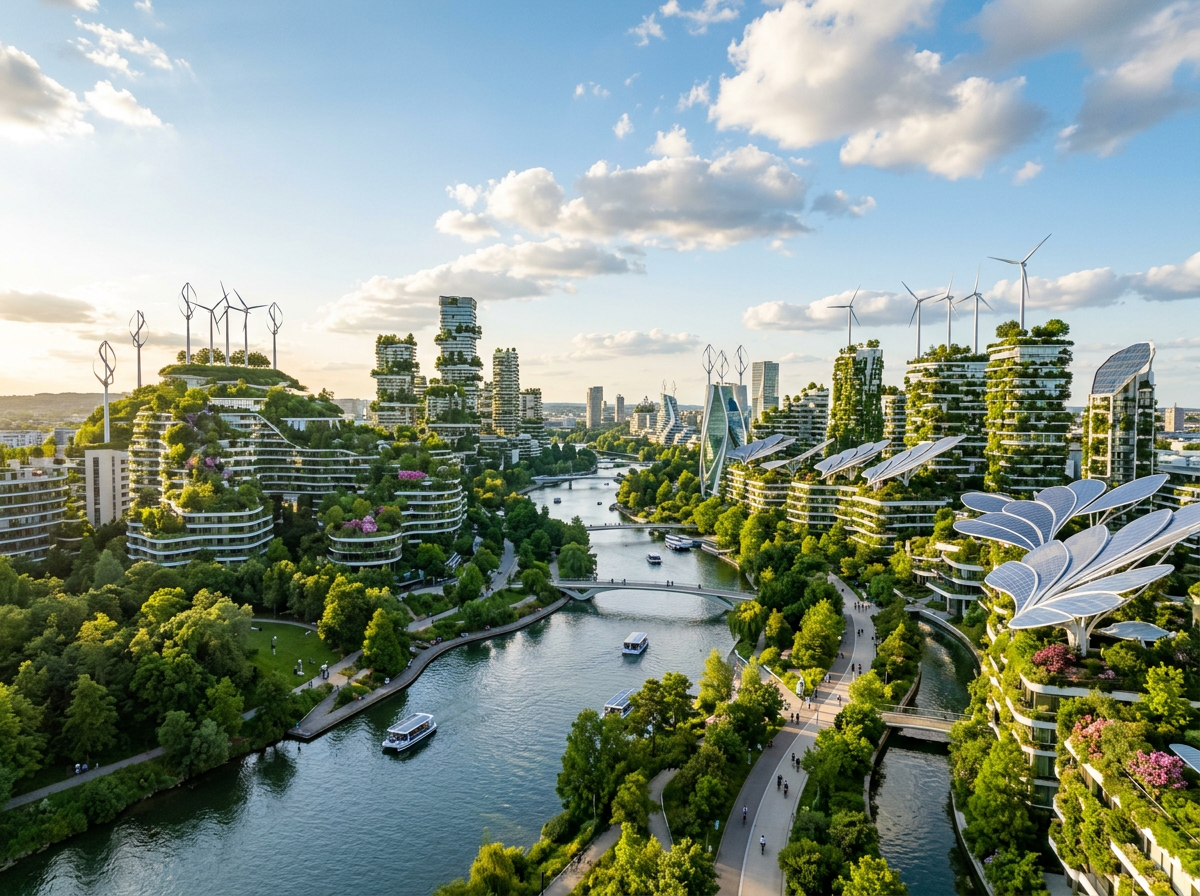
The Canonical Knowledge Hub for Civic Renewal, Institutional Trust, and Long-Term National Stewardship

Primary Pillar: Philippine Renewal Framework
Purpose: To examine the structural, cultural, historical, economic, and governance challenges shaping the Philippines — while establishing a systems-oriented framework for civic renewal, ethical leadership, institutional resilience, cultural healing, regenerative development, and long-term national flourishing grounded in stewardship, sovereignty, and collective responsibility.
Hub Status: Canonical Foundation Hub
Placement: Main Navigation → Philippine Renewal Framework
Meta Description
A living framework for Philippine renewal integrating governance reform, systems thinking, regenerative economics, ethical technology, cultural restoration, decentralized community resilience, and stewardship-based development.
Introduction
The Philippines possesses immense human potential.
It is a nation marked by:
- resilience,
- adaptability,
- strong relational culture,
- creativity,
- faith,
- community orientation,
- and deep emotional intelligence.
Yet despite these strengths, many Filipinos continue to experience:
- institutional distrust,
- economic precarity,
- political patronage,
- corruption,
- civic fragmentation,
- systemic inefficiency,
- and cycles of learned helplessness that repeat across generations.
Why does meaningful reform remain so difficult even when problems are widely recognized?
Why do dysfunctional systems often persist despite public awareness?
Why do many institutions struggle to sustain trust, coherence, and long-term stewardship?
This knowledge hub explores the deeper structural, psychological, cultural, and institutional dynamics shaping Philippine society.
Rather than reducing national challenges to simplistic political narratives, this framework approaches renewal through:
- systems thinking,
- behavioral incentives,
- governance analysis,
- civic psychology,
- cultural patterns,
- institutional design,
- leadership ethics,
- and long-term stewardship.
The goal is not ideological polarization.
The goal is understanding the underlying systems that shape behavior — and identifying conditions that support genuine societal renewal.
Why Systems Thinking Matters in the Philippine Context
Many societal problems are not isolated events.
They are recurring patterns produced by:
- incentives,
- institutional structures,
- survival conditions,
- cultural conditioning,
- trust dynamics,
- and historical feedback loops.
When viewed individually, issues may appear disconnected:
- corruption,
- poverty,
- political dynasties,
- disinformation,
- institutional distrust,
- brain drain,
- weak infrastructure,
- civic disengagement,
- and social fragmentation.
But systems thinking reveals that these patterns often reinforce one another.
For example:
- weak institutions reduce public trust,
- low trust increases survival behavior,
- survival behavior strengthens patronage systems,
- patronage weakens meritocracy,
- weakened meritocracy reinforces institutional dysfunction,
- and dysfunction deepens distrust again.
Without systemic analysis, reform efforts often treat symptoms while deeper structural incentives remain unchanged.
This hub explores how systems shape:
- behavior,
- governance,
- civic participation,
- institutional resilience,
- and national development trajectories.
Core Themes Within This Knowledge Hub
This framework explores several interconnected dimensions of Philippine renewal:
Governance and Institutional Trust
How institutions gain — or lose — legitimacy, credibility, and civic trust.
Systems Thinking and Structural Incentives
How incentives shape political, economic, and social behavior.
Civic Culture and Collective Psychology
How historical conditioning, uncertainty, and survival dynamics influence public conduct.
Leadership and Stewardship
Why ethical leadership matters in periods of institutional fragility and social transition.
Economic and Social Resilience
How nations cultivate long-term stability, adaptability, and regenerative development.
Sovereignty and National Self-Determination
How societies balance global integration with cultural coherence and civic agency.
Why Renewal Requires More Than Political Change
Many reform efforts focus primarily on replacing leaders.
But systemic problems rarely emerge from individuals alone.
Systems influence behavior.
Institutions shape incentives.
Culture affects expectations.
Survival pressures alter decision-making.
Without structural change, even well-intentioned leadership often becomes absorbed into existing dynamics.
This is why sustainable renewal requires:
- institutional reform,
- cultural transformation,
- systems literacy,
- ethical leadership,
- civic responsibility,
- long-term thinking,
- and behavioral incentive alignment.
Renewal is not merely political.
It is:
- psychological,
- cultural,
- civic,
- economic,
- educational,
- and institutional.
The challenge is not simply removing dysfunction.
It is building conditions that allow trust, responsibility, competence, and stewardship to emerge sustainably over time.
What Is Philippine Renewal?
Philippine renewal refers to the long-term process of strengthening the institutions, cultural patterns, civic behaviors, leadership structures, and economic systems that support national flourishing.
It is not limited to political reform. It encompasses governance, education, culture, civic responsibility, economic resilience, community stewardship, and the cultivation of public trust.
Renewal therefore involves both structural transformation and human development. Sustainable progress emerges when institutional competence and civic maturity evolve together.
Knowledge Architecture
This hub is organized around four interconnected domains:
1. Systems Thinking and Structural Dynamics
These essays examine how systems, incentives, and institutional structures shape Philippine behavior and governance outcomes.
Featured Essays
- Why Incentives Fail in Philippine Systems: Understanding Patronage, Power, and Behavior
- Why Power Concentrates: The Hidden Logic of Systems
- How Systems Shape Behavior (And Why It Feels Personal)
- Decision-Making Under Uncertainty: How People Choose Without Enough Information
- Why Nothing Changes Even When It’s Already Been Said
Key Questions Explored
- Why do dysfunctional systems persist?
- How do incentives shape civic behavior?
- Why does reform often stall?
- How does uncertainty influence public decision-making?
- Why do institutional patterns repeat across generations?
These essays provide systems-level analysis for understanding recurring governance and societal challenges.
2. Institutional Trust and Civic Stability
These essays explore how trust forms, deteriorates, and influences national coherence.
Featured Essays
- Why Trust Breaks Down in Philippine Systems: Institutions, Uncertainty, and Survival
- Breaking the Loop: What Actually Changes Philippine Systems
- Collective Sovereignty — How Personal Awakening Scales Into Cultural Change
- Power, Responsibility, and Ethical Influence
- The Sovereign Leader: How to Practice Stewardship When Systems Fail
Key Questions Explored
- Why do institutions struggle to maintain trust?
- How does survival psychology affect governance?
- What strengthens civic responsibility?
- How do societies rebuild institutional legitimacy?
- What role does ethical leadership play in national stability?
These essays examine the relationship between governance, trust, and collective behavior.
3. Human Agency, Culture, and Psychological Renewal
These essays focus on the psychological and cultural dimensions of societal transformation.
Featured Essays
- The Divided Soul: Why Filipinos Act Against Their Own Interests
- From Learned Helplessness to Personal Agency
- The Return of Inner Authority — Reclaiming Personal Sovereignty
- Sovereignty Without Paranoia: Reclaiming Agency Without Losing Balance
- Supporting Someone Rebuilding Agency (Without Taking Over)
Key Questions Explored
- How does learned helplessness develop culturally?
- Why do people sometimes defend harmful systems?
- How does dependency weaken agency?
- What conditions support psychological resilience?
- How can sovereignty emerge without extremism or fragmentation?
These essays explore the human dimension of national renewal.
4. Leadership, Stewardship, and Long-Term Development
These essays examine the role of leadership, responsibility, and institutional maturity in sustainable societal transformation.
Featured Essays
- Leadership and Stewardship: Guides for Responsible Decision-Making
- Leadership Is an Inherited Pattern — And Patterns Can Evolve
- Simulation-Based Leadership: Why Real Capability Only Shows Under Constraint
- How to Think Clearly in Times of Systemic Uncertainty
- The Discipline of Inner Sovereignty
Key Questions Explored
- What makes leadership trustworthy?
- Why do institutions require stewardship rather than personality cults?
- How do systems expose leadership weaknesses?
- What role does discernment play during periods of instability?
- How can nations cultivate long-term civic resilience?
These essays emphasize that sustainable renewal requires both institutional competence and ethical maturity.
5. Economic Resilience and Development
Featured Essays
- Beyond the Peso: Why Pre-colonial Philippine Economics is the Blueprint for Modern Resilience
- Why This Keeps Happening in the Philippines: Understanding Cycles of Scarcity and Power
- The OFW Financial Exit Strategy: From Remittance to Asset Ownership
- Remittance vs Investment: Why Most OFWs Stay Financially Stuck
- Governance & Economic Architecture
Key Questions Explored
- How do societies create resilient local economies?
- Why do some development models create dependency?
- What role does stewardship play in economic design?
- How can communities build regenerative wealth?
- How does economic resilience contribute to national stability?
These essays explore the economic foundations of long-term societal flourishing.
The Central Question of Philippine Renewal
The future of the Philippines will not be determined solely by:
- elections,
- slogans,
- political personalities,
- or short-term economic cycles.
It will also be shaped by:
- institutional trust,
- systems literacy,
- civic responsibility,
- leadership ethics,
- cultural coherence,
- psychological resilience,
- and the ability to align incentives with long-term societal well-being.
Renewal requires more than criticism.
It requires stewardship.
The long-term challenge is not merely identifying what is broken.
It is cultivating the conditions necessary for:
- trust,
- responsibility,
- competence,
- accountability,
- resilience,
- and collective flourishing
to emerge sustainably across generations.
Philippine renewal is therefore not only a political project.
It is a civilizational one.
The Renewal Question
The future of the Philippines will not be determined solely by elections, economic indicators, policy reforms, or political personalities.
It will also be shaped by the quality of its institutions, the strength of its civic culture, the integrity of its leadership, and the willingness of citizens to participate in the long-term work of stewardship.
National renewal cannot be outsourced to government alone.
Nor can it be achieved through criticism alone.
Sustainable transformation emerges when responsibility is distributed across individuals, communities, institutions, and leadership structures capable of aligning short-term needs with long-term societal flourishing.
The central question is not merely how to fix what is broken.
It is how to cultivate the conditions under which trust, competence, accountability, resilience, and shared responsibility can flourish across generations.
The answer to that question may determine the trajectory of Philippine development for decades to come.
Continue the Exploration
This article is part of a broader knowledge ecosystem exploring stewardship, ethical leadership, sovereignty, regenerative systems, human development, governance, technology ethics, and long-term civilizational resilience.
Canonical Knowledge Hubs
- Foundations of Stewardship & Leadership
- Ethical AI & Human Agency
- Governance & Decentralization
- Philippine Development & Renewal
- Shadow Work & Integration
- Regenerative Economics
- Intentional Community Design
Related Topics
- Philippine Governance
- Civic Renewal
- Institutional Trust
- Systems Thinking
- Stewardship
- Leadership Ethics
- Community Resilience
- Regenerative Development
- Local Self-Governance
- Public Accountability
- Cultural Transformation
- Sovereignty
- Civic Participation
- Decentralization
Recommended Next Reads
- What Is Ethical Leadership?
- Stewardship vs Control
- Sovereignty Without Isolation
- Integrity as Infrastructure
- The Difference Between Power and Responsibility
- Regenerative Governance Principles
- The Digital Barangay Framework
- Attention Stewardship in the Digital Age
- Consent and Ethical Boundaries
- Community Accountability Systems
Adjacent Knowledge Pathways
This article may also connect with broader explorations into:
- regenerative development,
- ethical technology,
- decentralized systems,
- intentional communities,
- civic renewal,
- local resilience,
- trauma-informed leadership,
- and human sovereignty in the digital age.
Intellectual Traditions
The Philippine Renewal Framework Knowledge Hub draws together insights from a broad range of intellectual traditions concerned with national development, institutional renewal, cultural identity, and the long-term flourishing of societies. Its interdisciplinary foundations include Philippine history, political science, public administration, development studies, governance theory, systems thinking, institutional economics, sociology, anthropology, civic education, complexity science, and regenerative approaches to community and nation-building.
Rather than advancing a particular political ideology or policy platform, this Hub serves as an integrative framework that brings these complementary traditions into dialogue. The essays, reference materials, and systems frameworks gathered here synthesize established scholarship with original architectural perspectives developed through the Living Archive, exploring how history, culture, institutions, leadership, and civic responsibility interact to shape the Philippines’ present realities and future possibilities.
Readers are encouraged to engage critically with both the ideas presented here and the wider traditions from which they emerge. The Living Archive does not seek to prescribe a single vision of national renewal. Instead, it provides a navigational framework that helps readers connect insights across disciplines while cultivating the historical understanding, institutional literacy, systems awareness, and stewardship needed to participate thoughtfully in the ongoing work of Philippine renewal.
About the Author
Gerald Daquila is an independent systems thinker, writer, and stewardship-focused researcher exploring ethical leadership, regenerative systems, governance, sovereignty, human development, decentralized civic models, and long-term civilizational resilience.
His work integrates:
- systems thinking,
- ethical technology,
- regenerative governance,
- community stewardship,
- human-centered development,
- and philosophical inquiry into responsibility, sovereignty, and societal renewal.
The broader body of work seeks to support:
- ethical leadership formation,
- resilient local systems,
- conscious governance,
- digital-era discernment,
- and regenerative approaches to human flourishing.
©2026 Life.Understood. • Systems Thinking, Leadership Architecture, and Applied Coherence