
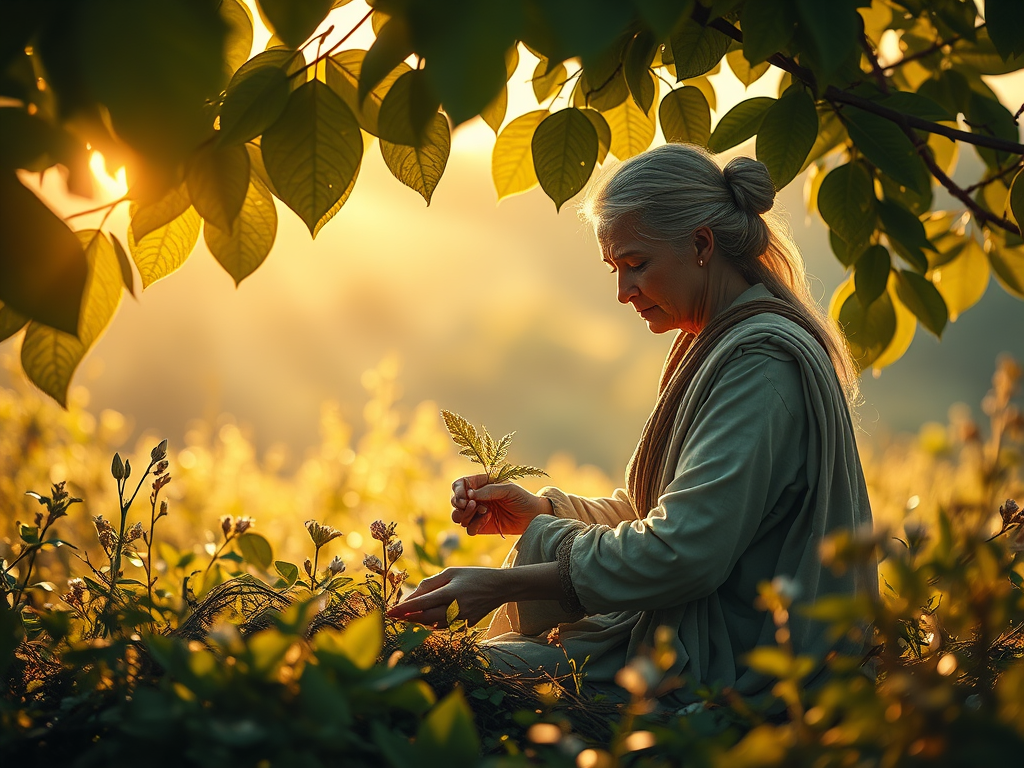
Returning to the Beginning
Human Condition Series — Essay 24 of 24
Every human life begins with questions.
As children, we ask about the world around us. As we grow older, those questions evolve.
What does it mean to live well?
What responsibilities do we hold toward others?
How should we navigate a world filled with uncertainty and change?
Throughout this series, we have followed a journey that many people experience in different ways.
It begins with the foundations of ordinary life — identity, belonging, and the structures we inherit from society.
Over time, friction appears. Success may fail to satisfy. Meaning becomes uncertain. Life introduces disruptions that challenge familiar assumptions.
From this friction emerges a deeper search.
People begin questioning inherited narratives, exploring new perspectives, and recognizing patterns that once remained hidden.
Awareness expands.
Yet awakening is not the end of the journey.
The Work of Integration
After insight comes integration.
Individuals learn to live with greater discernment, rebuild their lives in alignment with their evolving understanding, and take responsibility for the quality of their own consciousness.
They cultivate inner sovereignty — the ability to think clearly and act thoughtfully even within complex and uncertain environments.
Over time, awareness expands outward.
People begin recognizing that their actions influence others.
Leadership, influence, and responsibility enter the picture.
Awareness becomes stewardship.
The Quiet Maturity of Wisdom
As this process continues, individuals often discover something unexpected.
The goal of development is not perfect certainty.
It is not complete control over life’s unfolding.
Instead, maturity often brings a quieter understanding.
Life remains complex. Questions remain open. Human knowledge continues to evolve.
Yet wisdom emerges through how individuals respond to these conditions.
They learn to live with questions rather than rushing toward premature answers.
They practice meaning through relationships, commitments, and contributions.
They serve others without needing recognition.
This stage of life reflects a deeper integration of humility and responsibility.
Stewardship as a Way of Living
Stewardship is not a title or a role reserved for a particular group of people.
It is a way of relating to the world.
A steward recognizes that life is shared.
The communities we inhabit, the institutions we build, and the environments we depend upon all require care and attention.
Stewardship asks individuals to consider how their actions affect these shared systems.
It encourages people to use their knowledge, abilities, and influence thoughtfully.
It reminds us that the well-being of future generations is shaped by the decisions made today.
In this sense, stewardship becomes an expression of maturity.
It reflects the understanding that human lives are part of a larger unfolding story.
Living Within the Mystery
Even as individuals strive to act responsibly, they eventually recognize that life retains an element of mystery.
Not every question can be answered fully. Not every outcome can be predicted.
But this mystery does not diminish the value of human effort.
On the contrary, it invites a deeper form of engagement.
People continue learning. They continue contributing. They continue refining their understanding.
They act with care while recognizing the limits of their knowledge.
This combination of responsibility and humility allows individuals to participate in the world with wisdom rather than certainty.
The Human Journey Continues
The journey explored in this series does not end with a final conclusion.
Each generation encounters its own challenges, asks its own questions, and develops its own understanding of what it means to live well.
Yet the themes explored here remain remarkably consistent across cultures and eras.
Human beings seek meaning.
They wrestle with uncertainty.
They grow through reflection, responsibility, and care for others.
This journey — from questioning to stewardship — represents one of the enduring patterns of human development.
It reminds us that wisdom is not a destination reached once and for all.
It is a way of participating thoughtfully in the ongoing story of human life.
Take a moment to notice where this reflection touches your own life.
Human Condition Series
A Developmental Exploration of Being Human
This essay is part of The Human Condition, a 24-part exploration of the psychological and existential forces that shape human life.
The series traces a developmental arc from the foundations of ordinary experience to awakening, integration, and stewardship.
You may read the essays sequentially or begin with whichever condition most closely reflects your present questions.
Each essay explores:
• how the condition appears in everyday life
• why humans experience it
• what it reveals when seen consciously
• how it can transform when integrated
The series is not intended as a doctrine, but as a framework for reflection and sensemaking.
→ Explore the Human Condition Series Map
Gerald Alba Daquila
©2026 Life. Understood. A Living Archive for Sovereign Sensemaking & Stewardship
Leave a Reply