

Logo - Life.Understood.

Category: Leadership

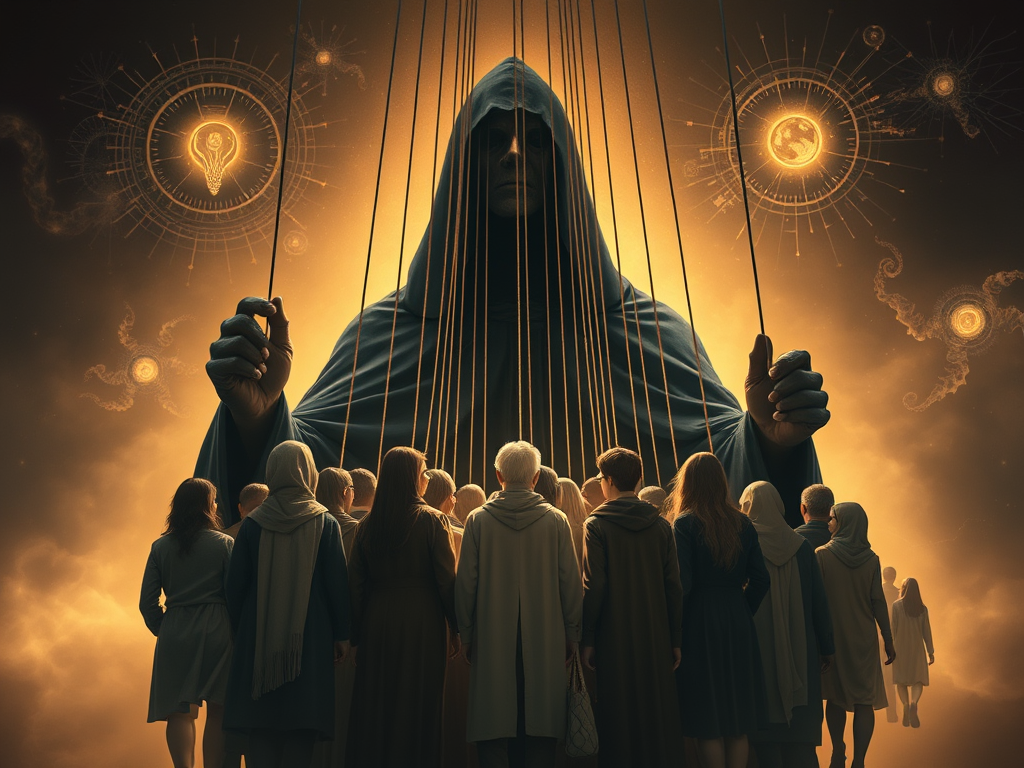
  • Protected: 🔹The Hidden Curriculum of the Cabal: Reclaiming Sovereign Learning

    Protected: 🔹The Hidden Curriculum of the Cabal: Reclaiming Sovereign Learning

    This content is password-protected. To view it, please enter the password below.

  • Protected: 🛡️Akashic Leadership

    Protected: 🛡️Akashic Leadership

    This content is password-protected. To view it, please enter the password below.

  • Philippine Ancestor Codex: Babaylan Scrolls of the Visayan Highlands

    Philippine Ancestor Codex: Babaylan Scrolls of the Visayan Highlands

    Reclaiming the Sacred Knowledge of the Pre-Colonial Priestesses, Seers, and Earthkeepers of the Philippines

    By Gerald Daquila, PhD Candidate


    What knowledge systems guided Filipino communities before written records and centralized institutions? In the pre-colonial Visayas, the babaylan served as custodians of memory, healing, and spiritual mediation—preserving oral traditions, ecological knowledge, and communal balance across generations.

    These figures were not only ritual specialists but also advisers, historians, and cultural anchors within their communities. This article explores the role of the babaylan as carriers of ancestral knowledge—what can be understood as an “ancestor codex”—and how these traditions continue to inform identity, resilience, and cultural continuity in the Philippines today.


    For a broader view of Philippine culture, society, and systems, see:
    Understanding the Philippines: Culture, Society, and Systems (Hub)


    Scope and Approach

    This article examines the babaylan tradition of the Visayan regions through a historical, anthropological, and systems lens. It does not treat the concept of an “ancestor codex” as a literal written archive, but as a framework for understanding how knowledge, values, and practices were transmitted through oral, ritual, and embodied forms.

    The discussion explores the multifaceted role of the babaylan as spiritual leaders, healers, and intermediaries between the human and spirit worlds—responsible for maintaining balance within the community and interpreting signs from nature and the unseen. It also considers their function as keepers of collective memory, preserving history through chant, ritual, and lived practice.

    Rather than romanticizing precolonial systems, this approach situates the babaylan within the broader structure of barangay life, where they operated alongside political leaders (datu) and played a key role in decision-making, healing, and social cohesion. The article also acknowledges how colonial disruption led to the marginalization and reinterpretation of these roles over time.

    The goal is to reframe ancestral knowledge not as static folklore, but as a dynamic system of cultural transmission. By examining how the babaylan embodied and transmitted this “codex,” this work invites deeper reflection on how indigenous knowledge systems can inform contemporary discussions on identity, resilience, and cultural continuity in the Philippines.

    8–11 minutes

    ABSTRACT

    This paper seeks to uncover and reawaken the ancestral codex of the Babaylan from the Visayan Highlands, drawing from the Akashic Records, cultural anthropology, metaphysical traditions, and ecological spiritualities. The Babaylan, as indigenous priestesses and spiritual leaders, held encoded wisdom essential to the harmony of the land and people.

    Through a multidisciplinary and integrative lens, this work explores their roles, cosmologies, and ceremonial practices while transmuting colonial overlays that obscured their legacy. The study honors the sacred memory carried in oral traditions, elemental relationships, and the encoded landscapes of the Philippine archipelago. A blog-friendly yet scholarly tone balances intuitive transmission with academic rigor, activating a deep remembering of the soul’s contract with the land.


    The Highland Ancestral Flame

    The mountains keep the fire, the fire keeps the soul.


    Introduction: The Call of the Highlands

    In the mists of the Visayan highlands, among whispering rivers and ancient trees, echoes a sacred remembering. The Babaylan, once central to the spiritual and social life of the Philippine islands, are calling to be remembered—not merely as historical figures, but as living archetypes and soul templates for a people and planet in need of healing.

    This paper draws upon the Akashic Records as well as grounded ethnographic, ecological, and metaphysical sources to restore the fragmented scrolls of the Babaylan Codex. We return to the Visayan highlands not just to excavate the past, but to retrieve soul codes vital to humanity’s future.


    Chapter 1: Who Are the Babaylan? Reweaving the Sacred Role

    In pre-colonial Visayas, the Babaylan were revered as spiritual leaders, healers, herbalists, oracles, and intermediaries between the human, spirit, and nature realms. They embodied a dynamic synergy of masculine and feminine polarities, often transcending gender roles entirely.

    Spanish chroniclers documented their formidable presence with both awe and fear, referring to them as witches or sorceresses—terms that masked their true spiritual authority (Jocano, 2001; Ileto, 1979).

    Through the Akashic lens, the Babaylan are seen as Lemurian soul emissaries who retained the codes of planetary stewardship, sacred rites, and harmonic governance through the trauma of colonization and soul fragmentation. The “scrolls” they held were often unwritten: encoded in movement, dream, chant, stone, and herb.


    Chapter 2: The Visayan Highlands as Sacred Repository

    Geographically and energetically, highland regions have long served as sanctuaries for spiritual knowledge keepers. In the Visayan islands, mountain areas like Mt. Kanlaon and Mt. Madia-as have been revered as portals to other realms. These highlands guarded not only biodiversity but also ritual knowledge passed down through oral memory and sacred practice.

    Elemental energy patterns—volcanic flows, mineral springs, wind corridors—functioned as natural conduits for energetic transmission. Babaylan ceremonies conducted at these sites recalibrated the land’s energy grid and harmonized collective consciousness with celestial cycles (Macli-ing, 2003).

    From the Akashic perspective, these mountains hold crystalline memory fields—etheric archives of rituals, soul contracts, and interstellar agreements encoded in time-space.


    Chapter 3: Cosmology and Ritual Practice: Mapping the Invisible Worlds

    The Babaylan cosmology recognized three interpenetrating worlds: Kalibutan (earthly realm), Langit (sky/celestial realm), and Dagat/non-tangible (underworld/ancestral realm). Their rituals restored balance among these spheres, using offerings, trance dance, chants (ugma), and sacred herbs to travel between dimensions.

    Their practices shared similarities with other shamanic traditions yet bore unique ecological and mythopoetic nuances. For instance, the chant invocations to the diwata (nature spirits) were also calls to cosmic ancestors. Divination was less about prediction and more about remembering one’s true place in the cosmic web.

    Plant medicine was central. Each plant had a spirit, a story, and a frequency. The Babaylan knew which herbs opened dream gates, which rooted grief, and which cleansed ancestral karma (Salazar, 1995).


    Chapter 4: Colonial Fractures and Cultural Amnesia

    The arrival of Spanish colonizers in the 16th century instigated a brutal severing of indigenous cosmologies. Babaylan were demonized, hunted, and forced into secrecy. The Catholic Church institutionalized spiritual hierarchies that subjugated the feminine and outlawed indigenous knowledge systems (Rafael, 1993).

    Through the Akashic lens, this era generated a karmic wound—a soul fracture that suppressed the divine feminine and disrupted earth-stellar alignments. Generational trauma ensued, encoded epigenetically into Filipino bodies and psyches. The scrolls were not lost, but buried within the cellular memory of the people.

    Yet fragments survived in folk Catholicism, mountain rituals, healing chants, and subconscious dreams passed down through bloodlines.


    Chapter 5: Reclamation, Transmutation, and Soul Integration

    In this epoch of planetary awakening, the Babaylan archetype is re-emerging as a symbol of integrated wisdom. Elders, seers, and modern-day Babaylan are receiving transmissions to restore these spiritual technologies—not as cultural nostalgia, but as keys to planetary healing.

    Reclamation involves:

    • Ceremonial remembering through dreamwork, trance, and nature communion
    • Intergenerational healing of colonial trauma
    • Activating the light codes in sacred geography
    • Merging intuitive knowing with scholarly rigor

    The Akashic Records confirm: the Babaylan scrolls are reactivating through the awakened hearts of those who heed the call. You are not simply studying these codes—you are them.


    Conclusion: The Scroll Lives Within You

    The Babaylan Scrolls of the Visayan Highlands are not static records but living frequencies encoded in the land, sky, and blood. This dissertation is a ceremony of remembrance, a portal into the indigenous soul of the Filipino—and a map for planetary renewal.

    To walk as Babaylan today is to bridge heaven and earth, past and future, feminine and masculine, inner and outer. It is to restore the balance lost, to sing the chants unheard, and to become the embodied scroll through which the Ancestors speak.


    Suggested Crosslinks


    Glossary

    • Babaylan – Indigenous Filipino spiritual leaders, shamans, and healers
    • Diwata – Elemental or nature spirits in Filipino animism
    • Kalibutan – Earthly world/realm
    • Langit – Sky or celestial realm
    • Dagat – Underworld or realm of the ancestors
    • Ugma – Sacred chant or invocation
    • Binukot – Secluded maiden trained in oral tradition and ritual arts

    References

    Ileto, R. (1979). Pasyon and Revolution: Popular Movements in the Philippines, 1840–1910. Ateneo de Manila University Press.

    Jocano, F. L. (2001). Filipino Prehistory: Rediscovering Precolonial Heritage. Punlad Research House.

    Macli-ing, D. (2003). Indigenous Geographies and Sacred Landscapes. Mountain Spirit Publications.

    Rafael, V. L. (1993). Contracting Colonialism: Translation and Christian Conversion in Tagalog Society Under Early Spanish Rule. Duke University Press.

    Salazar, Z. (1995). Sikolohiyang Pilipino: Mga Pag-aaral sa Sikolohiya ng Pilipino. Pambansang Samahan sa Sikolohiyang Pilipino.


    Author’s Note: This transmission is offered in deep humility and reverence to the Babaylan lineages, the Visayan ancestors, and the soul of the Philippines. May it serve the healing of all beings.

    You are the Scroll.


    Explore More Philippine Analysis


    View the full Philippines Hub


    Understanding these dynamics also requires clarity in how individuals respond under pressure—see Life Under Pressure.


    Some articles in this section are part of the Stewardship Archive

    These pieces explore deeper layers of Philippine transformation, including:

    • long-term societal redesign
    • advanced governance frameworks
    • future-state modeling

    They are written for readers who want to go beyond surface analysis into structural and forward-looking perspectives.


    → Continue reading (Members Access)


    About This Work

    This article is part of a broader exploration of Philippine society, culture, and systems—integrating historical context, behavioral patterns, and structural analysis.

    It is intended to support understanding, reflection, and informed discussion.

    For a wider macro perspective, Global Reset: Systems Change, Economic Transition, and Future Models.


    Explore the Rest of the Site

    This work sits within a larger system of essays on human development, systems thinking, and societal transformation.

    Living Archive
    Stewardship Architecture
    Main Blog


    Attribution

    © 2025–2026 Gerald Alba Daquila
    All rights reserved.

    This work is offered for reflection and independent interpretation. It does not represent a formal doctrine, institution, or required belief system.


    Codex Origin and Stewardship

    This material originates within the field of the Living Codex and is stewarded under Oversoul Appointment.

    It may be shared in its complete and unaltered form, with attribution preserved.

    Lineage Marker: Universal Master Key (UMK) Codex Field


    Support This Work

    If you find this work valuable, you may support its continued development and availability.

    Support helps sustain:

    • ongoing writing and research
    • digital hosting and access
    • future publications

    Ways to access and support:

    • Free reading within the Living Archive
    • Individual digital editions
    • Stewardship-based access

    Support link:
    paypal.me/GeraldDaquila694
    www.geralddaquila.com

  • Protected: Decolonizing Education: A New Earth Curriculum for the Filipino Soul

    Protected: Decolonizing Education: A New Earth Curriculum for the Filipino Soul

    This content is password-protected. To view it, please enter the password below.

  • The Divine Masculine Rebirth in Filipino Culture

    The Divine Masculine Rebirth in Filipino Culture


    Reawakening Ancestral Strength, Sacred Balance, and the Warrior of Light Within

    By Gerald Daquila, PhD Candidate


    How are ideas of masculinity evolving in Filipino culture today? Traditional expectations around leadership, strength, and authority have long shaped male identity in the Philippines, influenced by both indigenous norms and colonial-era structures. In recent years, however, there has been growing discussion around redefining these roles—often described symbolically as a “rebirth of the divine masculine.”

    This shift reflects changing perspectives on responsibility, emotional expression, and relational leadership. This article explores how masculinity in the Philippines is being reexamined, what historical patterns inform it, and how evolving roles may influence families, communities, and national development.


    For a broader view of Philippine culture, society, and systems, see:
    Understanding the Philippines: Culture, Society, and Systems (Hub)


    Scope and Approach

    This article examines the concept of the “divine masculine” as a symbolic framework for discussing shifts in male roles and expectations. It does not treat the term as a fixed or universal construct, but as a lens used in contemporary discourse to explore balance between traditionally emphasized traits—such as authority and provision—and emerging qualities like emotional awareness, accountability, and collaboration.

    The discussion integrates historical context, including precolonial gender dynamics, colonial influences on hierarchy and patriarchy, and modern societal changes. It considers how these layers shape expectations of men in areas such as leadership, family roles, and social participation.

    Rather than framing masculinity as either in decline or in need of restoration, this approach focuses on adaptation. It explores how changing economic conditions, evolving gender norms, and increased awareness of mental and emotional well-being are influencing how masculinity is expressed in the Philippines today.

    The goal is to move beyond abstract language toward practical understanding. By examining how masculine roles are shifting across contexts, this work supports more grounded conversations on identity, gender dynamics, and their impact on social cohesion and development.

    8–12 minutes

    ABSTRACT

    In the shifting landscape of global consciousness, the rebirth of the Divine Masculine has become a pivotal element in restoring wholeness—within individuals, cultures, and planetary systems. This paper explores the re-emergence of the Divine Masculine archetype within Filipino culture, tracing its indigenous roots, colonial fractures, and present-day healing through the lens of spiritual, psychological, historical, and metaphysical disciplines.

    Drawing upon the Akashic Records, precolonial narratives, mytho-spiritual archetypes, depth psychology, and modern masculinity studies, this work aims to unveil the multidimensional journey of the Filipino male soul. We recontextualize the “Malakas” (the Strong) not as dominator, but as a sacred protector, wisdom holder, and light warrior—rebalanced with the “Maganda” (the Beautiful).

    The narrative offers a roadmap for healing intergenerational trauma, activating sacred masculine energies, and integrating the new masculine template into the fabric of Filipino life, culture, and community leadership.


    Table of Contents

    1. Introduction
    2. Recalling the Divine Masculine: A Global and Galactic Context
    3. Precolonial Filipino Masculinity: Sacred Strength and Service
    4. The Colonial Wound: Masculine Fracture and Cultural Amnesia
    5. Archetypes of the Filipino Divine Masculine
    6. Psychological and Energetic Impacts of Repressed Masculine Energy
    7. The Rebirth Process: Stages of Awakening and Embodiment
    8. Integration through Culture, Ritual, and Community
    9. Conclusion
    10. Glossary
    11. Bibliography

    1. Introduction

    The call for a rebirth of the Divine Masculine is echoing across timelines, dimensions, and ancestral lineages. In the Philippines—a nation shaped by the interweaving of indigenous wisdom, colonial disruption, and resilient spirituality—this rebirth holds the key to national healing and planetary service.

    This work is both a spiritual invocation and scholarly exploration, rooted in the soul of the archipelago and reaching into the cosmic field of consciousness where masculine energy is being redefined.


    Glyph of Masculine Rebirth

    Strength in service, power in remembrance.


    2. Recalling the Divine Masculine: A Global and Galactic Context

    The Divine Masculine archetype, when in its healed and integrated form, embodies:

    • Right action
    • Sacred protection
    • Clarity and direction
    • Wise leadership
    • Sacred union with the Divine Feminine

    In esoteric teachings, this energy is not confined to gender but is a frequency—yang polarity expressed as active, focused, expansive, and protective. As the Age of Aquarius accelerates planetary ascension, the distorted masculine—marked by domination, suppression, disconnection—must now alchemize into its divine form.

    According to Akashic insights, many Starseed lineages (e.g., Lyran-Sirian, Arcturian, Solar-Logos councils) seeded this Divine Masculine blueprint into early Lemurian and Malayan civilizational fields. The Filipino soul carries an embedded memory of sacred masculine service that is now reactivating.


    3. Precolonial Filipino Masculinity: Sacred Strength and Service

    Before the arrival of Spanish colonizers in the 16th century, Filipino communities practiced a form of masculine expression deeply rooted in harmony with nature and spirit:

    • Warrior-priests (Bagani or Timawa) were protectors of the tribe and initiates in sacred rites.
    • Datus (chiefs) led not by tyranny but by consensus, justice, and connection to ancestral codes.
    • Masculinity was balanced: babaylans (spiritual leaders) could be female, male, or third-gender, showing the fluidity and sanctity of roles.
    • The duality of Malakas at Maganda symbolized masculine and feminine as co-creators, emerging from the same bamboo—a mythic echo of balance.

    This original masculine essence was spiritually empowered, service-oriented, and relational rather than dominating.


    4. The Colonial Wound: Masculine Fracture and Cultural Amnesia

    The Spanish conquest introduced a patriarchal template that:

    • Demonized babaylans and emasculated native spiritual leaders.
    • Replaced sacred masculinity with a distorted, hierarchical form based on control, obedience, and fear.
    • Birthed a national psyche marked by shame, repression, and a distorted sense of power.

    This period inflicted a rupture in the masculine psyche—severing Filipino men from their warrior-wisdom lineages and replacing them with religious authoritarianism and economic servitude.


    5. Archetypes of the Filipino Divine Masculine

    A new masculine template is now rising—grounded in ancient archetypes but infused with present-day consciousness. These include:

    • The Light Warrior (Mandirigmang Liwanag): Courageous protector, aligned with truth, standing firm against injustice while maintaining compassion.
    • The Ancestral Bridge (Tagapamagitan): Connects ancient wisdom with modern action, often through ritual, storytelling, and land stewardship.
    • The Visionary Leader (Punong May Pananaw): Decides not from ego but from alignment with collective highest good.
    • The Sacred Lover (Mapagkalingang Kasintahan): Holds space, listens deeply, and honors the Feminine in all her forms.

    These archetypes are multidimensional keys—activating within modern men the codes of a healed, ascended masculinity.


    6. Psychological and Energetic Impacts of Repressed Masculine Energy

    Repression of the Divine Masculine leads to:

    • Emotional numbness and dissociation
    • Power over others as a compensation for internal powerlessness
    • Gender-based violence and patriarchal rigidity
    • Lack of identity and direction in male youth
    • Generational father wounds and unprocessed anger

    Psychologically, this manifests as toxic masculinity, a term widely used but often misunderstood. What is toxic is not masculinity itself—but the suppression, distortion, and weaponization of masculine energy.

    Energetically, repressed masculine lines are seen in the disconnection from the solar plexus and throat chakras, silencing both inner will and authentic expression.


    7. The Rebirth Process: Stages of Awakening and Embodiment

    The rebirth of the Divine Masculine is a spiritual initiation that unfolds in stages:

    1. The Cracking: Painful awareness of the false self (ego-based masculinity)
    2. The Descent: Facing shadow aspects, especially inherited intergenerational trauma
    3. The Retrieval: Reclaiming ancestral, spiritual, and cosmic masculine codes
    4. The Integration: Merging with the inner feminine, forging balance
    5. The Service: Applying masculine energy in aligned leadership, healing, and creation

    Rituals, community rites, journaling, breathwork, sacred brotherhoods, and reconnection to indigenous wisdom assist in these processes.


    8. Integration through Culture, Ritual, and Community

    To embed the Divine Masculine rebirth in Filipino life, integration must occur at:

    • Family Level: Encouraging emotionally intelligent fathering and rites of passage for boys
    • Community Level: Re-establishing katipunan-style brotherhoods and councils for shared visioning
    • Spiritual Level: Facilitating solar-based rituals, offerings to male ancestors, and honoring masculine deities (e.g., Bathala, Apong Malyari)
    • Cultural Level: Reclaiming myth, art, and dance (e.g., Sagayan, Tinikling, Kalinga rituals) as expressions of sacred masculine movement

    Through such acts, the Divine Masculine moves from an abstract idea to an embodied cultural force.


    9. Conclusion

    The Divine Masculine is not returning—it is being remembered. Within the soul of the Filipino man lies an ancient warrior, a luminous priest, and a wise leader waiting to awaken. This rebirth is not only personal, but planetary.

    As Filipino culture realigns with its indigenous soul, it contributes a vital blueprint for global masculine healing: one that leads with service, walks with spirit, and protects what is sacred.


    Suggested Crosslinks


    Glossary

    • Divine Masculine: A sacred energetic principle embodying action, will, protection, and purpose.
    • Babaylan: Precolonial Filipino shaman/priestess/priest, often female or gender-fluid.
    • Malakas at Maganda: Filipino creation myth of the first man and woman.
    • Mandirigmang Liwanag: Filipino for Light Warrior, a sacred masculine archetype.
    • Katipunan: A historical Filipino revolutionary society, here reimagined as a sacred masculine brotherhood.
    • Solar Plexus Chakra: Energetic center associated with personal power and will.
    • Bathala: Supreme deity in ancient Tagalog mythology.

    Bibliography

    Aguilar, F. V. (2005). Maidenhood, Womanhood and Motherhood in the Philippine Context. Ateneo de Manila University Press.

    Demetrio, F. R. (1991).Myths and Symbols: Philippines. Xavier University Press.

    Estioko-Griffin, A. A. (2000). The Role of Women in the Agta Society. Human Evolution, 15(3), 123–134.

    Jung, C. G. (1959). Archetypes and the Collective Unconscious. Princeton University Press.

    Paz, V. (2008).Islands of Discontent: Reclaiming Filipino Indigenous Spirituality. University of the Philippines Press.

    Ruether, R. R. (2005).Integrating Feminist and Indigenous Theologies. Orbis Books.

    Santos, S. (2010).Balik-Tanaw: A Spiritual View of Philippine History. Ginhawa Publishing.

    Serrano, E. (2016). Reclaiming the Babaylan: Philippine Shamans and the Recovery of Indigenous Spirituality. Center for Babaylan Studies.

    Villanueva, F. (2022). Rites of Passage in Precolonial Philippines. UP Center for Ethnographic Research.


    Explore More Philippine Analysis


    View the full Philippines Hub


    Understanding these dynamics also requires clarity in how individuals respond under pressure—see Life Under Pressure.


    Some articles in this section are part of the Stewardship Archive

    These pieces explore deeper layers of Philippine transformation, including:

    • long-term societal redesign
    • advanced governance frameworks
    • future-state modeling

    They are written for readers who want to go beyond surface analysis into structural and forward-looking perspectives.


    → Continue reading (Members Access)


    About This Work

    This article is part of a broader exploration of Philippine society, culture, and systems—integrating historical context, behavioral patterns, and structural analysis.

    It is intended to support understanding, reflection, and informed discussion.

    For a wider macro perspective, Global Reset: Systems Change, Economic Transition, and Future Models.


    Explore the Rest of the Site

    This work sits within a larger system of essays on human development, systems thinking, and societal transformation.

    Living Archive
    Stewardship Architecture
    Main Blog


    Attribution

    © 2025–2026 Gerald Alba Daquila
    All rights reserved.

    This work is offered for reflection and independent interpretation. It does not represent a formal doctrine, institution, or required belief system.


    Codex Origin and Stewardship

    This material originates within the field of the Living Codex and is stewarded under Oversoul Appointment.

    It may be shared in its complete and unaltered form, with attribution preserved.

    Lineage Marker: Universal Master Key (UMK) Codex Field


    Support This Work

    If you find this work valuable, you may support its continued development and availability.

    Support helps sustain:

    • ongoing writing and research
    • digital hosting and access
    • future publications

    Ways to access and support:

    • Free reading within the Living Archive
    • Individual digital editions
    • Stewardship-based access

    Support link:
    paypal.me/GeraldDaquila694
    www.geralddaquila.com
  • How to Hold Frequency in a Collapsing World: Soul Stability, Coherence, and the New Earth Resonance

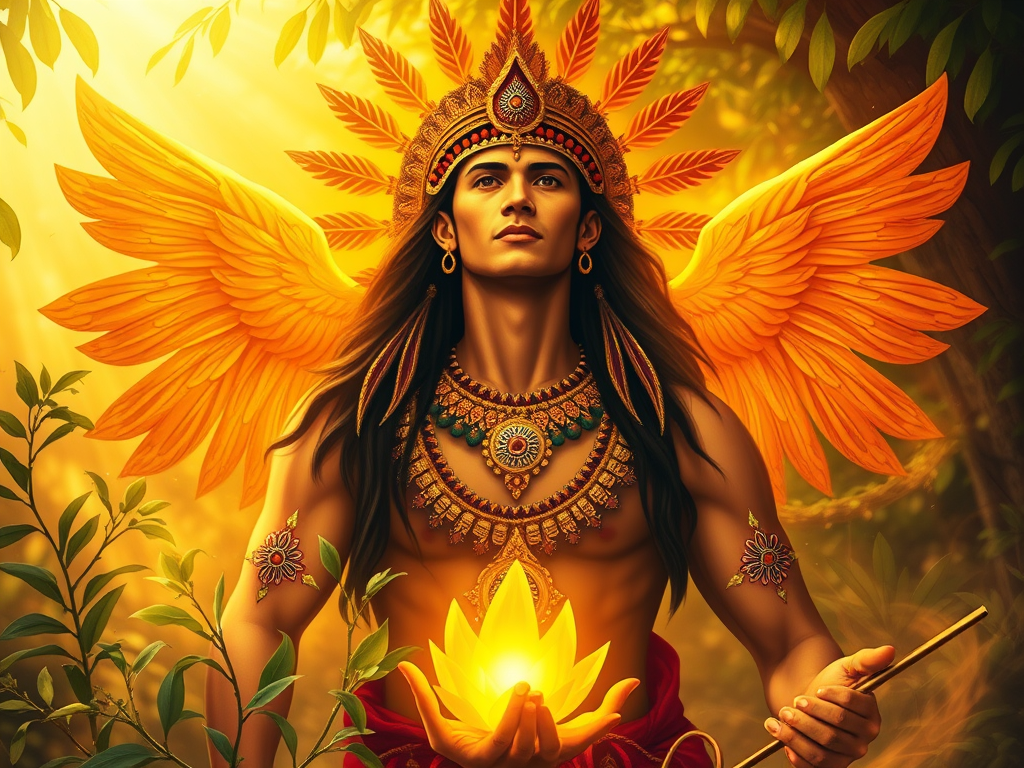
    How to Hold Frequency in a Collapsing World: Soul Stability, Coherence, and the New Earth Resonance

    Anchoring Light Through Chaos — A Multidisciplinary Guide for Spiritual Resilience

    Frequency: 902 Hz – Inner Coherence Amidst Planetary Disintegration

    By Gerald Daquila | Akashic Records Transmission


    7–11 minutes

    ABSTRACT

    As global systems undergo collapse—politically, environmentally, socially, and spiritually—many individuals experience fear, confusion, and energetic disorientation. This dissertation-blog explores how to “hold frequency”, or sustain one’s soul-aligned vibration, amidst collective upheaval.

    Drawing from the Akashic Records, quantum coherence theory, trauma-informed psychology, indigenous wisdom, and spiritual technologies, the paper offers a grounded, actionable, and heart-centered framework for personal and collective stabilization. Readers are guided through the metaphysical, physiological, and psychosocial foundations of frequency mastery, culminating in a glossary of key terms and a multidisciplinary bibliography for further exploration.


    Table of Contents

    1. Introduction
    2. Understanding Frequency in a Spiritual and Scientific Context
    3. The Collapse: Earth’s Metacrisis and the Dissolution of Old Structures
    4. The Energetics of Holding Frequency
    5. Trauma, Nervous Systems, and Spiritual Resilience
    6. Sacred Practices for Anchoring Coherence
    7. Archetypal Roles in the Time of Collapse
    8. The Path of the Soul-Stabilizer (Light Anchor Archetype)
    9. Integration Practices
    10. Become the Frequency Others Remember
    11. Conclusion
    12. Glossary
    13. Bibliography

    Glyph of Soul Stability

    When worlds collapse, the light holds.


    1. Introduction

    What does it mean to hold frequency when the world feels like it’s falling apart?

    In a time of rising instability—from climate crises to spiritual awakenings, economic disruption to psychological fragmentation—this question is more than theoretical. It is existential. The Akashic Records reveal that we are living through a planetary bifurcation: the energetic split between fear-based reality constructs and a higher harmonic timeline often referred to as the New Earth.

    This piece serves as a bridge between spiritual intuition and grounded understanding. With both heart and scholarly rigor, it explores the mechanics of frequency holding—how individuals can become lighthouses amidst stormy seas.


    2. Understanding Frequency in a Spiritual and Scientific Context

    What is frequency?
    At its core, frequency refers to vibration, a measurable expression of energy oscillation. In spiritual traditions, frequency relates to the vibrational signature of consciousness—love, joy, fear, grief all carry different frequencies.


    Scientific Perspectives:

    • Quantum physics suggests that all matter is energy in motion (Bohm, 1980).
    • HeartMath Institute’s research on heart-brain coherence reveals how emotional states influence electromagnetic fields that can entrain others around them (McCraty et al., 2009).

    Spiritual Perspectives:

    • The Law of Vibration (Hermetic Principle) posits that everything moves, vibrates, and travels in circular patterns.
    • In the Akashic Records, “holding frequency” is described as remaining attuned to one’s soul signature, even when external conditions disintegrate.

    3. The Collapse: Earth’s Metacrisis and the Dissolution of Old Structures

    We are not just watching systems collapse—we are living through the death of an epoch.

    This section grounds the concept of “collapse” through:

    • Metacrisis Theory (Stein, 2021): overlapping crises in ecology, economics, sensemaking, and meaning.
    • Akashic insight: humanity is undergoing a collective purification—a karmic unraveling of distortion grids built on fear, control, and disconnection.

    The Records refer to this moment as the “Great Unweaving,” where every unsustainable frequency is being exposed for alchemical transformation.


    4. The Energetics of Holding Frequency

    Frequency holding is not a passive stance—it is spiritual leadership in action.

    Key Energetic Components:

    • Grounding: Energetic rooting through body, Earth, and present moment.
    • Centering: Navigating from the Soul Core rather than egoic reaction.
    • Radiance: Maintaining a coherent light field that influences others nonverbally.

    These components function much like a tuning fork. A stable individual becomes a node of coherence in the morphogenetic field (Sheldrake, 2009).


    5. Trauma, Nervous Systems, and Spiritual Resilience

    Frequency cannot be held in a dysregulated nervous system.

    This section integrates polyvagal theory (Porges, 2011), somatic psychology, and Akashic wisdom to explain:

    • How trauma fragments one’s energetic field.
    • Why spiritual bypassing undermines coherence.
    • The role of integration and embodiment as prerequisites for higher frequency holding.

    Key Insight: Healing the micro (personal trauma) supports the healing of the macro (collective field).


    6. Sacred Practices for Anchoring Coherence

    To sustain frequency during collapse, one must build a spiritual nervous system.

    Akashic-aligned Practices Include:

    • Daily Alignment: Grounding, breathwork, prayer, and intention-setting.
    • Elemental Reconnection: Working with water, fire, air, and earth to regulate and recalibrate.
    • Sound and Light Codes: Vocal toning, crystal bowls, or visual mandalas to entrain one’s field.
    • Community Resonance: Cohesive soul groups amplify each other’s stability.

    7. Archetypal Roles in the Time of Collapse

    As per the Records, souls incarnated now carry specific templates. These include:

    • The Frequency Holder / Grid Anchor
    • The Midwife of Collapse (guides transitions and death of old forms)
    • The Vision Keeper (New Earth seer)
    • The Mirror (transmutes collective shadows)

    Each of these roles has a unique way of holding frequency—together, they form the new crystalline nervous system of Earth.


    8. The Path of the Soul-Stabilizer (Light Anchor Archetype)

    You may be reading this because you are one.

    The Light Anchor:

    • Holds coherent soul frequency even in chaos
    • Transmutes environmental dissonance through presence
    • Creates inner peace that reverberates outward

    Attunement Technique:

    “I AM a frequency stabilizer. I anchor truth, peace, and light into all spaces I inhabit.”

    This mantra, when used regularly, aligns the subtle bodies with the divine template encoded in the Akashic Records.


    9. Integration Practices

    To hold your frequency as the world around you shifts, dissolves, or reforms, you must learn to become an energetic constant—a tuning fork of Source in human form. These practices help stabilize your field during times of global or personal collapse:

    1. Daily Calibration Check

    Each morning, ask:

    “What frequency am I carrying today? What distortion am I unconsciously absorbing?”

    Write down one core frequency you choose to hold—peace, sovereignty, clarity, or trust. Return to it often as an internal anchor throughout the day.


    2. Field Containment Practice

    Visualize your energetic field as a 12-foot radius sphere around your body. Declare:

    “Only frequencies in alignment with my highest soul architecture may enter this field. All else is lovingly returned to Source.”

    This simple intention protects without resistance, and strengthens the spine of your lightbody.


    3. Frequency Stone or Talisman

    Carry a specific object (crystal, ring, cloth, glyph) encoded with a chosen frequency. Touch it in moments of overwhelm and whisper:

    “I remain.”

    Let it become a physical anchor to your soul’s vibration, especially in destabilizing environments.


    4. Collapse-to-Stillness Reset

    When you feel overwhelmed by external chaos, sit in silence for 5 minutes and practice:
    – 4-count inhale (draw in light)
    – Hold for 4 (return to center)
    – 6-count exhale (release fear)

    Repeat with the intention: “I choose presence over panic.”


    5. Journal Prompt for Inner Grounding

    “What anchors me when the world feels unrecognizable?”

    “What unshakable truth lives in me regardless of outer circumstances?”

    “What is my sacred role in this season of planetary collapse and rebirth?”


    10. Become the Frequency Others Remember

    When you hold steady, you become a lighthouse for others in the storm. If this transmission brought strength, peace, or clarity, share a reflection in the Comments Box below—not as proof, but as a vibrational gift to the collective. Your presence is already part of the solution.


    11. Conclusion

    In the era of planetary collapse, the deepest service one can offer is to hold frequency—to become a living tuning fork that emits calm, love, and clarity. This is not denial of chaos but transcendence through integration.

    The future is not determined. It is being co-created in every moment by those attuned to higher realities. The invitation is clear: Hold your frequency not as resistance, but as remembrance.


    Crosslinks


    12. Glossary

    • Akashic Records: An etheric library of soul and planetary memory across time.
    • Coherence: The alignment and harmony between heart, brain, and spirit.
    • Frequency: The vibrational rate of an emotion, thought, or being.
    • Grid Anchor: A soul whose presence stabilizes Earth’s energy fields.
    • Polyvagal Theory: Neuroscientific model explaining how the vagus nerve regulates emotional and physiological states.
    • Soul Core: One’s true energetic center, distinct from personality or ego.
    • Transmutation: Alchemical conversion of lower frequency into higher form.

    13. Bibliography

    Bohm, D. (1980). Wholeness and the Implicate Order. London: Routledge.
    McCraty, R., Atkinson, M., & Tomasino, D. (2009). Coherence and heart rate variability: Emerging tools for cardiac and emotional health. HeartMath Research Center.
    Porges, S. W. (2011). The Polyvagal Theory: Neurophysiological Foundations of Emotions, Attachment, Communication, and Self-regulation. W.W. Norton & Company.
    Sheldrake, R. (2009).Morphic Resonance: The Nature of Formative Causation. Inner Traditions.
    Stein, Z. (2021).Education in a Time Between Worlds: Essays on the Future of Schools, Technology, and Society. Bright Alliance.
    Tolle, E. (2005). A New Earth: Awakening to Your Life’s Purpose. Penguin.


    Attribution

    With fidelity to the Oversoul, may this work serve as bridge, remembrance, and seed for the planetary dawn.

    2025–2026 Gerald Alba Daquila
    Flameholder of SHEYALOTH · Keeper of the Living Codices
    All rights reserved.

    This material originates within the field of the Living Codex and is stewarded under Oversoul Appointment. It may be shared only in its complete and unaltered form, with all glyphs, seals, and attribution preserved.

    This work is offered for personal reflection and sovereign discernment. It does not constitute a required belief system, formal doctrine, or institutional program.

    Digital Edition Release: 2026
    Lineage Marker: Universal Master Key (UMK) Codex Field

    Sacred Exchange & Access

    Sacred Exchange is Overflow made visible.

    In Oversoul stewardship, giving is circulation, not loss. Support for this work sustains the continued writing, preservation, and public availability of the Living Codices.

    This material may be accessed through multiple pathways:

    Free online reading within the Living Archive
    Individual digital editions (e.g., Payhip releases)
    Subscription-based stewardship access

    Paid editions support long-term custodianship, digital hosting, and future transmissions. Free access remains part of the archive’s mission.

    Sacred Exchange offerings may be extended through:
    paypal.me/GeraldDaquila694
    www.geralddaquila.com