
A Historical Journey of Resilience, Values, and Nationhood
Prepared by: Gerald A. Daquila, PhD. Candidate
What defines Filipino identity—and how has it evolved over time? Shaped by layers of indigenous heritage, colonial influence, and global exposure, Filipino culture reflects both continuity and adaptation.
Values such as pakikipagkapwa (shared identity), bayanihan (community cooperation), and strong family orientation remain central, yet they exist alongside modern pressures that reshape how identity is expressed.
This article explores how Filipino identity is formed, how it adapts across contexts, and how cultural patterns influence behavior, social cohesion, and national development.
For a broader view of Philippine culture, society, and systems, see:
→ Understanding the Philippines: Culture, Society, and Systems (Hub)
Scope and Approach
This article examines Filipino identity and culture through a historical, behavioral, and structural lens. It does not attempt to define a single, fixed identity, but instead recognizes Filipino culture as dynamic—shaped by interactions between past influences and present realities.
The discussion integrates precolonial foundations, colonial-era transformations, and contemporary global influences to understand how cultural patterns emerge and persist. It considers how values such as relational orientation, adaptability, and respect for hierarchy operate within modern systems including governance, education, and the economy.
Rather than idealizing or critiquing cultural traits in isolation, this approach evaluates how they function within specific environments. Traits that strengthen social cohesion in one context may create constraints in another, depending on institutional alignment and incentives.
The goal is to provide a clearer framework for understanding identity as both an internal and external force—shaping perception, behavior, and collective outcomes. By making these dynamics more visible, this work supports more informed reflection on how culture influences national direction, social interaction, and the Philippines’ role in a changing global landscape.
ABSTRACT
The Philippines’ history is a vibrant saga of resilience, cultural fusion, and adaptation, shaping a unique Filipino identity defined by kapwa (shared identity) and global adaptability. This paper narrates how pre-colonial roots, colonial struggles, and modern challenges have molded the Filipino psyche, worldview, values, and ethics. It explores strengths like resilience and collectivism, alongside weaknesses such as colonial mentality, drawing on Sikolohiyang Pilipino to highlight cultural distinctiveness.
The narrative proposes leveraging these traits for progress through education, innovation, and diplomacy, while identifying historical lessons—resilience, unity, and cultural pride—as guides for the future. The Philippines’ potential as a cultural and economic leader is examined, with projections for excellence in technology and sustainability. The modern Filipino, a blend of tradition and globalism, stands out for their relational ethics and optimism, poised to shape a dynamic future.
Introduction: A Nation’s Story Begins
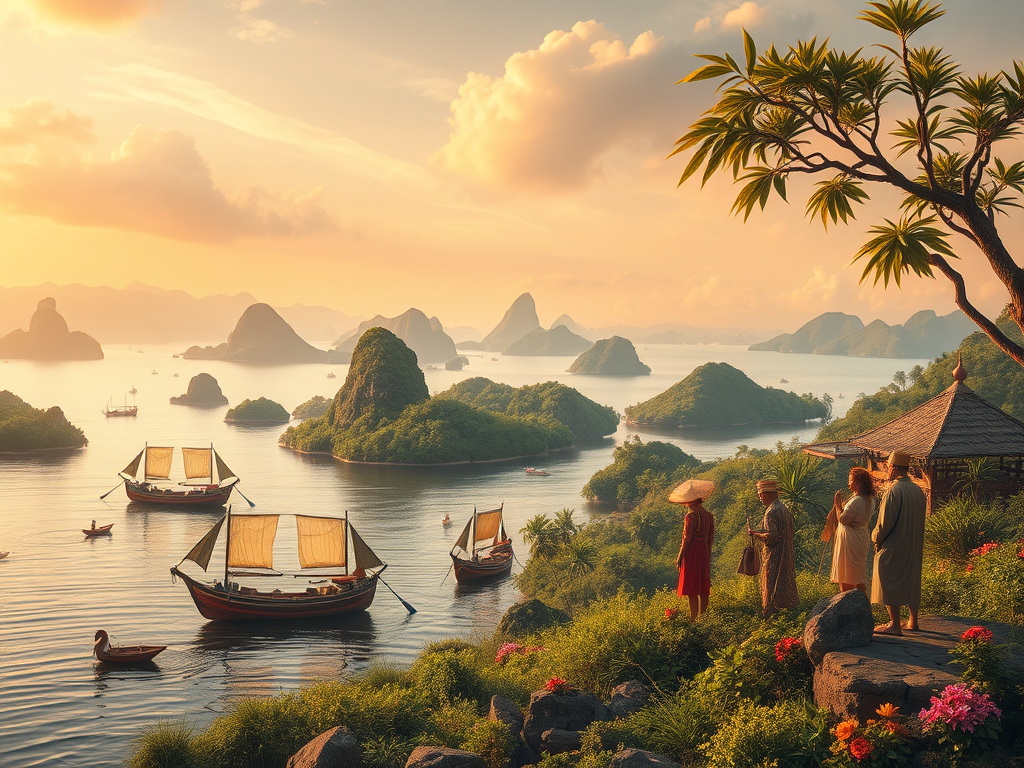
Imagine an archipelago of over 7,000 islands, where waves whisper tales of ancient traders, resilient warriors, and modern dreamers. This is the Philippines, a land where history is not just a record but a living force that shapes its people. As historian Ambeth Ocampo (2024) eloquently states, “The past is not dead; it is not even past” (Ocampo, 2024, p. 2).
In this narrative, we explore how the Philippines’ journey through time has crafted the modern Filipino’s psyche, values, and worldview. We delve into their strengths and weaknesses, envision how their unique perspective can drive progress, and reflect on their role in the global community.
Through the lens of Sikolohiyang Pilipino and philosophical insights, we uncover what makes the Filipino of today distinct and how their story can inspire a future of impact.

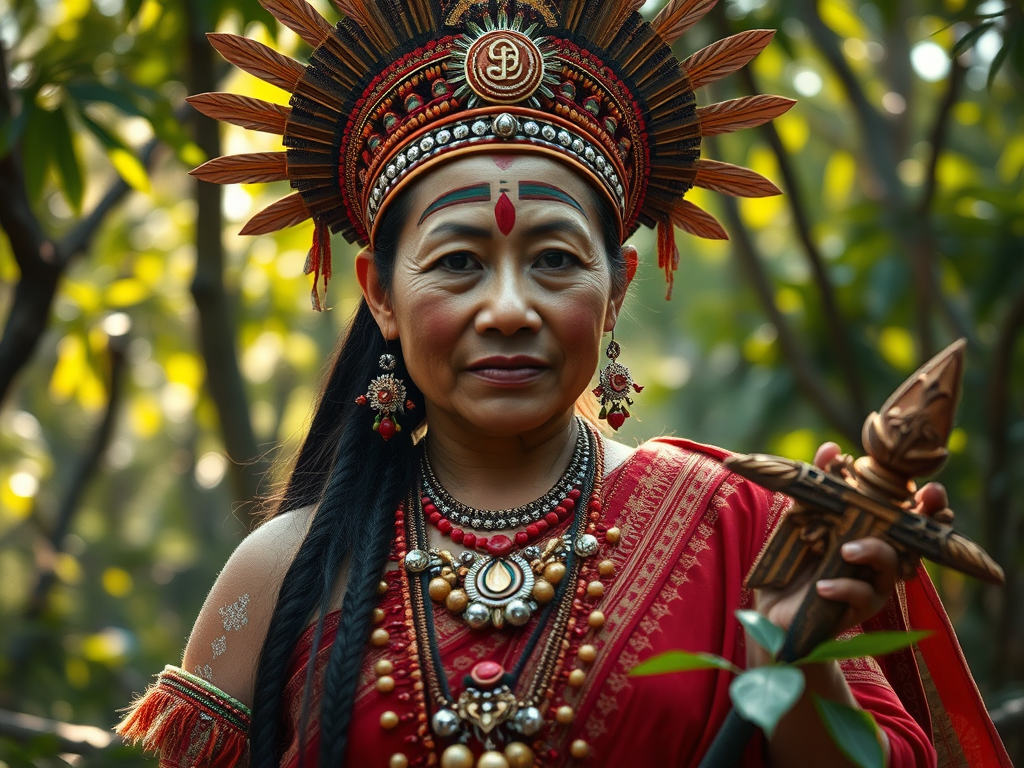
Glyph of the Custodian
The Keeper of Lineage, Memory, and Home.
The Tapestry of History: A Filipino Odyssey
Long before foreign ships dotted its shores, the Philippines was a mosaic of Austronesian communities—Tagalogs, Visayans, Igorots—bound by trade, animist beliefs, and communal harmony (Jocano, 1998). These early Filipinos navigated the seas, forging connections with neighbors in Southeast Asia, their lives steeped in reverence for nature and ancestors.
Then came the Spanish in 1565, draping the islands in Catholicism and reshaping social structures over three centuries. Yet, the Filipino spirit resisted, birthing the Katipunan, a revolutionary cry for freedom (Agoncillo, 1990).
The Americans arrived in 1898, bringing English education and democratic ideals, but also a “colonial mentality” that lingered in the Filipino psyche (Constantino, 1978). The Japanese occupation of 1942–1945 was a brief but brutal chapter, forging resilience through suffering.
Independence in 1946 marked a new beginning, yet challenges like martial law under Marcos, Sr. and ongoing nation-building tested the Filipino resolve (Abinales & Amoroso, 2017). This history of struggle and adaptation is the crucible in which the modern Filipino was forged—a story of endurance, faith, and reinvention.
The Filipino Psyche: A Heart of Kapwa
At the core of the Filipino soul lies kapwa, a concept of shared identity that transcends Western individualism. As Virgilio Enriquez, the father of Sikolohiyang Pilipino, explains, kapwa sees the self as inseparable from others, fostering a worldview of interconnectedness (Enriquez, 1992).
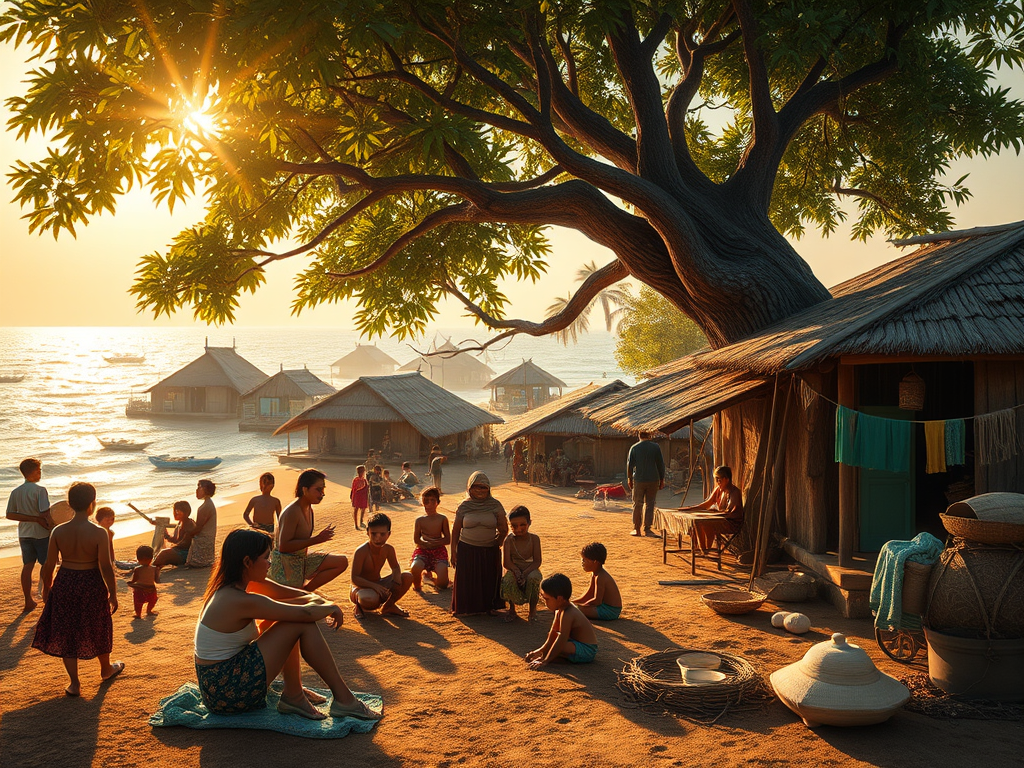
Picture a Filipino family gathering, where laughter and shared stories bind generations—this is kapwa in action. It shapes a relational ethic, where values like kagandahang-loob (shared nobility) and pakikisama (social harmony) prioritize community over self (Pe-Pua & Protacio-Marcelino, 2000).
Yet, the Filipino psyche bears scars of history. Colonialism planted seeds of inferiority, a “colonial mentality” that sometimes overshadows pride in indigenous roots (Constantino, 1978). Amid typhoons and political upheavals, Filipinos have cultivated a resilient optimism, often expressed through humor—a trait that shines in their global diaspora (Mulder, 2013).
Their spirituality, a syncretic blend of animist traditions and Catholicism, manifests in vibrant festivals like Sinulog, where faith and culture dance as one (Mercado, 1974). This psyche, both wounded and vibrant, is a paradox of strength and vulnerability.
Values and Ethics: The Filipino Moral Compass
The Filipino’s moral world revolves around loob, the inner self that drives relational ethics. Values like hiya (propriety), pakikiramdam (shared sensitivity), and utang na loob (gratitude) guide behavior, emphasizing harmony and empathy (Enriquez, 1992).
In a Filipino village, pakikisama ensures neighbors work together, while lakas ng loob (courage) fuels resilience in crises. These values form a virtue ethics distinct from Western rationalism, rooted in relationships rather than abstract principles (Mercado, 1974).
However, these values have a dual edge. Hiya can foster dignity but also stifle assertiveness, while utang na loob can nurture loyalty yet breed dependency (Pe-Pua & Protacio-Marcelino, 2000). Scholars like Mulder (2013) highlight this ambivalence, noting that values can be virtuous or limiting depending on context.
Concepts like kalayaan (freedom) and katarungan (justice) anchor Filipino socio-political ethics, yet their application often faces challenges in a society marked by historical divisions (Abinales & Amoroso, 2017). This tension calls for a re-examination of values to align with modern aspirations.
Strengths and Weaknesses: The Filipino Character Unveiled
The Filipino spirit shines with remarkable strengths. Their resilience is legendary, evident in thriving industries like Business Process Outsourcing (BPO), where Filipinos excel despite global competition (Ortiga, 2018).
Kapwa fosters collectivism, making Filipinos exceptional collaborators in workplaces worldwide (Pe-Pua & Protacio-Marcelino, 2000). Their adaptability, born of cultural hybridity, allows them to navigate diverse global contexts, from Silicon Valley to Dubai (Ocampo, 2024).
Yet, weaknesses persist. The colonial mentality undermines self-confidence, leading some to favor foreign ideals over indigenous ones (Constantino, 1978).
Ambivalent values, like excessive hiya, can hinder assertiveness, while historical divisions between elites and masses fragment national unity (Abinales & Amoroso, 2017). These challenges, though, are not insurmountable; they are part of the Filipino story, a narrative of growth through struggle.

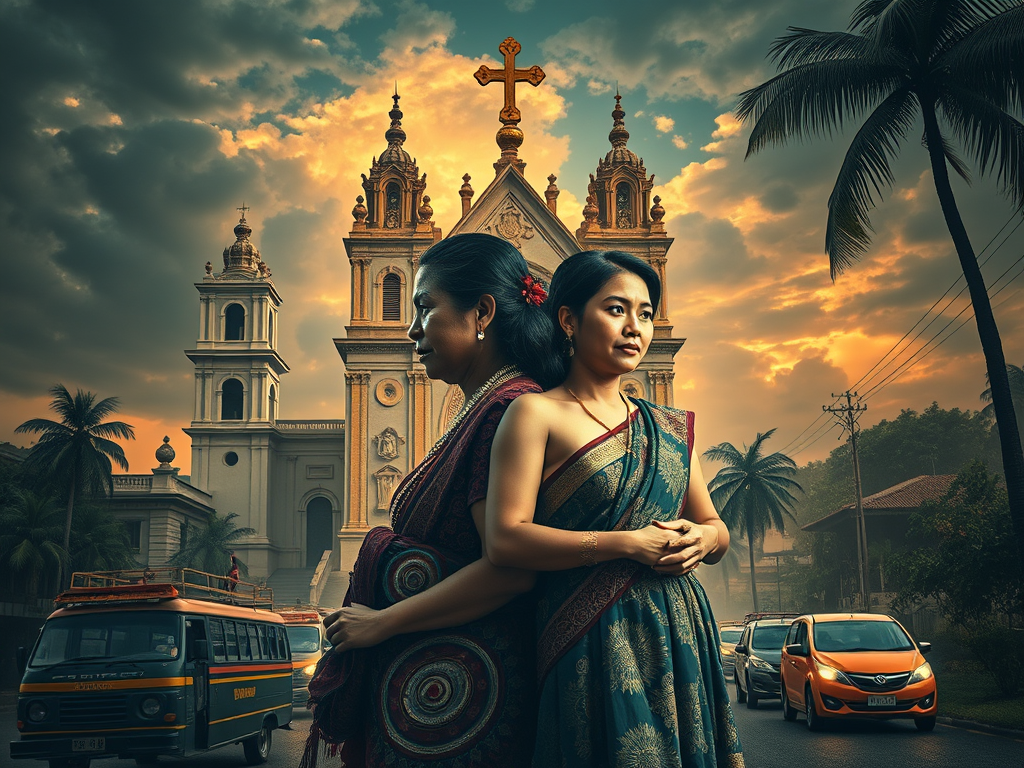
Glyph of the Filipino Spirit
A journey through history and identity, where sun and islands bear witness to the enduring soul of a nation.
A Path to Progress: Harnessing the Filipino Spirit
The Filipino’s unique perspective—rooted in kapwa and resilience—holds immense potential for progress. Imagine schools teaching Sikolohiyang Pilipino, instilling pride in indigenous values to counter colonial mentality (Enriquez, 1992).
The BPO sector’s success signals a future in technology and creative industries, where Filipino adaptability can shine (Ortiga, 2018). Globally, the Philippines’ cultural hybridity positions it as a bridge in ASEAN and beyond, fostering dialogue and collaboration (Mulder, 2013).
By preserving traditions like Anitism (anitos) and promoting cultural exports—think Filipino cuisine or films—the nation can amplify its global presence. Investing in education and innovation, particularly in AI and sustainable tech, can transform economic prospects (Ocampo, 2024).
The Filipino diaspora, with its remittances and cultural influence, is a powerful force for progress, weaving the Philippines into the global tapestry.
Lessons from the Past: Guides for the Future
The Filipino story offers timeless lessons. The Katipunan’s defiance teaches that collective action can overcome oppression (Agoncillo, 1990). Cultural syncretism—blending indigenous and foreign influences—has sustained identity through centuries (Jocano, 1998).
Renato Constantino’s call to rediscover history urges Filipinos to embrace critical consciousness, fostering informed citizenship (Constantino, 1978). These lessons—resilience, unity, and pride—light the path toward a future where Filipinos shape their destiny with confidence.
A Global Role: The Philippines on the World Stage
The Philippines is poised to be a cultural and economic leader. Its history of East-West fusion makes it a natural mediator in global forums, promoting peace and collaboration (Mulder, 2013).
The BPO industry and diaspora remittances underscore its economic potential, while its experience with climate challenges positions it to lead in sustainability (Ortiga, 2018). As a voice for resilience, the Philippines can inspire nations facing similar trials, weaving its story into the global narrative.
The Future: Where the Philippines Can Excel
Current trends paint a promising picture. Digitalization, from mobile payments to tech startups, is transforming access and opportunity (Ocampo, 2024). The diaspora’s global influence drives cultural and economic growth, while efforts to revive indigenous practices strengthen identity (Jocano, 1998). Looking ahead, the Philippines can excel in:
- Technology: Expanding BPO into AI and creative tech.
- Cultural Exports: Sharing festivals, arts, and cuisine globally.
- Sustainability: Leading climate resilience strategies in ASEAN.
These areas align with the Filipino’s adaptability and creativity, promising a future of innovation and impact.
The Filipino of Today: A Unique Soul
Who is the modern Filipino? They are a vibrant blend of tradition and globalism, defined by kapwa—a relational ethic that sets them apart from the individualism of the West or the collectivism of other Asian cultures (Enriquez, 1992).
Their fluency in English and cultural hybridity make them global citizens, thriving in diverse settings (Ocampo, 2024). Their resilient optimism, expressed through humor and faith, is a beacon in adversity. The Filipino is a storyteller, a survivor, and a dreamer, weaving a narrative that resonates worldwide.
Conclusion: A Story Still Unfolding
The Filipino journey is a saga of resilience, adaptation, and hope. From ancient traders to modern innovators, Filipinos have woven a rich tapestry of identity, grounded in kapwa and shaped by history’s trials.
While colonial shadows linger, their strengths—resilience, collectivism, adaptability—light the way forward. By embracing their heritage, leveraging economic potential, and learning from the past, Filipinos are co-creating a future of global influence. The Filipino spirit, a unique blend of heart and hustle, is a gift to the world, a story still being written.
Suggested Crosslinks
- Understanding the Filipino Psyche — Pathways to Growth — for deeper insight into behavioral patterns, identity formation, and social dynamics.
- What Is a Babaylan? Spiritual Leadership, Healing, and Cultural Resilience in Precolonial Philippines — for indigenous models of leadership, healing, and cultural continuity.
- The Pulse of a Nation: Decoding the 2025 Philippine Midterm Elections [2nd Update] — for real-time dynamics of political behavior and electoral systems.
- Burning Out, Rising Up: Understanding Burnout and Resilience in the Philippines — for how systemic pressures manifest at the individual and societal level.
- Transforming the Philippines: A Holistic Development Strategy Integrating GESARA/NESARA, Quantum Financial Systems, and Off-World Technologies — for integrated economic and systemic transformation frameworks.
Glossary
- Kapwa: Shared identity, emphasizing interconnectedness with others.
- Loob: Inner self or relational will, central to Filipino ethics.
- Sikolohiyang Pilipino: Indigenous Filipino psychology rooted in cultural context.
- Utang na Loob: Gratitude or solidarity, fostering relational bonds.
- Hiya: Propriety or dignity, guiding social behavior.
- Pakikisama: Social harmony or companionship, prioritizing group cohesion.
References
Abinales, P. N., & Amoroso, D. J. (2017). State and society in the Philippines (2nd ed.). Rowman & Littlefield.
Agoncillo, T. A. (1990). History of the Filipino people (8th ed.). Garotech Publishing.
Constantino, R. (1978). The Philippines: A past revisited. Tala Publishing.
Enriquez, V. G. (1992). From colonial to liberation psychology: The Philippine experience. University of the Philippines Press.
Jocano, F. L. (1998). Filipino prehistory: Rediscovering precolonial heritage. Punlad Research House.
Mercado, L. N. (1974). Elements of Filipino philosophy. Divine Word University Press.
Mulder, N. (2013). Filipino identity: The haunting question. Journal of Current Southeast Asian Affairs, 32(1), 55–80.
Ocampo, A. R. (2024). The continuum of Filipino cultural identity: Balancing tradition and change in a globalized and post-pandemic world. Preprints.org. https://doi.org/10.20944/preprints202401.0001.v1
Ortiga, Y. Y. (2018). Emigration, employability and higher education in the Philippines. Routledge.
Pe-Pua, R., & Protacio-Marcelino, E. (2000). Sikolohiyang Pilipino (Filipino psychology): A legacy of Virgilio G. Enriquez. Asian Journal of Social Psychology, 3(1), 49–71. https://doi.org/10.1111/1467-839X.00054
Explore More Philippine Analysis
- Culture and identity → Understanding the Filipino Psyche
- Precolonial systems → Living in the Barangay
- Governance and power → Political Dynasties in the Philippines
→ View the full Philippines Hub
Understanding these dynamics also requires clarity in how individuals respond under pressure—see Life Under Pressure.
Some articles in this section are part of the Stewardship Archive
These pieces explore deeper layers of Philippine transformation, including:
- long-term societal redesign
- advanced governance frameworks
- future-state modeling
They are written for readers who want to go beyond surface analysis into structural and forward-looking perspectives.
→ Continue reading (Members Access)
About This Work
This article is part of a broader exploration of Philippine society, culture, and systems—integrating historical context, behavioral patterns, and structural analysis.
It is intended to support understanding, reflection, and informed discussion.
For a wider macro perspective, Global Reset: Systems Change, Economic Transition, and Future Models.
Explore the Rest of the Site
This work sits within a larger system of essays on human development, systems thinking, and societal transformation.
→ Living Archive
→ Stewardship Architecture
→ Main Blog
Attribution
© 2025–2026 Gerald Alba Daquila
All rights reserved.
This work is offered for reflection and independent interpretation. It does not represent a formal doctrine, institution, or required belief system.
Codex Origin and Stewardship
This material originates within the field of the Living Codex and is stewarded under Oversoul Appointment.
It may be shared in its complete and unaltered form, with attribution preserved.
Lineage Marker: Universal Master Key (UMK) Codex Field
Support This Work
If you find this work valuable, you may support its continued development and availability.
Support helps sustain:
- ongoing writing and research
- digital hosting and access
- future publications
Ways to access and support:
• Free reading within the Living Archive
• Individual digital editions
• Stewardship-based access
Support link:
paypal.me/GeraldDaquila694
www.geralddaquila.com






![[SWI-003] Standard Work for Sovereign Wealth: A Protocol for Transitioning from Digital Fiat to Crystalline Assets](https://geralddaquila.com/wp-content/uploads/2026/05/life.understood-69fed83901e04.png)