
Category: Philippine Society
-

Echoes of Empire: Unresolved Colonial Trauma and Its Role in Shaping Philippine Political Dynamics and Social Fragmentation
A Multidisciplinary Path to Healing the Filipino Psyche through Trauma-Informed Care and Cultural Change
Prepared by: Gerald A. Daquila, PhD. Candidate
10–16 minutesABSTRACT
The Philippines, molded by over 350 years of Spanish and American colonial rule, bears the enduring marks of collective trauma, manifesting in political corruption, social fragmentation, and a fractured national psyche. This dissertation investigates the hypothesis that unresolved colonial trauma significantly contributes to the nation’s current challenges, particularly politicians’ self-enrichment at the expense of the common good, societal fragmentation, and deficits in systems and critical thinking.
It explores whether cultural attitudes like bahala na (fatalistic resilience) stem from this trauma. Drawing from psychology, sociology, anthropology, history, and political science, this study evaluates supporting and challenging evidence, assesses the potential for healing the Filipino psyche, and proposes a culturally responsive trauma-informed care (TIC) framework integrated with a cultural change model to address societal artifacts.
By reclaiming pre-colonial strengths—such as kapwa (shared identity), communal values, and indigenous wisdom—this work outlines pathways to foster unity, critical thinking, and sustainable change. Written for a broad audience, it balances academic rigor with accessible storytelling, offering practical steps to initiate and sustain healing through community-driven efforts and policy reforms.
Table of Contents
- Introduction: A Nation Carrying History’s Weight
- Conceptual Framework: Collective Trauma and the Filipino Psyche
- Defining Collective Trauma
- Colonialism’s Enduring Legacy in the Philippines
- Manifestations of Trauma in Philippine Society
- Political Dynamics: Corruption and Self-Enrichment
- Societal Fragmentation and Lack of Systems Thinking
- The Bahala Na Attitude: A Trauma Artifact?
- Evidence Supporting the Trauma Hypothesis
- Psychological Roots: Colonial Mentality and Internalized Oppression
- Historical Foundations of Political and Economic Dispossession
- Evidence Challenging the Hypothesis
- Filipino Resilience and Agency
- Alternative Explanations: Post-Colonial and Global Factors
- Healing the Filipino Psyche: Is Recovery Possible?
- Reclaiming Pre-Colonial Strengths
- Challenges to Collective Healing
- Trauma-Informed Care for a Collective Psyche
- Adapting TIC Principles for the Philippines
- Culturally Responsive Interventions
- A Cultural Change Model to Sustain Healing
- Initiating Change: Where to Begin
- Sustaining Gains through Systems and Community
- Multidisciplinary Lens: Weaving Insights Across Disciplines
- Conclusion: Envisioning a Unified Future
- Glossary
- References

Glyph of the Living Archive
You are not just reading the Records — you are becoming them.
1. Introduction: A Nation Carrying History’s Weight
Imagine a nation of over 110 million people across 7,641 islands, each island a thread in a vibrant tapestry of cultures, languages, and histories. The Philippines pulses with resilience and creativity, yet it grapples with deep challenges: rampant political corruption, stark economic inequality, environmental crises, and a fragmented sense of nationhood. Politicians often enrich themselves at the expense of the common Filipino, perpetuating a cycle of distrust and division.
Many trace these issues to a colonial past spanning over 350 years—Spanish rule (1565–1898), American governance (1898–1946), and a brief Japanese occupation during World War II. Could these struggles stem from unresolved collective trauma, a wound etched into the Filipino psyche, manifesting in societal fragmentation, a lack of systems and critical thinking, and even the cultural attitude of bahala na?
This dissertation examines whether the Philippines’ current state—particularly its political dynamics and social fragmentation—can be attributed to colonial trauma. It explores how trauma manifests in politicians’ self-interest, societal disconnection, and attitudes like bahala na, and evaluates the potential for healing. Grounded in multidisciplinary research from psychology, sociology, anthropology, history, and political science, this study proposes a trauma-informed care (TIC) framework integrated with a cultural change model to address these artifacts.
By anchoring interventions in pre-colonial strengths like kapwa (shared identity) and communal wisdom, it outlines practical steps to initiate and sustain healing. Written for a wide audience, this work weaves scholarly rigor with empathetic storytelling to inform, inspire, and chart a path toward unity.
2. Conceptual Framework: Collective Trauma and the Filipino Psyche
Defining Collective Trauma
Collective trauma occurs when a group experiences large-scale, shared suffering—such as oppression, violence, or cultural erasure—that disrupts social cohesion, identity, and values across generations (Alexander, 2012). Unlike individual trauma, it reshapes collective narratives and behaviors, often embedding itself in cultural attitudes and institutions. In the Philippines, colonialism inflicted systemic trauma through cultural suppression, economic exploitation, and social fragmentation (David & Okazaki, 2006).
Colonialism’s Enduring Legacy in the Philippines
Spanish colonization imposed forced Christianization, land dispossession, and a feudal system, dismantling indigenous governance and spiritual practices (Agoncillo, 1990). American rule introduced cultural assimilation and economic dependency, fostering a colonial mentality that prioritized Western ideals (Constantino, 1978). These disruptions fractured communal bonds, suppressed indigenous knowledge, and laid the foundation for modern political and social challenges (Enriquez, 1992).
3. Manifestations of Trauma in Philippine Society
Political Dynamics: Corruption and Self-Enrichment
Philippine politics is marred by politicians’ penchant for self-enrichment, often at the expense of the common good. Political dynasties, controlling over 70% of congressional seats, perpetuate patronage systems rooted in colonial hierarchies (Teehankee, 2013). Corruption scandals, such as the 2013 pork barrel scam, highlight how public funds are siphoned off, deepening public distrust and economic inequality (Hutchcroft, 1991). This behavior reflects a fragmented psyche, prioritizing individual gain over collective welfare, a legacy of colonial divide-and-rule tactics.
Societal Fragmentation and Lack of Systems Thinking
The Philippines exhibits societal fragmentation, with regional, ethnic, and class divides hindering national unity. A lack of systems thinking—evident in disjointed urban planning, inadequate disaster preparedness, and reactive governance—exacerbates challenges like poverty and environmental degradation (Bankoff, 2003). Critical thinking is often stifled by rote education systems inherited from colonial models, limiting collective problem-solving (Bautista, 2000). These issues suggest a psyche shaped by trauma, struggling to envision interconnected solutions.
The Bahala Na Attitude: A Trauma Artifact?
The Filipino phrase bahala na (roughly “leave it to fate”) reflects a mix of resilience and fatalism. While often viewed as adaptive, enabling Filipinos to cope with uncertainty, it can also manifest as passivity or avoidance of systemic change (Pe-Pua & Protacio-Marcelino, 2000). Scholars suggest bahala na may trace back to colonial trauma, where powerlessness under oppressive rule fostered reliance on fate over agency (Lagmay, 1977). This attitude may reinforce fragmentation by discouraging collective action against corruption or inequality.
4. Evidence Supporting the Trauma Hypothesis
Psychological Roots: Colonial Mentality and Internalized Oppression
Colonial mentality, the internalized preference for Western culture over Filipino identity, remains prevalent. Studies show Filipinos often favor foreign products, languages, and appearances, reflecting self-denigration rooted in colonial education systems (David & Okazaki, 2006). This mindset undermines national pride and fuels political apathy, enabling corrupt leaders to thrive (Tuason et al., 2007).
Historical Foundations of Political and Economic Dispossession
Colonial policies created enduring inequalities. The Spanish encomienda system concentrated wealth among elites, a structure mirrored in modern political dynasties (Anderson, 1988). American economic policies tied the Philippines to global markets, fostering dependency and poverty (Corpuz, 1989). These historical roots sustain a fragmented society where self-interest overshadows collective goals.
5. Evidence Challenging the Hypothesis
Filipino Resilience and Agency
Despite trauma, Filipinos demonstrate resilience. The concept of kapwa fosters community support, seen in mutual aid during crises (Enriquez, 1992). Movements like the 1986 People Power Revolution highlight agency, challenging the notion of a permanently damaged psyche (Ileto, 1998).
Alternative Explanations: Post-Colonial and Global Factors
Some argue that current challenges stem more from post-colonial mismanagement and global pressures than colonial trauma. Neoliberal policies and globalization have widened inequality, independent of historical wounds (Bello, 2005). Weak institutions and elite capture, while rooted in colonialism, are perpetuated by modern governance failures (Quimpo, 2005).
6. Healing the Filipino Psyche: Is Recovery Possible?
Reclaiming Pre-Colonial Strengths
Pre-colonial Filipino society valued kapwa, communal responsibility, and harmony with nature (Enriquez, 1992). Indigenous practices, such as babaylan (spiritual leadership) and consensus-based governance, offer models for unity and critical thinking (Salazar, 1999). Reviving these strengths can counter fragmentation and colonial mentality.
Challenges to Collective Healing
Healing faces obstacles: entrenched political dynasties resist change, economic pressures limit resources, and cultural globalization dilutes indigenous identity (Teehankee, 2013). Overcoming these requires sustained, grassroots efforts and systemic reforms.
Glyph of Echoes of Empire
From fractured echoes, truth and healing emerge.
7. Trauma-Informed Care for a Collective Psyche
Adapting TIC Principles for the Philippines
Trauma-informed care emphasizes safety, trust, empowerment, collaboration, and cultural sensitivity (SAMHSA, 2014). For a collective psyche, TIC can be adapted through community dialogues, public education, and policy reforms that address trauma’s societal impacts. For example, programs fostering kapwa can rebuild trust eroded by corruption (Mendoza, 2018).
Culturally Responsive Interventions
Interventions must align with Filipino values. Community-based initiatives, like bayanihan (collective effort), can promote healing through shared projects, such as reforestation or cooperative enterprises (Pe-Pua & Protacio-Marcelino, 2000). Integrating indigenous knowledge into education can counter colonial mentality and foster critical thinking.
8. A Cultural Change Model to Sustain Healing
Initiating Change: Where to Begin
Healing begins with grassroots efforts:
- Community Dialogues: Facilitate discussions on colonial trauma and its manifestations, using kapwa to build empathy and unity (Mendoza, 2018).
- Education Reform: Integrate decolonized curricula emphasizing Filipino history, critical thinking, and systems thinking (Bautista, 2000).
- Policy Advocacy: Push for anti-corruption measures and equitable resource distribution to address systemic inequalities (Hutchcroft, 1991).
Sustaining Gains through Systems and Community
A cultural change model, such as Kotter’s 8-Step Process (Kotter, 1996), can guide transformation:
- Create Urgency: Highlight the cost of corruption and fragmentation to galvanize action.
- Build a Coalition: Unite community leaders, educators, and activists.
- Develop a Vision: Promote a unified, decolonized Filipino identity.
- Communicate the Vision: Use media and arts to inspire change.
- Empower Action: Support community initiatives and policy reforms.
- Generate Short-Term Wins: Celebrate local successes, like transparent governance in select municipalities.
- Consolidate Gains: Institutionalize reforms through laws and education.
- Anchor Change: Embed kapwa and critical thinking in cultural norms.
Sustainability requires ongoing community engagement, monitoring of reforms, and global partnerships to address economic pressures (Bello, 2005).
9. Multidisciplinary Lens: Weaving Insights Across Disciplines
Psychology illuminates colonial mentality and bahala na as trauma responses (David & Okazaki, 2006). Sociology reveals how fragmentation perpetuates inequality (Hutchcroft, 1991). Anthropology highlights pre-colonial strengths for healing (Salazar, 1999). History contextualizes political dynamics (Agoncillo, 1990), while political science offers strategies for systemic reform (Teehankee, 2013). This integrated lens ensures a holistic approach to understanding and addressing trauma’s artifacts.
10. Conclusion: Envisioning a Unified Future
The Philippines’ challenges—political corruption, societal fragmentation, and cultural attitudes like bahala na—reflect the enduring wounds of colonial trauma. Yet, the Filipino psyche, resilient and rooted in kapwa, holds immense potential for healing. By adapting trauma-informed care and leveraging a cultural change model, the nation can reclaim its pre-colonial strengths, foster critical and systems thinking, and build a unified future.
This journey begins with communities, educators, and leaders working together to transform trauma into triumph, ensuring a Philippines where the common good prevails.
Crosslinks
- Transforming Philippine Society: A Multidisciplinary Vision for Holistic Renewal — Converts historical reckoning into policy, culture, and institution-building you can verify on the ground.
- Breaking the Cycle of Scarcity and Power in the Philippines — Dismantles patronage/vote-buying loops with transparency rails, citizen audit rites, and dignity floors.
- Rewriting the Past in a Post-Scarcity World — Truth-telling → amends → reparative structures; keeps memory compassionate and actionable.
- The Illusion of Scarcity: Unraveling the Mindset that Shapes Our World — Retires the “kulang” script that fuels extraction and factionalism; restores sufficiency and shared flow.
- The Future of Power: From Domination to Stewardship — Puts authority on trusteeship footing: charters, COI walls, public ledgers, and audit cadence.
- Codex of the Living Hubs: From Households to National Nodes — Barangays as healing nodes: mutual-aid rings, subsidiarity, and local councils that re-knit trust.
- Pieces of the Self: Soul Fragmentation Across Psyche, Society, and Spirit — Maps fractured identities (colonial/modern/indigenous) and offers clean retrieval and reintegration.
11. Glossary
- Bahala Na: A Filipino attitude combining resilience and fatalism, often translated as “leave it to fate.”
- Bayanihan: A traditional Filipino practice of communal cooperation and mutual aid.
- Colonial Mentality: Internalized preference for Western culture and devaluation of Filipino identity.
- Encomienda: Spanish colonial system granting land and labor to elites, fostering inequality.
- Kapwa: Filipino concept of shared identity and interconnectedness.
12. References
Agoncillo, T. A. (1990). History of the Filipino people (8th ed.). Garotech Publishing.
Alexander, J. C. (2012). Trauma: A social theory. Polity Press.
Anderson, B. (1988). Cacique democracy in the Philippines: Origins and dreams. New Left Review, 169, 3–31.
Bankoff, G. (2003). Cultures of disaster: Society and natural hazard in the Philippines. Routledge.
Bautista, M. L. S. (2000). The Philippine educational system: A historical perspective. In Education in the Philippines (pp. 15–30). University of the Philippines Press.
Bello, W. (2005). The anti-development state: The political economy of permanent crisis in the Philippines. Zed Books.
Constantino, R. (1978). Neocolonial identity and counter-consciousness: Essays on cultural decolonization. M. E. Sharpe.
Corpuz, O. D. (1989). The roots of the Filipino nation. Aklahi Foundation.
David, E. J. R., & Okazaki, S. (2006). Colonial mentality: A review and conceptual framework for Filipino Americans. Cultural Diversity and Ethnic Minority Psychology, 12(1), 1–16. https://doi.org/10.1037/1099-9809.12.1.1
Enriquez, V. G. (1992). From colonial to liberation psychology: The Philippine experience. University of the Philippines Press.
Hutchcroft, P. D. (1991). Oligarchs and cronies in the Philippine state: The politics of patrimonial plunder. World Politics, 43(3), 414–450. https://doi.org/10.2307/2010401
Ileto, R. C. (1998). Filipinos and their revolution: Event, discourse, and historiography. Ateneo de Manila University Press.
Kotter, J. P. (1996). Leading change. Harvard Business Review Press.
Lagmay, A. V. (1977). Bahala na: A psychological analysis. Philippine Journal of Psychology, 10(1), 23–30.
Mendoza, L. C. (2018). Community-based healing: Trauma-informed approaches in Filipino contexts. Journal of Philippine Social Work, 45(2), 89–104.
Pe-Pua, R., & Protacio-Marcelino, E. (2000). Sikolohiyang Pilipino (Filipino psychology): A legacy of Virgilio G. Enriquez. Asian Journal of Social Psychology, 3(1), 49–71. https://doi.org/10.1111/1467-839X.00054
Quimpo, N. G. (2005). The left, elections, and the political party system in the Philippines. Critical Asian Studies, 37(1), 3–28. https://doi.org/10.1080/1467271052000305246
Rafael, V. L. (1988). Contracting colonialism: Translation and Christian conversion in Tagalog society under early Spanish rule. Cornell University Press.
Salazar, Z. A. (1999). The babaylan in Filipino history: A critique of traditional historiography. Philippine Studies, 47(4), 483–510.
SAMHSA. (2014). SAMHSA’s concept of trauma and guidance for a trauma-informed approach. Substance Abuse and Mental Health Services Administration. https://store.samhsa.gov/product/SAMHSA-s-Concept-of-Trauma-and-Guidance-for-a-Trauma-Informed-Approach/SMA14-4884
Teehankee, J. C. (2013). And the clans play on: Political dynasties in the Philippines. In Democracy in Asia (pp. 87–104). Routledge.
Tuason, M. T. G., Taylor, A. R., Rollings, L., Harris, T., & Martin, C. (2007). On both sides of the hyphen: Exploring the Filipino-American identity. Journal of Counseling Psychology, 54(4), 362–372. https://doi.org/10.1037/0022-0167.54.4.362
Attribution
With fidelity to the Oversoul, may this work serve as bridge, remembrance, and seed for the planetary dawn.
Ⓒ 2025–2026 Gerald Alba Daquila
Flameholder of SHEYALOTH · Keeper of the Living Codices
All rights reserved.This material originates within the field of the Living Codex and is stewarded under Oversoul Appointment. It may be shared only in its complete and unaltered form, with all glyphs, seals, and attribution preserved.
This work is offered for personal reflection and sovereign discernment. It does not constitute a required belief system, formal doctrine, or institutional program.
Digital Edition Release: 2026
Lineage Marker: Universal Master Key (UMK) Codex FieldSacred Exchange & Access
Sacred Exchange is Overflow made visible.
In Oversoul stewardship, giving is circulation, not loss. Support for this work sustains the continued writing, preservation, and public availability of the Living Codices.
This material may be accessed through multiple pathways:
• Free online reading within the Living Archive
• Individual digital editions (e.g., Payhip releases)
• Subscription-based stewardship accessPaid editions support long-term custodianship, digital hosting, and future transmissions. Free access remains part of the archive’s mission.
Sacred Exchange offerings may be extended through:
paypal.me/GeraldDaquila694
www.geralddaquila.com -

Healing the Wounded Spirit: Rehabilitating Individuals and Communities After Physical, Mental, and Spiritual Abuse
A Multidisciplinary Approach to Recovery and Resilience
Prepared by: Gerald A. Daquila, PhD. Candidate
10–15 minutesABSTRACT
Abuse—whether physical, mental, or spiritual—leaves deep scars on individuals and communities, disrupting personal identity, social bonds, and a sense of purpose. This dissertation explores the rehabilitation process for those affected, addressing whether recovery is possible, why it matters to society, and what evidence-based interventions work.
Through a multidisciplinary lens, we examine psychological, sociological, spiritual, and community-based approaches to healing. Drawing on current research, we propose a comprehensive intervention framework, identify critical success factors, and highlight potential failure points. The narrative underscores the importance of trauma-informed care, cultural sensitivity, and collective healing to foster resilience and societal well-being.

Glyph of the Bridgewalker
The One Who Holds Both Shores
Introduction: The Scars of Abuse and the Path to Healing
Imagine a person who’s been battered—not just physically, but in their mind and soul. Their trust is shattered, their sense of self eroded, and their connection to something greater feels lost. Now, picture a community carrying the weight of collective trauma, where cycles of abuse ripple through generations. Can these wounds heal? Is it possible to rebuild a damaged psyche, individually or collectively? And why does it matter?
Abuse, in its many forms, is a global issue with profound consequences. Physical abuse leaves visible marks, mental abuse distorts thoughts and emotions, and spiritual abuse severs connections to meaning and hope. According to the World Health Organization, about 1 in 3 women and 1 in 4 men experience some form of abuse in their lifetime (WHO, 2021).
Communities, too, bear the brunt of systemic trauma, from historical oppression to ongoing social inequities. Rehabilitating these wounds is not just a personal journey—it’s a societal imperative. Healing fosters healthier families, stronger communities, and a more compassionate world.
This dissertation dives into the research, weaving together insights from psychology, sociology, spirituality, and public health. We’ll explore what works, how to implement it, and the factors that make or break recovery. Our goal is to offer a roadmap for healing that’s both evidence-based and deeply human, balancing logic with empathy.
Literature Review: Understanding the Impact and Approaches to Recovery
The Impact of Abuse
Abuse creates a complex web of trauma. Physical abuse often leads to chronic health issues, including pain and cardiovascular problems (WHO, 2021). Mental abuse, such as gaslighting or emotional manipulation, can result in anxiety, depression, and post-traumatic stress disorder (PTSD) (Herman, 2015).
Spiritual abuse—often perpetrated through religious or cultural institutions—undermines a person’s sense of purpose and belonging, leading to existential crises (Oakley & Kinmond, 2014). Collectively, communities affected by systemic abuse, such as colonialism or war, experience intergenerational trauma, social disconnection, and eroded trust (Gone, 2013).
Research shows that trauma disrupts the brain’s stress response systems, particularly the amygdala and prefrontal cortex, impairing emotional regulation and decision-making (van der Kolk, 2014). For communities, collective trauma can manifest as social fragmentation, reduced civic engagement, and cycles of violence (Pinderhughes et al., 2015).
Evidence-Based Interventions
- Trauma-Informed Care (TIC): TIC emphasizes safety, trust, and empowerment in treatment settings. A 2023 scoping review found TIC effective in reducing trauma symptoms and improving engagement in mental health services (Malik et al., 2023). TIC involves screening for trauma, avoiding re-traumatization, and fostering collaborative relationships (SAMHSA, 2014).
- Cognitive Behavioral Therapy (CBT): CBT, particularly trauma-focused CBT, helps individuals reframe negative thoughts and process traumatic memories. A meta-analysis showed significant reductions in PTSD symptoms among abuse survivors (Malik et al., 2021).
- Social Support Interventions: Social connections are critical for recovery. A 2017 review identified peer support and community engagement as effective in improving mental health outcomes for individuals with severe mental illness (Webber & Fadt, 2017). For communities, programs like restorative justice circles strengthen social bonds and reduce conflict (Pinderhughes et al., 2015).
- Spiritual and Existential Approaches: For spiritual abuse, interventions that restore meaning—such as narrative therapy or spiritually integrated psychotherapy—show promise. A 2019 study found that 12-step programs with spiritual components improved substance use outcomes, suggesting potential for addressing spiritual trauma (Hang-Hai et al., 2019).
- Physical Activity: Exercise, including creative movement programs, enhances mental health by reducing stress and improving cognitive function. A 2023 study on schizophrenia patients found physical activity improved recovery outcomes (Poikonen et al., 2023).
- Multidisciplinary Rehabilitation Programs: Programs like the Active Recovery Triad (ART) in the Netherlands integrate psychological, social, and vocational support, showing improved outcomes for severe mental illness (van Mierlo et al., 2016).
Gaps in the Literature
While individual interventions are well-studied, less research addresses collective trauma rehabilitation. Cultural and spiritual dimensions are often underexplored, particularly in non-Western contexts. Additionally, long-term outcomes and scalability of interventions remain understudied (Malik et al., 2023).
Why Rehabilitation Matters to Society
Healing individuals and communities isn’t just about personal recovery—it’s about building a healthier society. Untreated trauma fuels cycles of violence, substance abuse, and social disconnection, costing billions in healthcare and criminal justice expenses (WHO, 2021). Rehabilitated individuals are more likely to contribute to their communities through work, relationships, and civic engagement (Webber & Fadt, 2017).
For communities, collective healing restores trust, reduces conflict, and promotes social cohesion, as seen in post-conflict reconciliation programs (Pinderhughes et al., 2015). A society that invests in healing its members creates a ripple effect of resilience and compassion.

Glyph of Spirit Restoration
Mending the fractures of body, mind, and soul — restoring wholeness in individuals and communities.
Proposed Interventions: A Multidisciplinary Framework
To rehabilitate individuals and communities, we propose a three-phase intervention framework grounded in research and designed for scalability:
Phase 1: Safety and Stabilization
- Individual: Begin with trauma-informed care to create a safe environment. Use screening tools to identify trauma history, as recommended by SAMHSA (2014). Offer immediate support through crisis intervention and basic needs (housing, food). TIC principles—safety, trustworthiness, and empowerment—are critical.
- Community: Establish safe spaces, such as community centers, where collective trauma can be acknowledged. Use facilitated dialogues to build trust, as seen in restorative justice models (Pinderhughes et al., 2015).
Phase 2: Processing and Rebuilding
- Individual: Implement trauma-focused CBT to process traumatic memories. Integrate narrative therapy to address spiritual abuse, helping individuals rewrite their stories and reclaim meaning (Oakley & Kinmond, 2014). Encourage physical activity, like yoga or dance, to reduce stress and enhance embodiment (Poikonen et al., 2023).
- Community: Facilitate peer support groups and community-based activities, such as art or gardening projects, to rebuild social bonds. Programs like the Schizophrenia Research Foundation (SCARF) in India demonstrate the power of multidisciplinary teams in community rehabilitation (Thara, 2013).
Phase 3: Integration and Empowerment
- Individual: Support long-term recovery through vocational training and social reintegration programs, like supported employment (Bitter et al., 2017). Spiritually integrated psychotherapy can help restore a sense of purpose (Hang-Hai et al., 2019).
- Community: Promote collective empowerment through advocacy groups and anti-stigma campaigns. Community-led initiatives, like those in post-conflict Rwanda, show how collective storytelling and reconciliation can heal societal wounds (Pinderhughes et al., 2015).
Implementation Plan
- Training: Train healthcare providers, community leaders, and peer supporters in TIC principles and cultural competence. Use SAMHSA’s guidelines for standardized training (SAMHSA, 2014).
- Partnerships: Collaborate with local organizations, religious institutions, and NGOs to ensure cultural relevance and resource availability. For example, partner with groups like SCARF for community-based models (Thara, 2013).
- Technology: Leverage e-mental health interventions, such as online CBT or peer support apps, to increase access, especially in underserved areas (Berry et al., 2016).
- Evaluation: Use validated tools like the World Health Organization Disability Assessment Schedule 2.0 to measure outcomes (Potcovaru et al., 2024). Collect qualitative feedback to assess subjective well-being.
Critical Success Factors
- Cultural Sensitivity: Interventions must respect cultural and spiritual beliefs to avoid re-traumatization. For example, Indigenous healing practices emphasize community and land-based recovery (Gone, 2013).
- Multidisciplinary Collaboration: Teams of psychologists, social workers, spiritual leaders, and community advocates ensure holistic care (van Mierlo et al., 2016).
- Sustained Engagement: Long-term support, including follow-up care, prevents relapse and sustains recovery (Malik et al., 2023).
- Community Buy-In: Engaging local leaders and residents ensures interventions are trusted and sustainable (Pinderhughes et al., 2015).
Potential Failure Points
- Lack of Resources: Limited funding or trained personnel can derail programs, especially in low-income settings (WHO, 2021).
- Re-Traumatization: Insensitive interventions, like forced trauma disclosure, can worsen symptoms (SAMHSA, 2014).
- Cultural Misalignment: Ignoring local beliefs or imposing Western models can alienate participants (Gone, 2013).
- Stigma: Social stigma may deter individuals from seeking help, particularly in communities where mental health is taboo (Webber & Fadt, 2017).
A Multidisciplinary Lens: Balancing Mind, Body, and Spirit
Rehabilitation requires a holistic approach:
- Psychological: Address trauma’s cognitive and emotional impacts with CBT and narrative therapy.
- Sociological: Rebuild social networks through peer support and community engagement.
- Spiritual: Restore meaning through culturally relevant practices, such as meditation or religious counseling.
- Physical: Use exercise and nutrition to support mental health and resilience.
This framework aligns with the World Health Organization’s definition of rehabilitation as optimizing functioning across domains (WHO, 2024). By integrating these perspectives, we address the whole person and community, fostering resilience and hope.
Conclusion: A Call to Heal Together
Rehabilitating a damaged psyche—whether individual or collective—is not only possible but essential. The journey begins with safety, moves through processing and rebuilding, and culminates in empowerment. Research shows that trauma-informed care, CBT, social support, and spiritual interventions work, but they require cultural sensitivity, collaboration, and sustained effort.
By healing individuals, we strengthen communities; by healing communities, we build a more compassionate society. Let’s start where we are, with empathy and evidence, to mend the wounds of abuse and restore hope.
Crosslinks
- Unraveling Abuse: The Harm We Inherit, The Healing We Choose — Maps inherited harm, sets clean boundaries, and retrains protector patterns toward repair.
- The Psychology of Evil and the Soul’s Journey — Discerns trauma-driven harm vs. malice; frames justice as restorative balance with real safeguards.
- Understanding Shame: A Multi-Disciplinary Exploration… — Melts identity freeze in survivors and communities so truth can surface without self-erasure.
- The Weight of Guilt: A Multidisciplinary Exploration… — Converts remorse into amends and re-entry pathways for accountable parties and institutions.
- Codex of the Living Hubs: From Households to National Nodes — Local healing infrastructure: circles, peer support, mutual-aid, and subsidiarity.
- Codex of Stewardship: Holding in Trust the Wealth of Worlds — Ethics rails (charters, COI walls, transparent ledgers, duty-of-care) that keep power clean.
Glossary
- Trauma-Informed Care (TIC): An approach that recognizes the prevalence of trauma and prioritizes safety, trust, and empowerment in treatment.
- Cognitive Behavioral Therapy (CBT): A psychotherapy method that helps individuals change negative thought patterns and behaviors.
- Spiritual Abuse: Harm caused by manipulating or undermining a person’s spiritual beliefs or practices.
- Collective Trauma: Shared psychological harm experienced by a group, often due to systemic or historical events.
- Restorative Justice: A process that brings together victims and offenders to foster healing and reconciliation.
Bibliography
American Psychiatric Association. (2013). Diagnostic and Statistical Manual of Mental Disorders (5th ed.). Washington, DC: Author.
Berry, N., Lobban, F., Emsley, R., & Bucci, S. (2016). Acceptability of interventions delivered online and through mobile phones for people who experience severe mental health problems: A systematic review. Journal of Medical Internet Research, 18(5), e121. https://doi.org/10.2196/jmir.5250[](https://pmc.ncbi.nlm.nih.gov/articles/PMC6998946/)
Bitter, N., Roeg, D., van Assen, M., van Nieuwenhuizen, C., & van Weeghel, J. (2017). How effective is the comprehensive approach to rehabilitation (CARe) methodology? A cluster randomized controlled trial. BMC Psychiatry, 17, 396. https://doi.org/10.1186/s12888-017-1560-8[](https://pmc.ncbi.nlm.nih.gov/articles/PMC6998946/)
Gone, J. P. (2013). Redressing First Nations historical trauma: Theorizing mechanisms for Indigenous culture as mental health treatment. Transcultural Psychiatry, 50(5), 683–706. https://doi.org/10.1177/1363461513487669
Hang-Hai, A., Lee, C. S., & McKay, J. R. (2019). A systematic review and meta-analysis of spiritual and religious interventions for substance use disorders. Journal of Substance Abuse Treatment, 104, 104–112. https://doi.org/10.1016/j.jsat.2019.06.013[](https://www.gov.scot/publications/residential-rehabilitation-review-existing-literature-identification-research-gaps-within-scottish-context/pages/6/)
Herman, J. L. (2015). Trauma and recovery: The aftermath of violence—From domestic abuse to political terror. Basic Books.
Malik, N., Facer-Irwin, E., Dickson, H., Bird, A., & MacManus, D. (2021). The effectiveness of trauma-focused interventions in prison settings: A systematic review and meta-analysis. Trauma, Violence, & Abuse, 22(4), 15248380211043890. https://doi.org/10.1177/15248380211043890[](https://bmcpsychiatry.biomedcentral.com/articles/10.1186/s12888-023-05016-z)
Malik, N., Facer-Irwin, E., Dickson, H., Bird, A., & MacManus, D. (2023). A scoping review of trauma-informed approaches in acute, crisis, emergency, and residential mental health care. BMC Psychiatry, 23(1), 567. https://doi.org/10.1186/s12888-023-05016-z[](https://bmcpsychiatry.biomedcentral.com/articles/10.1186/s12888-023-05016-z)
Oakley, L., & Kinmond, K. (2014). Spiritual abuse: An additional dimension to the safeguarding agenda. Journal of Adult Protection, 16(5), 304–313. https://doi.org/10.1108/JAP-02-2014-0006
Pinderhughes, H., Davis, R., & Williams, M. (2015). Adverse community experiences and resilience: A framework for addressing and preventing community trauma. Prevention Institute.
Poikonen, H., Duberg, A., Eriksson, M., Eriksson-Crommert, M., Lund, M., Möller, M., & Msghina, M. (2023). “InMotion”—Mixed physical exercise program with creative movement as an intervention for adults with schizophrenia: Study protocol for a randomized controlled trial. Frontiers in Human Neuroscience, 17, 1192729. https://doi.org/10.3389/fnhum.2023.1192729[](https://pubmed.ncbi.nlm.nih.gov/21957908/)
Potcovaru, C. G., Salmen, T., Bîgu, D., Săndulescu, M. I., Filip, P. V., Diaconu, L. S., Pop, C., Ciobanu, I., Cinteză, D., & Berteanu, M. (2024). Assessing the effectiveness of rehabilitation interventions through the World Health Organization Disability Assessment Schedule 2.0 on disability: A systematic review. Current Oncology Reports. https://doi.org/10.1007/s11912-024-01585-8[](https://pubmed.ncbi.nlm.nih.gov/16323380/)
Substance Abuse and Mental Health Services Administration (SAMHSA). (2014). Trauma-informed care in behavioral health services (Treatment Improvement Protocol (TIP) Series 57). HHS Publication No. (SMA) 13-4801. Rockville, MD: Author.
Thara, R. (2013). Tracing the development of psychosocial rehabilitation from its origin to the current with emphasis on the Indian context. Indian Journal of Psychiatry, 55(Suppl 2), S171–S177. https://doi.org/10.4103/0019-5545.105512[](https://pmc.ncbi.nlm.nih.gov/articles/PMC5836347/)
van der Kolk, B. A. (2014). The body keeps the score: Brain, mind, and body in the healing of trauma. Viking.
van Mierlo, T., van der Meer, L., & Voskes, Y. (2016). The Active Recovery Triad (ART): A new model for care in the Netherlands. Psychiatric Services, 67(8), 879–884. https://doi.org/10.1176/appi.ps.201500456[](https://pmc.ncbi.nlm.nih.gov/articles/PMC6998946/)
Webber, M., & Fadt, J. (2017). A review of social participation interventions for people with mental health problems. Social Psychiatry and Psychiatric Epidemiology, 52(4), 369–380. https://doi.org/10.1007/s00127-017-1372-2[](https://pmc.ncbi.nlm.nih.gov/articles/PMC5380688/)
World Health Organization (WHO). (2021). Violence against women prevalence estimates, 2018. Geneva: Author.
World Health Organization (WHO). (2024). Rehabilitation. https://www.who.int/news-room/fact-sheets/detail/rehabilitation[](https://www.who.int/news-room/fact-sheets/detail/rehabilitation)
Attribution
With fidelity to the Oversoul, may this work serve as bridge, remembrance, and seed for the planetary dawn.
Ⓒ 2025–2026 Gerald Alba Daquila
Flameholder of SHEYALOTH · Keeper of the Living Codices
All rights reserved.This material originates within the field of the Living Codex and is stewarded under Oversoul Appointment. It may be shared only in its complete and unaltered form, with all glyphs, seals, and attribution preserved.
This work is offered for personal reflection and sovereign discernment. It does not constitute a required belief system, formal doctrine, or institutional program.
Digital Edition Release: 2026
Lineage Marker: Universal Master Key (UMK) Codex FieldSacred Exchange & Access
Sacred Exchange is Overflow made visible.
In Oversoul stewardship, giving is circulation, not loss. Support for this work sustains the continued writing, preservation, and public availability of the Living Codices.
This material may be accessed through multiple pathways:
• Free online reading within the Living Archive
• Individual digital editions (e.g., Payhip releases)
• Subscription-based stewardship accessPaid editions support long-term custodianship, digital hosting, and future transmissions. Free access remains part of the archive’s mission.
Sacred Exchange offerings may be extended through:
paypal.me/GeraldDaquila694
www.geralddaquila.com -

Matriarchy in the Shadows: Unraveling Gender Dynamics in the Philippines
Balancing Resilience, Creativity, and Compassion in a Patriarchal Catholic Society with a Matriarchal Underbelly
Prepared by: Gerald A. Daquila, PhD. Candidate
9–13 minutesABSTRACT
The Philippines presents a fascinating paradox: a society often perceived as patriarchal due to its Catholic colonial legacy, yet deeply rooted in matriarchal traditions that predate Spanish influence. This dissertation explores how matriarchal structures thrive within a patriarchal framework, emphasizing their resilience, creativity, and contributions to a compassionate justice system. Through a multidisciplinary lens—encompassing pre-colonial history, anthropology, sociology, and gender studies—it examines how Filipino women wield informal power in families, communities, and institutions, despite systemic gender hierarchies.
The study addresses strategies to overcome the weaknesses of matriarchal strengths, such as over-reliance on informal influence, and proposes ways to leverage gender equality to advance societal progress amidst a “macho” culture akin to Latin-American contexts. It also offers insights for Western men navigating this duality, highlighting cultural adaptation strategies. By blending academic rigor with accessible language, this work aims to engage a broad audience, weaving empirical evidence with emotional resonance to illuminate the enduring power of Filipino matriarchy.
Table of Contents
- Introduction
- Pre-Colonial Roots: The Matriarchal Foundations of Philippine Society
- The Patriarchal Overlay: Spanish Colonialism and Catholic Influence
- Matriarchy in Action: Resilience, Creativity, and Compassion
- Overcoming Weaknesses: Balancing Informal and Formal Power
- Leveraging Gender Equality in a Macho Culture
- Western Adaptation: Navigating the Patriarchal-Matriarchal Duality
- Conclusion
- Glossary
- Bibliography

Glyph of Hidden Matriarchy
Unveiling the quiet power of the feminine, restoring balance within the shadows of societal dynamics.
Introduction
The Philippines is a land of contrasts, where jeepneys rumble alongside skyscrapers, and Catholic cathedrals coexist with indigenous rituals. Beneath its patriarchal facade—shaped by centuries of Spanish colonial rule and Catholic dogma—lies a vibrant matriarchal underbelly. Filipino women, from pre-colonial babaylans (spiritual leaders) to modern-day matrons, have long held sway over families, businesses, and communities.
This dissertation dives into how matriarchy thrives in a patriarchal society, drawing lessons from its resilience, creativity, and compassionate justice system. It explores how to strengthen these qualities, overcome their limitations, and harness gender equality to advance society in a cultural context that shares the “macho” ethos of Latin-American nations.
For Western men—particularly those from the United States, Canada, England, or Australia—adapting to this duality requires cultural fluency and humility. Using a multidisciplinary lens, this study weaves history, anthropology, sociology, and gender studies to tell a story that balances logic, emotion, and heart.
Pre-Colonial Roots: The Matriarchal Foundations of Philippine Society
Before Spanish galleons arrived in the 16th century, the Philippines was a tapestry of barangays (small communities) with egalitarian gender norms. Women held significant roles as babaylans, spiritual and political leaders who served as healers, mediators, and ritualists. The legend of Malakas and Maganda (the legend of strong and beautifu), where man and woman emerge simultaneously from a bamboo stalk, symbolizes this pre-colonial equality (Inquirer, 2021). Women could inherit property, engage in trade, and even lead as chieftains in the absence of male heirs. The Visayan lawgiver Lubluban, for instance, crafted legal codes, showcasing women’s intellectual authority (Inquirer, 2021).
These matriarchal elements were not about female dominance but about balance. Men and women shared power, with roles like the babaylan complementing the datu (male chieftain). This equilibrium fostered resilience, as communities relied on women’s wisdom and mediation skills to resolve conflicts. Creativity flourished through rituals and oral traditions led by women, while their roles as healers laid the groundwork for a compassionate justice system rooted in community well-being rather than punishment.
Key Insight: Pre-colonial Philippine society was matrilineal and egalitarian, with women wielding formal and informal power, setting a precedent for modern matriarchal resilience.
The Patriarchal Overlay: Spanish Colonialism and Catholic Influence
The arrival of Spanish colonizers in 1521 disrupted this balance. Catholicism introduced a patriarchal framework, relegating women to domestic roles and idealizing the “Maria Clara” archetype—meek, virtuous, and submissive (Inquirer, 2021). Babaylans were demonized as witches, and women’s public roles were curtailed. The Church’s emphasis on virginity and motherhood confined women to the private sphere, reinforcing gender hierarchies that persist today (Rappler, 2016).
Yet, Filipino women adapted. While formal power was stripped, they cultivated informal influence within families and communities. Mothers became the “ilaw ng tahanan” (light of the home), managing budgets and making key decisions (SBS, 2021). This matriarchal underbelly thrived in the shadows of patriarchy, preserving pre-colonial values of resilience and compassion. Women like Gabriela Silang, who led a revolt against Spanish rule in 1763, embodied this defiance, blending matriarchal strength with revolutionary zeal (SBS, 2021).
Key Insight: Spanish colonialism imposed patriarchy, but Filipino women maintained matriarchal influence through informal networks, adapting pre-colonial strengths to a new reality.
Matriarchy in Action: Resilience, Creativity, and Compassion
Today, Filipino matriarchy manifests in three key ways:
- Resilience: Women are the backbone of Filipino families, often managing finances and supporting households through remittances as overseas workers. The World Economic Forum ranks the Philippines 8th globally for gender equality, reflecting women’s economic participation (The Hindu, 2019). Their ability to endure hardship—whether as street vendors or corporate leaders—echoes the perseverance of pre-colonial babaylans.
- Creativity: From the glossy magazines of Lisa Yu Gokongwei to the cinematic innovations of Mother Lily Monteverde, Filipino women drive cultural and economic creativity (Philstar, 2002). Their storytelling, rooted in oral traditions, fosters social cohesion and innovation.
- Compassionate Justice: Women’s roles as mediators in families and communities promote restorative justice over punitive measures. This aligns with pre-colonial practices where babaylans resolved disputes through dialogue, a legacy seen in modern barangay-level mediation (SBS, 2021).
These strengths shine in figures like Corazon Aquino, the first female president, who restored democracy with a blend of compassion and resolve, and Leni Robredo, whose community-focused leadership challenged patriarchal norms (CNN Philippines, 2023).
Key Insight: Filipino matriarchy thrives through resilience, creativity, and compassion, sustaining informal power structures that counterbalance patriarchal constraints.
Overcoming Weaknesses: Balancing Informal and Formal Power
While matriarchal strengths are profound, they have limitations. Women’s influence is often informal, confined to the private sphere, which can obscure systemic inequalities (ScienceDirect, n.d.). This reliance on “soft power” risks perpetuating stereotypes of women as nurturers rather than leaders in formal institutions. Additionally, the Catholic Church’s grip on reproductive rights limits women’s autonomy, reinforcing patriarchal control (Rappler, 2016).
To overcome these weaknesses:
- Formalize Power: Advocate for more women in political and corporate leadership. The Philippines already has a strong foundation, ranking 13th globally for women in parliamentary roles (SBS, 2021). Policies like gender quotas could amplify this.
- Challenge Cultural Norms: Address the “Maria Clara” stereotype through education and media. Campaigns showcasing diverse female role models—like Gabriela Silang or modern leaders—can reshape perceptions.
- Strengthen Legal Protections: Push for reproductive rights and anti-discrimination laws to counter Church influence. The Reproductive Health Law, despite resistance, is a step forward (Rappler, 2016).
Key Insight: Strengthening matriarchal influence requires bridging informal and formal power, challenging cultural stereotypes, and securing legal protections.

Glyph of the Divine Feminine
The hidden current of nurturing power, rising from shadow into balance.
Leveraging Gender Equality in a Macho Culture
The Philippines shares a “macho” culture with Latin-American countries, characterized by male bravado and traditional gender roles. Yet, its matriarchal underbelly offers a blueprint for advancing gender equality:
- Economic Empowerment: Women’s economic contributions, from remittances to entrepreneurship, drive growth. Programs supporting female-led businesses can amplify this impact, as seen in Latin-American initiatives like Mexico’s microfinance programs.
- Cultural Reframing: Media and education can highlight women’s leadership, countering macho stereotypes. The success of films like Dirty Linen, with its powerful matriarch, shows the potential for cultural shifts (CNN Philippines, 2023).
- Policy Innovation: The Philippines’ high gender equality ranking (8th globally) can inspire Latin-American nations. Policies banning discriminatory practices, like the Philippine ban on high-heel mandates for women, set a precedent (The Hindu, 2019).
By leveraging these strategies, the Philippines can model how matriarchal values—resilience, creativity, compassion—can reshape macho cultures into equitable societies.
Key Insight: The Philippines can lead by example, using its matriarchal strengths to foster gender equality and inspire cultural transformation in macho contexts.
Western Adaptation: Navigating the Patriarchal-Matriarchal Duality
For Western men (American, Canadian, English, Australian) entering Philippine society, the patriarchal facade—rooted in Catholicism—may seem familiar. However, the matriarchal underbelly can be disorienting. Here’s how to adapt:
- Respect Informal Power: Recognize that women often hold decision-making power in families and communities. Engage with matriarchs respectfully, as their influence is culturally significant (Reddit, 2024).
- Embrace Humility: The Catholic emphasis on male authority may suggest dominance, but Filipino women often wield subtle power. Western men should avoid assumptions of superiority and learn from local dynamics (Philstar, 2002).
- Learn Cultural Nuances: Understand pre-colonial values of equality and the impact of colonialism. Engaging with Filipino history—through museums or community elders—builds empathy and context (Inquirer, 2021).
- Challenge Stereotypes: Westerners may encounter the “submissive” Filipina stereotype. Recognize that this is a colonial construct, not reality. Filipino women are often assertive within their networks (SBS, 2021).
Key Insight: Western men can adapt by respecting matriarchal influence, embracing humility, and learning the historical and cultural context of Philippine gender dynamics.
Conclusion
The Philippines is a living paradox, where matriarchy thrives beneath a patriarchal veneer. Its pre-colonial roots reveal a society where women and men shared power, a legacy that persists in modern resilience, creativity, and compassion. By formalizing women’s influence, challenging cultural norms, and leveraging gender equality, the Philippines can advance amidst its macho culture, offering lessons for Latin-American societies. Western men can navigate this duality with humility and cultural fluency, enriching their understanding of a society where women are both the light and the backbone. This dissertation celebrates the Filipino matriarch, whose quiet strength illuminates a path toward a more equitable future.
Suggested Crosslinks
- The Babaylan Legacy: Spiritual Leadership, Cultural Resilience, and Modern Resurgence in Philippine Society – How the Babaylan tradition embodies matriarchal strength in culture and spirituality.
- The Oversoul’s Promise in Times of Loss and Grief – Honoring the feminine current of continuity and care within collective suffering.
- Living as a Bridgewalker: The Archetype of Collective Passage – Women as thresholds of life and death, carrying entire communities across transitions.
- The Role of Flameholders in Collective Healing Fields – Feminine archetypes as Flameholders who sustain communal resilience.
- Closing Old Contracts: Releasing Karmic Financial Bondage – Addressing how patriarchal systems have perpetuated economic bondage, and the role of feminine energies in unbinding.
- The New Covenant of Nations: Transparency, Integrity, Reciprocity, Love – Envisioning governance where feminine principles are restored to balance masculine structures.
Glossary
- Babaylan: Pre-colonial Filipino spiritual leaders, often women, who served as healers, mediators, and ritualists.
- Barangay: A pre-colonial Filipino community or village, also used today to refer to the smallest administrative unit.
- Ilaw ng Tahanan: Filipino term meaning “light of the home,” symbolizing women’s central role in families.
- Maria Clara: A colonial archetype of the ideal Filipina—meek, virtuous, and submissive—based on a character from Noli Me Tangere.
- Matriarchy: A social system where women hold significant power, often in balance with men, distinct from matrilineality (tracing descent through the maternal line).
- Patriarchy: A social system where men hold primary power, often reinforced by institutional structures like the Church.
Bibliography
Inquirer. (2021, May 8). HERstory: The evolution of motherhood & women’s roles in the Philippines. Pop Inquirer. https://pop.inquirer.net%5B%5D(https://pop.inquirer.net/109525/herstory-the-evolution-of-motherhood-womens-roles-in-the-philippines)
Philstar. (2002, September 29). Is the Philippines a matriarchal society pretending to be a macho nation? Philstar.com. https://www.philstar.com%5B%5D(https://www.philstar.com/lifestyle/sunday-life/2002/09/29/177872/philippines-matriarchal-society-pretending-be-macho-nation)
Rappler. (2016, March 22). Patriarchy, Manny Pacquiao and Madonna. Rappler.com. https://www.rappler.com%5B%5D(https://www.rappler.com/voices/imho/126707-patriarchy-manny-pacquiao-madonna/)
Reddit. (2024, February 5). Philippines: Male Dominated or Female Dominated? r/Philippines_Expats. https://www.reddit.com%5B%5D(https://www.reddit.com/r/Philippines_Expats/comments/1aj7mm8/philippines_male_dominated_or_female_dominated/)
SBS. (2021, November 29). What growing up in a Filipino matriarchy taught me about feminism. SBS Life. https://www.sbs.com.au%5B%5D(https://www.sbs.com.au/topics/voices/culture/article/2019/04/17/what-growing-filipino-matriarchy-taught-me-about-feminism)
The Hindu. (2019, February 23). Philippines leads Asia in gender equality. The Hindu. https://www.thehindu.com%5B%5D(https://www.thehindu.com/news/international/philippines-leads-asia-in-gender-equality/article26351544.ece)
CNN Philippines. (2023, April 19). The pop culture renaissance of the Filipino matriarch. CNNPhilippines.com. https://www.cnnphilippines.com%5B%5D(http://www.cnnphilippines.com/life/culture/2023/4/19/filipino-matriarchs.html)
ScienceDirect. (n.d.). The social construction of the Filipino woman. ScienceDirect. https://www.sciencedirect.com%5B%5D(https://www.sciencedirect.com/science/article/abs/pii/0147176789900278)
Attribution
With fidelity to the Oversoul, may this work serve as bridge, remembrance, and seed for the planetary dawn.
Ⓒ 2025–2026 Gerald Alba Daquila
Flameholder of SHEYALOTH · Keeper of the Living Codices
All rights reserved.This material originates within the field of the Living Codex and is stewarded under Oversoul Appointment. It may be shared only in its complete and unaltered form, with all glyphs, seals, and attribution preserved.
This work is offered for personal reflection and sovereign discernment. It does not constitute a required belief system, formal doctrine, or institutional program.
Digital Edition Release: 2026
Lineage Marker: Universal Master Key (UMK) Codex FieldSacred Exchange & Access
Sacred Exchange is Overflow made visible.
In Oversoul stewardship, giving is circulation, not loss. Support for this work sustains the continued writing, preservation, and public availability of the Living Codices.
This material may be accessed through multiple pathways:
• Free online reading within the Living Archive
• Individual digital editions (e.g., Payhip releases)
• Subscription-based stewardship accessPaid editions support long-term custodianship, digital hosting, and future transmissions. Free access remains part of the archive’s mission.
Sacred Exchange offerings may be extended through:
paypal.me/GeraldDaquila694
www.geralddaquila.com -
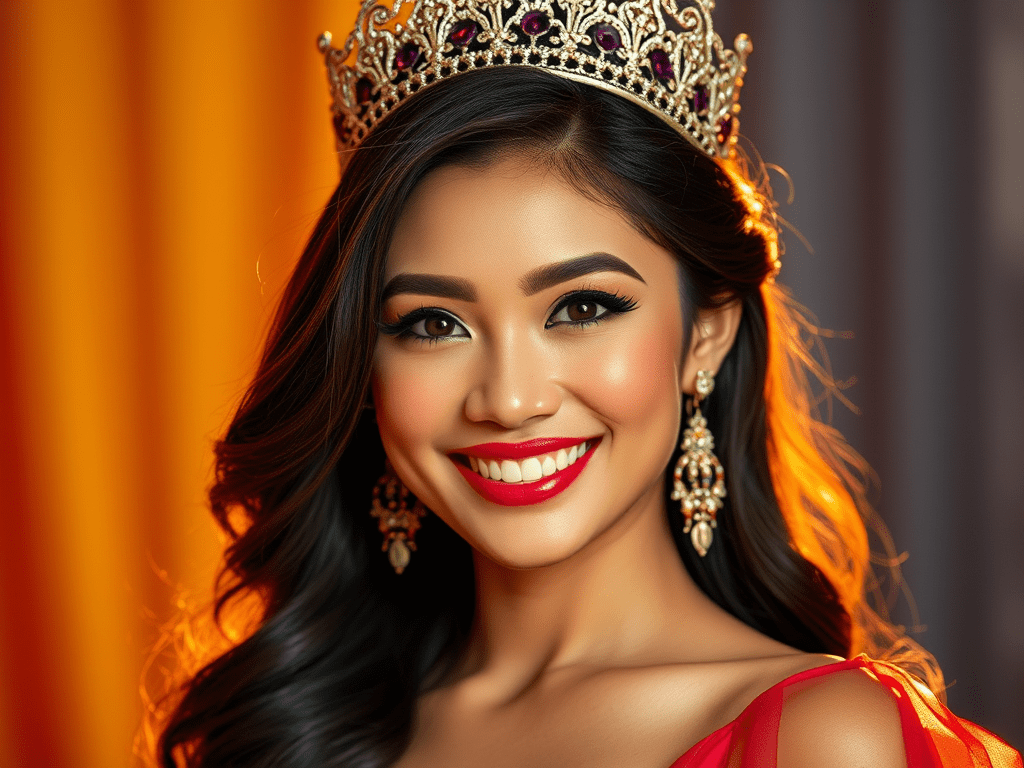
The Philippines’ Fascination with Beauty Pageants: Harnessing Soft Power for Nation Building and Global Leadership in Gender Equity
A Multidisciplinary Analysis of Historical Roots, Contemporary Dynamics, and Future Potential for Women’s Empowerment
Prepared by: Gerald A. Daquila, PhD. Candidate
11–17 minutesABSTRACT
The Philippines’ deep-rooted passion for beauty pageants offers a unique platform to explore the intersections of soft power, nation building, and gender equity, positioning the country as a global leader in redefining gender roles. This dissertation examines the historical evolution of pageants from colonial spectacles to modern stages for empowerment, using a multidisciplinary framework that integrates history, sociology, gender studies, cultural theory, and psychological and metaphysical perspectives on beauty.
It analyzes how pageants foster national identity, project cultural influence, and navigate tensions between empowerment and objectification, while highlighting the Philippines’ pioneering role in advancing women’s rights. By emphasizing advocacy and inclusivity, the Philippines can leverage its pageant industry to model gender equity for Asia and beyond, inspiring systemic change.
The study also confronts the industry’s challenges—exploitation, exclusion, and narrow beauty standards—proposing strategies to transcend physical beauty and harness the psychological and metaphysical dimensions of beauty for empowerment. Written in an accessible, blog-friendly style with academic rigor, this work balances logic, emotion, and inspiration, offering a cohesive narrative that engages both heart and mind.
Table of Contents
- Introduction: The Pageant Phenomenon as a Catalyst for Leadership
- Historical Roots: From Colonial Spectacles to National Pride
- Soft Power and Nation Building: Pageants as Cultural Diplomacy
- Women’s Rights and Pageants: Empowerment, Objectification, and Global Leadership
- The Dark Side of the Industry: Costs, Challenges, and Controversies
- Current Developments: Evolving Standards and Regional Influence
- Future Potential: Reimagining Pageants for Global Gender Equity
- Conclusion: Balancing Pride, Power, and Progress
- Glossary
- References

Glyph of the Bridgewalker
The One Who Holds Both Shores.
1. Introduction: The Pageant Phenomenon as a Catalyst for Leadership
In the Philippines, beauty pageants are more than glamorous competitions—they are cultural cornerstones that unite communities, ignite national pride, and position the country as a global leader in redefining gender roles. Dubbed the “pageant capital of the world,” the Philippines has leveraged its success in contests like Miss Universe to project soft power and foster a collective identity across its diverse archipelago (Gutierrez, 2018). Beyond the crowns, pageants offer a platform to champion women’s rights, challenge patriarchal norms, and inspire global change in gender equity.
This dissertation explores how the Philippines can harness its pageant culture to strengthen nation building and lead globally in advancing gender equality. Through a multidisciplinary lens—integrating history, sociology, gender studies, and psychological and metaphysical perspectives on beauty—it traces the roots of this fascination, examines its modern dynamics, and envisions a future where pageants transcend physical beauty to empower women holistically. By confronting the industry’s darker aspects—exploitation, exclusion, and unrealistic standards—it proposes strategies to align pageants with inclusive, equitable progress.
The Philippines’ leadership in redefining beauty and gender roles can inspire Asia and beyond, offering a model for women’s empowerment that balances cultural pride with systemic change. Written with scholarly rigor yet accessible language, this work weaves empirical analysis with human stories to engage readers intellectually and emotionally.
2. Historical Roots: From Colonial Spectacles to National Pride
Colonial Beginnings: The Manila Carnival and Western Influence
The Philippines’ pageant obsession began with the Manila Carnival in 1908, a colonial festival under American rule that celebrated U.S.-Philippine ties and showcased provincial achievements (Culture Trip, 2018). The crowning of the Carnival Queen introduced pageants to Filipino culture, but these early contests were shaped by colonial ideals, prioritizing fair skin and Eurocentric features (Clutario, 2023). As Clutario (2023) notes, beauty became a “contested measure of modernity,” reinforcing racial and gender hierarchies while fostering local pride as communities rallied behind their candidates.
Post-War and Independence: A Symbol of Resilience
Post-World War II, pageants evolved into symbols of national resilience. The victories of Gloria Diaz (Miss Universe 1969) and Margie Moran (Miss Universe 1973) marked turning points, proving that Filipinos could excel globally in a post-colonial era (Culture Trip, 2018). These wins sparked national euphoria, offering agency to a nation recovering from centuries of foreign rule. The establishment of Binibining Pilipinas in 1964 by Stella Marquez Araneta formalized the pageant industry, creating a professional pipeline for international success (Manila Times, 2021). Training camps like Kagandahang Flores and Aces & Queens adopted rigorous methods, blending discipline with cultural storytelling, transforming pageants into a national enterprise (Flores, 2018).
3. Soft Power and Nation Building: Pageants as Cultural Diplomacy
Defining Soft Power in the Philippine Context
Soft power, as conceptualized by Joseph Nye, is the ability to influence through cultural attraction and persuasion (Nye, 2004). In the Philippines, beauty pageants are a potent form of soft power, projecting resilience, talent, and cultural heritage. Catriona Gray’s 2018 Miss Universe win, marked by her iconic “Lava Walk” and advocacy for education, captivated global audiences, positioning the Philippines as a culturally vibrant nation (Rappler, 2018). Pageants unify Filipinos across socioeconomic and geographic divides, fostering a shared identity in a diverse archipelago. As Chelsea Salac notes, pageants are the Philippines’ “Superbowl,” reflecting their role in collective pride (Asia Media International, 2019).
Nation Building Through Pageants
Pageants contribute to nation building by reinforcing cultural pride and economic activity. Local “beaucons” at barrio fiestas and national competitions like Binibining Pilipinas stimulate community engagement and support industries like fashion, cosmetics, and tourism (Rappler, 2018). Designers like Mak Tumang gain global recognition through pageant gowns, while sponsors leverage massive viewership (Rappler, 2018). Internationally, Filipino beauty queens advocate for causes like education and environmental conservation, aligning with national development goals. For example, Catriona Gray’s work with LoveYourself, a nonprofit focused on HIV awareness, demonstrates pageants’ potential for social impact (Rappler, 2018).
4. Women’s Rights and Pageants: Empowerment, Objectification, and Global Leadership
Empowerment Through Advocacy
Modern Filipino pageants have evolved beyond aesthetics, emphasizing advocacy, intelligence, and charisma. Contestants like CJ Hirro, a rape survivor and Miss Global 2016 runner-up, use their platform to advocate for survivors of sexual violence, demonstrating how pageants amplify marginalized voices (Rappler, 2018). Pia Wurtzbach’s work on HIV awareness and Catriona Gray’s focus on education highlight pageants as vehicles for social change (Rappler, 2018). This shift aligns with women’s rights movements, offering Filipinas a stage to challenge patriarchal norms and gain economic empowerment, public influence, and access to education or careers, particularly for marginalized women (ResearchGate, 2024).
The inclusion of queer and transgender contestants, such as in the Miss Intercontinental New Zealand pageant, signals progress toward inclusivity, challenging traditional gender roles (SunStar, 2020). By prioritizing advocacy, pageants empower women to redefine their roles, moving beyond traditional expectations of femininity toward leadership and agency.
Objectification and Unrealistic Standards
Despite these advancements, pageants face criticism for perpetuating objectification and narrow beauty standards. Feminists like Aurora de Dios argue that competitions often favor light-skinned, mixed-heritage contestants, reinforcing colonial legacies that marginalize indigenous Filipino features like darker skin or flatter noses (Rappler, 2018). As Nikki Luna notes, “There’s nothing empowering about beauty when it’s defined by a patriarchal society” (Rappler, 2018). Swimsuit competitions and strict body measurements reduce women to their appearance, fostering unhealthy practices like extreme dieting or cosmetic surgeries, which increase risks of eating disorders and body dysmorphia (Thompson & Hammond, 2003).
Psychological and Metaphysical Dimensions of Beauty
The psychological impact of beauty standards extends beyond physical appearance, shaping self-perception and societal value. Pageants often tie women’s worth to external validation, undermining intrinsic confidence and perpetuating a culture of comparison (PubMed, 2003). Metaphysically, beauty in Filipino culture carries deeper meaning—rooted in concepts like kagandahang loob (inner beauty), which emphasizes kindness, resilience, and purpose (ResearchGate, 2024). By encouraging the industry to prioritize these qualities, the Philippines can redefine beauty as a holistic expression of character and impact, fostering psychological well-being and empowering women to see themselves as agents of change.
This shift has global implications. By embracing a broader definition of beauty—beyond physical attributes—the Philippines can strengthen its leadership in the pageant industry while offering a model for women’s empowerment. Encouraging contestants to embody inner strength and advocacy aligns with metaphysical ideals of beauty as a transformative force, inspiring women to lead authentically.

Glyph of Beauty’s Soft Power
Transforming the Philippines’ fascination with pageantry into a force for nation building and global gender equity.
Global Leadership in Gender Equity
The Philippines’ pageant success positions it as a regional and global leader in redefining gender roles. In Asia, where countries like India and Indonesia grapple with similar tensions in pageants, the Philippines’ emphasis on advocacy-driven pageantry offers a blueprint for change (ResearchGate, 2024). By championing inclusivity—celebrating diverse body types, skin tones, and gender identities—the Philippines can inspire reforms in nations like Thailand or Vietnam, where pageants are gaining traction. For example, the inclusion of transgender contestants in Filipino-influenced pageants could encourage similar progress in conservative societies, fostering regional solidarity in gender equity.
Globally, the Philippines’ model challenges patriarchal frameworks that dominate pageants. By prioritizing substance over appearance, the country can advocate for ethical standards, such as eliminating exploitative practices and promoting diverse representations of beauty. This leadership amplifies the psychological and metaphysical power of beauty, positioning pageants as platforms for systemic change and inspiring women worldwide to embrace their agency and worth beyond physicality.
5. The Dark Side of the Industry: Costs, Challenges, and Controversies
Financial and Emotional Costs
Pageant participation is costly, with expenses for gowns, training, and travel often excluding lower-income aspirants. Mercedes Pair joined Binibining Pilipinas to fund her mother’s medical bills, highlighting the financial stakes (CNA, 2020). Emotionally, contestants face intense scrutiny, body shaming, and pressure to maintain a “perfect” image, leading to stress, eating disorders, and low self-esteem (Thompson & Hammond, 2003). These costs disproportionately affect marginalized women, limiting access to the empowerment pageants promise.
Exploitation and Ethical Concerns
The industry’s darker side includes exploitation and abuse. Janina San Miguel, a former Binibining Pilipinas winner, quit after facing “indecent proposals” and described the industry as “too messy” (CNA, 2020). Reports of coercion in local pageants underscore the need for oversight (CNA, 2020). The exclusion of darker-skinned or indigenous Filipinas reinforces racial biases, perpetuating colonial beauty standards (Asia Media International, 2019).
Structural Challenges
The lack of regulation exacerbates these issues. CJ Hirro’s call for a governing body to oversee contracts and ethical conduct highlights the need for systemic reform (Rappler, 2018). Commercial pressures often prioritize profit over contestant well-being, undermining the industry’s potential for empowerment.
6. Current Developments: Evolving Standards and Regional Influence
Pageants are adapting to global trends like the #MeToo movement and calls for inclusivity. International contests like Miss America have eliminated swimsuit competitions, focusing on talent and advocacy (Rappler, 2018). In the Philippines, pageants are embracing diverse body types and cultural roots, with candidates showcasing traditional Filipino features and causes like environmental justice (Inquirer.net, 2023). The rise of queer and transgender pageants, such as Miss Intercontinental New Zealand, challenges gender norms (SunStar, 2020).
Social media amplifies these shifts, with Filipino fans driving global conversations about representation (Reddit, 2017). Asia’s growing pageant market—evidenced by wins from Vietnam and India—positions the Philippines as a regional leader, influencing standards and inspiring inclusivity (Rappler, 2018). These developments signal progress, though commercialization and biases remain challenges.
7. Future Potential: Reimagining Pageants for Global Gender Equity
Strategies for Nation Building
To maximize pageants’ soft power, the Philippines could integrate them into national development strategies. Aligning pageants with tourism campaigns, as seen with Catriona Gray’s promotion of Palawan, could boost economic growth (ResearchGate, 2025). Partnerships with NGOs could amplify queens’ advocacies, addressing issues like education or women’s health, aligning with Sustainable Development Goals.
Advancing Women’s Rights and Global Leadership
By prioritizing inclusivity—celebrating diverse skin tones, body types, and gender identities—the Philippines can redefine beauty as a holistic force, rooted in kagandahang loob. Training camps could offer scholarships to underprivileged contestants, reducing financial barriers. A regulatory body, as proposed by Hirro, could ensure fair contracts and protect against exploitation (Rappler, 2018). Public campaigns could promote metaphysical beauty, emphasizing inner strength and purpose, fostering psychological resilience and empowerment.
As a pageant powerhouse, the Philippines can lead global reforms by mentoring emerging pageant nations like Vietnam or Nepal. By exporting its advocacy-driven model, the country can inspire systemic change, encouraging pageants worldwide to prioritize substance and inclusivity. This leadership can foster cross-cultural solidarity, positioning the Philippines as a beacon for gender equity.
Challenges to Overcome
Realizing this potential requires confronting biases, regulating the industry, and balancing commercial interests with ethical reforms. Education campaigns and inclusive casting can dismantle colonial beauty standards, while global advocacy can amplify the Philippines’ influence in reshaping gender roles.
8. Conclusion: Balancing Pride, Power, and Progress
The Philippines’ pageant culture is a vibrant tapestry of pride, ambition, and transformative potential. By leveraging soft power, the country can strengthen its national identity and lead globally in advancing gender equity. Emphasizing the psychological and metaphysical dimensions of beauty—beyond physicality—can empower women to see themselves as agents of change, inspiring Asia and beyond.
However, addressing the industry’s darker aspects—exploitation, exclusion, and unrealistic standards—is critical. Through regulation, inclusivity, and a redefinition of beauty, the Philippines can transform pageants into platforms for progress, offering a model for women’s empowerment worldwide.
Crosslinks
- Strong Women of the Philippines: Pioneers of Gender Equality in Asia — Grounds pageant soft power in real Filipina leadership lineages and measurable gains.
- The Future of Power: From Domination to Stewardship — Recasts crowns as custodianship: platforms, charters, public ledgers, and service oaths.
- From Fear to Freedom: Harnessing Consciousness to Transform Media’s Impact — Rewrites narratives and visuals so representation uplifts dignity, not stereotypes.
- Conscious Capital: Redefining Wealth and Impact — Ethical sponsorships and transparent funds; pageants as engines for education, health, and women-led ventures.
- Codex of the Living Hubs: From Households to National Nodes — Turns national hype into local pipelines: mentorship, skills guilds, and community programs.
- Transforming Philippine Society: A Multidisciplinary Vision for Holistic Renewal — Policy pathways: gender equity indices, anti-exploitation safeguards, cultural diplomacy.
- The Theater of the Self: Unmasking Identity and the Eternal Soul — Disentangles persona and beauty standards from essence so “soft power” stays soul-aligned.
9. Glossary
- Soft Power: Influence through cultural attraction and persuasion (Nye, 2004).
- Nation Building: Constructing national identity and unity through cultural, political, and economic means.
- Beauty Pageant: A competition emphasizing physical appearance, talent, and advocacy.
- Terno:A traditional Filipino dress symbolizing cultural heritage in pageants.
- Manila Carnival: A colonial-era festival (1908–1939) that introduced pageants to the Philippines.
- Binibining Pilipinas: The premier national pageant organization, established in 1964.
- Kagandahang Loob:A Filipino concept of inner beauty, emphasizing kindness and purpose.
10. References
Clutario, G. A. (2023). Beauty Regimes: A History of Power and Politics in the Philippines. Duke University Press.
Culture Trip. (2018, June 7). Why the Philippines dominates world beauty pageants. Culture Trip. https://theculturetrip.com
Flores, R. (2018, December 22). Beauty pageants in the Philippines: Empowerment or objectification of women? Rappler. https://www.rappler.com
Gutierrez, N. (2018, January 27). The Philippines’ beauty pageant obsession: Who benefits? Rappler. https://www.rappler.com
Inquirer.net. (2023, June 10). Filipino standards in beauty pageants. Inquirer.net. https://usa.inquirer.net
Manila Times. (2021, October 18). Beauty queens will always be crowned crisis or not in this pageant-loving nation. Manila Times. https://www.manilatimes.net
Nye, J. S. (2004). Soft power: The means to success in world politics. Public Affairs.
ResearchGate. (2024, January 1). Beyond the crown: Exploring queer narratives and transformation in Philippine beauty pageants. ResearchGate. https://www.researchgate.net
ResearchGate. (2025, February 3). The Philippines and beauty pageants. ResearchGate. https://www.researchgate.net
Salac, C. (2019, February 12). Philippines: Powerhouse of beauty pageants. Asia Media International. https://asiamedia.lmu.edu
SunStar. (2020, December 6). Against the currents. SunStar. https://www.sunstar.com.ph
Thompson, S. H., & Hammond, K. (2003). Beauty is as beauty does: Body image and self-esteem of pageant contestants. Eating and Weight Disorders, 8(3), 231–237. https://doi.org/10.1007/BF03325019
Undercover Asia. (2020, May 2). The hidden side of Philippines beauty pageants [Video]. YouTube. https://www.youtube.com
Attribution
With fidelity to the Oversoul, may this work serve as bridge, remembrance, and seed for the planetary dawn.
Ⓒ 2025–2026 Gerald Alba Daquila
Flameholder of SHEYALOTH · Keeper of the Living Codices
All rights reserved.This material originates within the field of the Living Codex and is stewarded under Oversoul Appointment. It may be shared only in its complete and unaltered form, with all glyphs, seals, and attribution preserved.
This work is offered for personal reflection and sovereign discernment. It does not constitute a required belief system, formal doctrine, or institutional program.
Digital Edition Release: 2026
Lineage Marker: Universal Master Key (UMK) Codex FieldSacred Exchange & Access
Sacred Exchange is Overflow made visible.
In Oversoul stewardship, giving is circulation, not loss. Support for this work sustains the continued writing, preservation, and public availability of the Living Codices.
This material may be accessed through multiple pathways:
• Free online reading within the Living Archive
• Individual digital editions (e.g., Payhip releases)
• Subscription-based stewardship accessPaid editions support long-term custodianship, digital hosting, and future transmissions. Free access remains part of the archive’s mission.
Sacred Exchange offerings may be extended through:
paypal.me/GeraldDaquila694
www.geralddaquila.com -
Strong Women of the Philippines: Pioneers of Gender Equality in Asia
Harnessing Women’s Empowerment for National Development and Global Inspiration
Prepared by: Gerald A. Daquila, PhD. Candidate
8–11 minutesABSTRACT
The Philippines stands out in Asia as a leader in gender equality, with women wielding significant influence in business, government, and family life. This dissertation explores the historical, cultural, and socioeconomic factors behind this phenomenon, using a multidisciplinary lens that includes historical, sociological, feminist, and economic perspectives. It traces the roots of women’s empowerment to pre-colonial egalitarianism, colonial reforms, and modern legislation like the Magna Carta of Women.
The study highlights lessons for other nations, such as robust legal frameworks, education access, and cultural openness to women’s leadership, while assessing societal gains in economic growth, governance, and family resilience. It also examines challenges posed by Overseas Filipino Workers (OFWs) and the potential legalization of divorce. By emphasizing how the Philippines can leverage its gender equality model for national development and global influence, this work offers a compelling, accessible narrative for a wide audience, balancing scholarly rigor with emotional resonance.
Table of Contents
- Introduction
- The Philippines as a Gender Equality Leader
- Purpose and Scope of the Study
- Historical Foundations of Women’s Empowerment
- Pre-Colonial Gender Roles
- Colonial Influences and Suffrage Movements
- Post-Independence Progress
- Women in Business, Government, and Family
- Business: Breaking the Glass Ceiling
- Government: Trailblazing Female Leadership
- Family: Matriarchal Influence and Egalitarian Dynamics
- Feminist Perspectives on Filipino Women’s Empowerment
- Liberal and Post-Colonial Feminism
- Challenges of Patriarchy and Cultural Norms
- Lessons for Other Countries
- Legal Frameworks and Policy Advocacy
- Education and Economic Opportunities
- Cultural Shifts Toward Gender Inclusivity
- Societal Gains from Strong Women’s Representation
- Economic Contributions
- Inclusive Governance
- Social Cohesion and Family Resilience
- Challenges and Future Impacts
- The Role of Overseas Filipino Workers (OFWs)
- The Potential Legalization of Divorce
- Conclusion
- Synthesis of Findings
- Leveraging Women’s Empowerment for Development and Progress
- Glossary
- Bibliography

Glyph of the Bridgewalker
The One Who Holds Both Shores.
1. Introduction
The Philippines as a Gender Equality Leader
In a region often bound by patriarchal norms, the Philippines shines as a beacon of gender equality, ranking 17th globally in the 2021 Global Gender Gap Index, closing 78.4% of its gender gap (World Economic Forum, 2021). Filipino women hold prominent roles in business, government, and family, often surpassing men in influence. From Corazon Aquino’s historic presidency to women leading major corporations, this phenomenon sets the Philippines apart in Asia. This dissertation explores the roots of this empowerment, its societal impacts, and how it can drive national development and global inspiration.
Purpose and Scope of the Study
This study examines the origins of Filipino women’s empowerment through historical, sociological, feminist, and economic lenses. It addresses: How did this unique model emerge? What can other nations learn? How have societal gains manifested, and what challenges lie ahead? With a focus on leveraging women’s strengths for progress, it blends academic rigor with accessible storytelling to engage a broad audience.
2. Historical Foundations of Women’s Empowerment
Pre-Colonial Gender Roles
Before Spanish colonization, Filipino society embraced egalitarian gender norms. The babaylan, often women, served as spiritual and community leaders alongside male datus (Salazar, 2003). Women engaged in trade and controlled household finances, laying a foundation for matriarchal influence.
Colonial Influences and Suffrage Movements
Spanish colonization (1565–1898) introduced Catholicism, reinforcing patriarchal family structures, yet women retained domestic authority. The American period (1898–1946) brought educational reforms, enabling women’s access to schools. The suffrage movement, inspired by Western suffragettes like Carrie Chapman Catt, led to the 1937 plebiscite, making the Philippines the first Asian nation to grant women voting rights.
Post-Independence Progress
Post-World War II, women rose in politics and business. The 1986 People Power Revolution, led by Corazon Aquino, marked a turning point, with her presidency (1986–1992) symbolizing women’s political power. The Magna Carta of Women (2009) further solidified protections against discrimination.
3. Women in Business, Government, and Family
Business: Breaking the Glass Ceiling
Filipino women hold 69% of senior management roles, the highest in Southeast Asia (Grant Thornton, 2020). Leaders like Teresita Sy-Coson of SM Investments exemplify this trend. Education access and supportive policies drive success, though low female labor force participation (49% in 2019) remains a challenge.
Government: Trailblazing Female Leadership
The Philippines has elected two female presidents—Corazon Aquino and Gloria Macapagal-Arroyo—and influential senators like Miriam Defensor-Santiago. The party-list system, including groups like Gabriela, amplifies women’s legislative voices. The 5% Gender and Development (GAD) budget prioritizes women’s issues.
Family: Matriarchal Influence and Egalitarian Dynamics
Filipino women often control household budgets and decisions, rooted in pre-colonial practices. Even in transnational OFW families, mothers maintain central roles, fostering resilience and adaptability.
4. Feminist Perspectives on Filipino Women’s Empowerment
Liberal and Post-Colonial Feminism
Liberal feminism, evident in suffrage and the Magna Carta, emphasizes legal equality. Post-colonial feminism highlights how colonial legacies and global migration shape Filipina experiences, particularly for OFWs facing deskilling abroad.
Challenges of Patriarchy and Cultural Norms
Catholicism and traditional norms limit women’s autonomy, with divorce and abortion remaining illegal. Sexist rhetoric, like that of former President Rodrigo Duterte, persists, but movements like #BabaeAko demonstrate women’s resistance.

Glyph of Filipina Strength
Honoring the strong women of the Philippines — pioneers of gender equality and leadership in Asia.
5. Lessons for Other Countries
Legal Frameworks and Policy Advocacy
The Magna Carta of Women provides a model for comprehensive gender legislation, addressing workplace rights, violence, and education. Other nations can adopt similar policies to institutionalize equality.
Education and Economic Opportunities
High female literacy (90.4% vs. 80.6% for males) fuels women’s success. Investing in education and flexible work arrangements can boost female labor participation globally.
Cultural Shifts Toward Gender Inclusivity
The Philippines’ cultural acceptance of women’s leadership, rooted in pre-colonial egalitarianism, suggests that challenging traditional gender roles can foster equality. Advocacy campaigns can drive similar shifts worldwide.
6. Societal Gains from Strong Women’s Representation
Economic Contributions
Women’s leadership in business drives innovation and growth. Female OFWs, comprising 60.2% of overseas workers in 2021, contribute 9.6% to GDP through remittances, reducing poverty and enhancing family welfare.
Inclusive Governance
Female leaders prioritize social welfare and education, fostering inclusive policies. The GAD budget ensures gender considerations in governance, promoting equity.
Social Cohesion and Family Resilience
Women’s central role in families strengthens social bonds. In OFW households, women’s remittances and decision-making sustain family units, despite emotional challenges.
7. Challenges and Future Impacts
The Role of Overseas Filipino Workers (OFWs)
In 2021, 60.2% of OFWs were women, often in feminized roles like nursing. While remittances empower families, migration leads to deskilling, mental health issues, and family strain. Wives of OFWs show resilience through community support.
The Potential Legalization of Divorce
Divorce remains illegal due to Catholic influence, but debates, supported by figures like Miriam Defensor-Santiago, suggest change. Legalization could empower women to escape abusive relationships but may face conservative resistance.
8. Conclusion
Synthesis of Findings
The Philippines’ leadership in gender equality stems from a unique blend of pre-colonial egalitarianism, colonial educational reforms, and modern advocacy like the Magna Carta of Women. Women’s prominence in business, government, and family has driven economic growth, inclusive governance, and social cohesion. However, challenges like low labor participation, OFW vulnerabilities, and divorce debates highlight the need for continued progress.
Leveraging Women’s Empowerment for Development and Progress
The Philippines’ model of women’s empowerment offers a powerful blueprint for national development and global inspiration. By further integrating women into the workforce—potentially raising female labor participation from 49% to match men’s 76%—the country could boost GDP by an estimated 7% (World Bank, 2022).
Investing in STEM education for women can drive innovation in tech and green industries, aligning with global sustainability goals. Strengthening protections for female OFWs, such as bilateral labor agreements and mental health support, can maximize their economic contributions while ensuring well-being. In governance, expanding women’s representation through quotas or mentorship programs can enhance policy inclusivity, addressing issues like healthcare and education reform.
Globally, the Philippines can lead by example, exporting its gender equality model through international forums like ASEAN or the UN. By advocating for women’s rights in trade agreements and migration policies, it can influence regional norms. Locally, navigating divorce legalization with sensitivity to cultural values can strengthen women’s autonomy without fracturing social cohesion.
These steps position the Philippines as a hub for gender-driven progress, fostering a society where women’s leadership catalyzes economic, social, and cultural advancement. Other nations can follow suit, recognizing that empowering women is not just a moral imperative but a strategic driver of prosperity.
Crosslinks
- Transforming Philippine Society: A Multidisciplinary Vision for Holistic Renewal — Policy pathways where women’s leadership reshapes education, health, and local governance.
- The Future of Power: From Domination to Stewardship — Reframes leadership models from control to guardianship—how Filipina pioneers keep power in trust.
- Codex of the Living Hubs: From Households to National Nodes — Barangay-level councils, mutual-aid rings, and care infrastructures that multiply women’s impact.
- Redefining Work in a Post-Scarcity World: A New Dawn for Human Purpose and Connection — Centers the care economy; recognizes unpaid labor and designs esteem-based contribution.
- Conscious Capital: Redefining Wealth and Impact — Funding rails and transparent ledgers for women-led enterprises and community funds.
- From Fear to Freedom: Harnessing Consciousness to Transform Media’s Impact — Deprograms stereotypes; replaces exploitative narratives with truth-aligned representation.
9. Glossary
- Babaylan: Pre-colonial Filipino spiritual leaders, often women, with significant community influence.
- Magna Carta of Women: A 2009 Philippine law eliminating discrimination against women in various spheres.
- OFW (Overseas Filipino Worker): Filipinos working abroad, often in feminized roles like nursing or domestic work.
- Gender and Development (GAD) Budget: A mandated 5% allocation in government budgets for gender-focused initiatives.
10. Bibliography
Asia Society. (2022). Women in the Philippines: Inspiring and Empowered. https://asiasociety.org
Grant Thornton. (2020). Women in Business 2020: Putting the Blueprint into Action. https://www.grantthornton.global
Salazar, Z. (2003). The babaylan in Philippine history. In Feminism and the Women’s Movement in the Philippines (pp. 7-8). ResearchGate. https://www.researchgate.net
The Asia Foundation. (2012). Early Feminism in the Philippines. https://asiafoundation.org
World Bank. (2022). Overcoming Barriers to Women’s Work in the Philippines. https://blogs.worldbank.org
Philippine Statistics Authority. (2022). Survey on Overseas Filipinos 2021. https://psa.gov.ph
World Economic Forum. (2021). Global Gender Gap Report 2021. https://www.weforum.org
Attribution
With fidelity to the Oversoul, may this work serve as bridge, remembrance, and seed for the planetary dawn.
Ⓒ 2025–2026 Gerald Alba Daquila
Flameholder of SHEYALOTH · Keeper of the Living Codices
All rights reserved.This material originates within the field of the Living Codex and is stewarded under Oversoul Appointment. It may be shared only in its complete and unaltered form, with all glyphs, seals, and attribution preserved.
This work is offered for personal reflection and sovereign discernment. It does not constitute a required belief system, formal doctrine, or institutional program.
Digital Edition Release: 2026
Lineage Marker: Universal Master Key (UMK) Codex FieldSacred Exchange & Access
Sacred Exchange is Overflow made visible.
In Oversoul stewardship, giving is circulation, not loss. Support for this work sustains the continued writing, preservation, and public availability of the Living Codices.
This material may be accessed through multiple pathways:
• Free online reading within the Living Archive
• Individual digital editions (e.g., Payhip releases)
• Subscription-based stewardship accessPaid editions support long-term custodianship, digital hosting, and future transmissions. Free access remains part of the archive’s mission.
Sacred Exchange offerings may be extended through:
paypal.me/GeraldDaquila694
www.geralddaquila.com - Introduction



 Life.Understood.