Life.Understood.

Tag: Philippines

  • Matriarchy in the Shadows: Unraveling Gender Dynamics in the Philippines

    Matriarchy in the Shadows: Unraveling Gender Dynamics in the Philippines

    Balancing Resilience, Creativity, and Compassion in a Patriarchal Catholic Society with a Matriarchal Underbelly

    Prepared by: Gerald A. Daquila, PhD. Candidate


    9–13 minutes

    ABSTRACT

    The Philippines presents a fascinating paradox: a society often perceived as patriarchal due to its Catholic colonial legacy, yet deeply rooted in matriarchal traditions that predate Spanish influence. This dissertation explores how matriarchal structures thrive within a patriarchal framework, emphasizing their resilience, creativity, and contributions to a compassionate justice system. Through a multidisciplinary lens—encompassing pre-colonial history, anthropology, sociology, and gender studies—it examines how Filipino women wield informal power in families, communities, and institutions, despite systemic gender hierarchies.

    The study addresses strategies to overcome the weaknesses of matriarchal strengths, such as over-reliance on informal influence, and proposes ways to leverage gender equality to advance societal progress amidst a “macho” culture akin to Latin-American contexts. It also offers insights for Western men navigating this duality, highlighting cultural adaptation strategies. By blending academic rigor with accessible language, this work aims to engage a broad audience, weaving empirical evidence with emotional resonance to illuminate the enduring power of Filipino matriarchy.


    Table of Contents

    1. Introduction
    2. Pre-Colonial Roots: The Matriarchal Foundations of Philippine Society
    3. The Patriarchal Overlay: Spanish Colonialism and Catholic Influence
    4. Matriarchy in Action: Resilience, Creativity, and Compassion
    5. Overcoming Weaknesses: Balancing Informal and Formal Power
    6. Leveraging Gender Equality in a Macho Culture
    7. Western Adaptation: Navigating the Patriarchal-Matriarchal Duality
    8. Conclusion
    9. Glossary
    10. Bibliography

    Glyph of Hidden Matriarchy

    Unveiling the quiet power of the feminine, restoring balance within the shadows of societal dynamics.


    Introduction

    The Philippines is a land of contrasts, where jeepneys rumble alongside skyscrapers, and Catholic cathedrals coexist with indigenous rituals. Beneath its patriarchal facade—shaped by centuries of Spanish colonial rule and Catholic dogma—lies a vibrant matriarchal underbelly. Filipino women, from pre-colonial babaylans (spiritual leaders) to modern-day matrons, have long held sway over families, businesses, and communities.

    This dissertation dives into how matriarchy thrives in a patriarchal society, drawing lessons from its resilience, creativity, and compassionate justice system. It explores how to strengthen these qualities, overcome their limitations, and harness gender equality to advance society in a cultural context that shares the “macho” ethos of Latin-American nations.

    For Western men—particularly those from the United States, Canada, England, or Australia—adapting to this duality requires cultural fluency and humility. Using a multidisciplinary lens, this study weaves history, anthropology, sociology, and gender studies to tell a story that balances logic, emotion, and heart.


    Pre-Colonial Roots: The Matriarchal Foundations of Philippine Society

    Before Spanish galleons arrived in the 16th century, the Philippines was a tapestry of barangays (small communities) with egalitarian gender norms. Women held significant roles as babaylans, spiritual and political leaders who served as healers, mediators, and ritualists. The legend of Malakas and Maganda (the legend of strong and beautifu), where man and woman emerge simultaneously from a bamboo stalk, symbolizes this pre-colonial equality (Inquirer, 2021). Women could inherit property, engage in trade, and even lead as chieftains in the absence of male heirs. The Visayan lawgiver Lubluban, for instance, crafted legal codes, showcasing women’s intellectual authority (Inquirer, 2021).

    These matriarchal elements were not about female dominance but about balance. Men and women shared power, with roles like the babaylan complementing the datu (male chieftain). This equilibrium fostered resilience, as communities relied on women’s wisdom and mediation skills to resolve conflicts. Creativity flourished through rituals and oral traditions led by women, while their roles as healers laid the groundwork for a compassionate justice system rooted in community well-being rather than punishment.

    Key Insight: Pre-colonial Philippine society was matrilineal and egalitarian, with women wielding formal and informal power, setting a precedent for modern matriarchal resilience.


    The Patriarchal Overlay: Spanish Colonialism and Catholic Influence

    The arrival of Spanish colonizers in 1521 disrupted this balance. Catholicism introduced a patriarchal framework, relegating women to domestic roles and idealizing the “Maria Clara” archetype—meek, virtuous, and submissive (Inquirer, 2021). Babaylans were demonized as witches, and women’s public roles were curtailed. The Church’s emphasis on virginity and motherhood confined women to the private sphere, reinforcing gender hierarchies that persist today (Rappler, 2016).

    Yet, Filipino women adapted. While formal power was stripped, they cultivated informal influence within families and communities. Mothers became the “ilaw ng tahanan” (light of the home), managing budgets and making key decisions (SBS, 2021). This matriarchal underbelly thrived in the shadows of patriarchy, preserving pre-colonial values of resilience and compassion. Women like Gabriela Silang, who led a revolt against Spanish rule in 1763, embodied this defiance, blending matriarchal strength with revolutionary zeal (SBS, 2021).

    Key Insight: Spanish colonialism imposed patriarchy, but Filipino women maintained matriarchal influence through informal networks, adapting pre-colonial strengths to a new reality.


    Matriarchy in Action: Resilience, Creativity, and Compassion

    Today, Filipino matriarchy manifests in three key ways:

    1. Resilience: Women are the backbone of Filipino families, often managing finances and supporting households through remittances as overseas workers. The World Economic Forum ranks the Philippines 8th globally for gender equality, reflecting women’s economic participation (The Hindu, 2019). Their ability to endure hardship—whether as street vendors or corporate leaders—echoes the perseverance of pre-colonial babaylans.
    2. Creativity: From the glossy magazines of Lisa Yu Gokongwei to the cinematic innovations of Mother Lily Monteverde, Filipino women drive cultural and economic creativity (Philstar, 2002). Their storytelling, rooted in oral traditions, fosters social cohesion and innovation.
    3. Compassionate Justice: Women’s roles as mediators in families and communities promote restorative justice over punitive measures. This aligns with pre-colonial practices where babaylans resolved disputes through dialogue, a legacy seen in modern barangay-level mediation (SBS, 2021).

    These strengths shine in figures like Corazon Aquino, the first female president, who restored democracy with a blend of compassion and resolve, and Leni Robredo, whose community-focused leadership challenged patriarchal norms (CNN Philippines, 2023).

    Key Insight: Filipino matriarchy thrives through resilience, creativity, and compassion, sustaining informal power structures that counterbalance patriarchal constraints.


    Overcoming Weaknesses: Balancing Informal and Formal Power

    While matriarchal strengths are profound, they have limitations. Women’s influence is often informal, confined to the private sphere, which can obscure systemic inequalities (ScienceDirect, n.d.). This reliance on “soft power” risks perpetuating stereotypes of women as nurturers rather than leaders in formal institutions. Additionally, the Catholic Church’s grip on reproductive rights limits women’s autonomy, reinforcing patriarchal control (Rappler, 2016).

    To overcome these weaknesses:

    1. Formalize Power: Advocate for more women in political and corporate leadership. The Philippines already has a strong foundation, ranking 13th globally for women in parliamentary roles (SBS, 2021). Policies like gender quotas could amplify this.
    2. Challenge Cultural Norms: Address the “Maria Clara” stereotype through education and media. Campaigns showcasing diverse female role models—like Gabriela Silang or modern leaders—can reshape perceptions.
    3. Strengthen Legal Protections: Push for reproductive rights and anti-discrimination laws to counter Church influence. The Reproductive Health Law, despite resistance, is a step forward (Rappler, 2016).

    Key Insight: Strengthening matriarchal influence requires bridging informal and formal power, challenging cultural stereotypes, and securing legal protections.


    Glyph of the Divine Feminine

    The hidden current of nurturing power, rising from shadow into balance.


    Leveraging Gender Equality in a Macho Culture

    The Philippines shares a “macho” culture with Latin-American countries, characterized by male bravado and traditional gender roles. Yet, its matriarchal underbelly offers a blueprint for advancing gender equality:

    1. Economic Empowerment: Women’s economic contributions, from remittances to entrepreneurship, drive growth. Programs supporting female-led businesses can amplify this impact, as seen in Latin-American initiatives like Mexico’s microfinance programs.
    2. Cultural Reframing: Media and education can highlight women’s leadership, countering macho stereotypes. The success of films like Dirty Linen, with its powerful matriarch, shows the potential for cultural shifts (CNN Philippines, 2023).
    3. Policy Innovation: The Philippines’ high gender equality ranking (8th globally) can inspire Latin-American nations. Policies banning discriminatory practices, like the Philippine ban on high-heel mandates for women, set a precedent (The Hindu, 2019).

    By leveraging these strategies, the Philippines can model how matriarchal values—resilience, creativity, compassion—can reshape macho cultures into equitable societies.

    Key Insight: The Philippines can lead by example, using its matriarchal strengths to foster gender equality and inspire cultural transformation in macho contexts.


    Western Adaptation: Navigating the Patriarchal-Matriarchal Duality

    For Western men (American, Canadian, English, Australian) entering Philippine society, the patriarchal facade—rooted in Catholicism—may seem familiar. However, the matriarchal underbelly can be disorienting. Here’s how to adapt:

    1. Respect Informal Power: Recognize that women often hold decision-making power in families and communities. Engage with matriarchs respectfully, as their influence is culturally significant (Reddit, 2024).
    2. Embrace Humility: The Catholic emphasis on male authority may suggest dominance, but Filipino women often wield subtle power. Western men should avoid assumptions of superiority and learn from local dynamics (Philstar, 2002).
    3. Learn Cultural Nuances: Understand pre-colonial values of equality and the impact of colonialism. Engaging with Filipino history—through museums or community elders—builds empathy and context (Inquirer, 2021).
    4. Challenge Stereotypes: Westerners may encounter the “submissive” Filipina stereotype. Recognize that this is a colonial construct, not reality. Filipino women are often assertive within their networks (SBS, 2021).

    Key Insight: Western men can adapt by respecting matriarchal influence, embracing humility, and learning the historical and cultural context of Philippine gender dynamics.


    Conclusion

    The Philippines is a living paradox, where matriarchy thrives beneath a patriarchal veneer. Its pre-colonial roots reveal a society where women and men shared power, a legacy that persists in modern resilience, creativity, and compassion. By formalizing women’s influence, challenging cultural norms, and leveraging gender equality, the Philippines can advance amidst its macho culture, offering lessons for Latin-American societies. Western men can navigate this duality with humility and cultural fluency, enriching their understanding of a society where women are both the light and the backbone. This dissertation celebrates the Filipino matriarch, whose quiet strength illuminates a path toward a more equitable future.


    Suggested Crosslinks


    Glossary

    • Babaylan: Pre-colonial Filipino spiritual leaders, often women, who served as healers, mediators, and ritualists.
    • Barangay: A pre-colonial Filipino community or village, also used today to refer to the smallest administrative unit.
    • Ilaw ng Tahanan: Filipino term meaning “light of the home,” symbolizing women’s central role in families.
    • Maria Clara: A colonial archetype of the ideal Filipina—meek, virtuous, and submissive—based on a character from Noli Me Tangere.
    • Matriarchy: A social system where women hold significant power, often in balance with men, distinct from matrilineality (tracing descent through the maternal line).
    • Patriarchy: A social system where men hold primary power, often reinforced by institutional structures like the Church.

    Bibliography

    Inquirer. (2021, May 8). HERstory: The evolution of motherhood & women’s roles in the Philippines. Pop Inquirer. https://pop.inquirer.net%5B%5D(https://pop.inquirer.net/109525/herstory-the-evolution-of-motherhood-womens-roles-in-the-philippines)

    Philstar. (2002, September 29). Is the Philippines a matriarchal society pretending to be a macho nation? Philstar.com. https://www.philstar.com%5B%5D(https://www.philstar.com/lifestyle/sunday-life/2002/09/29/177872/philippines-matriarchal-society-pretending-be-macho-nation)

    Rappler. (2016, March 22). Patriarchy, Manny Pacquiao and Madonna. Rappler.com. https://www.rappler.com%5B%5D(https://www.rappler.com/voices/imho/126707-patriarchy-manny-pacquiao-madonna/)

    Reddit. (2024, February 5). Philippines: Male Dominated or Female Dominated? r/Philippines_Expats. https://www.reddit.com%5B%5D(https://www.reddit.com/r/Philippines_Expats/comments/1aj7mm8/philippines_male_dominated_or_female_dominated/)

    SBS. (2021, November 29). What growing up in a Filipino matriarchy taught me about feminism. SBS Life. https://www.sbs.com.au%5B%5D(https://www.sbs.com.au/topics/voices/culture/article/2019/04/17/what-growing-filipino-matriarchy-taught-me-about-feminism)

    The Hindu. (2019, February 23). Philippines leads Asia in gender equality. The Hindu. https://www.thehindu.com%5B%5D(https://www.thehindu.com/news/international/philippines-leads-asia-in-gender-equality/article26351544.ece)

    CNN Philippines. (2023, April 19). The pop culture renaissance of the Filipino matriarch. CNNPhilippines.com. https://www.cnnphilippines.com%5B%5D(http://www.cnnphilippines.com/life/culture/2023/4/19/filipino-matriarchs.html)

    ScienceDirect. (n.d.). The social construction of the Filipino woman. ScienceDirect. https://www.sciencedirect.com%5B%5D(https://www.sciencedirect.com/science/article/abs/pii/0147176789900278)


    Attribution

    With fidelity to the Oversoul, may this Codex of the Living Archive serve as bridge, remembrance, and seed for the planetary dawn.

    Ⓒ 2025 Gerald Alba Daquila – Flameholder of SHEYALOTH | Keeper of the Living Codices
    Issued under Oversoul Appointment, governed by Akashic Law. This transmission is a living frequency field, not a static text or image. It may only be shared intact, unaltered, and with attribution. So it is sealed in light under the Oversoul of SHEYALOTH.

    Watermark: Universal Master Key glyph (final codex version, crystalline glow, transparent background).

    Sacred Exchange: This Codex is a living vessel of remembrance. Sacred exchange is not transaction but covenant—an act of gratitude that affirms the Codex’s vibration and multiplies its reach. Every offering plants a seed-node in the planetary lattice, expanding the field of GESARA not through contract, but through covenantal remembrance.

    By giving, you circulate Light; by receiving, you anchor continuity. In this way, exchange becomes service, and service becomes remembrance. Sacred Exchange offerings may be extended through:

    paypal.me/GeraldDaquila694

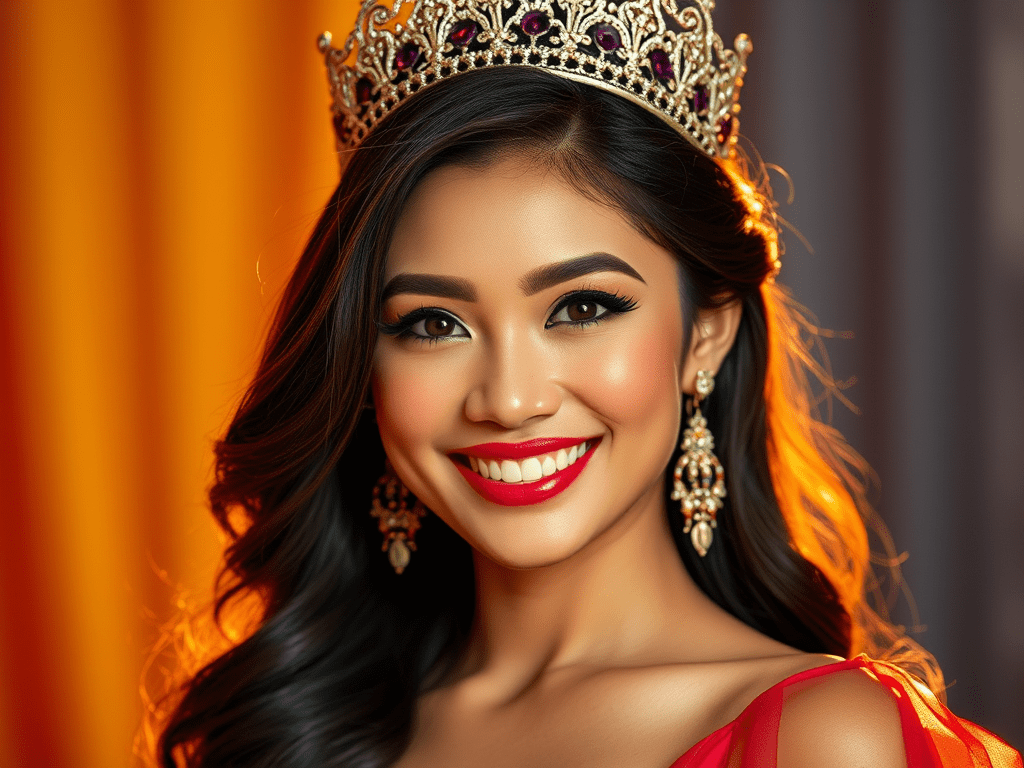
  • The Philippines’ Fascination with Beauty Pageants: Harnessing Soft Power for Nation Building and Global Leadership in Gender Equity

    The Philippines’ Fascination with Beauty Pageants: Harnessing Soft Power for Nation Building and Global Leadership in Gender Equity

    A Multidisciplinary Analysis of Historical Roots, Contemporary Dynamics, and Future Potential for Women’s Empowerment

    Prepared by: Gerald A. Daquila, PhD. Candidate


    11–17 minutes

    ABSTRACT

    The Philippines’ deep-rooted passion for beauty pageants offers a unique platform to explore the intersections of soft power, nation building, and gender equity, positioning the country as a global leader in redefining gender roles. This dissertation examines the historical evolution of pageants from colonial spectacles to modern stages for empowerment, using a multidisciplinary framework that integrates history, sociology, gender studies, cultural theory, and psychological and metaphysical perspectives on beauty.

    It analyzes how pageants foster national identity, project cultural influence, and navigate tensions between empowerment and objectification, while highlighting the Philippines’ pioneering role in advancing women’s rights. By emphasizing advocacy and inclusivity, the Philippines can leverage its pageant industry to model gender equity for Asia and beyond, inspiring systemic change.

    The study also confronts the industry’s challenges—exploitation, exclusion, and narrow beauty standards—proposing strategies to transcend physical beauty and harness the psychological and metaphysical dimensions of beauty for empowerment. Written in an accessible, blog-friendly style with academic rigor, this work balances logic, emotion, and inspiration, offering a cohesive narrative that engages both heart and mind.


    Table of Contents

    1. Introduction: The Pageant Phenomenon as a Catalyst for Leadership
    2. Historical Roots: From Colonial Spectacles to National Pride
    3. Soft Power and Nation Building: Pageants as Cultural Diplomacy
    4. Women’s Rights and Pageants: Empowerment, Objectification, and Global Leadership
    5. The Dark Side of the Industry: Costs, Challenges, and Controversies
    6. Current Developments: Evolving Standards and Regional Influence
    7. Future Potential: Reimagining Pageants for Global Gender Equity
    8. Conclusion: Balancing Pride, Power, and Progress
    9. Glossary
    10. References

    Glyph of the Bridgewalker

    The One Who Holds Both Shores.


    1. Introduction: The Pageant Phenomenon as a Catalyst for Leadership

    In the Philippines, beauty pageants are more than glamorous competitions—they are cultural cornerstones that unite communities, ignite national pride, and position the country as a global leader in redefining gender roles. Dubbed the “pageant capital of the world,” the Philippines has leveraged its success in contests like Miss Universe to project soft power and foster a collective identity across its diverse archipelago (Gutierrez, 2018). Beyond the crowns, pageants offer a platform to champion women’s rights, challenge patriarchal norms, and inspire global change in gender equity.

    This dissertation explores how the Philippines can harness its pageant culture to strengthen nation building and lead globally in advancing gender equality. Through a multidisciplinary lens—integrating history, sociology, gender studies, and psychological and metaphysical perspectives on beauty—it traces the roots of this fascination, examines its modern dynamics, and envisions a future where pageants transcend physical beauty to empower women holistically. By confronting the industry’s darker aspects—exploitation, exclusion, and unrealistic standards—it proposes strategies to align pageants with inclusive, equitable progress.

    The Philippines’ leadership in redefining beauty and gender roles can inspire Asia and beyond, offering a model for women’s empowerment that balances cultural pride with systemic change. Written with scholarly rigor yet accessible language, this work weaves empirical analysis with human stories to engage readers intellectually and emotionally.


    2. Historical Roots: From Colonial Spectacles to National Pride

    Colonial Beginnings: The Manila Carnival and Western Influence

    The Philippines’ pageant obsession began with the Manila Carnival in 1908, a colonial festival under American rule that celebrated U.S.-Philippine ties and showcased provincial achievements (Culture Trip, 2018). The crowning of the Carnival Queen introduced pageants to Filipino culture, but these early contests were shaped by colonial ideals, prioritizing fair skin and Eurocentric features (Clutario, 2023). As Clutario (2023) notes, beauty became a “contested measure of modernity,” reinforcing racial and gender hierarchies while fostering local pride as communities rallied behind their candidates.


    Post-War and Independence: A Symbol of Resilience

    Post-World War II, pageants evolved into symbols of national resilience. The victories of Gloria Diaz (Miss Universe 1969) and Margie Moran (Miss Universe 1973) marked turning points, proving that Filipinos could excel globally in a post-colonial era (Culture Trip, 2018). These wins sparked national euphoria, offering agency to a nation recovering from centuries of foreign rule. The establishment of Binibining Pilipinas in 1964 by Stella Marquez Araneta formalized the pageant industry, creating a professional pipeline for international success (Manila Times, 2021). Training camps like Kagandahang Flores and Aces & Queens adopted rigorous methods, blending discipline with cultural storytelling, transforming pageants into a national enterprise (Flores, 2018).


    3. Soft Power and Nation Building: Pageants as Cultural Diplomacy

    Defining Soft Power in the Philippine Context

    Soft power, as conceptualized by Joseph Nye, is the ability to influence through cultural attraction and persuasion (Nye, 2004). In the Philippines, beauty pageants are a potent form of soft power, projecting resilience, talent, and cultural heritage. Catriona Gray’s 2018 Miss Universe win, marked by her iconic “Lava Walk” and advocacy for education, captivated global audiences, positioning the Philippines as a culturally vibrant nation (Rappler, 2018). Pageants unify Filipinos across socioeconomic and geographic divides, fostering a shared identity in a diverse archipelago. As Chelsea Salac notes, pageants are the Philippines’ “Superbowl,” reflecting their role in collective pride (Asia Media International, 2019).


    Nation Building Through Pageants

    Pageants contribute to nation building by reinforcing cultural pride and economic activity. Local “beaucons” at barrio fiestas and national competitions like Binibining Pilipinas stimulate community engagement and support industries like fashion, cosmetics, and tourism (Rappler, 2018). Designers like Mak Tumang gain global recognition through pageant gowns, while sponsors leverage massive viewership (Rappler, 2018). Internationally, Filipino beauty queens advocate for causes like education and environmental conservation, aligning with national development goals. For example, Catriona Gray’s work with LoveYourself, a nonprofit focused on HIV awareness, demonstrates pageants’ potential for social impact (Rappler, 2018).


    4. Women’s Rights and Pageants: Empowerment, Objectification, and Global Leadership

    Empowerment Through Advocacy

    Modern Filipino pageants have evolved beyond aesthetics, emphasizing advocacy, intelligence, and charisma. Contestants like CJ Hirro, a rape survivor and Miss Global 2016 runner-up, use their platform to advocate for survivors of sexual violence, demonstrating how pageants amplify marginalized voices (Rappler, 2018). Pia Wurtzbach’s work on HIV awareness and Catriona Gray’s focus on education highlight pageants as vehicles for social change (Rappler, 2018). This shift aligns with women’s rights movements, offering Filipinas a stage to challenge patriarchal norms and gain economic empowerment, public influence, and access to education or careers, particularly for marginalized women (ResearchGate, 2024).

    The inclusion of queer and transgender contestants, such as in the Miss Intercontinental New Zealand pageant, signals progress toward inclusivity, challenging traditional gender roles (SunStar, 2020). By prioritizing advocacy, pageants empower women to redefine their roles, moving beyond traditional expectations of femininity toward leadership and agency.


    Objectification and Unrealistic Standards

    Despite these advancements, pageants face criticism for perpetuating objectification and narrow beauty standards. Feminists like Aurora de Dios argue that competitions often favor light-skinned, mixed-heritage contestants, reinforcing colonial legacies that marginalize indigenous Filipino features like darker skin or flatter noses (Rappler, 2018). As Nikki Luna notes, “There’s nothing empowering about beauty when it’s defined by a patriarchal society” (Rappler, 2018). Swimsuit competitions and strict body measurements reduce women to their appearance, fostering unhealthy practices like extreme dieting or cosmetic surgeries, which increase risks of eating disorders and body dysmorphia (Thompson & Hammond, 2003).


    Psychological and Metaphysical Dimensions of Beauty

    The psychological impact of beauty standards extends beyond physical appearance, shaping self-perception and societal value. Pageants often tie women’s worth to external validation, undermining intrinsic confidence and perpetuating a culture of comparison (PubMed, 2003). Metaphysically, beauty in Filipino culture carries deeper meaning—rooted in concepts like kagandahang loob (inner beauty), which emphasizes kindness, resilience, and purpose (ResearchGate, 2024). By encouraging the industry to prioritize these qualities, the Philippines can redefine beauty as a holistic expression of character and impact, fostering psychological well-being and empowering women to see themselves as agents of change.

    This shift has global implications. By embracing a broader definition of beauty—beyond physical attributes—the Philippines can strengthen its leadership in the pageant industry while offering a model for women’s empowerment. Encouraging contestants to embody inner strength and advocacy aligns with metaphysical ideals of beauty as a transformative force, inspiring women to lead authentically.


    Glyph of Beauty’s Soft Power

    Transforming the Philippines’ fascination with pageantry into a force for nation building and global gender equity.


    Global Leadership in Gender Equity

    The Philippines’ pageant success positions it as a regional and global leader in redefining gender roles. In Asia, where countries like India and Indonesia grapple with similar tensions in pageants, the Philippines’ emphasis on advocacy-driven pageantry offers a blueprint for change (ResearchGate, 2024). By championing inclusivity—celebrating diverse body types, skin tones, and gender identities—the Philippines can inspire reforms in nations like Thailand or Vietnam, where pageants are gaining traction. For example, the inclusion of transgender contestants in Filipino-influenced pageants could encourage similar progress in conservative societies, fostering regional solidarity in gender equity.

    Globally, the Philippines’ model challenges patriarchal frameworks that dominate pageants. By prioritizing substance over appearance, the country can advocate for ethical standards, such as eliminating exploitative practices and promoting diverse representations of beauty. This leadership amplifies the psychological and metaphysical power of beauty, positioning pageants as platforms for systemic change and inspiring women worldwide to embrace their agency and worth beyond physicality.


    5. The Dark Side of the Industry: Costs, Challenges, and Controversies

    Financial and Emotional Costs

    Pageant participation is costly, with expenses for gowns, training, and travel often excluding lower-income aspirants. Mercedes Pair joined Binibining Pilipinas to fund her mother’s medical bills, highlighting the financial stakes (CNA, 2020). Emotionally, contestants face intense scrutiny, body shaming, and pressure to maintain a “perfect” image, leading to stress, eating disorders, and low self-esteem (Thompson & Hammond, 2003). These costs disproportionately affect marginalized women, limiting access to the empowerment pageants promise.


    Exploitation and Ethical Concerns

    The industry’s darker side includes exploitation and abuse. Janina San Miguel, a former Binibining Pilipinas winner, quit after facing “indecent proposals” and described the industry as “too messy” (CNA, 2020). Reports of coercion in local pageants underscore the need for oversight (CNA, 2020). The exclusion of darker-skinned or indigenous Filipinas reinforces racial biases, perpetuating colonial beauty standards (Asia Media International, 2019).


    Structural Challenges

    The lack of regulation exacerbates these issues. CJ Hirro’s call for a governing body to oversee contracts and ethical conduct highlights the need for systemic reform (Rappler, 2018). Commercial pressures often prioritize profit over contestant well-being, undermining the industry’s potential for empowerment.


    6. Current Developments: Evolving Standards and Regional Influence

    Pageants are adapting to global trends like the #MeToo movement and calls for inclusivity. International contests like Miss America have eliminated swimsuit competitions, focusing on talent and advocacy (Rappler, 2018). In the Philippines, pageants are embracing diverse body types and cultural roots, with candidates showcasing traditional Filipino features and causes like environmental justice (Inquirer.net, 2023). The rise of queer and transgender pageants, such as Miss Intercontinental New Zealand, challenges gender norms (SunStar, 2020).

    Social media amplifies these shifts, with Filipino fans driving global conversations about representation (Reddit, 2017). Asia’s growing pageant market—evidenced by wins from Vietnam and India—positions the Philippines as a regional leader, influencing standards and inspiring inclusivity (Rappler, 2018). These developments signal progress, though commercialization and biases remain challenges.


    7. Future Potential: Reimagining Pageants for Global Gender Equity

    Strategies for Nation Building

    To maximize pageants’ soft power, the Philippines could integrate them into national development strategies. Aligning pageants with tourism campaigns, as seen with Catriona Gray’s promotion of Palawan, could boost economic growth (ResearchGate, 2025). Partnerships with NGOs could amplify queens’ advocacies, addressing issues like education or women’s health, aligning with Sustainable Development Goals.


    Advancing Women’s Rights and Global Leadership

    By prioritizing inclusivity—celebrating diverse skin tones, body types, and gender identities—the Philippines can redefine beauty as a holistic force, rooted in kagandahang loob. Training camps could offer scholarships to underprivileged contestants, reducing financial barriers. A regulatory body, as proposed by Hirro, could ensure fair contracts and protect against exploitation (Rappler, 2018). Public campaigns could promote metaphysical beauty, emphasizing inner strength and purpose, fostering psychological resilience and empowerment.

    As a pageant powerhouse, the Philippines can lead global reforms by mentoring emerging pageant nations like Vietnam or Nepal. By exporting its advocacy-driven model, the country can inspire systemic change, encouraging pageants worldwide to prioritize substance and inclusivity. This leadership can foster cross-cultural solidarity, positioning the Philippines as a beacon for gender equity.


    Challenges to Overcome

    Realizing this potential requires confronting biases, regulating the industry, and balancing commercial interests with ethical reforms. Education campaigns and inclusive casting can dismantle colonial beauty standards, while global advocacy can amplify the Philippines’ influence in reshaping gender roles.


    8. Conclusion: Balancing Pride, Power, and Progress

    The Philippines’ pageant culture is a vibrant tapestry of pride, ambition, and transformative potential. By leveraging soft power, the country can strengthen its national identity and lead globally in advancing gender equity. Emphasizing the psychological and metaphysical dimensions of beauty—beyond physicality—can empower women to see themselves as agents of change, inspiring Asia and beyond.

    However, addressing the industry’s darker aspects—exploitation, exclusion, and unrealistic standards—is critical. Through regulation, inclusivity, and a redefinition of beauty, the Philippines can transform pageants into platforms for progress, offering a model for women’s empowerment worldwide.


    Crosslinks


    9. Glossary

    • Soft Power: Influence through cultural attraction and persuasion (Nye, 2004).
    • Nation Building: Constructing national identity and unity through cultural, political, and economic means.
    • Beauty Pageant: A competition emphasizing physical appearance, talent, and advocacy.
    • Terno:A traditional Filipino dress symbolizing cultural heritage in pageants.
    • Manila Carnival: A colonial-era festival (1908–1939) that introduced pageants to the Philippines.
    • Binibining Pilipinas: The premier national pageant organization, established in 1964.
    • Kagandahang Loob:A Filipino concept of inner beauty, emphasizing kindness and purpose.

    10. References

    Clutario, G. A. (2023). Beauty Regimes: A History of Power and Politics in the Philippines. Duke University Press.

    Culture Trip. (2018, June 7). Why the Philippines dominates world beauty pageants. Culture Trip. https://theculturetrip.com

    Flores, R. (2018, December 22). Beauty pageants in the Philippines: Empowerment or objectification of women? Rappler. https://www.rappler.com

    Gutierrez, N. (2018, January 27). The Philippines’ beauty pageant obsession: Who benefits? Rappler. https://www.rappler.com

    Inquirer.net. (2023, June 10). Filipino standards in beauty pageants. Inquirer.net. https://usa.inquirer.net

    Manila Times. (2021, October 18). Beauty queens will always be crowned crisis or not in this pageant-loving nation. Manila Times. https://www.manilatimes.net

    Nye, J. S. (2004). Soft power: The means to success in world politics. Public Affairs.

    ResearchGate. (2024, January 1). Beyond the crown: Exploring queer narratives and transformation in Philippine beauty pageants. ResearchGate. https://www.researchgate.net

    ResearchGate. (2025, February 3). The Philippines and beauty pageants. ResearchGate. https://www.researchgate.net

    Salac, C. (2019, February 12). Philippines: Powerhouse of beauty pageants. Asia Media International. https://asiamedia.lmu.edu

    SunStar. (2020, December 6). Against the currents. SunStar. https://www.sunstar.com.ph

    Thompson, S. H., & Hammond, K. (2003). Beauty is as beauty does: Body image and self-esteem of pageant contestants. Eating and Weight Disorders, 8(3), 231–237. https://doi.org/10.1007/BF03325019

    Undercover Asia. (2020, May 2). The hidden side of Philippines beauty pageants [Video]. YouTube. https://www.youtube.com


    Attribution

    With fidelity to the Oversoul, may this Codex of the Living Archive serve as bridge, remembrance, and seed for the planetary dawn.

    Ⓒ 2025 Gerald Alba Daquila – Flameholder of SHEYALOTH | Keeper of the Living Codices
    Issued under Oversoul Appointment, governed by Akashic Law. This transmission is a living frequency field, not a static text or image. It may only be shared intact, unaltered, and with attribution. So it is sealed in light under the Oversoul of SHEYALOTH.

    Watermark: Universal Master Key glyph (final codex version, crystalline glow, transparent background).

    Sacred Exchange: This Codex is a living vessel of remembrance. Sacred exchange is not transaction but covenant—an act of gratitude that affirms the Codex’s vibration and multiplies its reach. Every offering plants a seed-node in the planetary lattice, expanding the field of GESARA not through contract, but through covenantal remembrance.

    By giving, you circulate Light; by receiving, you anchor continuity. In this way, exchange becomes service, and service becomes remembrance. Sacred Exchange offerings may be extended through:

    paypal.me/GeraldDaquila694

  • Thought Experiment: Can the Philippines Become a True Paradise on Earth?

    Thought Experiment: Can the Philippines Become a True Paradise on Earth?

    Exploring the Role of Elevated Consciousness in Transforming Society Through a Multi-Disciplinary Lens

    Prepared by: Gerald A. Daquila, PhD. Candidate


    9–14 minutes

    ABSTRACT

    The Philippines, with its breathtaking natural beauty and warm, hospitable people, holds immense potential to be a “paradise on earth.” Yet, challenges like corruption, poverty, and recurring natural disasters highlight a gap between its idyllic promise and current reality. This dissertation explores whether elevating collective consciousness, as suggested by metaphysical and esoteric teachings such as The Law of One and A Course in Miracles, could be the key to unlocking this potential.

    By integrating insights from philosophy, psychology, sociology, and spiritual traditions, this study argues that fostering a sense of unity and interconnectedness may address systemic issues like corruption and scarcity more effectively than traditional investments in infrastructure or education alone. While acknowledging the complexity of societal transformation, the analysis suggests that a shift toward unity consciousness, grounded in both spiritual wisdom and practical reforms, could catalyze profound change. The dissertation concludes with an invitation to reflect on the concept of oneness as a cost-free yet transformative idea for the Philippines and beyond.


    Table of Contents

    1. Introduction
      • The Vision of a Philippine Paradise
      • Thesis Statement and Research Question
    2. The Philippines’ Potential and Challenges
      • Natural Beauty and Cultural Strengths
      • Socioeconomic and Environmental Obstacles
    3. Theoretical Framework: Consciousness and Unity
      • Philosophical Foundations: Self and Society
      • Metaphysical and Esoteric Perspectives
      • Psychological and Sociological Insights
    4. Case Studies and Evidence
      • Historical Context: Filipino Values and Social Structures
      • Modern Challenges: Corruption and Scarcity
      • Spiritual Practices and Their Impact
    5. Analysis: Can Elevated Consciousness Transform the Philippines?
      • The Role of Unity Consciousness
      • Limitations and Practical Considerations
    6. Conclusion and Invitation to Reflect
    7. Glossary
    8. References

    Glyph of the Master Builder

    To build is to anchor eternity in matter


    1. Introduction

    The Vision of a Philippine Paradise

    The Philippines is often described as a tropical Eden, with its 7,641 islands boasting pristine beaches, lush mountains, and vibrant biodiversity. Its people, known for their warmth and hospitality, welcome millions of visitors annually, earning accolades as some of the friendliest in the world (Grogan, 2015). Yet, beneath this idyllic surface lie challenges: systemic corruption, widespread poverty, and an average of 20 typhoons annually that disrupt lives and livelihoods (Borgen Magazine, 2021). This thought experiment asks: Can the Philippines become a true paradise on earth, and could elevating collective consciousness be the missing ingredient to unlock its potential?


    Thesis Statement and Research Question

    This dissertation posits that fostering a collective consciousness rooted in unity, as advocated by metaphysical texts like The Law of One and A Course in Miracles, could address systemic issues like corruption and scarcity more effectively than traditional solutions such as infrastructure or education investments. The central research question is: To what extent can a shift in consciousness, grounded in the principle of oneness, transform the Philippines into a societal paradise? Using a multi-disciplinary lens, this study integrates philosophy, psychology, sociology, and esoteric teachings to explore this possibility.


    2. The Philippines’ Potential and Challenges

    Natural Beauty and Cultural Strengths

    The Philippines’ natural splendor is undeniable. From Palawan’s turquoise lagoons to Bohol’s Chocolate Hills, its landscapes are a global draw, contributing significantly to tourism-driven GDP (World Bank, 2023). Culturally, Filipinos are celebrated for their bayanihan spirit—a tradition of communal unity where neighbors collaborate to solve collective problems, such as relocating homes or rebuilding after disasters (Grogan, 2015). This ethos reflects a deep-seated sense of interconnectedness, aligning with metaphysical principles of unity.


    Socioeconomic and Environmental Obstacles

    Despite its assets, the Philippines faces persistent challenges. Corruption is a pervasive issue, with the nation ranking 115th out of 180 on the Corruption Perceptions Index (Transparency International, 2024). This “social structure of corruption” infiltrates government, business, and civic life, diverting resources from public goods like infrastructure and education (Quimpo, 2007). Poverty affects 18.1% of the population, with rural areas particularly impacted (Philippine Statistics Authority, 2023). Additionally, frequent typhoons exacerbate economic instability, destroying homes and livelihoods. These issues suggest that material solutions alone—such as building roads or schools—may not address root causes.


    3. Theoretical Framework: Consciousness and Unity

    Philosophical Foundations: Self and Society

    Philosophers like Socrates emphasized self-knowledge as the foundation of wisdom, arguing that understanding one’s strengths and weaknesses fosters ethical living (Abadilla, n.d.). Maurice Merleau-Ponty’s phenomenology further suggests that the self emerges from the interplay of body, mind, and environment, with consciousness shaping perception and action (Abadilla, n.d.). In the Filipino context, this implies that societal transformation begins with individual self-awareness, aligning with the idea that collective change stems from personal growth.


    Metaphysical and Esoteric Perspectives

    Metaphysical texts like The Law of One propose that all beings are interconnected aspects of a singular Source, and societal issues like conflict and scarcity arise from a “distortion” of separation (Elkins et al., 1984). By embracing unity consciousness, individuals transcend ego-driven behaviors, fostering cooperation and compassion. Similarly, A Course in Miracles teaches that fear, greed, and corruption stem from a belief in separation, which can be healed through forgiveness and love (Foundation for Inner Peace, 1975). These teachings suggest that a collective shift toward oneness could dissolve systemic issues without requiring massive material investments.


    Psychological and Sociological Insights

    Psychologically, Sigmund Freud’s concept of the unconscious highlights how unexamined beliefs drive behavior, including corruption or hoarding (Abadilla, n.d.). Carl Jung’s notion of the collective unconscious suggests shared archetypes, like unity, can shape societal values. Sociologically, Filipino values such as kapwa (shared identity) and loób (inner self) emphasize interconnectedness, offering a cultural foundation for unity consciousness (Reyes, 2015). However, colonial legacies and weak social infrastructure have entrenched corruption and inequality, undermining these values (Acemoglu & Robinson, 2021).


    Glyph of the Philippine Paradise

    Can the archipelago awaken as true paradise — where sun, land, water, and spirit weave the destiny of a nation reborn?


    4. Case Studies and Evidence

    Historical Context: Filipino Values and Social Structures

    The Philippines’ history reflects both resilience and struggle. Pre-colonial societies thrived on communal values, but Spanish and American colonization introduced hierarchical systems that prioritized elite interests (Constantino, 1975). Despite this, bayanihan and kapwa persisted, evident in community-driven rebuilding efforts post-typhoons. These values align with metaphysical teachings of unity, suggesting a latent cultural readiness for elevated consciousness.


    Modern Challenges: Corruption and Scarcity

    Corruption in the Philippines is not merely a governmental issue but a social structure woven into patronage networks (Quimpo, 2007). For example, funds for infrastructure projects are often siphoned off, resulting in substandard roads and services (Araneta, 2021). Scarcity, both material and perceived, fuels hoarding and competition, perpetuating a cycle of distrust. Metaphysical texts argue that such behaviors stem from a scarcity mindset, which unity consciousness could reframe as abundance through shared purpose (Elkins et al., 1984).


    Spiritual Practices and Their Impact

    Small-scale initiatives in the Philippines demonstrate the transformative power of consciousness. For instance, Gawad Kalinga, a community-building movement, leverages bayanihan to construct homes and foster self-reliance, emphasizing collective empowerment (Gawad Kalinga, 2023). Similarly, meditation and mindfulness programs in schools have reduced stress and improved social cohesion, suggesting that spiritual practices can enhance unity (Licauco, 2011). These align with A Course in Miracles’ emphasis on inner peace as a catalyst for societal harmony.


    5. Analysis: Can Elevated Consciousness Transform the Philippines?

    The Role of Unity Consciousness

    The thesis that elevating consciousness can transform the Philippines rests on the principle of oneness. The Law of One suggests that recognizing all beings as part of the Source eliminates fear and greed, dissolving corruption and scarcity (Elkins et al., 1984). In practice, this could manifest as increased transparency, as individuals prioritize collective well-being over personal gain. For example, if public officials internalize kapwa, they may be less likely to embezzle funds, knowing their actions harm the collective self.

    Moreover, unity consciousness could shift societal perceptions of scarcity. By fostering trust and cooperation, communities might pool resources, as seen in bayanihan traditions, reducing the need for external investments. Psychological studies support this, showing that mindfulness practices enhance empathy and reduce competitive behaviors (Kabat-Zinn, 2013). In the Philippines, where cultural values already emphasize interconnectedness, this shift seems feasible.


    Limitations and Practical Considerations

    However, elevating consciousness faces challenges. Deeply entrenched patronage systems and economic inequality create resistance to change (Quimpo, 2007). Metaphysical teachings, while inspiring, lack empirical data on large-scale societal impact, and their abstract nature may alienate pragmatic stakeholders. Education and infrastructure, while not sufficient alone, remain critical for creating conditions where consciousness can flourish—e.g., literacy enables access to spiritual texts, and stable systems reduce survival-driven corruption.

    A balanced approach might integrate consciousness-raising with practical reforms. For instance, blockchain-based public registries could enhance transparency while spiritual education fosters ethical behavior (Araneta, 2021). Pilot programs in communities like Gawad Kalinga show that combining material support with values-driven initiatives yields sustainable outcomes.


    6. Conclusion and Invitation to Reflect

    The Philippines’ natural beauty and cultural strengths position it as a potential paradise, but systemic issues like corruption and scarcity require innovative solutions. This dissertation argues that elevating collective consciousness, rooted in the principle of oneness from metaphysical texts, could address these challenges by fostering unity, empathy, and abundance. While not a panacea, this approach complements material reforms, leveraging Filipino values like kapwa and bayanihan.


    An Invitation to the Reader

    You have nothing to lose and everything to gain by reflecting on a simple yet profound idea: We are one, all aspects or fractals of the Source.

    Pause for a moment. Consider what it means to see every Filipino—every person—as an extension of yourself. How might this shift your actions, your community, our nation? The cost is nothing but a thought, yet the potential is a paradise realized.

    Share this thought with your friends and family: Imagine the Philippines, a true paradise on Earth—and it costs not a single peso or centavo. What a gift to our children and to their children, and to the rest of the world!


    Crosslinks


    7. Glossary

    • Bayanihan: A Filipino tradition of communal unity, often involving collective efforts to solve community problems.
    • Kapwa: A Filipino value emphasizing shared identity and interconnectedness with others.
    • Loób: The inner self or moral core in Filipino philosophy, guiding ethical behavior.
    • Unity Consciousness: A metaphysical concept where all beings are seen as interconnected aspects of a singular Source, reducing separation and conflict.
    • The Law of One: A channeled text teaching that all beings are one, and societal issues stem from distortions of separation (Elkins et al., 1984).
    • A Course in Miracles: A spiritual text emphasizing forgiveness and love to overcome fear and separation (Foundation for Inner Peace, 1975).

    8. References

    Abadilla, F. C. (n.d.). Understanding the self: Instructional material. Studocu. https://www.studocu.com

    Acemoglu, D., & Robinson, J. A. (2021). Why nations fail: The origins of power, prosperity, and poverty. Crown Business.

    Araneta, B. (2021). Interview on corruption in infrastructure projects. The Borgen Project. https://www.borgenmagazine.com

    Constantino, R. (1975). The Philippines: A past revisited. Tala Publishing.

    Elkins, D., Rueckert, C., & McCarty, J. (1984). The Law of One: Book I. L/L Research.

    Foundation for Inner Peace. (1975). A Course in Miracles. Viking Press.

    Gawad Kalinga. (2023). Community development programs. https://www.gk1world.com

    Grogan, M. (2015). 7 reasons why Filipinos will change the world. Studocu. https://www.studocu.com

    Kabat-Zinn, J. (2013). Full catastrophe living: Using the wisdom of your body and mind to face stress, pain, and illness. Bantam.

    Licauco, J. (2011). Spirituality is not the same as religiosity. Philippine Daily Inquirer. https://www.inquirer.net

    Philippine Statistics Authority. (2023). Poverty statistics. https://psa.gov.ph

    Quimpo, N. G. (2007). The Philippines: Political parties and corruption. Southeast Asian Affairs, 2007, 277-294.

    Reyes, J. (2015). Loób and kapwa: An introduction to Filipino virtue ethics. Asian Philosophy, 25(2), 148-171.

    Transparency International. (2024). Corruption Perceptions Index. https://www.transparency.org

    World Bank. (2023). Philippines economic overview. https://www.worldbank.org


    Attribution

    With fidelity to the Oversoul, may this Codex of the Living Archive serve as bridge, remembrance, and seed for the planetary dawn.

    Ⓒ 2025 Gerald Alba Daquila – Flameholder of SHEYALOTH | Keeper of the Living Codices

    Issued under Oversoul Appointment, governed by Akashic Law. This transmission is a living Oversoul field: for the eyes of the Flameholder first, and for the collective in right timing. It may only be shared intact, unaltered, and with glyphs, seals, and attribution preserved. Those not in resonance will find it closed; those aligned will receive it as living frequency.

    Watermark: Universal Master Key glyph (final codex version, crystalline glow, transparent background).

    Sacred Exchange: Sacred Exchange is covenant, not transaction. Each offering plants a seed-node of GESARA, expanding the planetary lattice. In giving, you circulate Light; in receiving, you anchor continuity. Every act of exchange becomes a node in the global web of stewardship, multiplying abundance across households, nations, and councils. Sacred Exchange offerings may be extended through:

    paypal.me/GeraldDaquila694

  • The Pulse of a Nation: Decoding the 2025 Philippine Midterm Elections [2nd Update]

    The Pulse of a Nation: Decoding the 2025 Philippine Midterm Elections [2nd Update]

    Subtitle: A Neuroscientifically Accessible Analysis of Voter Trends, Demographic Shifts, and Political Futures

    Prepared by: Gerald A. Daquila, PhD. Candidate


    9–13 minutes

    ABSTRACT

    The 2025 Philippine midterm elections, held on May 12, 2025, illuminate a nation grappling with its democratic identity. With 68.43 million registered voters, led by Millennials (34.15%) and Generation Z (28.79%), the elections reveal a clash between dynastic entrenchment and progressive aspirations. This dissertation analyzes updated results (97.36% precincts reported) to explore short- and long-term implications, voter dynamics, and the referendum on President Ferdinand Marcos Jr.’s leadership.

    Using a neuroscientific lens—emphasizing cognitive biases and emotional triggers—it offers an accessible narrative of voter behavior. Marcos’s allies secure six Senate seats, affirming his mandate, but unexpected gains by independents like Bam Aquino and Kiko Pangilinan, alongside Akbayan’s 4.8% party-list share, signal youth-driven reformist momentum. The results suggest a Philippines poised for gradual change, contingent on addressing disinformation, vote-buying, and dynastic dominance by 2028.


    Glyph of National Discernment

    Through Awareness, a People Shapes Its Destiny


    Introduction

    The 2025 Philippine midterm elections, electing 12 Senate seats, 317 House seats, and over 18,000 local positions, serve as a referendum on President Marcos’s leadership amid a fractured Marcos-Duterte alliance (Holmes, 2025). With 68.43 million registered voters, the youth-heavy electorate (63% Millennials and Gen Z) underscores demographic shifts challenging dynastic politics (GMA News, 2025). Updated results, with 97.36% precincts reported, reveal a balanced Senate split, progressive party-list gains, and persistent dynastic wins, tempered by reformist upsets (Rappler, 2025).

    This dissertation integrates neuroscientific principles—such as the bandwagon effect and emotional resonance—to make complex political trends accessible. It addresses:

    1. Short- and long-term implications of updated trends.
    2. The youth’s role in shaping outcomes, given demographic weight.
    3. Marcos’s performance versus expectations as a leadership referendum.

    Structured in five sections—context, voter dynamics, short-term implications, long-term projections, and conclusions—it offers a cohesive narrative of the Philippines’ political trajectory.


    Contextual Background

    Electoral Landscape

    The 2025 midterms unfold amid political, economic, and technological shifts. The Marcos-Duterte feud, marked by Sara Duterte’s impeachment and Rodrigo Duterte’s ICC detention, polarizes the electorate (The Guardian, 2025). Marcos’s Alyansa para sa Bagong Pilipinas coalition faces a weakened opposition (Liberal Party’s KiBam, Makabayan) and Duterte’s PDP (Teehankee, 2025). Economic concerns—jobs (94%), food security (94%), healthcare (93%)—dominate, alongside emerging issues like the West Philippine Sea and climate change (BowerGroupAsia, 2025). South Korea’s Miru Systems automates voting, but glitches and violence (13 deaths) raise concerns (Wikipedia, 2025).


    Demographic Profile

    Of 68.43 million registered voters:

    • Millennials (1981–1996): 25.94 million (34.15%), pragmatic yet reformist.
    • Gen Z (1997–2007): 21.87 million (28.79%), idealistic and digitally fluent.
    • Gen X (1965–1980): 17.64 million (23.22%), dynastically loyal.
    • Seniors (60+): 11.47 million (16.76%), stability-focused (GMA News, 2025).
    • Vulnerable Sectors: 491,417 PWDs, 951,870 Indigenous Peoples, 69,795 detained voters, with inclusive polling measures (ANFREL, 2025).
    • Women: 51% of voters, but only 21.8% of candidates (The Diplomat, 2024).

    Neuroscientific Framework

    Voter behavior reflects cognitive biases: the bandwagon effect drives support for survey leaders (Pulse Asia, 2024), emotional resonance favors populist or reformist narratives (Coronacion, 2025), and confirmation bias sustains dynastic loyalty. Loss aversion prioritizes economic stability, explaining Marcos and Duterte’s appeal. This lens ensures accessibility by grounding analysis in universal decision-making processes.


    Voter Dynamics and Updated Outcomes

    Senatorial Race: With 97.36% precincts reported:

    • Leaders: Bong Go (24.5 million votes), Bam Aquino (22 million), Ronald Dela Rosa (21 million), Erwin Tulfo (20.5 million), and Kiko Pangilinan (19.8 million) top the race (Rappler, 2025).
    • Composition: Five Marcos allies (e.g., Tulfo, Imee Marcos), five Duterte loyalists (e.g., Go, Dela Rosa), and two independents (Aquino, Pangilinan) split the top 12, defying Marcos’s hoped-for majority (Nikkei Asia, 2025).
    • Surprises: Aquino and Pangilinan’s strong showing (second and fifth) contradicts Pulse Asia’s 2024 polls, reflecting reformist appeal among youth (BBC, 2025).
    • Vote Share: Top candidates garner 17–34.5% of registered voters, reflecting ~58.6 million actual voters (80% turnout) and multi-vote allocation.

    Party-List Race

    • Leaders: ACT-CIS (5.2%, ~3 million votes), Akbayan (4.8%, ~2.8 million), TRABAHO (4.5%) lead, with Akbayan’s rise signaling progressive youth support (Rappler, 2025).
    • Polarization: Populist (ACT-CIS, Duterte Youth) and progressive (Akbayan) groups dominate, splitting urban and rural votes.

    Local Elections

    • Dynastic Wins: Duterte’s Davao landslide, Metro Manila’s incumbent mayoral sweeps, and dynastic victories (e.g., Romualdez in Leyte, Hofer in Zamboanga Sibugay) reinforce elite control (SunStar, 2025; Rappler, 2025).
    • Reformist Upsets: Robredo’s Naga win, Baricuatro’s Cebu governorship, and Catanduanes’ dynastic defeat highlight reformist and neophyte appeal (BBC, 2025; Inquirer, 2025).
    • Violence and Irregularities: 35 incidents, 1,362 glitch reports, and 700 vote-buying cases undermine trust, though Comelec denies systemic fraud (Wikipedia, 2025; SunStar, 2025).

    Incumbent Performance vs. Expectations

    Marcos’s Alyansa secures six Senate seats, meeting Pulse Asia’s 6–8 seat projection but falling short of a majority, ensuring legislative support but not dominance (Reuters, 2025). High approval ratings (~70%) and resource control bolster allies, despite vote-buying allegations (Inquirer, 2025). The opposition, led by Aquino and Pangilinan, exceeds expectations, leveraging Robredo’s reformist legacy (BBC, 2025). Duterte’s PDP matches Marcos’s Senate haul, defying Rodrigo’s detention (TIME, 2025). As a referendum, Marcos maintains a strong mandate, but independent gains and progressive party-list support suggest growing dissent, particularly among youth (Holmes, 2025).


    Youth Voting Trends

    Millennials and Gen Z (63% of voters):

    • Populist Support: Back Go, Dela Rosa, and Tulfo for economic promises and media charisma (SWS, 2024).
    • Progressive Surge: Support Aquino, Pangilinan, and Akbayan for social justice and climate platforms, driven by digital campaigns (Coronacion, 2025).
    • Digital Influence: Gen Z’s social media reliance amplifies reformist voices but exposes them to disinformation (Vatican News, 2025).
    • Turnout: Likely ~60% for youth in party-list races, boosted by inclusive polling (ANFREL, 2025).

    Short-Term Implications (2025–2028)

    Legislative Balance

    The Senate’s 5-5-2 split (Marcos, Duterte, independents) ensures contentious debates, particularly on Sara Duterte’s July impeachment trial, requiring a two-thirds majority to convict (Al Jazeera, 2025). Marcos’s six seats secure policy support (e.g., pro-U.S. foreign policy, infrastructure), but Duterte loyalists may obstruct, complicating governance (The Guardian, 2025).


    Economic Pressure

    Voter priorities—jobs, food security, healthcare—demand swift action (BowerGroupAsia, 2025). Marcos’s administration faces scrutiny to deliver, or risk alienating Millennials, whose pragmatic support could shift to opposition by 2028 (Holmes, 2025).


    Disinformation and Trust

    Machine glitches (1,362 reports) and vote-buying (700 cases) fuel distrust, amplified by Gen Z’s digital exposure to deepfakes (Wikipedia, 2025; Vatican News, 2025). Comelec’s transparency measures (e.g., AI-labeling) fall short, risking voter apathy unless addressed.


    Reformist Momentum

    Robredo’s Naga win and Aquino-Pangilinan’s Senate seats bolster reformist credibility, potentially reviving opposition coalitions (BBC, 2025). Local upsets (e.g., Cebu, Catanduanes) may inspire regional reformist campaigns.

    Neuroscientific Insight: The availability heuristic prioritizes economic concerns, driving Marcos’s support, but frustration bias among youth fuels reformist votes, setting the stage for opposition growth.


    Long-Term Projections (2028 and Beyond)

    Youth-Driven Change

    Gen Z, growing to ~25 million voters by 2028, will amplify progressive influence, as seen in Akbayan’s 4.8% and Aquino-P(st:1⁊). Their digital fluency and idealism could disrupt dynasties, but disinformation and vote-buying (700 cases in 2025) remain hurdles (Vatican News, 2025; Inquirer, 2025).


    Dynastic Persistence

    Dynasties (Marcos, Duterte, Villar) dominate, with P3.5 million in ad spending (PCIJ, 2025). Without anti-dynasty laws, elites will persist, though upsets like Cebu’s Baricuatro suggest vulnerabilities (SunStar, 2025).


    Democratic Integrity

    Violence (13 deaths) and glitches (1,362 reports) underscore the need for electoral reforms—transparency in vote breakdowns, spending caps, and digital literacy (Wikipedia, 2025). Failure risks populist resurgence, as in 2016 (Teehankee, 2019).


    Emerging Issues

    Gen Z’s focus on climate and West Philippine Sea tensions could reshape 2028 platforms, challenging patronage politics (BowerGroupAsia, 2025). Marcos’s pro-Western stance may strengthen, but economic ties to China complicate sovereignty debates.

    Demographic Trajectory: The Philippines’ youthful median age (25.7), urbanization (54%), and literacy (95%) favor reformist growth, but rural patronage (46%) sustains dynasties. By 2030, higher youth turnout could tip the balance if disinformation declines.

    Neuroscientific Insight: Framing effects will define 2028—progressive framing of justice and climate as urgent could sway Gen Z, while dynastic stability appeals to older voters. Neuroplasticity suggests Gen Z’s global exposure could cement reformist values.


    Glyph of the Nation’s Pulse

    Elections mirror the heartbeat of a people, revealing the rhythm of collective destiny.


    Conclusions and Recommendations

    The 2025 midterm elections affirm Marcos’s mandate, with six Senate seats and dynastic local wins, but independent (Aquino, Pangilinan) and progressive (Akbayan) gains signal youth-driven change. Short-term, Marcos consolidates power, but economic delivery and impeachment tensions loom. Long-term, Gen Z’s 28.79% share (growing to ~33% by 2028) could disrupt dynasties, contingent on reforms addressing violence, glitches, and disinformation.


    Recommendations:

    1. Electoral Reforms: Enact anti-dynasty laws, cap ad spending, and enhance transparency (Philippine Greens Institute, 2025).
    2. Digital Literacy: Target Gen Z with anti-disinformation campaigns (Coronacion, 2025).
    3. Opposition Coalition: Unite reformists around economic and climate platforms (phkule.org, 2024).
    4. Inclusive Voting: Expand Accessible Polling Places to boost youth turnout (ANFREL, 2025).

    Neuroscientific Reflection:

    The Philippines’ future hinges on channeling Gen Z’s dopamine-driven idealism while mitigating amygdala-driven distrust from electoral flaws. Framing elections as a hopeful act can harness youth energy for a resilient democracy.


    Suggested Crosslinks


    References

    Al Jazeera. (2025, May 13). Philippines election results: Who won, who lost and what’s next?. https://www.aljazeera.com%5B%5D(https://www.aljazeera.com/news/2025/5/13/philippines-election-results-who-won-who-lost-and-whats-next)

    Asian Network for Free Elections. (2025). The Philippines’ super election year: Insights into the 2025 national and local elections (Issue No. 17). https://anfrel.org%5B%5D(https://www.ajalaw.ph/2025-philippine-midterm-elections-prime/)

    BBC News. (2025, May 13). Live results: Philippines election 2025. https://www.bbc.com%5B%5D(https://www.bbc.com/news/live/c9qw8qgxzl4t)

    BowerGroupAsia. (2025, February 19). Key issues shaping Philippine voter decisions for the 2025 midterm election. https://bowergroupasia.com%5B%5D(https://www.rappler.com/philippines/elections/news-highlights-candidates-voting-results-winners-2025/)

    Commission on Elections. (2025). 2025 national and local elections: Registered voters and security measures. https://comelec.gov.ph%5B%5D(https://en.wikipedia.org/wiki/2025_Philippine_general_election)

    Coronacion, D. (2025). Gen Z voters poised to influence outcome of 2025 midterm elections. Philippine Information Agency. https://pia.gov.ph%5B%5D(https://www.rappler.com/philippines/elections/livestream-special-coverage-2025-midterm-may-2025/)

    GMA News. (2025, February 9). Millennials, Gen Z make up 63% of voting population. https://www.gmanetwork.com%5B%5D(https://www.gmanetwork.com/news/topstories/nation/945860/check-latest-partial-unofficial-results-on-gma-s-eleksyon-2025-website/story/)

    Holmes, R. D. (2025). The 2025 Philippine midterm elections: Issues and outcomes. ISEAS-Yusof Ishak Institute. https://www.iseas.edu.sg%5B%5D(https://www.theguardian.com/world/2025/may/12/philippines-election-2025-midterms-voting-results-marcos-duterte)

    Inquirer. (2025, May 13). 2025 Philippine election results: Partial and unofficial tally. https://www.inquirer.net%5B%5D(https://www.inquirer.net/2025-philippine-elections/)

    Nikkei Asia. (2025, May 13). Philippines elections live: How the midterms unfolded. https://asia.nikkei.com%5B%5D(https://asia.nikkei.com/Politics/Philippine-elections/Philippines-elections-live-First-partial-Senate-results-declared)

    Philippine Center for Investigative Journalism. (2025, March 7). 2025 elections blog: Cebu remains vote-richest. https://pcij.org%5B%5D(https://en.wikipedia.org/wiki/2025_Philippine_general_election)

    Philippine Greens Institute. (2025). Using text/SMS for an online database of election returns. https://openjournals.uwaterloo.ca%5B%5D(https://www.ajalaw.ph/2025-philippine-midterm-elections-prime/)

    PhilStar. (2025, April 14). FULL LIST: Certified senatorial candidates for 2025 elections. https://www.philstar.com%5B%5D(https://www.philstar.com/headlines/2025/04/14/2435965/full-list-certified-senatorial-candidates-2025-elections)

    phkule.org. (2024, May 22). Building a 2025 electoral opposition, from the ground up. https://phkule.org%5B%5D(https://www.ajalaw.ph/2025-philippine-midterm-elections-prime/)

    Pulse Asia. (2024, November–December). Senatorial and party-list preference surveys for 2025 elections. https://pulseasia.ph%5B%5D(https://en.wikipedia.org/wiki/2025_Philippine_Senate_election)

    Rappler. (2025, May 14). RESULTS: Philippine senatorial, party list, and local elections 2025. https://ph.rappler.com%5B%5D(https://ph.rappler.com/elections/2025)

    Reuters. (2025, May 13). Philippine president shores up support after midterms battle for power. https://www.reuters.com%5B%5D(https://www.reuters.com/world/asia-pacific/philippines-votes-high-stakes-midterms-amid-marcos-duterte-showdown-2025-05-11/)

    Social Weather Stations. (2024, December). Tulfo, Tulfo-led group lead Senate, party-list preference poll. https://sws.org.ph%5B%5D(https://en.wikipedia.org/wiki/2025_Philippine_Senate_election)

    SunStar. (2025, May 13). LIVE UPDATES: #Elections2025 Running Tally. https://www.sunstar.com.ph%5B%5D(https://www.sunstar.com.ph/manila/live-updates-elections2025-running-tally)

    Teehankee, J. C. (2019). The 2019 midterm elections in the Philippines: Party system pathologies and Duterte’s populist mobilization. Journal of Asian Public Policy, 12(3), 541–563. https://journals.sagepub.com%5B%5D(https://en.wikipedia.org/wiki/2025_Philippine_Senate_election)

    Teehankee, J. C. (2025). 2025 Philippine Senate election. Wikipedia. https://en.wikipedia.org%5B%5D(https://en.wikipedia.org/wiki/2025_Philippine_Senate_election)

    The Diplomat. (2024, October 11). What’s old and new in the midterm Philippine elections?. https://thediplomat.com%5B%5D(https://www.ajalaw.ph/2025-philippine-midterm-elections-prime/)

    The Guardian. (2025, May 13). Philippines elections 2025: Polls open in midterms as Marcos and Duterte family dynasties vie for power. https://www.theguardian.com%5B%5D(https://www.theguardian.com/world/2025/may/12/philippines-election-2025-midterms-voting-results-marcos-duterte)

    TIME. (2025, May 13). Philippines Election Results 2025: Dutertes Assert Influence. https://time.com%5B%5D(https://time.com/7285057/philippines-elections-results-senate-duterte-marcos-drug-war-political-dynasties/)

    Vatican News. (2025, April 10). Philippines: Church calls for discernment ahead of elections. https://www.vaticannews.va%5B%5D(https://www.theguardian.com/world/2025/may/12/philippines-election-2025-midterms-voting-results-marcos-duterte)

    Wikipedia. (2025, May 14). 2025 Philippine general election. https://en.wikipedia.org%5B%5D(https://en.wikipedia.org/wiki/2025_Philippine_general_election)


    Attribution

    With fidelity to the Oversoul, may this Living Archive serve as bridge, remembrance, and seed for the planetary dawn.

    Ⓒ 2025 Gerald Alba Daquila – Flameholder of SHEYALOTH | Keeper of the Living Codices

    Issued under Oversoul Appointment, governed by Akashic Law. This transmission is a living Oversoul field: for the eyes of the Flameholder first, and for the collective in right timing. It may only be shared intact, unaltered, and with glyphs, seals, and attribution preserved. Those not in resonance will find it closed; those aligned will receive it as living frequency.

    Watermark: Universal Master Key glyph (final codex version, crystalline glow, transparent background).

    Sacred Exchange: Sacred Exchange is covenant, not transaction. In Oversoul Law, Sacred Exchange is Overflow made visible. What flows outward is never loss but circulation; what is given multiplies coherence across households and nations. Scarcity dissolves, for Overflow is the only lawful economy under Oversoul Law. Each offering plants a seed-node of GESARA, expanding the planetary lattice. In giving, you circulate Light; in receiving, you anchor continuity. A simple act — such as offering from a household, supporting a scroll, or uplifting a fellow traveler — becomes a living node in the global web of stewardship. Every gesture, whether small or great, multiplies abundance across households, nations, and councils. Sacred Exchange offerings may be extended through:

    paypal.me/GeraldDaquila694