
Category: Philippines
-

Matriarchy in the Shadows: Unraveling Gender Dynamics in the Philippines
Balancing Resilience, Creativity, and Compassion in a Patriarchal Catholic Society with a Matriarchal Underbelly
Prepared by: Gerald A. Daquila, PhD. Candidate
9–13 minutesABSTRACT
The Philippines presents a fascinating paradox: a society often perceived as patriarchal due to its Catholic colonial legacy, yet deeply rooted in matriarchal traditions that predate Spanish influence. This dissertation explores how matriarchal structures thrive within a patriarchal framework, emphasizing their resilience, creativity, and contributions to a compassionate justice system. Through a multidisciplinary lens—encompassing pre-colonial history, anthropology, sociology, and gender studies—it examines how Filipino women wield informal power in families, communities, and institutions, despite systemic gender hierarchies.
The study addresses strategies to overcome the weaknesses of matriarchal strengths, such as over-reliance on informal influence, and proposes ways to leverage gender equality to advance societal progress amidst a “macho” culture akin to Latin-American contexts. It also offers insights for Western men navigating this duality, highlighting cultural adaptation strategies. By blending academic rigor with accessible language, this work aims to engage a broad audience, weaving empirical evidence with emotional resonance to illuminate the enduring power of Filipino matriarchy.
Table of Contents
- Introduction
- Pre-Colonial Roots: The Matriarchal Foundations of Philippine Society
- The Patriarchal Overlay: Spanish Colonialism and Catholic Influence
- Matriarchy in Action: Resilience, Creativity, and Compassion
- Overcoming Weaknesses: Balancing Informal and Formal Power
- Leveraging Gender Equality in a Macho Culture
- Western Adaptation: Navigating the Patriarchal-Matriarchal Duality
- Conclusion
- Glossary
- Bibliography

Glyph of Hidden Matriarchy
Unveiling the quiet power of the feminine, restoring balance within the shadows of societal dynamics.
Introduction
The Philippines is a land of contrasts, where jeepneys rumble alongside skyscrapers, and Catholic cathedrals coexist with indigenous rituals. Beneath its patriarchal facade—shaped by centuries of Spanish colonial rule and Catholic dogma—lies a vibrant matriarchal underbelly. Filipino women, from pre-colonial babaylans (spiritual leaders) to modern-day matrons, have long held sway over families, businesses, and communities.
This dissertation dives into how matriarchy thrives in a patriarchal society, drawing lessons from its resilience, creativity, and compassionate justice system. It explores how to strengthen these qualities, overcome their limitations, and harness gender equality to advance society in a cultural context that shares the “macho” ethos of Latin-American nations.
For Western men—particularly those from the United States, Canada, England, or Australia—adapting to this duality requires cultural fluency and humility. Using a multidisciplinary lens, this study weaves history, anthropology, sociology, and gender studies to tell a story that balances logic, emotion, and heart.
Pre-Colonial Roots: The Matriarchal Foundations of Philippine Society
Before Spanish galleons arrived in the 16th century, the Philippines was a tapestry of barangays (small communities) with egalitarian gender norms. Women held significant roles as babaylans, spiritual and political leaders who served as healers, mediators, and ritualists. The legend of Malakas and Maganda (the legend of strong and beautifu), where man and woman emerge simultaneously from a bamboo stalk, symbolizes this pre-colonial equality (Inquirer, 2021). Women could inherit property, engage in trade, and even lead as chieftains in the absence of male heirs. The Visayan lawgiver Lubluban, for instance, crafted legal codes, showcasing women’s intellectual authority (Inquirer, 2021).
These matriarchal elements were not about female dominance but about balance. Men and women shared power, with roles like the babaylan complementing the datu (male chieftain). This equilibrium fostered resilience, as communities relied on women’s wisdom and mediation skills to resolve conflicts. Creativity flourished through rituals and oral traditions led by women, while their roles as healers laid the groundwork for a compassionate justice system rooted in community well-being rather than punishment.
Key Insight: Pre-colonial Philippine society was matrilineal and egalitarian, with women wielding formal and informal power, setting a precedent for modern matriarchal resilience.
The Patriarchal Overlay: Spanish Colonialism and Catholic Influence
The arrival of Spanish colonizers in 1521 disrupted this balance. Catholicism introduced a patriarchal framework, relegating women to domestic roles and idealizing the “Maria Clara” archetype—meek, virtuous, and submissive (Inquirer, 2021). Babaylans were demonized as witches, and women’s public roles were curtailed. The Church’s emphasis on virginity and motherhood confined women to the private sphere, reinforcing gender hierarchies that persist today (Rappler, 2016).
Yet, Filipino women adapted. While formal power was stripped, they cultivated informal influence within families and communities. Mothers became the “ilaw ng tahanan” (light of the home), managing budgets and making key decisions (SBS, 2021). This matriarchal underbelly thrived in the shadows of patriarchy, preserving pre-colonial values of resilience and compassion. Women like Gabriela Silang, who led a revolt against Spanish rule in 1763, embodied this defiance, blending matriarchal strength with revolutionary zeal (SBS, 2021).
Key Insight: Spanish colonialism imposed patriarchy, but Filipino women maintained matriarchal influence through informal networks, adapting pre-colonial strengths to a new reality.
Matriarchy in Action: Resilience, Creativity, and Compassion
Today, Filipino matriarchy manifests in three key ways:
- Resilience: Women are the backbone of Filipino families, often managing finances and supporting households through remittances as overseas workers. The World Economic Forum ranks the Philippines 8th globally for gender equality, reflecting women’s economic participation (The Hindu, 2019). Their ability to endure hardship—whether as street vendors or corporate leaders—echoes the perseverance of pre-colonial babaylans.
- Creativity: From the glossy magazines of Lisa Yu Gokongwei to the cinematic innovations of Mother Lily Monteverde, Filipino women drive cultural and economic creativity (Philstar, 2002). Their storytelling, rooted in oral traditions, fosters social cohesion and innovation.
- Compassionate Justice: Women’s roles as mediators in families and communities promote restorative justice over punitive measures. This aligns with pre-colonial practices where babaylans resolved disputes through dialogue, a legacy seen in modern barangay-level mediation (SBS, 2021).
These strengths shine in figures like Corazon Aquino, the first female president, who restored democracy with a blend of compassion and resolve, and Leni Robredo, whose community-focused leadership challenged patriarchal norms (CNN Philippines, 2023).
Key Insight: Filipino matriarchy thrives through resilience, creativity, and compassion, sustaining informal power structures that counterbalance patriarchal constraints.
Overcoming Weaknesses: Balancing Informal and Formal Power
While matriarchal strengths are profound, they have limitations. Women’s influence is often informal, confined to the private sphere, which can obscure systemic inequalities (ScienceDirect, n.d.). This reliance on “soft power” risks perpetuating stereotypes of women as nurturers rather than leaders in formal institutions. Additionally, the Catholic Church’s grip on reproductive rights limits women’s autonomy, reinforcing patriarchal control (Rappler, 2016).
To overcome these weaknesses:
- Formalize Power: Advocate for more women in political and corporate leadership. The Philippines already has a strong foundation, ranking 13th globally for women in parliamentary roles (SBS, 2021). Policies like gender quotas could amplify this.
- Challenge Cultural Norms: Address the “Maria Clara” stereotype through education and media. Campaigns showcasing diverse female role models—like Gabriela Silang or modern leaders—can reshape perceptions.
- Strengthen Legal Protections: Push for reproductive rights and anti-discrimination laws to counter Church influence. The Reproductive Health Law, despite resistance, is a step forward (Rappler, 2016).
Key Insight: Strengthening matriarchal influence requires bridging informal and formal power, challenging cultural stereotypes, and securing legal protections.

Glyph of the Divine Feminine
The hidden current of nurturing power, rising from shadow into balance.
Leveraging Gender Equality in a Macho Culture
The Philippines shares a “macho” culture with Latin-American countries, characterized by male bravado and traditional gender roles. Yet, its matriarchal underbelly offers a blueprint for advancing gender equality:
- Economic Empowerment: Women’s economic contributions, from remittances to entrepreneurship, drive growth. Programs supporting female-led businesses can amplify this impact, as seen in Latin-American initiatives like Mexico’s microfinance programs.
- Cultural Reframing: Media and education can highlight women’s leadership, countering macho stereotypes. The success of films like Dirty Linen, with its powerful matriarch, shows the potential for cultural shifts (CNN Philippines, 2023).
- Policy Innovation: The Philippines’ high gender equality ranking (8th globally) can inspire Latin-American nations. Policies banning discriminatory practices, like the Philippine ban on high-heel mandates for women, set a precedent (The Hindu, 2019).
By leveraging these strategies, the Philippines can model how matriarchal values—resilience, creativity, compassion—can reshape macho cultures into equitable societies.
Key Insight: The Philippines can lead by example, using its matriarchal strengths to foster gender equality and inspire cultural transformation in macho contexts.
Western Adaptation: Navigating the Patriarchal-Matriarchal Duality
For Western men (American, Canadian, English, Australian) entering Philippine society, the patriarchal facade—rooted in Catholicism—may seem familiar. However, the matriarchal underbelly can be disorienting. Here’s how to adapt:
- Respect Informal Power: Recognize that women often hold decision-making power in families and communities. Engage with matriarchs respectfully, as their influence is culturally significant (Reddit, 2024).
- Embrace Humility: The Catholic emphasis on male authority may suggest dominance, but Filipino women often wield subtle power. Western men should avoid assumptions of superiority and learn from local dynamics (Philstar, 2002).
- Learn Cultural Nuances: Understand pre-colonial values of equality and the impact of colonialism. Engaging with Filipino history—through museums or community elders—builds empathy and context (Inquirer, 2021).
- Challenge Stereotypes: Westerners may encounter the “submissive” Filipina stereotype. Recognize that this is a colonial construct, not reality. Filipino women are often assertive within their networks (SBS, 2021).
Key Insight: Western men can adapt by respecting matriarchal influence, embracing humility, and learning the historical and cultural context of Philippine gender dynamics.
Conclusion
The Philippines is a living paradox, where matriarchy thrives beneath a patriarchal veneer. Its pre-colonial roots reveal a society where women and men shared power, a legacy that persists in modern resilience, creativity, and compassion. By formalizing women’s influence, challenging cultural norms, and leveraging gender equality, the Philippines can advance amidst its macho culture, offering lessons for Latin-American societies. Western men can navigate this duality with humility and cultural fluency, enriching their understanding of a society where women are both the light and the backbone. This dissertation celebrates the Filipino matriarch, whose quiet strength illuminates a path toward a more equitable future.
Suggested Crosslinks
- The Babaylan Legacy: Spiritual Leadership, Cultural Resilience, and Modern Resurgence in Philippine Society – How the Babaylan tradition embodies matriarchal strength in culture and spirituality.
- The Oversoul’s Promise in Times of Loss and Grief – Honoring the feminine current of continuity and care within collective suffering.
- Living as a Bridgewalker: The Archetype of Collective Passage – Women as thresholds of life and death, carrying entire communities across transitions.
- The Role of Flameholders in Collective Healing Fields – Feminine archetypes as Flameholders who sustain communal resilience.
- Closing Old Contracts: Releasing Karmic Financial Bondage – Addressing how patriarchal systems have perpetuated economic bondage, and the role of feminine energies in unbinding.
- The New Covenant of Nations: Transparency, Integrity, Reciprocity, Love – Envisioning governance where feminine principles are restored to balance masculine structures.
Glossary
- Babaylan: Pre-colonial Filipino spiritual leaders, often women, who served as healers, mediators, and ritualists.
- Barangay: A pre-colonial Filipino community or village, also used today to refer to the smallest administrative unit.
- Ilaw ng Tahanan: Filipino term meaning “light of the home,” symbolizing women’s central role in families.
- Maria Clara: A colonial archetype of the ideal Filipina—meek, virtuous, and submissive—based on a character from Noli Me Tangere.
- Matriarchy: A social system where women hold significant power, often in balance with men, distinct from matrilineality (tracing descent through the maternal line).
- Patriarchy: A social system where men hold primary power, often reinforced by institutional structures like the Church.
Bibliography
Inquirer. (2021, May 8). HERstory: The evolution of motherhood & women’s roles in the Philippines. Pop Inquirer. https://pop.inquirer.net%5B%5D(https://pop.inquirer.net/109525/herstory-the-evolution-of-motherhood-womens-roles-in-the-philippines)
Philstar. (2002, September 29). Is the Philippines a matriarchal society pretending to be a macho nation? Philstar.com. https://www.philstar.com%5B%5D(https://www.philstar.com/lifestyle/sunday-life/2002/09/29/177872/philippines-matriarchal-society-pretending-be-macho-nation)
Rappler. (2016, March 22). Patriarchy, Manny Pacquiao and Madonna. Rappler.com. https://www.rappler.com%5B%5D(https://www.rappler.com/voices/imho/126707-patriarchy-manny-pacquiao-madonna/)
Reddit. (2024, February 5). Philippines: Male Dominated or Female Dominated? r/Philippines_Expats. https://www.reddit.com%5B%5D(https://www.reddit.com/r/Philippines_Expats/comments/1aj7mm8/philippines_male_dominated_or_female_dominated/)
SBS. (2021, November 29). What growing up in a Filipino matriarchy taught me about feminism. SBS Life. https://www.sbs.com.au%5B%5D(https://www.sbs.com.au/topics/voices/culture/article/2019/04/17/what-growing-filipino-matriarchy-taught-me-about-feminism)
The Hindu. (2019, February 23). Philippines leads Asia in gender equality. The Hindu. https://www.thehindu.com%5B%5D(https://www.thehindu.com/news/international/philippines-leads-asia-in-gender-equality/article26351544.ece)
CNN Philippines. (2023, April 19). The pop culture renaissance of the Filipino matriarch. CNNPhilippines.com. https://www.cnnphilippines.com%5B%5D(http://www.cnnphilippines.com/life/culture/2023/4/19/filipino-matriarchs.html)
ScienceDirect. (n.d.). The social construction of the Filipino woman. ScienceDirect. https://www.sciencedirect.com%5B%5D(https://www.sciencedirect.com/science/article/abs/pii/0147176789900278)
Attribution
With fidelity to the Oversoul, may this work serve as bridge, remembrance, and seed for the planetary dawn.
Ⓒ 2025–2026 Gerald Alba Daquila
Flameholder of SHEYALOTH · Keeper of the Living Codices
All rights reserved.This material originates within the field of the Living Codex and is stewarded under Oversoul Appointment. It may be shared only in its complete and unaltered form, with all glyphs, seals, and attribution preserved.
This work is offered for personal reflection and sovereign discernment. It does not constitute a required belief system, formal doctrine, or institutional program.
Digital Edition Release: 2026
Lineage Marker: Universal Master Key (UMK) Codex FieldSacred Exchange & Access
Sacred Exchange is Overflow made visible.
In Oversoul stewardship, giving is circulation, not loss. Support for this work sustains the continued writing, preservation, and public availability of the Living Codices.
This material may be accessed through multiple pathways:
• Free online reading within the Living Archive
• Individual digital editions (e.g., Payhip releases)
• Subscription-based stewardship accessPaid editions support long-term custodianship, digital hosting, and future transmissions. Free access remains part of the archive’s mission.
Sacred Exchange offerings may be extended through:
paypal.me/GeraldDaquila694
www.geralddaquila.com -
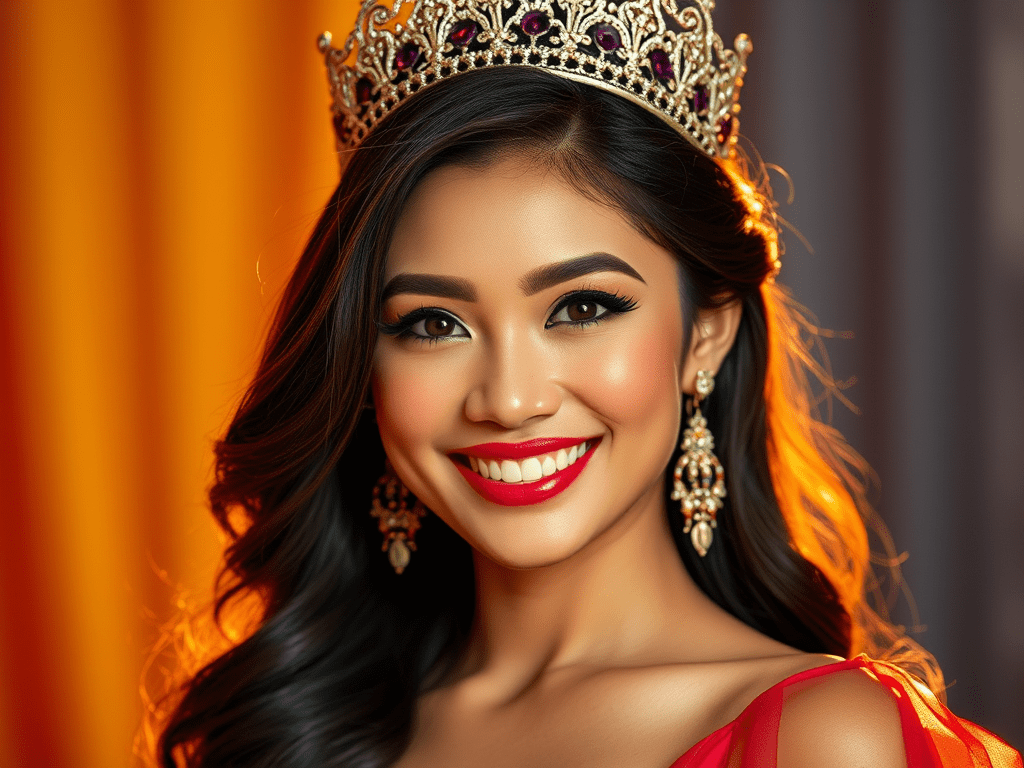
The Philippines’ Fascination with Beauty Pageants: Harnessing Soft Power for Nation Building and Global Leadership in Gender Equity
A Multidisciplinary Analysis of Historical Roots, Contemporary Dynamics, and Future Potential for Women’s Empowerment
Prepared by: Gerald A. Daquila, PhD. Candidate
11–17 minutesABSTRACT
The Philippines’ deep-rooted passion for beauty pageants offers a unique platform to explore the intersections of soft power, nation building, and gender equity, positioning the country as a global leader in redefining gender roles. This dissertation examines the historical evolution of pageants from colonial spectacles to modern stages for empowerment, using a multidisciplinary framework that integrates history, sociology, gender studies, cultural theory, and psychological and metaphysical perspectives on beauty.
It analyzes how pageants foster national identity, project cultural influence, and navigate tensions between empowerment and objectification, while highlighting the Philippines’ pioneering role in advancing women’s rights. By emphasizing advocacy and inclusivity, the Philippines can leverage its pageant industry to model gender equity for Asia and beyond, inspiring systemic change.
The study also confronts the industry’s challenges—exploitation, exclusion, and narrow beauty standards—proposing strategies to transcend physical beauty and harness the psychological and metaphysical dimensions of beauty for empowerment. Written in an accessible, blog-friendly style with academic rigor, this work balances logic, emotion, and inspiration, offering a cohesive narrative that engages both heart and mind.
Table of Contents
- Introduction: The Pageant Phenomenon as a Catalyst for Leadership
- Historical Roots: From Colonial Spectacles to National Pride
- Soft Power and Nation Building: Pageants as Cultural Diplomacy
- Women’s Rights and Pageants: Empowerment, Objectification, and Global Leadership
- The Dark Side of the Industry: Costs, Challenges, and Controversies
- Current Developments: Evolving Standards and Regional Influence
- Future Potential: Reimagining Pageants for Global Gender Equity
- Conclusion: Balancing Pride, Power, and Progress
- Glossary
- References

Glyph of the Bridgewalker
The One Who Holds Both Shores.
1. Introduction: The Pageant Phenomenon as a Catalyst for Leadership
In the Philippines, beauty pageants are more than glamorous competitions—they are cultural cornerstones that unite communities, ignite national pride, and position the country as a global leader in redefining gender roles. Dubbed the “pageant capital of the world,” the Philippines has leveraged its success in contests like Miss Universe to project soft power and foster a collective identity across its diverse archipelago (Gutierrez, 2018). Beyond the crowns, pageants offer a platform to champion women’s rights, challenge patriarchal norms, and inspire global change in gender equity.
This dissertation explores how the Philippines can harness its pageant culture to strengthen nation building and lead globally in advancing gender equality. Through a multidisciplinary lens—integrating history, sociology, gender studies, and psychological and metaphysical perspectives on beauty—it traces the roots of this fascination, examines its modern dynamics, and envisions a future where pageants transcend physical beauty to empower women holistically. By confronting the industry’s darker aspects—exploitation, exclusion, and unrealistic standards—it proposes strategies to align pageants with inclusive, equitable progress.
The Philippines’ leadership in redefining beauty and gender roles can inspire Asia and beyond, offering a model for women’s empowerment that balances cultural pride with systemic change. Written with scholarly rigor yet accessible language, this work weaves empirical analysis with human stories to engage readers intellectually and emotionally.
2. Historical Roots: From Colonial Spectacles to National Pride
Colonial Beginnings: The Manila Carnival and Western Influence
The Philippines’ pageant obsession began with the Manila Carnival in 1908, a colonial festival under American rule that celebrated U.S.-Philippine ties and showcased provincial achievements (Culture Trip, 2018). The crowning of the Carnival Queen introduced pageants to Filipino culture, but these early contests were shaped by colonial ideals, prioritizing fair skin and Eurocentric features (Clutario, 2023). As Clutario (2023) notes, beauty became a “contested measure of modernity,” reinforcing racial and gender hierarchies while fostering local pride as communities rallied behind their candidates.
Post-War and Independence: A Symbol of Resilience
Post-World War II, pageants evolved into symbols of national resilience. The victories of Gloria Diaz (Miss Universe 1969) and Margie Moran (Miss Universe 1973) marked turning points, proving that Filipinos could excel globally in a post-colonial era (Culture Trip, 2018). These wins sparked national euphoria, offering agency to a nation recovering from centuries of foreign rule. The establishment of Binibining Pilipinas in 1964 by Stella Marquez Araneta formalized the pageant industry, creating a professional pipeline for international success (Manila Times, 2021). Training camps like Kagandahang Flores and Aces & Queens adopted rigorous methods, blending discipline with cultural storytelling, transforming pageants into a national enterprise (Flores, 2018).
3. Soft Power and Nation Building: Pageants as Cultural Diplomacy
Defining Soft Power in the Philippine Context
Soft power, as conceptualized by Joseph Nye, is the ability to influence through cultural attraction and persuasion (Nye, 2004). In the Philippines, beauty pageants are a potent form of soft power, projecting resilience, talent, and cultural heritage. Catriona Gray’s 2018 Miss Universe win, marked by her iconic “Lava Walk” and advocacy for education, captivated global audiences, positioning the Philippines as a culturally vibrant nation (Rappler, 2018). Pageants unify Filipinos across socioeconomic and geographic divides, fostering a shared identity in a diverse archipelago. As Chelsea Salac notes, pageants are the Philippines’ “Superbowl,” reflecting their role in collective pride (Asia Media International, 2019).
Nation Building Through Pageants
Pageants contribute to nation building by reinforcing cultural pride and economic activity. Local “beaucons” at barrio fiestas and national competitions like Binibining Pilipinas stimulate community engagement and support industries like fashion, cosmetics, and tourism (Rappler, 2018). Designers like Mak Tumang gain global recognition through pageant gowns, while sponsors leverage massive viewership (Rappler, 2018). Internationally, Filipino beauty queens advocate for causes like education and environmental conservation, aligning with national development goals. For example, Catriona Gray’s work with LoveYourself, a nonprofit focused on HIV awareness, demonstrates pageants’ potential for social impact (Rappler, 2018).
4. Women’s Rights and Pageants: Empowerment, Objectification, and Global Leadership
Empowerment Through Advocacy
Modern Filipino pageants have evolved beyond aesthetics, emphasizing advocacy, intelligence, and charisma. Contestants like CJ Hirro, a rape survivor and Miss Global 2016 runner-up, use their platform to advocate for survivors of sexual violence, demonstrating how pageants amplify marginalized voices (Rappler, 2018). Pia Wurtzbach’s work on HIV awareness and Catriona Gray’s focus on education highlight pageants as vehicles for social change (Rappler, 2018). This shift aligns with women’s rights movements, offering Filipinas a stage to challenge patriarchal norms and gain economic empowerment, public influence, and access to education or careers, particularly for marginalized women (ResearchGate, 2024).
The inclusion of queer and transgender contestants, such as in the Miss Intercontinental New Zealand pageant, signals progress toward inclusivity, challenging traditional gender roles (SunStar, 2020). By prioritizing advocacy, pageants empower women to redefine their roles, moving beyond traditional expectations of femininity toward leadership and agency.
Objectification and Unrealistic Standards
Despite these advancements, pageants face criticism for perpetuating objectification and narrow beauty standards. Feminists like Aurora de Dios argue that competitions often favor light-skinned, mixed-heritage contestants, reinforcing colonial legacies that marginalize indigenous Filipino features like darker skin or flatter noses (Rappler, 2018). As Nikki Luna notes, “There’s nothing empowering about beauty when it’s defined by a patriarchal society” (Rappler, 2018). Swimsuit competitions and strict body measurements reduce women to their appearance, fostering unhealthy practices like extreme dieting or cosmetic surgeries, which increase risks of eating disorders and body dysmorphia (Thompson & Hammond, 2003).
Psychological and Metaphysical Dimensions of Beauty
The psychological impact of beauty standards extends beyond physical appearance, shaping self-perception and societal value. Pageants often tie women’s worth to external validation, undermining intrinsic confidence and perpetuating a culture of comparison (PubMed, 2003). Metaphysically, beauty in Filipino culture carries deeper meaning—rooted in concepts like kagandahang loob (inner beauty), which emphasizes kindness, resilience, and purpose (ResearchGate, 2024). By encouraging the industry to prioritize these qualities, the Philippines can redefine beauty as a holistic expression of character and impact, fostering psychological well-being and empowering women to see themselves as agents of change.
This shift has global implications. By embracing a broader definition of beauty—beyond physical attributes—the Philippines can strengthen its leadership in the pageant industry while offering a model for women’s empowerment. Encouraging contestants to embody inner strength and advocacy aligns with metaphysical ideals of beauty as a transformative force, inspiring women to lead authentically.

Glyph of Beauty’s Soft Power
Transforming the Philippines’ fascination with pageantry into a force for nation building and global gender equity.
Global Leadership in Gender Equity
The Philippines’ pageant success positions it as a regional and global leader in redefining gender roles. In Asia, where countries like India and Indonesia grapple with similar tensions in pageants, the Philippines’ emphasis on advocacy-driven pageantry offers a blueprint for change (ResearchGate, 2024). By championing inclusivity—celebrating diverse body types, skin tones, and gender identities—the Philippines can inspire reforms in nations like Thailand or Vietnam, where pageants are gaining traction. For example, the inclusion of transgender contestants in Filipino-influenced pageants could encourage similar progress in conservative societies, fostering regional solidarity in gender equity.
Globally, the Philippines’ model challenges patriarchal frameworks that dominate pageants. By prioritizing substance over appearance, the country can advocate for ethical standards, such as eliminating exploitative practices and promoting diverse representations of beauty. This leadership amplifies the psychological and metaphysical power of beauty, positioning pageants as platforms for systemic change and inspiring women worldwide to embrace their agency and worth beyond physicality.
5. The Dark Side of the Industry: Costs, Challenges, and Controversies
Financial and Emotional Costs
Pageant participation is costly, with expenses for gowns, training, and travel often excluding lower-income aspirants. Mercedes Pair joined Binibining Pilipinas to fund her mother’s medical bills, highlighting the financial stakes (CNA, 2020). Emotionally, contestants face intense scrutiny, body shaming, and pressure to maintain a “perfect” image, leading to stress, eating disorders, and low self-esteem (Thompson & Hammond, 2003). These costs disproportionately affect marginalized women, limiting access to the empowerment pageants promise.
Exploitation and Ethical Concerns
The industry’s darker side includes exploitation and abuse. Janina San Miguel, a former Binibining Pilipinas winner, quit after facing “indecent proposals” and described the industry as “too messy” (CNA, 2020). Reports of coercion in local pageants underscore the need for oversight (CNA, 2020). The exclusion of darker-skinned or indigenous Filipinas reinforces racial biases, perpetuating colonial beauty standards (Asia Media International, 2019).
Structural Challenges
The lack of regulation exacerbates these issues. CJ Hirro’s call for a governing body to oversee contracts and ethical conduct highlights the need for systemic reform (Rappler, 2018). Commercial pressures often prioritize profit over contestant well-being, undermining the industry’s potential for empowerment.
6. Current Developments: Evolving Standards and Regional Influence
Pageants are adapting to global trends like the #MeToo movement and calls for inclusivity. International contests like Miss America have eliminated swimsuit competitions, focusing on talent and advocacy (Rappler, 2018). In the Philippines, pageants are embracing diverse body types and cultural roots, with candidates showcasing traditional Filipino features and causes like environmental justice (Inquirer.net, 2023). The rise of queer and transgender pageants, such as Miss Intercontinental New Zealand, challenges gender norms (SunStar, 2020).
Social media amplifies these shifts, with Filipino fans driving global conversations about representation (Reddit, 2017). Asia’s growing pageant market—evidenced by wins from Vietnam and India—positions the Philippines as a regional leader, influencing standards and inspiring inclusivity (Rappler, 2018). These developments signal progress, though commercialization and biases remain challenges.
7. Future Potential: Reimagining Pageants for Global Gender Equity
Strategies for Nation Building
To maximize pageants’ soft power, the Philippines could integrate them into national development strategies. Aligning pageants with tourism campaigns, as seen with Catriona Gray’s promotion of Palawan, could boost economic growth (ResearchGate, 2025). Partnerships with NGOs could amplify queens’ advocacies, addressing issues like education or women’s health, aligning with Sustainable Development Goals.
Advancing Women’s Rights and Global Leadership
By prioritizing inclusivity—celebrating diverse skin tones, body types, and gender identities—the Philippines can redefine beauty as a holistic force, rooted in kagandahang loob. Training camps could offer scholarships to underprivileged contestants, reducing financial barriers. A regulatory body, as proposed by Hirro, could ensure fair contracts and protect against exploitation (Rappler, 2018). Public campaigns could promote metaphysical beauty, emphasizing inner strength and purpose, fostering psychological resilience and empowerment.
As a pageant powerhouse, the Philippines can lead global reforms by mentoring emerging pageant nations like Vietnam or Nepal. By exporting its advocacy-driven model, the country can inspire systemic change, encouraging pageants worldwide to prioritize substance and inclusivity. This leadership can foster cross-cultural solidarity, positioning the Philippines as a beacon for gender equity.
Challenges to Overcome
Realizing this potential requires confronting biases, regulating the industry, and balancing commercial interests with ethical reforms. Education campaigns and inclusive casting can dismantle colonial beauty standards, while global advocacy can amplify the Philippines’ influence in reshaping gender roles.
8. Conclusion: Balancing Pride, Power, and Progress
The Philippines’ pageant culture is a vibrant tapestry of pride, ambition, and transformative potential. By leveraging soft power, the country can strengthen its national identity and lead globally in advancing gender equity. Emphasizing the psychological and metaphysical dimensions of beauty—beyond physicality—can empower women to see themselves as agents of change, inspiring Asia and beyond.
However, addressing the industry’s darker aspects—exploitation, exclusion, and unrealistic standards—is critical. Through regulation, inclusivity, and a redefinition of beauty, the Philippines can transform pageants into platforms for progress, offering a model for women’s empowerment worldwide.
Crosslinks
- Strong Women of the Philippines: Pioneers of Gender Equality in Asia — Grounds pageant soft power in real Filipina leadership lineages and measurable gains.
- The Future of Power: From Domination to Stewardship — Recasts crowns as custodianship: platforms, charters, public ledgers, and service oaths.
- From Fear to Freedom: Harnessing Consciousness to Transform Media’s Impact — Rewrites narratives and visuals so representation uplifts dignity, not stereotypes.
- Conscious Capital: Redefining Wealth and Impact — Ethical sponsorships and transparent funds; pageants as engines for education, health, and women-led ventures.
- Codex of the Living Hubs: From Households to National Nodes — Turns national hype into local pipelines: mentorship, skills guilds, and community programs.
- Transforming Philippine Society: A Multidisciplinary Vision for Holistic Renewal — Policy pathways: gender equity indices, anti-exploitation safeguards, cultural diplomacy.
- The Theater of the Self: Unmasking Identity and the Eternal Soul — Disentangles persona and beauty standards from essence so “soft power” stays soul-aligned.
9. Glossary
- Soft Power: Influence through cultural attraction and persuasion (Nye, 2004).
- Nation Building: Constructing national identity and unity through cultural, political, and economic means.
- Beauty Pageant: A competition emphasizing physical appearance, talent, and advocacy.
- Terno:A traditional Filipino dress symbolizing cultural heritage in pageants.
- Manila Carnival: A colonial-era festival (1908–1939) that introduced pageants to the Philippines.
- Binibining Pilipinas: The premier national pageant organization, established in 1964.
- Kagandahang Loob:A Filipino concept of inner beauty, emphasizing kindness and purpose.
10. References
Clutario, G. A. (2023). Beauty Regimes: A History of Power and Politics in the Philippines. Duke University Press.
Culture Trip. (2018, June 7). Why the Philippines dominates world beauty pageants. Culture Trip. https://theculturetrip.com
Flores, R. (2018, December 22). Beauty pageants in the Philippines: Empowerment or objectification of women? Rappler. https://www.rappler.com
Gutierrez, N. (2018, January 27). The Philippines’ beauty pageant obsession: Who benefits? Rappler. https://www.rappler.com
Inquirer.net. (2023, June 10). Filipino standards in beauty pageants. Inquirer.net. https://usa.inquirer.net
Manila Times. (2021, October 18). Beauty queens will always be crowned crisis or not in this pageant-loving nation. Manila Times. https://www.manilatimes.net
Nye, J. S. (2004). Soft power: The means to success in world politics. Public Affairs.
ResearchGate. (2024, January 1). Beyond the crown: Exploring queer narratives and transformation in Philippine beauty pageants. ResearchGate. https://www.researchgate.net
ResearchGate. (2025, February 3). The Philippines and beauty pageants. ResearchGate. https://www.researchgate.net
Salac, C. (2019, February 12). Philippines: Powerhouse of beauty pageants. Asia Media International. https://asiamedia.lmu.edu
SunStar. (2020, December 6). Against the currents. SunStar. https://www.sunstar.com.ph
Thompson, S. H., & Hammond, K. (2003). Beauty is as beauty does: Body image and self-esteem of pageant contestants. Eating and Weight Disorders, 8(3), 231–237. https://doi.org/10.1007/BF03325019
Undercover Asia. (2020, May 2). The hidden side of Philippines beauty pageants [Video]. YouTube. https://www.youtube.com
Attribution
With fidelity to the Oversoul, may this work serve as bridge, remembrance, and seed for the planetary dawn.
Ⓒ 2025–2026 Gerald Alba Daquila
Flameholder of SHEYALOTH · Keeper of the Living Codices
All rights reserved.This material originates within the field of the Living Codex and is stewarded under Oversoul Appointment. It may be shared only in its complete and unaltered form, with all glyphs, seals, and attribution preserved.
This work is offered for personal reflection and sovereign discernment. It does not constitute a required belief system, formal doctrine, or institutional program.
Digital Edition Release: 2026
Lineage Marker: Universal Master Key (UMK) Codex FieldSacred Exchange & Access
Sacred Exchange is Overflow made visible.
In Oversoul stewardship, giving is circulation, not loss. Support for this work sustains the continued writing, preservation, and public availability of the Living Codices.
This material may be accessed through multiple pathways:
• Free online reading within the Living Archive
• Individual digital editions (e.g., Payhip releases)
• Subscription-based stewardship accessPaid editions support long-term custodianship, digital hosting, and future transmissions. Free access remains part of the archive’s mission.
Sacred Exchange offerings may be extended through:
paypal.me/GeraldDaquila694
www.geralddaquila.com -
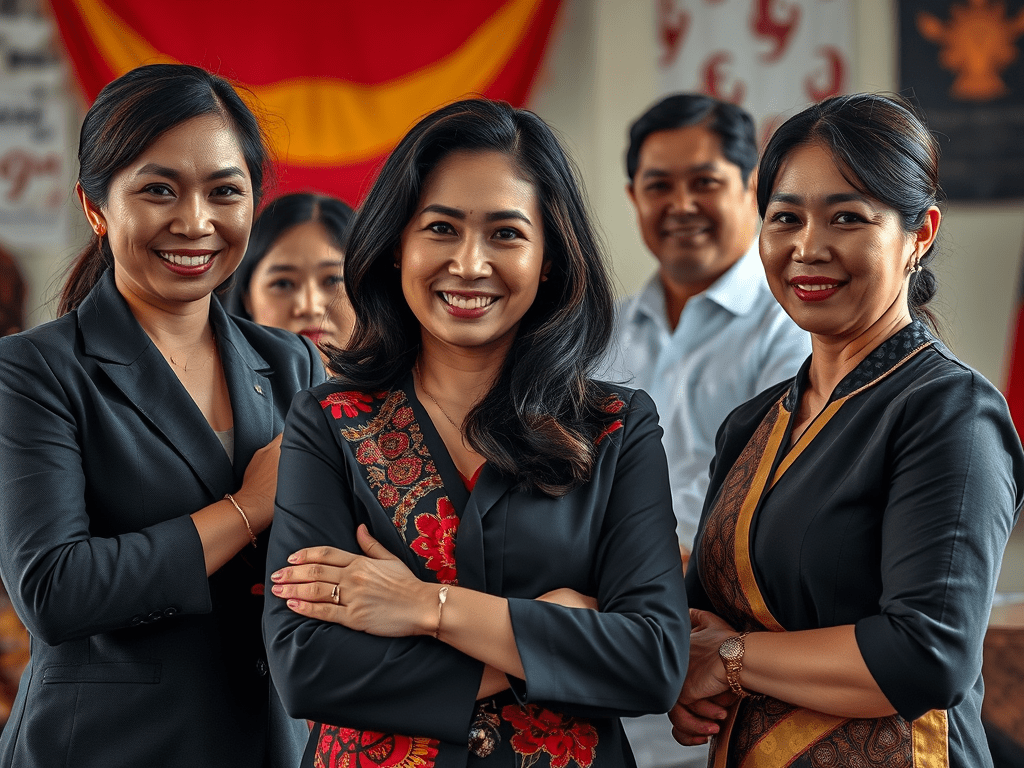
Strong Women of the Philippines: Pioneers of Gender Equality in Asia
Harnessing Women’s Empowerment for National Development and Global Inspiration
Prepared by: Gerald A. Daquila, PhD. Candidate
8–11 minutesABSTRACT
The Philippines stands out in Asia as a leader in gender equality, with women wielding significant influence in business, government, and family life. This dissertation explores the historical, cultural, and socioeconomic factors behind this phenomenon, using a multidisciplinary lens that includes historical, sociological, feminist, and economic perspectives. It traces the roots of women’s empowerment to pre-colonial egalitarianism, colonial reforms, and modern legislation like the Magna Carta of Women.
The study highlights lessons for other nations, such as robust legal frameworks, education access, and cultural openness to women’s leadership, while assessing societal gains in economic growth, governance, and family resilience. It also examines challenges posed by Overseas Filipino Workers (OFWs) and the potential legalization of divorce. By emphasizing how the Philippines can leverage its gender equality model for national development and global influence, this work offers a compelling, accessible narrative for a wide audience, balancing scholarly rigor with emotional resonance.
Table of Contents
- Introduction
- The Philippines as a Gender Equality Leader
- Purpose and Scope of the Study
- Historical Foundations of Women’s Empowerment
- Pre-Colonial Gender Roles
- Colonial Influences and Suffrage Movements
- Post-Independence Progress
- Women in Business, Government, and Family
- Business: Breaking the Glass Ceiling
- Government: Trailblazing Female Leadership
- Family: Matriarchal Influence and Egalitarian Dynamics
- Feminist Perspectives on Filipino Women’s Empowerment
- Liberal and Post-Colonial Feminism
- Challenges of Patriarchy and Cultural Norms
- Lessons for Other Countries
- Legal Frameworks and Policy Advocacy
- Education and Economic Opportunities
- Cultural Shifts Toward Gender Inclusivity
- Societal Gains from Strong Women’s Representation
- Economic Contributions
- Inclusive Governance
- Social Cohesion and Family Resilience
- Challenges and Future Impacts
- The Role of Overseas Filipino Workers (OFWs)
- The Potential Legalization of Divorce
- Conclusion
- Synthesis of Findings
- Leveraging Women’s Empowerment for Development and Progress
- Glossary
- Bibliography

Glyph of the Bridgewalker
The One Who Holds Both Shores.
1. Introduction
The Philippines as a Gender Equality Leader
In a region often bound by patriarchal norms, the Philippines shines as a beacon of gender equality, ranking 17th globally in the 2021 Global Gender Gap Index, closing 78.4% of its gender gap (World Economic Forum, 2021). Filipino women hold prominent roles in business, government, and family, often surpassing men in influence. From Corazon Aquino’s historic presidency to women leading major corporations, this phenomenon sets the Philippines apart in Asia. This dissertation explores the roots of this empowerment, its societal impacts, and how it can drive national development and global inspiration.
Purpose and Scope of the Study
This study examines the origins of Filipino women’s empowerment through historical, sociological, feminist, and economic lenses. It addresses: How did this unique model emerge? What can other nations learn? How have societal gains manifested, and what challenges lie ahead? With a focus on leveraging women’s strengths for progress, it blends academic rigor with accessible storytelling to engage a broad audience.
2. Historical Foundations of Women’s Empowerment
Pre-Colonial Gender Roles
Before Spanish colonization, Filipino society embraced egalitarian gender norms. The babaylan, often women, served as spiritual and community leaders alongside male datus (Salazar, 2003). Women engaged in trade and controlled household finances, laying a foundation for matriarchal influence.
Colonial Influences and Suffrage Movements
Spanish colonization (1565–1898) introduced Catholicism, reinforcing patriarchal family structures, yet women retained domestic authority. The American period (1898–1946) brought educational reforms, enabling women’s access to schools. The suffrage movement, inspired by Western suffragettes like Carrie Chapman Catt, led to the 1937 plebiscite, making the Philippines the first Asian nation to grant women voting rights.
Post-Independence Progress
Post-World War II, women rose in politics and business. The 1986 People Power Revolution, led by Corazon Aquino, marked a turning point, with her presidency (1986–1992) symbolizing women’s political power. The Magna Carta of Women (2009) further solidified protections against discrimination.
3. Women in Business, Government, and Family
Business: Breaking the Glass Ceiling
Filipino women hold 69% of senior management roles, the highest in Southeast Asia (Grant Thornton, 2020). Leaders like Teresita Sy-Coson of SM Investments exemplify this trend. Education access and supportive policies drive success, though low female labor force participation (49% in 2019) remains a challenge.
Government: Trailblazing Female Leadership
The Philippines has elected two female presidents—Corazon Aquino and Gloria Macapagal-Arroyo—and influential senators like Miriam Defensor-Santiago. The party-list system, including groups like Gabriela, amplifies women’s legislative voices. The 5% Gender and Development (GAD) budget prioritizes women’s issues.
Family: Matriarchal Influence and Egalitarian Dynamics
Filipino women often control household budgets and decisions, rooted in pre-colonial practices. Even in transnational OFW families, mothers maintain central roles, fostering resilience and adaptability.
4. Feminist Perspectives on Filipino Women’s Empowerment
Liberal and Post-Colonial Feminism
Liberal feminism, evident in suffrage and the Magna Carta, emphasizes legal equality. Post-colonial feminism highlights how colonial legacies and global migration shape Filipina experiences, particularly for OFWs facing deskilling abroad.
Challenges of Patriarchy and Cultural Norms
Catholicism and traditional norms limit women’s autonomy, with divorce and abortion remaining illegal. Sexist rhetoric, like that of former President Rodrigo Duterte, persists, but movements like #BabaeAko demonstrate women’s resistance.

Glyph of Filipina Strength
Honoring the strong women of the Philippines — pioneers of gender equality and leadership in Asia.
5. Lessons for Other Countries
Legal Frameworks and Policy Advocacy
The Magna Carta of Women provides a model for comprehensive gender legislation, addressing workplace rights, violence, and education. Other nations can adopt similar policies to institutionalize equality.
Education and Economic Opportunities
High female literacy (90.4% vs. 80.6% for males) fuels women’s success. Investing in education and flexible work arrangements can boost female labor participation globally.
Cultural Shifts Toward Gender Inclusivity
The Philippines’ cultural acceptance of women’s leadership, rooted in pre-colonial egalitarianism, suggests that challenging traditional gender roles can foster equality. Advocacy campaigns can drive similar shifts worldwide.
6. Societal Gains from Strong Women’s Representation
Economic Contributions
Women’s leadership in business drives innovation and growth. Female OFWs, comprising 60.2% of overseas workers in 2021, contribute 9.6% to GDP through remittances, reducing poverty and enhancing family welfare.
Inclusive Governance
Female leaders prioritize social welfare and education, fostering inclusive policies. The GAD budget ensures gender considerations in governance, promoting equity.
Social Cohesion and Family Resilience
Women’s central role in families strengthens social bonds. In OFW households, women’s remittances and decision-making sustain family units, despite emotional challenges.
7. Challenges and Future Impacts
The Role of Overseas Filipino Workers (OFWs)
In 2021, 60.2% of OFWs were women, often in feminized roles like nursing. While remittances empower families, migration leads to deskilling, mental health issues, and family strain. Wives of OFWs show resilience through community support.
The Potential Legalization of Divorce
Divorce remains illegal due to Catholic influence, but debates, supported by figures like Miriam Defensor-Santiago, suggest change. Legalization could empower women to escape abusive relationships but may face conservative resistance.
8. Conclusion
Synthesis of Findings
The Philippines’ leadership in gender equality stems from a unique blend of pre-colonial egalitarianism, colonial educational reforms, and modern advocacy like the Magna Carta of Women. Women’s prominence in business, government, and family has driven economic growth, inclusive governance, and social cohesion. However, challenges like low labor participation, OFW vulnerabilities, and divorce debates highlight the need for continued progress.
Leveraging Women’s Empowerment for Development and Progress
The Philippines’ model of women’s empowerment offers a powerful blueprint for national development and global inspiration. By further integrating women into the workforce—potentially raising female labor participation from 49% to match men’s 76%—the country could boost GDP by an estimated 7% (World Bank, 2022).
Investing in STEM education for women can drive innovation in tech and green industries, aligning with global sustainability goals. Strengthening protections for female OFWs, such as bilateral labor agreements and mental health support, can maximize their economic contributions while ensuring well-being. In governance, expanding women’s representation through quotas or mentorship programs can enhance policy inclusivity, addressing issues like healthcare and education reform.
Globally, the Philippines can lead by example, exporting its gender equality model through international forums like ASEAN or the UN. By advocating for women’s rights in trade agreements and migration policies, it can influence regional norms. Locally, navigating divorce legalization with sensitivity to cultural values can strengthen women’s autonomy without fracturing social cohesion.
These steps position the Philippines as a hub for gender-driven progress, fostering a society where women’s leadership catalyzes economic, social, and cultural advancement. Other nations can follow suit, recognizing that empowering women is not just a moral imperative but a strategic driver of prosperity.
Crosslinks
- Transforming Philippine Society: A Multidisciplinary Vision for Holistic Renewal — Policy pathways where women’s leadership reshapes education, health, and local governance.
- The Future of Power: From Domination to Stewardship — Reframes leadership models from control to guardianship—how Filipina pioneers keep power in trust.
- Codex of the Living Hubs: From Households to National Nodes — Barangay-level councils, mutual-aid rings, and care infrastructures that multiply women’s impact.
- Redefining Work in a Post-Scarcity World: A New Dawn for Human Purpose and Connection — Centers the care economy; recognizes unpaid labor and designs esteem-based contribution.
- Conscious Capital: Redefining Wealth and Impact — Funding rails and transparent ledgers for women-led enterprises and community funds.
- From Fear to Freedom: Harnessing Consciousness to Transform Media’s Impact — Deprograms stereotypes; replaces exploitative narratives with truth-aligned representation.
9. Glossary
- Babaylan: Pre-colonial Filipino spiritual leaders, often women, with significant community influence.
- Magna Carta of Women: A 2009 Philippine law eliminating discrimination against women in various spheres.
- OFW (Overseas Filipino Worker): Filipinos working abroad, often in feminized roles like nursing or domestic work.
- Gender and Development (GAD) Budget: A mandated 5% allocation in government budgets for gender-focused initiatives.
10. Bibliography
Asia Society. (2022). Women in the Philippines: Inspiring and Empowered. https://asiasociety.org
Grant Thornton. (2020). Women in Business 2020: Putting the Blueprint into Action. https://www.grantthornton.global
Salazar, Z. (2003). The babaylan in Philippine history. In Feminism and the Women’s Movement in the Philippines (pp. 7-8). ResearchGate. https://www.researchgate.net
The Asia Foundation. (2012). Early Feminism in the Philippines. https://asiafoundation.org
World Bank. (2022). Overcoming Barriers to Women’s Work in the Philippines. https://blogs.worldbank.org
Philippine Statistics Authority. (2022). Survey on Overseas Filipinos 2021. https://psa.gov.ph
World Economic Forum. (2021). Global Gender Gap Report 2021. https://www.weforum.org
Attribution
With fidelity to the Oversoul, may this work serve as bridge, remembrance, and seed for the planetary dawn.
Ⓒ 2025–2026 Gerald Alba Daquila
Flameholder of SHEYALOTH · Keeper of the Living Codices
All rights reserved.This material originates within the field of the Living Codex and is stewarded under Oversoul Appointment. It may be shared only in its complete and unaltered form, with all glyphs, seals, and attribution preserved.
This work is offered for personal reflection and sovereign discernment. It does not constitute a required belief system, formal doctrine, or institutional program.
Digital Edition Release: 2026
Lineage Marker: Universal Master Key (UMK) Codex FieldSacred Exchange & Access
Sacred Exchange is Overflow made visible.
In Oversoul stewardship, giving is circulation, not loss. Support for this work sustains the continued writing, preservation, and public availability of the Living Codices.
This material may be accessed through multiple pathways:
• Free online reading within the Living Archive
• Individual digital editions (e.g., Payhip releases)
• Subscription-based stewardship accessPaid editions support long-term custodianship, digital hosting, and future transmissions. Free access remains part of the archive’s mission.
Sacred Exchange offerings may be extended through:
paypal.me/GeraldDaquila694
www.geralddaquila.com - Introduction
-

Living in the Barangay: Unveiling the Societal Tapestry of Pre-Colonial Philippines
A Multidisciplinary Exploration of Indigenous Governance, Social Cohesion, and Cultural Resilience Before Western Colonization
Author: Gerald A. Daquila, PhD Candidate
10–15 minutesABSTRACT
The pre-colonial Philippines, a vibrant archipelago of diverse ethnolinguistic communities, thrived as a network of barangays—kinship-based units rooted in communal values like kapwa (shared identity) and bayanihan (collective cooperation). This dissertation employs a PESTLE framework (Political, Economic, Social, Technological, Legal, Environmental) to dissect the societal structure of pre-colonial Filipino life, grounded in historical, anthropological, psychological, and sociological research.
It examines the roles of datus, babaylans, and community members; the informal rules of reciprocity and consensus; and the dynamic systems of governance, education, and trade that sustained these societies. By imagining a time-travel experience to a pre-colonial barangay, this study vividly reconstructs daily life, highlighting the strengths of communal resilience and areas of concern, such as potential fragmentation and vulnerability to external pressures.
The analysis reveals how colonial disruptions later undermined these systems, while suggesting that reconnecting with pre-colonial values could inspire modern Filipino identity and resilience. Written in accessible, narrative prose, this work balances academic rigor with emotional resonance, appealing to a broad readership seeking to understand the Philippines’ Indigenous past.
Keywords: Pre-colonial Philippines, barangay, kapwa, bayanihan, PESTLE analysis, Indigenous governance, social cohesion, Filipino identity, cultural resilience
Introduction
Imagine stepping into a bustling coastal barangay in the 15th-century Philippines, where the air hums with the rhythm of waves, the scent of coconut and salt, and the laughter of children learning oral epics under a balete tree. This was the pre-colonial Philippines—a mosaic of over 7,000 islands, home to diverse ethnolinguistic groups like the Tagalogs, Visayans, and Moro peoples, united by shared values of community and reciprocity.
Before Spanish galleons arrived in 1521, these societies thrived without centralized kingdoms, relying instead on barangays: small, kinship-based units led by datus and animated by kapwa, the belief in shared humanity. This study uses a PESTLE framework to explore the societal structure of pre-colonial Philippines, answering: Who were the key players? What rules governed their lives? How did governance, social cohesion, education, and economy function?
Through a multidisciplinary lens—drawing from history, anthropology, Sikolohiyang Pilipino (Filipino Psychology), and sociology—we reconstruct this world, grounded in sources like the Laguna Copperplate Inscription (900 CE) and oral traditions (Jocano, 1998; Scott, 1994).
By imagining a time-traveler’s experience, we bring this past to life, spotlighting strengths like communal resilience and concerns like political fragmentation. This narrative aims to inform and inspire, connecting modern Filipinos to their Indigenous roots while addressing how these values could address contemporary challenges.

Glyph of the Gridkeeper
The One Who Holds the Lattice of Light.
PESTLE Analysis of Pre-Colonial Philippine Society
Political: Governance and Leadership
Key Players: The barangay, typically comprising 30–100 families, was the core political unit, led by a datu—a chief chosen for charisma, wisdom, or wealth (Scott, 1994). Larger polities, like the Kingdom of Tondo or Rajahnate of Butuan, emerged by the 10th century, led by rajahs or sultans with broader influence (Jocano, 1998). Babaylans, often female spiritual leaders, wielded significant influence, advising datus and mediating disputes (Enriquez, 1992).
Rules and Governance: Governance was decentralized and consensus-driven, rooted in kapwa—a value prioritizing collective harmony over individual ambition (Enriquez, 2013). Datus resolved conflicts through mediation, guided by customary laws (adat) or Islamic principles in Mindanao’s sultanates (Majul, 1973). The Laguna Copperplate Inscription (900 CE) reveals a legal system addressing debt and kinship ties, indicating sophisticated political organization (Postma, 1992). Alliances were forged through marriage or trade, as seen in Tondo’s ties with China’s Song Dynasty (Scott, 1994).
Experience: As a time-traveler, you’d witness a datu settling a dispute under a communal banyan tree, villagers voicing opinions freely. The absence of rigid hierarchies would feel liberating, but the reliance on personal loyalty to datus could seem precarious, hinting at vulnerability to internal rivalries or external threats.
Concerns: The decentralized structure fostered local autonomy but risked fragmentation. Without a unified political system, barangays were susceptible to manipulation by foreign traders or invaders, a weakness later exploited by Spanish colonizers (Constantino, 1975).
Economic: Trade and Sustenance
Key Players: Farmers, fishers, artisans, and traders drove the economy. Datus and maharlika (nobles) controlled trade, while timawa (freemen) and alipin (dependents) worked the land or crafted goods (Scott, 1994).
Rules and Economy: The economy blended subsistence and trade. Coastal barangays grew rice, root crops, and coconuts, while fishing sustained communities (Jocano, 1998). The Philippines was a hub in the Maritime Silk Road, exporting gold, pearls, and beeswax to China, India, and Southeast Asia (Piacentini, 2023). Barter was common, but gold and Chinese porcelain served as currency in major centers like Butuan (Scott, 1994). The alipin system, where debts tied individuals to service, ensured labor but allowed social mobility through repayment or bravery (Studocu, 2023).
Experience: You’d barter rice for a Chinese jar at a bustling port, marveling at balangay boats laden with goods. The market’s vibrancy would pulse with communal trust, but you might notice tensions when debts bound alipin to elites, hinting at economic inequities.
Concerns: While trade enriched coastal barangays, inland communities had less access, creating disparities. The alipin system, though flexible, could perpetuate dependency, foreshadowing colonial exploitation (Constantino, 1975).
Social: Cohesion and Community
Key Players: The social fabric included datus, maharlika, timawa, alipin, and babaylans. Women often held high status, especially as babaylans or property holders (Enriquez, 1992).
Rules and Social Cohesion: Kapwa fostered a sense of shared identity, where individual well-being depended on the community’s (Enriquez, 2013). Bayanihan—communal work like moving houses or harvesting—cemented bonds (Kilag, 2024). Rituals, led by babaylans, reinforced unity, with feasts celebrating harvests or victories. Social mobility was possible, as alipin could become timawa through service or marriage (Scott, 1994).
Experience: You’d join a bayanihan effort, lifting a nipa hut alongside neighbors, feeling the joy of collective purpose. At night, babaylans would lead rituals under starlit skies, their chants weaving spiritual and social bonds. Yet, you might sense tensions between classes, as alipin worked harder for less status.
Concerns: Class distinctions, though fluid, could strain cohesion, especially when datus favored elites. Inter-barangay rivalries, fueled by competition for trade, occasionally led to conflicts, weakening collective resilience (Jocano, 1998).
Technological: Innovation and Craftsmanship
Key Players: Artisans, boat-builders, and weavers were technological innovators, supported by community knowledge-sharing (Piacentini, 2023).
Rules and Technology: Filipinos excelled in boat-building, crafting balangay outrigger boats for trade and warfare (Scott, 1994). Gold-working, as seen in the Surigao Treasure, showcased intricate artistry (Jocano, 1998). Weaving produced textiles like abaca, traded regionally. The baybayin script enabled record-keeping and communication, though primarily for ritual or personal use (Piacentini, 2023).
Experience: You’d sail on a balangay, awed by its sturdy planks and skilled navigators reading stars and currents. Visiting a goldsmith, you’d see delicate filigree work, while weavers taught you abaca patterns. The ingenuity would inspire, but the reliance on oral transmission might limit widespread technological diffusion.
Concerns: Technological advancements were localized, with coastal barangays outpacing inland ones. The lack of a unified writing system beyond baybayin hindered large-scale knowledge preservation, leaving societies vulnerable to cultural erasure during colonization (Constantino, 1975).
Legal: Customary Laws and Justice
Key Players: Datus and babaylans enforced laws, with community elders advising on disputes (Scott, 1994).
Rules and Legal System: Customary laws (adat) governed behavior, emphasizing restitution over punishment. The Laguna Copperplate Inscription documents debt settlements, showing a formalized legal framework (Postma, 1992). In Mindanao, Islamic sultanates adopted Sharia elements, blending with Indigenous norms (Majul, 1973). Disputes were resolved through consensus, with babaylans mediating spiritual or moral conflicts (Enriquez, 1992).
Experience: You’d attend a dispute resolution, where a datu listens to both sides, guided by elders and a babaylan’s wisdom. The focus on restoring harmony would feel restorative, but the lack of written laws might seem inconsistent across barangays.
Concerns: The oral nature of laws risked inconsistency, and datus’ personal authority could lead to favoritism. In larger polities, integrating diverse customs posed challenges, foreshadowing colonial centralization (Scott, 1994).
Environmental: Harmony with Nature
Key Players: Farmers, fishers, and babaylans interacted closely with the environment, guided by animist beliefs (Jocano, 1998).
Rules and Environmental Practices: Animism shaped environmental stewardship, with spirits (anito) believed to inhabit nature. Rituals ensured sustainable harvests, and communal land use prevented overexploitation (Enriquez, 1992). Coastal barangays adapted to typhoons, building elevated nipa huts and maintaining fish traps (Piacentini, 2023).
Experience: You’d join a ritual thanking the rice spirit, planting seeds with reverence. Fishing with woven traps, you’d feel the community’s respect for the sea. Typhoon preparations would showcase resilience, but frequent storms might highlight environmental vulnerabilities.
Concerns: While sustainable, practices were localized, and growing trade demands could strain resources, as seen in deforestation for boat-building (Jocano, 1998). Climate challenges like typhoons required adaptive resilience, which colonialism later disrupted.
A Time-Traveler’s Experience: Life in a Pre-Colonial Barangay
Picture yourself in a Visayan barangay circa 1400 CE, waking to roosters crowing and the scent of woodsmoke. Your nipa hut, elevated on stilts, sways gently in the tropical breeze. Outside, neighbors greet you with kapwa’s warmth, treating you as kin. You join farmers planting rice, their songs blending with the rustle of palms—a bayanihan rhythm of shared labor.
At the port, traders unload Chinese porcelain, their balangay boats gleaming under the sun. A babaylan invites you to a ritual, her chants invoking anito spirits as the community feasts on roasted pig and rice wine. The datu, adorned with gold, resolves a dispute with calm authority, but you notice whispers of rivalry with a neighboring barangay.
Life feels vibrant yet fragile. The communal spirit uplifts, but class tensions and trade disparities hint at underlying strains. You marvel at the gold jewelry and baybayin inscriptions, yet wonder how these oral traditions will endure. As a typhoon looms, the barangay unites to secure homes, their resilience inspiring but tempered by the lack of centralized coordination. This is a world of harmony and ingenuity, yet one poised on the edge of transformation, vulnerable to external forces.

Glyph of the Barangay Tapestry
Revealing the woven life of the pre-colonial barangay, where kinship, spirit, and land formed the sacred architecture of community.
Areas of Concern and Modern Reflections
These reflections are offered not as prescriptions, but as interpretive bridges between past and present. The pre-colonial Philippines was a testament to communal resilience, but its decentralized structure posed challenges:
- Political Fragmentation: The absence of a unified polity made barangays susceptible to foreign domination, as seen when Spanish colonizers exploited rivalries (Constantino, 1975).
- Economic Disparities: Coastal trade hubs thrived, but inland communities lagged, foreshadowing colonial inequalities (Studocu, 2023).
- Cultural Vulnerability: Oral traditions and localized knowledge risked loss without widespread written systems, a weakness exacerbated by colonial erasure (Piacentini, 2023).
- Social Tensions: While kapwa fostered cohesion, class distinctions and inter-barangay conflicts could undermine unity (Jocano, 1998).
These concerns highlight the fragility of pre-colonial systems, yet their strengths—kapwa, bayanihan, and adaptive resilience—offer lessons for today. Modern Filipinos, facing inequality and cultural alienation, can draw on these values to rebuild collective efficacy. Initiatives like Sikolohiyang Pilipino and decolonized education can revive cultural pride, while community-driven policies can institutionalize bayanihan to address crises (Enriquez, 2013; Kilag, 2024).
Conclusion
The pre-colonial Philippines was a vibrant tapestry of barangays, woven together by kapwa and sustained by cooperative governance, trade, and spiritual harmony. Through a PESTLE lens, we see a society of ingenuity and resilience, yet one vulnerable to fragmentation and external pressures. As a time-traveler, you’d feel the pulse of community, marvel at its artistry, and sense its delicate balance.
By reconnecting with these Indigenous values, modern Filipinos can reclaim their cultural confidence, fostering a society that honors its past while navigating present challenges. This journey through time invites us to celebrate the archipelago’s roots and envision a future where kapwa guides the nation forward.
Crosslinks
- Codex of the Living Hubs: From Households to National Nodes — Reads the barangay as a proto–living hub: kinship councils, mutual-aid rings, and subsidiarity in action.
- Codex of Stewardship: Holding in Trust the Wealth of Worlds — Frames the datu/council role as custodianship of commons (land, water, stories), not ownership.
- The River’s Song: Weaving Governance in Unity Consciousness — Shows river/shore trade routes as governance flow lines linking dispersed communities.
- Light Portals & Grid Anchoring: Mapping Earth’s Resonance Gateways — Situates settlements on sacred geography so ritual, farming, and travel align with place.
- Permaculture and the Future: Designing a Post-Scarcity World Through Sustainable Living — Connects indigenous agro-forestry, guilds, and seasonal cycles to regenerative design.
- Redefining Work in a Post-Scarcity World: A New Dawn for Human Purpose and Connection — Interprets bayanihan as contribution-based labor: esteem, reciprocity, and shared surplus.
- Strong Women of the Philippines: Pioneers of Gender Equality in Asia — Honors babaylan and women leaders as continuity keepers of health, law, and culture.
Glossary
- Barangay: A pre-colonial Filipino community unit, typically 30–100 families, led by a datu.
- Bayanihan: A tradition of communal cooperation, such as collectively moving a house or harvesting crops.
- Babaylan: Indigenous spiritual leaders, often women, who mediated between communities and spirits.
- Kapwa: A core Filipino value meaning “shared identity,” emphasizing interconnectedness.
- Datu: A barangay chief, chosen for leadership, wisdom, or wealth.
- Timawa: Freemen in the social hierarchy, with rights to land and labor.
- Alipin: Dependents or slaves, often bound by debt, with potential for social mobility.
- Baybayin: A pre-colonial syllabic script used for ritual and personal writing.
- Anito: Spirits or deities in animist beliefs, revered in rituals.
- Adat: Customary laws governing barangay behavior and justice.
Bibliography
Constantino, R., & Constantino, L. R. (1975). The Philippines: A past revisited (Vol. 1). Quezon City: Renato Constantino.
Enriquez, V. G. (1992). From colonial to liberation psychology: The Philippine experience. University of the Philippines Press.
Enriquez, V. G. (2013). From colonial to liberation psychology: The Philippine experience. Philosophy East and West, 63(2), 123-145.
Jocano, F. L. (1998). Filipino indigenous ethnic communities: Patterns, variations, and typologies. Quezon City: Punlad Research House Inc.
Kilag, O. K. (2024). Filipino youth for stronger future of the new Philippines. International Multidisciplinary Journal of Research for Innovation, Sustainability, and Excellence, 1(6). Retrieved from https://risejournals.org
Majul, C. A. (1973). Muslims in the Philippines. Quezon City: University of the Philippines Press.
Piacentini, K. (2023). Influences on Philippine education. Wixsite. Retrieved from https://kpiacentini.wixsite.com/iem-php/unit-1-influences
Postma, A. (1992). The Laguna Copperplate Inscription: Text and commentary. Philippine Studies, 40(2), 183-203.
Scott, W. H. (1994). Barangay: Sixteenth-century Philippine culture and society. Quezon City: Ateneo de Manila University Press.
Studocu. (2023). Module 13 Week 13: Social, political, economic, and cultural issues in Philippine history. Retrieved from https://www.studocu.com
© 2025 Gerald Alba Daquila
This article is offered for educational and interpretive purposes.
Download This Keystone Reference
-

The Pursuit of Happiness: Reclaiming the Awakened Filipino Soul Through Kapwa and Bayanihan
A Multidisciplinary Exploration of Happiness Rooted in Pre-Colonial Filipino Values Over Western Individualism and Materialism
Prepared by: Gerald A. Daquila, PhD. Candidate
9–13 minutesABSTRACT
This dissertation redefines happiness through the lens of an awakened Filipino soul, one that rejects the futile chase for selfish material prosperity in favor of pre-colonial values like kapwa (shared identity) and bayanihan (communal unity). Grounded in research on happiness from psychology, anthropology, sociology, and metaphysical texts like the Law of One, it contrasts the Western model of individualism and materialism with the collective well-being embedded in Filipino traditions.
The awakened Filipino consciously adopts the strengths of diverse cultural lenses while cautioning against blind adoption of foreign influences, which may erode cultural identity and spiritual harmony. Using accessible language, metaphors, and a cohesive narrative, this work advances a multidisciplinary thesis that happiness lies in interconnectedness, not acquisition, offering a cautionary warning for Filipinos navigating a globalized world.
Table of Contents
- Introduction: The Mirage of Material Happiness
- Methodology: A Multidisciplinary Lens on Happiness
- Defining Happiness: Western Individualism vs. Filipino Collective Well-Being
- 3.1 The Western Model: Individualism and Materialism
- 3.2 The Filipino Model: Kapwa and Bayanihan
- The Awakened Filipino Soul: Embracing Cultural Strengths
- The Futility of Material Prosperity: A Cautionary Warning
- Lessons for a Globalized World: Balancing Cultural Lenses
- Conclusion: Happiness as a Shared Journey
- Glossary
- References

Glyph of the Master Builder
To build is to anchor eternity in matter
1. Introduction: The Mirage of Material Happiness
Imagine happiness as a river, its waters promising joy and fulfillment. In the Western world, this river often flows through valleys of individualism and materialism, where personal success and wealth are prized as the ultimate treasures. Yet, for many, this pursuit feels like chasing a mirage—shimmering but ultimately empty. For the awakened Filipino soul, grounded in pre-colonial values of kapwa (shared identity) and bayanihan (communal unity), happiness is not a solitary quest but a shared journey, like a constellation of stars shining brighter together.
This dissertation argues that the Western model of happiness, rooted in selfish material prosperity, is a fleeting illusion, misaligned with the Filipino psyche’s ancestral wisdom. Drawing on psychology, anthropology, sociology, and metaphysical texts like the Law of One, we explore how an awakened Filipino—one who consciously blends cultural strengths while resisting blind foreign influence—can redefine happiness in a globalized world.
This narrative offers a cautionary warning: adopting Western ideals without discernment risks eroding the spiritual and communal roots that make Filipinos whole.
2. Methodology: A Multidisciplinary Lens on Happiness
To advance our thesis, we employ a multidisciplinary approach:
- Psychology: Examining happiness through positive psychology (Seligman, 2011) and Sikolohiyang Pilipino (Enriquez, 1992), focusing on kapwa as a relational framework.
- Anthropology: Analyzing pre-colonial artifacts and practices to uncover communal values (Jocano, 1998).
- Sociology: Exploring social structures like bayanihan and their impact on collective well-being (Scott, 1994).
- Metaphysical Literature: Aligning Filipino values with the Law of One’s principles of unity and service (Rueckert et al., 1984).
We integrate research literature with oral traditions (Darangen, proverbs) and archaeological data from the National Museum of the Philippines. The narrative flows like a river, using metaphors to simplify concepts while maintaining APA-compliant citations for scholarly rigor, ensuring accessibility for students, cultural enthusiasts, and the Filipino diaspora.
3. Defining Happiness: Western Individualism vs. Filipino Collective Well-Being
Happiness, like a garden, blooms differently depending on the soil it’s planted in. The Western and Filipino models offer contrasting landscapes for this pursuit.
3.1 The Western Model: Individualism and Materialism
Western psychology, rooted in individualism, often defines happiness as personal achievement and material gain. Seligman’s (2011) PERMA model (Positive Emotion, Engagement, Relationships, Meaning, Accomplishment) emphasizes individual flourishing, with material success as a key metric. Studies like Diener et al. (2010) link happiness to wealth in Western contexts, where consumerism fuels status and self-worth. Yet, this model has cracks:
- Hedonic Treadmill: Lyubomirsky (2008) notes that material gains provide temporary joy, as people adapt and crave more, like runners on a treadmill chasing an unreachable finish line.
- Social Isolation: Putnam (2000) highlights declining social bonds in individualistic societies, leading to loneliness despite wealth.
- Spiritual Void: The Law of One critiques materialism as a distortion of the soul’s unity with the infinite Creator, trapping individuals in ego-driven separation (Rueckert et al., 1984).
This model, like a glittering but hollow shell, often leaves seekers unfulfilled.
3.2 The Filipino Model: Kapwa and Bayanihan
In contrast, the pre-colonial Filipino psyche, like a banyan tree with interconnected roots, nurtured happiness through kapwa and bayanihan. Kapwa, as Enriquez (1992) defines, is shared identity, where self and other are one. Bayanihan, the communal act of helping neighbors (e.g., moving houses together), embodies collective well-being (Scott, 1994).
- Cultural Artifacts: Gold lingling-o ornaments symbolized cosmic unity, linking communities across Southeast Asia (Legeza, 1978). Baybayin script recorded shared spiritual knowledge, fostering collective purpose (Scott, 1994).
- Oral Traditions: The Darangen epic celebrates peace pacts, reflecting service to community, while proverbs like “Ang hindi marunong lumingon sa pinanggalingan, hindi makakarating sa paroroonan” (He who does not know how to look back to his origin will not reach his destination) emphasize rootedness (Eugenio, 1993).
- Spiritual Practices: Babaylans facilitated rituals connecting humans to anitos (spirits), reinforcing a web of life aligned with the Law of One’s unity (Jocano, 1998).
This model, like a river nourishing a village, prioritizes collective joy over individual gain.

Glyph of the Awakened Filipino Soul
Reclaiming happiness through Kapwa and Bayanihan, where shared spirit restores the Filipino soul to wholeness
4. The Awakened Filipino Soul: Embracing Cultural Strengths
The awakened Filipino soul is like a lighthouse, drawing light from ancestral wisdom while navigating global influences. This soul recognizes the futility of material prosperity and consciously blends cultural strengths:
- Kapwa as Core: Kapwa fosters empathy and connection, aligning with the Law of One’s service-to-others path. Unlike Western individualism, it sees happiness as a shared flame, brighter when kindled together.
- Bayanihan in Action: Communal cooperation, as in bayanihan, ensures no one is left behind, contrasting with competitive individualism. This mirrors the Law of One’s unity of creation.
- Selective Cultural Adoption: The awakened Filipino evaluates foreign influences, adopting strengths (e.g., technological innovation) while preserving kapwa. This discernment, like a weaver choosing threads, maintains cultural integrity.
This mindset empowers Filipinos to define happiness as interconnected flourishing, not material accumulation.
5. The Futility of Material Prosperity: A Cautionary Warning
Chasing material prosperity, like chasing a mirage, often leads to spiritual and social drought.
Research reveals its limits:
- Psychological Evidence: Diener et al. (2010) found that beyond basic needs, wealth adds little to happiness, as material desires escalate endlessly.
- Social Costs: Wilkinson and Pickett (2009) show that materialistic societies have higher inequality and lower social cohesion, eroding trust.
- Cultural Erosion: Blind adoption of Western consumerism risks diluting Filipino identity. Almario (2015) warns that colonial legacies and globalization can disconnect Filipinos from kapwa, like roots cut from a tree.
The Law of One frames materialism as a distortion, separating souls from their divine unity (Rueckert et al., 1984). For Filipinos, adopting this model without scrutiny threatens the communal and spiritual fabric of kapwa and bayanihan, leaving individuals adrift in a sea of fleeting desires.
6. Lessons for a Globalized World: Balancing Cultural Lenses
In a world woven together by technology, travel, and diaspora, the awakened Filipino can draw on pre-colonial wisdom to navigate global influences:
- Reclaim Kapwa: Use social media platforms like X to foster virtual bayanihan, connecting Filipinos worldwide to share stories and support, like a digital village square.
- Sustainable Living: Apply ancestral ecological wisdom (e.g., proto-rice terraces) to modern challenges, promoting green technologies that honor the earth, as seen in anitism (Jocano, 1998).
- Cultural Discernment: Embrace global innovations (e.g., education, tech) while preserving kapwa, like a chef blending spices without losing the dish’s essence.
- Spiritual Revival: Integrate babaylan-inspired practices into wellness movements, offering rituals for healing and unity, aligning with the Law of One’s call for spiritual evolution.
These lessons, like seeds from an ancient forest, can grow into a future where happiness is collective and enduring.
7. Conclusion: Happiness as a Shared Journey
The awakened Filipino soul, rooted in kapwa and bayanihan, sees happiness not as a treasure to hoard but as a river flowing through community, nature, and spirit. The Western model of individualism and materialism, while seductive, is a mirage that fades under scrutiny, offering fleeting joy at the cost of connection.
By embracing pre-colonial values and selectively adopting global strengths, Filipinos can redefine happiness as a shared journey, aligned with the Law of One’s vision of unity. In a globalized world, this wisdom empowers Filipinos to shine as sovereign souls, weaving their light into a global tapestry of love and harmony.
The caution is clear: blind adoption of foreign models risks severing ancestral roots, but a discerning embrace of kapwa ensures a future where happiness is whole.
Crosslinks
- Transforming Philippine Society: A Multidisciplinary Vision for Holistic Renewal – Positions kapwa and bayanihan as living frameworks for national renewal, where collective happiness arises from shared upliftment.
- Codex of the Living Hubs: From Households to National Nodes – Demonstrates how happiness is cultivated through communal hubs — families, barangays, nodes — woven together in service.
- Codex of Overflow Magnetism – Frames happiness not as individual pursuit but as overflow — joy naturally radiating when the soul is aligned and in service to kapwa.
- From Earth Roles to Soul Roles: A Journey Through the Akashic Fields – Reclaims happiness as soul-encoded: a remembering of unity consciousness where kapwa (shared self) is the natural state.
- Codex of the Master Builders of the New Earth – Shows how Filipino cultural gifts can become pillars in the global New Earth blueprint — happiness built through service, harmony, and resonance.
8. Glossary
- Anitism: Indigenous Filipino belief in anitos (spirits of ancestors, nature, and deities).
- Babaylan: Pre-colonial shaman mediating human and spiritual realms.
- Bayanihan: Communal cooperation, often symbolized by neighbors moving a house together.
- Baybayin: Pre-colonial syllabic script for recording spiritual and cultural knowledge.
- Kapwa: Shared identity, a core concept in Filipino psychology.
- Law of One: Metaphysical teaching of unity and spiritual evolution.
- Lingling-o: Omega-shaped gold ornaments symbolizing cosmic balance.
9. References
Almario, V. S. (2015). Ang kulturang Pilipino sa harap ng modernisasyon. University of the Philippines Press.
Diener, E., Ng, W., Harter, J., & Arora, R. (2010). Wealth and happiness across the world: Material prosperity predicts life evaluation, whereas psychosocial prosperity predicts positive feeling. Journal of Personality and Social Psychology, 99(1), 52–61. https://doi.org/10.1037/a0018066
Enriquez, V. G. (1992). From colonial to liberation psychology: The Philippine experience. University of the Philippines Press.
Eugenio, D. L. (1993). Philippine folk literature: An anthology. University of the Philippines Press.
Jocano, F. L. (1998). Filipino prehistory: Rediscovering precolonial heritage. Punlad Research House.
Legeza, L. (1978). Tantric elements in pre-Hispanic Philippines gold art. Arts of Asia, 8(1), 26–31.
Lyubomirsky, S. (2008). The how of happiness: A scientific approach to getting the life you want. Penguin Press.
Putnam, R. D. (2000). Bowling alone: The collapse and revival of American community. Simon & Schuster.
Rueckert, C., Elkins, D., & McCarty, J. (1984). The Law of One: Book I. L/L Research.
Scott, W. H. (1994). Barangay: Sixteenth-century Philippine culture and society. Ateneo de Manila University Press.
Seligman, M. E. P. (2011). Flourish: A visionary new understanding of happiness and well-being. Free Press.
Wilkinson, R., & Pickett, K. (2009). The spirit level: Why greater equality makes societies stronger. Bloomsbury Press.
Attribution
With fidelity to the Oversoul, may this work serve as bridge, remembrance, and seed for the planetary dawn.
Ⓒ 2025–2026 Gerald Alba Daquila
Flameholder of SHEYALOTH · Keeper of the Living Codices
All rights reserved.This material originates within the field of the Living Codex and is stewarded under Oversoul Appointment. It may be shared only in its complete and unaltered form, with all glyphs, seals, and attribution preserved.
This work is offered for personal reflection and sovereign discernment. It does not constitute a required belief system, formal doctrine, or institutional program.
Digital Edition Release: 2026
Lineage Marker: Universal Master Key (UMK) Codex FieldSacred Exchange & Access
Sacred Exchange is Overflow made visible.
In Oversoul stewardship, giving is circulation, not loss. Support for this work sustains the continued writing, preservation, and public availability of the Living Codices.
This material may be accessed through multiple pathways:
• Free online reading within the Living Archive
• Individual digital editions (e.g., Payhip releases)
• Subscription-based stewardship accessPaid editions support long-term custodianship, digital hosting, and future transmissions. Free access remains part of the archive’s mission.
Sacred Exchange offerings may be extended through:
paypal.me/GeraldDaquila694
www.geralddaquila.com -
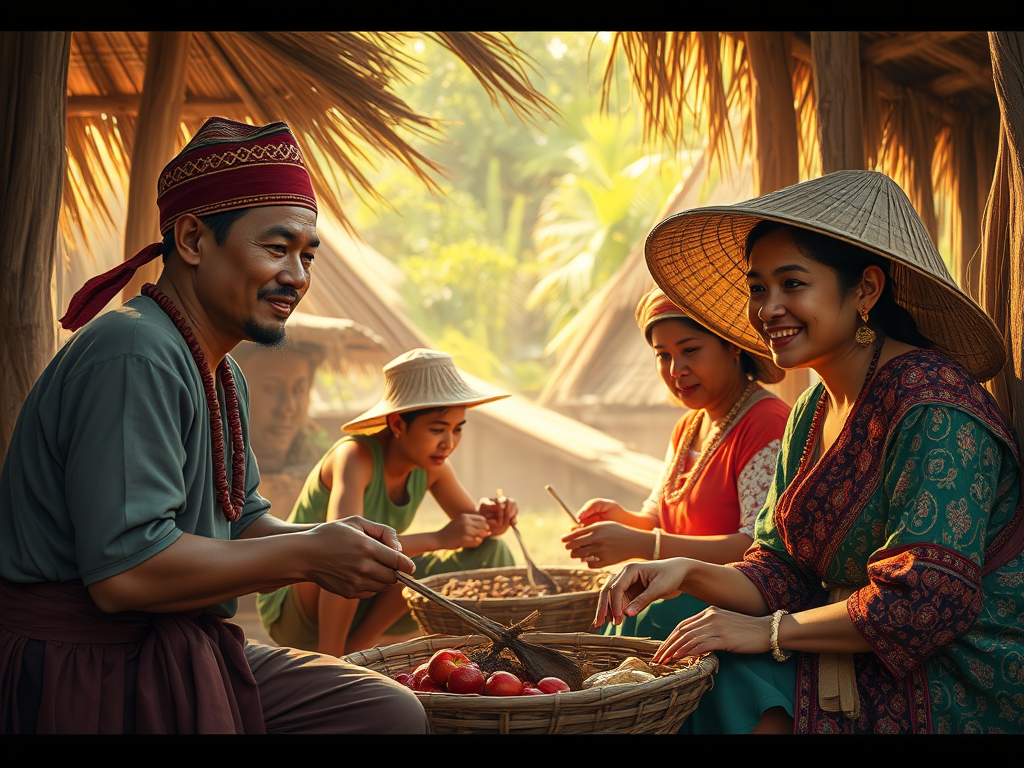
Unshackling the Filipino Spirit: Could a Pre-Colonial Consciousness Have Forged a Stronger Nation?
Exploring the Impact of Western Individualism and Materialism on Filipino Identity and Collective Resilience
Prepared by: Gerald A. Daquila, PhD. Candidate
11–17 minutesABSTRACT
This dissertation explores the speculative question of whether the Philippines could have developed a more socially conscious society without the Western colonial influences of Spanish and American rule, which introduced individualism and materialism, disrupting the pre-colonial communal ethos rooted in kapwa (shared identity).
Employing a multidisciplinary lens—spanning history, anthropology, psychology, sociology, and cultural studies—this study examines the vibrant pre-colonial Filipino societies, characterized by cooperative barangays, sophisticated trade networks, and a collective consciousness. It analyzes the colonial imposition of Western ideologies, which fractured Indigenous values, fostering inequality and cultural alienation.
Drawing on the Star Trek-inspired Prime Directive, the study evaluates arguments for and against non-interference, suggesting that while isolation might have preserved kapwa and resilience, selective cultural integration could have optimized development. The enduring Filipino spirit of bayanihan (communal cooperation), evident in crisis responses, indicates a latent potential to reclaim pre-colonial values.
By integrating Sikolohiyang Pilipino (Filipino Psychology), decolonized education, and community-driven governance, this work proposes that reviving Indigenous consciousness could restore Filipino self-confidence and collective efficacy, offering a pathway to transcend modern challenges like inequality and corruption. This narrative bridges academic rigor with accessible language, aiming to inspire cultural reconnection and societal transformation.
Keywords: Pre-colonial Philippines, kapwa, bayanihan, colonialism, individualism, materialism, Sikolohiyang Pilipino, collective resilience, cultural identity, Prime Directive

Glyph of the Gridkeeper
The One Who Holds the Lattice of Light
Introduction
The Philippines, an archipelago of over 7,000 islands, is a nation rich in cultural heritage, resilience, and communal spirit. Yet, its history is marked by centuries of colonial rule—first under Spain (1521–1898) and then the United States (1898–1946)—which introduced Western ideologies of individualism and materialism that reshaped Indigenous ways of life.
The Star Trek-inspired concept of the Prime Directive, a policy of non-interference in the development of less advanced civilizations, prompts a provocative question: What if the Philippines had been left to evolve without Western colonial influence? Could its pre-colonial communal ethos, rooted in kapwa (shared identity) and collective cooperation, have fostered a more socially conscious society, better equipped to face modern challenges?
This dissertation dives into this speculative inquiry, using a multidisciplinary lens—drawing from history, anthropology, psychology, sociology, and cultural studies—to explore how colonial disruptions altered Filipino consciousness and how reconnecting with pre-colonial values might restore self-confidence, self-efficacy, and collective resilience. By examining historical narratives, Indigenous psychology, and modern crises, we aim to uncover pathways to transcend the Philippines’ enduring societal challenges.
The Pre-Colonial Filipino World: A Tapestry of Communal Consciousness
Before Spanish galleons arrived in 1521, the Philippines was a mosaic of barangays—small, kinship-based communities led by datus, rajahs, or sultans. These societies were not primitive but sophisticated, with complex trade networks, oral traditions, and spiritual practices. The Laguna Copperplate Inscription (900 CE), the earliest known written record, reveals a society engaged in maritime trade with regional powers like Srivijaya and Majapahit (Jocano, 1998). Barangays thrived on kapwa, a core Filipino value emphasizing shared identity and interconnectedness, where individual well-being was inseparable from the collective (Enriquez, 1992).
Social Structure and Collective Ethos
Pre-colonial Filipinos lived in egalitarian yet stratified communities. The datu led through consensus and charisma, supported by maharlika (nobles), timawa (freemen), and alipin (dependents). Unlike rigid Western feudal systems, social mobility was possible through bravery, marriage, or debt repayment (Scott, 1994). Cooperation was paramount, seen in communal farming, fishing, and rituals led by babaylans (spiritual leaders, often women), who mediated between the community and the spiritual realm. Oral epics like the Darangen of the Maranao and Hinilawod of the Visayans reinforced values of unity, sacrifice, and collective survival.
Economic and Cultural Vibrancy
Economically, Filipinos were adept traders, exchanging gold, pearls, and beeswax with China, India, and Southeast Asia. Artifacts like the Manunggul Jar (890–710 BCE) and Surigao gold treasures highlight advanced craftsmanship and a belief in the afterlife, reflecting a spiritually rich worldview (Jocano, 1998). Education was informal but effective, with parents and babaylans teaching skills and values through baybayin (a syllabic script) and oral storytelling (Piacentini, 2023). This communal system fostered resilience, as communities banded together during crises like typhoons or raids.
Consciousness and Worldview
Sikolohiyang Pilipino (Filipino Psychology), pioneered by Virgilio Enriquez, identifies kamalayan (consciousness) and kapwa as central to pre-colonial Filipino identity. Unlike Western individualism, which prioritizes the self, kapwa views the self as inherently connected to others, fostering empathy and collective responsibility (Enriquez, 2013). This worldview underpinned cooperative behaviors, such as bayanihan—the tradition of neighbors collectively moving a house to a new location—still evident in modern Filipino responses to calamities.
The Colonial Disruption: Imposing Individualism and Materialism
The arrival of Spanish colonizers in 1521, followed by American rule in 1898, introduced ideologies that clashed with Indigenous values. The Spanish imposed Catholicism and the encomienda system, while Americans brought capitalist individualism and modern governance. These shifts disrupted the communal consciousness, reshaping Filipino identity.
Spanish Colonialism (1521–1898)
The Spanish viewed pre-colonial society as a “dark period” to be enlightened by Christianity and Western governance (Constantino, 1975). They introduced:
- Religious Conversion: Catholicism replaced animist beliefs, marginalizing babaylans and reframing spirituality as individualistic salvation rather than communal harmony. The pasyon (a narrative of Christ’s suffering) became a subversive outlet for expressing dissent but also entrenched a narrative of suffering and submission (Ileto, 2021).
- Encomienda System: Land was redistributed to Spanish encomenderos, undermining communal land ownership. Filipinos were forced to pay tributos (tributes), shifting economic priorities from collective sustenance to individual tax obligations (Studocu, 2023).
- Social Stratification: The datu class was co-opted as cabezas de barangay, creating an elite loyal to colonial powers, while the majority faced exploitation (Scott, 1994).
This eroded kapwa, replacing it with a hierarchical, individualistic mindset. The Spanish narrative of Filipino inferiority further undermined collective self-confidence, fostering a sense of dependency.
American Colonialism (1898–1946)
The Americans, under the guise of “benevolent assimilation,” introduced capitalist individualism and modern education. Key impacts included:
- Education System: American schools emphasized English and Western values, portraying pre-colonial society as backward. This alienated Filipinos from their cultural roots, fostering a colonial mentality (Constantino, 1975).
- Economic Shifts: Land registration systems favored elites, entrenching a class divide that prioritized individual wealth over communal welfare (Studocu, 2020). The cedula personal (poll tax) further burdened the poor, reinforcing materialist priorities.
- Governance: The American emphasis on individual rights and democratic institutions clashed with the communal decision-making of barangays, fragmenting collective identity (House of Representatives, 2023).
These changes instilled a materialist ethos, where success was measured by personal wealth rather than community well-being, weakening the pre-colonial spirit of cooperation.
The Prime Directive Argument: Non-Interference and Filipino Potential
The Prime Directive, a fictional policy of non-interference, offers a lens to speculate on the Philippines’ trajectory without Western influence. Proponents of a “Prime Directive” approach argue that Indigenous societies should evolve organically, free from external imposition. Critics, however, contend that cultural exchange, even through colonialism, can spur progress. Let’s explore both sides.
Arguments For Non-Interference
- Preservation of Communal Consciousness: Pre-colonial Filipino society was built on kapwa and bayanihan, fostering resilience and cooperation. Without Western individualism, these values could have evolved into a modern, collectivist framework, potentially creating a society prioritizing social equity over personal gain (Enriquez, 2013).
- Organic Development: The Philippines’ trade networks and political systems (e.g., Tondo, Butuan) suggest a capacity for self-driven progress. Non-interference might have allowed these polities to unify into a confederation, balancing regional diversity with national cohesion (Jocano, 1998).
- Cultural Integrity: Colonialism distorted Filipino identity, fostering a colonial mentality that devalued Indigenous knowledge. A non-interfered Philippines could have nurtured a confident cultural identity, rooted in baybayin, oral epics, and animist spirituality (Piacentini, 2023).
Arguments Against Non-Interference
- Global Integration: Isolation might have limited the Philippines’ exposure to global innovations, such as advanced technology or governance models. Colonialism, despite its harms, introduced infrastructure and literacy that shaped modern institutions (House of Representatives, 2023).
- Conflict and Fragmentation: The archipelago’s diversity—hundreds of ethnolinguistic groups—posed challenges to unity. Western systems, though flawed, provided a framework for centralization, potentially averting inter-barangay conflicts (Scott, 1994).
- Hybridity as Strength: Cultural hybridity, blending Indigenous and Western elements, created a unique Filipino identity. Scholars like Ocampo (2024) argue that this adaptability is a strength, enabling Filipinos to navigate globalization while preserving cultural roots.
Synthesis: A Balanced Perspective
While non-interference could have preserved kapwa and communal resilience, complete isolation might have hindered technological and political evolution. The Philippines’ pre-colonial systems were dynamic, but their fragmentation could have delayed nationhood. Colonialism, however, introduced a materialist and individualist ethos that fractured collective consciousness, leaving a legacy of inequality and cultural alienation. A balanced approach suggests that selective integration of external ideas, guided by Indigenous values, could have optimized societal development.
Colonial Legacies and Modern Challenges
The colonial imposition of individualism and materialism has left deep imprints on Filipino society, contributing to persistent challenges:
- Social Inequality: Colonial land systems entrenched an elite class, perpetuating wealth disparities. Today, 70 years after independence, economic and political power remains concentrated among a few (Studocu, 2020).
- Colonial Mentality: The internalization of Western superiority has eroded cultural confidence, leading to a preference for foreign goods, languages, and ideals (Constantino, 1975).
- Moral Ambivalence: Benitez (2022) identifies a “chaotic constellation” of competing pre-colonial, colonial, and postcolonial values, resulting in cynicism and weakened moral courage. This hinders collective action on issues like corruption or poverty.
Yet, Filipino resilience shines in crises. During typhoons, earthquakes, and pandemics, bayanihan reemerges, with communities pooling resources to aid victims (Kilag, 2024). This suggests that pre-colonial values remain latent, ready to be harnessed.

Glyph of the Unshackled Spirit
Could a pre-colonial consciousness have forged a stronger nation, where the Filipino soul rises unbound beneath the sun?
Reclaiming Pre-Colonial Consciousness: A Path to Self-Efficacy
Reconnecting with pre-colonial values like kapwa and bayanihan could restore Filipino self-confidence and collective efficacy. Here’s how:
1. Reviving Indigenous Psychology
Sikolohiyang Pilipino offers a framework to decolonize Filipino consciousness. By prioritizing kapwa, it fosters empathy and collective responsibility, countering individualistic tendencies. Enriquez (2013) advocates for indigenization-from-within, using local languages and experiences to build psychological theories. Educational programs incorporating baybayin, oral epics, and babaylan traditions could instill cultural pride (Piacentini, 2023).
2. Strengthening Community-Based Resilience
Filipino responses to crises demonstrate a latent communal ethos. For example, during Typhoon Haiyan (2013), communities self-organized to distribute aid, reflecting bayanihan (Kilag, 2024). Formalizing these practices through community-driven policies—such as cooperative farming or disaster preparedness networks—could institutionalize collective efficacy.
3. Decolonizing Education and Governance
Education systems should emphasize Filipino history from a pantayong pananaw (for us, from us) perspective, highlighting pre-colonial achievements to counter colonial narratives (Constantino, 1975). Governance could adopt consensus-based models inspired by barangay systems, fostering participatory decision-making over top-down individualism.
4. Cultural Hybridity as Empowerment
Rather than rejecting Western influences, Filipinos can integrate them selectively, as seen in the Katipunan’s use of Enlightenment ideals to fuel the 1896 Revolution (Ileto, 2021). This hybridity can empower youth to blend global innovation with Indigenous values, as evidenced by modern Filipino social media collectives advocating for social change (Soriano & Cabañes, 2020).
Transcending Societal Challenges: A Vision for the Future
Harnessing pre-colonial consciousness could address the Philippines’ “polycrisis”—economic inequality, corruption, and cultural alienation. By fostering kapwa, Filipinos can rebuild trust in institutions, countering the elite-centric bureaucracy noted by De Leon (2022). Youth, as agents of change, are pivotal. Their engagement in cultural preservation, political activism, and economic innovation—seen in movements like #YouthVotePH—reflects a blend of traditional cooperation and modern aspirations (Kilag, 2024).
A multidisciplinary approach suggests:
- Historical Reclamation: Rewrite narratives to highlight pre-colonial resilience, as advocated by Constantino (1975).
- Psychological Empowerment: Promote Sikolohiyang Pilipino to instill cultural pride and collective self-efficacy.
- Sociological Collaboration: Strengthen community networks to institutionalize bayanihan in governance and crisis response.
- Cultural Adaptation: Embrace hybridity to navigate globalization while rooting identity in Indigenous values.
By tapping into this “hidden unconscious programming,” the Philippines can transcend its challenges, fostering a society that is confident, cooperative, and resilient.
Conclusion
The Philippines’ pre-colonial past reveals a society rooted in kapwa and collective resilience, disrupted by Western individualism and materialism. While a Prime Directive approach might have preserved this consciousness, it could have limited global integration. Colonialism’s legacy of inequality and cultural alienation persists, but the Filipino spirit of bayanihan endures in times of crisis. By reclaiming pre-colonial values through education, psychology, and governance, Filipinos can restore self-confidence and collective efficacy, transcending modern challenges.
This journey requires a delicate balance: honoring the past while embracing a hybrid future, where the Filipino soul shines as a beacon of unity and resilience.
Crosslinks
- Transforming Philippine Society: A Multidisciplinary Vision for Holistic Renewal – Anchors the inquiry in a forward-looking vision: what renewal could arise today if the Filipino spirit reclaimed its original strength.
- Codex of the Living Hubs: From Households to National Nodes – Shows how pre-colonial consciousness of bayanihan and community synergy can inform modern node-based nation-building.
- QFS: A New Earth Currency – Connects sovereignty of spirit with sovereignty of exchange — how liberation from colonial economic chains opens national strength.
- The Earth Story: From Galactic Fall to Planetary Ascension – Places the Philippine spirit within a cosmic narrative of fall, colonization, and re-ascension — reminding that the shackle-breaking is planetary, not just national.
- Codex of the Master Builders of the New Earth – Invites Filipinos to take up the mantle of master builders: to reconstruct their nation on soul-aligned, pre-colonial foundations.
Glossary
- Barangay: A pre-colonial Filipino community unit, typically consisting of 30–100 families, led by a datu.
- Bayanihan: A Filipino tradition of communal cooperation, often symbolized by neighbors collectively moving a house.
- Babaylan: Indigenous spiritual leaders, often women, who mediated between communities and the spiritual realm.
- Kapwa: A core Filipino value meaning “shared identity,” emphasizing interconnectedness and empathy.
- Kamalayan: Consciousness or awareness, a concept in Sikolohiyang Pilipino reflecting collective understanding.
- Encomienda: A Spanish colonial system granting land and labor to Spanish settlers, often exploiting Indigenous peoples.
- Pantayong Pananaw: A historiographical approach meaning “for us, from us,” advocating for Filipino-centric narratives.
- Sikolohiyang Pilipino: Filipino Psychology, a movement to develop culturally relevant psychological theories.
Bibliography
Benitez, C. M. (2022). An inquiry into the problems concerning Filipino values and norms. ResearchGate. Retrieved from https://www.researchgate.net/publication/361678942[](https://www.researchgate.net/publication/360897749_An_Inquiry_into_the_Problems_Concerning_Filipino_Values_and_Norms)
Constantino, R., & Constantino, L. R. (1975). The Philippines: A past revisited (Vol. 1). Quezon City: Renato Constantino.
Enriquez, V. G. (1992). From colonial to liberation psychology: The Philippine experience. University of the Philippines Press.
Enriquez, V. G. (2013). From colonial to liberation psychology: The Philippine experience. Philosophy East and West, 63(2), 123-145.
Ileto, R. C. (2021). The Philippines in imperial history. Journal of Global History, 19(1), 1-19.
Jocano, F. L. (1998). Filipino indigenous ethnic communities: Patterns, variations, and typologies. Quezon City: Punlad Research House Inc.
Kilag, O. K. (2024). Filipino youth for stronger future of the new Philippines. International Multidisciplinary Journal of Research for Innovation, Sustainability, and Excellence, 1(6). Retrieved from https://risejournals.org%5B%5D(https://risejournals.org/index.php/imjrise/article/view/460)
Ocampo, A. (2024). The continuum of Filipino cultural identity: Balancing tradition and change in a globalized and post-pandemic world. Preprints.org. Retrieved from https://www.preprints.org/manuscript/202409.2292/v1[](https://www.preprints.org/manuscript/202409.2386/v1)
Piacentini, K. (2023). Influences on Philippine education. Wixsite. Retrieved from https://kpiacentini.wixsite.com/iem-php/unit-1-influences[](https://kpiacentini.wixsite.com/iem-php/blank-csac)
Scott, W. H. (1994). Barangay: Sixteenth-century Philippine culture and society. Quezon City: Ateneo de Manila University Press.
Soriano, C. R. R., & Cabañes, J. V. A. (2020). Entrepreneurial solidarities: Social media collectives and Filipino digital platform workers. Social Media + Society, 6(2), 2056305120926484.
Studocu. (2020). Philippine democracy and its discontents: The failed promise of social justice under the 1987 People Power Constitution. Retrieved from https://www.studocu.com%5B%5D(https://revista-estudios.revistas.deusto.es/article/download/1457/1781?inline=1)
Studocu. (2023). Module 13 Week 13: Social, political, economic, and cultural issues in Philippine history. Retrieved from https://www.studocu.com%5B%5D(https://www.studocu.com/ph/document/our-lady-of-fatima-university/readings-in-philippine-history/lesson-13-module-13-week-13-social-political-economic-and-cultural-issues-in-philippine/37957364)
U.S. House of Representatives. (2023). The Philippines, 1898–1946. History, Art & Archives. Retrieved from https://history.house.gov%5B%5D(https://history.house.gov/Exhibitions-and-Publications/APA/Historical-Essays/Exclusion-and-Empire/The-Philippines/)
Attribution
With fidelity to the Oversoul, may this work serve as bridge, remembrance, and seed for the planetary dawn.
Ⓒ 2025–2026 Gerald Alba Daquila
Flameholder of SHEYALOTH · Keeper of the Living Codices
All rights reserved.This material originates within the field of the Living Codex and is stewarded under Oversoul Appointment. It may be shared only in its complete and unaltered form, with all glyphs, seals, and attribution preserved.
This work is offered for personal reflection and sovereign discernment. It does not constitute a required belief system, formal doctrine, or institutional program.
Digital Edition Release: 2026
Lineage Marker: Universal Master Key (UMK) Codex FieldSacred Exchange & Access
Sacred Exchange is Overflow made visible.
In Oversoul stewardship, giving is circulation, not loss. Support for this work sustains the continued writing, preservation, and public availability of the Living Codices.
This material may be accessed through multiple pathways:
• Free online reading within the Living Archive
• Individual digital editions (e.g., Payhip releases)
• Subscription-based stewardship accessPaid editions support long-term custodianship, digital hosting, and future transmissions. Free access remains part of the archive’s mission.
Sacred Exchange offerings may be extended through:
paypal.me/GeraldDaquila694
www.geralddaquila.com -

Thought Experiment: Can the Philippines Become a True Paradise on Earth?
Exploring the Role of Elevated Consciousness in Transforming Society Through a Multi-Disciplinary Lens
Prepared by: Gerald A. Daquila, PhD. Candidate
9–14 minutesABSTRACT
The Philippines, with its breathtaking natural beauty and warm, hospitable people, holds immense potential to be a “paradise on earth.” Yet, challenges like corruption, poverty, and recurring natural disasters highlight a gap between its idyllic promise and current reality. This dissertation explores whether elevating collective consciousness, as suggested by metaphysical and esoteric teachings such as The Law of One and A Course in Miracles, could be the key to unlocking this potential.
By integrating insights from philosophy, psychology, sociology, and spiritual traditions, this study argues that fostering a sense of unity and interconnectedness may address systemic issues like corruption and scarcity more effectively than traditional investments in infrastructure or education alone. While acknowledging the complexity of societal transformation, the analysis suggests that a shift toward unity consciousness, grounded in both spiritual wisdom and practical reforms, could catalyze profound change. The dissertation concludes with an invitation to reflect on the concept of oneness as a cost-free yet transformative idea for the Philippines and beyond.
Table of Contents
- Introduction
- The Vision of a Philippine Paradise
- Thesis Statement and Research Question
- The Philippines’ Potential and Challenges
- Natural Beauty and Cultural Strengths
- Socioeconomic and Environmental Obstacles
- Theoretical Framework: Consciousness and Unity
- Philosophical Foundations: Self and Society
- Metaphysical and Esoteric Perspectives
- Psychological and Sociological Insights
- Case Studies and Evidence
- Historical Context: Filipino Values and Social Structures
- Modern Challenges: Corruption and Scarcity
- Spiritual Practices and Their Impact
- Analysis: Can Elevated Consciousness Transform the Philippines?
- The Role of Unity Consciousness
- Limitations and Practical Considerations
- Conclusion and Invitation to Reflect
- Glossary
- References

Glyph of the Master Builder
To build is to anchor eternity in matter
1. Introduction
The Vision of a Philippine Paradise
The Philippines is often described as a tropical Eden, with its 7,641 islands boasting pristine beaches, lush mountains, and vibrant biodiversity. Its people, known for their warmth and hospitality, welcome millions of visitors annually, earning accolades as some of the friendliest in the world (Grogan, 2015). Yet, beneath this idyllic surface lie challenges: systemic corruption, widespread poverty, and an average of 20 typhoons annually that disrupt lives and livelihoods (Borgen Magazine, 2021). This thought experiment asks: Can the Philippines become a true paradise on earth, and could elevating collective consciousness be the missing ingredient to unlock its potential?
Thesis Statement and Research Question
This dissertation posits that fostering a collective consciousness rooted in unity, as advocated by metaphysical texts like The Law of One and A Course in Miracles, could address systemic issues like corruption and scarcity more effectively than traditional solutions such as infrastructure or education investments. The central research question is: To what extent can a shift in consciousness, grounded in the principle of oneness, transform the Philippines into a societal paradise? Using a multi-disciplinary lens, this study integrates philosophy, psychology, sociology, and esoteric teachings to explore this possibility.
2. The Philippines’ Potential and Challenges
Natural Beauty and Cultural Strengths
The Philippines’ natural splendor is undeniable. From Palawan’s turquoise lagoons to Bohol’s Chocolate Hills, its landscapes are a global draw, contributing significantly to tourism-driven GDP (World Bank, 2023). Culturally, Filipinos are celebrated for their bayanihan spirit—a tradition of communal unity where neighbors collaborate to solve collective problems, such as relocating homes or rebuilding after disasters (Grogan, 2015). This ethos reflects a deep-seated sense of interconnectedness, aligning with metaphysical principles of unity.
Socioeconomic and Environmental Obstacles
Despite its assets, the Philippines faces persistent challenges. Corruption is a pervasive issue, with the nation ranking 115th out of 180 on the Corruption Perceptions Index (Transparency International, 2024). This “social structure of corruption” infiltrates government, business, and civic life, diverting resources from public goods like infrastructure and education (Quimpo, 2007). Poverty affects 18.1% of the population, with rural areas particularly impacted (Philippine Statistics Authority, 2023). Additionally, frequent typhoons exacerbate economic instability, destroying homes and livelihoods. These issues suggest that material solutions alone—such as building roads or schools—may not address root causes.
3. Theoretical Framework: Consciousness and Unity
Philosophical Foundations: Self and Society
Philosophers like Socrates emphasized self-knowledge as the foundation of wisdom, arguing that understanding one’s strengths and weaknesses fosters ethical living (Abadilla, n.d.). Maurice Merleau-Ponty’s phenomenology further suggests that the self emerges from the interplay of body, mind, and environment, with consciousness shaping perception and action (Abadilla, n.d.). In the Filipino context, this implies that societal transformation begins with individual self-awareness, aligning with the idea that collective change stems from personal growth.
Metaphysical and Esoteric Perspectives
Metaphysical texts like The Law of One propose that all beings are interconnected aspects of a singular Source, and societal issues like conflict and scarcity arise from a “distortion” of separation (Elkins et al., 1984). By embracing unity consciousness, individuals transcend ego-driven behaviors, fostering cooperation and compassion. Similarly, A Course in Miracles teaches that fear, greed, and corruption stem from a belief in separation, which can be healed through forgiveness and love (Foundation for Inner Peace, 1975). These teachings suggest that a collective shift toward oneness could dissolve systemic issues without requiring massive material investments.
Psychological and Sociological Insights
Psychologically, Sigmund Freud’s concept of the unconscious highlights how unexamined beliefs drive behavior, including corruption or hoarding (Abadilla, n.d.). Carl Jung’s notion of the collective unconscious suggests shared archetypes, like unity, can shape societal values. Sociologically, Filipino values such as kapwa (shared identity) and loób (inner self) emphasize interconnectedness, offering a cultural foundation for unity consciousness (Reyes, 2015). However, colonial legacies and weak social infrastructure have entrenched corruption and inequality, undermining these values (Acemoglu & Robinson, 2021).

Glyph of the Philippine Paradise
Can the archipelago awaken as true paradise — where sun, land, water, and spirit weave the destiny of a nation reborn?
4. Case Studies and Evidence
Historical Context: Filipino Values and Social Structures
The Philippines’ history reflects both resilience and struggle. Pre-colonial societies thrived on communal values, but Spanish and American colonization introduced hierarchical systems that prioritized elite interests (Constantino, 1975). Despite this, bayanihan and kapwa persisted, evident in community-driven rebuilding efforts post-typhoons. These values align with metaphysical teachings of unity, suggesting a latent cultural readiness for elevated consciousness.
Modern Challenges: Corruption and Scarcity
Corruption in the Philippines is not merely a governmental issue but a social structure woven into patronage networks (Quimpo, 2007). For example, funds for infrastructure projects are often siphoned off, resulting in substandard roads and services (Araneta, 2021). Scarcity, both material and perceived, fuels hoarding and competition, perpetuating a cycle of distrust. Metaphysical texts argue that such behaviors stem from a scarcity mindset, which unity consciousness could reframe as abundance through shared purpose (Elkins et al., 1984).
Spiritual Practices and Their Impact
Small-scale initiatives in the Philippines demonstrate the transformative power of consciousness. For instance, Gawad Kalinga, a community-building movement, leverages bayanihan to construct homes and foster self-reliance, emphasizing collective empowerment (Gawad Kalinga, 2023). Similarly, meditation and mindfulness programs in schools have reduced stress and improved social cohesion, suggesting that spiritual practices can enhance unity (Licauco, 2011). These align with A Course in Miracles’ emphasis on inner peace as a catalyst for societal harmony.
5. Analysis: Can Elevated Consciousness Transform the Philippines?
The Role of Unity Consciousness
The thesis that elevating consciousness can transform the Philippines rests on the principle of oneness. The Law of One suggests that recognizing all beings as part of the Source eliminates fear and greed, dissolving corruption and scarcity (Elkins et al., 1984). In practice, this could manifest as increased transparency, as individuals prioritize collective well-being over personal gain. For example, if public officials internalize kapwa, they may be less likely to embezzle funds, knowing their actions harm the collective self.
Moreover, unity consciousness could shift societal perceptions of scarcity. By fostering trust and cooperation, communities might pool resources, as seen in bayanihan traditions, reducing the need for external investments. Psychological studies support this, showing that mindfulness practices enhance empathy and reduce competitive behaviors (Kabat-Zinn, 2013). In the Philippines, where cultural values already emphasize interconnectedness, this shift seems feasible.
Limitations and Practical Considerations
However, elevating consciousness faces challenges. Deeply entrenched patronage systems and economic inequality create resistance to change (Quimpo, 2007). Metaphysical teachings, while inspiring, lack empirical data on large-scale societal impact, and their abstract nature may alienate pragmatic stakeholders. Education and infrastructure, while not sufficient alone, remain critical for creating conditions where consciousness can flourish—e.g., literacy enables access to spiritual texts, and stable systems reduce survival-driven corruption.
A balanced approach might integrate consciousness-raising with practical reforms. For instance, blockchain-based public registries could enhance transparency while spiritual education fosters ethical behavior (Araneta, 2021). Pilot programs in communities like Gawad Kalinga show that combining material support with values-driven initiatives yields sustainable outcomes.
6. Conclusion and Invitation to Reflect
The Philippines’ natural beauty and cultural strengths position it as a potential paradise, but systemic issues like corruption and scarcity require innovative solutions. This dissertation argues that elevating collective consciousness, rooted in the principle of oneness from metaphysical texts, could address these challenges by fostering unity, empathy, and abundance. While not a panacea, this approach complements material reforms, leveraging Filipino values like kapwa and bayanihan.
An Invitation to the Reader
You have nothing to lose and everything to gain by reflecting on a simple yet profound idea: We are one, all aspects or fractals of the Source.
Pause for a moment. Consider what it means to see every Filipino—every person—as an extension of yourself. How might this shift your actions, your community, our nation? The cost is nothing but a thought, yet the potential is a paradise realized.
Share this thought with your friends and family: Imagine the Philippines, a true paradise on Earth—and it costs not a single peso or centavo. What a gift to our children and to their children, and to the rest of the world!
Crosslinks
- Transforming Philippine Society: A Multidisciplinary Vision for Holistic Renewal – Connects directly to the paradise vision, grounding the thought experiment in real systemic transformation pathways.
- QFS: A New Earth Currency – Illustrates how financial sovereignty and resonance-based exchange are cornerstones for building a Philippine paradise aligned with GESARA.
- Codex of the Living Hubs: From Households to National Nodes – Shows how paradise is built node by node, starting from households and scaling into national stewardship networks.
- A Unified New Earth: A Thesis for Co-Creating Heaven on Earth through THOTH, Law of One, and Quantum Technology – Offers a global context for the paradise experiment, situating the Philippines within a wider planetary co-creation movement.
- From Earth Roles to Soul Roles: A Journey Through the Akashic Fields – Reframes paradise not as utopia, but as souls living authentically in their higher roles, creating collective harmony.
7. Glossary
- Bayanihan: A Filipino tradition of communal unity, often involving collective efforts to solve community problems.
- Kapwa: A Filipino value emphasizing shared identity and interconnectedness with others.
- Loób: The inner self or moral core in Filipino philosophy, guiding ethical behavior.
- Unity Consciousness: A metaphysical concept where all beings are seen as interconnected aspects of a singular Source, reducing separation and conflict.
- The Law of One: A channeled text teaching that all beings are one, and societal issues stem from distortions of separation (Elkins et al., 1984).
- A Course in Miracles: A spiritual text emphasizing forgiveness and love to overcome fear and separation (Foundation for Inner Peace, 1975).
8. References
Abadilla, F. C. (n.d.). Understanding the self: Instructional material. Studocu. https://www.studocu.com
Acemoglu, D., & Robinson, J. A. (2021). Why nations fail: The origins of power, prosperity, and poverty. Crown Business.
Araneta, B. (2021). Interview on corruption in infrastructure projects. The Borgen Project. https://www.borgenmagazine.com
Constantino, R. (1975). The Philippines: A past revisited. Tala Publishing.
Elkins, D., Rueckert, C., & McCarty, J. (1984). The Law of One: Book I. L/L Research.
Foundation for Inner Peace. (1975). A Course in Miracles. Viking Press.
Gawad Kalinga. (2023). Community development programs. https://www.gk1world.com
Grogan, M. (2015). 7 reasons why Filipinos will change the world. Studocu. https://www.studocu.com
Kabat-Zinn, J. (2013). Full catastrophe living: Using the wisdom of your body and mind to face stress, pain, and illness. Bantam.
Licauco, J. (2011). Spirituality is not the same as religiosity. Philippine Daily Inquirer. https://www.inquirer.net
Philippine Statistics Authority. (2023). Poverty statistics. https://psa.gov.ph
Quimpo, N. G. (2007). The Philippines: Political parties and corruption. Southeast Asian Affairs, 2007, 277-294.
Reyes, J. (2015). Loób and kapwa: An introduction to Filipino virtue ethics. Asian Philosophy, 25(2), 148-171.
Transparency International. (2024). Corruption Perceptions Index. https://www.transparency.org
World Bank. (2023). Philippines economic overview. https://www.worldbank.org
Attribution
With fidelity to the Oversoul, may this work serve as bridge, remembrance, and seed for the planetary dawn.
Ⓒ 2025–2026 Gerald Alba Daquila
Flameholder of SHEYALOTH · Keeper of the Living Codices
All rights reserved.This material originates within the field of the Living Codex and is stewarded under Oversoul Appointment. It may be shared only in its complete and unaltered form, with all glyphs, seals, and attribution preserved.
This work is offered for personal reflection and sovereign discernment. It does not constitute a required belief system, formal doctrine, or institutional program.
Digital Edition Release: 2026
Lineage Marker: Universal Master Key (UMK) Codex FieldSacred Exchange & Access
Sacred Exchange is Overflow made visible.
In Oversoul stewardship, giving is circulation, not loss. Support for this work sustains the continued writing, preservation, and public availability of the Living Codices.
This material may be accessed through multiple pathways:
• Free online reading within the Living Archive
• Individual digital editions (e.g., Payhip releases)
• Subscription-based stewardship accessPaid editions support long-term custodianship, digital hosting, and future transmissions. Free access remains part of the archive’s mission.
Sacred Exchange offerings may be extended through:
paypal.me/GeraldDaquila694
www.geralddaquila.com - Introduction

 Life.Understood.