
Category: Overseas Filipinos
-

Matriarchy in the Shadows: Unraveling Gender Dynamics in the Philippines
Balancing Resilience, Creativity, and Compassion in a Patriarchal Catholic Society with a Matriarchal Underbelly
Prepared by: Gerald A. Daquila, PhD. Candidate
9–13 minutesABSTRACT
The Philippines presents a fascinating paradox: a society often perceived as patriarchal due to its Catholic colonial legacy, yet deeply rooted in matriarchal traditions that predate Spanish influence. This dissertation explores how matriarchal structures thrive within a patriarchal framework, emphasizing their resilience, creativity, and contributions to a compassionate justice system. Through a multidisciplinary lens—encompassing pre-colonial history, anthropology, sociology, and gender studies—it examines how Filipino women wield informal power in families, communities, and institutions, despite systemic gender hierarchies.
The study addresses strategies to overcome the weaknesses of matriarchal strengths, such as over-reliance on informal influence, and proposes ways to leverage gender equality to advance societal progress amidst a “macho” culture akin to Latin-American contexts. It also offers insights for Western men navigating this duality, highlighting cultural adaptation strategies. By blending academic rigor with accessible language, this work aims to engage a broad audience, weaving empirical evidence with emotional resonance to illuminate the enduring power of Filipino matriarchy.
Table of Contents
- Introduction
- Pre-Colonial Roots: The Matriarchal Foundations of Philippine Society
- The Patriarchal Overlay: Spanish Colonialism and Catholic Influence
- Matriarchy in Action: Resilience, Creativity, and Compassion
- Overcoming Weaknesses: Balancing Informal and Formal Power
- Leveraging Gender Equality in a Macho Culture
- Western Adaptation: Navigating the Patriarchal-Matriarchal Duality
- Conclusion
- Glossary
- Bibliography

Glyph of Hidden Matriarchy
Unveiling the quiet power of the feminine, restoring balance within the shadows of societal dynamics.
Introduction
The Philippines is a land of contrasts, where jeepneys rumble alongside skyscrapers, and Catholic cathedrals coexist with indigenous rituals. Beneath its patriarchal facade—shaped by centuries of Spanish colonial rule and Catholic dogma—lies a vibrant matriarchal underbelly. Filipino women, from pre-colonial babaylans (spiritual leaders) to modern-day matrons, have long held sway over families, businesses, and communities.
This dissertation dives into how matriarchy thrives in a patriarchal society, drawing lessons from its resilience, creativity, and compassionate justice system. It explores how to strengthen these qualities, overcome their limitations, and harness gender equality to advance society in a cultural context that shares the “macho” ethos of Latin-American nations.
For Western men—particularly those from the United States, Canada, England, or Australia—adapting to this duality requires cultural fluency and humility. Using a multidisciplinary lens, this study weaves history, anthropology, sociology, and gender studies to tell a story that balances logic, emotion, and heart.
Pre-Colonial Roots: The Matriarchal Foundations of Philippine Society
Before Spanish galleons arrived in the 16th century, the Philippines was a tapestry of barangays (small communities) with egalitarian gender norms. Women held significant roles as babaylans, spiritual and political leaders who served as healers, mediators, and ritualists. The legend of Malakas and Maganda (the legend of strong and beautifu), where man and woman emerge simultaneously from a bamboo stalk, symbolizes this pre-colonial equality (Inquirer, 2021). Women could inherit property, engage in trade, and even lead as chieftains in the absence of male heirs. The Visayan lawgiver Lubluban, for instance, crafted legal codes, showcasing women’s intellectual authority (Inquirer, 2021).
These matriarchal elements were not about female dominance but about balance. Men and women shared power, with roles like the babaylan complementing the datu (male chieftain). This equilibrium fostered resilience, as communities relied on women’s wisdom and mediation skills to resolve conflicts. Creativity flourished through rituals and oral traditions led by women, while their roles as healers laid the groundwork for a compassionate justice system rooted in community well-being rather than punishment.
Key Insight: Pre-colonial Philippine society was matrilineal and egalitarian, with women wielding formal and informal power, setting a precedent for modern matriarchal resilience.
The Patriarchal Overlay: Spanish Colonialism and Catholic Influence
The arrival of Spanish colonizers in 1521 disrupted this balance. Catholicism introduced a patriarchal framework, relegating women to domestic roles and idealizing the “Maria Clara” archetype—meek, virtuous, and submissive (Inquirer, 2021). Babaylans were demonized as witches, and women’s public roles were curtailed. The Church’s emphasis on virginity and motherhood confined women to the private sphere, reinforcing gender hierarchies that persist today (Rappler, 2016).
Yet, Filipino women adapted. While formal power was stripped, they cultivated informal influence within families and communities. Mothers became the “ilaw ng tahanan” (light of the home), managing budgets and making key decisions (SBS, 2021). This matriarchal underbelly thrived in the shadows of patriarchy, preserving pre-colonial values of resilience and compassion. Women like Gabriela Silang, who led a revolt against Spanish rule in 1763, embodied this defiance, blending matriarchal strength with revolutionary zeal (SBS, 2021).
Key Insight: Spanish colonialism imposed patriarchy, but Filipino women maintained matriarchal influence through informal networks, adapting pre-colonial strengths to a new reality.
Matriarchy in Action: Resilience, Creativity, and Compassion
Today, Filipino matriarchy manifests in three key ways:
- Resilience: Women are the backbone of Filipino families, often managing finances and supporting households through remittances as overseas workers. The World Economic Forum ranks the Philippines 8th globally for gender equality, reflecting women’s economic participation (The Hindu, 2019). Their ability to endure hardship—whether as street vendors or corporate leaders—echoes the perseverance of pre-colonial babaylans.
- Creativity: From the glossy magazines of Lisa Yu Gokongwei to the cinematic innovations of Mother Lily Monteverde, Filipino women drive cultural and economic creativity (Philstar, 2002). Their storytelling, rooted in oral traditions, fosters social cohesion and innovation.
- Compassionate Justice: Women’s roles as mediators in families and communities promote restorative justice over punitive measures. This aligns with pre-colonial practices where babaylans resolved disputes through dialogue, a legacy seen in modern barangay-level mediation (SBS, 2021).
These strengths shine in figures like Corazon Aquino, the first female president, who restored democracy with a blend of compassion and resolve, and Leni Robredo, whose community-focused leadership challenged patriarchal norms (CNN Philippines, 2023).
Key Insight: Filipino matriarchy thrives through resilience, creativity, and compassion, sustaining informal power structures that counterbalance patriarchal constraints.
Overcoming Weaknesses: Balancing Informal and Formal Power
While matriarchal strengths are profound, they have limitations. Women’s influence is often informal, confined to the private sphere, which can obscure systemic inequalities (ScienceDirect, n.d.). This reliance on “soft power” risks perpetuating stereotypes of women as nurturers rather than leaders in formal institutions. Additionally, the Catholic Church’s grip on reproductive rights limits women’s autonomy, reinforcing patriarchal control (Rappler, 2016).
To overcome these weaknesses:
- Formalize Power: Advocate for more women in political and corporate leadership. The Philippines already has a strong foundation, ranking 13th globally for women in parliamentary roles (SBS, 2021). Policies like gender quotas could amplify this.
- Challenge Cultural Norms: Address the “Maria Clara” stereotype through education and media. Campaigns showcasing diverse female role models—like Gabriela Silang or modern leaders—can reshape perceptions.
- Strengthen Legal Protections: Push for reproductive rights and anti-discrimination laws to counter Church influence. The Reproductive Health Law, despite resistance, is a step forward (Rappler, 2016).
Key Insight: Strengthening matriarchal influence requires bridging informal and formal power, challenging cultural stereotypes, and securing legal protections.

Glyph of the Divine Feminine
The hidden current of nurturing power, rising from shadow into balance.
Leveraging Gender Equality in a Macho Culture
The Philippines shares a “macho” culture with Latin-American countries, characterized by male bravado and traditional gender roles. Yet, its matriarchal underbelly offers a blueprint for advancing gender equality:
- Economic Empowerment: Women’s economic contributions, from remittances to entrepreneurship, drive growth. Programs supporting female-led businesses can amplify this impact, as seen in Latin-American initiatives like Mexico’s microfinance programs.
- Cultural Reframing: Media and education can highlight women’s leadership, countering macho stereotypes. The success of films like Dirty Linen, with its powerful matriarch, shows the potential for cultural shifts (CNN Philippines, 2023).
- Policy Innovation: The Philippines’ high gender equality ranking (8th globally) can inspire Latin-American nations. Policies banning discriminatory practices, like the Philippine ban on high-heel mandates for women, set a precedent (The Hindu, 2019).
By leveraging these strategies, the Philippines can model how matriarchal values—resilience, creativity, compassion—can reshape macho cultures into equitable societies.
Key Insight: The Philippines can lead by example, using its matriarchal strengths to foster gender equality and inspire cultural transformation in macho contexts.
Western Adaptation: Navigating the Patriarchal-Matriarchal Duality
For Western men (American, Canadian, English, Australian) entering Philippine society, the patriarchal facade—rooted in Catholicism—may seem familiar. However, the matriarchal underbelly can be disorienting. Here’s how to adapt:
- Respect Informal Power: Recognize that women often hold decision-making power in families and communities. Engage with matriarchs respectfully, as their influence is culturally significant (Reddit, 2024).
- Embrace Humility: The Catholic emphasis on male authority may suggest dominance, but Filipino women often wield subtle power. Western men should avoid assumptions of superiority and learn from local dynamics (Philstar, 2002).
- Learn Cultural Nuances: Understand pre-colonial values of equality and the impact of colonialism. Engaging with Filipino history—through museums or community elders—builds empathy and context (Inquirer, 2021).
- Challenge Stereotypes: Westerners may encounter the “submissive” Filipina stereotype. Recognize that this is a colonial construct, not reality. Filipino women are often assertive within their networks (SBS, 2021).
Key Insight: Western men can adapt by respecting matriarchal influence, embracing humility, and learning the historical and cultural context of Philippine gender dynamics.
Conclusion
The Philippines is a living paradox, where matriarchy thrives beneath a patriarchal veneer. Its pre-colonial roots reveal a society where women and men shared power, a legacy that persists in modern resilience, creativity, and compassion. By formalizing women’s influence, challenging cultural norms, and leveraging gender equality, the Philippines can advance amidst its macho culture, offering lessons for Latin-American societies. Western men can navigate this duality with humility and cultural fluency, enriching their understanding of a society where women are both the light and the backbone. This dissertation celebrates the Filipino matriarch, whose quiet strength illuminates a path toward a more equitable future.
Suggested Crosslinks
- The Babaylan Legacy: Spiritual Leadership, Cultural Resilience, and Modern Resurgence in Philippine Society – How the Babaylan tradition embodies matriarchal strength in culture and spirituality.
- The Oversoul’s Promise in Times of Loss and Grief – Honoring the feminine current of continuity and care within collective suffering.
- Living as a Bridgewalker: The Archetype of Collective Passage – Women as thresholds of life and death, carrying entire communities across transitions.
- The Role of Flameholders in Collective Healing Fields – Feminine archetypes as Flameholders who sustain communal resilience.
- Closing Old Contracts: Releasing Karmic Financial Bondage – Addressing how patriarchal systems have perpetuated economic bondage, and the role of feminine energies in unbinding.
- The New Covenant of Nations: Transparency, Integrity, Reciprocity, Love – Envisioning governance where feminine principles are restored to balance masculine structures.
Glossary
- Babaylan: Pre-colonial Filipino spiritual leaders, often women, who served as healers, mediators, and ritualists.
- Barangay: A pre-colonial Filipino community or village, also used today to refer to the smallest administrative unit.
- Ilaw ng Tahanan: Filipino term meaning “light of the home,” symbolizing women’s central role in families.
- Maria Clara: A colonial archetype of the ideal Filipina—meek, virtuous, and submissive—based on a character from Noli Me Tangere.
- Matriarchy: A social system where women hold significant power, often in balance with men, distinct from matrilineality (tracing descent through the maternal line).
- Patriarchy: A social system where men hold primary power, often reinforced by institutional structures like the Church.
Bibliography
Inquirer. (2021, May 8). HERstory: The evolution of motherhood & women’s roles in the Philippines. Pop Inquirer. https://pop.inquirer.net%5B%5D(https://pop.inquirer.net/109525/herstory-the-evolution-of-motherhood-womens-roles-in-the-philippines)
Philstar. (2002, September 29). Is the Philippines a matriarchal society pretending to be a macho nation? Philstar.com. https://www.philstar.com%5B%5D(https://www.philstar.com/lifestyle/sunday-life/2002/09/29/177872/philippines-matriarchal-society-pretending-be-macho-nation)
Rappler. (2016, March 22). Patriarchy, Manny Pacquiao and Madonna. Rappler.com. https://www.rappler.com%5B%5D(https://www.rappler.com/voices/imho/126707-patriarchy-manny-pacquiao-madonna/)
Reddit. (2024, February 5). Philippines: Male Dominated or Female Dominated? r/Philippines_Expats. https://www.reddit.com%5B%5D(https://www.reddit.com/r/Philippines_Expats/comments/1aj7mm8/philippines_male_dominated_or_female_dominated/)
SBS. (2021, November 29). What growing up in a Filipino matriarchy taught me about feminism. SBS Life. https://www.sbs.com.au%5B%5D(https://www.sbs.com.au/topics/voices/culture/article/2019/04/17/what-growing-filipino-matriarchy-taught-me-about-feminism)
The Hindu. (2019, February 23). Philippines leads Asia in gender equality. The Hindu. https://www.thehindu.com%5B%5D(https://www.thehindu.com/news/international/philippines-leads-asia-in-gender-equality/article26351544.ece)
CNN Philippines. (2023, April 19). The pop culture renaissance of the Filipino matriarch. CNNPhilippines.com. https://www.cnnphilippines.com%5B%5D(http://www.cnnphilippines.com/life/culture/2023/4/19/filipino-matriarchs.html)
ScienceDirect. (n.d.). The social construction of the Filipino woman. ScienceDirect. https://www.sciencedirect.com%5B%5D(https://www.sciencedirect.com/science/article/abs/pii/0147176789900278)
Attribution
With fidelity to the Oversoul, may this work serve as bridge, remembrance, and seed for the planetary dawn.
Ⓒ 2025–2026 Gerald Alba Daquila
Flameholder of SHEYALOTH · Keeper of the Living Codices
All rights reserved.This material originates within the field of the Living Codex and is stewarded under Oversoul Appointment. It may be shared only in its complete and unaltered form, with all glyphs, seals, and attribution preserved.
This work is offered for personal reflection and sovereign discernment. It does not constitute a required belief system, formal doctrine, or institutional program.
Digital Edition Release: 2026
Lineage Marker: Universal Master Key (UMK) Codex FieldSacred Exchange & Access
Sacred Exchange is Overflow made visible.
In Oversoul stewardship, giving is circulation, not loss. Support for this work sustains the continued writing, preservation, and public availability of the Living Codices.
This material may be accessed through multiple pathways:
• Free online reading within the Living Archive
• Individual digital editions (e.g., Payhip releases)
• Subscription-based stewardship accessPaid editions support long-term custodianship, digital hosting, and future transmissions. Free access remains part of the archive’s mission.
Sacred Exchange offerings may be extended through:
paypal.me/GeraldDaquila694
www.geralddaquila.com -
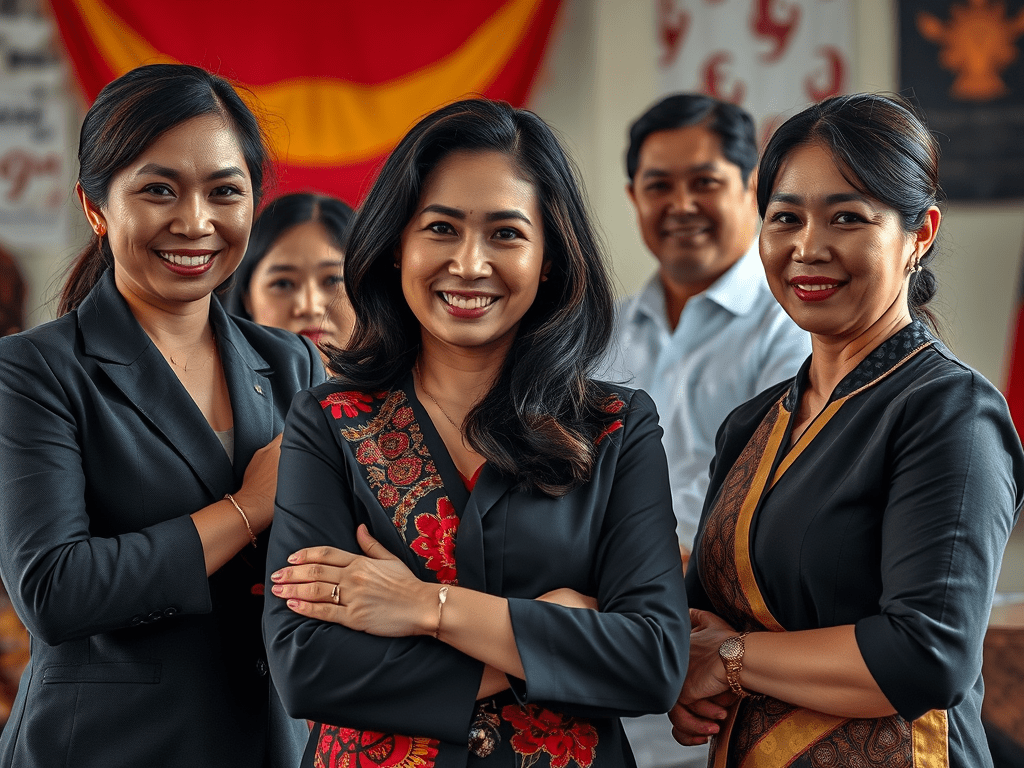
Strong Women of the Philippines: Pioneers of Gender Equality in Asia
Harnessing Women’s Empowerment for National Development and Global Inspiration
Prepared by: Gerald A. Daquila, PhD. Candidate
8–11 minutesABSTRACT
The Philippines stands out in Asia as a leader in gender equality, with women wielding significant influence in business, government, and family life. This dissertation explores the historical, cultural, and socioeconomic factors behind this phenomenon, using a multidisciplinary lens that includes historical, sociological, feminist, and economic perspectives. It traces the roots of women’s empowerment to pre-colonial egalitarianism, colonial reforms, and modern legislation like the Magna Carta of Women.
The study highlights lessons for other nations, such as robust legal frameworks, education access, and cultural openness to women’s leadership, while assessing societal gains in economic growth, governance, and family resilience. It also examines challenges posed by Overseas Filipino Workers (OFWs) and the potential legalization of divorce. By emphasizing how the Philippines can leverage its gender equality model for national development and global influence, this work offers a compelling, accessible narrative for a wide audience, balancing scholarly rigor with emotional resonance.
Table of Contents
- Introduction
- The Philippines as a Gender Equality Leader
- Purpose and Scope of the Study
- Historical Foundations of Women’s Empowerment
- Pre-Colonial Gender Roles
- Colonial Influences and Suffrage Movements
- Post-Independence Progress
- Women in Business, Government, and Family
- Business: Breaking the Glass Ceiling
- Government: Trailblazing Female Leadership
- Family: Matriarchal Influence and Egalitarian Dynamics
- Feminist Perspectives on Filipino Women’s Empowerment
- Liberal and Post-Colonial Feminism
- Challenges of Patriarchy and Cultural Norms
- Lessons for Other Countries
- Legal Frameworks and Policy Advocacy
- Education and Economic Opportunities
- Cultural Shifts Toward Gender Inclusivity
- Societal Gains from Strong Women’s Representation
- Economic Contributions
- Inclusive Governance
- Social Cohesion and Family Resilience
- Challenges and Future Impacts
- The Role of Overseas Filipino Workers (OFWs)
- The Potential Legalization of Divorce
- Conclusion
- Synthesis of Findings
- Leveraging Women’s Empowerment for Development and Progress
- Glossary
- Bibliography

Glyph of the Bridgewalker
The One Who Holds Both Shores.
1. Introduction
The Philippines as a Gender Equality Leader
In a region often bound by patriarchal norms, the Philippines shines as a beacon of gender equality, ranking 17th globally in the 2021 Global Gender Gap Index, closing 78.4% of its gender gap (World Economic Forum, 2021). Filipino women hold prominent roles in business, government, and family, often surpassing men in influence. From Corazon Aquino’s historic presidency to women leading major corporations, this phenomenon sets the Philippines apart in Asia. This dissertation explores the roots of this empowerment, its societal impacts, and how it can drive national development and global inspiration.
Purpose and Scope of the Study
This study examines the origins of Filipino women’s empowerment through historical, sociological, feminist, and economic lenses. It addresses: How did this unique model emerge? What can other nations learn? How have societal gains manifested, and what challenges lie ahead? With a focus on leveraging women’s strengths for progress, it blends academic rigor with accessible storytelling to engage a broad audience.
2. Historical Foundations of Women’s Empowerment
Pre-Colonial Gender Roles
Before Spanish colonization, Filipino society embraced egalitarian gender norms. The babaylan, often women, served as spiritual and community leaders alongside male datus (Salazar, 2003). Women engaged in trade and controlled household finances, laying a foundation for matriarchal influence.
Colonial Influences and Suffrage Movements
Spanish colonization (1565–1898) introduced Catholicism, reinforcing patriarchal family structures, yet women retained domestic authority. The American period (1898–1946) brought educational reforms, enabling women’s access to schools. The suffrage movement, inspired by Western suffragettes like Carrie Chapman Catt, led to the 1937 plebiscite, making the Philippines the first Asian nation to grant women voting rights.
Post-Independence Progress
Post-World War II, women rose in politics and business. The 1986 People Power Revolution, led by Corazon Aquino, marked a turning point, with her presidency (1986–1992) symbolizing women’s political power. The Magna Carta of Women (2009) further solidified protections against discrimination.
3. Women in Business, Government, and Family
Business: Breaking the Glass Ceiling
Filipino women hold 69% of senior management roles, the highest in Southeast Asia (Grant Thornton, 2020). Leaders like Teresita Sy-Coson of SM Investments exemplify this trend. Education access and supportive policies drive success, though low female labor force participation (49% in 2019) remains a challenge.
Government: Trailblazing Female Leadership
The Philippines has elected two female presidents—Corazon Aquino and Gloria Macapagal-Arroyo—and influential senators like Miriam Defensor-Santiago. The party-list system, including groups like Gabriela, amplifies women’s legislative voices. The 5% Gender and Development (GAD) budget prioritizes women’s issues.
Family: Matriarchal Influence and Egalitarian Dynamics
Filipino women often control household budgets and decisions, rooted in pre-colonial practices. Even in transnational OFW families, mothers maintain central roles, fostering resilience and adaptability.
4. Feminist Perspectives on Filipino Women’s Empowerment
Liberal and Post-Colonial Feminism
Liberal feminism, evident in suffrage and the Magna Carta, emphasizes legal equality. Post-colonial feminism highlights how colonial legacies and global migration shape Filipina experiences, particularly for OFWs facing deskilling abroad.
Challenges of Patriarchy and Cultural Norms
Catholicism and traditional norms limit women’s autonomy, with divorce and abortion remaining illegal. Sexist rhetoric, like that of former President Rodrigo Duterte, persists, but movements like #BabaeAko demonstrate women’s resistance.

Glyph of Filipina Strength
Honoring the strong women of the Philippines — pioneers of gender equality and leadership in Asia.
5. Lessons for Other Countries
Legal Frameworks and Policy Advocacy
The Magna Carta of Women provides a model for comprehensive gender legislation, addressing workplace rights, violence, and education. Other nations can adopt similar policies to institutionalize equality.
Education and Economic Opportunities
High female literacy (90.4% vs. 80.6% for males) fuels women’s success. Investing in education and flexible work arrangements can boost female labor participation globally.
Cultural Shifts Toward Gender Inclusivity
The Philippines’ cultural acceptance of women’s leadership, rooted in pre-colonial egalitarianism, suggests that challenging traditional gender roles can foster equality. Advocacy campaigns can drive similar shifts worldwide.
6. Societal Gains from Strong Women’s Representation
Economic Contributions
Women’s leadership in business drives innovation and growth. Female OFWs, comprising 60.2% of overseas workers in 2021, contribute 9.6% to GDP through remittances, reducing poverty and enhancing family welfare.
Inclusive Governance
Female leaders prioritize social welfare and education, fostering inclusive policies. The GAD budget ensures gender considerations in governance, promoting equity.
Social Cohesion and Family Resilience
Women’s central role in families strengthens social bonds. In OFW households, women’s remittances and decision-making sustain family units, despite emotional challenges.
7. Challenges and Future Impacts
The Role of Overseas Filipino Workers (OFWs)
In 2021, 60.2% of OFWs were women, often in feminized roles like nursing. While remittances empower families, migration leads to deskilling, mental health issues, and family strain. Wives of OFWs show resilience through community support.
The Potential Legalization of Divorce
Divorce remains illegal due to Catholic influence, but debates, supported by figures like Miriam Defensor-Santiago, suggest change. Legalization could empower women to escape abusive relationships but may face conservative resistance.
8. Conclusion
Synthesis of Findings
The Philippines’ leadership in gender equality stems from a unique blend of pre-colonial egalitarianism, colonial educational reforms, and modern advocacy like the Magna Carta of Women. Women’s prominence in business, government, and family has driven economic growth, inclusive governance, and social cohesion. However, challenges like low labor participation, OFW vulnerabilities, and divorce debates highlight the need for continued progress.
Leveraging Women’s Empowerment for Development and Progress
The Philippines’ model of women’s empowerment offers a powerful blueprint for national development and global inspiration. By further integrating women into the workforce—potentially raising female labor participation from 49% to match men’s 76%—the country could boost GDP by an estimated 7% (World Bank, 2022).
Investing in STEM education for women can drive innovation in tech and green industries, aligning with global sustainability goals. Strengthening protections for female OFWs, such as bilateral labor agreements and mental health support, can maximize their economic contributions while ensuring well-being. In governance, expanding women’s representation through quotas or mentorship programs can enhance policy inclusivity, addressing issues like healthcare and education reform.
Globally, the Philippines can lead by example, exporting its gender equality model through international forums like ASEAN or the UN. By advocating for women’s rights in trade agreements and migration policies, it can influence regional norms. Locally, navigating divorce legalization with sensitivity to cultural values can strengthen women’s autonomy without fracturing social cohesion.
These steps position the Philippines as a hub for gender-driven progress, fostering a society where women’s leadership catalyzes economic, social, and cultural advancement. Other nations can follow suit, recognizing that empowering women is not just a moral imperative but a strategic driver of prosperity.
Crosslinks
- Transforming Philippine Society: A Multidisciplinary Vision for Holistic Renewal — Policy pathways where women’s leadership reshapes education, health, and local governance.
- The Future of Power: From Domination to Stewardship — Reframes leadership models from control to guardianship—how Filipina pioneers keep power in trust.
- Codex of the Living Hubs: From Households to National Nodes — Barangay-level councils, mutual-aid rings, and care infrastructures that multiply women’s impact.
- Redefining Work in a Post-Scarcity World: A New Dawn for Human Purpose and Connection — Centers the care economy; recognizes unpaid labor and designs esteem-based contribution.
- Conscious Capital: Redefining Wealth and Impact — Funding rails and transparent ledgers for women-led enterprises and community funds.
- From Fear to Freedom: Harnessing Consciousness to Transform Media’s Impact — Deprograms stereotypes; replaces exploitative narratives with truth-aligned representation.
9. Glossary
- Babaylan: Pre-colonial Filipino spiritual leaders, often women, with significant community influence.
- Magna Carta of Women: A 2009 Philippine law eliminating discrimination against women in various spheres.
- OFW (Overseas Filipino Worker): Filipinos working abroad, often in feminized roles like nursing or domestic work.
- Gender and Development (GAD) Budget: A mandated 5% allocation in government budgets for gender-focused initiatives.
10. Bibliography
Asia Society. (2022). Women in the Philippines: Inspiring and Empowered. https://asiasociety.org
Grant Thornton. (2020). Women in Business 2020: Putting the Blueprint into Action. https://www.grantthornton.global
Salazar, Z. (2003). The babaylan in Philippine history. In Feminism and the Women’s Movement in the Philippines (pp. 7-8). ResearchGate. https://www.researchgate.net
The Asia Foundation. (2012). Early Feminism in the Philippines. https://asiafoundation.org
World Bank. (2022). Overcoming Barriers to Women’s Work in the Philippines. https://blogs.worldbank.org
Philippine Statistics Authority. (2022). Survey on Overseas Filipinos 2021. https://psa.gov.ph
World Economic Forum. (2021). Global Gender Gap Report 2021. https://www.weforum.org
Attribution
With fidelity to the Oversoul, may this work serve as bridge, remembrance, and seed for the planetary dawn.
Ⓒ 2025–2026 Gerald Alba Daquila
Flameholder of SHEYALOTH · Keeper of the Living Codices
All rights reserved.This material originates within the field of the Living Codex and is stewarded under Oversoul Appointment. It may be shared only in its complete and unaltered form, with all glyphs, seals, and attribution preserved.
This work is offered for personal reflection and sovereign discernment. It does not constitute a required belief system, formal doctrine, or institutional program.
Digital Edition Release: 2026
Lineage Marker: Universal Master Key (UMK) Codex FieldSacred Exchange & Access
Sacred Exchange is Overflow made visible.
In Oversoul stewardship, giving is circulation, not loss. Support for this work sustains the continued writing, preservation, and public availability of the Living Codices.
This material may be accessed through multiple pathways:
• Free online reading within the Living Archive
• Individual digital editions (e.g., Payhip releases)
• Subscription-based stewardship accessPaid editions support long-term custodianship, digital hosting, and future transmissions. Free access remains part of the archive’s mission.
Sacred Exchange offerings may be extended through:
paypal.me/GeraldDaquila694
www.geralddaquila.com - Introduction
-

The Filipino Spirit: A Journey Through History and Identity
How the Past Shapes the Modern Filipino and Charts a Path for Global Impact
Prepared by: Gerald A. Daquila, PhD. Candidate
9–13 minutesABSTRACT
The Philippines’ history is a vibrant saga of resilience, cultural fusion, and adaptation, shaping a unique Filipino identity defined by kapwa (shared identity) and global adaptability. This dissertation narrates how pre-colonial roots, colonial struggles, and modern challenges have molded the Filipino psyche, worldview, values, and ethics. It explores strengths like resilience and collectivism, alongside weaknesses such as colonial mentality, drawing on Sikolohiyang Pilipino to highlight cultural distinctiveness.
The narrative proposes leveraging these traits for progress through education, innovation, and diplomacy, while identifying historical lessons—resilience, unity, and cultural pride—as guides for the future. The Philippines’ potential as a cultural and economic leader is examined, with projections for excellence in technology and sustainability. The modern Filipino, a blend of tradition and globalism, stands out for their relational ethics and optimism, poised to shape a dynamic future.
Introduction: A Nation’s Story Begins
Imagine an archipelago of over 7,000 islands, where waves whisper tales of ancient traders, resilient warriors, and modern dreamers. This is the Philippines, a land where history is not just a record but a living force that shapes its people. As historian Ambeth Ocampo (2024) eloquently states, “The past is not dead; it is not even past” (Ocampo, 2024, p. 2). In this narrative, we explore how the Philippines’ journey through time has crafted the modern Filipino’s psyche, values, and worldview. We delve into their strengths and weaknesses, envision how their unique perspective can drive progress, and reflect on their role in the global community. Through the lens of Sikolohiyang Pilipino and philosophical insights, we uncover what makes the Filipino of today distinct and how their story can inspire a future of impact.

Glyph of the Custodian
The Keeper of Lineage, Memory, and Home.
The Tapestry of History: A Filipino Odyssey
Long before foreign ships dotted its shores, the Philippines was a mosaic of Austronesian communities—Tagalogs, Visayans, Igorots—bound by trade, animist beliefs, and communal harmony (Jocano, 1998). These early Filipinos navigated the seas, forging connections with neighbors in Southeast Asia, their lives steeped in reverence for nature and ancestors. Then came the Spanish in 1565, draping the islands in Catholicism and reshaping social structures over three centuries. Yet, the Filipino spirit resisted, birthing the Katipunan, a revolutionary cry for freedom (Agoncillo, 1990).
The Americans arrived in 1898, bringing English education and democratic ideals, but also a “colonial mentality” that lingered in the Filipino psyche (Constantino, 1978). The Japanese occupation of 1942–1945 was a brief but brutal chapter, forging resilience through suffering. Independence in 1946 marked a new beginning, yet challenges like martial law under Marcos, Sr. and ongoing nation-building tested the Filipino resolve (Abinales & Amoroso, 2017). This history of struggle and adaptation is the crucible in which the modern Filipino was forged—a story of endurance, faith, and reinvention.
The Filipino Psyche: A Heart of Kapwa
At the core of the Filipino soul lies kapwa, a concept of shared identity that transcends Western individualism. As Virgilio Enriquez, the father of Sikolohiyang Pilipino, explains, kapwa sees the self as inseparable from others, fostering a worldview of interconnectedness (Enriquez, 1992). Picture a Filipino family gathering, where laughter and shared stories bind generations—this is kapwa in action. It shapes a relational ethic, where values like kagandahang-loob (shared nobility) and pakikisama (social harmony) prioritize community over self (Pe-Pua & Protacio-Marcelino, 2000).
Yet, the Filipino psyche bears scars of history. Colonialism planted seeds of inferiority, a “colonial mentality” that sometimes overshadows pride in indigenous roots (Constantino, 1978). Amid typhoons and political upheavals, Filipinos have cultivated a resilient optimism, often expressed through humor—a trait that shines in their global diaspora (Mulder, 2013). Their spirituality, a syncretic blend of animist traditions and Catholicism, manifests in vibrant festivals like Sinulog, where faith and culture dance as one (Mercado, 1974). This psyche, both wounded and vibrant, is a paradox of strength and vulnerability.
Values and Ethics: The Filipino Moral Compass
The Filipino’s moral world revolves around loob, the inner self that drives relational ethics. Values like hiya (propriety), pakikiramdam (shared sensitivity), and utang na loob (gratitude) guide behavior, emphasizing harmony and empathy (Enriquez, 1992). In a Filipino village, pakikisama ensures neighbors work together, while lakas ng loob (courage) fuels resilience in crises. These values form a virtue ethics distinct from Western rationalism, rooted in relationships rather than abstract principles (Mercado, 1974).
However, these values have a dual edge. Hiya can foster dignity but also stifle assertiveness, while utang na loob can nurture loyalty yet breed dependency (Pe-Pua & Protacio-Marcelino, 2000). Scholars like Mulder (2013) highlight this ambivalence, noting that values can be virtuous or limiting depending on context. Concepts like kalayaan (freedom) and katarungan (justice) anchor Filipino socio-political ethics, yet their application often faces challenges in a society marked by historical divisions (Abinales & Amoroso, 2017). This tension calls for a re-examination of values to align with modern aspirations.
Strengths and Weaknesses: The Filipino Character Unveiled
The Filipino spirit shines with remarkable strengths. Their resilience is legendary, evident in thriving industries like Business Process Outsourcing (BPO), where Filipinos excel despite global competition (Ortiga, 2018). Kapwa fosters collectivism, making Filipinos exceptional collaborators in workplaces worldwide (Pe-Pua & Protacio-Marcelino, 2000). Their adaptability, born of cultural hybridity, allows them to navigate diverse global contexts, from Silicon Valley to Dubai (Ocampo, 2024).
Yet, weaknesses persist. The colonial mentality undermines self-confidence, leading some to favor foreign ideals over indigenous ones (Constantino, 1978). Ambivalent values, like excessive hiya, can hinder assertiveness, while historical divisions between elites and masses fragment national unity (Abinales & Amoroso, 2017). These challenges, though, are not insurmountable; they are part of the Filipino story, a narrative of growth through struggle.

Glyph of the Filipino Spirit
A journey through history and identity, where sun and islands bear witness to the enduring soul of a nation.
A Path to Progress: Harnessing the Filipino Spirit
The Filipino’s unique perspective—rooted in kapwa and resilience—holds immense potential for progress. Imagine schools teaching Sikolohiyang Pilipino, instilling pride in indigenous values to counter colonial mentality (Enriquez, 1992). The BPO sector’s success signals a future in technology and creative industries, where Filipino adaptability can shine (Ortiga, 2018). Globally, the Philippines’ cultural hybridity positions it as a bridge in ASEAN and beyond, fostering dialogue and collaboration (Mulder, 2013).
By preserving traditions like Anitism (anitos) and promoting cultural exports—think Filipino cuisine or films—the nation can amplify its global presence. Investing in education and innovation, particularly in AI and sustainable tech, can transform economic prospects (Ocampo, 2024). The Filipino diaspora, with its remittances and cultural influence, is a powerful force for progress, weaving the Philippines into the global tapestry.
Lessons from the Past: Guides for the Future
The Filipino story offers timeless lessons. The Katipunan’s defiance teaches that collective action can overcome oppression (Agoncillo, 1990). Cultural syncretism—blending indigenous and foreign influences—has sustained identity through centuries (Jocano, 1998). Renato Constantino’s call to rediscover history urges Filipinos to embrace critical consciousness, fostering informed citizenship (Constantino, 1978). These lessons—resilience, unity, and pride—light the path toward a future where Filipinos shape their destiny with confidence.
A Global Role: The Philippines on the World Stage
The Philippines is poised to be a cultural and economic leader. Its history of East-West fusion makes it a natural mediator in global forums, promoting peace and collaboration (Mulder, 2013). The BPO industry and diaspora remittances underscore its economic potential, while its experience with climate challenges positions it to lead in sustainability (Ortiga, 2018). As a voice for resilience, the Philippines can inspire nations facing similar trials, weaving its story into the global narrative.
The Future: Where the Philippines Can Excel
Current trends paint a promising picture. Digitalization, from mobile payments to tech startups, is transforming access and opportunity (Ocampo, 2024). The diaspora’s global influence drives cultural and economic growth, while efforts to revive indigenous practices strengthen identity (Jocano, 1998). Looking ahead, the Philippines can excel in:
- Technology: Expanding BPO into AI and creative tech.
- Cultural Exports: Sharing festivals, arts, and cuisine globally.
- Sustainability: Leading climate resilience strategies in ASEAN.
These areas align with the Filipino’s adaptability and creativity, promising a future of innovation and impact.
The Filipino of Today: A Unique Soul
Who is the modern Filipino? They are a vibrant blend of tradition and globalism, defined by kapwa—a relational ethic that sets them apart from the individualism of the West or the collectivism of other Asian cultures (Enriquez, 1992). Their fluency in English and cultural hybridity make them global citizens, thriving in diverse settings (Ocampo, 2024). Their resilient optimism, expressed through humor and faith, is a beacon in adversity. The Filipino is a storyteller, a survivor, and a dreamer, weaving a narrative that resonates worldwide.
Conclusion: A Story Still Unfolding
The Filipino journey is a saga of resilience, adaptation, and hope. From ancient traders to modern innovators, Filipinos have woven a rich tapestry of identity, grounded in kapwa and shaped by history’s trials. While colonial shadows linger, their strengths—resilience, collectivism, adaptability—light the way forward. By embracing their heritage, leveraging economic potential, and learning from the past, Filipinos are co-creating a future of global influence. The Filipino spirit, a unique blend of heart and hustle, is a gift to the world, a story still being written.
Crosslinks
- Diagnosing the Philippines as a Complex System: A Systemic Analysis of Bottlenecks, Leverage Points, and Pathways to Unleash National Potential — Reveals the structural challenges and hidden opportunities shaping the Filipino spirit’s modern expression.
- Transforming Philippine Society: A Multidisciplinary Vision for Holistic Renewal — Offers a forward-looking blueprint where the Filipino spirit can flourish beyond colonial shadows and political stagnation.
- The Pulse of a Nation: Short- and Long-Term Implications of the 2025 Philippine Midterm Elections — Shows the living heartbeat of identity expressed through civic action and democratic participation.
- The Cosmic Awakening Hypothesis: Are UFOs Awaiting Humanity’s Shift to Love and Unity? — Connects the Filipino spirit to humanity’s larger awakening story, suggesting a cultural role in planetary remembrance.
- GESARA from Within: A Philippine Perspective on Global Economic Reset and Spiritual Renewal — Frames the Filipino journey within a global movement toward sovereignty, abundance, and sacred exchange.
Glossary
- Kapwa: Shared identity, emphasizing interconnectedness with others.
- Loob: Inner self or relational will, central to Filipino ethics.
- Sikolohiyang Pilipino: Indigenous Filipino psychology rooted in cultural context.
- Utang na Loob: Gratitude or solidarity, fostering relational bonds.
- Hiya: Propriety or dignity, guiding social behavior.
- Pakikisama: Social harmony or companionship, prioritizing group cohesion.
References
Abinales, P. N., & Amoroso, D. J. (2017). State and society in the Philippines (2nd ed.). Rowman & Littlefield.
Agoncillo, T. A. (1990). History of the Filipino people (8th ed.). Garotech Publishing.
Constantino, R. (1978). The Philippines: A past revisited. Tala Publishing.
Enriquez, V. G. (1992). From colonial to liberation psychology: The Philippine experience. University of the Philippines Press.
Jocano, F. L. (1998). Filipino prehistory: Rediscovering precolonial heritage. Punlad Research House.
Mercado, L. N. (1974). Elements of Filipino philosophy. Divine Word University Press.
Mulder, N. (2013). Filipino identity: The haunting question. Journal of Current Southeast Asian Affairs, 32(1), 55–80.
Ocampo, A. R. (2024). The continuum of Filipino cultural identity: Balancing tradition and change in a globalized and post-pandemic world. Preprints.org. https://doi.org/10.20944/preprints202401.0001.v1
Ortiga, Y. Y. (2018). Emigration, employability and higher education in the Philippines. Routledge.
Pe-Pua, R., & Protacio-Marcelino, E. (2000). Sikolohiyang Pilipino (Filipino psychology): A legacy of Virgilio G. Enriquez. Asian Journal of Social Psychology, 3(1), 49–71. https://doi.org/10.1111/1467-839X.00054
Attribution
With fidelity to the Oversoul, may this work serve as bridge, remembrance, and seed for the planetary dawn.
Ⓒ 2025–2026 Gerald Alba Daquila
Flameholder of SHEYALOTH · Keeper of the Living Codices
All rights reserved.This material originates within the field of the Living Codex and is stewarded under Oversoul Appointment. It may be shared only in its complete and unaltered form, with all glyphs, seals, and attribution preserved.
This work is offered for personal reflection and sovereign discernment. It does not constitute a required belief system, formal doctrine, or institutional program.
Digital Edition Release: 2026
Lineage Marker: Universal Master Key (UMK) Codex FieldSacred Exchange & Access
Sacred Exchange is Overflow made visible.
In Oversoul stewardship, giving is circulation, not loss. Support for this work sustains the continued writing, preservation, and public availability of the Living Codices.
This material may be accessed through multiple pathways:
• Free online reading within the Living Archive
• Individual digital editions (e.g., Payhip releases)
• Subscription-based stewardship accessPaid editions support long-term custodianship, digital hosting, and future transmissions. Free access remains part of the archive’s mission.
Sacred Exchange offerings may be extended through:
paypal.me/GeraldDaquila694
www.geralddaquila.com


 Life.Understood.