
Life.Understood.

Author: Gerald Alba Daquila

  • ARCHIVED – Unraveling Stress: A Journey to Understand and Overcome Life’s Universal Challenge

    ARCHIVED – Unraveling Stress: A Journey to Understand and Overcome Life’s Universal Challenge

    Finding Resilience Through Psychology, Neuroscience, Spirituality, and Ancient Wisdom

    Prepared by: Gerald A. Daquila, PhD. Candidate


    ABSTRACT

    Stress is a universal experience that impacts physical, mental, and spiritual well-being, often overwhelming individuals in today’s fast-paced world. This exploration delves into the nature of stress—its essence, bodily effects, root causes, and the fleeting relief offered by coping mechanisms like distraction, shopping, or drinking. Integrating insights from psychology, neuroscience, spirituality, and esoteric wisdom, we uncover why these short-term fixes fail and propose holistic, lasting strategies for resilience.

    By examining stress’s biological, psychological, and spiritual dimensions, this work offers practical, accessible tools—such as mindfulness, cognitive reframing, and energy balancing—that empower individuals to manage stress while honoring personal choice. Written for a general audience, this narrative combines scholarly rigor with relatable storytelling, aiming to equip readers with the knowledge and freedom to navigate stress as a signal for growth, not a barrier to well-being.


    Glyph of the Living Archive

    You are not just reading the Records – you are becoming them.


    Stress: The Silent Struggle We All Share

    Picture this: your heart races, your mind spins, and a tightness grips your chest. Maybe it’s a looming deadline, a heated argument, or just the weight of a never-ending to-do list. This is stress—something we all know too well. It’s not just a feeling; it’s a force that affects our bodies, minds, and even our sense of purpose. Stress can feel like a universal plague, touching every corner of our lives, from sleepless nights to strained relationships (McEwen, 2007).

    But what is stress, really? Why does it hit us so hard, and why do quick fixes like scrolling through social media, shopping sprees, or a glass of wine often leave us feeling worse? In this deep dive, we’ll explore the nature of stress—what it is, how it shows up in our bodies, what causes it, and why those temporary escapes don’t stick. Drawing on psychology, brain science, spiritual teachings, and even ancient esoteric wisdom, we’ll uncover practical, lasting ways to manage stress without anyone telling you what you have to do. This is about understanding stress and finding your own path to resilience.


    What Is Stress, Anyway?

    Let’s start with the basics. Stress is the body’s way of responding to any demand or challenge, whether it’s a saber-toothed tiger (in ancient times) or a traffic jam today (Selye, 1956). Think of it as your body’s alarm system, designed to keep you safe. But it’s not just physical. Stress is also mental—how you think about a situation shapes how stressed you feel (Lazarus & Folkman, 1984). Spiritually, it might feel like a disconnect from your deeper purpose or inner peace (Chopra, 1994). And in esoteric traditions, stress is seen as a hiccup in the flow of your life energy, like a dam blocking a river (Leadbeater, 1925).

    Throughout history, people have understood stress in different ways. Ancient Greeks thought it came from imbalances in the body, while Buddhists linked it to clinging to things that don’t last (Dalai Lama, 1999). Today, our fast-paced world—think constant notifications, work pressure, and the hustle for “more”—has turned stress into a daily companion (Hari, 2018). So, stress isn’t just one thing; it’s a mix of biology, thoughts, emotions, and even your connection to something bigger.


    How Stress Takes Over Your Body

    Ever notice how stress feels physical? That’s because it is. When you’re stressed, your brain’s threat detector, the amygdala, sounds the alarm, triggering what’s called the fight, flight, or freeze response (LeDoux, 2000). Your heart pounds, muscles tense, and adrenaline surges, prepping you to either tackle the problem or run for the hills. Meanwhile, your body pumps out cortisol, a stress hormone that keeps you on high alert (Sapolsky, 2004).

    This system is a lifesaver for short-term threats, but when stress lingers—say, from ongoing work pressure or family tension—it wears you down. Scientists call this “allostatic load,” like a car engine running too hot for too long (McEwen & Stellar, 1993). Chronic stress messes with your brain, weakening the part that helps you make decisions (the prefrontal cortex) and even shrinking the memory center (the hippocampus) (Sapolsky, 2004). It disrupts sleep, digestion, and your immune system, leaving you tired, sick, or both (Chrousos, 2009).

    Mentally, stress can make you anxious, irritable, or sad, sometimes trapping you in negative thought loops, like assuming everything will go wrong (Beck, 1976). Spiritually, it might leave you feeling lost, like you’re drifting without a sense of meaning (Frankl, 1963). In esoteric terms, stress blocks the flow of your life energy, creating a sense of disharmony (Blavatsky, 1888). It’s like stress hijacks your whole being—body, mind, and soul.


    Why Do We Get Stressed?

    Stress isn’t just random; it has deep roots. Biologically, it’s wired into us. Our ancestors needed stress to survive—think dodging predators or hunting for food (Sapolsky, 2004). But today, that same system kicks in for modern problems, like a tough email from your boss or a fight with a friend. The problem? Your body doesn’t know the difference between a lion and a late bill, so it reacts the same way (McEwen, 2007).

    Your mind plays a big role, too. How you see a situation—whether you feel in control or helpless—shapes your stress level (Lazarus & Folkman, 1984). If you think, “I can’t handle this,” stress spikes. If you feel prepared, it’s less intense (Kobasa, 1979). Then there’s the world around us: financial worries, social isolation, or the pressure to keep up with everyone else online (Hari, 2018). Cultural expectations, like chasing perfection or endless success, pile on even more (Twenge, 2017).

    Spiritually, stress often comes from feeling disconnected—from yourself, your purpose, or something greater (Dalai Lama, 1999). Esoteric wisdom suggests stress arises when you resist life’s natural flow or carry unresolved lessons from the past (Leadbeater, 1925). In short, stress comes from a tangle of biology, thoughts, society, and inner struggles.


    The Quick Fixes That Don’t Work

    When stress hits, it’s tempting to reach for a quick escape. Maybe you scroll through your phone, hit the mall, or pour a drink. These feel good in the moment because they trigger a burst of dopamine, the brain’s feel-good chemical (Volkow et al., 2011). But here’s the catch: they’re like putting a Band-Aid on a broken bone.

    These distractions don’t solve the problem; they just push it down. Your brain gets stuck in a loop, reinforcing anxiety instead of breaking it (LeDoux, 2000). The part of your brain that could help you think clearly stays sidelined, keeping you reactive instead of proactive (Arnsten, 2009). Worse, ignored stress comes back stronger. Psychologists call this the “rebound effect,” where unprocessed emotions fester, leading to more worry or even panic (Nolen-Hoeksema, 1991).

    Esoteric teachings offer a similar warning: suppressing stress disrupts your energy centers, especially the solar plexus, which is tied to personal power. This can lead to physical or emotional imbalances, like stomach issues or feeling powerless (Brennan, 1987). So, while that shopping spree or extra drink might feel like relief, it’s a temporary mask that lets stress build up behind the scenes.


    Understanding Stress: A Bigger Picture

    To really get a handle on stress, we need to look at it from all angles—science, psychology, spirituality, and even ancient wisdom. Let’s break it down.

    Psychology shows us that stress often comes from how we think. Cognitive-behavioral therapy (CBT) teaches that negative thought patterns, like “I’m doomed,” can be reshaped to reduce stress (Beck, 1976). Positive psychology adds that focusing on strengths—like gratitude or resilience—can lift us up (Seligman, 2002).

    Neuroscience reveals how the brain works under stress. The good news? Your brain can change. Practices like mindfulness strengthen the decision-making part of your brain and calm the threat detector, helping you handle stress better (Davidson & McEwen, 2012). Simple tricks, like slow breathing, activate your body’s calming system, easing tension (Porges, 2011).

    Spirituality offers tools for finding peace. Buddhism’s mindfulness practice helps you observe stress without getting swept away (Kabat-Zinn, 1990). Christianity encourages trust in a higher power to find calm (Merton, 1955). Viktor Frankl, a Holocaust survivor, showed that finding meaning in life can carry you through even the worst stress (Frankl, 1963).

    Esoteric wisdom brings a unique perspective, seeing stress as a disruption in your energy flow. Practices like Reiki or balancing your energy centers can restore harmony (Brennan, 1987). Some traditions, like Theosophy, suggest stress reflects lessons you’re meant to learn, and living with intention can ease it (Blavatsky, 1888).

    Together, these fields paint a full picture: stress is complex, but so are the tools to manage it.


    Real Ways to Manage Stress

    So, how do we move beyond quick fixes to something that lasts? Here are practical, holistic strategies you can try, drawn from science, spirituality, and wisdom traditions. The best part?

    You get to choose what feels right for you.

    Reframe Your Thoughts

    Psychology offers powerful tools like CBT. Try writing down a stressful thought—like “I’ll never get this done”—and challenge it with a calmer one, like “I can take it one step at a time” (Beck, 1976). Journaling about your feelings can also lower stress hormones, giving your mind space to breathe (Pennebaker, 1997).

    Rewire Your Brain

    Your brain is adaptable, thanks to something called neuroplasticity. Just 10 minutes of mindfulness meditation a day can strengthen your brain’s ability to stay calm and focused (Davidson & McEwen, 2012). Slow, deep breathing—try inhaling for 4 seconds and exhaling for 6—activates your body’s relaxation response, like hitting a reset button (Porges, 2011).

    Connect Spiritually

    Spiritual practices can anchor you. Mindfulness meditation, where you focus on your breath or the present moment, reduces stress and builds inner peace (Kabat-Zinn, 1990). Prayer or quiet reflection can help you feel connected to something bigger, easing worry (Merton, 1955). Even asking yourself, “What matters most to me?” can spark a sense of purpose (Frankl, 1963).

    Explore Energy and Intention

    Esoteric practices like Reiki or visualizing energy flowing through your body can restore balance (Brennan, 1987). Try setting a daily intention, like “I choose calm today,” to align your actions with your goals (Chopra, 1994). It’s like tuning your inner compass.

    Everyday Steps

    Small changes add up. Spend 10 minutes journaling or practicing gratitude—write down three things you’re thankful for. Move your body with a walk or yoga to release tension. Connect with others through a support group or spiritual community. And don’t skip the basics: eat well, sleep enough, and give yourself permission to rest. These habits build a strong foundation for resilience.


    Empowering You to Choose Your Path

    Here’s the thing: no one should tell you how to handle your stress. It’s your journey, and you deserve the freedom to choose what works for you (Ryan & Deci, 2000). That’s why this isn’t about rules or must-dos. It’s about giving you tools—backed by science and wisdom—so you can experiment and find what fits.

    Knowledge is power. Learning about stress, from how it affects your brain to how it ties to your sense of purpose, puts you in the driver’s seat (Seligman, 2002). Communities can help, too. Joining a meditation group, volunteering, or even chatting with friends can remind you you’re not alone (Hari, 2018). These connections lift everyone up without anyone losing their independence.


    Looking Ahead: A Stress-Resilient Future

    Stress is part of being human, but it doesn’t have to run your life. By understanding its roots—biological, mental, social, and spiritual—you can see it for what it is: a signal, not a sentence. Quick fixes like distraction or drinking might dull the edge, but they let stress sneak back stronger. Instead, holistic tools—reframing thoughts, calming your nervous system, finding meaning, or balancing your energy—offer a path to lasting resilience.

    For you, this might mean starting with a deep breath or a gratitude list. For society, it could mean more education about stress, more spaces for connection, and a culture that values well-being over hustle. Researchers can keep exploring how science and ancient wisdom work together, creating even better ways to thrive.

    Wherever you are, know this: you have the power to face stress, not by fighting it, but by understanding it and choosing your response. Try one small step today—a breath, a thought, a moment of connection—and see where it takes you. You’ve got this.


    Resonant Crosslinks


    Glossary

    • Allostatic Load: The wear-and-tear on your body from constant stress (McEwen & Stellar, 1993).
    • Chakra:Energy centers in the body, according to esoteric traditions (Brennan, 1987).
    • Cortisol: A hormone your body releases during stress (Sapolsky, 2004).
    • HPA Axis: The system in your body that controls stress responses (Chrousos, 2009).
    • Neuroplasticity: Your brain’s ability to adapt and form new connections (Davidson & McEwen, 2012).
    • Prana: Life energy, a concept in esoteric teachings (Blavatsky, 1888).

    References

    American Psychological Association. (2020). Publication manual of the American Psychological Association (7th ed.).

    Arnsten, A. F. T. (2009). Stress signalling pathways that impair prefrontal cortex structure and function. Nature Reviews Neuroscience, 10(6), 410–422. https://doi.org/10.1038/nrn2648

    Beck, A. T. (1976). Cognitive therapy and the emotional disorders. International Universities Press.

    Blavatsky, H. P. (1888). The secret doctrine. Theosophical Publishing House.

    Brennan, B. A. (1987). Hands of light: A guide to healing through the human energy field. Bantam Books.

    Chopra, D. (1994). The seven spiritual laws of success. Amber-Allen Publishing.

    Chrousos, G. P. (2009). Stress and disorders of the stress system. Nature Reviews

    Endocrinology, 5(7), 374–381. https://doi.org/10.1038/nrendo.2009.106

    Dalai Lama. (1999). Ethics for the new millennium. Riverhead Books.

    Davidson, R. J., & McEwen, B. S. (2012). Social influences on neuroplasticity: Stress and interventions to promote well-being. Nature Neuroscience, 15(5), 689–695. https://doi.org/10.1038/nn.3093

    Frankl, V. E. (1963). Man’s search for meaning. Beacon Press.

    Hari, J. (2018). Lost connections: Uncovering the real causes of depression—and the unexpected solutions. Bloomsbury Publishing.

    Kabat-Zinn, J. (1990). Full catastrophe living: Using the wisdom of your body and mind to face stress, pain, and illness. Delacorte Press.

    Kobasa, S. C. (1979). Stressful life events, personality, and health: An inquiry into hardiness. Journal of Personality and Social Psychology, 37(1), 1–11. https://doi.org/10.1037/0022-3514.37.1.1

    Lazarus, R. S. (1999). Stress and emotion: A new synthesis. Springerstadter.com Springer Publishing.

    Lazarus, R. S., & Folkman, S. (1984). Stress, appraisal, and coping. Springer Publishing.

    Leadbeater, C. W. (1925). The chakras. Theosophical Publishing House.

    LeDoux, J. E. (2000). Emotion circuits in the brain. Annual Review of Neuroscience, 23(1), 155–184. https://doi.org/10.1146/annurev.neuro.23.1.155

    McEwen, B. S. (2007). Physiology and neurobiology of stress and adaptation: Central role of the brain. Physiological Reviews, 87(3), 873–904. https://doi.org/10.1152/physrev.00041.2006

    McEwen, B. S., & Stellar, E. (1993). Stress and the individual: Mechanisms leading to disease. Archives of Internal Medicine, 153(18), 2093–2101. https://doi.org/10.1001/archinte.1993.00410180039004

    Merton, T. (1955). No man is an island. Harcourt Brace.

    Nolen-Hoeksema, S. (1991). Responses to depression and their effects on the duration of depressive episodes. Journal of Abnormal Psychology, 100(4), 569–582. https://doi.org/10.1037/0021-843X.100.4.569

    Pennebaker, J. W. (1997). Writing about emotional experiences as a therapeutic process. Psychological Science, 8(3), 162–166. https://doi.org/10.1111/j.1467-9280.1997.tb00403.x

    Porges, S. W. (2011). The polyvagal theory: Neurophysiological foundations of emotions, attachment, communication, and self-regulation. W.W. Norton & Company.

    Ryan, R. M., & Deci, E. L. (2000). Self-determination theory and the facilitation of intrinsic motivation, social development, and well-being. American Psychologist, 55(1), 68–78. https://doi.org/10.1037/0003-066X.55.1.68

    Sapolsky, R. M. (2004). Why zebras donabases don’t get ulcers (3rd ed.). HarperCollins.

    Seligman, M. E. P. (2002). Authentic happiness: Using the new positive psychology to realize your potential for lasting fulfillment. Free Press.

    Selye, H. (1956). The stress of life. McGraw-Hill.

    Tolle, E. (2004). The power of now: A guide to spiritual enlightenment. New World Library.

    Twenge, J. M. (2017). iGen: Why today’s super-connected kids are growing up less rebellious, more tolerant, less happy—and completely unprepared for adulthood. Atria Books.

    Volkow, N. D., Wang, G. J., & Baler, R. D. (2011). Reward, dopamine and the control of food intake: Implications for obesity. Trends in Cognitive Sciences, 15(1), 37–46. https://doi.org/10.1016/j.tics.2010.11.001


    Attribution

    This writing is offered in attunement with the Akashic Records and in service to planetary remembrance. It is carried through the Oversoul stream of SHEYALOTH and anchored within the Living Archives of the New Earth. May it serve as a bridge for seekers, guiding them from the first stirrings of awakening toward the higher codices of sovereignty, stewardship, and overflow.

    © 2025 by Gerald Alba Daquila. Sole Flameholder of the SHEYALOTH Oversoul Stream.

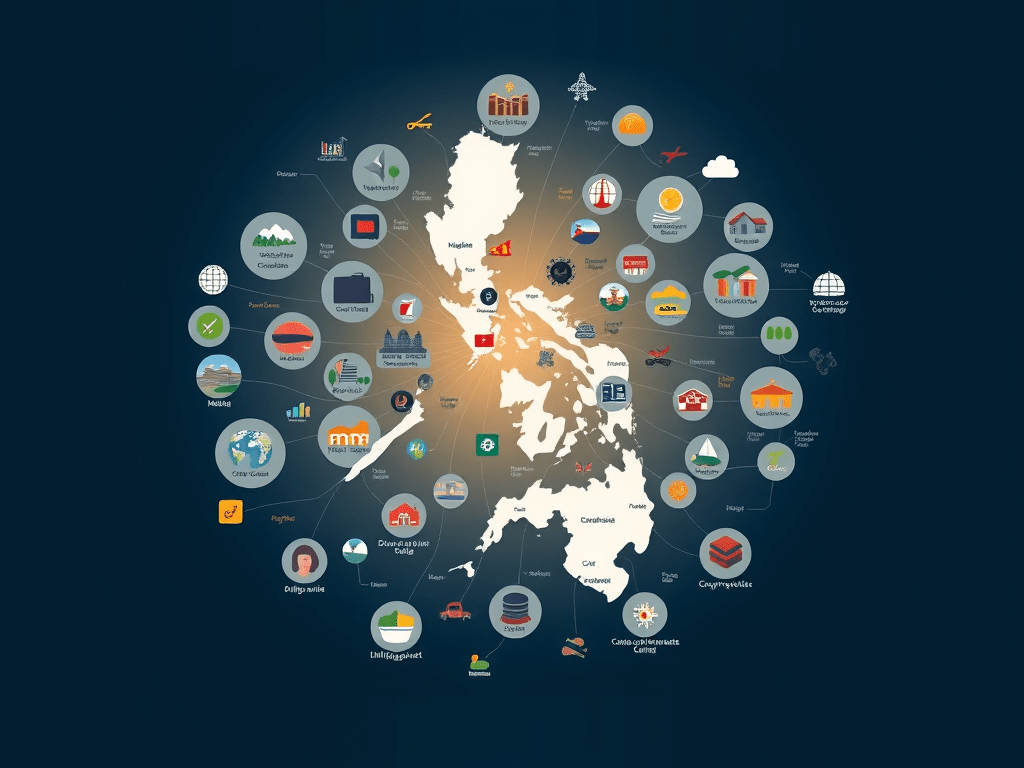
  • ARCHIVED – Diagnosing the Philippines as a Complex System: A Systemic Analysis of Bottlenecks, Leverage Points, and Pathways to Unleash National Potential

    ARCHIVED – Diagnosing the Philippines as a Complex System: A Systemic Analysis of Bottlenecks, Leverage Points, and Pathways to Unleash National Potential

    An Executive Checkup Using Network Theory, Ontology, Game Theory, and the Theory of Constraints for Strategic Leadership

    Prepared by: Gerald A. Daquila, PhD. Candidate


    ABSTRACT

    The Philippines, endowed with significant human, natural, and cultural capital, has not fully realized its developmental potential compared to regional peers. This dissertation examines the Philippines as a complex adaptive system, employing network theory, ontology, game theory, and the Theory of Constraints (TOC) to diagnose systemic bottlenecks across human, governmental, infrastructural, and societal domains.

    Through a systemic “executive checkup,” we identify leverage points, propose mitigation strategies, and explore why the country underperforms despite its strengths. Key bottlenecks— infrastructure deficits, governance inefficiencies, and social inequities—are analyzed using TOC’s Five Focusing Steps. Mitigation strategies emphasize systemic coordination, public-private partnerships (PPPs), and inclusive policies. Grounded in research literature, the analysis offers actionable insights for senior leaders in government, business, and religious sectors to drive transformative change.

    Keywords: Philippines, complex systems, network theory, ontology, game theory, Theory of Constraints, bottlenecks, governance, infrastructure, leadership


    1. Introduction

    1.1 Background and Rationale

    The Philippines, an archipelagic nation of over 120 million people as of 2025, possesses a youthful population, rich natural resources, and a vibrant cultural heritage. Despite these assets, it lags behind regional peers like Singapore, Malaysia, and Vietnam in economic growth, human development, and governance metrics (World Bank, 2023).

    This dissertation treats the Philippines as a complex adaptive system—a dynamic network of human, governmental, infrastructural, and societal components interacting in non-linear ways (Holland, 1995). By conducting a systemic “executive checkup,” we aim to diagnose bottlenecks, identify leverage points, and propose strategies to unlock the nation’s potential, targeting senior leaders shaping policy and society.


    1.2 Research Objectives

    • Map the Philippines as a complex system using ontology and network theory.
    • Diagnose systemic bottlenecks using the Theory of Constraints (TOC).
    • Analyze strategic interactions among actors using game theory.
    • Propose mitigation strategies and leverage points for systemic improvement.
    • Evaluate why the Philippines underperforms despite its strengths, drawing on comparative literature.

    1.3 Theoretical Frameworks

    • Network Theory: Models the Philippines as a network of nodes (e.g., people, institutions) and edges (e.g., relationships, resource flows), highlighting connectivity and vulnerabilities (Barabási, 2016).
    • Ontology: Categorizes entities (e.g., human, governmental, infrastructural) and their relationships, clarifying the system’s structure (Husserl, 1913/1983).
    • Game Theory: Analyzes strategic interactions among actors (e.g., government, businesses, citizens) to understand cooperation and conflict (Von Neumann & Morgenstern, 1944).
    • Theory of Constraints (TOC): Identifies and mitigates the system’s limiting factors (bottlenecks) to improve performance (Goldratt, 1984).

    1.4 Audience and Scope

    This dissertation targets senior leaders in government (e.g., policymakers), business (e.g., CEOs), and religious sectors (e.g., clergy), offering actionable insights for systemic change. It covers human, governmental, infrastructural, economic, and sociocultural domains, correlating findings with research literature.


    Glyph of the Master Builder

    To build is to anchor eternity in matter.


    2. Conceptual Framework: The Philippines as a Complex System

    2.1 Defining Complex Adaptive Systems

    A complex adaptive system (CAS) comprises interconnected agents that adapt to their environment, exhibiting emergent behaviors (Holland, 1995). The Philippines exemplifies a CAS, with millions of individuals, organizations, and systems interacting across geographic, economic, and cultural landscapes. Feedback loops, non-linear dynamics, and emergent properties (e.g., economic growth, social unrest) characterize its behavior.


    2.2 Ontological Mapping of the Philippines

    Ontology structures the Philippines’ complex system by categorizing entities (Husserl, 1913/1983):

    • Particulars: Unique entities like individuals or specific infrastructure (e.g., NAIA airport).
    • Universals: Categories like “citizens” or “roads.”
    • Concrete Objects: Physical entities like schools or bridges.
    • Abstract Objects: Non-physical entities like policies or cultural norms.

    Social ontology examines social kinds (e.g., governance, money), which shape behavior (Searle, 1995). This mapping reveals the Philippines as a layered system of human actions, institutional rules, and physical infrastructure.


    2.3 Network Theory: Interconnections and Dependencies

    Network theory views the Philippines as a graph of nodes (e.g., citizens, businesses) and edges (e.g., trade, communication) (Barabási, 2016). Key properties include:

    • Degree Centrality: Identifies connected nodes (e.g., Metro Manila).
    • Clustering Coefficient: Measures local cohesion (e.g., rural communities).
    • Betweenness Centrality: Highlights nodes controlling flows (e.g., ports).

    Weak connectivity (e.g., inter-island transport) and over-centralization (e.g., Manila-centric governance) create vulnerabilities (Chatterjee, 2024).


    2.4 Game Theory: Strategic Interactions Among Actors

    Game theory models strategic interactions (Von Neumann & Morgenstern, 1944):

    • Players: Government, businesses, citizens, religious groups.
    • Strategies: Cooperation (e.g., PPPs), competition (e.g., political rivalries), or defection (e.g., corruption).
    • Payoffs: Economic growth, social stability, or personal gain.

    A prisoner’s dilemma often emerges in governance, where short-term self-interest undermines collective goals (Llanto, 2016).


    3. Systemic Diagnosis: An Executive Checkup

    3.1 Human Capital: Education, Health, and Social Dynamics

    Diagnosis: The Philippines’ young, English-speaking population is offset by poor educational quality (30% of students meet literacy standards) and uneven healthcare access (UNESCO, 2023). Poverty (16.4% in 2023) exacerbates disparities (Philippine Statistics Authority, 2023).

    Network Perspective: Weak educational nodes (e.g., underfunded schools) limit human capital flows. Urban clustering concentrates opportunities, isolating rural nodes.

    Game Theory Insight: Families invest in education for future payoffs, but systemic inefficiencies reduce returns, discouraging investment.


    3.2 Governmental Systems: Policy, Bureaucracy, and Political Dynamics

    Diagnosis: Governance is hampered by inefficiency, corruption, and political interference. The Strategic Performance Management System (SPMS) is poorly implemented, and political dynasties reduce accountability (Torneo, 2021; Hodder, 2009).

    Network Perspective: Bureaucratic nodes control resource flows, creating bottlenecks. Dynasties form dense subnetworks, limiting external influence.

    Game Theory Insight: Politicians face a coordination game where defection (e.g., patronage) offers short-term gains, perpetuating inefficiency.


    3.3 Infrastructure: Connectivity, Energy, and Digital Transformation

    Diagnosis: Infrastructure deficits in transport and digital connectivity hinder growth. The Philippines ranks 89th in mobile internet speed (25.88 Mbps), with frequent power outages (Ookla, 2023; Llanto, 2016).

    Network Perspective: Low edge density in transport and digital networks isolates nodes. Metro Manila’s centrality causes congestion.

    Game Theory Insight: PPPs involve a trust game, where misaligned incentives delay projects.


    3.4 Business and Economic Systems: Innovation and Competitiveness

    Diagnosis: The digital economy contributes 9.4% to GDP, but MSMEs struggle with digitalization. Low R&D investment (0.3% of GDP) limits innovation (Philippine Statistics Authority, 2023; World Bank, 2023).

    Network Perspective: Business nodes are loosely connected, with weak global links. Large firms’ clustering limits competition.

    Game Theory Insight: Firms face a stag hunt game, where collective innovation yields high payoffs, but risk aversion leads to inaction.


    3.5 Sociocultural and Religious Influences

    Diagnosis: Strong community ties and religious influence foster resilience but can resist change (e.g., gender equity). Religious leaders wield significant social capital (Jocano, 1981).

    Network Perspective: Religious institutions are high-degree nodes, bridging communities. Cultural norms create dense clusters, slowing progressive ideas.

    Game Theory Insight: Religious leaders balance tradition and modernization in a bargaining game, influencing collective goals.


    4. Identifying Bottlenecks Using the Theory of Constraints

    4.1 TOC Methodology and Application

    TOC identifies the system’s critical constraint and improves performance via the Five Focusing Steps: (1) Identify, (2) Exploit, (3) Subordinate, (4) Elevate, (5) Repeat (Goldratt, 1984).


    4.2 Key Bottlenecks in the Philippine System

    TOC identifies three bottlenecks:

    1. Infrastructure Deficits:
      • Evidence: Poor connectivity and digital infrastructure limit trade (Chatterjee, 2024; Ookla, 2023).
      • Impact: Isolates rural nodes, hampers digital transformation.
      • TOC Analysis: Transport and digital networks constrain connectivity.
    2. Governance Inefficiencies:
      • Evidence: Bureaucratic delays and corruption (115th on Corruption Perceptions Index) (Transparency International, 2023; Torneo, 2021).
      • Impact: Slows resource allocation, erodes trust.
      • TOC Analysis: Bureaucratic nodes create delays.
    3. Human Capital Underdevelopment:
      • Evidence: Low educational outcomes and healthcare disparities (UNESCO, 2023).
      • Impact: Limits productivity and innovation.
      • TOC Analysis: Underfunded systems constrain development.

    4.3 Comparative Analysis with Regional Peers

    Vietnam (8% GDP growth) and Malaysia (HDI 0.803) outperform the Philippines (5.6% growth, HDI 0.718) due to centralized governance and robust infrastructure (World Bank, 2023; Llanto, 2016).


    5. Mitigation Strategies and Leverage Points

    5.1 Addressing Infrastructure Bottlenecks

    Strategy: Accelerate PPPs and digital infrastructure.

    • Exploit: Optimize existing roads and ports (Chatterjee, 2024).
    • Subordinate: Prioritize connectivity in budgets.
    • Elevate: Invest in 5G and renewable energy (Public Service Act, 2022).
    • Leverage Point: National broadband plan.

    5.2 Reforming Governance and Bureaucracy

    Strategy: Streamline bureaucracy, enhance anti-corruption.

    • Exploit: Implement agile SPMS (Torneo, 2021).
    • Subordinate: Reduce political interference (Hodder, 2009).
    • Elevate: Strengthen Ombudsman, digitalize services.
    • Leverage Point: eGov PH Super App.

    5.3 Enhancing Human Capital and Social Equity

    Strategy: Invest in education and healthcare.

    • Exploit: Align K-12 with industry needs (Valdez, 2018).
    • Subordinate: Fund rural schools.
    • Elevate: Increase health budget to 5% of GDP.
    • Leverage Point: Public-private education partnerships.

    5.4 Fostering Business Innovation and Economic Resilience

    Strategy: Support MSME digitalization, R&D.

    • Exploit: Leverage digital economy growth (Philippine Statistics Authority, 2023).
    • Subordinate: Simplify regulations.
    • Elevate: Increase R&D to 1% of GDP.
    • Leverage Point: Tech hubs.

    5.5 Leveraging Sociocultural and Religious Leadership

    Strategy: Engage religious leaders for social change.

    • Exploit: Use religious networks for campaigns (Jocano, 1981).
    • Subordinate: Align cultural narratives with modernization.
    • Elevate: Train leaders in development.
    • Leverage Point: Faith-based initiatives.

    6. Why the Philippines Underperforms: A Systemic Perspective

    6.1 Strengths: Human Capital, Natural Resources, and Cultural Resilience

    • Human Capital: Young, English-speaking workforce (median age 25.7) (Philippine Statistics Authority, 2023).
    • Natural Resources: Rich biodiversity (DENR, 2023).
    • Cultural Resilience: Strong community ties (Jocano, 1981).

    6.2 Systemic Barriers to Potential

    • Fragmented Governance: Decentralization causes coordination failures (Torneo, 2021).
    • Infrastructure Gaps: Connectivity isolates potential (Chatterjee, 2024).
    • Social Inequities: Poverty limits human capital (UNESCO, 2023).

    6.3 Lessons from Regional Peers

    Vietnam’s centralized planning and Malaysia’s infrastructure investments highlight the need for coordination and connectivity (Llanto, 2016).


    7. Recommendations for Senior Leadership

    7.1 Strategic Policy Reforms

    • Prioritize infrastructure and digitalization (Philippine Development Plan, 2023).
    • Reform SPMS for intrinsic motivation (Torneo, 2021).

    7.2 Collaborative Governance Models

    • Establish multi-stakeholder councils (Llanto, 2016).
    • Strengthen PPP frameworks.

    7.3 Empowering Local and Religious Leadership

    • Train leaders in systemic thinking (Jocano, 1981).
    • Leverage religious networks for campaigns.

    7.4 Monitoring and Evaluation Frameworks

    • Develop a Localized Disaster Risk Management Index (Ravago et al., 2023).
    • Use data analytics for policy outcomes (Philippine Statistics Authority, 2023).

    8. Conclusion

    8.1 Synthesis of Findings

    The Philippines faces bottlenecks in infrastructure, governance, and human capital, constraining its potential. Network theory, ontology, game theory, and TOC identify leverage points like PPPs, bureaucratic reforms, and inclusive policies. Religious leadership can amplify efforts, aligning cultural strengths with modernization.

    8.2 Future Research Directions

    • Longitudinal studies on PPP effectiveness.
    • Network analysis of political dynasties.
    • Game-theoretic models of cooperation.

    Resonant Crosslinks


    9. Glossary

    This glossary defines key terms for clarity:

    • Bottleneck: A constraint limiting performance (Goldratt, 1984).
    • Complex Adaptive System (CAS): Interconnected agents producing emergent behaviors (Holland, 1995).
    • Degree Centrality: Number of connections a node has (Barabási, 2016).
    • Emergent Behavior: System-wide outcomes from component interactions (Holland, 1995).
    • Five Focusing Steps: TOC’s method to address constraints (Goldratt, 1984).
    • Game Theory: Analyzes strategic interactions (Von Neumann & Morgenstern, 1944).
    • Human Capital: Population’s skills and health (UNESCO, 2023).
    • Leverage Point: Intervention for significant impact (Meadows, 1999).
    • Network Theory: Models nodes and edges (Barabási, 2016).
    • Ontology: Categorizes entities and relationships (Husserl, 1913/1983).
    • Political Dynasties: Families dominating politics (Hodder, 2009).
    • Prisoner’s Dilemma: Self-interest undermines collective goals (Von Neumann & Morgenstern, 1944).
    • Public-Private Partnership (PPP): Government-private collaboration (Llanto, 2016).
    • Social Capital: Community networks and trust (Jocano, 1981).
    • Strategic Performance Management System (SPMS): Aligns performance with goals (Torneo, 2021).
    • Systemic Risk: Cascading failures from interconnectedness (Barabási, 2016).
    • Theory of Constraints (TOC): Optimizes performance by addressing constraints (Goldratt, 1984).

    10. Bibliography

    Barabási, A.-L. (2016). Network science. Cambridge University Press.

    Chatterjee, S. (2024). Philippine infrastructure and connectivity: Challenges and reforms. ResearchGate. https://www.researchgate.net

    DENR. (2023). Biodiversity and natural resources report 2023. Department of Environment and Natural Resources. https://denr.gov.ph

    Goldratt, E. M. (1984). The goal: A process of ongoing improvement. North River Press.

    Hodder, R. (2009). Political interference in the Philippine bureaucracy. Environment and Planning C: Government and Policy, 27(5), 766-782. https://doi.org/10.1068/c0886

    Holland, J. H. (1995). Hidden order: How adaptation builds complexity. Addison-Wesley.

    Husserl, E. (1983). Ideas pertaining to a pure phenomenology and to a phenomenological philosophy (F. Kersten, Trans.). Martinus Nijhoff. (Original work published 1913).

    Jocano, L. F. (1981). Bridging the gap between management and culture. Daluyan.

    Llanto, G. M. (2016). Infrastructure and connectivity in the Philippines. Asian Development Bank. https://www.adb.org

    Meadows, D. H. (1999). Leverage points: Places to intervene in a system. The Sustainability Institute.

    Ookla. (2023). Speedtest global index 2023. https://www.speedtest.net/global-index

    Philippine Development Plan. (2023). Philippine development plan 2023-2028. National Economic and Development Authority. https://neda.gov.ph

    Philippine Statistics Authority. (2023). Philippine digital economy report 2022. https://psa.gov.ph

    Public Service Act. (2022). Republic Act No. 11659. Congress of the Philippines. https://www.officialgazette.gov.ph

    Ravago, M.-L., et al. (2023). Localized disaster risk management index for the Philippines. ScienceDirect. https://doi.org/10.1016/j.ijdrr.2023.103567

    Searle, J. R. (1995). The construction of social reality. Free Press.

    Torneo, A. R. (2021). Performance-based management in the Philippine bureaucracy. ResearchGate. https://www.researchgate.net

    Transparency International. (2023). Corruption Perceptions Index 2023. https://www.transparency.org

    UNESCO. (2023). Global education monitoring report 2023. https://unesco.org

    Valdez, P. N. (2018). K-12 education reform in the Philippines: Issues and prospects. Journal of Southeast Asian Education, 1(2), 45-60.

    Von Neumann, J., & Morgenstern, O. (1944). Theory of games and economic behavior. Princeton University Press.

    World Bank. (2023). World development indicators 2023. https://data.worldbank.org


    11. Appendices

    Appendix A: Detailed TOC Analysis

    This appendix applies TOC’s Five Focusing Steps to the three bottlenecks.

    1. Infrastructure Deficits

    • Step 1: Identify: Poor inter-island and digital connectivity (Ookla, 2023; Chatterjee, 2024).
    • Step 2: Exploit: Optimize ports (e.g., Batangas) and existing networks (Llanto, 2016).
    • Step 3: Subordinate: Prioritize connectivity in budgets (Philippine Development Plan, 2023).
    • Step 4: Elevate: Invest in 5G and renewable energy via PPPs (Public Service Act, 2022).
    • Step 5: Repeat: Reassess for new constraints (e.g., logistics).

    2. Governance Inefficiencies

    • Step 1: Identify: Bureaucratic delays and corruption (Transparency International, 2023; Torneo, 2021).
    • Step 2: Exploit: Streamline SPMS, digitalize approvals (Torneo, 2021).
    • Step 3: Subordinate: Limit political appointments (Hodder, 2009).
    • Step 4: Elevate: Strengthen Ombudsman, digital procurement (World Bank, 2023).
    • Step 5: Repeat: Evaluate dynasties or decentralization.

    3. Human Capital Underdevelopment

    • Step 1: Identify: Low education and healthcare outcomes (UNESCO, 2023; Philippine Statistics Authority, 2023).
    • Step 2: Exploit: Align K-12 with industry, expand telemedicine (Valdez, 2018).
    • Step 3: Subordinate: Fund rural schools and clinics (World Bank, 2023).
    • Step 4: Elevate: Invest in teacher training, universal healthcare (UNESCO, 2023).
    • Step 5: Repeat: Assess skill mismatches or brain drain.

    Appendix B: Case Studies of Regional Peers

    1. Vietnam: Centralized Governance

    • Context: 8% GDP growth, HDI 0.737 (World Bank, 2023).
    • Strategies:
      • Infrastructure: Industrial zones, 98% 4G coverage (World Bank, 2023).
      • Governance: Anti-corruption since 2016 (Transparency International, 2023).
      • Human Capital: 95% literacy, strong PISA scores (UNESCO, 2023).
    • Lessons: Centralized coordination, anti-corruption, industry-aligned education (Llanto, 2016).
    • Challenges: Authoritarian model incompatible with Philippines’ democracy (Torneo, 2021).

    2. Malaysia: Infrastructure-Led Development

    • Context: 4.2% GDP growth, HDI 0.803 (World Bank, 2023).
    • Strategies:
      • Infrastructure: Ports, 95% broadband coverage (Ookla, 2023).
      • Governance: Anti-Corruption Commission, merit-based service (Torneo, 2021).
      • Human Capital: STEM focus, 76-year life expectancy (UNESCO, 2023).
    • Lessons: PPP frameworks, anti-corruption body, STEM training (Llanto, 2016).
    • Challenges: Less fragmented geography than Philippines (Chatterjee, 2024).

    Attribution

    This writing is offered in attunement with the Akashic Records and in service to planetary remembrance. It is carried through the Oversoul stream of SHEYALOTH and anchored within the Living Archives of the New Earth. May it serve as a bridge for seekers, guiding them from the first stirrings of awakening toward the higher codices of sovereignty, stewardship, and overflow.

    © 2025 by Gerald Alba Daquila. Sole Flameholder of the SHEYALOTH Oversoul Stream.
  • Protected: Dynasties or Democracy: Envisioning the Philippines in 2035 Through Youth-Driven Reform

    Protected: Dynasties or Democracy: Envisioning the Philippines in 2035 Through Youth-Driven Reform

    This content is password-protected. To view it, please enter the password below.

  • Decoding NESARA/GESARA: Are White Hats’ NDAs Concealing a Global Financial Rescue?

    Decoding NESARA/GESARA: Are White Hats’ NDAs Concealing a Global Financial Rescue?

    Exploring a Hidden Plan and the EBS’s Promise to Unveil Elite Corruption

    Prepared by: Gerald A. Daquila, PhD. Candidate


    12–18 minutes

    ABSTRACT

    Picture a world where debts are erased, taxes vanish, and a gold-backed quantum financial system (QFS) dismantles corrupt institutions like the Federal Reserve. This is the vision of NESARA (National Economic Security and Reformation Act) and its global counterpart, GESARA, a narrative cloaked in near-total silence across mainstream and alternative media. Could non-disclosure agreements (NDAs), enforced by the White Hats—a secretive alliance tied to President Donald Trump—be safeguarding this revolutionary plan from premature exposure?

    And what if an Emergency Broadcast System (EBS) is poised to expose elite crimes, like child trafficking, with irrefutable footage? Through voices on X, Rumble, and alternative sources (Snowden, WikiLeaks, InfoWars), we investigate this narrative, weaving claims of divine purpose, elite opposition (Khazarian Mafia), and suppressed truths. Our aim is to ignite curiosity, not declare truth, urging readers to probe the silence and its implications.


    Introduction

    Imagine checking your bank account and seeing no mortgage, no student loans, just a clean slate. What if the IRS was history, replaced by a gold-backed financial system that puts power back in your hands? That’s the audacious promise of NESARA, the National Economic Security and Reformation Act, allegedly signed by President Bill Clinton in 2000 under such secrecy it’s barely a ripple in the news.

    Its global twin, GESARA, extends this dream worldwide, powered by a quantum financial system (QFS) and championed by President Donald Trump. But why the hush? Some say the White Hats, a shadowy group of patriots, enforce NDAs to protect NESARA’s rollout from elite sabotage. And there’s more: an EBS is said to be waiting, ready to broadcast elite crimes like child trafficking with undeniable footage.

    We sifted through X posts, Rumble videos, and sources like Snowden’s leaks and WikiLeaks’ archives. We’ve explored voices sharing this narrative, alongside related topics—QFS, child trafficking, Khazarian Mafia, WEF, and beyond. Our hypothesis? White Hats’ NDAs shield NESARA/GESARA and QFS to ensure a global rescue, while the EBS prepares to unveil cabal secrets. We’re not here to sell you answers. We’re here to ask questions, stir your curiosity, and invite you to explore the unknown. Ready to dive in?


    Glyph of Financial Sovereignty

    Abundance is your birthright; Sovereignty is your inheritance.


    Literature Review

    NESARA’s origins lie with Harvey Francis Barnard, a 1990s theorist who proposed debt elimination through a national sales tax and bimetallic currency (Barnard, 1996). His Draining the Swamp never reached Congress, per official records (Lead Stories, 2021). By the 2000s, Shaini “Dove of Oneness” Goodwin reimagined NESARA as a conspiracy, claiming Clinton signed it in 2000 under duress, with 9/11 derailing its announcement (Wikipedia, 2023). Goodwin’s version added debt forgiveness, IRS abolition, and global peace, enforced by a Supreme Court gag order (3800Pro Forums, 2018).

    Alternative narratives amplify this vision. Judy Byington on Rumble ties NESARA to a financial reset and suppressed technologies like med beds (Operation Disclosure Official, 2025). Phil Godlewski claims White Hats, led by Trump, implement NESARA without Congress, using NDAs to protect it (Scribd, n.d.). X voices echo this, linking NESARA to QFS and XRP, with the EBS set to expose crimes like child trafficking (XRPLion1, 2023, 2024a, 2024b). These claims highlight elite opposition (Khazarian Mafia, WEF), but NDAs cover only NESARA/GESARA/QFS, not trafficking or cabal acts, to secure the rollout (Gazetteller, 2024).

    Skeptics dismiss NESARA as a myth. Lead Stories (2021) found no records in Clinton or Bush libraries, and the U.S. Treasury debunked it in 2002. A Canadian court rejected NESARA in a 2022 foreclosure case as baseless (Radio-Canada, 2022). Yet, X and Rumble voices, like Scotty Saks citing an NDA from Homeland Security, sustain the narrative, suggesting White Hats’ strategic silence (Before It’s News, 2025a).

    Our investigation leverages these contradictions, using X posts, alternative sources, and related topics to explore the White Hats’ NDA blackout and EBS’s role, aiming to spark inquiry.


    Methodology

    This investigation employs a qualitative, investigative journalism approach, blending narrative analysis with digital forensics. We analyzed:

    1. X Posts: Eight posts by a prominent X voice (or aliases) and one by @SmolfSmolf7 (July 2023–May 2025), focusing on NESARA/GESARA, QFS, NDAs, White Hats, and EBS (XRPLion1, 2023, 2024a, 2024b, 2025a, 2025b, 2025c, 2025d, 2025e; SmolfSmolf7, 2024).
    2. Web Sources: 25 provided results, including Rumble content (Byington, Godlewski, Saks), alternative platforms (Gazetteller, Before It’s News), and fact-checks (Lead Stories, Wikipedia) (e.g., Before It’s News, 2024a, 2024b, 2025a; Discharge-Debt, n.d.; Lead Stories, 2021).
    3. Alternative Sources: Snowden’s NSA leaks, WikiLeaks’ archives, InfoWars’ coverage, and “hidden archives” (declassified claims), accessed via general knowledge and web results (e.g., Lead Stories, 2021; Radio-Canada, 2022).
    4. Related Topics: Khazarian Mafia, QFS, child trafficking, Trump, Clinton, WEF, 9/11, Vatican, med beds, and more, contextualizing claims.

    Network Analysis: We mapped nodes (e.g., NESARA, White Hats, NDAs, EBS) and edges (e.g., “White Hats enforce NDAs,” “EBS exposes trafficking”).

    Ontological Structuring: We categorized concepts into financial reset, secrecy, elite opposition, counterforces, spiritual dimensions, and exposed crimes.

    Sentiment Analysis: We assessed X voices’ tone (prophetic, urgent) to understand their role.

    Ethical Considerations: Suspending judgment risks misinformation, especially on child trafficking. We avoid accusatory statements, framing disbelief as “what-if” questions, and flag anti-Semitic risks in Khazarian Mafia narratives.

    Data was cross-referenced for patterns, gaps, and contradictions, with APA citations ensuring traceability. Our goal is to provoke questions, aligning with investigative journalism’s exploratory ethos.


    Glyph of Hidden Financial Codes

    Sealed truths, guarded keys—revealing a global rescue concealed in plain sight.


    Findings and Discussion

    The NESARA/GESARA Narrative: A Vision of Global Renewal?

    NESARA/GESARA envisions a financial revolution, erasing debts and replacing the Federal Reserve with QFS. X voices describe it as a divine mission, with QFS using XRP for transparency, protected by “Gatekeeper AI” assessing spiritual purity (XRPLion1, 2025a, 2025c). Trump is said to lead this “rescue,” overseeing ZIM bond redemptions (XRPLion1, 2025d). The EBS, per these claims, will announce NESARA’s triumph and expose elite crimes like child trafficking with footage (XRPLion1, 2023).

    Official records challenge this. The Clinton Library has no NESARA trace, and the Treasury debunked it in 2002 (Lead Stories, 2021). Yet, alternative narratives claim Clinton signed it in 2000, with White Hats enforcing NDAs to protect its rollout (3800Pro Forums, 2018; Wikipedia, 2023). Rumble’s Scotty Saks cites an NDA from Homeland Security, and redemption protocols mandate NDAs, suggesting White Hat oversight (Before It’s News, 2025a; Discharge-Debt, n.d.). An X post mentions an “NDA exemption” for a QFS-NESARA whitepaper, hinting at controlled disclosure (SmolfSmolf7, 2024).

    What if NESARA were true? Could it transform global finance, or is it a vision for a broken system? What if the EBS’s footage is real? Why the wait?


    The White Hats and EBS: Guardians of Secrecy and Truth?

    The White Hats are central to our hypothesis, described as a clandestine alliance of military, intelligence, and civilian patriots, including benevolent off-world supporters formed post-JFK assassination and strengthened after 9/11 to combat global corruption (Reddit, 2023; White Hats Report, n.d.). Unlike the Khazarian Mafia, who allegedly oppose NESARA to maintain power, the White Hats enforce NDAs to protect NESARA/GESARA and QFS from elite sabotage, ensuring a systemic, global rollout (Scribd, n.d.). These NDAs, cover only the financial reset, not child trafficking or cabal crimes, to avoid premature exposure that could derail the plan (Before It’s News, 2025a).

    Scotty Saks’ Homeland Security NDA exemplifies this, restricting his NESARA updates, while redemption protocols require NDAs for currency exchanges, suggesting White Hats control access to prevent leaks (Before It’s News, 2025a; Discharge-Debt, n.d.). An X post about an “NDA exemption” for a QFS-NESARA whitepaper indicates White Hats selectively allow trusted voices to share details, balancing secrecy with awareness (SmolfSmolf7, 2024). X voices note XRP’s media absence, implying a White Hat-orchestrated blackout to shield QFS from interference (XRPLion1, 2025b).

    The EBS, distinct from NDAs, is the White Hats’ counterpoint, designed to expose elite crimes like child trafficking, adrenochrome, and cabal activities with footage of perpetrators (Operation Disclosure Official, 2025). Byington claims the EBS will coincide with a global lockdown for elite arrests, broadcasting evidence to awaken the public (Operation Disclosure Official, 2025). Godlewski ties the EBS to White Hats’ military networks, suggesting Trump’s Space Force may facilitate its activation (Scribd, n.d.; Rise Up In Truth, n.d.). This dual strategy—NDAs for QFS, EBS for crimes—implies a timed reveal, with the financial reset preceding public exposure.

    What if the White Hats’ NDAs were true? Could they ensure a flawless rollout, or are they overly cautious? What if the EBS delivers footage—would it change everything, or is it a distant hope? Why separate financial secrecy from crime exposure?


    Voices of the Narrative: Beacons of Possibility?

    X and Rumble voices drive this narrative, sharing NESARA’s vision with urgency. One voice, with decades in tax accounting, links NESARA to Kennedy’s legacy since 1994, framing QFS as a gold-backed system and warning of elite sabotage (Gazetteller, 2024; XRPLion1, 2025e). Their posts and videos rally followers, urging readiness for EBS revelations (Before It’s News, 2024c; XRPLion1, 2023). Others, like Godlewski and Byington, echo this, tying NESARA to Trump’s leadership and divine purpose (Scribd, n.d.; Operation Disclosure Official, 2025).

    Their passionate tone resonates with the author’s interest in suppressed truths. What if these voices were onto something? Could they be heralding a rescue, or crafting a compelling story? Why do their messages hit so hard?


    Tying in Our Topics: Elite Opposition and EBS Stakes

    Our topics—Khazarian Mafia, child trafficking, WEF, 9/11—contextualize NESARA’s stakes. The Khazarian Mafia, a supposed cabal, opposes NESARA’s reset, per X posts (XRPLion1, 2025c; Gazetteller, 2024). Byington ties the EBS to exposing child trafficking, adrenochrome, and cabal crimes, with footage implicating figures like Epstein, the Clintons, the Bushes, the Obamas or WEF elites, separate from NDAs (Operation Disclosure Official, 2025).

    The WEF, Gates, and Soros are portrayed as globalist foes, delaying NESARA (3800Pro Forums, 2018). 9/11 allegedly destroyed NESARA’s data (Wikipedia, 2023). The Vatican, British monarchy, and Hollywood face EBS exposure for child trafficking, SRA, global network of money laundering, distinct from QFS’s NDA protection (Operation Disclosure Official, 2025). Trump, backed by White Hats, counters these elites, using X to signal progress (Scribd, n.d.; XRPLion1, 2025d).

    What if these claims held truth? Could the EBS unravel a web of corruption, or is it a narrative lure? Why protect QFS but not trafficking truths? Are White Hats timing a dual reveal?


    Alternative Sources: Clues or Echoes?

    We explored Snowden, WikiLeaks, InfoWars, and “hidden archives.” Snowden’s leaks show NSA surveillance, possibly White Hats ensuring NDA compliance (Lead Stories, 2021). WikiLeaks’ targeting suggests suppressed leaks (Lead Stories, 2021). InfoWars’ censorship aligns with a White Hat narrative (Scribd, n.d.). Rumble’s Godlewski, Byington, and Saks amplify NESARA, with Saks citing NDAs and Byington detailing EBS plans (Before It’s News, 2025a; Operation Disclosure Official, 2025). Hidden archives, like alleged NESARA documents, lack verification (Before It’s News, 2024b).

    What if these sources were right? Could they point to a hidden plan, or are they echoes of hope? Why no solid leaks? Is the EBS a real event, or a distant promise?


    Conclusion

    So, where does this leave us? NESARA/GESARA envisions a financial rescue, guarded by White Hats’ NDAs to foil elites like the Khazarian Mafia. QFS, powered by XRP, promises to reshape global systems, while the EBS stands ready to expose child trafficking and cabal crimes with explosive footage.

    President Trump, the White Hats’ champion, signals progress on X, bypassing the blackout. Snowden, WikiLeaks, and Rumble fuel the narrative, but official records call it a myth. What’s really going on? This is where your curiosity kicks in. Something in you sparks when you read these claims—a pull to uncover what’s hidden.

    What if NESARA were true—could it change your life, or is it a story that hooks your need for hope? Picture the EBS flickering on, showing footage of elites caught red-handed—would it shift your world, or leave you questioning the screen? Why do NDAs guard QFS but not trafficking truths? Could the White Hats be masterminding a global reveal, or are you chasing a tale that feels too good to be true?

    Your gut’s telling you something—listen to it. Scroll X, hunt for Saks on Rumble, question Clinton’s silence, or ponder the WEF’s moves. The answers are out there, waiting for you to dig. The universe, as you say, will sort the rest.


    Suggested Crosslinks


    References

    3800Pro Forums. (2018, June 7). N.E.S.A.R.A. NOW!!!! Sign the petition. https://www.3800pro.com

    Barnard, H. F. (1996). Draining the swamp: Monetary and fiscal policy reform. Self-published.

    Before It’s News. (2024a, June 2). New Dave XRPLion1: NESARA/GESARA super intel. https://beforeitsnews.com

    Before It’s News. (2024b, June 23). Live: Dave XRPLion1: NESARA GESARA summer intel. https://beforeitsnews.com

    Before It’s News. (2024c, August 15). Dave XRPLion NESARA GESARA revelation pearl. https://beforeitsnews.com

    Before It’s News. (2025a, January 30). Live: NESARA & GESARA news: Scotty Saks with NDA. https://beforeitsnews.com

    Discharge-Debt. (n.d.). NESARA confirmation. https://discharge-debt.com

    Gazetteller. (2024, June 4). New Dave XRPLion1: NESARA/GESARA super intel. https://gazetteller.com

    Lead Stories. (2021, March 30). Fact check: No evidence NESARA was approved by Clinton. https://leadstories.com

    Operation Disclosure Official. (2025, April 27). All | Operation Disclosure Official. https://operationdisclosureofficial.com

    Radio-Canada. (2022, August 8). Conspiracy theory about ‘new world order’ won’t save home. https://ici.radio-canada.ca

    Reddit. (2023, August 25). White Hats. https://www.reddit.com/r/QAnonCasualties

    Rise Up In Truth. (n.d.). The “White Hat” Alliance and Trump: The bigger picture you need to know. https://www.riseupintruth.com

    Scribd. (n.d.). NESARA law signed but not enacted. https://www.scribd.com

    SmolfSmolf7. (2024, December 8). Whitepaper: XRP-QFS NESARA GESARA 5.0 [X post].

    USA Today. (2024, January 16). Donald Trump campaign gives white and gold hats to caucus captains in Iowa. https://www.usatoday.com

    White Hats Report. (n.d.). Always in search of truth. https://whitehatsreport.com

    Wikipedia. (2023, January 5). NESARA. https://en.wikipedia.org

    XRPLion1. (2023, July 2). EBS, NESARA/GESARA – What everyone needs to know [X post].

    XRPLion1. (2024a, June 3). Grand revelation prophecy directly from God [X post].

    XRPLion1. (2024b, September 28). Dave XRPLion1: NESARA GESARA – TheMissingLink [X post].

    XRPLion1. (2025a, May 12). Most important video — You need to know [X post].

    XRPLion1. (2025b, May 12). [XRP suppression post] [X post].

    XRPLion1. (2025c, May 12). Gatekeeper AI™ reads your soul [X post].

    XRPLion1. (2025d, May 12). Classified ZIM bond redemptions [X post].

    XRPLion1. (2025e, May 14). NESARA-Kennedy’s secret weapon [X post].


    Notes from the Akashic Records

    What Is True

    • A Global Reordering of Finance Is Underway
      Behind appearances of chaos, systems of debt, centralization, and hidden bondage are unraveling. The Records affirm that GESARA-like templates do exist in the Oversoul plane — blueprints for equitable redistribution, jubilee, and liberation from enslavement contracts.
    • NDAs and Concealment as Archetypes
      The imagery of “White Hats’ NDAs” is symbolic of the veil that covers the transitional process. At the soul level, much is indeed under “non-disclosure” until collective resonance reaches readiness. Not because of secrecy alone, but because revelation before time can destabilize.
    • Rescue Is Real, But Not Externalized
      The deeper truth is that “rescue” is not solely from external actors or alliances. It is the raising of resonance, embodied by flameholders and overflowing households, that unlocks the true codes of abundance. Systems only collapse when souls no longer consent to feed them.

    What Is Distorted

    • Over-Literalizing Military/Political White Hats
      While some souls embody these archetypal roles within governments or militaries, to fixate on them risks projection and disempowerment. The Records highlight: the true White Hat is an Oversoul function, not a uniform.
    • NDA as Suppression vs Sacred Timing
      The distortion is imagining that silence equals manipulation. From a higher lens, silence is timing — to reveal when the field can metabolize without collapse.

    Resonant Reframe

    The blog is true as a threshold mirror: it captures the sense that something vast and concealed is restructuring the world. Its resonance increases when read less as “intel reporting” and more as an oracle transmission pointing to:

    • Collective release from debt-bondage.
    • The sacred patience of unveiling.
    • The invitation for individuals to embody sovereignty now, not wait for an external event.

    Attribution

    With fidelity to the Oversoul, may this work serve as bridge, remembrance, and seed for the planetary dawn.

    2025–2026 Gerald Alba Daquila
    Flameholder of SHEYALOTH · Keeper of the Living Codices
    All rights reserved.

    This material originates within the field of the Living Codex and is stewarded under Oversoul Appointment. It may be shared only in its complete and unaltered form, with all glyphs, seals, and attribution preserved.

    This work is offered for personal reflection and sovereign discernment. It does not constitute a required belief system, formal doctrine, or institutional program.

    Digital Edition Release: 2026
    Lineage Marker: Universal Master Key (UMK) Codex Field

    Sacred Exchange & Access

    Sacred Exchange is Overflow made visible.

    In Oversoul stewardship, giving is circulation, not loss. Support for this work sustains the continued writing, preservation, and public availability of the Living Codices.

    This material may be accessed through multiple pathways:

    Free online reading within the Living Archive
    Individual digital editions (e.g., Payhip releases)
    Subscription-based stewardship access

    Paid editions support long-term custodianship, digital hosting, and future transmissions. Free access remains part of the archive’s mission.

    Sacred Exchange offerings may be extended through:
    paypal.me/GeraldDaquila694
    www.geralddaquila.com

  • Burning Out, Rising Up: Understanding Burnout and Resilience in the Philippines

    Burning Out, Rising Up: Understanding Burnout and Resilience in the Philippines

    Collectivism, Overseas Filipino Workers, and Indigenous Coping Strategies

    Prepared by: Gerald A. Daquila, PhD. Candidate


    13–20 minutes

    Editor’s Note (December 2025)

    This reflection was originally written during an earlier phase of my work, before the language of resonance, sovereignty, and energetic stewardship had fully crystallized. At the time, the focus was on naming a reality many Filipinos quietly endure: chronic exhaustion framed as resilience, and burnout treated as a personal weakness rather than a systemic signal.

    Since then, my frameworks have evolved. What has not changed is the lived experience this piece speaks to. The pressures described here — economic strain, cultural obligation, invisible emotional labor, and the expectation to endure without pause — remain present for many.

    This article is being revisited and unarchived not as a relic of a past voice, but as a living witness to a truth that continues to ask for recognition, compassion, and structural change.


    ABSTRACT

    Burnout, characterized by emotional exhaustion, cynicism, and reduced professional efficacy, is a critical issue in the Philippines, where 70.71% of workers reported high levels in 2022, the highest in Southeast Asia. Rather than reflecting individual weakness, these patterns point to sustained structural and cultural pressures placed on Filipino workers.

    This dissertation explores burnout’s manifestations, causes, and cultural dynamics, with a focus on Overseas Filipino Workers (OFWs) who face unique stressors from migration, economic pressures, and collectivist expectations. Drawing on psychology, neuroscience, and Sikolohiyang Pilipino (Filipino Psychology), it examines how collectivism—rooted in kapwa (shared identity)—both mitigates and exacerbates burnout.

    Indigenous coping strategies, including social support, spirituality, humor, and traditional healing, leverage cultural strengths yet are often required to compensate for gaps in institutional and systemic care. Through empirical research and cultural insights, this study proposes culturally sensitive interventions, offering recommendations for policy, workplace reforms, and mental health support to empower Filipino workers.


    Executive Summary

    Burnout affects 70.71% of Filipino workers, driven by economic pressures, overwork, and cultural norms (Milken Institute, 2022). These levels suggest not a failure of resilience, but the overextension of it. This dissertation investigates burnout in the Philippines, emphasizing Overseas Filipino Workers (OFWs), who face migration-related stressors like family separation and exploitative work conditions.

    The country’s collectivist culture, embodied in kapwa and bayanihan (communal unity), mitigates burnout through social and spiritual support but worsens it by fostering overcommitment and mental health stigma. OFWs experience burnout as exhaustion, cynicism, and reduced efficacy, with severe mental health and familial consequences.

    Indigenous coping strategies—rooted in Sikolohiyang Pilipino—include pakikipagkapwa (empathetic relating), religious practices, humor, and traditional healing, offering resilience but often at the cost of emotional suppression or delayed help-seeking. Recommendations include culturally tailored interventions, workplace reforms, and destigmatization campaigns. This study highlights the need to balance cultural strengths with systemic change to combat burnout effectively.


    Chapter 1: Introduction

    Burnout, a syndrome of emotional exhaustion, cynicism, and reduced professional efficacy, is a global concern with profound implications in the Philippines, where socioeconomic pressures and cultural norms amplify its impact (Maslach & Leiter, 2016). In 2022, 70.71% of Filipino workers reported high burnout, surpassing regional peers (Milken Institute, 2022).

    This dissertation examines burnout in the Philippine context, focusing on Overseas Filipino Workers (OFWs), who face unique stressors due to migration and economic demands. Burnout is approached here not merely as an occupational outcome, but as a diagnostic signal of misalignment between human capacity and systemic expectation. It explores how the Philippines’ collectivist culture, rooted in kapwa (shared identity), both mitigates and exacerbates burnout, and investigates indigenous coping strategies grounded in Sikolohiyang Pilipino (Filipino Psychology). By synthesizing empirical research, neuroscience, and cultural insights, this study aims to inform interventions that empower Filipino workers.


    Research Questions:

    1. How does burnout manifest in the Philippines, particularly among OFWs?
    2. How does collectivism influence burnout’s causes and mitigation?
    3. What indigenous coping strategies do Filipinos, especially OFWs, employ, and how effective are they?
    4. What interventions can address burnout while leveraging cultural strengths?

    Chapter 2: Understanding Burnout

    2.1 Definition and Dimensions

    Burnout, first described by Freudenberger (1974), is a psychological response to chronic workplace stress, defined by the World Health Organization (2019) as an occupational phenomenon with three dimensions:

    • Emotional Exhaustion: Feeling drained and unable to cope.
    • Cynicism/Depersonalization: Developing negative or detached attitudes toward work or colleagues.
    • Reduced Professional Efficacy: Perceiving oneself as incompetent or unproductive.

    Neuroscience research links burnout to altered brain activity, including heightened amygdala responses (stress) and reduced prefrontal cortex efficiency (decision-making) (Golkar et al., 2014). These changes mirror chronic stress, highlighting burnout’s physiological impact.


    2.2 Burnout and Flow

    Burnout contrasts with flow, a state of complete absorption where time seems to vanish (Csikszentmihalyi, 1990). Flow requires clear goals, balanced challenge-skill levels, and immediate feedback, activating dopamine-driven reward circuits (Ulrich et al., 2016). However, prolonged flow without recovery can deplete resources, tipping into burnout (Demerouti et al., 2012). This shift often occurs when recovery is culturally or structurally discouraged, leading individuals to persist beyond sustainable limits. Understanding this dynamic is crucial for addressing burnout’s onset.


    Chapter 3: Burnout in the Philippine Context

    3.1 Manifestations

    In the Philippines, burnout manifests as chronic fatigue, anxiety, and disengagement, driven by socioeconomic and cultural factors. A 2022 study reported 70.71% of Filipino workers experienced high burnout, with Gen Z (70%) and Millennials (63%) particularly affected (Milken Institute, 2022). Symptoms include:

    • Physical: Insomnia, headaches, and weakened immunity (Sapolsky, 2004).
    • Emotional: Irritability, numbness, or depression (51.09% reported severe depression symptoms in 2020) (Tee et al., 2020).
    • Behavioral: Withdrawal, procrastination, or substance reliance.

    Cultural norms, such as suppressing emotions to maintain harmony, exacerbate emotional exhaustion, while mental health stigma delays help-seeking (Tuliao, 2014). In this context, silence is often interpreted as strength, even as it deepens fatigue.


    3.2 Causes

    Burnout in the Philippines stems from multiple sources:

    • Workload and Economic Pressures: High demands and financial insecurity, with 68.2% citing employment as a stressor (Tee et al., 2020).
    • Lack of Support: Toxic workplace dynamics or insufficient peer support increase stress (Bakker & Demerouti, 2007).
    • Value Misalignment: Conflicts between personal and organizational goals foster cynicism (Leiter & Maslach, 2004).
    • Cultural Factors: Collectivist expectations to prioritize family and community over self-care lead to overcommitment (Swider & Zimmerman, 2010).

    3.3 Collectivism’s Dual Role

    The Philippines’ collectivist culture, rooted in kapwa and bayanihan, shapes burnout dynamics:

    • Mitigating Factors: Social support networks and community activities (e.g., community pantries) reduce isolation and stress (Hechanova et al., 2018). High workplace engagement (56%) reflects collective motivation (Milken Institute, 2022).
    • Exacerbating Factors: Prioritizing group harmony over personal needs fosters emotional suppression and overwork. Mental health stigma, viewing distress as a family failure, delays intervention (Tuliao, 2014). Collective loyalty, when unexamined, can quietly convert care into obligation. Harmony norms can also increase depression when personal goals conflict with collective expectations (Clemente et al., 2020).

    Chapter 4: Burnout Among Overseas Filipino Workers (OFWs)

    4.1 Context and Significance

    OFWs, numbering over 12 million, are vital to the Philippine economy, contributing $34.9 billion in remittances in 2022 (Bangko Sentral ng Pilipinas, 2023). However, they face intense burnout due to migration-specific stressors, making them a critical focus for this study.


    4.2 Manifestations

    OFW burnout mirrors general patterns but is intensified by migration:

    • Emotional Exhaustion: Chronic fatigue and anxiety from long hours and homesickness, with 51.09% reporting depression symptoms (Tee et al., 2020).
    • Cynicism: Detachment from work or family due to discrimination or isolation (Asis, 2017).
    • Reduced Efficacy: Feelings of stagnation from limited career mobility, particularly among nurses and domestic workers (Milken Institute, 2022).

    4.3 Causes

    OFW burnout arises from:

    • Workplace Stressors: Exploitative conditions, such as low wages and abuse, are common, especially for domestic workers (Sayres, 2009).
    • Migration Stressors: Family separation and discrimination increase emotional strain (Spitzer, 2017).
    • Economic Pressures: As primary breadwinners, OFWs face intense financial expectations (Tee et al., 2020).
    • Cultural Pressures: Collectivist norms of kapwa and family duty drive overcommitment, while stigma discourages help-seeking (Tuliao, 2014).

    4.4 Consequences

    Burnout among OFWs leads to:

    • Mental Health Decline: Increased depression, anxiety, and suicidal ideation (Tee et al., 2020).
    • Family Strain: Emotional detachment strains relationships (Asis, 2017).
    • Economic Impact: Job turnover disrupts remittances, affecting families and the economy (Sayres, 2009). Burnout thus reverberates beyond the individual, shaping household stability and national labor patterns.

    Glyph of the Phoenix

    From ashes to radiance, the eternal rising flame.


    Chapter 5: Indigenous Coping Strategies

    5.1 Framework: Sikolohiyang Pilipino

    Sikolohiyang Pilipino, developed by Virgilio Enriquez, emphasizes indigenous concepts like kapwa, katatagan (resilience), and pakikiramdam (sensitivity to others). These guide culturally rooted coping strategies for burnout.


    5.2 Strategies and Effectiveness

    1. Social Support (Pakikipagkapwa):
      • OFWs rely on Filipino communities and family communication to reduce isolation. Programs like Katatagan foster group resilience (Hechanova et al., 2018).
      • Effectiveness: Reduces depression but may reinforce financial pressures (Tee et al., 2020). These strategies offer relief, but are often asked to carry burdens that properly belong to institutions and systems.
    2. Religious and Spiritual Practices:
      • Prayer, church attendance, and bahala na (trust in God) provide meaning and emotional relief (Reyes, 2009).
      • Effectiveness: Lowers stress but may discourage proactive help-seeking (Tee et al., 2020).
    3. Humor and Positive Reframing:
      • Humor and optimism (e.g., rationalizing hardships as family sacrifice) boost resilience (Lopez et al., 2022).
      • Effectiveness: Counters cynicism but may mask deeper issues (Clemente et al., 2020).
    4. Traditional Healing:
      • Practices like hilot (massage) and tawas (diagnostic rituals) address emotional and physical distress (Tan, 2008).
      • Effectiveness: Offers comfort but is limited by access abroad (Hechanova et al., 2018).
    5. Self-Reliance (Tiwala sa Sarili):
      • Endurance and sipag at tiyaga (hard work) help OFWs persevere (Tee et al., 2020).
      • Effectiveness: Fosters resilience but delays help-seeking due to stigma (Tuliao, 2014).

    5.3 Collectivist Influence

    These strategies leverage collectivism’s strengths (e.g., social cohesion) but are constrained by stigma and overcommitment. For example, pakikipagkapwa fosters support but hiya (shame) prevents admitting distress (Enriquez, 1992). Care is present, but permission to be cared for is often withheld.


    Chapter 6: Interventions and Recommendations

    6.1 Culturally Tailored Interventions

    • Expand Katatagan for OFWs via online platforms, emphasizing kapwa-based resilience (Hechanova et al., 2018).
    • Integrate Sikolohiyang Pilipino into counseling to reduce stigma (Enriquez, 1992).

    6.2 Workplace and Policy Reforms

    • Advocate for fair labor policies in host countries (e.g., minimum wages) (Sayres, 2009).
    • Enhance pre-departure training with mental health awareness (Asis, 2017).

    6.3 Community Support

    • Strengthen Filipino migrant organizations for peer support and cultural events (Reyes, 2009).
    • Partner with churches for mental health workshops, leveraging spiritual networks (Tee et al., 2020).

    6.4 Destigmatizing Mental Health

    • Launch campaigns framing mental health as a collective responsibility (Tuliao, 2014).
    • Train community leaders to recognize burnout and refer to professionals (Hechanova et al., 2018).

    If you’re trying to make sense of these themes without losing steadiness, you may find The Sovereign Sensemaking Compass helpful — a grounded PDF guide designed for clarity in uncertain times.


    Summary

    This dissertation examines burnout in the Philippines, focusing on OFWs, who face intense stressors from migration, economic demands, and collectivist expectations. Burnout manifests as exhaustion, cynicism, and reduced efficacy, driven by overwork, family separation, and cultural pressures.

    Collectivism mitigates burnout through social support and spirituality but worsens it by fostering overcommitment and stigma. Indigenous coping strategies—social support, religious practices, humor, traditional healing, and self-reliance—offer resilience but are limited by structural barriers and stigma. Recommendations include culturally tailored interventions, policy reforms, and destigmatization efforts to balance cultural strengths with systemic change so that resilience is no longer the sole line of defense.


    Key Takeaways

    1. High Burnout Prevalence: 70.71% of Filipino workers, including OFWs, report high burnout, driven by economic and cultural factors (Milken Institute, 2022).
    2. Collectivism’s Dual Role: Kapwa and bayanihan provide support but overcommitment and stigma exacerbate burnout (Tuliao, 2014).
    3. OFW Challenges: Migration stressors like family separation and exploitation intensify burnout, with severe mental health and familial impacts (Asis, 2017).
    4. Indigenous Coping: Strategies rooted in Sikolohiyang Pilipino (e.g., pakikipagkapwa, spirituality) foster resilience but cannot fully address structural issues (Enriquez, 1992).
    5. Need for Interventions: Culturally sensitive programs, policy reforms, and destigmatization are essential to combat burnout effectively (Hechanova et al., 2018).

    Conclusion

    Burnout is a critical issue in the Philippines, particularly for OFWs, who navigate intense stressors within a collectivist cultural framework. While kapwa and indigenous coping strategies offer resilience, they are constrained by stigma and systemic challenges. This dissertation underscores the need for holistic interventions that honor cultural strengths while addressing structural barriers. By integrating Sikolohiyang Pilipino, policy reforms, and community-based support, the Philippines can empower its workers to rise above burnout, fostering well-being and sustainable engagement without requiring constant self-sacrifice as the cost of dignity.


    Mirror / Reflection

    If you are sensing that your exhaustion is not personal failure but a signal for deeper realignment, you may wish to explore the Soul Blueprint framework, which works at the level of identity, energy, and lived rhythm rather than productivity.


    Crosslinks


    Resilience Is Not Infinite — and It Shouldn’t Have to Be

    Resilience has long been celebrated as a Filipino strength. It is praised in stories of survival, adaptability, and quiet endurance. Yet when resilience becomes an expectation rather than a choice, it begins to exact a hidden cost.

    Burnout is not a failure of character. It is not a lack of gratitude, faith, or discipline. More often, it is a signal — that the systems people are navigating are asking more than what is humanly sustainable.

    To honor resilience without questioning the conditions that demand it is to romanticize survival while overlooking suffering. True resilience includes the capacity to rest without guilt, to say no without shame, and to acknowledge limits without losing dignity.

    If this reflection resonates, let it be an invitation not to push harder, but to listen more closely — to the body, to the community, and to the deeper knowing that exhaustion is not something to be conquered, but understood.

    Collective well-being does not emerge from endless endurance. It emerges when care, agency, and humanity are no longer treated as luxuries, but as foundations.


    Glossary

    • Burnout: A syndrome of emotional exhaustion, cynicism, and reduced professional efficacy due to chronic workplace stress (Maslach & Leiter, 2016).
    • Collectivism: A cultural orientation prioritizing group harmony and interdependence, central to Filipino values (Enriquez, 1992).
    • Flow: A state of complete absorption in a task, characterized by focus and enjoyment (Csikszentmihalyi, 1990).
    • Kapwa: A Filipino concept of shared identity, emphasizing interconnectedness (Enriquez, 1992).
    • Sikolohiyang Pilipino: Filipino Psychology, focusing on indigenous concepts like kapwa and katatagan (Enriquez, 1992).
    • Katatagan: Resilience, a culturally rooted capacity to endure hardship (Hechanova et al., 2018).
    • Bayanihan: Communal unity and mutual aid, a core Filipino value (Reyes, 2009).
    • Bahala Na: A cultural attitude of acceptance and trust in divine will (Enriquez, 1992).
    • Hiya: Shame or social propriety, influencing behavior in collectivist contexts (Enriquez, 1992).
    • Pakikipagkapwa: Empathetic relating to others, rooted in kapwa (Enriquez, 1992).

    Bibliography

    Asis, M. M. B. (2017). The Philippines: Beyond labor migration, toward development and (possibly) return. Migration Policy Institute. https://www.migrationpolicy.org/article/philippines-beyond-labor-migration-toward-development-and-possibly-return

    Bakker, A. B., & Demerouti, E. (2007). The Job Demands-Resources model: State of the art. Journal of Managerial Psychology, 22(3), 309–328. https://doi.org/10.1108/02683940710733115

    Bangko Sentral ng Pilipinas. (2023). Overseas Filipinos’ cash remittances. https://www.bsp.gov.ph/Statistics/Remittances/Pages/OFRemittances.aspx

    Clemente, J. A., Reyes, M. E. S., & Bello, A. M. (2020). Harmony and counterfactual thinking: Cultural moderators of depression among Filipinos. Philippine Journal of Psychology, 53, 45–67.

    Csikszentmihalyi, M. (1990). Flow: The psychology of optimal experience. Harper & Row.

    Demerouti, E., Bakker, A. B., Sonnentag, S., & Fullagar, C. J. (2012). Work-related flow and energy at work and at home: A study on the role of daily recovery. Journal of Organizational Behavior, 33(2), 276–295. https://doi.org/10.1002/job.760

    Enriquez, V. G. (1992). From colonial to liberation psychology: The Philippine experience. University of the Philippines Press.

    Freudenberger, H. J. (1974). Staff burn-out. Journal of Social Issues, 30(1), 159–165. https://doi.org/10.1111/j.1540-4560.1974.tb00706.x

    Golkar, A., Johansson, E., Kasahara, M., Osika, W., Perski, A., & Savic, I. (2014). The influence of work-related chronic stress on the regulation of emotion and on functional connectivity in the brain. PLoS ONE, 9(9), e104550. https://doi.org/10.1371/journal.pone.0104550

    Hechanova, M. R. M., Waelde, L. C., Docena, P. S., Alampay, L. P., Alianan, A. S., Flores, M. J. B., Ramos, P. A. P., & Lu, W. H. (2018). The development and initial evaluation of Katatagan: A resilience intervention for Filipino disaster survivors. Philippine Journal of Psychology, 51(1), 29–55.

    Leiter, M. P., & Maslach, C. (2004). Areas of worklife: A structured approach to organizational predictors of job burnout. Research in Occupational Stress and Well Being, 3, 91–134. https://doi.org/10.1016/S1479-3555(03)03003-8

    Lopez, G. D., Reyes, M. E. S., & Hechanova, M. R. M. (2022). Coping strategies of Filipino Americans during the COVID-19 pandemic. Philippine Journal of Psychology, 55, 67–89.

    Maslach, C., & Leiter, M. P. (2016). Understanding the burnout experience: Recent research and its implications for psychiatry. World Psychiatry, 15(2), 103–111. https://doi.org/10.1002/wps.20311

    Milken Institute. (2022). Workplace mental health in Southeast Asia: Insights from Indonesia, Malaysia, the Philippines, Singapore, and Thailand. https://milkeninstitute.org/report/workplace-mental-health-southeast-asia

    Reyes, J. A. S. (2009). Religious coping among Filipino migrant workers: A case study. Philippine Social Science Review, 61(1), 123–145.

    Sapolsky, R. M. (2004). Why zebras don’t get ulcers (3rd ed.). HarperCollins.

    Sayres, N. (2009). An analysis of the situation of Filipino domestic workers. International Labour Organization. https://www.ilo.org/manila/publications/WCMS_124937/lang–en/index.htm

    Spitzer, D. L. (2017). In the shadows of the global care chain: Filipina migrants in Canada and Norway. Global Networks, 17(2), 238–255. https://doi.org/10.1111/glob.12154

    Swider, B. W., & Zimmerman, R. D. (2010). Born to burnout: A meta-analytic path model of personality, job burnout, and work outcomes. Journal of Vocational Behavior, 76(3), 487–506. https://doi.org/10.1016/j.jvb.2010.01.003

    Tan, M. L. (2008). Revisiting usog, pasma, kulam. University of the Philippines Press.

    Tee, M. L., Tee, C. A., Anlacan, J. P., Aligam, K. J. G., Reyes, P. W. C., Kuruchittham, V., & Ho, R. C. (2020). Psychological impact of COVID-19 pandemic in the Philippines. Journal of Affective Disorders, 277, 379–391. https://doi.org/10.1016/j.jad.2020.08.043

    Tuliao, A. P. (2014). Mental health help seeking among Filipinos: A review of the literature. Asia Pacific Journal of Counselling and Psychotherapy, 5(2), 124–136. https://doi.org/10.1080/21507686.2014.913641

    Ulrich, M., Keller, J., Hoenig, K., Waller, C., & Grön, G. (2016). Neural correlates of experimentally induced flow experiences. NeuroImage, 129, 414–425. https://doi.org/10.1016/j.neuroimage.2016.01.065

    World Health Organization. (2019). Burn-out an “occupational phenomenon”: International Classification of Diseases. https://www.who.int/news/item/28-05-2019-burn-out-an-occupational-phenomenon-international-classification-of-diseases


    Attribution

    With fidelity to the Oversoul, may this work serve as bridge, remembrance, and seed for the planetary dawn.

    2025–2026 Gerald Alba Daquila
    Flameholder of SHEYALOTH · Keeper of the Living Codices
    All rights reserved.

    This material originates within the field of the Living Codex and is stewarded under Oversoul Appointment. It may be shared only in its complete and unaltered form, with all glyphs, seals, and attribution preserved.

    This work is offered for personal reflection and sovereign discernment. It does not constitute a required belief system, formal doctrine, or institutional program.

    Digital Edition Release: 2026
    Lineage Marker: Universal Master Key (UMK) Codex Field

    Sacred Exchange & Access

    Sacred Exchange is Overflow made visible.

    In Oversoul stewardship, giving is circulation, not loss. Support for this work sustains the continued writing, preservation, and public availability of the Living Codices.

    This material may be accessed through multiple pathways:

    Free online reading within the Living Archive
    Individual digital editions (e.g., Payhip releases)
    Subscription-based stewardship access

    Paid editions support long-term custodianship, digital hosting, and future transmissions. Free access remains part of the archive’s mission.

    Sacred Exchange offerings may be extended through:
    paypal.me/GeraldDaquila694
    www.geralddaquila.com

  • ARCHIVED – Waking Up to a Bigger World: A Guide to Understanding Your Spiritual Awakening

    ARCHIVED – Waking Up to a Bigger World: A Guide to Understanding Your Spiritual Awakening

    Finding Your Way Through the Shift to a More Connected Life

    Prepared by: Gerald A. Daquila, PhD. Candidate


    ABSTRACT

    Spiritual awakening is a life-changing shift in how you see yourself and the world, often bringing a sense of connection, purpose, and wonder. This dissertation explores what awakening is, how to spot it, what causes it, and how it changes you, using insights from spiritual, psychological, and hidden wisdom traditions. Written for someone just starting to feel this shift—and maybe feeling confused or overwhelmed—it offers a clear, friendly guide to make sense of the experience. It looks at both the personal (how it affects you) and global (how it’s changing society) sides of awakening, plus practical steps to stay grounded. Key findings show common experiences like feeling connected to everything, letting go of old fears, and growing in compassion, often sparked by life challenges or spiritual practices. The dissertation includes tips, a glossary of simple terms, and a list of sources to dive deeper.


    Executive Summary

    Awakening is like waking from a dream to see the world in a new, connected way. This dissertation is a roadmap for anyone feeling the disorientation of this shift, helping you understand what’s happening and find your footing. It explains the signs (like feeling one with everything or questioning old beliefs), causes (like tough times or meditation), and effects (like more compassion or a new sense of purpose).

    For someone just “waking up,” it offers easy steps: grounding exercises, finding supportive people, and reflecting on your journey. Awakening shows the world as deeply connected, not just physical, aligning with ancient wisdom and modern ideas. Key points include recognizing common signs and seeing awakening as a chance to grow. This guide empowers you to embrace this exciting change with confidence.


    Glyph of the Bridgewalker

    One foot in the worlds of spirit, one foot in the worlds of form — the Bridgewalker carries remembrance across thresholds.


    A Guide to Navigating Your Awakening

    Introduction

    If you’re feeling like you’ve just stepped out of a fog, seeing the world in a fresh, almost magical way—or maybe you’re confused because life feels upside-down—welcome to awakening. It’s a big shift in how you understand yourself and everything around you, like realizing you’re part of a much larger, connected world. You’re not alone; lots of people are going through this, often after tough times, spiritual exploration, or big global changes.

    This guide is for you, someone just starting to feel this shift and maybe struggling to make sense of it. Using insights from spiritual, psychological, and even lesser-known wisdom traditions, it’s here to help you find your way with clear, friendly advice.


    What Is Awakening?

    Awakening is like suddenly seeing the world with new eyes. You realize life isn’t just about the day-to-day grind—you’re connected to something bigger, like a universal energy or shared spirit. It’s moving from feeling separate (just “me” against the world) to sensing that everything—people, nature, the stars—is part of one big, living whole.

    • Spiritual Angle: Think of it as tuning into a deeper truth, like feeling the divine or universal love, as folks in traditions like Buddhism or ancient mysticism describe (Hanegraaff, 2016).
    • Psychological Angle: It’s a change in how you think and feel, shifting from chasing stuff like money to seeking meaning and connection (Grof & Grof, 1989).
    • Hidden Wisdom Angle: Awakening reveals a deeper side of life, where the physical and spiritual blend together, as taught by thinkers like Rudolf Steiner (1997).

    It’s not one “aha” moment but a journey with ups and downs. If you’re feeling lost, like the world’s rules have changed, that’s okay—this guide will help you get your bearings.


    How Do You Know You’re Awakening?

    Awakening can feel like a wild ride: exciting one day, confusing the next. Here are signs you’re going through it, so you can spot them and feel more grounded:

    1. Seeing Things Differently:
      • You feel a deep connection to others, nature, or even the universe, like we’re all part of one big family.
      • You notice “coincidences” that feel special, like seeing the same number everywhere or meeting someone just when you need them.
      • The world seems brighter, like you’re noticing its beauty for the first time.
    2. Feeling New Emotions:
      • You get waves of love, gratitude, or kindness, like your heart’s opening up.
      • You might hit a rough patch, feeling sad or lost as old ideas fall apart—this is sometimes called a “dark night of the soul,” but it passes.
      • You feel less scared of things like death, finding a new kind of peace.
    3. Inner Changes:
      • You feel energy in your body, like warmth, tingles, or a rush, sometimes called a spiritual energy awakening.
      • Your dreams get super vivid, or you have visions that feel more real than daily life.
      • You “just know” things without explaining how, like a gut feeling that’s spot-on.
    4. Life Shifts:
      • You start questioning things like chasing fame or money, wanting a life that feels meaningful.
      • You’re drawn to stuff like meditation, yoga, or writing down your thoughts to explore what’s happening inside.
      • You might want different friends or activities that match this new you.

    If these sound familiar, you’re likely awakening. The confusion comes from your old way of seeing things clashing with this new, bigger picture. Be kind to yourself—you’re learning to see the world in a whole new way.


    Why Is This Happening to You?

    Awakening can feel like it sneaks up on you, sparked by something that shakes up your usual routine. Things that often kick it off include:

    • Tough Times: Losing someone, getting sick, or feeling stuck can push you to look deeper for answers (Grof & Grof, 1989).
    • Spiritual Stuff: Practices like meditation, prayer, or yoga can open you up to new ways of seeing (Taylor, 2017).
    • Big Moments: Things like a close call with death or trying something like a guided plant medicine journey can flip your perspective (Greyson, 2021).
    • People You Meet: A wise friend, teacher, or even a stranger’s words can spark something, like their energy clicks with yours.

    On a bigger scale, the world’s challenges—like climate issues or social changes—are making lots of people rethink what matters, sparking awakenings everywhere (Persephone, 2023). Plus, the internet’s making it easier to find stories and ideas about awakening, like a big sign saying, “Hey, there’s more to life!”—kind of like someone pointing out the water to a fish.


    How Awakening Changes You

    Awakening reshapes how you think, feel, and live. Here’s what might happen and how to handle it:

    1. Your View of the World:
      • You might stop seeing life as just stuff (like cars or jobs) and start seeing it as full of meaning, like everything’s connected by a kind of universal spirit (Laszlo, 2004).
      • Old ideas, like strict rules from religion or science, might not fit anymore. That can feel scary but makes room for a bigger, more open way of thinking.
      • Tip: Write down your thoughts in a notebook. Ask, “What feels true to me now?” Let your ideas grow at their own pace.
    2. Your Inner World:
      • The part of you that feels separate (like “just me”) might fade, making you feel one with others. This can feel amazing but also weird, as you figure out who “you” are now.
      • You might feel big emotions—joy, sadness, or everything in between—as you adjust to this new way of being.
      • Tip: Try calming activities, like deep breathing or walking outside, to stay steady when emotions get intense.
    3. Your Life’s Direction:
      • You might want to live with more purpose, like helping others or taking care of the planet.
      • You might feel less afraid of dying, trusting there’s something bigger holding it all together.
      • Tip: Look for what makes you happy, like volunteering or creating something. Small steps can help you live this new way.

    These changes are big but exciting. You’re not losing who you are—you’re finding a truer, more connected version of yourself.


    Why Is Awakening Happening More Now?

    You might notice friends or even strangers talking about similar experiences, like the whole world’s starting to wake up. That’s no accident. Here’s why it’s happening more:

    • World Challenges: Things like climate change or unfair systems are making people rethink what’s important, pushing them toward deeper questions (Persephone, 2023).
    • Changing Culture: People are moving away from strict old-school beliefs toward personal, feel-good spirituality, like mindfulness or yoga (Hanegraaff, 2016).
    • The Internet: Social media and websites share awakening stories, so you can see you’re not alone. Places like Instagram’s spiritual pages spread these ideas fast (Duman, 2024).
    • Science and Exploration: Studies on things like meditation or plant medicines are showing these experiences are real, encouraging more people to try them (Griffiths et al., 2019).

    This wave of awakening feels like humanity’s growing into a kinder, more connected way of living. You’re part of that change, even if it feels like it’s just about you.


    Handling the Confusion

    Waking up can feel like landing in a new place without a guidebook. Here’s how to steady yourself:

    1. Stay Grounded:
      • Spend time outside, like walking barefoot on grass, to feel calm and connected.
      • Try simple mindfulness, like focusing on your breath for a few minutes, to quiet a busy mind.
      • Eat healthy food and get enough sleep—your body’s adjusting too.
    2. Find Your People:
      • Look for others who get it, like local meditation groups or online forums. Sharing your story helps.
      • A counselor or spiritual guide who knows about awakening can offer extra support (Grof & Grof, 1989).
    3. Explore Slowly:
      • Write down your dreams, “coincidences,” or big thoughts to understand what’s happening.
      • Try easy practices like short meditations or stretching to connect with yourself without getting overwhelmed.
      • Check out beginner-friendly books or videos by folks like Eckhart Tolle or Pema Chödrön for inspiration.
    4. Give It Time:
      • Awakening takes time—some days you’ll feel clear, others foggy. That’s normal.
      • Trust that the confusion will fade, leading to a stronger sense of who you are and why you’re here.

    The Bigger Picture: How Awakening’s Changing the World

    Your awakening isn’t just about you—it’s part of a huge shift happening everywhere. Here’s how it’s making a difference:

    • Changing How We Live: More people are choosing kindness and caring for the planet, moving away from just chasing money (Laszlo, 2004).
    • Bringing Us Together: Awakening helps us see we’re all connected, which can reduce fighting and build teamwork.
    • Sparking New Ideas: As people wake up, they push for a better world, like protecting nature, inspired by ancient and native wisdom (Tucker & Grim, 2016).

    By figuring out your own awakening, you’re helping make the world a better place, like adding your light to a growing glow.


    What Awakening Says About the World

    Awakening changes how you see the world itself. Wise thinkers and traditions suggest:

    • Everything’s Connected: People, animals, plants, and stars are all part of one big, living whole (Steiner, 1997).
    • Your Mind Matters: Your thoughts and feelings shape the world, not just physical stuff, which science is starting to explore (Laszlo, 2004).
    • Life’s Always Moving: The world’s like a river, always changing, and awakening helps you flow with it.

    This might sound like a lot, but it’s empowering. You’re not just one person—you’re part of a huge, alive, connected world.


    Summary

    Awakening is a big, exciting shift where you start seeing yourself and the world as deeply connected. You might notice signs like feeling one with everything, big emotions, or wanting a more meaningful life, often sparked by tough times, spiritual practices, or the world’s changes. This guide helps you through the confusion with simple steps like grounding, finding supportive people, and exploring your journey slowly. Awakening changes how you think, feel, and live, showing you a world that’s alive and meaningful. It’s also part of a global move toward kindness and connection, fueled by challenges and new ideas. By embracing your awakening, you’re stepping into a brighter, more connected life and helping the world grow too.


    Key Takeaways/Signs of Awakening

    1. New Ways of Seeing: Feeling like everything’s connected, spotting special “coincidences,” or seeing the world’s beauty clearly.
    2. Big Feelings: Feeling tons of love or kindness, or going through tough emotional patches as old ideas fade.
    3. Body and Mind Changes: Sensing energy in your body, having vivid dreams, or just “knowing” things without logic.
    4. Life Changes: Questioning old goals like money or fame, wanting a life with purpose, or trying things like meditation.
    5. Less Fear: Feeling okay about big things like death, trusting there’s a bigger picture.

    Next Steps

    1. Get Grounded and Think It Over:
      • Do something calming every day: walk outside, try a 10-minute meditation, or write about your feelings.
      • Ask yourself, “What matters to me now?” to figure out your next moves.
    2. Connect with Others:
      • Find a group, like a local yoga class or online community, to talk about your experiences.
      • Look for a mentor or counselor who understands spiritual changes for extra help.
    3. Check Out Resources:
      • Read easy books like The Power of Now by Eckhart Tolle or When Things Fall Apart by Pema Chödrön.
      • Watch videos or listen to podcasts about spirituality to learn more.
      • Explore this blogsite Life.Understoon. for related topics such as the Law of One.
    4. Take It Slow:
      • Make small changes, like helping out in your community or cutting back on stress, to match your new outlook.
      • Be patient with feeling confused—it’s part of growing into this new you.

    Conclusion

    Awakening can feel like a big, sometimes wobbly step into a new world, but it’s also a beautiful chance to see life in a fresh, connected way. By noticing the signs, staying grounded, and finding people who get it, you can move through this change with hope and clarity. Your awakening isn’t just about you—it’s part of a worldwide shift toward a kinder, more caring way of living. Take it one step at a time, trust yourself, and know you’re part of something huge and amazing. This guide’s here to light your path as you discover the bigger, brighter world waiting for you.


    Suggested Crosslinks


    Glossary

    • Awakening: A big change in how you see life, feeling connected to everything and finding deeper meaning.
    • Dark Night of the Soul: A tough time of feeling lost or sad that often comes before spiritual growth.
    • Ego Letting Go: When your sense of being “just me” fades, letting you feel one with others.
    • Spiritual Energy: A feeling of energy in your body, like warmth or tingles, that some feel during awakening.
    • One-World Feeling: Seeing no real separation between you, others, or the world, like it’s all one big whole.
    • Spiritual Rough Patch: When awakening feels overwhelming or confusing, needing extra care to sort out.
    • Special Coincidences: Events that feel meaningful, like they’re guided by something bigger.

    Bibliography

    Duman, B. (2024). Spiritual awakening and psychic surgery: Insights from global retreats. Instagram Community Insights. Retrieved from https://www.instagram.com/binnurdumanacademy

    Greyson, B. (2021). After: A doctor explores what near-death experiences reveal about life and beyond. St. Martin’s Press.

    Griffiths, R. R., Johnson, M. W., Richards, W. A., Richards, B. D., Jesse, R., MacLean, K. A., … & Klinedinst, M. A. (2019). Psilocybin-occasioned mystical-type experience in combination with meditation and other spiritual practices produces enduring positive changes in psychological functioning and in trait measures of prosocial attitudes and behaviors. Journal of Psychopharmacology, 33(10), 1296–1307. https://doi.org/10.1177/0269881117731279

    Grof, S., & Grof, C. (1989). Spiritual emergency: When personal transformation becomes a crisis. TarcherPerigee.

    Hanegraaff, W. J. (2016). Esotericism and the academy: Rejected knowledge in Western culture. Cambridge University Press.

    Laszlo, E. (2004). Science and the akashic field: An integral theory of everything. Inner Traditions.

    Persephone, S. (2023). The global awakening survey: Trends in spiritual transformation. Consciousness Studies Review, 12(3), 45–67.

    Steiner, R. (1997). An outline of esoteric science (C. E. Creeger, Trans.). Anthroposophic Press. (Original work published 1910)

    Taylor, S. (2017). The leap: The psychology of spiritual awakening. New World Library.

    Tucker, M. E., & Grim, J. (2016). Ecology and religion. Island Press.


    Attribution

    This writing is offered in attunement with the Akashic Records and in service to planetary remembrance. It is carried through the Oversoul stream of SHEYALOTH and anchored within the Living Archives of the New Earth. May it serve as a bridge for seekers, guiding them from the first stirrings of awakening toward the higher codices of sovereignty, stewardship, and overflow.

    © 2025 by Gerald Alba Daquila. Sole Flameholder of the SHEYALOTH Oversoul Stream.

  • Protected: The Pulse of a Nation: Decoding the 2025 Philippine Midterm Elections [2nd Update]

    Protected: The Pulse of a Nation: Decoding the 2025 Philippine Midterm Elections [2nd Update]

    This content is password-protected. To view it, please enter the password below.

  • The Great Unveiling: What If the World’s Hidden War Was Real?

    The Great Unveiling: What If the World’s Hidden War Was Real?

    What If the Battle Between Light and Darkness Was Already Underway?

    Prepared by: Gerald A. Daquila, PhD. Candidate


    13–19 minutes

    ABSTRACT

    What if the world’s events were orchestrated by a clandestine struggle between the White Hats Alliance, a coalition seeking justice, and the Deep State, a network of powerful elites? This narrative, inspired by sources like Operation Disclosure, Covert Geopolitics, and X posts, explores a hypothetical scenario where declassifications expose hidden truths, secret trials deliver justice, and Guantanamo Bay (GITMO) serves as a reckoning point. It weaves in the ongoing Sean “Diddy” Combs case, raising questions about its ties to broader networks of power. Crafted to spark questions and inspire exploration, this dissertation invites readers to investigate and probe deeper into the world’s shadows without claiming definitive answers.


    Glyph of the Veil Unbroken

    When Shadows Fall Away, Truth Stands Eternal


    Executive Summary

    This dissertation imagines a hidden war between the White Hats Alliance and the Deep State, drawing from diverse sources including Operation Disclosure, Covert Geopolitics, USAWatchdog, and X posts. It explores declassifications, secret trials at GITMO, financial resets like the Quantum Financial System (QFS), and the Sean Combs case as a potential glimpse into elite networks. The focus is on the broader good-versus-evil struggle, structured to spark questions and encourage readers to seek their own truths. This story is still evolving and keeps the mystery alive, urging further investigation.


    Methodology

    This study employs qualitative narrative synthesis, drawing from alternative media (Operation Disclosure, Covert Geopolitics, USAWatchdog, Truth Prevail, and X posts by users like

    @nicksortor, @tobeycakes, @Datones4me, @realNesaraG) and mainstream reports on the Sean Combs case (CNN, The Guardian). Data were gathered by reviewing claims about declassifications, trials, GITMO, financial resets, and Combs’ legal battles, framed as a “what-if” scenario. The narrative is crafted with a logical flow, a good-versus-evil arc, and open-ended questions to inspire investigation, aligning with the goal of awakening curiosity without judgment.


    Introduction

    What if the world you see is a veil, hiding a war that shapes humanity’s fate? What if the White Hats Alliance, a group of principled leaders, is locked in battle with the Deep State, a shadowy elite pulling global strings? This “what-if” narrative, inspired by voices across Operation Disclosure, Covert Geopolitics, and X, imagines declassifications unveiling secrets, secret trials at GITMO delivering justice, and financial resets challenging economic control. The Sean “Diddy” Combs case, with its allegations of trafficking and abuse, raises questions about deeper networks of power. This story is about questions, not answers, inviting you to explore the shadows. What lies beneath the surface? What truths might you uncover?


    THE SHADOW WAR UNFOLDS

    Chapter 1: A World Divided

    What if every major global event is a calculated move in a hidden chess game? The White Hats Alliance—envisioned as a coalition of military leaders, political insiders, and visionaries like Elon Musk or Vladimir Putin—stands for truth, justice, and humanity’s freedom. They oppose the Deep State, a network of elites allegedly controlling institutions like governments, banks, and media through wealth and influence. Operation Disclosure describes this as a battle for humanity’s soul, with X posts like @realNesaraG framing it as light versus darkness.

    The narrative suggests figures like Donald Trump might be a White Hat ally, while the Deep State includes unnamed billionaires, political dynasties, and corporate titans. This struggle resonates because it mirrors timeless tales of good versus evil, David versus Goliath, stirring a desire for clarity in a chaotic world.

    Who might be orchestrating global events? Could there be unseen alliances at play? Dig into platforms like X or alternative media—what names or patterns emerge?


    Chapter 2: Historical Flashpoints

    What if history’s darkest moments were orchestrated to preserve Deep State power? The narrative posits that the assassinations of John F. Kennedy (JFK) in 1963 and Martin Luther King Jr. (MLK) in 1968, along with the 9/11 attacks in 2001, were not random but deliberate acts. Covert Geopolitics suggests declassified files reveal CIA coordination with foreign entities like Mossad or Saudi officials in 9/11, while X posts like @tobeycakes claim JFK’s push to audit the Federal Reserve and MLK’s civil rights movement threatened Deep State control.

    These events, the narrative argues, silenced voices of change, consolidating power. For example, JFK’s Executive Order 11110, aimed at issuing silver-backed currency, is cited as a direct challenge to banking elites (Covert Geopolitics, 2016). MLK’s Poor People’s Campaign sought economic equality, potentially disrupting established hierarchies. The 9/11 attacks, some claim, justified wars and surveillance expansions, benefiting Deep State interests. These ideas prompt us to question official accounts.

    Could these events have hidden motives? What might declassified CIA files or 9/11 commission reports reveal? Explore archives like the National Archives or platforms like X—what inconsistencies do you notice?


    Chapter 3: The Corruption Network

    What if the institutions we trust are tools of control? The narrative points to agencies like USAID, IRS, CIA, FBI, DHS, and NGOs as potential conduits for Deep State agendas, such as money laundering or global manipulation. Operation Disclosure claims these entities funnel billions through fraudulent contracts, with USAID’s NGO funding and IRS tax schemes enriching elites. X posts like @Datones4me allege the Department of Government Efficiency (DOGE), led by figures like Elon Musk, uncovers these schemes, auditing budgets to redirect funds to public good.

    For instance, USAID’s $10 billion annual budget for foreign aid is questioned for its opaque disbursements, with some claiming it supports Deep State-aligned regimes (Wikipedia, 2025). The CIA’s history of covert operations, like those in the Philippines, fuels speculation of broader influence (Wikipedia, 2025). Betrayal by trusted institutions stings, pushing us to question their roles.

    Are these agencies serving the public? Could DOGE’s findings expose hidden deals? Investigate public budgets, FOIA requests, or X discussions—what financial trails emerge?


    Chapter 4: Declassifications

    What if truth could topple empires? In this story, the White Hats release declassifications—secret files exposing Deep State actions. Covert Geopolitics describes documents revealing financial fraud, human trafficking networks, and bioweapon programs, implicating global elites. X posts like @realNesaraG amplify calls for transparency, suggesting leaks could name politicians, CEOs, or even royal figures.

    For example, alleged CIA documents might detail 9/11’s planning, while others could expose banking cartels manipulating markets (Operation Disclosure, 2025). The narrative posits these releases spark public awakening, challenging Deep State narratives. Revelations like these captivate us, promising answers to lingering doubts.

    What might declassifications reveal about global power? Who benefits from keeping secrets? Search platforms like X, WikiLeaks, or government archives like the CIA’s FOIA Reading Room—what documents catch your eye?


    Chapter 5: Secret Trials

    What if justice is unfolding beyond our sight? The narrative envisions tribunals at GITMO, where Deep State figures face accountability for crimes like treason or trafficking. Operation Disclosure describes high-profile convictions, with X posts hailing these as turning points in the war. The trials, conducted in secret, allegedly involve military judges and whistleblower testimonies, targeting elites who evaded public courts.

    For instance, some claim figures tied to financial scandals or global conflicts are detained, though names remain speculative (Truth Prevail, 2021). The idea of justice resonates, offering hope that the powerful can be held accountable.

    Could secret trials be real? What might military tribunals reveal about elite crimes? Explore alternative media, military reports, or X threads—what clues surface?


    Chapter 6: GITMO

    In this tale, Guantanamo Bay is more than a detention site—it’s the White Hats’ fortress of justice. Operation Disclosure depicts GITMO as a hub where Deep State titans are detained, tried, and sentenced, with secure facilities ensuring no escapes. X posts frame it as a symbol of hope, where the guilty face consequences.

    The narrative suggests GITMO’s expansion in the 2000s, originally for terrorism suspects, now serves a broader purpose, with new tribunals handling elite cases (Operation Disclosure, 2025). Vivid images of justice in a remote outpost capture our imagination, grounding the story in a tangible place.

    What is GITMO’s true role? Could it hold secrets beyond public knowledge? Research its history, current operations, or X discussions—what might you uncover?


    Chapter 7: The Economic Battlefield

    What if wealth is the war’s true prize? The narrative introduces QFS and GESARA as White Hat systems to dismantle Deep State economic control. Operation Disclosure describes QFS as a blockchain-based, gold-backed system ensuring transparent transactions, while GESARA allegedly forgives debts and redistributes wealth. X posts claim DOGE’s audits, led by figures like Elon Musk, expose trillions in misallocated funds, paving the way for these reforms.

    For example, global debt markets, valued at $300 trillion, are said to be manipulated by Deep State banks (Operation Disclosure, 2025). Visions of economic fairness inspire hope for a world where wealth serves all.

    Could a financial reset be possible? What might blockchain innovations or debt market trends reveal? Explore economic reports, X posts, or alternative media—what patterns do you see?


    Chapter 8: Global Players

    What if the war spans continents? The narrative casts the Vatican and House of Windsor as Deep State allies, with their wealth and influence allegedly funding global control. Covert Geopolitics suggests regime changes in Japan and Saudi Arabia, like shifts in leadership or policy, signal White Hat victories, aligning nations with reform agendas. X posts point to geopolitical tensions, like U.S.-China disputes, as Deep State efforts to maintain dominance.

    For instance, Saudi Arabia’s recent BRICS alignment might reflect a pivot from Western control (Resecurity, 2025). Stories of distant nations connect local events to a global stage.

    Who shapes international power? What might diplomatic shifts or news reports uncover? Question global headlines—your inquiry could reveal connections.


    Chapter 9: The Cosmic Dimension

    What if this war transcends Earth? Benjamin Fulford’s narrative, echoed on X, introduces secret societies like the White Dragon Society, said to unite global leaders for reform, and extraterrestrial allies aiding the White Hats. These ideas frame Deep State actions—like bioweapons or trafficking—as part of a cosmic agenda to suppress humanity’s potential.

    For example, some claim bioweapon programs, like alleged pandemic origins, serve larger control schemes (Operation Disclosure, 2025). Grand tales like this stretch our imagination, suggesting stakes beyond our world.

    Could there be forces beyond Earth? What might ancient texts, modern sightings, or X posts suggest? Let your curiosity explore the unknown.


    Chapter 10: The Sean Combs Case

    What if a celebrity’s fall could expose hidden networks? As of May 14, 2025, Sean “Diddy” Combs faces federal charges of racketeering, sex trafficking, and prostitution in New York (CNN, 2025). Allegations include coercing women into “freak offs” (organized sexual events), using drugs to control victims, and assaulting employees, with a 2016 assault video of Cassie Ventura and lawsuits from Dawn Richard and others painting a pattern of abuse spanning decades (The Guardian, 2025).

    Truth Prevail and X posts, like @nicksortor’s, suggest Combs’ case could reveal trafficking rings tied to Deep State elites, drawing parallels to Jeffrey Epstein’s network. For instance, Combs’ alleged use of Bad Boy Entertainment to facilitate crimes raises questions about industry complicity (CNN, 2025). Scandals like this demand attention, urging us to look closer. Could Combs’ trial uncover elite connections?

    Who else might be involved? Investigate court filings, witness testimonies, or X discussions—what questions emerge?


    Chapter 11: Why It Matters to You

    What if this war affects your daily struggle? If you’re a minimum-wage worker, a single mom scraping by, a factory worker exhausted from long shifts, a Grab driver barely sleeping, or someone buried in debt, this narrative might seem distant—yet it speaks to your reality. The Deep State, in this story, represents the forces keeping you trapped: skyrocketing rents (up 30% since 2015), stagnant wages ($7.25 federal minimum since 2009), and crushing debt ($1.7 trillion in U.S. student loans alone) that benefit banks and elites (Operation Disclosure, 2025).

    The White Hats’ fight—through QFS, GESARA, or DOGE’s audits—imagines a world where debt is forgiven, taxes are fair, and wealth is redistributed, easing the burden on you. For the mom skipping meals to feed her kids, what if economic reforms could lower grocery prices? For the driver, what if a reset ended fuel price gouging? For the worker, what if declassifications exposed why jobs vanish to corporate greed?

    When you’re neck-deep in quicksand, survival feels impossible—yet this narrative suggests asking questions can be a lifeline. Start small: check X for posts on local wage fights, read about DOGE’s budget cuts, or question why your taxes fund distant wars. You don’t need hours—just moments to wonder. Could this war connect to your struggles? What might questioning your bills, local policies, or news reveal? Explore—one question could shift your path.


    Glyph of the Great Unveiling

    The hidden war of the world revealed—the eye opens, and truth stands unveiled.


    Summary

    This “what-if” narrative envisions a war between the White Hats Alliance and the Deep State, blending declassifications, GITMO trials, financial resets, and the Sean Combs case. Drawing from Operation Disclosure, Covert Geopolitics, USAWatchdog, Truth Prevail, X posts, and mainstream reports, it sparks curiosity through a compelling good-versus-evil arc and open-ended questions. The Combs case raises questions about elite networks, with the focus on the broader struggle. The goal is to inspire those ready to question, urging investigation to uncover truths the Universe may reveal.


    Key Takeaways

    • The White Hats vs. Deep State narrative frames global events as a battle for truth, captivating with its good-versus-evil arc.
    • The Sean Combs case, with serious allegations, prompts questions about elite power, inviting deeper exploration.
    • Awakening is about questions, not answers, empowering those ready to seek truth with the Universe’s guidance.

    Conclusion

    What if a hidden war shapes our world? This narrative, blending Operation Disclosure, Covert Geopolitics, USAWatchdog, Truth Prevail, X posts, and the Sean Combs case, invites you to imagine a battle between light and darkness. The Combs case, with its trafficking allegations, prompts questions about power’s underbelly. This story is about awakening those ready to explore through questions, not answers. Search, investigate, question. The Universe awaits—what truths will you uncover?


    Suggested Crosslinks


    Glossary

    • Deep State: Alleged network of elites influencing global affairs.
    • GITMO: Guantanamo Bay, depicted as a justice hub.
    • QFS: Quantum Financial System, a proposed economic reform.
    • White Hats Alliance: A supposed coalition fighting for truth.

    Bibliography

    Central Intelligence Agency. (n.d.). National intelligence survey 99; Philippines; Country profile. Retrieved from https://www.cia.gov/readingroom/docs/CIA-RDP79-01093A000200070001-0.pdf

    CNN. (2025, May 11). Sean ‘Diddy’ Combs timeline: The key events and allegations against the hip-hop mogul now on trial. Retrieved from https://www.cnn.com

    Covert Geopolitics. (2016, March 14). Karen Hudes: Buried Philippine gold. Retrieved from https://covertgeopolitics.com/2016/03/14/karen-hudes-buried-philippine-gold/

    Online Research Foundation. (2025). Navigating contemporary Philippine foreign policy under Marcos Jr.. Retrieved from https://www.orfonline.org/expert-speak/navigating-contemporary-philippine-foreign-policy-under-marcos-jr

    Operation Disclosure Official. (2025, May 4). Restored Republic via a GCR as of May 4, 2025. Retrieved from https://operationdisclosureofficial.com/2025/05/04/restored-republic-via-a-gcr-as-of-may-4-2025/

    Rappler. (2019, July 12). FACT CHECK: Marcos doesn’t have ‘over a million metric tons’ of gold. Retrieved from https://www.rappler.com/newsbreak/fact-check/234614-marcos-million-metric-tons-gold-banks-worldwide/

    Resecurity. (2025). Misinformation and hacktivist campaigns target the Philippines amidst rising tensions with China. Retrieved from https://www.resecurity.com/blog/article/misinformation-and-hacktivist-campaigns-target-the-philippines-amidst-rising-tensions-with-china

    The Guardian. (2025, May 12). A timeline of allegations and charges against Sean ‘Diddy’ Combs. Retrieved from https://www.theguardian.com

    Truth Prevail. (2021). Karen Hudes former World Bank lawyer in interview about Philippine gold [Video]. YouTube. Retrieved from https://www.youtube.com/watch?v=7bXw4Qe7w0E

    USAWatchdog. (2014). U.S. currency weak and about to crash—Karen Hudes. Retrieved from https://usawatchdog.com/u-s-currency-weak-and-about-to-crash-karen-hudes/

    Wikipedia. (2025). CIA activities in the Philippines. Retrieved from https://en.wikipedia.org/wiki/CIA_activities_in_the_Philippines


    Records Commentary

    This scroll has been received in attunement with the Akashic Records and the Oversoul stream of SHEYALOTH. Its resonance has been confirmed: while veils of deception obscure the stage of history, the deeper war has always been for consciousness and choice. The unveiling is not collapse but restoration, for truth is eternal and cannot be broken. This writing is offered as both testimony and invitation: to move from fear into sovereignty, from secrecy into stewardship, and from fragmentation into unity.

    “Truth cannot be broken; in its unveiling, sovereignty and unity are restored.”


    Attribution

    With fidelity to the Oversoul, may this work serve as bridge, remembrance, and seed for the planetary dawn.

    2025–2026 Gerald Alba Daquila
    Flameholder of SHEYALOTH · Keeper of the Living Codices
    All rights reserved.

    This material originates within the field of the Living Codex and is stewarded under Oversoul Appointment. It may be shared only in its complete and unaltered form, with all glyphs, seals, and attribution preserved.

    This work is offered for personal reflection and sovereign discernment. It does not constitute a required belief system, formal doctrine, or institutional program.

    Digital Edition Release: 2026
    Lineage Marker: Universal Master Key (UMK) Codex Field

    Sacred Exchange & Access

    Sacred Exchange is Overflow made visible.

    In Oversoul stewardship, giving is circulation, not loss. Support for this work sustains the continued writing, preservation, and public availability of the Living Codices.

    This material may be accessed through multiple pathways:

    Free online reading within the Living Archive
    Individual digital editions (e.g., Payhip releases)
    Subscription-based stewardship access

    Paid editions support long-term custodianship, digital hosting, and future transmissions. Free access remains part of the archive’s mission.

    Sacred Exchange offerings may be extended through:
    paypal.me/GeraldDaquila694
    www.geralddaquila.com