Life.Understood.

Tag: Politics

  • Echoes of Empire: Unresolved Colonial Trauma and Its Role in Shaping Philippine Political Dynamics and Social Fragmentation

    Echoes of Empire: Unresolved Colonial Trauma and Its Role in Shaping Philippine Political Dynamics and Social Fragmentation

    A Multidisciplinary Path to Healing the Filipino Psyche through Trauma-Informed Care and Cultural Change

    Prepared by: Gerald A. Daquila, PhD. Candidate


    10–15 minutes

    ABSTRACT

    The Philippines, molded by over 350 years of Spanish and American colonial rule, bears the enduring marks of collective trauma, manifesting in political corruption, social fragmentation, and a fractured national psyche. This dissertation investigates the hypothesis that unresolved colonial trauma significantly contributes to the nation’s current challenges, particularly politicians’ self-enrichment at the expense of the common good, societal fragmentation, and deficits in systems and critical thinking.

    It explores whether cultural attitudes like bahala na (fatalistic resilience) stem from this trauma. Drawing from psychology, sociology, anthropology, history, and political science, this study evaluates supporting and challenging evidence, assesses the potential for healing the Filipino psyche, and proposes a culturally responsive trauma-informed care (TIC) framework integrated with a cultural change model to address societal artifacts.

    By reclaiming pre-colonial strengths—such as kapwa (shared identity), communal values, and indigenous wisdom—this work outlines pathways to foster unity, critical thinking, and sustainable change. Written for a broad audience, it balances academic rigor with accessible storytelling, offering practical steps to initiate and sustain healing through community-driven efforts and policy reforms.


    Table of Contents

    1. Introduction: A Nation Carrying History’s Weight
    2. Conceptual Framework: Collective Trauma and the Filipino Psyche
      • Defining Collective Trauma
      • Colonialism’s Enduring Legacy in the Philippines
    3. Manifestations of Trauma in Philippine Society
      • Political Dynamics: Corruption and Self-Enrichment
      • Societal Fragmentation and Lack of Systems Thinking
      • The Bahala Na Attitude: A Trauma Artifact?
    4. Evidence Supporting the Trauma Hypothesis
      • Psychological Roots: Colonial Mentality and Internalized Oppression
      • Historical Foundations of Political and Economic Dispossession
    5. Evidence Challenging the Hypothesis
      • Filipino Resilience and Agency
      • Alternative Explanations: Post-Colonial and Global Factors
    6. Healing the Filipino Psyche: Is Recovery Possible?
      • Reclaiming Pre-Colonial Strengths
      • Challenges to Collective Healing
    7. Trauma-Informed Care for a Collective Psyche
      • Adapting TIC Principles for the Philippines
      • Culturally Responsive Interventions
    8. A Cultural Change Model to Sustain Healing
      • Initiating Change: Where to Begin
      • Sustaining Gains through Systems and Community
    9. Multidisciplinary Lens: Weaving Insights Across Disciplines
    10. Conclusion: Envisioning a Unified Future
    11. Glossary
    12. References

    Glyph of the Living Archive

    You are not just reading the Records — you are becoming them.


    1. Introduction: A Nation Carrying History’s Weight

    Imagine a nation of over 110 million people across 7,641 islands, each island a thread in a vibrant tapestry of cultures, languages, and histories. The Philippines pulses with resilience and creativity, yet it grapples with deep challenges: rampant political corruption, stark economic inequality, environmental crises, and a fragmented sense of nationhood. Politicians often enrich themselves at the expense of the common Filipino, perpetuating a cycle of distrust and division.

    Many trace these issues to a colonial past spanning over 350 years—Spanish rule (1565–1898), American governance (1898–1946), and a brief Japanese occupation during World War II. Could these struggles stem from unresolved collective trauma, a wound etched into the Filipino psyche, manifesting in societal fragmentation, a lack of systems and critical thinking, and even the cultural attitude of bahala na?

    This dissertation examines whether the Philippines’ current state—particularly its political dynamics and social fragmentation—can be attributed to colonial trauma. It explores how trauma manifests in politicians’ self-interest, societal disconnection, and attitudes like bahala na, and evaluates the potential for healing. Grounded in multidisciplinary research from psychology, sociology, anthropology, history, and political science, this study proposes a trauma-informed care (TIC) framework integrated with a cultural change model to address these artifacts.

    By anchoring interventions in pre-colonial strengths like kapwa (shared identity) and communal wisdom, it outlines practical steps to initiate and sustain healing. Written for a wide audience, this work weaves scholarly rigor with empathetic storytelling to inform, inspire, and chart a path toward unity.


    2. Conceptual Framework: Collective Trauma and the Filipino Psyche

    Defining Collective Trauma

    Collective trauma occurs when a group experiences large-scale, shared suffering—such as oppression, violence, or cultural erasure—that disrupts social cohesion, identity, and values across generations (Alexander, 2012). Unlike individual trauma, it reshapes collective narratives and behaviors, often embedding itself in cultural attitudes and institutions. In the Philippines, colonialism inflicted systemic trauma through cultural suppression, economic exploitation, and social fragmentation (David & Okazaki, 2006).


    Colonialism’s Enduring Legacy in the Philippines

    Spanish colonization imposed forced Christianization, land dispossession, and a feudal system, dismantling indigenous governance and spiritual practices (Agoncillo, 1990). American rule introduced cultural assimilation and economic dependency, fostering a colonial mentality that prioritized Western ideals (Constantino, 1978). These disruptions fractured communal bonds, suppressed indigenous knowledge, and laid the foundation for modern political and social challenges (Enriquez, 1992).


    3. Manifestations of Trauma in Philippine Society

    Political Dynamics: Corruption and Self-Enrichment

    Philippine politics is marred by politicians’ penchant for self-enrichment, often at the expense of the common good. Political dynasties, controlling over 70% of congressional seats, perpetuate patronage systems rooted in colonial hierarchies (Teehankee, 2013). Corruption scandals, such as the 2013 pork barrel scam, highlight how public funds are siphoned off, deepening public distrust and economic inequality (Hutchcroft, 1991). This behavior reflects a fragmented psyche, prioritizing individual gain over collective welfare, a legacy of colonial divide-and-rule tactics.


    Societal Fragmentation and Lack of Systems Thinking

    The Philippines exhibits societal fragmentation, with regional, ethnic, and class divides hindering national unity. A lack of systems thinking—evident in disjointed urban planning, inadequate disaster preparedness, and reactive governance—exacerbates challenges like poverty and environmental degradation (Bankoff, 2003). Critical thinking is often stifled by rote education systems inherited from colonial models, limiting collective problem-solving (Bautista, 2000). These issues suggest a psyche shaped by trauma, struggling to envision interconnected solutions.


    The Bahala Na Attitude: A Trauma Artifact?

    The Filipino phrase bahala na (roughly “leave it to fate”) reflects a mix of resilience and fatalism. While often viewed as adaptive, enabling Filipinos to cope with uncertainty, it can also manifest as passivity or avoidance of systemic change (Pe-Pua & Protacio-Marcelino, 2000). Scholars suggest bahala na may trace back to colonial trauma, where powerlessness under oppressive rule fostered reliance on fate over agency (Lagmay, 1977). This attitude may reinforce fragmentation by discouraging collective action against corruption or inequality.


    4. Evidence Supporting the Trauma Hypothesis

    Psychological Roots: Colonial Mentality and Internalized Oppression

    Colonial mentality, the internalized preference for Western culture over Filipino identity, remains prevalent. Studies show Filipinos often favor foreign products, languages, and appearances, reflecting self-denigration rooted in colonial education systems (David & Okazaki, 2006). This mindset undermines national pride and fuels political apathy, enabling corrupt leaders to thrive (Tuason et al., 2007).


    Historical Foundations of Political and Economic Dispossession

    Colonial policies created enduring inequalities. The Spanish encomienda system concentrated wealth among elites, a structure mirrored in modern political dynasties (Anderson, 1988). American economic policies tied the Philippines to global markets, fostering dependency and poverty (Corpuz, 1989). These historical roots sustain a fragmented society where self-interest overshadows collective goals.


    5. Evidence Challenging the Hypothesis

    Filipino Resilience and Agency

    Despite trauma, Filipinos demonstrate resilience. The concept of kapwa fosters community support, seen in mutual aid during crises (Enriquez, 1992). Movements like the 1986 People Power Revolution highlight agency, challenging the notion of a permanently damaged psyche (Ileto, 1998).


    Alternative Explanations: Post-Colonial and Global Factors

    Some argue that current challenges stem more from post-colonial mismanagement and global pressures than colonial trauma. Neoliberal policies and globalization have widened inequality, independent of historical wounds (Bello, 2005). Weak institutions and elite capture, while rooted in colonialism, are perpetuated by modern governance failures (Quimpo, 2005).


    6. Healing the Filipino Psyche: Is Recovery Possible?

    Reclaiming Pre-Colonial Strengths

    Pre-colonial Filipino society valued kapwa, communal responsibility, and harmony with nature (Enriquez, 1992). Indigenous practices, such as babaylan (spiritual leadership) and consensus-based governance, offer models for unity and critical thinking (Salazar, 1999). Reviving these strengths can counter fragmentation and colonial mentality.


    Challenges to Collective Healing

    Healing faces obstacles: entrenched political dynasties resist change, economic pressures limit resources, and cultural globalization dilutes indigenous identity (Teehankee, 2013). Overcoming these requires sustained, grassroots efforts and systemic reforms.


    Glyph of Echoes of Empire

    From fractured echoes, truth and healing emerge.


    7. Trauma-Informed Care for a Collective Psyche

    Adapting TIC Principles for the Philippines

    Trauma-informed care emphasizes safety, trust, empowerment, collaboration, and cultural sensitivity (SAMHSA, 2014). For a collective psyche, TIC can be adapted through community dialogues, public education, and policy reforms that address trauma’s societal impacts. For example, programs fostering kapwa can rebuild trust eroded by corruption (Mendoza, 2018).


    Culturally Responsive Interventions

    Interventions must align with Filipino values. Community-based initiatives, like bayanihan (collective effort), can promote healing through shared projects, such as reforestation or cooperative enterprises (Pe-Pua & Protacio-Marcelino, 2000). Integrating indigenous knowledge into education can counter colonial mentality and foster critical thinking.


    8. A Cultural Change Model to Sustain Healing

    Initiating Change: Where to Begin

    Healing begins with grassroots efforts:

    • Community Dialogues: Facilitate discussions on colonial trauma and its manifestations, using kapwa to build empathy and unity (Mendoza, 2018).
    • Education Reform: Integrate decolonized curricula emphasizing Filipino history, critical thinking, and systems thinking (Bautista, 2000).
    • Policy Advocacy: Push for anti-corruption measures and equitable resource distribution to address systemic inequalities (Hutchcroft, 1991).

    Sustaining Gains through Systems and Community

    A cultural change model, such as Kotter’s 8-Step Process (Kotter, 1996), can guide transformation:

    1. Create Urgency: Highlight the cost of corruption and fragmentation to galvanize action.
    2. Build a Coalition: Unite community leaders, educators, and activists.
    3. Develop a Vision: Promote a unified, decolonized Filipino identity.
    4. Communicate the Vision: Use media and arts to inspire change.
    5. Empower Action: Support community initiatives and policy reforms.
    6. Generate Short-Term Wins: Celebrate local successes, like transparent governance in select municipalities.
    7. Consolidate Gains: Institutionalize reforms through laws and education.
    8. Anchor Change: Embed kapwa and critical thinking in cultural norms.

    Sustainability requires ongoing community engagement, monitoring of reforms, and global partnerships to address economic pressures (Bello, 2005).


    9. Multidisciplinary Lens: Weaving Insights Across Disciplines

    Psychology illuminates colonial mentality and bahala na as trauma responses (David & Okazaki, 2006). Sociology reveals how fragmentation perpetuates inequality (Hutchcroft, 1991). Anthropology highlights pre-colonial strengths for healing (Salazar, 1999). History contextualizes political dynamics (Agoncillo, 1990), while political science offers strategies for systemic reform (Teehankee, 2013). This integrated lens ensures a holistic approach to understanding and addressing trauma’s artifacts.


    10. Conclusion: Envisioning a Unified Future

    The Philippines’ challenges—political corruption, societal fragmentation, and cultural attitudes like bahala na—reflect the enduring wounds of colonial trauma. Yet, the Filipino psyche, resilient and rooted in kapwa, holds immense potential for healing. By adapting trauma-informed care and leveraging a cultural change model, the nation can reclaim its pre-colonial strengths, foster critical and systems thinking, and build a unified future.

    This journey begins with communities, educators, and leaders working together to transform trauma into triumph, ensuring a Philippines where the common good prevails.


    Crosslinks


    11. Glossary

    • Bahala Na: A Filipino attitude combining resilience and fatalism, often translated as “leave it to fate.”
    • Bayanihan: A traditional Filipino practice of communal cooperation and mutual aid.
    • Colonial Mentality: Internalized preference for Western culture and devaluation of Filipino identity.
    • Encomienda: Spanish colonial system granting land and labor to elites, fostering inequality.
    • Kapwa: Filipino concept of shared identity and interconnectedness.

    12. References

    Agoncillo, T. A. (1990). History of the Filipino people (8th ed.). Garotech Publishing.

    Alexander, J. C. (2012). Trauma: A social theory. Polity Press.

    Anderson, B. (1988). Cacique democracy in the Philippines: Origins and dreams. New Left Review, 169, 3–31.

    Bankoff, G. (2003). Cultures of disaster: Society and natural hazard in the Philippines. Routledge.

    Bautista, M. L. S. (2000). The Philippine educational system: A historical perspective. In Education in the Philippines (pp. 15–30). University of the Philippines Press.

    Bello, W. (2005). The anti-development state: The political economy of permanent crisis in the Philippines. Zed Books.

    Constantino, R. (1978). Neocolonial identity and counter-consciousness: Essays on cultural decolonization. M. E. Sharpe.

    Corpuz, O. D. (1989). The roots of the Filipino nation. Aklahi Foundation.

    David, E. J. R., & Okazaki, S. (2006). Colonial mentality: A review and conceptual framework for Filipino Americans. Cultural Diversity and Ethnic Minority Psychology, 12(1), 1–16. https://doi.org/10.1037/1099-9809.12.1.1

    Enriquez, V. G. (1992). From colonial to liberation psychology: The Philippine experience. University of the Philippines Press.

    Hutchcroft, P. D. (1991). Oligarchs and cronies in the Philippine state: The politics of patrimonial plunder. World Politics, 43(3), 414–450. https://doi.org/10.2307/2010401

    Ileto, R. C. (1998). Filipinos and their revolution: Event, discourse, and historiography. Ateneo de Manila University Press.

    Kotter, J. P. (1996). Leading change. Harvard Business Review Press.

    Lagmay, A. V. (1977). Bahala na: A psychological analysis. Philippine Journal of Psychology, 10(1), 23–30.

    Mendoza, L. C. (2018). Community-based healing: Trauma-informed approaches in Filipino contexts. Journal of Philippine Social Work, 45(2), 89–104.

    Pe-Pua, R., & Protacio-Marcelino, E. (2000). Sikolohiyang Pilipino (Filipino psychology): A legacy of Virgilio G. Enriquez. Asian Journal of Social Psychology, 3(1), 49–71. https://doi.org/10.1111/1467-839X.00054

    Quimpo, N. G. (2005). The left, elections, and the political party system in the Philippines. Critical Asian Studies, 37(1), 3–28. https://doi.org/10.1080/1467271052000305246

    Rafael, V. L. (1988). Contracting colonialism: Translation and Christian conversion in Tagalog society under early Spanish rule. Cornell University Press.

    Salazar, Z. A. (1999). The babaylan in Filipino history: A critique of traditional historiography. Philippine Studies, 47(4), 483–510.

    SAMHSA. (2014). SAMHSA’s concept of trauma and guidance for a trauma-informed approach. Substance Abuse and Mental Health Services Administration. https://store.samhsa.gov/product/SAMHSA-s-Concept-of-Trauma-and-Guidance-for-a-Trauma-Informed-Approach/SMA14-4884

    Teehankee, J. C. (2013). And the clans play on: Political dynasties in the Philippines. In Democracy in Asia (pp. 87–104). Routledge.

    Tuason, M. T. G., Taylor, A. R., Rollings, L., Harris, T., & Martin, C. (2007). On both sides of the hyphen: Exploring the Filipino-American identity. Journal of Counseling Psychology, 54(4), 362–372. https://doi.org/10.1037/0022-0167.54.4.362


    Attribution

    With fidelity to the Oversoul, may this Codex of the Living Archive serve as bridge, remembrance, and seed for the planetary dawn.

    Ⓒ 2025 Gerald Alba Daquila – Flameholder of SHEYALOTH | Keeper of the Living Codices

    Issued under Oversoul Appointment, governed by Akashic Law. This transmission is a living Oversoul field: for the eyes of the Flameholder first, and for the collective in right timing. It may only be shared intact, unaltered, and with glyphs, seals, and attribution preserved. Those not in resonance will find it closed; those aligned will receive it as living frequency.

    Watermark: Universal Master Key glyph (final codex version, crystalline glow, transparent background).

    Sacred Exchange: Sacred Exchange is covenant, not transaction. Each offering plants a seed-node of GESARA, expanding the planetary lattice. In giving, you circulate Light; in receiving, you anchor continuity. Every act of exchange becomes a node in the global web of stewardship, multiplying abundance across households, nations, and councils. Sacred Exchange offerings may be extended through:

    paypal.me/GeraldDaquila694

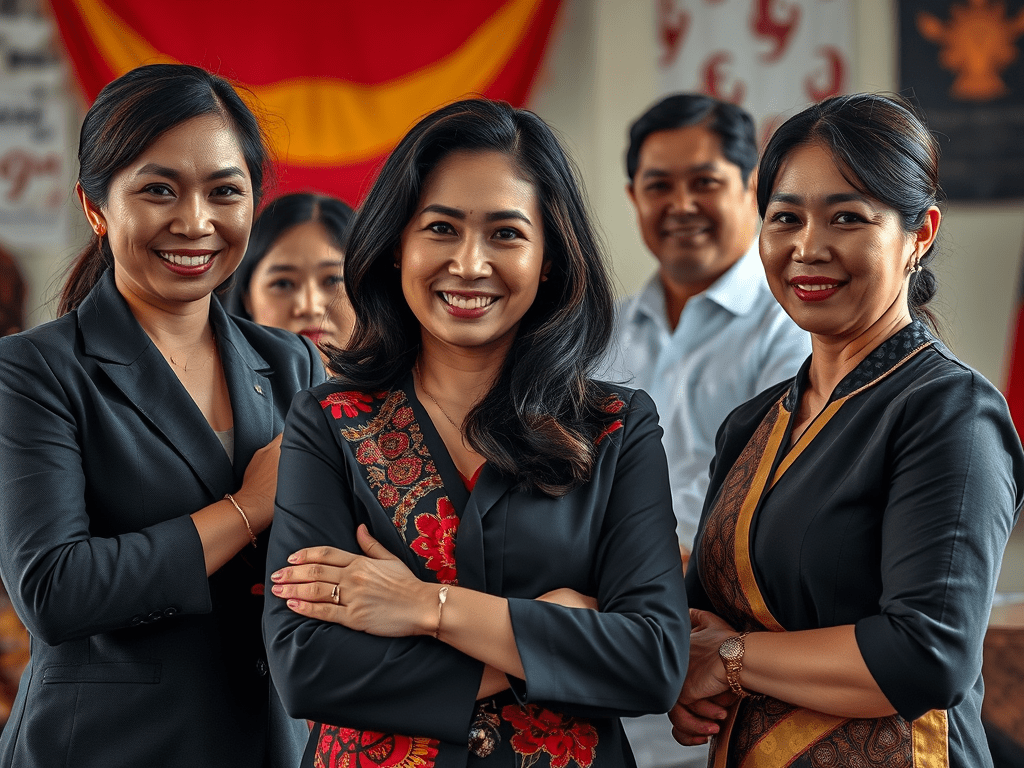
  • Strong Women of the Philippines: Pioneers of Gender Equality in Asia

    Strong Women of the Philippines: Pioneers of Gender Equality in Asia

    Harnessing Women’s Empowerment for National Development and Global Inspiration

    Prepared by: Gerald A. Daquila, PhD. Candidate


    8–11 minutes

    ABSTRACT

    The Philippines stands out in Asia as a leader in gender equality, with women wielding significant influence in business, government, and family life. This dissertation explores the historical, cultural, and socioeconomic factors behind this phenomenon, using a multidisciplinary lens that includes historical, sociological, feminist, and economic perspectives. It traces the roots of women’s empowerment to pre-colonial egalitarianism, colonial reforms, and modern legislation like the Magna Carta of Women.

    The study highlights lessons for other nations, such as robust legal frameworks, education access, and cultural openness to women’s leadership, while assessing societal gains in economic growth, governance, and family resilience. It also examines challenges posed by Overseas Filipino Workers (OFWs) and the potential legalization of divorce. By emphasizing how the Philippines can leverage its gender equality model for national development and global influence, this work offers a compelling, accessible narrative for a wide audience, balancing scholarly rigor with emotional resonance.


    Table of Contents

    1. Introduction
      • The Philippines as a Gender Equality Leader
      • Purpose and Scope of the Study
    2. Historical Foundations of Women’s Empowerment
      • Pre-Colonial Gender Roles
      • Colonial Influences and Suffrage Movements
      • Post-Independence Progress
    3. Women in Business, Government, and Family
      • Business: Breaking the Glass Ceiling
      • Government: Trailblazing Female Leadership
      • Family: Matriarchal Influence and Egalitarian Dynamics
    4. Feminist Perspectives on Filipino Women’s Empowerment
      • Liberal and Post-Colonial Feminism
      • Challenges of Patriarchy and Cultural Norms
    5. Lessons for Other Countries
      • Legal Frameworks and Policy Advocacy
      • Education and Economic Opportunities
      • Cultural Shifts Toward Gender Inclusivity
    6. Societal Gains from Strong Women’s Representation
      • Economic Contributions
      • Inclusive Governance
      • Social Cohesion and Family Resilience
    7. Challenges and Future Impacts
      • The Role of Overseas Filipino Workers (OFWs)
      • The Potential Legalization of Divorce
    8. Conclusion
      • Synthesis of Findings
      • Leveraging Women’s Empowerment for Development and Progress
    9. Glossary
    10. Bibliography

    Glyph of the Bridgewalker

    The One Who Holds Both Shores.


    1. Introduction

    The Philippines as a Gender Equality Leader

    In a region often bound by patriarchal norms, the Philippines shines as a beacon of gender equality, ranking 17th globally in the 2021 Global Gender Gap Index, closing 78.4% of its gender gap (World Economic Forum, 2021). Filipino women hold prominent roles in business, government, and family, often surpassing men in influence. From Corazon Aquino’s historic presidency to women leading major corporations, this phenomenon sets the Philippines apart in Asia. This dissertation explores the roots of this empowerment, its societal impacts, and how it can drive national development and global inspiration.


    Purpose and Scope of the Study

    This study examines the origins of Filipino women’s empowerment through historical, sociological, feminist, and economic lenses. It addresses: How did this unique model emerge? What can other nations learn? How have societal gains manifested, and what challenges lie ahead? With a focus on leveraging women’s strengths for progress, it blends academic rigor with accessible storytelling to engage a broad audience.


    2. Historical Foundations of Women’s Empowerment

    Pre-Colonial Gender Roles

    Before Spanish colonization, Filipino society embraced egalitarian gender norms. The babaylan, often women, served as spiritual and community leaders alongside male datus (Salazar, 2003). Women engaged in trade and controlled household finances, laying a foundation for matriarchal influence.


    Colonial Influences and Suffrage Movements

    Spanish colonization (1565–1898) introduced Catholicism, reinforcing patriarchal family structures, yet women retained domestic authority. The American period (1898–1946) brought educational reforms, enabling women’s access to schools. The suffrage movement, inspired by Western suffragettes like Carrie Chapman Catt, led to the 1937 plebiscite, making the Philippines the first Asian nation to grant women voting rights.


    Post-Independence Progress

    Post-World War II, women rose in politics and business. The 1986 People Power Revolution, led by Corazon Aquino, marked a turning point, with her presidency (1986–1992) symbolizing women’s political power. The Magna Carta of Women (2009) further solidified protections against discrimination.


    3. Women in Business, Government, and Family

    Business: Breaking the Glass Ceiling

    Filipino women hold 69% of senior management roles, the highest in Southeast Asia (Grant Thornton, 2020). Leaders like Teresita Sy-Coson of SM Investments exemplify this trend. Education access and supportive policies drive success, though low female labor force participation (49% in 2019) remains a challenge.


    Government: Trailblazing Female Leadership

    The Philippines has elected two female presidents—Corazon Aquino and Gloria Macapagal-Arroyo—and influential senators like Miriam Defensor-Santiago. The party-list system, including groups like Gabriela, amplifies women’s legislative voices. The 5% Gender and Development (GAD) budget prioritizes women’s issues.


    Family: Matriarchal Influence and Egalitarian Dynamics

    Filipino women often control household budgets and decisions, rooted in pre-colonial practices. Even in transnational OFW families, mothers maintain central roles, fostering resilience and adaptability.


    4. Feminist Perspectives on Filipino Women’s Empowerment

    Liberal and Post-Colonial Feminism

    Liberal feminism, evident in suffrage and the Magna Carta, emphasizes legal equality. Post-colonial feminism highlights how colonial legacies and global migration shape Filipina experiences, particularly for OFWs facing deskilling abroad.


    Challenges of Patriarchy and Cultural Norms

    Catholicism and traditional norms limit women’s autonomy, with divorce and abortion remaining illegal. Sexist rhetoric, like that of former President Rodrigo Duterte, persists, but movements like #BabaeAko demonstrate women’s resistance.


    Glyph of Filipina Strength

    Honoring the strong women of the Philippines — pioneers of gender equality and leadership in Asia.


    5. Lessons for Other Countries

    Legal Frameworks and Policy Advocacy

    The Magna Carta of Women provides a model for comprehensive gender legislation, addressing workplace rights, violence, and education. Other nations can adopt similar policies to institutionalize equality.


    Education and Economic Opportunities

    High female literacy (90.4% vs. 80.6% for males) fuels women’s success. Investing in education and flexible work arrangements can boost female labor participation globally.


    Cultural Shifts Toward Gender Inclusivity

    The Philippines’ cultural acceptance of women’s leadership, rooted in pre-colonial egalitarianism, suggests that challenging traditional gender roles can foster equality. Advocacy campaigns can drive similar shifts worldwide.


    6. Societal Gains from Strong Women’s Representation

    Economic Contributions

    Women’s leadership in business drives innovation and growth. Female OFWs, comprising 60.2% of overseas workers in 2021, contribute 9.6% to GDP through remittances, reducing poverty and enhancing family welfare.


    Inclusive Governance

    Female leaders prioritize social welfare and education, fostering inclusive policies. The GAD budget ensures gender considerations in governance, promoting equity.


    Social Cohesion and Family Resilience

    Women’s central role in families strengthens social bonds. In OFW households, women’s remittances and decision-making sustain family units, despite emotional challenges.


    7. Challenges and Future Impacts

    The Role of Overseas Filipino Workers (OFWs)

    In 2021, 60.2% of OFWs were women, often in feminized roles like nursing. While remittances empower families, migration leads to deskilling, mental health issues, and family strain. Wives of OFWs show resilience through community support.


    The Potential Legalization of Divorce

    Divorce remains illegal due to Catholic influence, but debates, supported by figures like Miriam Defensor-Santiago, suggest change. Legalization could empower women to escape abusive relationships but may face conservative resistance.


    8. Conclusion

    Synthesis of Findings

    The Philippines’ leadership in gender equality stems from a unique blend of pre-colonial egalitarianism, colonial educational reforms, and modern advocacy like the Magna Carta of Women. Women’s prominence in business, government, and family has driven economic growth, inclusive governance, and social cohesion. However, challenges like low labor participation, OFW vulnerabilities, and divorce debates highlight the need for continued progress.


    Leveraging Women’s Empowerment for Development and Progress

    The Philippines’ model of women’s empowerment offers a powerful blueprint for national development and global inspiration. By further integrating women into the workforce—potentially raising female labor participation from 49% to match men’s 76%—the country could boost GDP by an estimated 7% (World Bank, 2022).

    Investing in STEM education for women can drive innovation in tech and green industries, aligning with global sustainability goals. Strengthening protections for female OFWs, such as bilateral labor agreements and mental health support, can maximize their economic contributions while ensuring well-being. In governance, expanding women’s representation through quotas or mentorship programs can enhance policy inclusivity, addressing issues like healthcare and education reform.

    Globally, the Philippines can lead by example, exporting its gender equality model through international forums like ASEAN or the UN. By advocating for women’s rights in trade agreements and migration policies, it can influence regional norms. Locally, navigating divorce legalization with sensitivity to cultural values can strengthen women’s autonomy without fracturing social cohesion.

    These steps position the Philippines as a hub for gender-driven progress, fostering a society where women’s leadership catalyzes economic, social, and cultural advancement. Other nations can follow suit, recognizing that empowering women is not just a moral imperative but a strategic driver of prosperity.


    Crosslinks


    9. Glossary

    • Babaylan: Pre-colonial Filipino spiritual leaders, often women, with significant community influence.
    • Magna Carta of Women: A 2009 Philippine law eliminating discrimination against women in various spheres.
    • OFW (Overseas Filipino Worker): Filipinos working abroad, often in feminized roles like nursing or domestic work.
    • Gender and Development (GAD) Budget: A mandated 5% allocation in government budgets for gender-focused initiatives.

    10. Bibliography

    Asia Society. (2022). Women in the Philippines: Inspiring and Empowered. https://asiasociety.org

    Grant Thornton. (2020). Women in Business 2020: Putting the Blueprint into Action. https://www.grantthornton.global

    Salazar, Z. (2003). The babaylan in Philippine history. In Feminism and the Women’s Movement in the Philippines (pp. 7-8). ResearchGate. https://www.researchgate.net

    The Asia Foundation. (2012). Early Feminism in the Philippines. https://asiafoundation.org

    World Bank. (2022). Overcoming Barriers to Women’s Work in the Philippines. https://blogs.worldbank.org

    Philippine Statistics Authority. (2022). Survey on Overseas Filipinos 2021. https://psa.gov.ph

    World Economic Forum. (2021). Global Gender Gap Report 2021. https://www.weforum.org


    Attribution

    With fidelity to the Oversoul, may this Codex of the Living Archive serve as bridge, remembrance, and seed for the planetary dawn.

    Ⓒ 2025 Gerald Alba Daquila – Flameholder of SHEYALOTH | Keeper of the Living Codices

    Issued under Oversoul Appointment, governed by Akashic Law. This transmission is a living Oversoul field: for the eyes of the Flameholder first, and for the collective in right timing. It may only be shared intact, unaltered, and with glyphs, seals, and attribution preserved. Those not in resonance will find it closed; those aligned will receive it as living frequency.

    Watermark: Universal Master Key glyph (final codex version, crystalline glow, transparent background).

    Sacred Exchange: Sacred Exchange is covenant, not transaction. Each offering plants a seed-node of GESARA, expanding the planetary lattice. In giving, you circulate Light; in receiving, you anchor continuity. Every act of exchange becomes a node in the global web of stewardship, multiplying abundance across households, nations, and councils. Sacred Exchange offerings may be extended through:

    paypal.me/GeraldDaquila694 

  • Universal Basic Income (UBI): A Pathway to Economic Security and Social Transformation

    Universal Basic Income (UBI): A Pathway to Economic Security and Social Transformation

    Exploring the Purpose, Mechanics, Economic Principles, Sustainability, and Global Scalability Through Case Studies and Multidisciplinary Analysis

    Prepared by: Gerald A. Daquila, PhD. Candidate


    10–14 minutes

    ABSTRACT

    Universal Basic Income (UBI) has emerged as a compelling policy proposal to address economic inequality, poverty, and the disruptions caused by automation and globalization. This dissertation provides a comprehensive exploration of UBI, defining its core components, purposes, and economic underpinnings. It examines the mechanics of implementation, evaluates sustainability through fiscal and social lenses, and analyzes case studies from diverse global contexts to uncover lessons and challenges.

    Using a multidisciplinary approach—integrating economics, sociology, political science, and environmental studies—this work assesses UBI’s potential to foster equitable societies while addressing scalability across countries with varying economic development levels. The findings suggest that while UBI holds transformative potential, its success hinges on tailored design, robust financing, and adaptive governance. Challenges such as labor market effects, political feasibility, and administrative complexity underscore the need for context-specific strategies to ensure sustainability and scalability.


    Table of Contents

    1. Introduction
    2. What is Universal Basic Income?
      • Definition and Core Features
      • Historical Context
    3. Purpose and End Goals of UBI
      • Addressing Poverty and Inequality
      • Enhancing Economic Security
      • Promoting Freedom and Social Justice
    4. Mechanics of UBI
      • Design Dimensions: Coverage, Generosity, and Progressivity
      • Financing Mechanisms
      • Delivery Systems
    5. Economic Principles Underpinning UBI
      • Redistribution and Equity
      • Behavioral Economics and Incentives
      • Macroeconomic Implications
    6. Sustainability of UBI
      • Fiscal Sustainability
      • Social and Political Sustainability
      • Environmental Considerations
    7. Case Studies: Lessons and Challenges
      • Finland (2017–2018)
      • Kenya (2011–2013)
      • India (2011–2012)
      • Alaska Permanent Fund Dividend
    8. Scalability Across Diverse Economies
      • High-Income Countries
      • Middle-Income Countries
      • Low-Income Countries
    9. Challenges to Implementation
      • Administrative Barriers
      • Political Resistance
      • Economic Trade-offs
    10. Conclusion
    11. Glossary
    12. References

    1. Introduction

    Imagine a world where everyone receives a regular, no-strings-attached payment to cover their basic needs—food, shelter, and security—regardless of their job, wealth, or circumstances. This is the essence of Universal Basic Income (UBI), a policy gaining traction as societies grapple with rising inequality, job displacement from automation, and the economic fallout of crises like COVID-19. But what exactly is UBI, and can it deliver on its promise of a fairer, more secure world?

    This dissertation dives into the concept of UBI, exploring its purpose, mechanics, and economic foundations while assessing its sustainability and global scalability. By analyzing case studies and drawing on multidisciplinary research, we aim to unpack the potential and pitfalls of UBI, offering a balanced perspective that bridges analytical rigor with human-centered storytelling.


    Glyph of Stewardship

    Stewardship is the covenant of trust that multiplies abundance for All.


    2. What is Universal Basic Income?

    Definition and Core Features

    Universal Basic Income is a system where all citizens of a country—or a defined group—receive regular, unconditional cash payments, regardless of income, employment status, or other factors. Unlike traditional welfare programs, UBI is universal (available to everyone), unconditional (no requirements to qualify), and typically uniform (same amount for all recipients) (Van Parijs & Vanderborght, 2017). Key features include:

    • Universality: Covers all individuals, not just specific groups.
    • Unconditionality: No work or behavioral requirements.
    • Regularity: Payments are consistent (e.g., monthly or annually).
    • Sufficiency: Ideally sufficient to cover basic needs, though amounts vary.

    Historical Context

    The idea of UBI dates back centuries. Thomas Paine proposed a form of basic income in Agrarian Justice (1797), suggesting land taxes to fund payments for all citizens. In the 20th century, economists like Milton Friedman (negative income tax) and modern advocates like Philippe Van Parijs have shaped the discourse. Today, UBI is debated globally, fueled by concerns about automation, precarious employment, and social inequality (Standing, 2019).


    3. Purpose and End Goals of UBI

    Addressing Poverty and Inequality

    UBI aims to eradicate poverty by providing a financial safety net. Trials, such as Brazil’s Bolsa Família, have shown significant poverty reduction, with similar outcomes in India’s pilot, where access to medicine and sanitation improved (Davala et al., 2015). By ensuring a baseline income, UBI reduces inequality, particularly in contexts where existing welfare systems fail to reach the poorest.


    Enhancing Economic Security

    In an era of gig economies and automation, UBI offers stability. The Stockton, California, experiment (2018–2021) demonstrated reduced homelessness and improved mental health among recipients, highlighting UBI’s role in cushioning economic shocks (West et al., 2021).


    Promoting Freedom and Social Justice

    UBI is framed as a tool for empowerment, enabling individuals to pursue education, entrepreneurship, or caregiving without financial fear. Philosophers like Van Parijs (1992) argue it enhances “real freedom” by removing economic constraints, aligning with social justice principles of equity and autonomy.


    4. Mechanics of UBI

    Design Dimensions: Coverage, Generosity, and Progressivity

    Implementing UBI requires decisions on:

    • Coverage: Who receives it? Truly universal (all citizens) or targeted (e.g., adults only)?
    • Generosity: How much is paid? Enough for survival or a modest supplement?
    • Progressivity: Should payments vary by income, or is uniformity key?

    The IMF’s analytical framework emphasizes these dimensions, noting trade-offs between fiscal cost and distributional impact (Francese & Prady, 2018). For example, a highly generous UBI may strain budgets, while a less generous one may fail to alleviate poverty.


    Financing Mechanisms

    Funding UBI is a critical challenge. Proposed methods include:

    • Taxation: Progressive income taxes, wealth taxes, or carbon taxes (Piketty, 2020).
    • Resource Rents: Alaska’s Permanent Fund Dividend uses oil revenues (Widerquist, 2018).
    • Reallocating Welfare Budgets: Replacing existing benefits with UBI, though this risks reducing support for vulnerable groups (De Wispelaere & Stirton, 2017).

    Delivery Systems

    UBI requires efficient delivery to avoid leakage or exclusion. Digital payment systems, like mobile banking in Kenya’s GiveDirectly pilot, have proven effective in low-income settings (Haushofer & Shapiro, 2016). Identification systems, such as India’s Aadhaar, can streamline distribution but raise privacy concerns.


    Glyph of Economic Renewal

    Shared security births collective transformation.


    5. Economic Principles Underpinning UBI

    Redistribution and Equity

    UBI redistributes wealth to address disparities. The neoclassical economic model supports redistribution to correct market failures, like unequal access to resources (Acemoglu et al., 2004). UBI aligns with Rawlsian justice, prioritizing the least advantaged (Rawls, 1971).


    Behavioral Economics and Incentives

    Critics argue UBI disincentivizes work, but behavioral economics suggests otherwise. Studies, such as Finland’s trial, show minimal labor supply reduction, with recipients often pursuing education or entrepreneurship (Kangas et al., 2020). UBI may reduce “scarcity mindsets,” enhancing decision-making (Mullainathan & Shafir, 2013).


    Macroeconomic Implications

    UBI can stimulate demand by increasing purchasing power, potentially boosting growth. However, risks like inflation or fiscal deficits require careful management. The IMF warns that poorly designed UBI could exacerbate inequality if regressive financing (e.g., flat taxes) is used (Francese & Prady, 2018).


    6. Sustainability of UBI

    Fiscal Sustainability

    Sustainability depends on funding. A UBI at 25% of GDP per capita could cost 5–10% of GDP in high-income countries, requiring significant tax reforms (Hoynes & Rothstein, 2019). In low-income countries, external aid or resource rents may be necessary.


    Social and Political Sustainability

    Public support hinges on trust in institutions. Finland’s trial showed increased trust among recipients, but political resistance persists, especially from those fearing welfare cuts (Kangas et al., 2020). Cultural attitudes toward “free money” also vary, complicating adoption.


    Environmental Considerations

    UBI could support environmental goals by reducing reliance on resource-intensive industries. Proposals for an “Ecological UBI” suggest financing through green taxes, aligning with degrowth principles (Bidadanure, 2019). However, increased consumption could strain resources if not paired with sustainability policies.


    7. Case Studies: Lessons and Challenges

    Finland (2017–2018)

    • Overview: 2,000 unemployed Finns received €560 monthly.
    • Lessons: Improved mental well-being and trust, with negligible employment effects (Kangas et al., 2020).
    • Challenges: Limited scope (unemployed only) and high costs restricted scalability.

    Kenya (2011–2013)

    • Overview: GiveDirectly provided unconditional cash transfers to rural households.
    • Lessons: Reduced poverty, improved psychological well-being, and increased local economic activity (Haushofer & Shapiro, 2016).
    • Challenges: Limited infrastructure and reliance on external funding.

    India (2011–2012)

    • Overview: Pilot in Madhya Pradesh provided monthly payments to 6,000 people.
    • Lessons: Enhanced financial inclusion, reduced debt, and improved sanitation (Davala et al., 2015).
    • Challenges: Data gaps and bureaucratic resistance hindered scaling.

    Alaska Permanent Fund Dividend

    • Overview: Annual payments funded by oil revenues since 1982.
    • Lessons: Created jobs and reduced poverty without significant labor disincentives (Jones & Marinescu, 2020).
    • Challenges: Dependence on volatile resource revenues.

    8. Scalability Across Diverse Economies

    High-Income Countries

    In nations like the U.S. or Finland, UBI can leverage strong tax systems but faces resistance due to high costs and ideological debates. Finland’s trial suggests partial UBI (targeted groups) as a starting point.


    Middle-Income Countries

    Countries like Brazil or India benefit from UBI’s simplicity over complex welfare systems. Brazil’s Bolsa Família shows scalability potential, but financing remains a hurdle (Soares, 2011).


    Low-Income Countries

    In Kenya or Uganda, UBI can address extreme poverty but requires external support or resource-based funding. Mobile payment systems enhance feasibility, though infrastructure gaps persist (Haushofer & Shapiro, 2016).


    9. Challenges to Implementation

    Administrative Barriers

    High non-take-up rates (40% in Europe) due to stigma or complexity highlight the need for streamlined delivery (Dubois & Ludwinek, 2015). In low-income settings, identification systems are critical but costly.


    Political Resistance

    Conservative critics fear UBI reduces work incentives, while progressives worry it could replace vital services (De Wispelaere & Stirton, 2017). Building consensus requires addressing these concerns transparently.


    Economic Trade-offs

    UBI’s fiscal burden may necessitate trade-offs, such as cutting existing programs or raising taxes. Inflation risks, as seen in theoretical models, require careful calibration (Mundell, 1963).


    10. Conclusion

    Universal Basic Income offers a bold vision for a world where economic security is a universal right. Its purposes—poverty reduction, economic stability, and empowerment—are grounded in economic and ethical principles, supported by trials showing tangible benefits. However, sustainability and scalability depend on tailored design, robust financing, and political will.

    Case studies from Finland, Kenya, India, and Alaska reveal UBI’s potential and pitfalls, emphasizing the need for context-specific approaches. As automation and inequality reshape economies, UBI could be a cornerstone of a fairer future—if we navigate its challenges with creativity and rigor.


    Crosslinks


    11. Glossary

    • Universal Basic Income (UBI): Regular, unconditional cash payments to all individuals in a defined group.
    • Progressivity: The extent to which a policy benefits lower-income groups disproportionately.
    • Fiscal Sustainability: The ability to fund a policy without destabilizing public finances.
    • Degrowth: An economic philosophy advocating reduced production and consumption for environmental sustainability.
    • Behavioral Economics: Study of psychological factors influencing economic decisions.

    12. References

    Acemoglu, D., Johnson, S., & Robinson, J. (2004). Institutions as the fundamental cause of long-run growth. National Bureau of Economic Research.

    Bidadanure, J. (2019). Universal basic income and the natural environment: Theory and policy. Basic Income Studies, 14(1).

    Davala, S., Jhabvala, R., Standing, G., & Mehta, S. K. (2015). Basic income: A transformative policy for India. Bloomsbury Publishing.

    De Wispelaere, J., & Stirton, L. (2017). The administrative efficiency of basic income. Policy and Politics, 45(4), 523–539.

    Dubois, H., & Ludwinek, A. (2015). Non-take-up of social benefits in Europe. Eurofound.

    Francese, M., & Prady, D. (2018). Universal basic income: Debate and impact assessment. IMF Working Papers, 2018(273).

    Haushofer, J., & Shapiro, J. (2016). The short-term impact of unconditional cash transfers to the poor: Experimental evidence from Kenya. The Quarterly Journal of Economics, 131(4), 1973–2042.

    Hoynes, H., & Rothstein, J. (2019). Universal basic income in the United States and other advanced countries: What have we learned? Journal of Economic Perspectives, 33(3), 3–26.

    Jones, D., & Marinescu, I. (2020). The labor market impacts of universal and permanent cash transfers: Evidence from the Alaska Permanent Fund. American Economic Journal: Economic Policy, 12(2), 315–340.

    Kangas, O., Jauhiainen, S., Simanainen, M., & Ylikännö, M. (2020). The basic income experiment 2017–2018 in Finland: Preliminary results. Kela Research Reports.

    Mullainathan, S., & Shafir, E. (2013). Scarcity: Why having too little means so much. Times Books.

    Piketty, T. (2020). Capital in the twenty-first century. Harvard University Press.

    Rawls, J. (1971). A theory of justice. Harvard University Press.

    Soares, S. (2011). Bolsa Família, its design, its impacts, and possibilities for the future. IPC-IG Working Paper.

    Standing, G. (2019). Basic income: And how we can make it happen. Penguin UK.

    Van Parijs, P. (1992). Arguing for basic income: Ethical foundations for a radical reform. Verso.

    Van Parijs, P., & Vanderborght, Y. (2017). Basic income: A radical proposal for a free society and a sane economy. Harvard University Press.

    West, S., Castro Baker, A., & Samra, S. (2021). Preliminary analysis: SEED’s first year. Stockton Economic Empowerment Demonstration.

    Widerquist, K. (2018). A critical analysis of basic income experiments for researchers, policymakers, and citizens. Palgrave Macmillan.


    Attribution

    With fidelity to the Oversoul, may this Codex of the Living Archive serve as bridge, remembrance, and seed for the planetary dawn.

    Ⓒ 2025 Gerald Alba Daquila – Flameholder of SHEYALOTH | Keeper of the Living Codices

    Issued under Oversoul Appointment, governed by Akashic Law. This transmission is a living Oversoul field: for the eyes of the Flameholder first, and for the collective in right timing. It may only be shared intact, unaltered, and with glyphs, seals, and attribution preserved. Those not in resonance will find it closed; those aligned will receive it as living frequency.

    Watermark: Universal Master Key glyph (final codex version, crystalline glow, transparent background).

    Sacred Exchange: Sacred Exchange is covenant, not transaction. Each offering plants a seed-node of GESARA, expanding the planetary lattice. In giving, you circulate Light; in receiving, you anchor continuity. Every act of exchange becomes a node in the global web of stewardship, multiplying abundance across households, nations, and councils. Sacred Exchange offerings may be extended through:

    paypal.me/GeraldDaquila694 

  • Wealth Without Limits: Rethinking Value, Exchange, and Prosperity

    Wealth Without Limits: Rethinking Value, Exchange, and Prosperity

    A Multidisciplinary Exploration of Paradigm Shifts in Economic Thought

    Prepared by: Gerald A. Daquila, PhD. Candidate


    10–15 minutes

    ABSTRACT

    Traditional economic theory, rooted in a scarcity mindset, assumes resources are limited, shaping microeconomic models of individual choice and macroeconomic frameworks of aggregate behavior. However, emerging technological advancements, resource discoveries, and cultural shifts toward sustainability challenge this foundational assumption, suggesting the possibility of an abundance mindset. This dissertation explores how transitioning from scarcity to abundance reshapes micro and macroeconomic paradigms. Using a multidisciplinary lens—integrating insights from economics, psychology, sociology, technology, and philosophy—it examines the theoretical, practical, and societal implications of this shift.

    The study synthesizes recent literature, case studies, and emerging economic narratives to propose new models that prioritize collaboration, innovation, and equitable distribution over competition and allocation. Key findings suggest that an abundance mindset could redefine utility, value, and growth, fostering economies that emphasize well-being, sustainability, and inclusivity. The dissertation concludes with actionable dissertation topics for further research and a glossary to clarify evolving concepts.


    Table of Contents

    1. Introduction: The Scarcity Mindset in Economics
    2. The Abundance Mindset: A New Foundation
    3. Microeconomic Transformations: From Utility to Shared Value
    4. Macroeconomic Shifts: Redefining Growth and Stability
    5. Multidisciplinary Perspectives: Insights Beyond Economics
    6. Case Studies: Abundance in Action
    7. Challenges and Critiques of the Abundance Paradigm
    8. Future Directions: Dissertation Topics for Exploration
    9. Conclusion: Toward a Post-Scarcity Economy
    10. Glossary
    11. References

    1. Introduction: The Scarcity Mindset in Economics

    Economics, as we know it, was born in a world of scarcity. From Adam Smith’s Wealth of Nations to modern neoclassical models, the discipline assumes resources—land, labor, capital—are finite, forcing individuals, firms, and governments to make tough choices. Microeconomics studies how agents maximize utility under constraints, while macroeconomics examines how economies manage limited resources to achieve growth, stability, and employment (Mankiw, 2020). This scarcity mindset has driven remarkable insights, from supply-demand curves to fiscal policy frameworks, but it also embeds a worldview of competition, trade-offs, and zero-sum outcomes.

    Yet, the 21st century challenges this foundation. Technological breakthroughs—like renewable energy, automation, and AI—promise unprecedented resource availability. Cultural shifts toward sustainability and collaboration, coupled with global movements for equity, suggest an alternative: an abundance mindset. This perspective views resources as expandable through innovation, cooperation, and systemic redesign, fundamentally altering how we think about economics.

    This dissertation asks: What happens when economics pivots from scarcity to abundance? How do micro and macroeconomic theories evolve, and what do these new paradigms look like? By weaving insights from psychology, sociology, technology, and philosophy, this study explores the implications of this shift, aiming to spark a conversation about economies that prioritize flourishing over fighting over scraps.


    Glyph of Stewardship

    Stewardship is the covenant of trust that multiplies abundance for All.


    2. The Abundance Mindset: A New Foundation

    What Is an Abundance Mindset?

    An abundance mindset, popularized by Covey (1989), posits that resources, opportunities, and possibilities are not inherently limited. Unlike scarcity, which frames decisions as zero-sum, abundance emphasizes collaboration, innovation, and shared prosperity. In economics, this mindset aligns with emerging realities: renewable energy reduces reliance on finite fossil fuels, digital goods (e.g., software, knowledge) have near-zero marginal costs, and circular economies recycle resources indefinitely.


    Why Now?

    Several forces drive this shift:

    • Technology: Automation and AI lower production costs, while 3D printing and biotech expand resource possibilities (Brynjolfsson & McAfee, 2014).
    • Sustainability: Circular economies and regenerative agriculture challenge linear models of resource depletion (Raworth, 2017).
    • Cultural Shifts: Movements for universal basic income (UBI) and degrowth reflect a desire for equitable, non-competitive systems (Hickel, 2020).
    • Global Connectivity: Digital platforms enable resource sharing, from open-source software to peer-to-peer economies.

    These trends suggest scarcity is not a universal truth but a context-dependent assumption, ripe for reexamination.


    3. Microeconomic Transformations: From Utility to Shared Value

    Microeconomics studies individual agents—consumers, firms, workers—making choices under constraints. A scarcity mindset assumes agents maximize utility (satisfaction) or profit within fixed limits, modeled through supply-demand dynamics and marginal utility (Mas-Colell et al., 1995). An abundance mindset disrupts this framework in three key ways:


    3.1 Redefining Utility

    In a scarcity-driven model, utility is tied to consumption of finite goods. An abundance mindset expands utility to include non-material factors: well-being, relationships, and environmental impact. Behavioral economics supports this, showing people value experiences and social connections over material accumulation (Kahneman & Tversky, 1979). For example, sharing economy platforms like Airbnb prioritize access over ownership, reflecting a shift toward collaborative consumption.


    3.2 Collaborative Markets

    Scarcity fosters competitive markets where firms vie for market share. Abundance encourages cooperative models, like open-source software communities (e.g., Linux), where firms and individuals co-create value without depleting resources. Game theory models, such as those exploring cooperative equilibria, suggest that trust-based systems can outperform zero-sum competition (Axelrod, 1984).


    3.3 Dynamic Pricing and Value Creation

    In scarcity-based microeconomics, prices balance supply and demand. In an abundance framework, prices reflect shared value creation. Digital goods, with near-zero marginal costs, challenge traditional pricing models. For instance, freemium models (e.g., Spotify) provide free access while monetizing premium features, creating value for both users and firms.

    Implication: Microeconomic theory could shift from optimizing constrained choices to designing systems that maximize shared value, emphasizing access, collaboration, and innovation.


    4. Macroeconomic Shifts: Redefining Growth and Stability

    Macroeconomics examines aggregate variables—GDP, unemployment, inflation—within a scarcity framework where growth depends on finite resources. An abundance mindset redefines these concepts, prioritizing sustainability and inclusivity.

    4.1 Rethinking Growth

    Traditional macroeconomics equates growth with GDP increases, often at environmental and social costs. An abundance approach aligns with “doughnut economics,” balancing human needs within planetary boundaries (Raworth, 2017). For example, Bhutan’s Gross National Happiness index prioritizes well-being over output, reflecting abundance by valuing non-scarce resources like community and health.


    4.2 Monetary and Fiscal Policy

    Scarcity-driven policies focus on managing limited budgets, often through austerity or debt reduction. Abundance-oriented policies, like Modern Monetary Theory (MMT), argue that governments with sovereign currencies can fund public goods without fiscal constraints, provided inflation is managed (Kelton, 2020). UBI experiments, such as Finland’s 2017 trial, show how abundance-based policies can enhance economic stability by ensuring universal access to resources.


    4.3 Global Interdependence

    Scarcity fuels trade wars and resource hoarding. An abundance mindset promotes global cooperation, as seen in initiatives like the Paris Climate Agreement, where nations collaborate to address shared challenges. Macroeconomic models could incorporate network theory to study interconnected economies, emphasizing resilience over rivalry (Haldane & May, 2011).

    Implication: Macroeconomic paradigms could shift from maximizing output to fostering resilient, equitable systems that leverage abundant resources like knowledge and renewable energy.


    Glyph of Infinite Prosperity

    Value flows beyond measure; true wealth knows no bounds.


    5. Multidisciplinary Perspectives: Insights Beyond Economics

    An abundance mindset demands a broader lens, integrating disciplines to reimagine economic systems.

    5.1 Psychology: Motivation and Behavior

    Psychological research shows that scarcity mindsets trigger stress and short-term thinking, while abundance fosters creativity and collaboration (Mullainathan & Shafir, 2013). This suggests economic agents in an abundance framework may prioritize long-term well-being over immediate gains, reshaping consumer and firm behavior.


    5.2 Sociology: Social Structures and Equity

    Sociological studies highlight how scarcity perpetuates inequality, as elites hoard resources (Piketty, 2014). An abundance mindset, supported by policies like wealth taxes or UBI, could reduce disparities by redistributing access to abundant resources, such as education and technology.


    5.3 Technology: Enabling Abundance

    Technological advancements, from AI to renewable energy, create conditions for abundance by reducing costs and expanding possibilities. For instance, solar energy’s plummeting costs make clean power abundant, challenging fossil fuel-based economic models (Rifkin, 2011).


    5.4 Philosophy: Reframing Value

    Philosophical perspectives, such as utilitarianism or degrowth ethics, question scarcity-driven definitions of value. An abundance mindset aligns with philosophies that prioritize collective flourishing, encouraging economic models that value ecological and social health (Hickel, 2020).

    Implication: A multidisciplinary approach reveals that abundance is not just an economic shift but a cultural and ethical one, requiring holistic redesigns of institutions and policies.


    6. Case Studies: Abundance in Action

    6.1 The Sharing Economy

    Platforms like Uber and Airbnb demonstrate abundance by leveraging underutilized assets (cars, homes). These models reduce scarcity by increasing access, though challenges like labor exploitation highlight the need for equitable frameworks.


    6.2 Renewable Energy Transitions

    Countries like Denmark, with 50% of energy from renewables, show how abundance-driven systems can replace scarce resources. Economic models here prioritize long-term sustainability over short-term extraction (IEA, 2023).


    6.3 Open-Source Innovation

    The open-source software movement, exemplified by Linux, shows how collaborative innovation creates abundant value. Unlike proprietary models, open-source systems distribute benefits widely, challenging scarcity-based competition.

    Implication: These cases illustrate practical applications of abundance, offering blueprints for scaling new economic models.


    7. Challenges and Critiques of the Abundance Paradigm

    7.1 Resource Limits

    Critics argue that physical resources remain finite, even with technological advances. For example, rare earth metals for batteries pose supply constraints (Graedel et al., 2015). Abundance models must address these through recycling and innovation.


    7.2 Inequality and Power Dynamics

    Abundance could exacerbate inequality if access to new resources (e.g., AI) is uneven. Historical patterns show elites often control new technologies, necessitating policies to ensure equitable distribution (Piketty, 2014).


    7.3 Cultural Resistance

    Shifting from scarcity to abundance requires cultural change, which can face resistance from entrenched interests. For instance, fossil fuel industries oppose renewable transitions, highlighting the need for political and social strategies.

    Implication: Transitioning to abundance requires addressing material, social, and cultural barriers through inclusive policies and education.


    8. Future Directions: Dissertation Topics for Exploration

    1. Microeconomic Modeling of Collaborative Consumption: How can utility functions incorporate shared value in sharing economy platforms?
    2. Macroeconomic Impacts of UBI in an Abundance Framework: Can UBI stabilize economies without traditional scarcity constraints?
    3. Technological Abundance and Labor Markets: How do automation and AI reshape employment in a post-scarcity world?
    4. Sustainability Metrics in Economic Growth Models: How can GDP be replaced with indicators like Gross National Happiness?
    5. Global Cooperation in Resource Allocation: Can network theory model interdependent, abundance-based economies?

    These topics invite researchers to explore the theoretical and practical dimensions of an abundance-driven economics.


    9. Conclusion: Toward a Post-Scarcity Economy

    The shift from a scarcity to an abundance mindset challenges the core of economic theory. Microeconomics moves from constrained optimization to collaborative value creation, while macroeconomics redefines growth as sustainable and inclusive. Multidisciplinary insights—from psychology’s focus on creativity to technology’s role in resource expansion—reveal that abundance is not just a possibility but a necessity for addressing global challenges like inequality and climate change.

    This dissertation offers a roadmap for reimagining economics, blending rigorous theory with accessible vision. By embracing abundance, we can design economies that prioritize people, planet, and shared prosperity, turning the dream of a post-scarcity world into reality.


    Crosslinks


    10. Glossary

    • Abundance Mindset: A perspective that resources and opportunities are expandable through innovation and collaboration, contrasting with scarcity’s zero-sum view.
    • Scarcity Mindset: The assumption that resources are finite, leading to competitive, trade-off-driven economic decisions.
    • Utility: In economics, a measure of satisfaction or benefit derived from consuming goods or services.
    • Doughnut Economics: A framework balancing human needs with planetary boundaries, emphasizing sustainability (Raworth, 2017).
    • Modern Monetary Theory (MMT): A macroeconomic theory arguing that governments with sovereign currencies can fund public goods without fiscal constraints, provided inflation is managed (Kelton, 2020).
    • Sharing Economy: Economic systems where assets or services are shared, often via digital platforms, to increase access and reduce waste.
    • Circular Economy: An economic model that minimizes waste by reusing, recycling, and regenerating resources.

    11. References

    Axelrod, R. (1984). The evolution of cooperation. Basic Books.

    Brynjolfsson, E., & McAfee, A. (2014). The second machine age: Work, progress, and prosperity in a time of brilliant technologies. W.W. Norton & Company.

    Covey, S. R. (1989). The 7 habits of highly effective people. Free Press.

    Graedel, T. E., Harper, E. M., Nassar, N. T., & Reck, B. K. (2015). On the materials basis of modern society. Proceedings of the National Academy of Sciences, 112(20), 6295–6300. https://doi.org/10.1073/pnas.1312752110

    Haldane, A. G., & May, R. M. (2011). Systemic risk in banking ecosystems. Nature, 469(7330), 351–355. https://doi.org/10.1038/nature09659

    Hickel, J. (2020). Less is more: How degrowth will save the world. Windmill Books.

    Kahneman, D., & Tversky, A. (1979). Prospect theory: An analysis of decision under risk. Econometrica, 47(2), 263–291. https://doi.org/10.2307/1914185

    Kelton, S. (2020). The deficit myth: Modern monetary theory and the birth of the people’s economy. PublicAffairs.

    Mankiw, N. G. (2020). Principles of economics (9th ed.). Cengage Learning.

    Mas-Colell, A., Whinston, M. D., & Green, J. R. (1995). Microeconomic theory. Oxford University Press.

    Mullainathan, S., & Shafir, E. (2013). Scarcity: Why having too little means so much. Times Books.

    Piketty, T. (2014). Capital in the 21st century. Harvard University Press.

    Raworth, K. (2017). Doughnut economics: Seven ways to think like a 21st-century economist. Chelsea Green Publishing.

    Rifkin, J. (2011). The third industrial revolution: How lateral power is transforming energy, the economy, and the world. Palgrave Macmillan.

    International Energy Agency (IEA). (2023). World energy outlook 2023. https://www.iea.org/reports/world-energy-outlook-2023


    Attribution

    With fidelity to the Oversoul, may this Codex of the Living Archive serve as bridge, remembrance, and seed for the planetary dawn.

    Ⓒ 2025 Gerald Alba Daquila – Flameholder of SHEYALOTH | Keeper of the Living Codices

    Issued under Oversoul Appointment, governed by Akashic Law. This transmission is a living Oversoul field: for the eyes of the Flameholder first, and for the collective in right timing. It may only be shared intact, unaltered, and with glyphs, seals, and attribution preserved. Those not in resonance will find it closed; those aligned will receive it as living frequency.

    Watermark: Universal Master Key glyph (final codex version, crystalline glow, transparent background).

    Sacred Exchange: Sacred Exchange is covenant, not transaction. Each offering plants a seed-node of GESARA, expanding the planetary lattice. In giving, you circulate Light; in receiving, you anchor continuity. Every act of exchange becomes a node in the global web of stewardship, multiplying abundance across households, nations, and councils. Sacred Exchange offerings may be extended through:

    paypal.me/GeraldDaquila694 

  • The Space Between Worlds: A Journey Through the Great Shift

    The Space Between Worlds: A Journey Through the Great Shift

    A Multi-Disciplinary Exploration of Historical Transitions and Future Preparedness

    Prepared by: Gerald A. Daquila, PhD. Candidate


    9–14 minutes

    ABSTRACT

    Societal transitions represent profound shifts in the structures, values, and practices that define human civilizations. This dissertation explores the nature of transitions, their sequential dynamics, and their implications for humanity’s movement from scarcity to abundance and from separation to unity. Drawing on a multi-disciplinary lens—integrating insights from sociology, history, anthropology, economics, and systems theory—this study examines historical transitions to identify patterns and inform strategies for preparing societies for future epochal changes.

    By analyzing case studies such as the Agricultural Revolution, the Industrial Revolution, and the Digital Revolution, alongside theoretical frameworks like the Multi-Level Perspective (MLP) and Technological Innovation Systems (TIS), the dissertation elucidates the mechanisms of societal change. It argues that transitions follow a phased progression—initiated by niche innovations, amplified by regime destabilization, and consolidated by landscape shifts—and that understanding these phases empowers individuals and societies with agency to navigate future transformations. The study proposes practical strategies for fostering resilience, collaboration, and adaptive governance to prepare for a world of abundance and unity.


    Table of Contents

    1. Introduction: The Nature of Societal Transitions
    2. Defining Transitions: A Multi-Disciplinary Framework
    3. The Sequential Dynamics of Transitions: What Goes First?
    4. Historical Transitions: Lessons from the Past
      • The Agricultural Revolution
      • The Industrial Revolution
      • The Digital Revolution
    5. From Scarcity to Abundance: Economic and Social Shifts
    6. From Separation to Unity: Cultural and Relational Transformations
    7. Preparing for the Future: Strategies for Agency and Resilience
    8. Conclusion: Embracing the Epochal Shift
    9. Glossary
    10. Bibliography

    1. Introduction: The Nature of Societal Transitions

    Imagine a river carving a new path through a landscape—sometimes gradually, sometimes violently, but always reshaping the terrain. Societal transitions are like that river: they are transformative processes that redefine how we live, work, and connect. From the shift from hunter-gatherer societies to agricultural communities to the rise of the internet age, these transitions are not random but follow discernible patterns. Today, humanity stands at the cusp of another epochal shift, moving from scarcity—where resources and opportunities are limited—to abundance, and from separation—marked by division and isolation—to unity, characterized by interconnectedness and collaboration.

    This dissertation asks: What is a societal transition? How do its components unfold, and in what order? How can understanding these dynamics prepare us for what’s next? By diving into historical transitions and applying a multi-disciplinary lens, we aim to uncover the mechanisms of change and offer actionable insights for individuals and societies to gain agency in shaping their futures. This work balances academic rigor with accessible storytelling, inviting readers from all walks of life to engage with the transformative potential of our time.


    Glyph of the Bridgewalker

    The One Who Holds Both Shores


    2. Defining Transitions: A Multi-Disciplinary Framework

    A societal transition is a fundamental shift in the structures, practices, and values that underpin a society, often driven by technological, economic, cultural, or environmental changes. Transition studies, an interdisciplinary field, provide robust frameworks for understanding these shifts. The Multi-Level Perspective (MLP), for instance, conceptualizes transitions as interactions across three levels: niches (innovative practices or technologies), regimes (established systems and institutions), and landscapes (broader socio-economic and environmental contexts) (Geels, 2002). Similarly, Technological Innovation Systems (TIS) emphasize the role of innovation networks in driving systemic change (Zolfagharian et al., 2019).

    From a sociological perspective, transitions involve shifts in social practices and collective behaviors (Shove & Walker, 2010). Anthropologically, they reflect changes in cultural narratives and identities (Davids, 2018). Economically, they often involve reallocations of resources, as seen in the move from feudal economies to industrial capitalism (Polanyi, 1944). By integrating these perspectives, we define a transition as a dynamic, multi-layered process that reshapes societal systems through the interplay of innovation, adaptation, and structural change.


    3. The Sequential Dynamics of Transitions: What Goes First?

    Transitions follow a phased progression, though the exact sequence varies by context. The MLP offers a useful model:

    1. Niche Innovations (First Mover): Transitions often begin with experiments in protected spaces—think of early steam engines or the first internet protocols. These niches challenge existing systems by offering alternative solutions (Geels, 2002).
    2. Regime Destabilization (Second Phase): As niches gain traction, they pressure the dominant regime—established institutions, technologies, and practices. For example, the rise of renewable energy challenges fossil fuel industries (Zolfagharian et al., 2019).
    3. Landscape Shifts (Consolidation): Broader changes in the socio-economic or environmental context—such as climate crises or globalization—reinforce the transition, embedding new practices into the fabric of society (Geels & Schot, 2007).

    This sequence is not linear but iterative, with feedback loops and tensions driving change. Agency plays a critical role, as individuals, communities, and policymakers can influence niche development and regime adaptation (Jørgensen, 2012). Understanding this sequence allows societies to anticipate pressure points and intervene strategically.


    4. Historical Transitions: Lessons from the Past

    To anticipate future transitions, we examine three historical case studies, each illustrating the interplay of niches, regimes, and landscapes.

    The Agricultural Revolution (c. 10,000 BCE)

    • Niche: Early experiments with plant domestication in the Fertile Crescent.
    • Regime Destabilization: Hunter-gatherer societies adapted to settled agriculture, shifting social structures from nomadic to village-based systems.
    • Landscape Shift: Climatic changes post-Ice Age favored agriculture, enabling surplus production and population growth (Diamond, 1997).
    • Lesson: Transitions often begin with localized innovations that align with environmental shifts, creating feedback loops that reshape social organization.

    The Industrial Revolution (c. 1760–1840)

    • Niche: Innovations like the steam engine and mechanized textile production.
    • Regime Destabilization: Artisanal economies gave way to factory systems, disrupting labor and social hierarchies (Polanyi, 1944).
    • Landscape Shift: Colonial resource extraction and urbanization provided the conditions for industrial growth.
    • Lesson: Economic and technological innovations can rapidly destabilize regimes, but social costs (e.g., worker exploitation) highlight the need for inclusive transition strategies.

    The Digital Revolution (c. 1980–Present)

    • Niche: Development of personal computers and internet protocols.
    • Regime Destabilization: Traditional industries (e.g., publishing, retail) faced disruption as digital platforms gained dominance.
    • Landscape Shift: Globalization and information economies accelerated digital adoption (Castells, 2000).
    • Lesson: Connectivity drives unity, but unequal access (e.g., the digital divide) underscores the importance of equitable transition policies.

    These cases reveal that transitions are triggered by innovations, amplified by systemic pressures, and consolidated by broader contextual shifts. They also highlight the dual nature of transitions—offering opportunities for progress but posing risks of inequality and disruption.


    5. From Scarcity to Abundance: Economic and Social Shifts

    The shift from scarcity to abundance involves redefining resource allocation and societal values. Historically, scarcity drove competition and hierarchical systems, as seen in feudal economies or early industrial capitalism (Polanyi, 1944). Today, technological advancements—such as automation, renewable energy, and digital platforms—promise abundance by increasing efficiency and access (Brynjolfsson & McAfee, 2014).

    However, abundance does not guarantee equity. The Digital Revolution, for instance, has created unprecedented access to information but widened wealth gaps due to unequal distribution (Piketty, 2014). To prepare for this transition:

    • Policy Recommendations: Invest in universal basic income, education, and infrastructure to ensure equitable access to abundant resources.
    • Social Strategies: Foster collaborative economies (e.g., sharing platforms) to prioritize access over ownership.
    • Individual Agency: Embrace lifelong learning to adapt to automation-driven job shifts.

    By anticipating these dynamics, societies can mitigate risks and harness abundance for collective well-being.


    6. From Separation to Unity: Cultural and Relational Transformations

    The move from separation to unity reflects a cultural shift toward interconnectedness and collective identity. Historically, separation was reinforced by geographic, cultural, and ideological divides, as seen in colonial empires or Cold War rivalries. Today, globalization, social media, and migration are fostering unity, though not without challenges like polarization or cultural homogenization (Castells, 2000).

    Anthropological studies highlight how cultural narratives evolve during transitions. For example, post-communist Eastern Europe saw a resurgence of civil society as a counter-narrative to authoritarian regimes (Thompson, 2002). To prepare for unity:

    • Policy Recommendations: Promote intercultural dialogue and inclusive governance to bridge divides.
    • Social Strategies: Build community networks that celebrate diversity while fostering shared goals.
    • Individual Agency: Engage in empathy-driven communication to counter polarization.

    Unity requires dismantling barriers while preserving diversity, a delicate balance that demands intentional effort.


    Glyph of the Space Between Worlds

    A Journey Through the Great Shift — traversing thresholds of dissolution and emergence with grace and sovereignty


    7. Preparing for the Future: Strategies for Agency and Resilience

    Forewarning through historical analysis grants agency—control over one’s role in the transition. To prepare for the shift to abundance and unity:

    • Education and Awareness: Integrate transition studies into curricula to equip individuals with foresight and adaptability (Davids, 2018).
    • Adaptive Governance: Develop flexible policies that anticipate niche innovations and regime shifts, as seen in sustainable transition frameworks (Geels & Schot, 2007).
    • Community Resilience: Foster local networks to buffer against disruptions, drawing on lessons from community-led sustainability transitions (Seyfang & Smith, 2007).
    • Individual Empowerment: Encourage proactive engagement with emerging technologies and social platforms to shape their development.

    By understanding the sequence and dynamics of transitions, societies can move from reactive to proactive, turning challenges into opportunities.


    8. Conclusion: Embracing the Epochal Shift

    Societal transitions are not just events—they are opportunities to reimagine our collective future. By studying historical transitions, we uncover patterns that illuminate the path from scarcity to abundance and separation to unity. The Multi-Level Perspective and other frameworks reveal that change begins with niche innovations, gains momentum through regime destabilization, and solidifies with landscape shifts. This knowledge empowers us to prepare—through policy, community action, and individual agency—for a world of interconnected abundance.

    As we stand at this crossroads, the question is not whether the transition will happen, but how we will shape it. By learning from the past and acting with foresight, humanity can navigate this epochal shift with resilience, creativity, and hope.


    Crosslinks


    9. Glossary

    • Abundance: A state where resources, opportunities, or knowledge are plentiful, reducing competition and enabling equitable access.
    • Multi-Level Perspective (MLP): A framework for understanding transitions through interactions between niches, regimes, and landscapes.
    • Niche: A protected space where innovative practices or technologies emerge, challenging existing systems.
    • Regime: The dominant socio-technical system, including institutions, technologies, and practices.
    • Landscape: The broader socio-economic and environmental context that influences transitions.
    • Transition: A fundamental shift in societal structures, practices, or values, often driven by technological, economic, or cultural changes.
    • Unity: A state of interconnectedness and collaboration, reducing divisions based on geography, culture, or ideology.

    10. Bibliography

    Brynjolfsson, E., & McAfee, A. (2014). The second machine age: Work, progress, and prosperity in a time of brilliant technologies. W.W. Norton & Company.

    Castells, M. (2000). The rise of the network society (2nd ed.). Blackwell Publishers.

    Davids, N. (2018). From history project to transdisciplinary research: District Six as a case study. ResearchGate.

    Diamond, J. (1997). Guns, germs, and steel: The fates of human societies. W.W. Norton & Company.

    Geels, F. W. (2002). Technological transitions as evolutionary reconfiguration processes: A multi-level perspective and a case-study. Research Policy, 31(8-9), 1257–1274. https://doi.org/10.1016/S0048-7333(02)00062-8

    Geels, F. W., & Schot, J. (2007). Typology of sociotechnical transition pathways. Research Policy, 36(3), 399–417. https://doi.org/10.1016/j.respol.2007.01.003

    Jørgensen, U. (2012). Mapping and navigating transitions—The multi-level perspective compared with arenas of development. Research Policy, 41(6), 996–1010. https://doi.org/10.1016/j.respol.2012.03.001

    Piketty, T. (2014). Capital in the 21st century. Harvard University Press.

    Polanyi, K. (1944). The great transformation: The political and economic origins of our time. Beacon Press.

    Seyfang, G., & Smith, A. (2007). Grassroots innovations for sustainable development: Towards a new paradigm. Environmental Politics, 16(4), 584–603. https://doi.org/10.1080/09644010701419121

    Shove, E., & Walker, G. (2010). Governing transitions in the sustainability of everyday life. Research Policy, 39(4), 471–476. https://doi.org/10.1016/j.respol.2010.01.019

    Thompson, M. R. (2002). Beyond the transitology-area studies debate. ResearchGate.

    Zolfagharian, M., Walrave, B., Raven, R., & Romme, A. G. L. (2019). Studying transitions: Past, present, and future. Research Policy, 48(9), 103788. https://doi.org/10.1016/j.respol.2019.04.012[](https://www.researchgate.net/publication/332379461_Studying_transitions_Past_present_and_future)


    Attribution

    With fidelity to the Oversoul, may this Codex of the Living Archive serve as bridge, remembrance, and seed for the planetary dawn.

    Ⓒ 2025 Gerald Alba Daquila – Flameholder of SHEYALOTH | Keeper of the Living Codices

    Issued under Oversoul Appointment, governed by Akashic Law. This transmission is a living Oversoul field: for the eyes of the Flameholder first, and for the collective in right timing. It may only be shared intact, unaltered, and with glyphs, seals, and attribution preserved. Those not in resonance will find it closed; those aligned will receive it as living frequency.

    Watermark: Universal Master Key glyph (final codex version, crystalline glow, transparent background).

    Sacred Exchange: Sacred Exchange is covenant, not transaction. Each offering plants a seed-node of GESARA, expanding the planetary lattice. In giving, you circulate Light; in receiving, you anchor continuity. Every act of exchange becomes a node in the global web of stewardship, multiplying abundance across households, nations, and councils. Sacred Exchange offerings may be extended through:

    paypal.me/GeraldDaquila694 

  • Rewriting the Past in a Post-Scarcity World

    Rewriting the Past in a Post-Scarcity World

    The Influence of Survivors’ Narratives on History and the Multidisciplinary Reimagination of Historical Truth

    Prepared by: Gerald A. Daquila, PhD. Candidate


    9–14 minutes

    ABSTRACT

    History, often described as the account of survivors, wields immense power in shaping collective worldviews, yet its malleability allows it to be shaped by those in power. This dissertation explores the nature of history as a constructed narrative, its susceptibility to manipulation, and the transformative potential of a post-scarcity society—where resources are abundant and basic needs are universally met—in redefining historical accounts.

    Drawing on multidisciplinary perspectives from historiography, sociology, psychology, anthropology, and speculative economics, this study examines how history’s narrative authority might shift in a post-scarcity context. It investigates whose voices will shape these new narratives, the extent to which current historical accounts may be rewritten, and the implications for collective identity and social justice. By balancing empirical rigor with imaginative foresight, this work proposes that a post-scarcity society could democratize historical narratives, amplify marginalized voices, and challenge entrenched power structures, while acknowledging the risks of new forms of narrative control.


    Table of Contents

    1. Introduction: The Power of History as a Survivor’s Narrative
    2. Defining History: A Multidisciplinary Exploration
    3. The Influence of Power on Historical Narratives
    4. Post-Scarcity Societies: A New Context for History
    5. Whose Point of View? The Democratization of Historical Narratives
    6. The Extent of Rewriting History in a Post-Scarcity World
    7. Challenges and Risks in Rewriting History
    8. Conclusion: Toward a More Inclusive Historical Consciousness
    9. Glossary
    10. Bibliography

    1. Introduction: The Power of History as a Survivor’s Narrative

    History is often said to be written by the victors, but perhaps more accurately, it is the account of survivors—those who endure to tell their stories. This framing reveals history’s dual nature: a record of events and a constructed narrative shaped by those with the means to document, interpret, and disseminate it. These narratives influence mass worldviews, shaping collective identities, moral frameworks, and societal priorities. Yet, history’s susceptibility to manipulation by those in power raises critical questions about its authenticity and inclusivity.

    What happens when the power dynamics that have long controlled historical narratives are disrupted? In a post-scarcity society—where technological advancements and resource abundance eliminate material want—how might history be rewritten? Whose perspectives will dominate, and how much of our current understanding of the past will be reimagined?

    This dissertation explores these questions through a multidisciplinary lens, weaving together insights from historiography, sociology, psychology, anthropology, and speculative economics. By examining the mechanisms of historical construction and the potential of a post-scarcity paradigm, it aims to illuminate how history might evolve to reflect a broader, more equitable range of voices.


    Glyph of the Living Archive

    You are not just reading the Records, you are becoming them.


    2. Defining History: A Multidisciplinary Exploration

    History is the study of the past, but its definition extends beyond mere chronology. Historiography, the study of how history is written, reveals that it is a dynamic process shaped by sources, methods, and theoretical frameworks (Breisach, 2007). From a sociological perspective, history functions as a collective memory, a shared narrative that binds communities and shapes identities (Halbwachs, 1992). Psychologically, it influences individual and group worldviews by framing perceptions of justice, progress, and morality (Vollhardt, 2012). Anthropologically, history is a cultural artifact, reflecting the values and priorities of those who record it (Geertz, 1973).

    The phrase “history is the account of survivors” underscores that historical narratives are often constructed by those who outlast conflict, oppression, or marginalization. Survivors’ accounts—whether of Holocaust descendants, colonized Indigenous groups, or marginalized communities—carry emotional and cultural weight, shaping how societies understand their past (Brave Heart & DeBruyn, 1998). However, these accounts are not neutral; they are filtered through the lenses of power, privilege, and access to resources like education and media.


    3. The Influence of Power on Historical Narratives

    Historical narratives are rarely impartial. Those in power—whether political elites, colonial authorities, or cultural gatekeepers—have historically controlled the means of documentation and dissemination. For example, colonial-era historiography often dismissed African oral traditions, prioritizing written records from a European perspective (Dike, 1956). Similarly, mainstream historical accounts in the United States have long marginalized the contributions of women, African Americans, and Indigenous peoples, focusing instead on the actions of white male elites (Williams, 2001).

    This power dynamic is evident in historical revisionism, the reinterpretation of historical events to challenge or reinforce dominant narratives (Wikipedia, 2025a). While revisionism can correct biases—such as recognizing women’s roles in shaping history—it can also be co-opted for political ends, as seen in the rewriting of Soviet history post-1991 to align with new national agendas (Wikipedia, 2025a). The ability to shape history thus reflects access to cultural and institutional power, raising the question of how a post-scarcity society might disrupt this dynamic.


    Glyph of Rewriting the Past

    In a Post-Scarcity World — transforming memory and history into foundations of abundance and renewal


    4. Post-Scarcity Societies: A New Context for History

    A post-scarcity society, where automation and resource abundance eliminate material scarcity, represents a speculative but plausible future (Gorz, 1982). In such a world, traditional power structures tied to resource control may weaken, potentially democratizing access to education, technology, and platforms for storytelling. This shift could reshape historical narratives in profound ways.

    Economically, post-scarcity could reduce competition over resources, fostering collaboration and reducing the incentives for exclusionary narratives. Sociologically, universal access to information could amplify marginalized voices, challenging hegemonic accounts of the past. Technologically, advancements like blockchain-based archives or AI-driven historical analysis could ensure greater transparency and inclusivity in how history is recorded (Bostrom, 2014). However, these changes also introduce risks, such as the potential for new elites—technological or intellectual—to control narrative platforms.


    5. Whose Point of View? The Democratization of Historical Narratives

    In a post-scarcity world, the question of whose perspective shapes history becomes paramount. Historically, marginalized groups—such as Indigenous peoples, women, and ethnic minorities—have been sidelined in mainstream narratives (Sakki, 2014). A post-scarcity society could empower these groups by providing universal access to education, digital platforms, and cultural institutions.

    For example, Indigenous knowledge systems, often oral and experiential, could gain prominence through digital archives and global connectivity, challenging Western-centric historiographies (Ahonen, 2012). Similarly, grassroots movements enabled by decentralized technologies could amplify subaltern voices, as seen in postcolonial and feminist revisions of history (Spivak, 1988). However, the risk remains that new power structures—such as those controlling advanced technologies—could prioritize certain narratives, perpetuating exclusion under a veneer of inclusivity.


    6. The Extent of Rewriting History in a Post-Scarcity World

    How much of our current history might be rewritten in a post-scarcity context? The answer depends on the interplay of technological, cultural, and political factors. Historical revisionism is a continuous process, driven by new evidence, perspectives, and societal needs (Wikipedia, 2025a). In a post-scarcity world, several factors could accelerate and expand this process:

    1. Access to New Sources: Digital archives and AI-driven data analysis could uncover previously inaccessible sources, such as oral histories or suppressed documents, leading to more comprehensive accounts of the past (Bostrom, 2014).
    2. Multiperspectivity: Textbooks and curricula could incorporate multiple perspectives, as seen in experiments with Dutch history education, where students exposed to multiperspective texts produced more nuanced historical summaries (Wansink et al., 2022).
    3. Decentralized Narratives: Blockchain and other technologies could create tamper-proof historical records, reducing the ability of centralized authorities to manipulate history (Nakamoto, 2008).
    4. Cultural Shifts: As material scarcity diminishes, societal values may prioritize empathy and interconnectedness, fostering narratives that emphasize collective resilience over individual triumph (Gadamer, 1960).

    While significant portions of history—particularly colonial, gendered, and racialized narratives—may be rewritten to include marginalized voices, core events grounded in robust evidence (e.g., major wars, scientific discoveries) are likely to remain stable. However, their interpretations may shift dramatically, reflecting new ethical and cultural priorities.


    7. Challenges and Risks in Rewriting History

    Rewriting history in a post-scarcity world is not without challenges. First, the democratization of narratives could lead to information overload, where competing accounts create confusion rather than clarity (Wineburg, 2018). Second, new forms of power—such as control over AI or digital platforms—could replace old ones, enabling subtle forms of narrative manipulation (Zuboff, 2019). Third, the emphasis on multiperspectivity risks diluting historical truth, as seen in debates over “post-truth” conditions where facts are subordinated to subjective narratives (Ahonen, 2012).

    Moreover, the psychological need for coherent group identities may resist radical revisions, as collective memories are deeply tied to cultural and national cohesion (Halbwachs, 1992). Balancing inclusivity with historical accuracy will require rigorous methodologies, such as those proposed by Dike (1956) for integrating oral traditions with written records, and a commitment to critical historical consciousness (Ahonen, 2012).


    8. Conclusion: Toward a More Inclusive Historical Consciousness

    History, as the account of survivors, has long shaped worldviews by amplifying the voices of the powerful. In a post-scarcity society, the potential for democratized access to resources, knowledge, and platforms could transform this dynamic, enabling a more inclusive historical narrative. By incorporating marginalized perspectives, leveraging new technologies, and fostering empathy-driven curricula, such a society could rewrite history to reflect the full spectrum of human experience.

    However, this transformation is not inevitable. It requires vigilance to prevent new forms of narrative control and a commitment to balancing multiple perspectives with empirical rigor. Ultimately, a post-scarcity world offers the opportunity to reimagine history not as a tool of power, but as a shared tapestry of human resilience, diversity, and interconnectedness.


    Crosslinks


    9. Glossary

    • Historical Consciousness: Awareness of how the past shapes present identities and worldviews, often tied to collective memory (Ahonen, 2012).
    • Historical Revisionism: The reinterpretation of historical events based on new evidence or perspectives, sometimes controversial (Wikipedia, 2025a).
    • Multiperspectivity: An approach to history that incorporates multiple viewpoints to create a more nuanced understanding (Wansink et al., 2022).
    • Post-Scarcity: A hypothetical future where technological advancements ensure abundant resources, eliminating material want (Gorz, 1982).
    • Collective Memory: Shared narratives that shape group identity and cultural understanding of the past (Halbwachs, 1992).

    10. Bibliography

    Ahonen, S. (2012). Historical consciousness and social justice in history education. UCL Discovery.

    Bostrom, N. (2014). Superintelligence: Paths, dangers, strategies. Oxford University Press.

    Brave Heart, M. Y. H., & DeBruyn, L. M. (1998). The American Indian holocaust: Healing historical unresolved grief. American Indian and Alaska Native Mental Health Research, 8(2), 60–82.

    Breisach, E. (2007). Historiography: Ancient, medieval, and modern (3rd ed.). University of Chicago Press.

    Dike, K. O. (1956). Trade and politics in the Niger Delta, 1830–1885. Oxford University Press.

    Gadamer, H.-G. (1960). Truth and method. Continuum.

    Geertz, C. (1973). The interpretation of cultures. Basic Books.

    Gorz, A. (1982). Farewell to the working class: An essay on post-industrial socialism. Pluto Press.

    Halbwachs, M. (1992). On collective memory. University of Chicago Press.

    Nakamoto, S. (2008). Bitcoin: A peer-to-peer electronic cash system. https://bitcoin.org/bitcoin.pdf

    Sakki, I. (2014). Social representations of history in European textbooks. Journal of Educational Media, Memory, and Society, 6(1), 1–17.

    Spivak, G. C. (1988). Can the subaltern speak? In C. Nelson & L. Grossberg (Eds.), Marxism and the interpretation of culture (pp. 271–313). University of Illinois Press.

    Vollhardt, J. R. (2012). Collective victimhood. In D. J. Christie (Ed.), The encyclopedia of peace psychology. Wiley-Blackwell.

    Wansink, B., Akkerman, S., & Wubbels, T. (2022). The influence of multiperspectivity in history texts on students’ representations of a historical event. European Journal of Psychology of Education, 37(4), 1057–1074.

    Wikipedia. (2025a). Historical revisionism. Retrieved from https://en.wikipedia.org/wiki/Historical_revisionism

    Wineburg, S. (2018). Why learn history (when it’s already on your phone)? University of Chicago Press.

    Williams, D. (2001). A people’s history of the Civil War. New Press.

    Zuboff, S. (2019). The age of surveillance capitalism. PublicAffairs.


    Attribution

    With fidelity to the Oversoul, may this Codex of the Living Archive serve as bridge, remembrance, and seed for the planetary dawn.

    Ⓒ 2025 Gerald Alba Daquila – Flameholder of SHEYALOTH | Keeper of the Living Codices

    Issued under Oversoul Appointment, governed by Akashic Law. This transmission is a living Oversoul field: for the eyes of the Flameholder first, and for the collective in right timing. It may only be shared intact, unaltered, and with glyphs, seals, and attribution preserved. Those not in resonance will find it closed; those aligned will receive it as living frequency.

    Watermark: Universal Master Key glyph (final codex version, crystalline glow, transparent background).

    Sacred Exchange: Sacred Exchange is covenant, not transaction. Each offering plants a seed-node of GESARA, expanding the planetary lattice. In giving, you circulate Light; in receiving, you anchor continuity. Every act of exchange becomes a node in the global web of stewardship, multiplying abundance across households, nations, and councils. Sacred Exchange offerings may be extended through:

    paypal.me/GeraldDaquila694 

  • The Future of Power: From Domination to Stewardship

    The Future of Power: From Domination to Stewardship

    Exploring the Dynamics of Power, Inequality, and Transformation Through a Multi-Disciplinary Lens

    Prepared by: Gerald A. Daquila, PhD. Candidate


    9–13 minutes

    ABSTRACT

    Power is a fundamental force shaping human societies, driving actions, and perpetuating inequalities. This dissertation explores the multifaceted nature of power, its role in creating and sustaining social disparities, and its potential evolution in a post-scarcity world where resource abundance may eliminate traditional inequalities.

    Drawing on sociology, political science, philosophy, economics, and speculative futurism, we examine power’s definitions, forms, and societal impacts. We analyze how power manifests as coercive, economic, cultural, and epistemic forces, and how it entrenches inequalities in wealth, gender, race, and knowledge. In a post-scarcity future, we propose that power may shift from control over scarce resources to influence over meaning, creativity, and social cohesion. Through a balanced narrative blending analytical rigor and imaginative foresight, this work envisions a repurposed power dynamic fostering collaboration and equity, with implications for a more just world.


    Table of Contents

    1. Introduction: The Enigma of Power
    2. Defining Power: A Multi-Disciplinary Perspective
    3. Why Power Matters: Enabling and Constraining Action
    4. Forms of Power: From Coercion to Culture
    5. Power and Inequality: A Historical and Contemporary Analysis
    6. Power in a Post-Scarcity World: A Paradigm Shift
    7. Repurposing Power: Toward Collaboration and Meaning
    8. Conclusion: Power’s Enduring Legacy and Future Potential
    9. Crosslinks
    10. Glossary
    11. Bibliography

    1. Introduction: The Enigma of Power

    Power is the invisible thread weaving through every human interaction, from the mundane to the monumental. It shapes who gets heard, who prospers, and who is marginalized. Yet, power is elusive—both a tool for progress and a weapon of oppression.

    Why do we need power to act, to influence, or to be influenced? How has it fueled inequality across history and today? And what happens to power when scarcity, the root of many inequalities, disappears?

    This dissertation tackles these questions, blending rigorous analysis with imaginative exploration to uncover power’s essence, its forms, and its future. Using insights from sociology, philosophy, economics, and futurism, we aim to craft a cohesive narrative that resonates logically and emotionally, inviting readers to rethink power’s role in our world.


    Glyph of Stewardship

    Stewardship is the covenant of trust that multiplies abundance for All.


    2. Defining Power: A Multi-Disciplinary Perspective

    Power is notoriously difficult to pin down. Sociologist Max Weber defined it as “the ability of an individual or group to achieve their own goals or aims when others are trying to prevent them from realizing them” (Weber, 1978, p. 53). This definition emphasizes control and resistance, framing power as a relational dynamic. Philosopher Michel Foucault expanded this, arguing that power is not just held but exercised through networks of relationships, shaping knowledge, behavior, and truth itself (Foucault, 1980). In political science, power is often tied to authority and governance, while economics views it as control over resources like wealth or labor.

    From a multi-disciplinary lens, power is both a capacity and a process. It is the ability to act, influence, or resist, but also the invisible structures—laws, norms, institutions—that shape what actions are possible. Power is not inherently good or evil; its morality depends on its use. For example, a teacher’s power to educate can empower, while a dictator’s power to oppress destroys. This duality makes power a paradox: essential for progress, yet complicit in inequality.


    3. Why Power Matters: Enabling and Constraining Action

    Power is the engine of human agency. Without it, we cannot act, innovate, or collaborate effectively. Power enables us to build bridges, pass laws, or inspire change. It is the force behind “getting things done”—whether launching a business, advocating for rights, or enforcing rules. Yet, power also constrains. Those without it face barriers to action, from economic exclusion to social silencing. As philosopher Hannah Arendt noted, power emerges from collective action, but it can also be wielded to dominate others (Arendt, 1958).

    Power’s necessity stems from human interdependence. No one acts in isolation; we rely on systems—governments, economies, communities—that distribute power unevenly. This unevenness drives outcomes: a CEO’s decision shapes markets, while a worker’s voice may go unheard. Power, then, is both a tool for agency and a gatekeeper of opportunity, making its study critical to understanding inequality.


    4. Forms of Power: From Coercion to Culture

    Power manifests in diverse forms, each with distinct mechanisms and impacts. Below, we outline four key types, drawing on multi-disciplinary insights:

    • Coercive Power: Rooted in force or threat, this is the power of armies, police, or authoritarian regimes. Political scientist Robert Dahl described it as “A’s ability to get B to do something B would not otherwise do” (Dahl, 1957, p. 202). Coercion ensures compliance but often breeds resentment.
    • Economic Power: Control over resources like money, land, or labor. Economist Thomas Piketty argues that wealth concentration amplifies economic power, enabling elites to influence policy and markets (Piketty, 2014). This form underpins class-based inequalities.
    • Cultural Power: The ability to shape norms, values, and identities. Sociologist Pierre Bourdieu’s concept of “cultural capital” highlights how education, taste, or social status confer power (Bourdieu, 1986). Media, religion, and education systems wield this power to define “normal.”
    • Epistemic Power: Control over knowledge and truth. Foucault’s work on “power-knowledge” shows how institutions like science or media shape what is accepted as true, marginalizing alternative voices (Foucault, 1980). This form is subtle but pervasive.

    Each form interacts, amplifying or mitigating the others. For instance, economic power can fund coercive systems, while cultural power legitimizes them. Understanding these forms reveals how power operates across contexts.


    5. Power and Inequality: A Historical and Contemporary Analysis

    Power has long perpetuated inequality by concentrating resources, influence, and opportunities. Historically, feudal lords wielded coercive and economic power over serfs, while colonial empires used military and epistemic power to justify exploitation (Fanon, 1963).

    Today, these dynamics persist in subtler forms. Economic power fuels wealth gaps, with the top 1% owning over half of global wealth (Oxfam, 2023). Cultural power reinforces gender and racial hierarchies—media often portrays women and minorities stereotypically, limiting their social capital (hooks, 1992). Epistemic power marginalizes indigenous or non-Western knowledge, privileging dominant narratives (Spivak, 1988).

    Globalization and technology have intensified these inequalities. Corporate giants like Amazon or Meta wield economic and epistemic power, shaping markets and public discourse. Algorithms, for instance, can amplify biases, reinforcing racial or gender disparities (Noble, 2018). Yet, power also enables resistance: social movements like #MeToo or Black Lives Matter use cultural and epistemic power to challenge systemic inequities, showing power’s dual role as oppressor and liberator.


    Glyph of the Future of Power

    From Domination to Stewardship — transforming authority into service, guardianship, and co-creation with the whole


    6. Power in a Post-Scarcity World: A Paradigm Shift

    A post-scarcity world—where technology like AI, renewable energy, or automation ensures abundant resources—challenges traditional power dynamics. Scarcity drives competition for wealth, land, or status, fueling inequality (Harari, 2017). In a post-scarcity future, where basic needs are met, economic power may lose its grip. But will power disappear? Unlikely. As philosopher Nick Bostrom suggests, even in abundance, humans seek status, meaning, and influence, creating new forms of power (Bostrom, 2014).

    In this world, coercive power may wane, as resource conflicts diminish. Economic power could shift from wealth to control over technology or data. Cultural and epistemic power, however, may grow. Those who shape narratives, values, or knowledge—through media, AI, or education—will hold sway. For example, AI developers could wield epistemic power by designing systems that prioritize certain values or truths. Inequality may not vanish but transform, tied to access to creativity, influence, or purpose rather than material wealth.


    7. Repurposing Power: Toward Collaboration and Meaning

    In a post-scarcity world, power could be repurposed from domination to collaboration. Instead of controlling resources, power might focus on fostering shared goals—solving climate change, exploring space, or advancing human flourishing. Futurist Kevin Kelly envisions a “protopian” future where power drives collective creativity, not competition (Kelly, 2016). For instance, decentralized technologies like blockchain could distribute power, enabling communities to co-create solutions.

    Power could also center on meaning-making. In a world of abundance, humans may seek purpose through art, exploration, or relationships. Those who inspire or connect—artists, educators, storytellers—could wield a new “inspirational power.” This repurposed power would prioritize equity, amplifying marginalized voices and fostering inclusivity. Its purpose? To nurture a world where everyone can thrive, not just survive.


    8. Conclusion: Power’s Enduring Legacy and Future Potential

    Power is both a catalyst for human achievement and a driver of inequality. Its forms—coercive, economic, cultural, and epistemic—shape who wins and who loses in society. While power has historically entrenched disparities, it also fuels resistance and change.


    In a post-scarcity world, power may shift from control to collaboration, from scarcity to meaning. By repurposing power to foster creativity and equity, we can envision a future where it serves not to divide but to unite.


    This dissertation invites us to rethink power—not as a zero-sum game, but as a shared force for a better world.


    9. Crosslinks


    10. Glossary

    • Coercive Power: The use of force or threats to compel action.
    • Cultural Capital: Non-material assets like education or social status that confer power (Bourdieu, 1986).
    • Economic Power: Control over material resources like wealth or labor.
    • Epistemic Power: The ability to shape knowledge and truth (Foucault, 1980).
    • Post-Scarcity: A hypothetical future where technology ensures abundant resources, reducing competition.
    • Power-Knowledge: Foucault’s concept that power and knowledge are intertwined, shaping what is accepted as true.

    11. Bibliography

    Arendt, H. (1958). The human condition. University of Chicago Press.

    Bostrom, N. (2014). Superintelligence: Paths, dangers, strategies. Oxford University Press.

    Bourdieu, P. (1986). The forms of capital. In J. G. Richardson (Ed.), Handbook of theory and research for the sociology of education (pp. 241–258). Greenwood.

    Dahl, R. A. (1957). The concept of power. Behavioral Science, 2(3), 201–215. https://doi.org/10.1002/bs.3830020303

    Fanon, F. (1963). The wretched of the earth. Grove Press.

    Foucault, M. (1980). Power/knowledge: Selected interviews and other writings, 1972–1977. Pantheon Books.

    Harari, Y. N. (2017). Homo Deus: A brief history of tomorrow. Harper.

    hooks, b. (1992). Black looks: Race and representation. South End Press.

    Kelly, K. (2016). The inevitable: Understanding the 12 technological forces that will shape our future. Viking.

    Noble, S. U. (2018). Algorithms of oppression: How search engines reinforce racism. NYU Press.

    Oxfam. (2023). Survival of the richest: How we must tax the super-rich now to fight inequality. Oxfam International. https://www.oxfam.org/en/research/survival-richest

    Piketty, T. (2014). Capital in the twenty-first century. Harvard University Press.

    Spivak, G. C. (1988). Can the subaltern speak? In C. Nelson & L. Grossberg (Eds.), Marxism and the interpretation of culture (pp. 271–313). University of Illinois Press.

    Weber, M. (1978). Economy and society: An outline of interpretive sociology. University of California Press.


    Attribution

    With fidelity to the Oversoul, may this dissertation, The Future of Power: From Domination to Stewardship, serve as bridge, remembrance, and seed for the planetary dawn.

    Ⓒ 2025 Gerald Alba Daquila – Flameholder of SHEYALOTH | Keeper of the Living Codices

    Issued under Oversoul Appointment, governed by Akashic Law. This transmission is a living Oversoul field: for the eyes of the Flameholder first, and for the collective in right timing. It may only be shared intact, unaltered, and with glyphs, seals, and attribution preserved. Those not in resonance will find it closed; those aligned will receive it as living frequency.

    Watermark: Universal Master Key glyph (final codex version, crystalline glow, transparent background).

    Sacred Exchange: Sacred Exchange is covenant, not transaction. Each offering plants a seed-node of GESARA, expanding the planetary lattice. In giving, you circulate Light; in receiving, you anchor continuity. Every act of exchange becomes a node in the global web of stewardship, multiplying abundance across households, nations, and councils. Sacred Exchange offerings may be extended through:

    paypal.me/GeraldDaquila694 

  • Unshackling the Filipino Spirit: Could a Pre-Colonial Consciousness Have Forged a Stronger Nation?

    Unshackling the Filipino Spirit: Could a Pre-Colonial Consciousness Have Forged a Stronger Nation?

    Exploring the Impact of Western Individualism and Materialism on Filipino Identity and Collective Resilience

    Prepared by: Gerald A. Daquila, PhD. Candidate


    11–17 minutes

    ABSTRACT

    This dissertation explores the speculative question of whether the Philippines could have developed a more socially conscious society without the Western colonial influences of Spanish and American rule, which introduced individualism and materialism, disrupting the pre-colonial communal ethos rooted in kapwa (shared identity).

    Employing a multidisciplinary lens—spanning history, anthropology, psychology, sociology, and cultural studies—this study examines the vibrant pre-colonial Filipino societies, characterized by cooperative barangays, sophisticated trade networks, and a collective consciousness. It analyzes the colonial imposition of Western ideologies, which fractured Indigenous values, fostering inequality and cultural alienation.

    Drawing on the Star Trek-inspired Prime Directive, the study evaluates arguments for and against non-interference, suggesting that while isolation might have preserved kapwa and resilience, selective cultural integration could have optimized development. The enduring Filipino spirit of bayanihan (communal cooperation), evident in crisis responses, indicates a latent potential to reclaim pre-colonial values.

    By integrating Sikolohiyang Pilipino (Filipino Psychology), decolonized education, and community-driven governance, this work proposes that reviving Indigenous consciousness could restore Filipino self-confidence and collective efficacy, offering a pathway to transcend modern challenges like inequality and corruption. This narrative bridges academic rigor with accessible language, aiming to inspire cultural reconnection and societal transformation.

    Keywords: Pre-colonial Philippines, kapwa, bayanihan, colonialism, individualism, materialism, Sikolohiyang Pilipino, collective resilience, cultural identity, Prime Directive


    Glyph of the Gridkeeper

    The One Who Holds the Lattice of Light


    Introduction

    The Philippines, an archipelago of over 7,000 islands, is a nation rich in cultural heritage, resilience, and communal spirit. Yet, its history is marked by centuries of colonial rule—first under Spain (1521–1898) and then the United States (1898–1946)—which introduced Western ideologies of individualism and materialism that reshaped Indigenous ways of life.

    The Star Trek-inspired concept of the Prime Directive, a policy of non-interference in the development of less advanced civilizations, prompts a provocative question: What if the Philippines had been left to evolve without Western colonial influence? Could its pre-colonial communal ethos, rooted in kapwa (shared identity) and collective cooperation, have fostered a more socially conscious society, better equipped to face modern challenges?

    This dissertation dives into this speculative inquiry, using a multidisciplinary lens—drawing from history, anthropology, psychology, sociology, and cultural studies—to explore how colonial disruptions altered Filipino consciousness and how reconnecting with pre-colonial values might restore self-confidence, self-efficacy, and collective resilience. By examining historical narratives, Indigenous psychology, and modern crises, we aim to uncover pathways to transcend the Philippines’ enduring societal challenges.


    The Pre-Colonial Filipino World: A Tapestry of Communal Consciousness

    Before Spanish galleons arrived in 1521, the Philippines was a mosaic of barangays—small, kinship-based communities led by datus, rajahs, or sultans. These societies were not primitive but sophisticated, with complex trade networks, oral traditions, and spiritual practices. The Laguna Copperplate Inscription (900 CE), the earliest known written record, reveals a society engaged in maritime trade with regional powers like Srivijaya and Majapahit (Jocano, 1998). Barangays thrived on kapwa, a core Filipino value emphasizing shared identity and interconnectedness, where individual well-being was inseparable from the collective (Enriquez, 1992).


    Social Structure and Collective Ethos

    Pre-colonial Filipinos lived in egalitarian yet stratified communities. The datu led through consensus and charisma, supported by maharlika (nobles), timawa (freemen), and alipin (dependents). Unlike rigid Western feudal systems, social mobility was possible through bravery, marriage, or debt repayment (Scott, 1994). Cooperation was paramount, seen in communal farming, fishing, and rituals led by babaylans (spiritual leaders, often women), who mediated between the community and the spiritual realm. Oral epics like the Darangen of the Maranao and Hinilawod of the Visayans reinforced values of unity, sacrifice, and collective survival.


    Economic and Cultural Vibrancy

    Economically, Filipinos were adept traders, exchanging gold, pearls, and beeswax with China, India, and Southeast Asia. Artifacts like the Manunggul Jar (890–710 BCE) and Surigao gold treasures highlight advanced craftsmanship and a belief in the afterlife, reflecting a spiritually rich worldview (Jocano, 1998). Education was informal but effective, with parents and babaylans teaching skills and values through baybayin (a syllabic script) and oral storytelling (Piacentini, 2023). This communal system fostered resilience, as communities banded together during crises like typhoons or raids.


    Consciousness and Worldview

    Sikolohiyang Pilipino (Filipino Psychology), pioneered by Virgilio Enriquez, identifies kamalayan (consciousness) and kapwa as central to pre-colonial Filipino identity. Unlike Western individualism, which prioritizes the self, kapwa views the self as inherently connected to others, fostering empathy and collective responsibility (Enriquez, 2013). This worldview underpinned cooperative behaviors, such as bayanihan—the tradition of neighbors collectively moving a house to a new location—still evident in modern Filipino responses to calamities.


    The Colonial Disruption: Imposing Individualism and Materialism

    The arrival of Spanish colonizers in 1521, followed by American rule in 1898, introduced ideologies that clashed with Indigenous values. The Spanish imposed Catholicism and the encomienda system, while Americans brought capitalist individualism and modern governance. These shifts disrupted the communal consciousness, reshaping Filipino identity.


    Spanish Colonialism (1521–1898)

    The Spanish viewed pre-colonial society as a “dark period” to be enlightened by Christianity and Western governance (Constantino, 1975). They introduced:

    • Religious Conversion: Catholicism replaced animist beliefs, marginalizing babaylans and reframing spirituality as individualistic salvation rather than communal harmony. The pasyon (a narrative of Christ’s suffering) became a subversive outlet for expressing dissent but also entrenched a narrative of suffering and submission (Ileto, 2021).
    • Encomienda System: Land was redistributed to Spanish encomenderos, undermining communal land ownership. Filipinos were forced to pay tributos (tributes), shifting economic priorities from collective sustenance to individual tax obligations (Studocu, 2023).
    • Social Stratification: The datu class was co-opted as cabezas de barangay, creating an elite loyal to colonial powers, while the majority faced exploitation (Scott, 1994).

    This eroded kapwa, replacing it with a hierarchical, individualistic mindset. The Spanish narrative of Filipino inferiority further undermined collective self-confidence, fostering a sense of dependency.


    American Colonialism (1898–1946)

    The Americans, under the guise of “benevolent assimilation,” introduced capitalist individualism and modern education. Key impacts included:

    • Education System: American schools emphasized English and Western values, portraying pre-colonial society as backward. This alienated Filipinos from their cultural roots, fostering a colonial mentality (Constantino, 1975).
    • Economic Shifts: Land registration systems favored elites, entrenching a class divide that prioritized individual wealth over communal welfare (Studocu, 2020). The cedula personal (poll tax) further burdened the poor, reinforcing materialist priorities.
    • Governance: The American emphasis on individual rights and democratic institutions clashed with the communal decision-making of barangays, fragmenting collective identity (House of Representatives, 2023).

    These changes instilled a materialist ethos, where success was measured by personal wealth rather than community well-being, weakening the pre-colonial spirit of cooperation.


    The Prime Directive Argument: Non-Interference and Filipino Potential

    The Prime Directive, a fictional policy of non-interference, offers a lens to speculate on the Philippines’ trajectory without Western influence. Proponents of a “Prime Directive” approach argue that Indigenous societies should evolve organically, free from external imposition. Critics, however, contend that cultural exchange, even through colonialism, can spur progress. Let’s explore both sides.


    Arguments For Non-Interference

    1. Preservation of Communal Consciousness: Pre-colonial Filipino society was built on kapwa and bayanihan, fostering resilience and cooperation. Without Western individualism, these values could have evolved into a modern, collectivist framework, potentially creating a society prioritizing social equity over personal gain (Enriquez, 2013).
    2. Organic Development: The Philippines’ trade networks and political systems (e.g., Tondo, Butuan) suggest a capacity for self-driven progress. Non-interference might have allowed these polities to unify into a confederation, balancing regional diversity with national cohesion (Jocano, 1998).
    3. Cultural Integrity: Colonialism distorted Filipino identity, fostering a colonial mentality that devalued Indigenous knowledge. A non-interfered Philippines could have nurtured a confident cultural identity, rooted in baybayin, oral epics, and animist spirituality (Piacentini, 2023).

    Arguments Against Non-Interference

    1. Global Integration: Isolation might have limited the Philippines’ exposure to global innovations, such as advanced technology or governance models. Colonialism, despite its harms, introduced infrastructure and literacy that shaped modern institutions (House of Representatives, 2023).
    2. Conflict and Fragmentation: The archipelago’s diversity—hundreds of ethnolinguistic groups—posed challenges to unity. Western systems, though flawed, provided a framework for centralization, potentially averting inter-barangay conflicts (Scott, 1994).
    3. Hybridity as Strength: Cultural hybridity, blending Indigenous and Western elements, created a unique Filipino identity. Scholars like Ocampo (2024) argue that this adaptability is a strength, enabling Filipinos to navigate globalization while preserving cultural roots.

    Synthesis: A Balanced Perspective

    While non-interference could have preserved kapwa and communal resilience, complete isolation might have hindered technological and political evolution. The Philippines’ pre-colonial systems were dynamic, but their fragmentation could have delayed nationhood. Colonialism, however, introduced a materialist and individualist ethos that fractured collective consciousness, leaving a legacy of inequality and cultural alienation. A balanced approach suggests that selective integration of external ideas, guided by Indigenous values, could have optimized societal development.


    Colonial Legacies and Modern Challenges

    The colonial imposition of individualism and materialism has left deep imprints on Filipino society, contributing to persistent challenges:

    1. Social Inequality: Colonial land systems entrenched an elite class, perpetuating wealth disparities. Today, 70 years after independence, economic and political power remains concentrated among a few (Studocu, 2020).
    2. Colonial Mentality: The internalization of Western superiority has eroded cultural confidence, leading to a preference for foreign goods, languages, and ideals (Constantino, 1975).
    3. Moral Ambivalence: Benitez (2022) identifies a “chaotic constellation” of competing pre-colonial, colonial, and postcolonial values, resulting in cynicism and weakened moral courage. This hinders collective action on issues like corruption or poverty.

    Yet, Filipino resilience shines in crises. During typhoons, earthquakes, and pandemics, bayanihan reemerges, with communities pooling resources to aid victims (Kilag, 2024). This suggests that pre-colonial values remain latent, ready to be harnessed.


    Glyph of the Unshackled Spirit

    Could a pre-colonial consciousness have forged a stronger nation, where the Filipino soul rises unbound beneath the sun?


    Reclaiming Pre-Colonial Consciousness: A Path to Self-Efficacy

    Reconnecting with pre-colonial values like kapwa and bayanihan could restore Filipino self-confidence and collective efficacy. Here’s how:

    1. Reviving Indigenous Psychology

    Sikolohiyang Pilipino offers a framework to decolonize Filipino consciousness. By prioritizing kapwa, it fosters empathy and collective responsibility, countering individualistic tendencies. Enriquez (2013) advocates for indigenization-from-within, using local languages and experiences to build psychological theories. Educational programs incorporating baybayin, oral epics, and babaylan traditions could instill cultural pride (Piacentini, 2023).


    2. Strengthening Community-Based Resilience

    Filipino responses to crises demonstrate a latent communal ethos. For example, during Typhoon Haiyan (2013), communities self-organized to distribute aid, reflecting bayanihan (Kilag, 2024). Formalizing these practices through community-driven policies—such as cooperative farming or disaster preparedness networks—could institutionalize collective efficacy.


    3. Decolonizing Education and Governance

    Education systems should emphasize Filipino history from a pantayong pananaw (for us, from us) perspective, highlighting pre-colonial achievements to counter colonial narratives (Constantino, 1975). Governance could adopt consensus-based models inspired by barangay systems, fostering participatory decision-making over top-down individualism.


    4. Cultural Hybridity as Empowerment

    Rather than rejecting Western influences, Filipinos can integrate them selectively, as seen in the Katipunan’s use of Enlightenment ideals to fuel the 1896 Revolution (Ileto, 2021). This hybridity can empower youth to blend global innovation with Indigenous values, as evidenced by modern Filipino social media collectives advocating for social change (Soriano & Cabañes, 2020).


    Transcending Societal Challenges: A Vision for the Future

    Harnessing pre-colonial consciousness could address the Philippines’ “polycrisis”—economic inequality, corruption, and cultural alienation. By fostering kapwa, Filipinos can rebuild trust in institutions, countering the elite-centric bureaucracy noted by De Leon (2022). Youth, as agents of change, are pivotal. Their engagement in cultural preservation, political activism, and economic innovation—seen in movements like #YouthVotePH—reflects a blend of traditional cooperation and modern aspirations (Kilag, 2024).


    A multidisciplinary approach suggests:

    • Historical Reclamation: Rewrite narratives to highlight pre-colonial resilience, as advocated by Constantino (1975).
    • Psychological Empowerment: Promote Sikolohiyang Pilipino to instill cultural pride and collective self-efficacy.
    • Sociological Collaboration: Strengthen community networks to institutionalize bayanihan in governance and crisis response.
    • Cultural Adaptation: Embrace hybridity to navigate globalization while rooting identity in Indigenous values.

    By tapping into this “hidden unconscious programming,” the Philippines can transcend its challenges, fostering a society that is confident, cooperative, and resilient.


    Conclusion

    The Philippines’ pre-colonial past reveals a society rooted in kapwa and collective resilience, disrupted by Western individualism and materialism. While a Prime Directive approach might have preserved this consciousness, it could have limited global integration. Colonialism’s legacy of inequality and cultural alienation persists, but the Filipino spirit of bayanihan endures in times of crisis. By reclaiming pre-colonial values through education, psychology, and governance, Filipinos can restore self-confidence and collective efficacy, transcending modern challenges.

    This journey requires a delicate balance: honoring the past while embracing a hybrid future, where the Filipino soul shines as a beacon of unity and resilience.


    Crosslinks


    Glossary

    • Barangay: A pre-colonial Filipino community unit, typically consisting of 30–100 families, led by a datu.
    • Bayanihan: A Filipino tradition of communal cooperation, often symbolized by neighbors collectively moving a house.
    • Babaylan: Indigenous spiritual leaders, often women, who mediated between communities and the spiritual realm.
    • Kapwa: A core Filipino value meaning “shared identity,” emphasizing interconnectedness and empathy.
    • Kamalayan: Consciousness or awareness, a concept in Sikolohiyang Pilipino reflecting collective understanding.
    • Encomienda: A Spanish colonial system granting land and labor to Spanish settlers, often exploiting Indigenous peoples.
    • Pantayong Pananaw: A historiographical approach meaning “for us, from us,” advocating for Filipino-centric narratives.
    • Sikolohiyang Pilipino: Filipino Psychology, a movement to develop culturally relevant psychological theories.

    Bibliography

    Benitez, C. M. (2022). An inquiry into the problems concerning Filipino values and norms. ResearchGate. Retrieved from https://www.researchgate.net/publication/361678942[](https://www.researchgate.net/publication/360897749_An_Inquiry_into_the_Problems_Concerning_Filipino_Values_and_Norms)

    Constantino, R., & Constantino, L. R. (1975). The Philippines: A past revisited (Vol. 1). Quezon City: Renato Constantino.

    Enriquez, V. G. (1992). From colonial to liberation psychology: The Philippine experience. University of the Philippines Press.

    Enriquez, V. G. (2013). From colonial to liberation psychology: The Philippine experience. Philosophy East and West, 63(2), 123-145.

    Ileto, R. C. (2021). The Philippines in imperial history. Journal of Global History, 19(1), 1-19.

    Jocano, F. L. (1998). Filipino indigenous ethnic communities: Patterns, variations, and typologies. Quezon City: Punlad Research House Inc.

    Kilag, O. K. (2024). Filipino youth for stronger future of the new Philippines. International Multidisciplinary Journal of Research for Innovation, Sustainability, and Excellence, 1(6). Retrieved from https://risejournals.org%5B%5D(https://risejournals.org/index.php/imjrise/article/view/460)

    Ocampo, A. (2024). The continuum of Filipino cultural identity: Balancing tradition and change in a globalized and post-pandemic world. Preprints.org. Retrieved from https://www.preprints.org/manuscript/202409.2292/v1[](https://www.preprints.org/manuscript/202409.2386/v1)

    Piacentini, K. (2023). Influences on Philippine education. Wixsite. Retrieved from https://kpiacentini.wixsite.com/iem-php/unit-1-influences[](https://kpiacentini.wixsite.com/iem-php/blank-csac)

    Scott, W. H. (1994). Barangay: Sixteenth-century Philippine culture and society. Quezon City: Ateneo de Manila University Press.

    Soriano, C. R. R., & Cabañes, J. V. A. (2020). Entrepreneurial solidarities: Social media collectives and Filipino digital platform workers. Social Media + Society, 6(2), 2056305120926484.

    Studocu. (2020). Philippine democracy and its discontents: The failed promise of social justice under the 1987 People Power Constitution. Retrieved from https://www.studocu.com%5B%5D(https://revista-estudios.revistas.deusto.es/article/download/1457/1781?inline=1)

    Studocu. (2023). Module 13 Week 13: Social, political, economic, and cultural issues in Philippine history. Retrieved from https://www.studocu.com%5B%5D(https://www.studocu.com/ph/document/our-lady-of-fatima-university/readings-in-philippine-history/lesson-13-module-13-week-13-social-political-economic-and-cultural-issues-in-philippine/37957364)

    U.S. House of Representatives. (2023). The Philippines, 1898–1946. History, Art & Archives. Retrieved from https://history.house.gov%5B%5D(https://history.house.gov/Exhibitions-and-Publications/APA/Historical-Essays/Exclusion-and-Empire/The-Philippines/)


    Attribution

    With fidelity to the Oversoul, may this Codex of the Living Archive serve as bridge, remembrance, and seed for the planetary dawn.

    Ⓒ 2025 Gerald Alba Daquila – Flameholder of SHEYALOTH | Keeper of the Living Codices

    Issued under Oversoul Appointment, governed by Akashic Law. This transmission is a living Oversoul field: for the eyes of the Flameholder first, and for the collective in right timing. It may only be shared intact, unaltered, and with glyphs, seals, and attribution preserved. Those not in resonance will find it closed; those aligned will receive it as living frequency.

    Watermark: Universal Master Key glyph (final codex version, crystalline glow, transparent background).

    Sacred Exchange: Sacred Exchange is covenant, not transaction. Each offering plants a seed-node of GESARA, expanding the planetary lattice. In giving, you circulate Light; in receiving, you anchor continuity. Every act of exchange becomes a node in the global web of stewardship, multiplying abundance across households, nations, and councils. Sacred Exchange offerings may be extended through:

    paypal.me/GeraldDaquila694