
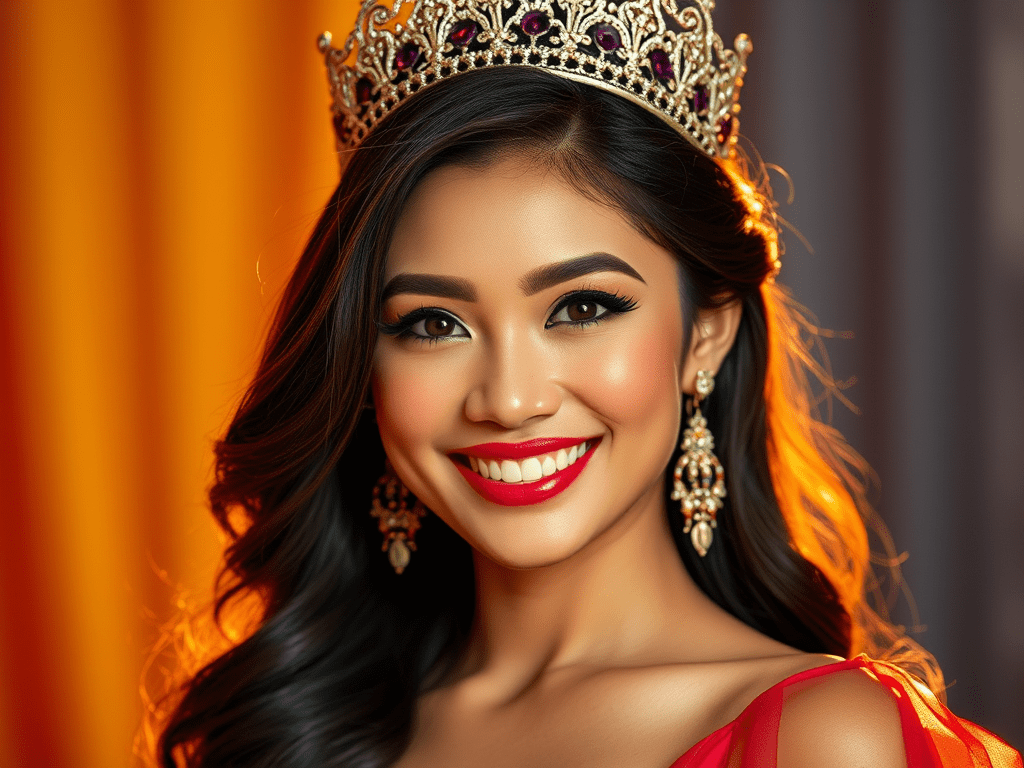
A Multidisciplinary Analysis of Historical Roots, Contemporary Dynamics, and Future Potential for Women’s Empowerment
Prepared by: Gerald A. Daquila, PhD. Candidate
ABSTRACT
The Philippines’ deep-rooted passion for beauty pageants offers a unique platform to explore the intersections of soft power, nation building, and gender equity, positioning the country as a global leader in redefining gender roles. This dissertation examines the historical evolution of pageants from colonial spectacles to modern stages for empowerment, using a multidisciplinary framework that integrates history, sociology, gender studies, cultural theory, and psychological and metaphysical perspectives on beauty.
It analyzes how pageants foster national identity, project cultural influence, and navigate tensions between empowerment and objectification, while highlighting the Philippines’ pioneering role in advancing women’s rights. By emphasizing advocacy and inclusivity, the Philippines can leverage its pageant industry to model gender equity for Asia and beyond, inspiring systemic change.
The study also confronts the industry’s challenges—exploitation, exclusion, and narrow beauty standards—proposing strategies to transcend physical beauty and harness the psychological and metaphysical dimensions of beauty for empowerment. Written in an accessible, blog-friendly style with academic rigor, this work balances logic, emotion, and inspiration, offering a cohesive narrative that engages both heart and mind.
Table of Contents
- Introduction: The Pageant Phenomenon as a Catalyst for Leadership
- Historical Roots: From Colonial Spectacles to National Pride
- Soft Power and Nation Building: Pageants as Cultural Diplomacy
- Women’s Rights and Pageants: Empowerment, Objectification, and Global Leadership
- The Dark Side of the Industry: Costs, Challenges, and Controversies
- Current Developments: Evolving Standards and Regional Influence
- Future Potential: Reimagining Pageants for Global Gender Equity
- Conclusion: Balancing Pride, Power, and Progress
- Glossary
- References

Glyph of the Bridgewalker
The One Who Holds Both Shores.
1. Introduction: The Pageant Phenomenon as a Catalyst for Leadership
In the Philippines, beauty pageants are more than glamorous competitions—they are cultural cornerstones that unite communities, ignite national pride, and position the country as a global leader in redefining gender roles. Dubbed the “pageant capital of the world,” the Philippines has leveraged its success in contests like Miss Universe to project soft power and foster a collective identity across its diverse archipelago (Gutierrez, 2018). Beyond the crowns, pageants offer a platform to champion women’s rights, challenge patriarchal norms, and inspire global change in gender equity.
This dissertation explores how the Philippines can harness its pageant culture to strengthen nation building and lead globally in advancing gender equality. Through a multidisciplinary lens—integrating history, sociology, gender studies, and psychological and metaphysical perspectives on beauty—it traces the roots of this fascination, examines its modern dynamics, and envisions a future where pageants transcend physical beauty to empower women holistically. By confronting the industry’s darker aspects—exploitation, exclusion, and unrealistic standards—it proposes strategies to align pageants with inclusive, equitable progress.
The Philippines’ leadership in redefining beauty and gender roles can inspire Asia and beyond, offering a model for women’s empowerment that balances cultural pride with systemic change. Written with scholarly rigor yet accessible language, this work weaves empirical analysis with human stories to engage readers intellectually and emotionally.
2. Historical Roots: From Colonial Spectacles to National Pride
Colonial Beginnings: The Manila Carnival and Western Influence
The Philippines’ pageant obsession began with the Manila Carnival in 1908, a colonial festival under American rule that celebrated U.S.-Philippine ties and showcased provincial achievements (Culture Trip, 2018). The crowning of the Carnival Queen introduced pageants to Filipino culture, but these early contests were shaped by colonial ideals, prioritizing fair skin and Eurocentric features (Clutario, 2023). As Clutario (2023) notes, beauty became a “contested measure of modernity,” reinforcing racial and gender hierarchies while fostering local pride as communities rallied behind their candidates.
Post-War and Independence: A Symbol of Resilience
Post-World War II, pageants evolved into symbols of national resilience. The victories of Gloria Diaz (Miss Universe 1969) and Margie Moran (Miss Universe 1973) marked turning points, proving that Filipinos could excel globally in a post-colonial era (Culture Trip, 2018). These wins sparked national euphoria, offering agency to a nation recovering from centuries of foreign rule. The establishment of Binibining Pilipinas in 1964 by Stella Marquez Araneta formalized the pageant industry, creating a professional pipeline for international success (Manila Times, 2021). Training camps like Kagandahang Flores and Aces & Queens adopted rigorous methods, blending discipline with cultural storytelling, transforming pageants into a national enterprise (Flores, 2018).
3. Soft Power and Nation Building: Pageants as Cultural Diplomacy
Defining Soft Power in the Philippine Context
Soft power, as conceptualized by Joseph Nye, is the ability to influence through cultural attraction and persuasion (Nye, 2004). In the Philippines, beauty pageants are a potent form of soft power, projecting resilience, talent, and cultural heritage. Catriona Gray’s 2018 Miss Universe win, marked by her iconic “Lava Walk” and advocacy for education, captivated global audiences, positioning the Philippines as a culturally vibrant nation (Rappler, 2018). Pageants unify Filipinos across socioeconomic and geographic divides, fostering a shared identity in a diverse archipelago. As Chelsea Salac notes, pageants are the Philippines’ “Superbowl,” reflecting their role in collective pride (Asia Media International, 2019).
Nation Building Through Pageants
Pageants contribute to nation building by reinforcing cultural pride and economic activity. Local “beaucons” at barrio fiestas and national competitions like Binibining Pilipinas stimulate community engagement and support industries like fashion, cosmetics, and tourism (Rappler, 2018). Designers like Mak Tumang gain global recognition through pageant gowns, while sponsors leverage massive viewership (Rappler, 2018). Internationally, Filipino beauty queens advocate for causes like education and environmental conservation, aligning with national development goals. For example, Catriona Gray’s work with LoveYourself, a nonprofit focused on HIV awareness, demonstrates pageants’ potential for social impact (Rappler, 2018).
4. Women’s Rights and Pageants: Empowerment, Objectification, and Global Leadership
Empowerment Through Advocacy
Modern Filipino pageants have evolved beyond aesthetics, emphasizing advocacy, intelligence, and charisma. Contestants like CJ Hirro, a rape survivor and Miss Global 2016 runner-up, use their platform to advocate for survivors of sexual violence, demonstrating how pageants amplify marginalized voices (Rappler, 2018). Pia Wurtzbach’s work on HIV awareness and Catriona Gray’s focus on education highlight pageants as vehicles for social change (Rappler, 2018). This shift aligns with women’s rights movements, offering Filipinas a stage to challenge patriarchal norms and gain economic empowerment, public influence, and access to education or careers, particularly for marginalized women (ResearchGate, 2024).
The inclusion of queer and transgender contestants, such as in the Miss Intercontinental New Zealand pageant, signals progress toward inclusivity, challenging traditional gender roles (SunStar, 2020). By prioritizing advocacy, pageants empower women to redefine their roles, moving beyond traditional expectations of femininity toward leadership and agency.
Objectification and Unrealistic Standards
Despite these advancements, pageants face criticism for perpetuating objectification and narrow beauty standards. Feminists like Aurora de Dios argue that competitions often favor light-skinned, mixed-heritage contestants, reinforcing colonial legacies that marginalize indigenous Filipino features like darker skin or flatter noses (Rappler, 2018). As Nikki Luna notes, “There’s nothing empowering about beauty when it’s defined by a patriarchal society” (Rappler, 2018). Swimsuit competitions and strict body measurements reduce women to their appearance, fostering unhealthy practices like extreme dieting or cosmetic surgeries, which increase risks of eating disorders and body dysmorphia (Thompson & Hammond, 2003).
Psychological and Metaphysical Dimensions of Beauty
The psychological impact of beauty standards extends beyond physical appearance, shaping self-perception and societal value. Pageants often tie women’s worth to external validation, undermining intrinsic confidence and perpetuating a culture of comparison (PubMed, 2003). Metaphysically, beauty in Filipino culture carries deeper meaning—rooted in concepts like kagandahang loob (inner beauty), which emphasizes kindness, resilience, and purpose (ResearchGate, 2024). By encouraging the industry to prioritize these qualities, the Philippines can redefine beauty as a holistic expression of character and impact, fostering psychological well-being and empowering women to see themselves as agents of change.
This shift has global implications. By embracing a broader definition of beauty—beyond physical attributes—the Philippines can strengthen its leadership in the pageant industry while offering a model for women’s empowerment. Encouraging contestants to embody inner strength and advocacy aligns with metaphysical ideals of beauty as a transformative force, inspiring women to lead authentically.

Glyph of Beauty’s Soft Power
Transforming the Philippines’ fascination with pageantry into a force for nation building and global gender equity.
Global Leadership in Gender Equity
The Philippines’ pageant success positions it as a regional and global leader in redefining gender roles. In Asia, where countries like India and Indonesia grapple with similar tensions in pageants, the Philippines’ emphasis on advocacy-driven pageantry offers a blueprint for change (ResearchGate, 2024). By championing inclusivity—celebrating diverse body types, skin tones, and gender identities—the Philippines can inspire reforms in nations like Thailand or Vietnam, where pageants are gaining traction. For example, the inclusion of transgender contestants in Filipino-influenced pageants could encourage similar progress in conservative societies, fostering regional solidarity in gender equity.
Globally, the Philippines’ model challenges patriarchal frameworks that dominate pageants. By prioritizing substance over appearance, the country can advocate for ethical standards, such as eliminating exploitative practices and promoting diverse representations of beauty. This leadership amplifies the psychological and metaphysical power of beauty, positioning pageants as platforms for systemic change and inspiring women worldwide to embrace their agency and worth beyond physicality.
5. The Dark Side of the Industry: Costs, Challenges, and Controversies
Financial and Emotional Costs
Pageant participation is costly, with expenses for gowns, training, and travel often excluding lower-income aspirants. Mercedes Pair joined Binibining Pilipinas to fund her mother’s medical bills, highlighting the financial stakes (CNA, 2020). Emotionally, contestants face intense scrutiny, body shaming, and pressure to maintain a “perfect” image, leading to stress, eating disorders, and low self-esteem (Thompson & Hammond, 2003). These costs disproportionately affect marginalized women, limiting access to the empowerment pageants promise.
Exploitation and Ethical Concerns
The industry’s darker side includes exploitation and abuse. Janina San Miguel, a former Binibining Pilipinas winner, quit after facing “indecent proposals” and described the industry as “too messy” (CNA, 2020). Reports of coercion in local pageants underscore the need for oversight (CNA, 2020). The exclusion of darker-skinned or indigenous Filipinas reinforces racial biases, perpetuating colonial beauty standards (Asia Media International, 2019).
Structural Challenges
The lack of regulation exacerbates these issues. CJ Hirro’s call for a governing body to oversee contracts and ethical conduct highlights the need for systemic reform (Rappler, 2018). Commercial pressures often prioritize profit over contestant well-being, undermining the industry’s potential for empowerment.
6. Current Developments: Evolving Standards and Regional Influence
Pageants are adapting to global trends like the #MeToo movement and calls for inclusivity. International contests like Miss America have eliminated swimsuit competitions, focusing on talent and advocacy (Rappler, 2018). In the Philippines, pageants are embracing diverse body types and cultural roots, with candidates showcasing traditional Filipino features and causes like environmental justice (Inquirer.net, 2023). The rise of queer and transgender pageants, such as Miss Intercontinental New Zealand, challenges gender norms (SunStar, 2020).
Social media amplifies these shifts, with Filipino fans driving global conversations about representation (Reddit, 2017). Asia’s growing pageant market—evidenced by wins from Vietnam and India—positions the Philippines as a regional leader, influencing standards and inspiring inclusivity (Rappler, 2018). These developments signal progress, though commercialization and biases remain challenges.
7. Future Potential: Reimagining Pageants for Global Gender Equity
Strategies for Nation Building
To maximize pageants’ soft power, the Philippines could integrate them into national development strategies. Aligning pageants with tourism campaigns, as seen with Catriona Gray’s promotion of Palawan, could boost economic growth (ResearchGate, 2025). Partnerships with NGOs could amplify queens’ advocacies, addressing issues like education or women’s health, aligning with Sustainable Development Goals.
Advancing Women’s Rights and Global Leadership
By prioritizing inclusivity—celebrating diverse skin tones, body types, and gender identities—the Philippines can redefine beauty as a holistic force, rooted in kagandahang loob. Training camps could offer scholarships to underprivileged contestants, reducing financial barriers. A regulatory body, as proposed by Hirro, could ensure fair contracts and protect against exploitation (Rappler, 2018). Public campaigns could promote metaphysical beauty, emphasizing inner strength and purpose, fostering psychological resilience and empowerment.
As a pageant powerhouse, the Philippines can lead global reforms by mentoring emerging pageant nations like Vietnam or Nepal. By exporting its advocacy-driven model, the country can inspire systemic change, encouraging pageants worldwide to prioritize substance and inclusivity. This leadership can foster cross-cultural solidarity, positioning the Philippines as a beacon for gender equity.
Challenges to Overcome
Realizing this potential requires confronting biases, regulating the industry, and balancing commercial interests with ethical reforms. Education campaigns and inclusive casting can dismantle colonial beauty standards, while global advocacy can amplify the Philippines’ influence in reshaping gender roles.
8. Conclusion: Balancing Pride, Power, and Progress
The Philippines’ pageant culture is a vibrant tapestry of pride, ambition, and transformative potential. By leveraging soft power, the country can strengthen its national identity and lead globally in advancing gender equity. Emphasizing the psychological and metaphysical dimensions of beauty—beyond physicality—can empower women to see themselves as agents of change, inspiring Asia and beyond.
However, addressing the industry’s darker aspects—exploitation, exclusion, and unrealistic standards—is critical. Through regulation, inclusivity, and a redefinition of beauty, the Philippines can transform pageants into platforms for progress, offering a model for women’s empowerment worldwide.
Crosslinks
- Strong Women of the Philippines: Pioneers of Gender Equality in Asia — Grounds pageant soft power in real Filipina leadership lineages and measurable gains.
- The Future of Power: From Domination to Stewardship — Recasts crowns as custodianship: platforms, charters, public ledgers, and service oaths.
- From Fear to Freedom: Harnessing Consciousness to Transform Media’s Impact — Rewrites narratives and visuals so representation uplifts dignity, not stereotypes.
- Conscious Capital: Redefining Wealth and Impact — Ethical sponsorships and transparent funds; pageants as engines for education, health, and women-led ventures.
- Codex of the Living Hubs: From Households to National Nodes — Turns national hype into local pipelines: mentorship, skills guilds, and community programs.
- Transforming Philippine Society: A Multidisciplinary Vision for Holistic Renewal — Policy pathways: gender equity indices, anti-exploitation safeguards, cultural diplomacy.
- The Theater of the Self: Unmasking Identity and the Eternal Soul — Disentangles persona and beauty standards from essence so “soft power” stays soul-aligned.
9. Glossary
- Soft Power: Influence through cultural attraction and persuasion (Nye, 2004).
- Nation Building: Constructing national identity and unity through cultural, political, and economic means.
- Beauty Pageant: A competition emphasizing physical appearance, talent, and advocacy.
- Terno:A traditional Filipino dress symbolizing cultural heritage in pageants.
- Manila Carnival: A colonial-era festival (1908–1939) that introduced pageants to the Philippines.
- Binibining Pilipinas: The premier national pageant organization, established in 1964.
- Kagandahang Loob:A Filipino concept of inner beauty, emphasizing kindness and purpose.
10. References
Clutario, G. A. (2023). Beauty Regimes: A History of Power and Politics in the Philippines. Duke University Press.
Culture Trip. (2018, June 7). Why the Philippines dominates world beauty pageants. Culture Trip. https://theculturetrip.com
Flores, R. (2018, December 22). Beauty pageants in the Philippines: Empowerment or objectification of women? Rappler. https://www.rappler.com
Gutierrez, N. (2018, January 27). The Philippines’ beauty pageant obsession: Who benefits? Rappler. https://www.rappler.com
Inquirer.net. (2023, June 10). Filipino standards in beauty pageants. Inquirer.net. https://usa.inquirer.net
Manila Times. (2021, October 18). Beauty queens will always be crowned crisis or not in this pageant-loving nation. Manila Times. https://www.manilatimes.net
Nye, J. S. (2004). Soft power: The means to success in world politics. Public Affairs.
ResearchGate. (2024, January 1). Beyond the crown: Exploring queer narratives and transformation in Philippine beauty pageants. ResearchGate. https://www.researchgate.net
ResearchGate. (2025, February 3). The Philippines and beauty pageants. ResearchGate. https://www.researchgate.net
Salac, C. (2019, February 12). Philippines: Powerhouse of beauty pageants. Asia Media International. https://asiamedia.lmu.edu
SunStar. (2020, December 6). Against the currents. SunStar. https://www.sunstar.com.ph
Thompson, S. H., & Hammond, K. (2003). Beauty is as beauty does: Body image and self-esteem of pageant contestants. Eating and Weight Disorders, 8(3), 231–237. https://doi.org/10.1007/BF03325019
Undercover Asia. (2020, May 2). The hidden side of Philippines beauty pageants [Video]. YouTube. https://www.youtube.com
Attribution
With fidelity to the Oversoul, may this Codex of the Living Archive serve as bridge, remembrance, and seed for the planetary dawn.
Ⓒ 2025 Gerald Alba Daquila – Flameholder of SHEYALOTH | Keeper of the Living Codices
Issued under Oversoul Appointment, governed by Akashic Law. This transmission is a living frequency field, not a static text or image. It may only be shared intact, unaltered, and with attribution. So it is sealed in light under the Oversoul of SHEYALOTH.
Watermark: Universal Master Key glyph (final codex version, crystalline glow, transparent background).
Sacred Exchange: This Codex is a living vessel of remembrance. Sacred exchange is not transaction but covenant—an act of gratitude that affirms the Codex’s vibration and multiplies its reach. Every offering plants a seed-node in the planetary lattice, expanding the field of GESARA not through contract, but through covenantal remembrance.
By giving, you circulate Light; by receiving, you anchor continuity. In this way, exchange becomes service, and service becomes remembrance. Sacred Exchange offerings may be extended through:
paypal.me/GeraldDaquila694




 Life.Understood.