
Tag: chakras
-
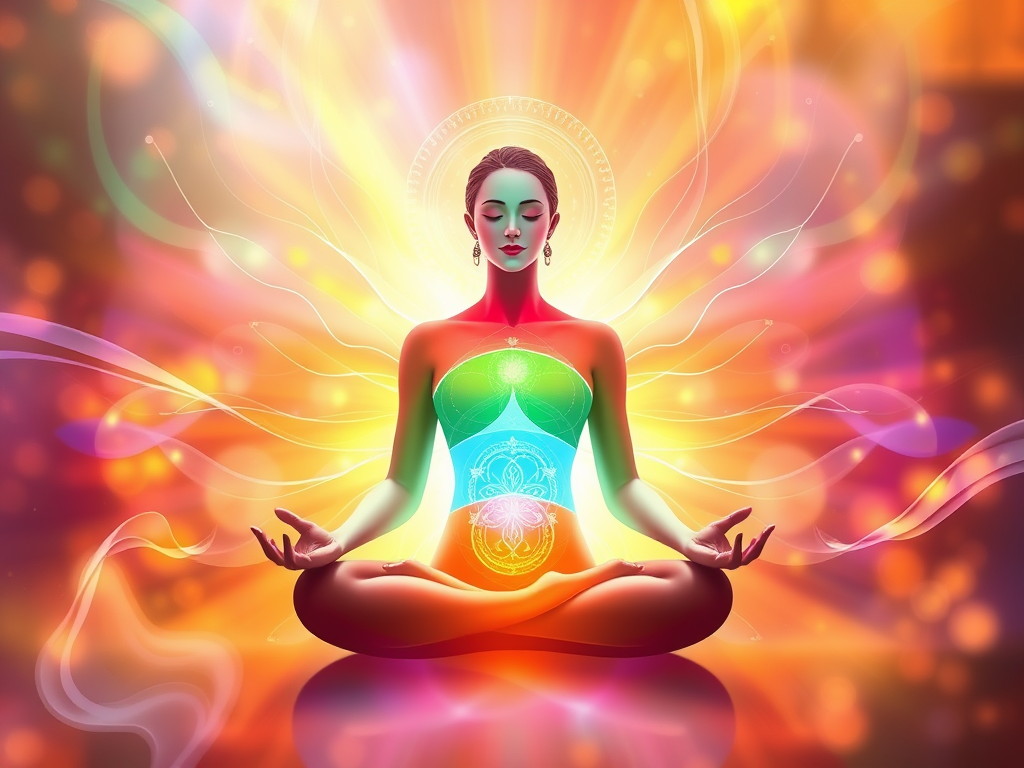
Healing the Soul’s Layers: A Multidisciplinary Exploration of Body, Mind, and Spirit in Spiritual Awakening
Integrating Metaphysics, Psychology, and Holistic Practices for Wholeness
Prepared by: Gerald A. Daquila, PhD. Candidate
10–15 minutesABSTRACT
As individuals awaken to their soul’s true nature, they embark on a transformative journey requiring healing across multiple dimensions of existence. This dissertation explores the healing of the soul through five interconnected layers—physical, mental/emotional, spiritual, energetic/relational, and existential—using a multidisciplinary lens that integrates metaphysics, psychology, holistic health, and spiritual traditions.
Grounded in scholarly literature and enriched by metaphysical perspectives, this work examines how unresolved trauma, limiting beliefs, spiritual disconnection, relational imbalances, and existential crises obstruct the soul’s expression. By synthesizing evidence-based practices like somatic therapy, mindfulness, and energy work with metaphysical principles such as non-duality and cosmic interconnectedness, this dissertation offers a cohesive framework for healing.
Written in an accessible, blog-friendly style, it balances academic rigor with intuitive insight, appealing to both left-brain logic and right-brain creativity. The narrative weaves a compelling story of the soul’s journey toward wholeness, providing practical tools and theoretical insights for individuals, practitioners, and scholars. A glossary and APA-formatted bibliography enhance its utility as a resource for understanding spiritual awakening.
Table of Contents
- Introduction: The Soul’s Awakening
- Theoretical Framework: A Multidisciplinary Lens
- The Layers of the Soul
- 3.1 The Physical Layer: Healing the Body
- 3.2 The Mental/Emotional Layer: Healing the Mind and Heart
- 3.3 The Spiritual Layer: Healing the Connection to Source
- 3.4 The Energetic/Relational Layer: Healing Connections
- 3.5 The Existential Layer: Healing Purpose and Meaning
- Integrative Practices for Soul Healing
- Discussion: The Journey to Wholeness
- Conclusion: Embracing the Soul’s True Nature
- Glossary
- References

Glyph of the Bridgewalker
The One Who Holds Both Shores.
1. Introduction: The Soul’s Awakening
Imagine waking up one day with a quiet, unshakable sense that you are more than your body, thoughts, or circumstances—a spark of something eternal, divine, and boundless. This is the soul’s awakening, a profound shift where we begin to remember our true nature. Yet, this journey is not without challenges. As the soul stirs, it encounters layers of wounds—physical ailments, emotional scars, spiritual disconnection, strained relationships, and existential doubts—that obscure its light. Healing these layers is essential to embody our highest potential.
This dissertation explores the soul’s healing through a multidisciplinary lens, weaving together metaphysics, psychology, holistic health, and spiritual wisdom. Written for a broad audience, it balances scholarly rigor with accessible language, inviting readers into a cohesive narrative that honors both logic and intuition. By examining five key layers of the soul—physical, mental/emotional, spiritual, energetic/relational, and existential—this work offers a roadmap for healing, grounded in research and illuminated by timeless metaphysical truths. The story of the soul is universal, and this dissertation aims to guide readers toward wholeness with clarity and compassion.
2. Theoretical Framework: A Multidisciplinary Lens
To understand soul healing, we must embrace a framework that transcends disciplinary boundaries. This dissertation draws on:
- Psychology: Insights from Jungian analysis, transpersonal psychology, and positive psychology provide tools for addressing mental and emotional wounds.
- Holistic Health: Research on somatic therapies and energy medicine highlights the body’s role in spiritual awakening.
- Spiritual Traditions: Eastern philosophies (e.g., Advaita Vedanta, Buddhism) and Western mysticism (e.g., Hermeticism, Gnosticism) offer timeless wisdom on the soul’s nature.
- Metaphysics: Concepts like non-duality, cosmic interconnectedness, and the soul as a divine spark frame healing as a return to universal consciousness.
This multidisciplinary approach ensures a holistic understanding, balancing left-brain reasoning (evidence-based research) with right-brain intuition (metaphysical insights). The narrative flows like a river, carrying readers through the soul’s layers with logic and wonder.
3. The Layers of the Soul
3.1 The Physical Layer: Healing the Body
The Story: Your body is a sacred vessel, a temple for the soul. But years of stress, trauma, or neglect can dim its vitality, blocking the soul’s expression. Healing the physical layer is like clearing a clouded window to let light shine through.
Research and Insights:
- Dr. Gabor Maté (2003) argues that suppressed emotions manifest as physical ailments, from chronic pain to autoimmune disorders. Healing requires addressing these emotional roots through somatic practices.
- Van der Kolk (2014) emphasizes that trauma is stored in the body, affecting the nervous system. Techniques like somatic experiencing or yoga release these blockages, restoring balance.
- Metaphysically, Caroline Myss (1996) links physical health to the chakras, energy centers tied to the soul. Imbalances in these centers reflect spiritual wounds, healed through energy work like Reiki.
Healing Practices:
- Somatic Therapy: Releasing stored trauma through body-centered techniques.
- Energy Work: Balancing chakras or meridians to align the body with the soul.
- Holistic Nutrition: Nourishing the body with whole foods, as in Ayurveda, to support vitality.
Metaphysical Lens: The body is a microcosm of the universe (Plato, 4th century BCE). Healing it aligns the soul with cosmic harmony, allowing divine energy to flow freely.
3.2 The Mental/Emotional Layer: Healing the Mind and Heart
The Story: The mind and heart are where the soul’s voice meets the ego’s chatter. Wounds like fear, shame, or limiting beliefs create static, drowning out the soul’s wisdom. Healing this layer is like tuning a radio to a clear signal.
Research and Insights:
- Carl Jung (1959) introduced the concept of the shadow—repressed aspects of the psyche that block individuation, the process of becoming whole. Shadow work, through journaling or therapy, integrates these aspects.
- PositivePsychology: Positive psychology (Seligman, 2011) underscores the role of emotional resilience and meaning in mental health. Mindfulness practices, like those in Welwood (2000), foster self-compassion and emotional freedom.
- Cognitive-behavioral therapy (CBT) research supports reframing limiting beliefs to align with the soul’s truth.
Healing Practices:
- Shadow Work: Exploring repressed emotions through guided reflection.
- Mindfulness Meditation: Cultivating presence to quiet the egoic mind.
- Emotional Freedom Techniques (EFT): Tapping to release emotional blockages.
Metaphysical Lens: The mind is a bridge to the divine (Hermetic principle of mentalism, The Kybalion, 1908). Healing mental distortions dissolves the illusion of separation (maya), revealing the soul’s unity with all.
3.3 The Spiritual Layer: Healing the Connection to Source
The Story: The soul is a spark of the divine, but it often feels cut off from its Source. This disconnection fuels spiritual longing. Healing this layer is like coming home to your true essence.
Research and Insights:
- Stanislav Grof (1993) describes spiritual emergencies—intense awakenings that challenge the psyche. Holotropic breathwork integrates these experiences, fostering connection to the divine.
- Advaita Vedanta (Shankara, 8th century CE) teaches that the soul’s true nature is non-dual awareness. Self-inquiry meditation dissolves the ego’s illusion of separation.
- A Course in Miracles (1976) frames healing as forgiving the illusion of separation, aligning with love.
Healing Practices:
- Meditation: Deepening connection to universal consciousness.
- Soul Retrieval: Shamanic practices to reclaim lost soul fragments (Ingerman, 1991).
- Prayer and Ritual: Honoring the divine to restore spiritual alignment.
Metaphysical Lens: The soul is eternal, veiled by ego (Plotinus, 3rd century CE). Healing is gnosis—direct knowing of the divine—unveiling the soul’s unity with the Absolute.
3.4 The Energetic/Relational Layer: Healing Connections
The Story: The soul exists in a web of relationships—with people, the earth, and the cosmos. Energetic cords or toxic ties can drain its vitality. Healing this layer weaves the soul back into the universal tapestry.
Research and Insights:
- Family systems theory (Bowen, 1978) shows how relational patterns shape the psyche. Healing involves setting boundaries and resolving ancestral trauma.
- Energy psychology (Eden, 1998) uses techniques like cord-cutting to clear energetic attachments.
- Indigenous traditions (Villoldo, 2000) emphasize healing relationships with the earth for soul balance.
Healing Practices:
- Cord-Cutting: Energetic release of unhealthy ties.
- Community Rituals: Reconnecting with others to foster belonging.
- Nature Connection: Grounding with the earth to restore energy.
Metaphysical Lens: The soul is part of a cosmic web (Indra’s Net, Mahayana Buddhism). Healing aligns personal energy with the collective, contributing to universal evolution (de Chardin, 1955).
3.5 The Existential Layer: Healing Purpose and Meaning
The Story: As the soul awakens, it yearns for meaning. Existential crises—fear of death or purposelessness—can cloud its path. Healing this layer is like finding your North Star.
Research and Insights:
- Viktor Frankl (1946) emphasizes meaning as central to well-being. Logotherapy helps align with the soul’s purpose.
- Yalom (1980) identifies death, freedom, isolation, and meaninglessness as existential concerns requiring integration.
- Mystical traditions (Rumi, 13th century) advocate surrendering to the flow of existence to embody purpose.
Healing Practices:
- Purpose Exploration: Journaling or vision quests to discover calling.
- Existential Reflection: Contemplating mortality to embrace life’s impermanence.
- Creative Expression: Art or service to channel the soul’s purpose.
Metaphysical Lens: The soul’s purpose is its unique expression of divine will (Hegel, 1807). Healing aligns it with the cosmic order, remembering its eternal blueprint (Plato, 4th century BCE).

Glyph of Soul Layer Healing
Body, mind, and spirit intertwine — each layer illuminated restores the soul’s wholeness in awakening
4. Integrative Practices for Soul Healing
Healing the soul requires practices that bridge body, mind, spirit, relationships, and purpose. These include:
- Meditation and Mindfulness: Supported by Kabat-Zinn (1990) for stress reduction and spiritual connection.
- Energy Work: Reiki or Qigong to balance the subtle body (Brennan, 1987).
- Therapy and Spirituality: Combining Jungian analysis with meditation for holistic healing.
- Ritual and Ceremony: Indigenous practices to honor the soul’s journey.
These practices weave the soul’s layers into a harmonious whole, like threads in a tapestry, creating a life aligned with divine truth.
5. Discussion: The Journey to Wholeness
The soul’s awakening is a hero’s journey—a quest to reclaim its divine essence. Each layer—physical, mental/emotional, spiritual, energetic/relational, and existential—holds unique wounds and gifts. Healing is not linear but cyclical, like seasons turning. By integrating evidence-based practices with metaphysical wisdom, we create a holistic path that honors both science and spirit. This journey transforms not only the individual but also the collective, as each healed soul ripples light into the world.
Challenges include resistance to change, fear of the unknown, and societal conditioning. Yet, the soul’s call is persistent, urging us toward wholeness. This dissertation offers a framework that is both practical and profound, inviting readers to embrace their awakening with courage and grace.
6. Conclusion: Embracing the Soul’s True Nature
Healing the soul is a sacred act of remembering who we are—eternal, interconnected, and divine. By tending to the physical, mental/emotional, spiritual, energetic/relational, and existential layers, we clear the veils that obscure our true nature. This dissertation has woven a story of transformation, grounded in research and lifted by metaphysical insight. It invites readers to embark on their own journey, using tools like meditation, therapy, and ritual to align with the soul’s purpose. As we heal, we become beacons of light, contributing to a world awakening to its collective soul.
Crosslinks
- Resonance Metrics as a Spiritual Compass in Times of Uncertainty — A gentle body–mind–spirit dashboard (breath, coherence, relief) for real-time go / hold / repair.
- Pieces of the Self: Soul Fragmentation Across Psyche, Society, and Spirit — Maps fragmentation/dissociation and offers retrieval rites for exiled aspects.
- Mapping the Soul’s Journey: A 360-Degree View of Life, Death, and the Afterlife — Life-review logic that turns symptoms into vows, amends, and embodied integration.
- The Space Between Worlds: A Journey Through the Great Shift — Normalizes liminal phases of awakening and shows how to cross gently, lawfully, and whole.
7. Glossary
- Chakras: Energy centers in the subtle body, linked to physical and spiritual health.
- Ego: The false self, rooted in separation and illusion, according to spiritual traditions.
- Gnosis: Direct, experiential knowledge of the divine in metaphysical traditions.
- Maya: The illusion of separation from universal consciousness in Vedantic philosophy.
- Shadow: Repressed aspects of the psyche, per Jungian psychology.
- Soul Retrieval: A shamanic practice to reclaim fragmented soul energy.
- Subtle Body: The energetic blueprint of the physical body in metaphysical systems.
8. References
Bowen, M. (1978). Family therapy in clinical practice. Jason Aronson.
Brennan, B. A. (1987). Hands of light: A guide to healing through the human energy field. Bantam Books.
de Chardin, P. T. (1955). The phenomenon of man. Harper & Row.
Eden, D. (1998). Energy medicine: Balancing your body’s energies for optimal health, joy, and vitality. TarcherPerigee.
Foundation for Inner Peace. (1976). A Course in Miracles. Viking Press.
Frankl, V. E. (1946). Man’s search for meaning. Beacon Press.
Grof, S. (1993). The holotropic mind: The three levels of human consciousness and how they shape our lives. HarperOne.
Ingerman, S. (1991). Soul retrieval: Mending the fragmented self. HarperOne.
Jung, C. G. (1959). The archetypes and the collective unconscious. Princeton University Press.
Kabat-Zinn, J. (1990). Full catastrophe living: Using the wisdom of your body and mind to face stress, pain, and illness. Delacorte Press.
Maté, G. (2003). When the body says no: Exploring the stress-disease connection. John Wiley & Sons.
Myss, C. (1996). Anatomy of the spirit: The seven stages of power and healing. Harmony Books.
Plato. (4th century BCE). Meno. (J. W. Smith, Trans.). Hackett Publishing.
Plato. (4th century BCE). Timaeus. (B. Jowett, Trans.). Oxford University Press.
Seligman, M. E. P. (2011). Flourish: A visionary new understanding of happiness and well-being. Free Press.
Shankara. (8th century CE). Vivekachudamani. (Swami Prabhavananda, Trans.). Vedanta Press.
Three Initiates. (1908). The Kybalion: A study of the Hermetic philosophy of ancient Egypt and Greece. Yogi Publication Society.
van der Kolk, B. (2014). The body keeps the score: Brain, mind, and body in the healing of trauma. Viking Press.
Villoldo, A. (2000). Shaman, healer, sage: How to heal yourself and others with the energy medicine of the Americas. Harmony Books.
Welwood, J. (2000). Toward a psychology of awakening: Buddhism, psychotherapy, and the path of personal and spiritual transformation. Shambhala Publications.
Yalom, I. D. (1980). Existential psychotherapy. Basic Books.
Attribution
With fidelity to the Oversoul, may this work serve as bridge, remembrance, and seed for the planetary dawn.
Ⓒ 2025–2026 Gerald Alba Daquila
Flameholder of SHEYALOTH · Keeper of the Living Codices
All rights reserved.This material originates within the field of the Living Codex and is stewarded under Oversoul Appointment. It may be shared only in its complete and unaltered form, with all glyphs, seals, and attribution preserved.
This work is offered for personal reflection and sovereign discernment. It does not constitute a required belief system, formal doctrine, or institutional program.
Digital Edition Release: 2026
Lineage Marker: Universal Master Key (UMK) Codex FieldSacred Exchange & Access
Sacred Exchange is Overflow made visible.
In Oversoul stewardship, giving is circulation, not loss. Support for this work sustains the continued writing, preservation, and public availability of the Living Codices.
This material may be accessed through multiple pathways:
• Free online reading within the Living Archive
• Individual digital editions (e.g., Payhip releases)
• Subscription-based stewardship accessPaid editions support long-term custodianship, digital hosting, and future transmissions. Free access remains part of the archive’s mission.
Sacred Exchange offerings may be extended through:
paypal.me/GeraldDaquila694
www.geralddaquila.com

 Life.Understood.