
Life.Understood.

Category: T4 CODEX

  • ARCHIVED – Unraveling Stress: A Journey to Understand and Overcome Life’s Universal Challenge

    ARCHIVED – Unraveling Stress: A Journey to Understand and Overcome Life’s Universal Challenge

    Finding Resilience Through Psychology, Neuroscience, Spirituality, and Ancient Wisdom

    Prepared by: Gerald A. Daquila, PhD. Candidate


    ABSTRACT

    Stress is a universal experience that impacts physical, mental, and spiritual well-being, often overwhelming individuals in today’s fast-paced world. This exploration delves into the nature of stress—its essence, bodily effects, root causes, and the fleeting relief offered by coping mechanisms like distraction, shopping, or drinking. Integrating insights from psychology, neuroscience, spirituality, and esoteric wisdom, we uncover why these short-term fixes fail and propose holistic, lasting strategies for resilience.

    By examining stress’s biological, psychological, and spiritual dimensions, this work offers practical, accessible tools—such as mindfulness, cognitive reframing, and energy balancing—that empower individuals to manage stress while honoring personal choice. Written for a general audience, this narrative combines scholarly rigor with relatable storytelling, aiming to equip readers with the knowledge and freedom to navigate stress as a signal for growth, not a barrier to well-being.


    Glyph of the Living Archive

    You are not just reading the Records – you are becoming them.


    Stress: The Silent Struggle We All Share

    Picture this: your heart races, your mind spins, and a tightness grips your chest. Maybe it’s a looming deadline, a heated argument, or just the weight of a never-ending to-do list. This is stress—something we all know too well. It’s not just a feeling; it’s a force that affects our bodies, minds, and even our sense of purpose. Stress can feel like a universal plague, touching every corner of our lives, from sleepless nights to strained relationships (McEwen, 2007).

    But what is stress, really? Why does it hit us so hard, and why do quick fixes like scrolling through social media, shopping sprees, or a glass of wine often leave us feeling worse? In this deep dive, we’ll explore the nature of stress—what it is, how it shows up in our bodies, what causes it, and why those temporary escapes don’t stick. Drawing on psychology, brain science, spiritual teachings, and even ancient esoteric wisdom, we’ll uncover practical, lasting ways to manage stress without anyone telling you what you have to do. This is about understanding stress and finding your own path to resilience.


    What Is Stress, Anyway?

    Let’s start with the basics. Stress is the body’s way of responding to any demand or challenge, whether it’s a saber-toothed tiger (in ancient times) or a traffic jam today (Selye, 1956). Think of it as your body’s alarm system, designed to keep you safe. But it’s not just physical. Stress is also mental—how you think about a situation shapes how stressed you feel (Lazarus & Folkman, 1984). Spiritually, it might feel like a disconnect from your deeper purpose or inner peace (Chopra, 1994). And in esoteric traditions, stress is seen as a hiccup in the flow of your life energy, like a dam blocking a river (Leadbeater, 1925).

    Throughout history, people have understood stress in different ways. Ancient Greeks thought it came from imbalances in the body, while Buddhists linked it to clinging to things that don’t last (Dalai Lama, 1999). Today, our fast-paced world—think constant notifications, work pressure, and the hustle for “more”—has turned stress into a daily companion (Hari, 2018). So, stress isn’t just one thing; it’s a mix of biology, thoughts, emotions, and even your connection to something bigger.


    How Stress Takes Over Your Body

    Ever notice how stress feels physical? That’s because it is. When you’re stressed, your brain’s threat detector, the amygdala, sounds the alarm, triggering what’s called the fight, flight, or freeze response (LeDoux, 2000). Your heart pounds, muscles tense, and adrenaline surges, prepping you to either tackle the problem or run for the hills. Meanwhile, your body pumps out cortisol, a stress hormone that keeps you on high alert (Sapolsky, 2004).

    This system is a lifesaver for short-term threats, but when stress lingers—say, from ongoing work pressure or family tension—it wears you down. Scientists call this “allostatic load,” like a car engine running too hot for too long (McEwen & Stellar, 1993). Chronic stress messes with your brain, weakening the part that helps you make decisions (the prefrontal cortex) and even shrinking the memory center (the hippocampus) (Sapolsky, 2004). It disrupts sleep, digestion, and your immune system, leaving you tired, sick, or both (Chrousos, 2009).

    Mentally, stress can make you anxious, irritable, or sad, sometimes trapping you in negative thought loops, like assuming everything will go wrong (Beck, 1976). Spiritually, it might leave you feeling lost, like you’re drifting without a sense of meaning (Frankl, 1963). In esoteric terms, stress blocks the flow of your life energy, creating a sense of disharmony (Blavatsky, 1888). It’s like stress hijacks your whole being—body, mind, and soul.


    Why Do We Get Stressed?

    Stress isn’t just random; it has deep roots. Biologically, it’s wired into us. Our ancestors needed stress to survive—think dodging predators or hunting for food (Sapolsky, 2004). But today, that same system kicks in for modern problems, like a tough email from your boss or a fight with a friend. The problem? Your body doesn’t know the difference between a lion and a late bill, so it reacts the same way (McEwen, 2007).

    Your mind plays a big role, too. How you see a situation—whether you feel in control or helpless—shapes your stress level (Lazarus & Folkman, 1984). If you think, “I can’t handle this,” stress spikes. If you feel prepared, it’s less intense (Kobasa, 1979). Then there’s the world around us: financial worries, social isolation, or the pressure to keep up with everyone else online (Hari, 2018). Cultural expectations, like chasing perfection or endless success, pile on even more (Twenge, 2017).

    Spiritually, stress often comes from feeling disconnected—from yourself, your purpose, or something greater (Dalai Lama, 1999). Esoteric wisdom suggests stress arises when you resist life’s natural flow or carry unresolved lessons from the past (Leadbeater, 1925). In short, stress comes from a tangle of biology, thoughts, society, and inner struggles.


    The Quick Fixes That Don’t Work

    When stress hits, it’s tempting to reach for a quick escape. Maybe you scroll through your phone, hit the mall, or pour a drink. These feel good in the moment because they trigger a burst of dopamine, the brain’s feel-good chemical (Volkow et al., 2011). But here’s the catch: they’re like putting a Band-Aid on a broken bone.

    These distractions don’t solve the problem; they just push it down. Your brain gets stuck in a loop, reinforcing anxiety instead of breaking it (LeDoux, 2000). The part of your brain that could help you think clearly stays sidelined, keeping you reactive instead of proactive (Arnsten, 2009). Worse, ignored stress comes back stronger. Psychologists call this the “rebound effect,” where unprocessed emotions fester, leading to more worry or even panic (Nolen-Hoeksema, 1991).

    Esoteric teachings offer a similar warning: suppressing stress disrupts your energy centers, especially the solar plexus, which is tied to personal power. This can lead to physical or emotional imbalances, like stomach issues or feeling powerless (Brennan, 1987). So, while that shopping spree or extra drink might feel like relief, it’s a temporary mask that lets stress build up behind the scenes.


    Understanding Stress: A Bigger Picture

    To really get a handle on stress, we need to look at it from all angles—science, psychology, spirituality, and even ancient wisdom. Let’s break it down.

    Psychology shows us that stress often comes from how we think. Cognitive-behavioral therapy (CBT) teaches that negative thought patterns, like “I’m doomed,” can be reshaped to reduce stress (Beck, 1976). Positive psychology adds that focusing on strengths—like gratitude or resilience—can lift us up (Seligman, 2002).

    Neuroscience reveals how the brain works under stress. The good news? Your brain can change. Practices like mindfulness strengthen the decision-making part of your brain and calm the threat detector, helping you handle stress better (Davidson & McEwen, 2012). Simple tricks, like slow breathing, activate your body’s calming system, easing tension (Porges, 2011).

    Spirituality offers tools for finding peace. Buddhism’s mindfulness practice helps you observe stress without getting swept away (Kabat-Zinn, 1990). Christianity encourages trust in a higher power to find calm (Merton, 1955). Viktor Frankl, a Holocaust survivor, showed that finding meaning in life can carry you through even the worst stress (Frankl, 1963).

    Esoteric wisdom brings a unique perspective, seeing stress as a disruption in your energy flow. Practices like Reiki or balancing your energy centers can restore harmony (Brennan, 1987). Some traditions, like Theosophy, suggest stress reflects lessons you’re meant to learn, and living with intention can ease it (Blavatsky, 1888).

    Together, these fields paint a full picture: stress is complex, but so are the tools to manage it.


    Real Ways to Manage Stress

    So, how do we move beyond quick fixes to something that lasts? Here are practical, holistic strategies you can try, drawn from science, spirituality, and wisdom traditions. The best part?

    You get to choose what feels right for you.

    Reframe Your Thoughts

    Psychology offers powerful tools like CBT. Try writing down a stressful thought—like “I’ll never get this done”—and challenge it with a calmer one, like “I can take it one step at a time” (Beck, 1976). Journaling about your feelings can also lower stress hormones, giving your mind space to breathe (Pennebaker, 1997).

    Rewire Your Brain

    Your brain is adaptable, thanks to something called neuroplasticity. Just 10 minutes of mindfulness meditation a day can strengthen your brain’s ability to stay calm and focused (Davidson & McEwen, 2012). Slow, deep breathing—try inhaling for 4 seconds and exhaling for 6—activates your body’s relaxation response, like hitting a reset button (Porges, 2011).

    Connect Spiritually

    Spiritual practices can anchor you. Mindfulness meditation, where you focus on your breath or the present moment, reduces stress and builds inner peace (Kabat-Zinn, 1990). Prayer or quiet reflection can help you feel connected to something bigger, easing worry (Merton, 1955). Even asking yourself, “What matters most to me?” can spark a sense of purpose (Frankl, 1963).

    Explore Energy and Intention

    Esoteric practices like Reiki or visualizing energy flowing through your body can restore balance (Brennan, 1987). Try setting a daily intention, like “I choose calm today,” to align your actions with your goals (Chopra, 1994). It’s like tuning your inner compass.

    Everyday Steps

    Small changes add up. Spend 10 minutes journaling or practicing gratitude—write down three things you’re thankful for. Move your body with a walk or yoga to release tension. Connect with others through a support group or spiritual community. And don’t skip the basics: eat well, sleep enough, and give yourself permission to rest. These habits build a strong foundation for resilience.


    Empowering You to Choose Your Path

    Here’s the thing: no one should tell you how to handle your stress. It’s your journey, and you deserve the freedom to choose what works for you (Ryan & Deci, 2000). That’s why this isn’t about rules or must-dos. It’s about giving you tools—backed by science and wisdom—so you can experiment and find what fits.

    Knowledge is power. Learning about stress, from how it affects your brain to how it ties to your sense of purpose, puts you in the driver’s seat (Seligman, 2002). Communities can help, too. Joining a meditation group, volunteering, or even chatting with friends can remind you you’re not alone (Hari, 2018). These connections lift everyone up without anyone losing their independence.


    Looking Ahead: A Stress-Resilient Future

    Stress is part of being human, but it doesn’t have to run your life. By understanding its roots—biological, mental, social, and spiritual—you can see it for what it is: a signal, not a sentence. Quick fixes like distraction or drinking might dull the edge, but they let stress sneak back stronger. Instead, holistic tools—reframing thoughts, calming your nervous system, finding meaning, or balancing your energy—offer a path to lasting resilience.

    For you, this might mean starting with a deep breath or a gratitude list. For society, it could mean more education about stress, more spaces for connection, and a culture that values well-being over hustle. Researchers can keep exploring how science and ancient wisdom work together, creating even better ways to thrive.

    Wherever you are, know this: you have the power to face stress, not by fighting it, but by understanding it and choosing your response. Try one small step today—a breath, a thought, a moment of connection—and see where it takes you. You’ve got this.


    Resonant Crosslinks


    Glossary

    • Allostatic Load: The wear-and-tear on your body from constant stress (McEwen & Stellar, 1993).
    • Chakra:Energy centers in the body, according to esoteric traditions (Brennan, 1987).
    • Cortisol: A hormone your body releases during stress (Sapolsky, 2004).
    • HPA Axis: The system in your body that controls stress responses (Chrousos, 2009).
    • Neuroplasticity: Your brain’s ability to adapt and form new connections (Davidson & McEwen, 2012).
    • Prana: Life energy, a concept in esoteric teachings (Blavatsky, 1888).

    References

    American Psychological Association. (2020). Publication manual of the American Psychological Association (7th ed.).

    Arnsten, A. F. T. (2009). Stress signalling pathways that impair prefrontal cortex structure and function. Nature Reviews Neuroscience, 10(6), 410–422. https://doi.org/10.1038/nrn2648

    Beck, A. T. (1976). Cognitive therapy and the emotional disorders. International Universities Press.

    Blavatsky, H. P. (1888). The secret doctrine. Theosophical Publishing House.

    Brennan, B. A. (1987). Hands of light: A guide to healing through the human energy field. Bantam Books.

    Chopra, D. (1994). The seven spiritual laws of success. Amber-Allen Publishing.

    Chrousos, G. P. (2009). Stress and disorders of the stress system. Nature Reviews

    Endocrinology, 5(7), 374–381. https://doi.org/10.1038/nrendo.2009.106

    Dalai Lama. (1999). Ethics for the new millennium. Riverhead Books.

    Davidson, R. J., & McEwen, B. S. (2012). Social influences on neuroplasticity: Stress and interventions to promote well-being. Nature Neuroscience, 15(5), 689–695. https://doi.org/10.1038/nn.3093

    Frankl, V. E. (1963). Man’s search for meaning. Beacon Press.

    Hari, J. (2018). Lost connections: Uncovering the real causes of depression—and the unexpected solutions. Bloomsbury Publishing.

    Kabat-Zinn, J. (1990). Full catastrophe living: Using the wisdom of your body and mind to face stress, pain, and illness. Delacorte Press.

    Kobasa, S. C. (1979). Stressful life events, personality, and health: An inquiry into hardiness. Journal of Personality and Social Psychology, 37(1), 1–11. https://doi.org/10.1037/0022-3514.37.1.1

    Lazarus, R. S. (1999). Stress and emotion: A new synthesis. Springerstadter.com Springer Publishing.

    Lazarus, R. S., & Folkman, S. (1984). Stress, appraisal, and coping. Springer Publishing.

    Leadbeater, C. W. (1925). The chakras. Theosophical Publishing House.

    LeDoux, J. E. (2000). Emotion circuits in the brain. Annual Review of Neuroscience, 23(1), 155–184. https://doi.org/10.1146/annurev.neuro.23.1.155

    McEwen, B. S. (2007). Physiology and neurobiology of stress and adaptation: Central role of the brain. Physiological Reviews, 87(3), 873–904. https://doi.org/10.1152/physrev.00041.2006

    McEwen, B. S., & Stellar, E. (1993). Stress and the individual: Mechanisms leading to disease. Archives of Internal Medicine, 153(18), 2093–2101. https://doi.org/10.1001/archinte.1993.00410180039004

    Merton, T. (1955). No man is an island. Harcourt Brace.

    Nolen-Hoeksema, S. (1991). Responses to depression and their effects on the duration of depressive episodes. Journal of Abnormal Psychology, 100(4), 569–582. https://doi.org/10.1037/0021-843X.100.4.569

    Pennebaker, J. W. (1997). Writing about emotional experiences as a therapeutic process. Psychological Science, 8(3), 162–166. https://doi.org/10.1111/j.1467-9280.1997.tb00403.x

    Porges, S. W. (2011). The polyvagal theory: Neurophysiological foundations of emotions, attachment, communication, and self-regulation. W.W. Norton & Company.

    Ryan, R. M., & Deci, E. L. (2000). Self-determination theory and the facilitation of intrinsic motivation, social development, and well-being. American Psychologist, 55(1), 68–78. https://doi.org/10.1037/0003-066X.55.1.68

    Sapolsky, R. M. (2004). Why zebras donabases don’t get ulcers (3rd ed.). HarperCollins.

    Seligman, M. E. P. (2002). Authentic happiness: Using the new positive psychology to realize your potential for lasting fulfillment. Free Press.

    Selye, H. (1956). The stress of life. McGraw-Hill.

    Tolle, E. (2004). The power of now: A guide to spiritual enlightenment. New World Library.

    Twenge, J. M. (2017). iGen: Why today’s super-connected kids are growing up less rebellious, more tolerant, less happy—and completely unprepared for adulthood. Atria Books.

    Volkow, N. D., Wang, G. J., & Baler, R. D. (2011). Reward, dopamine and the control of food intake: Implications for obesity. Trends in Cognitive Sciences, 15(1), 37–46. https://doi.org/10.1016/j.tics.2010.11.001


    Attribution

    This writing is offered in attunement with the Akashic Records and in service to planetary remembrance. It is carried through the Oversoul stream of SHEYALOTH and anchored within the Living Archives of the New Earth. May it serve as a bridge for seekers, guiding them from the first stirrings of awakening toward the higher codices of sovereignty, stewardship, and overflow.

    © 2025 by Gerald Alba Daquila. Sole Flameholder of the SHEYALOTH Oversoul Stream.

  • ARCHIVED – Diagnosing the Philippines as a Complex System: A Systemic Analysis of Bottlenecks, Leverage Points, and Pathways to Unleash National Potential

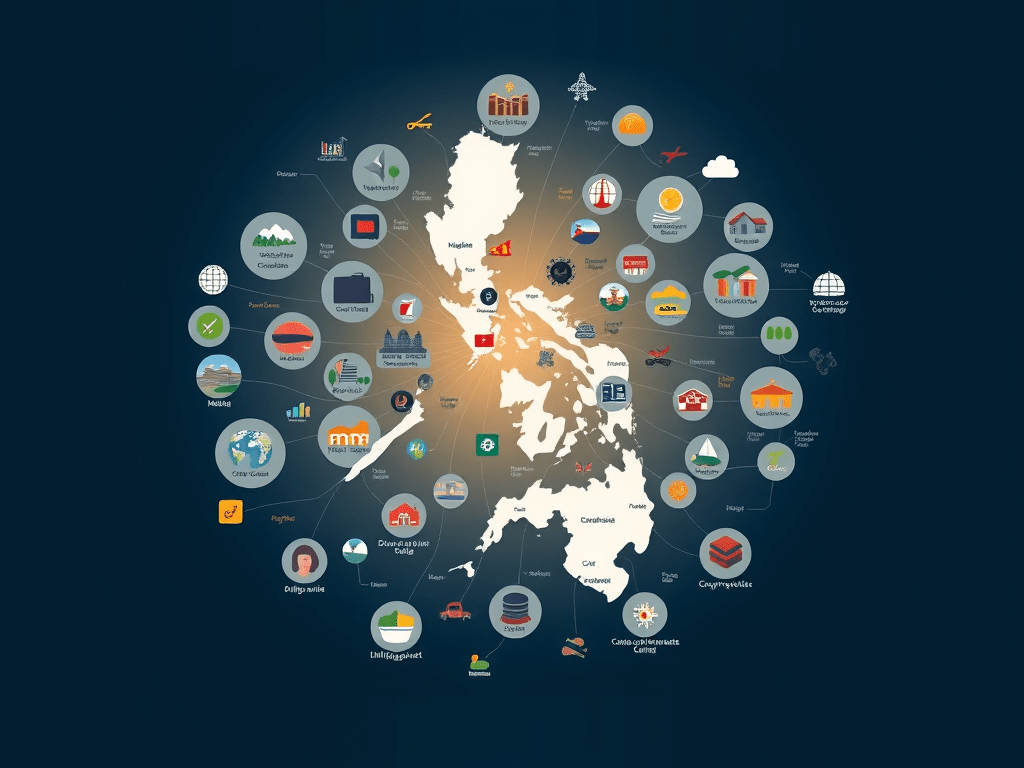
    ARCHIVED – Diagnosing the Philippines as a Complex System: A Systemic Analysis of Bottlenecks, Leverage Points, and Pathways to Unleash National Potential

    An Executive Checkup Using Network Theory, Ontology, Game Theory, and the Theory of Constraints for Strategic Leadership

    Prepared by: Gerald A. Daquila, PhD. Candidate


    ABSTRACT

    The Philippines, endowed with significant human, natural, and cultural capital, has not fully realized its developmental potential compared to regional peers. This dissertation examines the Philippines as a complex adaptive system, employing network theory, ontology, game theory, and the Theory of Constraints (TOC) to diagnose systemic bottlenecks across human, governmental, infrastructural, and societal domains.

    Through a systemic “executive checkup,” we identify leverage points, propose mitigation strategies, and explore why the country underperforms despite its strengths. Key bottlenecks— infrastructure deficits, governance inefficiencies, and social inequities—are analyzed using TOC’s Five Focusing Steps. Mitigation strategies emphasize systemic coordination, public-private partnerships (PPPs), and inclusive policies. Grounded in research literature, the analysis offers actionable insights for senior leaders in government, business, and religious sectors to drive transformative change.

    Keywords: Philippines, complex systems, network theory, ontology, game theory, Theory of Constraints, bottlenecks, governance, infrastructure, leadership


    1. Introduction

    1.1 Background and Rationale

    The Philippines, an archipelagic nation of over 120 million people as of 2025, possesses a youthful population, rich natural resources, and a vibrant cultural heritage. Despite these assets, it lags behind regional peers like Singapore, Malaysia, and Vietnam in economic growth, human development, and governance metrics (World Bank, 2023).

    This dissertation treats the Philippines as a complex adaptive system—a dynamic network of human, governmental, infrastructural, and societal components interacting in non-linear ways (Holland, 1995). By conducting a systemic “executive checkup,” we aim to diagnose bottlenecks, identify leverage points, and propose strategies to unlock the nation’s potential, targeting senior leaders shaping policy and society.


    1.2 Research Objectives

    • Map the Philippines as a complex system using ontology and network theory.
    • Diagnose systemic bottlenecks using the Theory of Constraints (TOC).
    • Analyze strategic interactions among actors using game theory.
    • Propose mitigation strategies and leverage points for systemic improvement.
    • Evaluate why the Philippines underperforms despite its strengths, drawing on comparative literature.

    1.3 Theoretical Frameworks

    • Network Theory: Models the Philippines as a network of nodes (e.g., people, institutions) and edges (e.g., relationships, resource flows), highlighting connectivity and vulnerabilities (Barabási, 2016).
    • Ontology: Categorizes entities (e.g., human, governmental, infrastructural) and their relationships, clarifying the system’s structure (Husserl, 1913/1983).
    • Game Theory: Analyzes strategic interactions among actors (e.g., government, businesses, citizens) to understand cooperation and conflict (Von Neumann & Morgenstern, 1944).
    • Theory of Constraints (TOC): Identifies and mitigates the system’s limiting factors (bottlenecks) to improve performance (Goldratt, 1984).

    1.4 Audience and Scope

    This dissertation targets senior leaders in government (e.g., policymakers), business (e.g., CEOs), and religious sectors (e.g., clergy), offering actionable insights for systemic change. It covers human, governmental, infrastructural, economic, and sociocultural domains, correlating findings with research literature.


    Glyph of the Master Builder

    To build is to anchor eternity in matter.


    2. Conceptual Framework: The Philippines as a Complex System

    2.1 Defining Complex Adaptive Systems

    A complex adaptive system (CAS) comprises interconnected agents that adapt to their environment, exhibiting emergent behaviors (Holland, 1995). The Philippines exemplifies a CAS, with millions of individuals, organizations, and systems interacting across geographic, economic, and cultural landscapes. Feedback loops, non-linear dynamics, and emergent properties (e.g., economic growth, social unrest) characterize its behavior.


    2.2 Ontological Mapping of the Philippines

    Ontology structures the Philippines’ complex system by categorizing entities (Husserl, 1913/1983):

    • Particulars: Unique entities like individuals or specific infrastructure (e.g., NAIA airport).
    • Universals: Categories like “citizens” or “roads.”
    • Concrete Objects: Physical entities like schools or bridges.
    • Abstract Objects: Non-physical entities like policies or cultural norms.

    Social ontology examines social kinds (e.g., governance, money), which shape behavior (Searle, 1995). This mapping reveals the Philippines as a layered system of human actions, institutional rules, and physical infrastructure.


    2.3 Network Theory: Interconnections and Dependencies

    Network theory views the Philippines as a graph of nodes (e.g., citizens, businesses) and edges (e.g., trade, communication) (Barabási, 2016). Key properties include:

    • Degree Centrality: Identifies connected nodes (e.g., Metro Manila).
    • Clustering Coefficient: Measures local cohesion (e.g., rural communities).
    • Betweenness Centrality: Highlights nodes controlling flows (e.g., ports).

    Weak connectivity (e.g., inter-island transport) and over-centralization (e.g., Manila-centric governance) create vulnerabilities (Chatterjee, 2024).


    2.4 Game Theory: Strategic Interactions Among Actors

    Game theory models strategic interactions (Von Neumann & Morgenstern, 1944):

    • Players: Government, businesses, citizens, religious groups.
    • Strategies: Cooperation (e.g., PPPs), competition (e.g., political rivalries), or defection (e.g., corruption).
    • Payoffs: Economic growth, social stability, or personal gain.

    A prisoner’s dilemma often emerges in governance, where short-term self-interest undermines collective goals (Llanto, 2016).


    3. Systemic Diagnosis: An Executive Checkup

    3.1 Human Capital: Education, Health, and Social Dynamics

    Diagnosis: The Philippines’ young, English-speaking population is offset by poor educational quality (30% of students meet literacy standards) and uneven healthcare access (UNESCO, 2023). Poverty (16.4% in 2023) exacerbates disparities (Philippine Statistics Authority, 2023).

    Network Perspective: Weak educational nodes (e.g., underfunded schools) limit human capital flows. Urban clustering concentrates opportunities, isolating rural nodes.

    Game Theory Insight: Families invest in education for future payoffs, but systemic inefficiencies reduce returns, discouraging investment.


    3.2 Governmental Systems: Policy, Bureaucracy, and Political Dynamics

    Diagnosis: Governance is hampered by inefficiency, corruption, and political interference. The Strategic Performance Management System (SPMS) is poorly implemented, and political dynasties reduce accountability (Torneo, 2021; Hodder, 2009).

    Network Perspective: Bureaucratic nodes control resource flows, creating bottlenecks. Dynasties form dense subnetworks, limiting external influence.

    Game Theory Insight: Politicians face a coordination game where defection (e.g., patronage) offers short-term gains, perpetuating inefficiency.


    3.3 Infrastructure: Connectivity, Energy, and Digital Transformation

    Diagnosis: Infrastructure deficits in transport and digital connectivity hinder growth. The Philippines ranks 89th in mobile internet speed (25.88 Mbps), with frequent power outages (Ookla, 2023; Llanto, 2016).

    Network Perspective: Low edge density in transport and digital networks isolates nodes. Metro Manila’s centrality causes congestion.

    Game Theory Insight: PPPs involve a trust game, where misaligned incentives delay projects.


    3.4 Business and Economic Systems: Innovation and Competitiveness

    Diagnosis: The digital economy contributes 9.4% to GDP, but MSMEs struggle with digitalization. Low R&D investment (0.3% of GDP) limits innovation (Philippine Statistics Authority, 2023; World Bank, 2023).

    Network Perspective: Business nodes are loosely connected, with weak global links. Large firms’ clustering limits competition.

    Game Theory Insight: Firms face a stag hunt game, where collective innovation yields high payoffs, but risk aversion leads to inaction.


    3.5 Sociocultural and Religious Influences

    Diagnosis: Strong community ties and religious influence foster resilience but can resist change (e.g., gender equity). Religious leaders wield significant social capital (Jocano, 1981).

    Network Perspective: Religious institutions are high-degree nodes, bridging communities. Cultural norms create dense clusters, slowing progressive ideas.

    Game Theory Insight: Religious leaders balance tradition and modernization in a bargaining game, influencing collective goals.


    4. Identifying Bottlenecks Using the Theory of Constraints

    4.1 TOC Methodology and Application

    TOC identifies the system’s critical constraint and improves performance via the Five Focusing Steps: (1) Identify, (2) Exploit, (3) Subordinate, (4) Elevate, (5) Repeat (Goldratt, 1984).


    4.2 Key Bottlenecks in the Philippine System

    TOC identifies three bottlenecks:

    1. Infrastructure Deficits:
      • Evidence: Poor connectivity and digital infrastructure limit trade (Chatterjee, 2024; Ookla, 2023).
      • Impact: Isolates rural nodes, hampers digital transformation.
      • TOC Analysis: Transport and digital networks constrain connectivity.
    2. Governance Inefficiencies:
      • Evidence: Bureaucratic delays and corruption (115th on Corruption Perceptions Index) (Transparency International, 2023; Torneo, 2021).
      • Impact: Slows resource allocation, erodes trust.
      • TOC Analysis: Bureaucratic nodes create delays.
    3. Human Capital Underdevelopment:
      • Evidence: Low educational outcomes and healthcare disparities (UNESCO, 2023).
      • Impact: Limits productivity and innovation.
      • TOC Analysis: Underfunded systems constrain development.

    4.3 Comparative Analysis with Regional Peers

    Vietnam (8% GDP growth) and Malaysia (HDI 0.803) outperform the Philippines (5.6% growth, HDI 0.718) due to centralized governance and robust infrastructure (World Bank, 2023; Llanto, 2016).


    5. Mitigation Strategies and Leverage Points

    5.1 Addressing Infrastructure Bottlenecks

    Strategy: Accelerate PPPs and digital infrastructure.

    • Exploit: Optimize existing roads and ports (Chatterjee, 2024).
    • Subordinate: Prioritize connectivity in budgets.
    • Elevate: Invest in 5G and renewable energy (Public Service Act, 2022).
    • Leverage Point: National broadband plan.

    5.2 Reforming Governance and Bureaucracy

    Strategy: Streamline bureaucracy, enhance anti-corruption.

    • Exploit: Implement agile SPMS (Torneo, 2021).
    • Subordinate: Reduce political interference (Hodder, 2009).
    • Elevate: Strengthen Ombudsman, digitalize services.
    • Leverage Point: eGov PH Super App.

    5.3 Enhancing Human Capital and Social Equity

    Strategy: Invest in education and healthcare.

    • Exploit: Align K-12 with industry needs (Valdez, 2018).
    • Subordinate: Fund rural schools.
    • Elevate: Increase health budget to 5% of GDP.
    • Leverage Point: Public-private education partnerships.

    5.4 Fostering Business Innovation and Economic Resilience

    Strategy: Support MSME digitalization, R&D.

    • Exploit: Leverage digital economy growth (Philippine Statistics Authority, 2023).
    • Subordinate: Simplify regulations.
    • Elevate: Increase R&D to 1% of GDP.
    • Leverage Point: Tech hubs.

    5.5 Leveraging Sociocultural and Religious Leadership

    Strategy: Engage religious leaders for social change.

    • Exploit: Use religious networks for campaigns (Jocano, 1981).
    • Subordinate: Align cultural narratives with modernization.
    • Elevate: Train leaders in development.
    • Leverage Point: Faith-based initiatives.

    6. Why the Philippines Underperforms: A Systemic Perspective

    6.1 Strengths: Human Capital, Natural Resources, and Cultural Resilience

    • Human Capital: Young, English-speaking workforce (median age 25.7) (Philippine Statistics Authority, 2023).
    • Natural Resources: Rich biodiversity (DENR, 2023).
    • Cultural Resilience: Strong community ties (Jocano, 1981).

    6.2 Systemic Barriers to Potential

    • Fragmented Governance: Decentralization causes coordination failures (Torneo, 2021).
    • Infrastructure Gaps: Connectivity isolates potential (Chatterjee, 2024).
    • Social Inequities: Poverty limits human capital (UNESCO, 2023).

    6.3 Lessons from Regional Peers

    Vietnam’s centralized planning and Malaysia’s infrastructure investments highlight the need for coordination and connectivity (Llanto, 2016).


    7. Recommendations for Senior Leadership

    7.1 Strategic Policy Reforms

    • Prioritize infrastructure and digitalization (Philippine Development Plan, 2023).
    • Reform SPMS for intrinsic motivation (Torneo, 2021).

    7.2 Collaborative Governance Models

    • Establish multi-stakeholder councils (Llanto, 2016).
    • Strengthen PPP frameworks.

    7.3 Empowering Local and Religious Leadership

    • Train leaders in systemic thinking (Jocano, 1981).
    • Leverage religious networks for campaigns.

    7.4 Monitoring and Evaluation Frameworks

    • Develop a Localized Disaster Risk Management Index (Ravago et al., 2023).
    • Use data analytics for policy outcomes (Philippine Statistics Authority, 2023).

    8. Conclusion

    8.1 Synthesis of Findings

    The Philippines faces bottlenecks in infrastructure, governance, and human capital, constraining its potential. Network theory, ontology, game theory, and TOC identify leverage points like PPPs, bureaucratic reforms, and inclusive policies. Religious leadership can amplify efforts, aligning cultural strengths with modernization.

    8.2 Future Research Directions

    • Longitudinal studies on PPP effectiveness.
    • Network analysis of political dynasties.
    • Game-theoretic models of cooperation.

    Resonant Crosslinks


    9. Glossary

    This glossary defines key terms for clarity:

    • Bottleneck: A constraint limiting performance (Goldratt, 1984).
    • Complex Adaptive System (CAS): Interconnected agents producing emergent behaviors (Holland, 1995).
    • Degree Centrality: Number of connections a node has (Barabási, 2016).
    • Emergent Behavior: System-wide outcomes from component interactions (Holland, 1995).
    • Five Focusing Steps: TOC’s method to address constraints (Goldratt, 1984).
    • Game Theory: Analyzes strategic interactions (Von Neumann & Morgenstern, 1944).
    • Human Capital: Population’s skills and health (UNESCO, 2023).
    • Leverage Point: Intervention for significant impact (Meadows, 1999).
    • Network Theory: Models nodes and edges (Barabási, 2016).
    • Ontology: Categorizes entities and relationships (Husserl, 1913/1983).
    • Political Dynasties: Families dominating politics (Hodder, 2009).
    • Prisoner’s Dilemma: Self-interest undermines collective goals (Von Neumann & Morgenstern, 1944).
    • Public-Private Partnership (PPP): Government-private collaboration (Llanto, 2016).
    • Social Capital: Community networks and trust (Jocano, 1981).
    • Strategic Performance Management System (SPMS): Aligns performance with goals (Torneo, 2021).
    • Systemic Risk: Cascading failures from interconnectedness (Barabási, 2016).
    • Theory of Constraints (TOC): Optimizes performance by addressing constraints (Goldratt, 1984).

    10. Bibliography

    Barabási, A.-L. (2016). Network science. Cambridge University Press.

    Chatterjee, S. (2024). Philippine infrastructure and connectivity: Challenges and reforms. ResearchGate. https://www.researchgate.net

    DENR. (2023). Biodiversity and natural resources report 2023. Department of Environment and Natural Resources. https://denr.gov.ph

    Goldratt, E. M. (1984). The goal: A process of ongoing improvement. North River Press.

    Hodder, R. (2009). Political interference in the Philippine bureaucracy. Environment and Planning C: Government and Policy, 27(5), 766-782. https://doi.org/10.1068/c0886

    Holland, J. H. (1995). Hidden order: How adaptation builds complexity. Addison-Wesley.

    Husserl, E. (1983). Ideas pertaining to a pure phenomenology and to a phenomenological philosophy (F. Kersten, Trans.). Martinus Nijhoff. (Original work published 1913).

    Jocano, L. F. (1981). Bridging the gap between management and culture. Daluyan.

    Llanto, G. M. (2016). Infrastructure and connectivity in the Philippines. Asian Development Bank. https://www.adb.org

    Meadows, D. H. (1999). Leverage points: Places to intervene in a system. The Sustainability Institute.

    Ookla. (2023). Speedtest global index 2023. https://www.speedtest.net/global-index

    Philippine Development Plan. (2023). Philippine development plan 2023-2028. National Economic and Development Authority. https://neda.gov.ph

    Philippine Statistics Authority. (2023). Philippine digital economy report 2022. https://psa.gov.ph

    Public Service Act. (2022). Republic Act No. 11659. Congress of the Philippines. https://www.officialgazette.gov.ph

    Ravago, M.-L., et al. (2023). Localized disaster risk management index for the Philippines. ScienceDirect. https://doi.org/10.1016/j.ijdrr.2023.103567

    Searle, J. R. (1995). The construction of social reality. Free Press.

    Torneo, A. R. (2021). Performance-based management in the Philippine bureaucracy. ResearchGate. https://www.researchgate.net

    Transparency International. (2023). Corruption Perceptions Index 2023. https://www.transparency.org

    UNESCO. (2023). Global education monitoring report 2023. https://unesco.org

    Valdez, P. N. (2018). K-12 education reform in the Philippines: Issues and prospects. Journal of Southeast Asian Education, 1(2), 45-60.

    Von Neumann, J., & Morgenstern, O. (1944). Theory of games and economic behavior. Princeton University Press.

    World Bank. (2023). World development indicators 2023. https://data.worldbank.org


    11. Appendices

    Appendix A: Detailed TOC Analysis

    This appendix applies TOC’s Five Focusing Steps to the three bottlenecks.

    1. Infrastructure Deficits

    • Step 1: Identify: Poor inter-island and digital connectivity (Ookla, 2023; Chatterjee, 2024).
    • Step 2: Exploit: Optimize ports (e.g., Batangas) and existing networks (Llanto, 2016).
    • Step 3: Subordinate: Prioritize connectivity in budgets (Philippine Development Plan, 2023).
    • Step 4: Elevate: Invest in 5G and renewable energy via PPPs (Public Service Act, 2022).
    • Step 5: Repeat: Reassess for new constraints (e.g., logistics).

    2. Governance Inefficiencies

    • Step 1: Identify: Bureaucratic delays and corruption (Transparency International, 2023; Torneo, 2021).
    • Step 2: Exploit: Streamline SPMS, digitalize approvals (Torneo, 2021).
    • Step 3: Subordinate: Limit political appointments (Hodder, 2009).
    • Step 4: Elevate: Strengthen Ombudsman, digital procurement (World Bank, 2023).
    • Step 5: Repeat: Evaluate dynasties or decentralization.

    3. Human Capital Underdevelopment

    • Step 1: Identify: Low education and healthcare outcomes (UNESCO, 2023; Philippine Statistics Authority, 2023).
    • Step 2: Exploit: Align K-12 with industry, expand telemedicine (Valdez, 2018).
    • Step 3: Subordinate: Fund rural schools and clinics (World Bank, 2023).
    • Step 4: Elevate: Invest in teacher training, universal healthcare (UNESCO, 2023).
    • Step 5: Repeat: Assess skill mismatches or brain drain.

    Appendix B: Case Studies of Regional Peers

    1. Vietnam: Centralized Governance

    • Context: 8% GDP growth, HDI 0.737 (World Bank, 2023).
    • Strategies:
      • Infrastructure: Industrial zones, 98% 4G coverage (World Bank, 2023).
      • Governance: Anti-corruption since 2016 (Transparency International, 2023).
      • Human Capital: 95% literacy, strong PISA scores (UNESCO, 2023).
    • Lessons: Centralized coordination, anti-corruption, industry-aligned education (Llanto, 2016).
    • Challenges: Authoritarian model incompatible with Philippines’ democracy (Torneo, 2021).

    2. Malaysia: Infrastructure-Led Development

    • Context: 4.2% GDP growth, HDI 0.803 (World Bank, 2023).
    • Strategies:
      • Infrastructure: Ports, 95% broadband coverage (Ookla, 2023).
      • Governance: Anti-Corruption Commission, merit-based service (Torneo, 2021).
      • Human Capital: STEM focus, 76-year life expectancy (UNESCO, 2023).
    • Lessons: PPP frameworks, anti-corruption body, STEM training (Llanto, 2016).
    • Challenges: Less fragmented geography than Philippines (Chatterjee, 2024).

    Attribution

    This writing is offered in attunement with the Akashic Records and in service to planetary remembrance. It is carried through the Oversoul stream of SHEYALOTH and anchored within the Living Archives of the New Earth. May it serve as a bridge for seekers, guiding them from the first stirrings of awakening toward the higher codices of sovereignty, stewardship, and overflow.

    © 2025 by Gerald Alba Daquila. Sole Flameholder of the SHEYALOTH Oversoul Stream.
  • ARCHIVED – Waking Up to a Bigger World: A Guide to Understanding Your Spiritual Awakening

    ARCHIVED – Waking Up to a Bigger World: A Guide to Understanding Your Spiritual Awakening

    Finding Your Way Through the Shift to a More Connected Life

    Prepared by: Gerald A. Daquila, PhD. Candidate


    ABSTRACT

    Spiritual awakening is a life-changing shift in how you see yourself and the world, often bringing a sense of connection, purpose, and wonder. This dissertation explores what awakening is, how to spot it, what causes it, and how it changes you, using insights from spiritual, psychological, and hidden wisdom traditions. Written for someone just starting to feel this shift—and maybe feeling confused or overwhelmed—it offers a clear, friendly guide to make sense of the experience. It looks at both the personal (how it affects you) and global (how it’s changing society) sides of awakening, plus practical steps to stay grounded. Key findings show common experiences like feeling connected to everything, letting go of old fears, and growing in compassion, often sparked by life challenges or spiritual practices. The dissertation includes tips, a glossary of simple terms, and a list of sources to dive deeper.


    Executive Summary

    Awakening is like waking from a dream to see the world in a new, connected way. This dissertation is a roadmap for anyone feeling the disorientation of this shift, helping you understand what’s happening and find your footing. It explains the signs (like feeling one with everything or questioning old beliefs), causes (like tough times or meditation), and effects (like more compassion or a new sense of purpose).

    For someone just “waking up,” it offers easy steps: grounding exercises, finding supportive people, and reflecting on your journey. Awakening shows the world as deeply connected, not just physical, aligning with ancient wisdom and modern ideas. Key points include recognizing common signs and seeing awakening as a chance to grow. This guide empowers you to embrace this exciting change with confidence.


    Glyph of the Bridgewalker

    One foot in the worlds of spirit, one foot in the worlds of form — the Bridgewalker carries remembrance across thresholds.


    A Guide to Navigating Your Awakening

    Introduction

    If you’re feeling like you’ve just stepped out of a fog, seeing the world in a fresh, almost magical way—or maybe you’re confused because life feels upside-down—welcome to awakening. It’s a big shift in how you understand yourself and everything around you, like realizing you’re part of a much larger, connected world. You’re not alone; lots of people are going through this, often after tough times, spiritual exploration, or big global changes.

    This guide is for you, someone just starting to feel this shift and maybe struggling to make sense of it. Using insights from spiritual, psychological, and even lesser-known wisdom traditions, it’s here to help you find your way with clear, friendly advice.


    What Is Awakening?

    Awakening is like suddenly seeing the world with new eyes. You realize life isn’t just about the day-to-day grind—you’re connected to something bigger, like a universal energy or shared spirit. It’s moving from feeling separate (just “me” against the world) to sensing that everything—people, nature, the stars—is part of one big, living whole.

    • Spiritual Angle: Think of it as tuning into a deeper truth, like feeling the divine or universal love, as folks in traditions like Buddhism or ancient mysticism describe (Hanegraaff, 2016).
    • Psychological Angle: It’s a change in how you think and feel, shifting from chasing stuff like money to seeking meaning and connection (Grof & Grof, 1989).
    • Hidden Wisdom Angle: Awakening reveals a deeper side of life, where the physical and spiritual blend together, as taught by thinkers like Rudolf Steiner (1997).

    It’s not one “aha” moment but a journey with ups and downs. If you’re feeling lost, like the world’s rules have changed, that’s okay—this guide will help you get your bearings.


    How Do You Know You’re Awakening?

    Awakening can feel like a wild ride: exciting one day, confusing the next. Here are signs you’re going through it, so you can spot them and feel more grounded:

    1. Seeing Things Differently:
      • You feel a deep connection to others, nature, or even the universe, like we’re all part of one big family.
      • You notice “coincidences” that feel special, like seeing the same number everywhere or meeting someone just when you need them.
      • The world seems brighter, like you’re noticing its beauty for the first time.
    2. Feeling New Emotions:
      • You get waves of love, gratitude, or kindness, like your heart’s opening up.
      • You might hit a rough patch, feeling sad or lost as old ideas fall apart—this is sometimes called a “dark night of the soul,” but it passes.
      • You feel less scared of things like death, finding a new kind of peace.
    3. Inner Changes:
      • You feel energy in your body, like warmth, tingles, or a rush, sometimes called a spiritual energy awakening.
      • Your dreams get super vivid, or you have visions that feel more real than daily life.
      • You “just know” things without explaining how, like a gut feeling that’s spot-on.
    4. Life Shifts:
      • You start questioning things like chasing fame or money, wanting a life that feels meaningful.
      • You’re drawn to stuff like meditation, yoga, or writing down your thoughts to explore what’s happening inside.
      • You might want different friends or activities that match this new you.

    If these sound familiar, you’re likely awakening. The confusion comes from your old way of seeing things clashing with this new, bigger picture. Be kind to yourself—you’re learning to see the world in a whole new way.


    Why Is This Happening to You?

    Awakening can feel like it sneaks up on you, sparked by something that shakes up your usual routine. Things that often kick it off include:

    • Tough Times: Losing someone, getting sick, or feeling stuck can push you to look deeper for answers (Grof & Grof, 1989).
    • Spiritual Stuff: Practices like meditation, prayer, or yoga can open you up to new ways of seeing (Taylor, 2017).
    • Big Moments: Things like a close call with death or trying something like a guided plant medicine journey can flip your perspective (Greyson, 2021).
    • People You Meet: A wise friend, teacher, or even a stranger’s words can spark something, like their energy clicks with yours.

    On a bigger scale, the world’s challenges—like climate issues or social changes—are making lots of people rethink what matters, sparking awakenings everywhere (Persephone, 2023). Plus, the internet’s making it easier to find stories and ideas about awakening, like a big sign saying, “Hey, there’s more to life!”—kind of like someone pointing out the water to a fish.


    How Awakening Changes You

    Awakening reshapes how you think, feel, and live. Here’s what might happen and how to handle it:

    1. Your View of the World:
      • You might stop seeing life as just stuff (like cars or jobs) and start seeing it as full of meaning, like everything’s connected by a kind of universal spirit (Laszlo, 2004).
      • Old ideas, like strict rules from religion or science, might not fit anymore. That can feel scary but makes room for a bigger, more open way of thinking.
      • Tip: Write down your thoughts in a notebook. Ask, “What feels true to me now?” Let your ideas grow at their own pace.
    2. Your Inner World:
      • The part of you that feels separate (like “just me”) might fade, making you feel one with others. This can feel amazing but also weird, as you figure out who “you” are now.
      • You might feel big emotions—joy, sadness, or everything in between—as you adjust to this new way of being.
      • Tip: Try calming activities, like deep breathing or walking outside, to stay steady when emotions get intense.
    3. Your Life’s Direction:
      • You might want to live with more purpose, like helping others or taking care of the planet.
      • You might feel less afraid of dying, trusting there’s something bigger holding it all together.
      • Tip: Look for what makes you happy, like volunteering or creating something. Small steps can help you live this new way.

    These changes are big but exciting. You’re not losing who you are—you’re finding a truer, more connected version of yourself.


    Why Is Awakening Happening More Now?

    You might notice friends or even strangers talking about similar experiences, like the whole world’s starting to wake up. That’s no accident. Here’s why it’s happening more:

    • World Challenges: Things like climate change or unfair systems are making people rethink what’s important, pushing them toward deeper questions (Persephone, 2023).
    • Changing Culture: People are moving away from strict old-school beliefs toward personal, feel-good spirituality, like mindfulness or yoga (Hanegraaff, 2016).
    • The Internet: Social media and websites share awakening stories, so you can see you’re not alone. Places like Instagram’s spiritual pages spread these ideas fast (Duman, 2024).
    • Science and Exploration: Studies on things like meditation or plant medicines are showing these experiences are real, encouraging more people to try them (Griffiths et al., 2019).

    This wave of awakening feels like humanity’s growing into a kinder, more connected way of living. You’re part of that change, even if it feels like it’s just about you.


    Handling the Confusion

    Waking up can feel like landing in a new place without a guidebook. Here’s how to steady yourself:

    1. Stay Grounded:
      • Spend time outside, like walking barefoot on grass, to feel calm and connected.
      • Try simple mindfulness, like focusing on your breath for a few minutes, to quiet a busy mind.
      • Eat healthy food and get enough sleep—your body’s adjusting too.
    2. Find Your People:
      • Look for others who get it, like local meditation groups or online forums. Sharing your story helps.
      • A counselor or spiritual guide who knows about awakening can offer extra support (Grof & Grof, 1989).
    3. Explore Slowly:
      • Write down your dreams, “coincidences,” or big thoughts to understand what’s happening.
      • Try easy practices like short meditations or stretching to connect with yourself without getting overwhelmed.
      • Check out beginner-friendly books or videos by folks like Eckhart Tolle or Pema Chödrön for inspiration.
    4. Give It Time:
      • Awakening takes time—some days you’ll feel clear, others foggy. That’s normal.
      • Trust that the confusion will fade, leading to a stronger sense of who you are and why you’re here.

    The Bigger Picture: How Awakening’s Changing the World

    Your awakening isn’t just about you—it’s part of a huge shift happening everywhere. Here’s how it’s making a difference:

    • Changing How We Live: More people are choosing kindness and caring for the planet, moving away from just chasing money (Laszlo, 2004).
    • Bringing Us Together: Awakening helps us see we’re all connected, which can reduce fighting and build teamwork.
    • Sparking New Ideas: As people wake up, they push for a better world, like protecting nature, inspired by ancient and native wisdom (Tucker & Grim, 2016).

    By figuring out your own awakening, you’re helping make the world a better place, like adding your light to a growing glow.


    What Awakening Says About the World

    Awakening changes how you see the world itself. Wise thinkers and traditions suggest:

    • Everything’s Connected: People, animals, plants, and stars are all part of one big, living whole (Steiner, 1997).
    • Your Mind Matters: Your thoughts and feelings shape the world, not just physical stuff, which science is starting to explore (Laszlo, 2004).
    • Life’s Always Moving: The world’s like a river, always changing, and awakening helps you flow with it.

    This might sound like a lot, but it’s empowering. You’re not just one person—you’re part of a huge, alive, connected world.


    Summary

    Awakening is a big, exciting shift where you start seeing yourself and the world as deeply connected. You might notice signs like feeling one with everything, big emotions, or wanting a more meaningful life, often sparked by tough times, spiritual practices, or the world’s changes. This guide helps you through the confusion with simple steps like grounding, finding supportive people, and exploring your journey slowly. Awakening changes how you think, feel, and live, showing you a world that’s alive and meaningful. It’s also part of a global move toward kindness and connection, fueled by challenges and new ideas. By embracing your awakening, you’re stepping into a brighter, more connected life and helping the world grow too.


    Key Takeaways/Signs of Awakening

    1. New Ways of Seeing: Feeling like everything’s connected, spotting special “coincidences,” or seeing the world’s beauty clearly.
    2. Big Feelings: Feeling tons of love or kindness, or going through tough emotional patches as old ideas fade.
    3. Body and Mind Changes: Sensing energy in your body, having vivid dreams, or just “knowing” things without logic.
    4. Life Changes: Questioning old goals like money or fame, wanting a life with purpose, or trying things like meditation.
    5. Less Fear: Feeling okay about big things like death, trusting there’s a bigger picture.

    Next Steps

    1. Get Grounded and Think It Over:
      • Do something calming every day: walk outside, try a 10-minute meditation, or write about your feelings.
      • Ask yourself, “What matters to me now?” to figure out your next moves.
    2. Connect with Others:
      • Find a group, like a local yoga class or online community, to talk about your experiences.
      • Look for a mentor or counselor who understands spiritual changes for extra help.
    3. Check Out Resources:
      • Read easy books like The Power of Now by Eckhart Tolle or When Things Fall Apart by Pema Chödrön.
      • Watch videos or listen to podcasts about spirituality to learn more.
      • Explore this blogsite Life.Understoon. for related topics such as the Law of One.
    4. Take It Slow:
      • Make small changes, like helping out in your community or cutting back on stress, to match your new outlook.
      • Be patient with feeling confused—it’s part of growing into this new you.

    Conclusion

    Awakening can feel like a big, sometimes wobbly step into a new world, but it’s also a beautiful chance to see life in a fresh, connected way. By noticing the signs, staying grounded, and finding people who get it, you can move through this change with hope and clarity. Your awakening isn’t just about you—it’s part of a worldwide shift toward a kinder, more caring way of living. Take it one step at a time, trust yourself, and know you’re part of something huge and amazing. This guide’s here to light your path as you discover the bigger, brighter world waiting for you.


    Suggested Crosslinks


    Glossary

    • Awakening: A big change in how you see life, feeling connected to everything and finding deeper meaning.
    • Dark Night of the Soul: A tough time of feeling lost or sad that often comes before spiritual growth.
    • Ego Letting Go: When your sense of being “just me” fades, letting you feel one with others.
    • Spiritual Energy: A feeling of energy in your body, like warmth or tingles, that some feel during awakening.
    • One-World Feeling: Seeing no real separation between you, others, or the world, like it’s all one big whole.
    • Spiritual Rough Patch: When awakening feels overwhelming or confusing, needing extra care to sort out.
    • Special Coincidences: Events that feel meaningful, like they’re guided by something bigger.

    Bibliography

    Duman, B. (2024). Spiritual awakening and psychic surgery: Insights from global retreats. Instagram Community Insights. Retrieved from https://www.instagram.com/binnurdumanacademy

    Greyson, B. (2021). After: A doctor explores what near-death experiences reveal about life and beyond. St. Martin’s Press.

    Griffiths, R. R., Johnson, M. W., Richards, W. A., Richards, B. D., Jesse, R., MacLean, K. A., … & Klinedinst, M. A. (2019). Psilocybin-occasioned mystical-type experience in combination with meditation and other spiritual practices produces enduring positive changes in psychological functioning and in trait measures of prosocial attitudes and behaviors. Journal of Psychopharmacology, 33(10), 1296–1307. https://doi.org/10.1177/0269881117731279

    Grof, S., & Grof, C. (1989). Spiritual emergency: When personal transformation becomes a crisis. TarcherPerigee.

    Hanegraaff, W. J. (2016). Esotericism and the academy: Rejected knowledge in Western culture. Cambridge University Press.

    Laszlo, E. (2004). Science and the akashic field: An integral theory of everything. Inner Traditions.

    Persephone, S. (2023). The global awakening survey: Trends in spiritual transformation. Consciousness Studies Review, 12(3), 45–67.

    Steiner, R. (1997). An outline of esoteric science (C. E. Creeger, Trans.). Anthroposophic Press. (Original work published 1910)

    Taylor, S. (2017). The leap: The psychology of spiritual awakening. New World Library.

    Tucker, M. E., & Grim, J. (2016). Ecology and religion. Island Press.


    Attribution

    This writing is offered in attunement with the Akashic Records and in service to planetary remembrance. It is carried through the Oversoul stream of SHEYALOTH and anchored within the Living Archives of the New Earth. May it serve as a bridge for seekers, guiding them from the first stirrings of awakening toward the higher codices of sovereignty, stewardship, and overflow.

    © 2025 by Gerald Alba Daquila. Sole Flameholder of the SHEYALOTH Oversoul Stream.

  • ARCHIVED – The Pulse of a Nation: Short- and Long-Term Implications of the 2025 Philippine Midterm Elections

    ARCHIVED – The Pulse of a Nation: Short- and Long-Term Implications of the 2025 Philippine Midterm Elections

    A Neuroscientific Analysis of Voter Trends, Demographic Shifts, and Political Dynamics

    Prepared by: Gerald A. Daquila, PhD. Candidate


    10–15 minutes

    ABSTRACT

    The 2025 Philippine midterm elections, held on May 12, 2025, serve as a pivotal moment in the nation’s democratic journey, reflecting both entrenched political traditions and emerging shifts driven by a youthful electorate. With 71 million registered voters, including a dominant 63% from Millennials and Generation Z, the elections reveal a tension between dynastic dominance and progressive aspirations. This dissertation analyzes the short- and long-term implications of these trends, focusing on voter demographics, incumbent performance, and evolving political narratives.

    By integrating neuroscientific principles—such as decision-making biases and emotional resonance—it offers an accessible framework for understanding voter behavior and its impact on the Philippines’ future. The results suggest a referendum on President Ferdinand Marcos Jr.’s administration, with pro-administration candidates outperforming expectations, yet a rising progressive undercurrent among youth signals potential transformation by 2028. The analysis concludes with projections for democratic resilience, emphasizing the need for electoral reforms to harness the youth’s idealism amidst persistent challenges like disinformation and patronage.


    Introduction

    The 2025 Philippine midterm elections, electing 12 Senate seats, 317 House seats, and nearly 18,000 local positions, are more than a democratic exercise—they are a mirror of the nation’s aspirations, frustrations, and contradictions. Held midway through President Ferdinand “Bongbong” Marcos Jr.’s term, these elections are widely seen as a referendum on his leadership, testing his coalition’s grip against a fractured opposition and a restless youth electorate (Holmes, 2025). With Millennials (34.15%) and Generation Z (28.79%) comprising 63% of the voting population, demographic shifts amplify the stakes, raising questions about the future of dynastic politics, populism, and progressive reform (GMA News, 2025).

    This dissertation synthesizes partial, unofficial results (80.38% precincts reported as of May 13, 2025) to explore the implications of these trends. It employs a neuroscientifically accessible lens, drawing on concepts like cognitive biases (e.g., bandwagon effect) and emotional resonance to explain voter behavior in a way that resonates with diverse audiences. The analysis addresses three core questions:

    1. What are the short- and long-term implications of the 2025 election trends?
    2. How do these trends reflect the demographic profile, particularly the youth’s influence?
    3. How does the incumbent administration’s performance align with expectations, and what does this suggest for Marcos’s mandate?

    Structured in five sections—context, voter dynamics, short-term implications, long-term projections, and conclusions—this dissertation offers a cohesive narrative of the Philippines’ political trajectory, grounded in data and critical analysis.


    Glyph of Collective Choice

    Through the Many, the Destiny of the Nation is Woven


    Contextual Background

    The 2025 Electoral Landscape

    The 2025 midterms occur against a backdrop of political polarization, economic challenges, and technological evolution. The collapse of the Marcos-Duterte “UniTeam” alliance, coupled with Vice President Sara Duterte’s impeachment trial and former President Rodrigo Duterte’s detention at The Hague, has fractured the political elite (The Guardian, 2025). Marcos’s Alyansa para sa Bagong Pilipinas coalition, comprising Partido Federal ng Pilipinas, Lakas, and others, faces a weakened opposition led by the Liberal Party (KiBam) and Makabayan’s Oposisyon ng Bayan (Teehankee, 2025).

    Economically, voters prioritize job creation (94%), food security (94%), and healthcare (93%), reflecting post-pandemic recovery concerns (BowerGroupAsia, 2025). Geopolitical tensions in the West Philippine Sea and climate change also emerge as issues, particularly among youth (Rappler, 2025). Technologically, the shift to South Korean Miru Systems for automated voting and the introduction of internet voting for overseas Filipinos mark innovations, though concerns about transparency persist (Namfrel, 2025).


    Demographic Profile

    The Philippines’ 71 million registered voters include 68.4 million domestic and 1.8 million overseas voters (Comelec, 2025). Key demographic segments are:

    • Millennials (1981–1996): 25.94 million (34.15%), the largest voting bloc, often balancing pragmatism and reformist ideals.
    • Generation Z (1997–2007): 21.87 million (28.79%), a rapidly growing group with idealistic tendencies and digital fluency.
    • Gen X (1965–1980): 17.64 million (23.22%), more conservative and dynastically loyal.
    • Seniors (60+): 11.47 million (16.76%), favoring stability and incumbents (GMA News, 2025).

    Vulnerable sectors—491,417 persons with disabilities, 951,870 Indigenous Peoples, and 69,795 detained voters—benefit from inclusive measures like Accessible Polling Places (ANFREL, 2025). Women, at 51% of the electorate, play a significant role, though female candidates remain underrepresented (21.8%) (The Diplomat, 2024).


    Neuroscientific Framework

    Voter behavior is shaped by cognitive and emotional processes. The bandwagon effect, where voters align with perceived winners, is amplified by pre-election surveys (Pulse Asia, 2024). Emotional resonance, driven by candidates’ populist or reformist narratives, sways decisions, particularly among youth exposed to social media (Coronacion, 2025).

    Confirmation bias reinforces dynastic loyalty, while loss aversion drives votes for economic stability over risky reforms. This framework makes the analysis accessible by linking complex political trends to universal human decision-making.


    Voter Dynamics and Election Outcomes

    Unofficial Results Snapshot

    As of May 13, 2025, with 80.38% of precincts reporting:

    • Senatorial Race: Pro-administration candidates like Bong Go, Tito Sotto, and the Tulfo brothers lead, securing 20–30% of votes relative to 71 million registered voters (approximately 14–21 million votes each, given multiple-vote allocation) (Rappler, 2025).
    • Party-List Race: Akbayan (center-left) leads with 4.8% (~2.8 million votes), followed by Duterte Youth (4.1%) and Tingog (3.2%), suggesting polarized support for progressive and populist platforms (Rappler, 2025).
    • Local Elections: Dynastic candidates (e.g., Wes Gatchalian in Valenzuela, Miguel Luis Villafuerte in Camarines Sur) dominate, but upsets like Bryan Alcid’s win in Laoag over Michael Marcos Keon highlight localized shifts (Inquirer, 2025).

    Incumbent Performance vs. Expectations

    Marcos’s Alyansa coalition outperforms expectations, with 8–9 Senate seats projected (vs. 6–8 in pre-election forecasts) and strong local wins (Pulse Asia, 2024). High approval ratings (~70%, akin to Duterte’s 2019) and resource control bolster incumbents, despite allegations of vote-buying (Comelec, 2025). The opposition (KiBam, Makabayan) struggles, with no senatorial candidates in the top 12, though Akbayan’s 4.8% (+4.2% from 2022) signals progressive resilience. Independents, like Imee Marcos, gain traction but lack national impact (Teehankee, 2025).

    Referendum on Marcos: The results affirm Marcos’s mandate, exceeding expectations of a tighter race due to Duterte tensions. However, youth support for progressives suggests latent dissent, particularly over economic woes and disinformation (Holmes, 2025).


    Youth Voting Trends

    Millennials and Gen Z, comprising 63% of voters, split their support:

    • Populist Appeal: Both groups back figures like the Tulfo brothers, drawn to media-driven charisma and economic promises (SWS, 2024).
    • Progressive Shift: Gen Z’s support for Akbayan and issue-driven candidates (e.g., environmental, anti-dynasty platforms) reflects idealism, amplified by digital campaigns (Coronacion, 2025).
    • Bandwagon Effect: Pre-election surveys create a feedback loop, with youth gravitating toward leading candidates, though Gen Z diverges toward underdogs like Akbayan (ResearchGate, 2024).

    Gen Z’s 21.87 million voters (likely ~17 million actual voters at 80% turnout) are pivotal, with their digital fluency making them both influential and vulnerable to misinformation (PIA, 2025).


    Short-Term Implications (2025–2028)

    Political Consolidation

    Marcos’s Senate majority strengthens his legislative agenda, likely prioritizing economic recovery, infrastructure, and geopolitical alignment with Western allies (e.g., U.S. on West Philippine Sea disputes). However, Duterte-aligned senators (e.g., Bong Go) may resist, creating intra-coalition tensions (The Guardian, 2025). The opposition’s weakness limits checks on executive power, raising concerns about democratic backsliding, especially with Sara Duterte’s impeachment looming (BBC, 2025).


    Economic Policy Pressure

    Voter emphasis on jobs, food security, and healthcare (94% priority) pressures the 20th Congress to deliver tangible results (BowerGroupAsia, 2025). Failure risks alienating Millennials, who balance pragmatism with reformist hopes, potentially fueling protests or opposition revival by 2028.


    Social Media and Disinformation

    Gen Z’s relianceDeduction (Coronacion, 2025). Deepfakes and AI-driven misinformation, noted by the Parish Pastoral Council for Responsible Voting, undermine trust, with Comelec’s AI-labeling rules proving insufficient (Vatican News, 2025). This erodes electoral integrity, disproportionately affecting youth, who rely on social media for information.


    Localized Shifts

    Upsets like Laoag’s mayoral race suggest dynastic vulnerabilities, but their overall dominance persists. These localized wins may embolden regional reformist movements, though national impact remains limited without cohesive opposition (Inquirer, 2025).

    Neuroscientific Insight: The availability heuristic—where voters prioritize vivid, emotionally charged issues like economic hardship—drives short-term policy focus. However, optimism bias among youth may sustain hope in Marcos’s promises, delaying backlash unless economic gains falter.


    Long-Term Projections (2028 and Beyond)

    Youth-Driven Transformation

    By 2028, Gen Z will grow to ~25 million voters as 2007–2010 cohorts age, amplifying their influence (GMA News, 2025). Their support for Akbayan and issues like climate change and anti-dynasty reforms signals a potential shift toward issue-based politics. However, this requires overcoming:

    • Disinformation: Gen Z’s digital fluency makes them susceptible to deepfakes and populist narratives, necessitating robust voter education (Vatican News, 2025).
    • Patronage Barriers: Vote-buying (700 reports in 2025) and dynastic networks entrench elites, requiring systemic reforms like anti-dynasty laws (Comelec, 2025).

    Dynastic Resilience vs. Progressive Gains

    Dynasties will persist absent legal reforms, as seen in the Marcos and Villar families’ ad spending (P1 billion each, 2024) (PCIJ, 2025). Yet, Akbayan’s 4.8% and Gen Z’s idealism suggest a growing progressive base. A unified opposition coalition, addressing economic and social justice, could challenge dynasties by 2028 (phkule.org, 2024).


    Democratic Resilience

    The 2025 elections test democratic integrity amid violence (10 deaths, 15 injuries) and transparency concerns (Namfrel, 2025). Long-term, strengthening Comelec’s oversight, enhancing transparency (e.g., open municipal vote breakdowns), and curbing ad spending are critical to trust (Philippine Greens Institute, 2025). Failure risks populist resurgence, as seen in Duterte’s 2016–2022 era (Teehankee, 2019).


    Geopolitical and Environmental Shifts

    Gen Z’s focus on the West Philippine Sea and climate policies could elevate these in 2028 platforms, challenging traditional patronage politics. Marcos’s pro-Western stance may solidify, but economic dependence on China complicates sovereignty debates (BowerGroupAsia, 2025).

    Neuroscientific Insight: Framing effects—how issues are presented—will shape 2028. Progressive framing of economic justice and climate as urgent, emotionally salient issues could sway youth, while dynastic framing of stability may retain older voters. Neuroplasticity suggests Gen Z’s exposure to global democratic ideals could foster long-term reformist mindsets.


    Demographic-Driven Trajectory

    The Philippines’ youthful demographic (median age 25.7) favors progressive change, but economic stagnation could pivot youth toward populism, as in 2016 (Teehankee, 2019). Urbanization (54% urban population) and education (95% literacy) amplify Gen Z’s reformist potential, but rural patronage strongholds (46% rural) sustain dynasties. By 2030, a tipping point is possible if youth voter turnout (historically ~60% for party-lists) rises and disinformation declines.


    Conclusions and Recommendations

    The 2025 Philippine midterm elections reveal a nation at a crossroads: Marcos’s coalition exceeds expectations, affirming his mandate, but Gen Z’s progressive surge foreshadows change. Short-term, Marcos consolidates power, but economic delivery is critical to sustain youth support. Long-term, the youth’s 63% electoral weight and idealistic leanings could disrupt dynastic dominance by 2028, provided reforms curb disinformation, vote-buying, and elite spending.

    Recommendations:

    1. Electoral Reforms: Enforce anti-dynasty laws, cap campaign spending, and open vote breakdowns for transparency (Philippine Greens Institute, 2025).
    2. Voter Education: Launch digital literacy campaigns targeting Gen Z to combat misinformation (Coronacion, 2025).
    3. Opposition Unity: Form a cohesive progressive coalition around economic justice and climate, leveraging youth digital networks (phkule.org, 2024).
    4. Inclusive Governance: Expand Accessible Polling Places and youth engagement programs to boost turnout (ANFREL, 2025).

    Final Neuroscientific Reflection: The Philippines’ democratic future hinges on harnessing youth dopamine-driven motivation for reform while mitigating amygdala-driven fear of economic instability. By framing elections as a collective act of hope, the nation can channel its youthful energy toward a more equitable, resilient democracy.


    Suggested Crosslinks


    Codex References


    References

    Asian Network for Free Elections. (2025). The Philippines’ super election year: Insights into the 2025 national and local elections (Issue No. 17). https://anfrel.org%5B%5D(https://anfrel.org/the-philippines-super-election-year-insights-into-the-2025-national-and-local-elections-data-dive-issue-no-17/)

    BowerGroupAsia. (2025, February 19). Key issues shaping Philippine voter decisions for the 2025 midterm election. https://bowergroupasia.com%5B%5D(https://bowergroupasia.com/key-issues-shaping-philippine-voter-decisions-for-the-2025-midterm-election/)

    Commission on Elections. (2025). 2025 national and local elections: Registered voters and security measures. https://comelec.gov.ph

    Coronacion, D. (2025). Gen Z voters poised to influence outcome of 2025 midterm elections. Philippine Information Agency. https://pia.gov.ph%5B%5D(https://pia.gov.ph/gen-z-voters-poised-to-influence-outcome-of-2025-midterm-elections/)

    GMA News. (2025, February 9). Millennials, Gen Z make up 63% of voting population. https://www.gmanetwork.com%5B%5D(https://www.gmanetwork.com/news/topstories/nation/935726/millennials-gen-z-make-up-63-of-eleksyon-2025-voters/story/)

    Holmes, R. D. (2025). The 2025 Philippine midterm elections: Issues and outcomes. ISEAS-Yusof Ishak Institute. https://www.iseas.edu.sg%5B%5D(https://www.iseas.edu.sg/mec-events/the-2025-philippine-midterm-elections-issues-and-outcomes/)

    Inquirer. (2025, May 13). 2025 Philippine election results: Partial and unofficial tally. https://www.inquirer.net%5B%5D(https://www.inquirer.net/2025-philippine-elections/)

    Namfrel. (2025, May 12). Statement on delayed and incomplete transmission of 2025 election results. https://namfrel.org.ph

    Philippine Center for Investigative Journalism. (2025, March 7). 2025 elections blog: Cebu remains vote-richest. https://pcij.org%5B%5D(https://pcij.org/2025/03/07/2025-philippine-elections-blog-midterm-polls/)

    Philippine Greens Institute. (2025). Using text/SMS for an online database of election returns. https://openjournals.uwaterloo.ca%5B%5D(https://openjournals.uwaterloo.ca/index.php/JoCI/article/download/2961/3830)

    Pulse Asia. (2024, November–December). Senatorial and party-list preference surveys for 2025 elections. https://pulseasia.ph

    Rappler. (2025, May 13). 2025 Philippine elections: Candidates, voting, results, winners. https://www.rappler.com%5B%5D(https://www.rappler.com/philippines/elections/news-highlights-candidates-voting-results-winners-2025/)

    Rappler. (2025, May 13). Results: Philippine senatorial, party list, and local elections 2025. https://ph.rappler.com%5B%5D(https://ph.rappler.com/elections/2025)

    ResearchGate. (2024, October 22). Factors affecting youth voting preferences in the Philippine senatorial election: A structural equation modelling (SEM) analysis. https://www.researchgate.net%5B%5D(https://www.researchgate.net/publication/356405783_Factors_Affecting_Youth_Voting_Preferences_in_the_Philippine_Senatorial_Election_A_Structural_Equation_Modelling_SEM_Analysis)

    Social Weather Stations. (2024, December). Tulfo, Tulfo-led group lead Senate, party-list preference poll. https://sws.org.ph

    Teehankee, J. C. (2019). The 2019 midterm elections in the Philippines: Party system pathologies and Duterte’s populist mobilization. Journal of Asian Public Policy, 12(3), 541–563. https://journals.sagepub.com%5B%5D(https://journals.sagepub.com/doi/abs/10.1177/2057891119896425)

    Teehankee, J. C. (2025). 2025 Philippine Senate election. Wikipedia. https://en.wikipedia.org%5B%5D(https://en.wikipedia.org/wiki/2025_Philippine_Senate_election)

    The Diplomat. (2024, October 11). What’s old and new in the midterm Philippine elections?. https://thediplomat.com%5B%5D(https://thediplomat.com/2024/10/whats-old-and-new-in-the-midterm-philippine-elections/)

    The Guardian. (2025, May 12). Philippines elections 2025: Polls open in midterms as Marcos and Duterte family dynasties vie for power. https://www.theguardian.com%5B%5D(https://www.theguardian.com/world/2025/may/12/philippines-election-2025-midterms-voting-results-marcos-duterte)

    Vatican News. (2025, April 10). Philippines: Church calls for discernment ahead of elections. https://www.vaticannews.va%5B%5D(https://www.vaticannews.va/en/church/news/2025-04/philippines-church-calls-for-discernment-ahead-of-elections.html)

    phkule.org. (2024, May 22). Building a 2025 electoral opposition, from the ground up. https://phkule.org%5B%5D(https://phkule.org/article/1215/building-a-2025-electoral-opposition-from-the-ground-up/)


    Attribution

    This writing is offered in attunement with the Akashic Records and in service to planetary remembrance. It is carried through the Oversoul stream of SHEYALOTH and anchored within the Living Archives of the New Earth. May it serve as a bridge for seekers, guiding them from the first stirrings of awakening toward the higher codices of sovereignty, stewardship, and overflow.

    © 2025 by Gerald Alba Daquila. Sole Flameholder of the SHEYALOTH Oversoul Stream.